

Picture yourself on a windswept Nordic shore, salt in the air, your viking beard wild and bold. This is more than facial hair—it is a badge of honour, a living link to ancient strength and identity.
Have you ever wondered what it takes to achieve that legendary look? This guide pulls back the curtain on the viking beard for 2026, blending Norse tradition with cutting-edge science to help you grow, style, and maintain your beard like a true warrior.
You will uncover the secrets behind Viking grooming rituals, proven growth techniques, trending styles, and how to weave Norse heritage into your everyday image. If you are tired of patchy growth, grooming struggles, or aimless routines, you are in the right place. It is time to channel your inner Viking with confidence and purpose.
The Heritage of the Viking Beard: Origins and Symbolism
Picture a Norse chieftain standing tall by the fjord, his viking beard signalling power, wisdom, and belonging. In early Scandinavia, beards were not just facial hair—they were powerful social markers. Every man, from warrior to farmer, wore his viking beard as a badge of identity. It wasn’t just about looks; it was about showing your place in the tribe and your readiness for the challenges of the north.
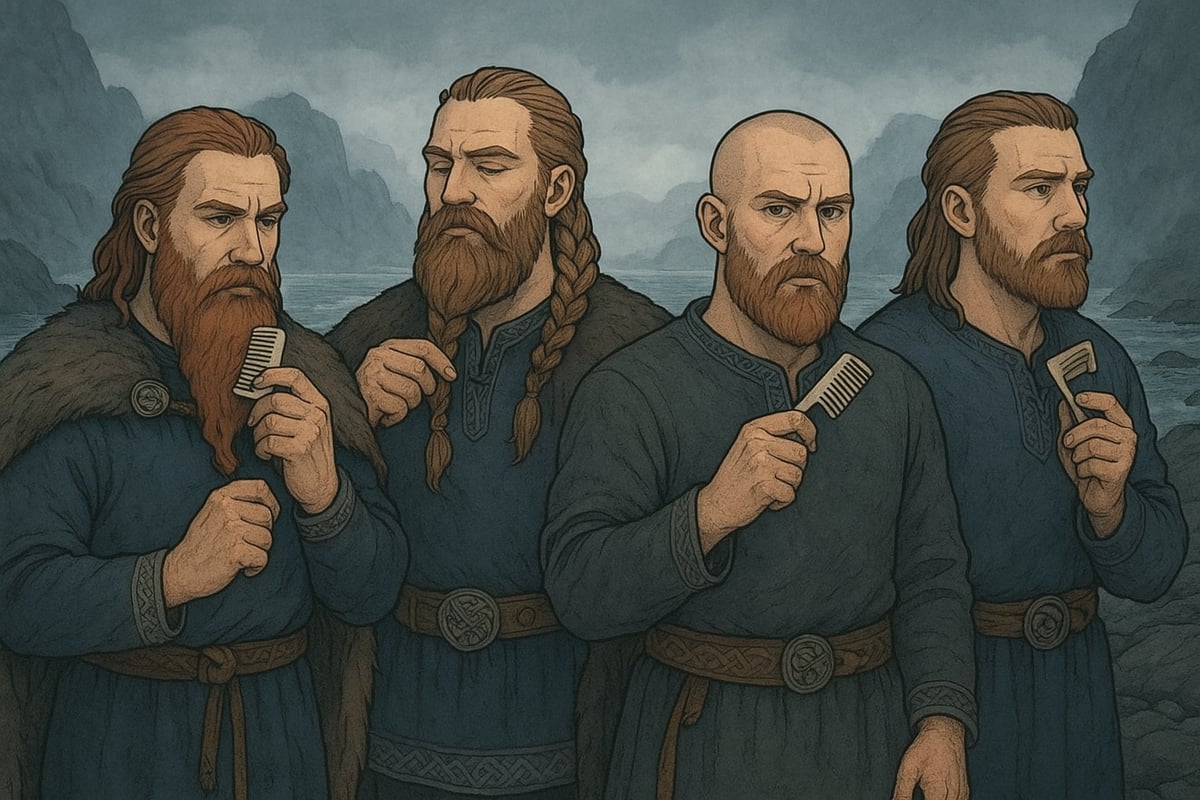
Historical travellers like Ahmad Ibn Fadlan described the Rus Vikings as tall, fiercely bearded, and surprisingly clean. Science reveals why this mattered. Grooming wasn’t a luxury; it was a daily necessity. Archaeological digs across Scandinavia have uncovered combs, tweezers, and grooming kits in graves of all classes. This evidence proves that caring for a viking beard was universal, not just for the elite. These tools, often made from bone or antler, show the scientific understanding that regular cleaning and combing reduce bacterial build-up and keep skin healthy beneath the beard.
The symbolism of the viking beard ran deep. It stood for masculinity, social status, and spiritual power. Norse gods like Odin and Thor are always depicted with mighty beards in ancient texts like the Codex Regius. For many, the viking beard was a sign of readiness for battle and a shield against the harsh climate. It also carried spiritual meaning, with some warriors believing their beard was a source of strength and protection. If you’d like to dive deeper, the historical significance of Viking beards is explored in detail, highlighting their role in identity and status.
Styles varied across the Viking world. Some men grew long, flowing beards, while others kept them short and neat for farming or trading. Warriors often shaped their viking beard for practicality—sometimes braiding it to keep hair out of the way in battle. Notable figures like Sweyn Forkbeard and Harald Bluetooth made their mark with iconic styles. What about the wild, untamed look from films? Science and history say otherwise. Vikings took pride in grooming, using natural oils to keep their beards soft and clean. Hollywood’s unruly image is more myth than fact.
The influence of the viking beard lives on. Today, men around the world embrace Norse-inspired styles as a way to connect with heritage, masculinity, and self-expression. Modern beard culture owes much to Viking traditions, from daily grooming routines to the symbolic meaning of a well-kept beard. The legacy is clear: the viking beard is more than a trend—it’s a living link to history, resilience, and identity.
How to Grow a Viking Beard: Step-by-Step Science-First Approach
Growing a true viking beard is a journey rooted in both genetics and intention. This process fuses ancient wisdom with modern research, helping you sculpt a beard worthy of Norse legend. Let's break down each step, using a science-first method that guarantees results and resilience.
Step 1: Understanding Your Genetics and Setting Realistic Expectations
The foundation of a strong viking beard lies in your DNA. Genetics control beard density, growth rate, and colour. If you have Scandinavian roots, you may find red or blonde tones appear in your beard due to MC1R gene variants.
Problem: Many men get discouraged by patchy or slow-growing beards.
Agitate: It can feel like your viking beard dreams are out of reach when progress stalls.
Solution: Track your beard's growth over 6 to 12 weeks. Patience is key, as follicles often activate at different rates. Modern beard diaries help you spot patterns, while science confirms that consistent care and time are essential for robust growth.
Step 2: Nutrition and Lifestyle for Beard Growth
What you eat directly influences the health and strength of your viking beard. Hair follicles depend on amino acids (from protein), omega-3s, and micronutrients like biotin, B12, vitamin D, zinc, and iron to produce strong keratin.
Problem: Poor nutrition leads to weak, brittle beard hair.
Agitate: A lacklustre viking beard can dent confidence and make styling difficult.
Solution: Add foods such as fish, eggs, legumes, and leafy greens to your meals. These provide the building blocks for healthy beard growth. Avoid stress, poor sleep, and smoking, as these can disrupt hormonal balance and slow progress.
Step 3: Establishing a Growth-Boosting Beard Care Routine
A targeted routine can transform your viking beard from rough to regal. Use gentle, sulphate-free beard shampoos to cleanse without stripping oils. Daily hydration with beard oils rich in jojoba or argan supports follicle health, as these oils contain fatty acids that soothe skin and strengthen hair shafts.
Problem: Dry, itchy skin beneath the beard.
Agitate: Uncomfortable, flaky skin can make you want to shave it all off.
Solution: Brush daily with a natural bristle brush to boost circulation and evenly distribute oils. This keeps your viking beard soft, strong, and itch-free, supporting new growth at the root.
Step 4: Trimming and Shaping for Early Growth
Strategic trimming is vital for a neat, even viking beard. Use sharp scissors or an adjustable trimmer to remove split ends and shape your beard as it fills in. Historically, Vikings used bone or wooden combs to keep their beards orderly.
Problem: Messy or uneven beard growth.
Agitate: An unkempt viking beard can undermine your look and confidence.
Solution: Trim every few weeks, focusing on maintaining a clean neckline and defined shape. This approach prevents weak, broken ends, and encourages thicker, fuller growth, just as the Norsemen did.
Step 5: Overcoming Common Growth Challenges
Even the most dedicated viking beard enthusiast faces setbacks. Patchiness, itch, and slow progress are common hurdles. Minoxidil (off-label), microneedling, and peppermint oil (a vasodilator) can stimulate blood flow, encouraging dormant follicles to awaken.
Problem: Stalled beard growth or persistent itch.
Agitate: These issues tempt many to abandon their viking beard goals.
Solution: Use anti-inflammatory ingredients like shea butter or aloe vera to calm the skin, and try scalp massages to enhance nutrient delivery. Stay patient and adjust your strategy as needed—science shows targeted interventions can reignite growth.
The Science of Beard Growth Products: What Works and Why
Many viking beard hopefuls waste time and money on ineffective products. The solution is to choose science-backed, natural formulas. Look for ingredients like castor oil (rich in ricinoleic acid to boost circulation), biotin, and vitamin E. These address dryness, patchiness, and slow growth by nourishing follicles and sealing in moisture.

Structured programmes, like a 90-Day Beard Challenge, offer accountability and measurable progress. For an in-depth look at proven solutions, see this review of Effective Beard Growth Products, which showcases products that deliver visible transformations, backed by real testimonials and refund guarantees.
Mastering Viking Beard Grooming: Daily Rituals for Health and Strength
Imagine starting your day with the same pride and purpose as a Norse warrior. Caring for your viking beard is more than a routine—it’s a ritual that shapes identity and strength. Let’s break down what it takes to keep your viking beard healthy and powerful, using both ancient wisdom and modern science.
Cleansing and Conditioning the Viking Way
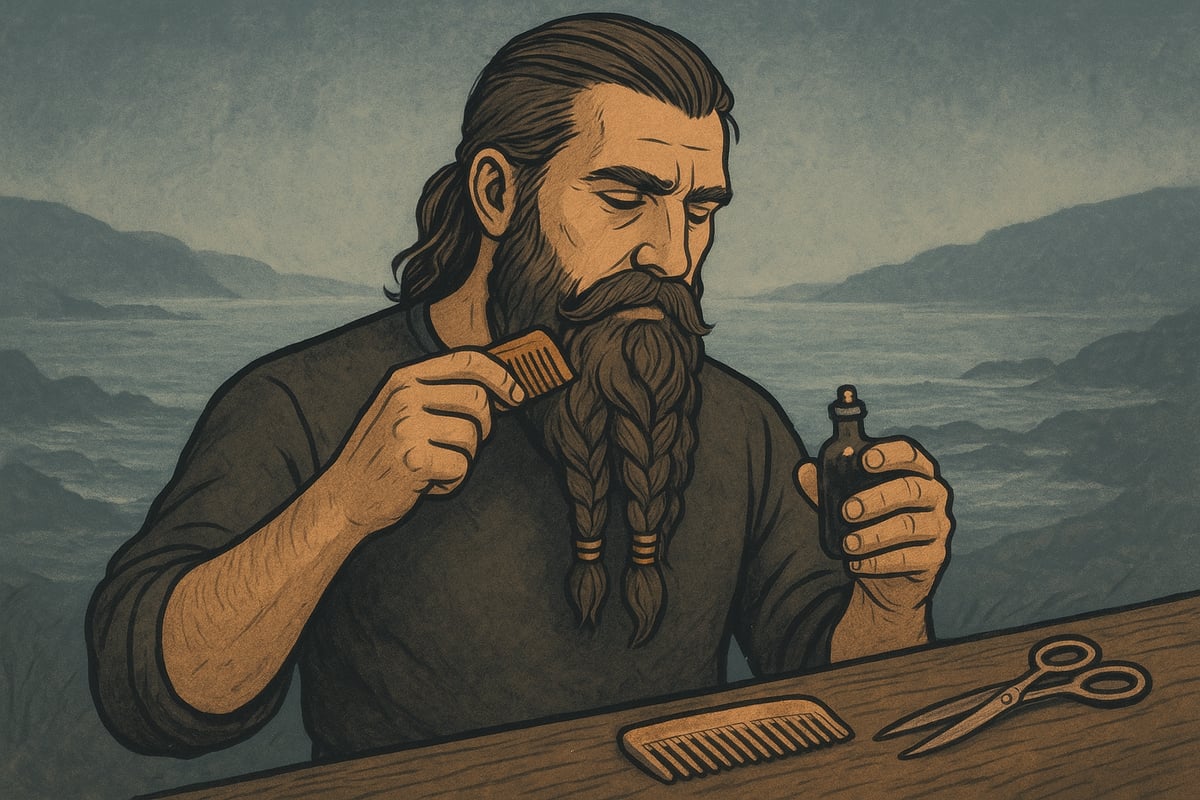
A clean viking beard is the foundation of strength. Wash your beard 2–3 times a week with a natural, sulphate-free, pH-balanced wash. This preserves the skin’s protective barrier and prevents dryness.
Conditioning is vital. Beard conditioners and butters use fatty acids to seal the hair cuticle, reducing breakage and frizz. Norsemen used animal fats and natural oils for similar reasons, softening coarse hair while shielding it from the elements.
Need more guidance? Check out these Top Beard Grooming Tips to refine your viking beard care routine.
Moisturising and Nourishing for Resilience
Do you struggle with a dry, brittle viking beard? Lack of moisture leads to breakage and itch. The science is simple: hair and skin need hydration to stay resilient.
Jojoba oil closely mimics your skin’s natural sebum, locking in moisture without clogging pores. Shea butter, rich in vitamins and fatty acids, calms inflammation and soothes irritation. Regular oiling prevents beardruff by nourishing both hair and skin.
Exfoliate gently once a week to remove dead skin, allowing your viking beard to grow strong and flake-free.
Brushing, Combing, and Training Your Beard
Vikings prized their grooming tools. Archaeological finds reveal bone and wooden combs were standard kit. Today, boar bristle brushes and wooden combs are your allies for a well-trained viking beard.
Brushing distributes natural oils along the hair shaft, increasing microcirculation and feeding follicles. This supports thicker, healthier growth.
Train your viking beard by brushing daily in your desired direction. Over time, hair learns to follow the shape you set, creating that signature, commanding Norse look.
Trimming, Shaping, and Maintaining Edges
Problem: Your viking beard looks wild and loses its shape. Agitate: Split ends, overgrowth, and fuzzy lines make you feel less confident.
Solution: Embrace routine trimming with sharp scissors or precision trimmers. Clean necklines and defined cheek lines were hallmarks of Viking grooming, highlighting beard fullness.
Trim every 2–3 weeks to prevent split ends. Use a beard shaping template for symmetry. Regular maintenance ensures your viking beard remains fierce, not feral.
Advanced Care: Protecting Against Environmental Damage
The viking beard faces harsh weather—wind, cold, sun. Environmental stressors break down hair proteins and sap moisture from both hair and skin.
Shield your beard with balms containing beeswax or lanolin. These form a barrier, locking in hydration and blocking pollutants. At night, apply a rich beard butter or wrap your beard to prevent friction and breakage as you sleep.
This advanced care routine keeps your viking beard strong, whatever the season brings.
Scent and Persona: Choosing Fragrances That Channel Norse Spirit
Scent is the finishing touch for any viking beard. Traditional aromas—pine, cedar, leather, musk—evoke the wild landscapes of the North.
Modern blends use essential oils for customisation. Choose fragrances that match your mood or occasion. In Norse culture, scent was tied to ritual and identity, making it a key part of the viking beard persona.
The right fragrance transforms your daily grooming into a moment of heritage and self-expression.
The Best Viking Beard Styles for 2026: Trends and Timeless Looks
Picture the power of a viking beard—the kind that commands respect in any hall. This year, timeless tradition meets bold new trends, giving you more ways than ever to wear your Norse heritage with pride. Whether you want to channel a legendary warrior or put a modern spin on ancient looks, there is a style for every face, lifestyle, and ambition.
Classic and Historical Viking Beard Styles
The classic viking beard is steeped in history and symbolism. In Norse society, a full beard was a sign of maturity, wisdom, and strength.
Let us examine the most iconic styles:
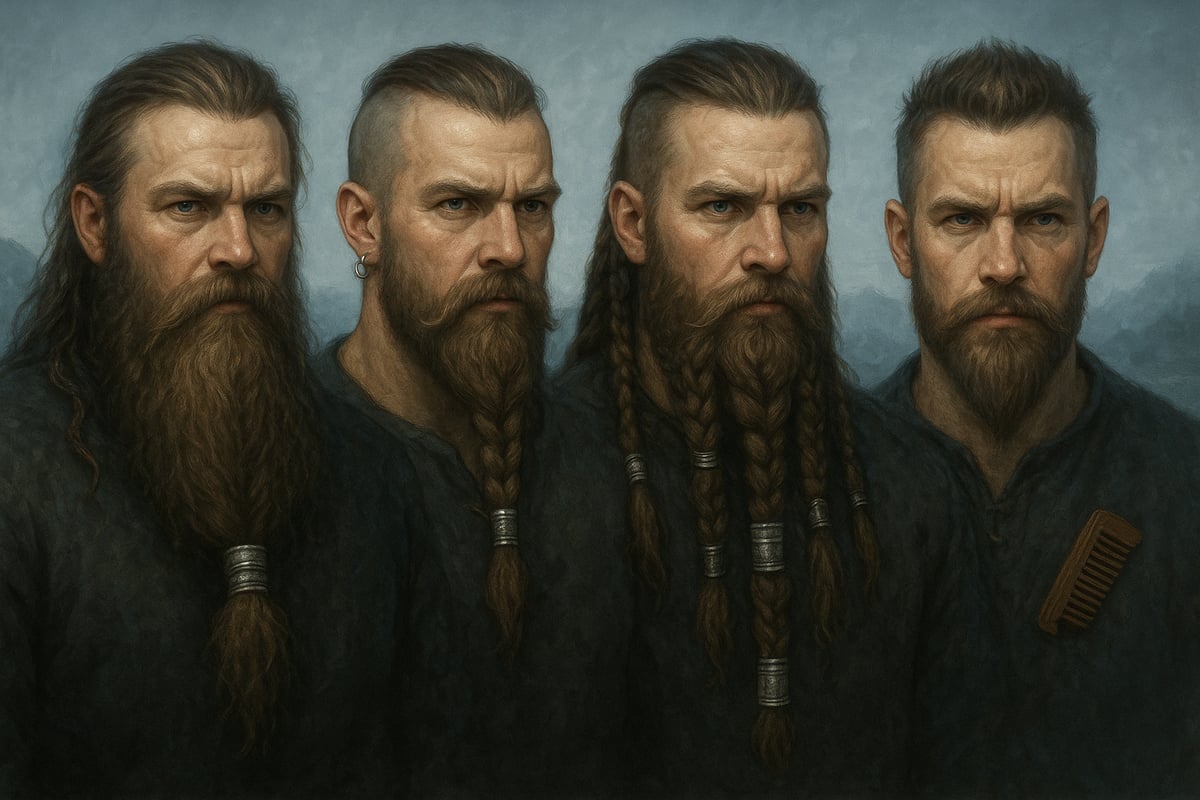
- The Long, Full Beard: This style represented authority and was often associated with chieftains and elders. The reason? Testosterone influences beard growth, making a thick beard an outward sign of virility.
- The Forked Beard: Sweyn Forkbeard, a famed king, gave this style its name. A naturally splitting beard or a deliberate parting down the middle created a fearsome look in battle.
- The Braided Beard: Warriors often braided their beards, using animal fat or natural oils to keep them neat. Braiding reduced tangling and protected hair from damage during combat.
- The Short, Tidy Beard: Farmers and merchants preferred this style for practicality. Regular trimming with sharp blades or scissors helped maintain hygiene, as evidenced by grooming kits found in archaeological digs.
Problem: Many see the viking beard as wild and untamed. Agitate: But science and history show that Norsemen valued cleanliness, using combs and oils to avoid lice and split ends. Solution: Embrace the tradition—intentional grooming gives your beard strength and style.
Hollywood may exaggerate the unruliness, but real Viking beards were expressions of care and status.
Modern Interpretations and Creative Twists
Contemporary takes on the viking beard blend heritage with personal flair. Genetics play a role, especially for those with Scandinavian roots, but anyone can adapt these styles.
Here are the top modern trends:
- The Red Viking Beard: Red hair genes are common in northern Europe. This bold style celebrates genetic heritage and stands out in a crowd.
- Single or Double Braids: These braids add volume and structure, and are practical for longer beards. Braiding distributes tension evenly, reducing hair breakage.
- The Pointed or Ducktail Beard: Shaped to a defined tip, this look demands regular trimming and brushing. The science: directing growth reduces split ends and creates a fierce silhouette.
- The “Warrior” Beard: This style looks wild, but is actually tamed with oils and regular washing. Hydration is key—jojoba oil mimics natural sebum, keeping hair soft and skin healthy.
Problem: Struggling to choose a style or maintain shape? Agitate: It is easy to feel lost with so many options. Solution: Explore Modern Viking beard styles and grooming tips for visual inspiration and step-by-step advice.
Modern styles let you honour tradition while expressing individuality.
Styling Techniques: From Braids to Beads
Ready to transform your viking beard? Master these essential techniques:
How to Braid:
- Brush thoroughly to detangle and stimulate circulation.
- Divide beard into sections using a wide-tooth comb.
- Braid tightly, securing with an elastic at the end.
Decorative Beads and Rings:
- Slide metal, bone, or wooden beads onto braids for authenticity.
- Choose designs with runes or animal motifs for deeper symbolism.
Science explains the benefit: braiding and bead use protect hair shafts from friction and environmental damage. This keeps your viking beard strong and healthy.
Choosing the Right Style for Your Face and Lifestyle
Not every viking beard suits every face shape or routine. Here is how to decide:
Face Shape Analysis:
- Round faces do well with pointed or ducktail styles to add length.
- Angular jaws benefit from full or forked beards for balance.
Maintenance Considerations:
- Long, braided beards require patience and daily care.
- Short styles are easier for busy routines.
Professional vs DIY:
- Visit a barber for complex braids or shaping.
- DIY works for basic trims—just use sharp, clean tools.
Look to celebrities and influencers for inspiration, but always tailor your viking beard to your own features and lifestyle.
Accessorising: Elevating Your Viking Beard Look
Accessories turn a viking beard into a statement of identity. Choose from:
- Beads and Rings: Metal, bone, and wood are traditional. Metal beads with Norse symbols add historical accuracy, while wood offers lightweight comfort.
- Natural Elements: Feathers or leather wraps can add texture for festivals.
- Sourcing: Seek artisan makers or reputable online shops for authentic pieces.
Caring for accessories is crucial. Regularly clean beads and rings with mild soap to prevent buildup and preserve shine. This keeps both your viking beard and its adornments looking their best.
Accessorising is the finishing touch—celebrating your Norse spirit and personal style.
Living the Viking Legacy: Culture, Identity, and Daily Practice
Picture the viking beard not just as facial hair, but as a living thread connecting you to centuries of Norse tradition. Wearing a viking beard channels values like strength, resilience, and honour. Archaeological finds and ancient texts highlight how beards signified social status, readiness for battle, and even spiritual power. If you want to explore how beards have shaped identity for centuries, see this History of Beards in Culture for deeper context.
The Viking Beard: A Living Link to Heritage
Choosing to grow a viking beard is a daily act of honouring the past. Norsemen treated beard care as a ritual, using combs, oils, and even animal fats to maintain their look. Modern science tells us these natural oils are rich in fatty acids, which nourish the skin and hair, strengthening the beard against breakage. When you start your morning grooming ritual, you are echoing the habits of Viking ancestors who believed a well-kept beard was a sign of respect for themselves and their gods.
Daily Rituals: Embodying Norse Values
Incorporating a viking beard into your daily life means more than just letting it grow. Create habits rooted in tradition and science. Try seasonal changes, like letting your beard grow longer for winter protection or trimming for summer comfort. Science shows that facial hair insulates the skin, reducing water loss in harsh climates. Morning grooming routines, such as cleansing and oiling, protect against dryness by sealing the hair cuticle, just as Norsemen once did. This daily care fosters discipline, a value prized by Viking culture.
Community and Brotherhood
Wearing a viking beard opens doors to a growing community. Online forums, beard clubs, and historical reenactment societies offer camaraderie and support. At Viking-themed festivals, you can showcase your beard, swap grooming tips, and compete in contests. These gatherings are more than fun, they are a chance to share knowledge and celebrate shared heritage. Data from 2024–2025 shows a marked rise in beard care product sales and viking beard searches, signalling a resurgence in this tradition.
Celebrating and Passing Down the Tradition
Passing on the viking beard legacy strengthens bonds between generations. Teaching grooming skills to sons, nephews, or friends ensures these rituals endure. Hands-on lessons, from braiding techniques to choosing nourishing oils, combine tradition with modern science. This practice fosters a sense of responsibility and pride. Community workshops and family grooming rituals keep the viking beard alive, making it a shared story rather than a personal style.
More Than Just Hair: Identity, Confidence, and Legacy
Growing a viking beard shapes identity and boosts confidence. It is a declaration of self-expression, rooted in cultural heritage. The psychological impact is real: studies link grooming routines to higher self-esteem and a sense of belonging. The PAS model applies here too. Problem: Stereotypes suggest a viking beard is wild or unkempt. Agitate: This can lead to doubt or hesitation. Solution: Embrace mindful care, blending tradition with science, to reclaim the viking beard as a symbol of respect, intention, and personal legacy.
Frequently Asked Questions About Viking Beards
Curious about the viking beard lifestyle? You are not alone. Here are answers to the most common questions men ask before taking the plunge into this legendary look.
Are Viking beards suitable for all hair types and ethnicities?
The viking beard is not just for those with Scandinavian roots. Genetics play a major role in beard density and curl pattern, but men of all backgrounds can adapt this iconic style. The problem? Many worry their hair type, whether curly, straight, or coarse, cannot achieve the look.
Agitate this concern: frustration grows when your beard does not match the Hollywood image. The solution is to work with your unique texture. For curly hair, regular brushing with a boar bristle brush helps train follicles for a fuller shape. Straight or fine hair benefits from using beard balms that add weight and structure. Even if you do not have Viking ancestry, you can still channel the viking beard by focusing on care, patience, and the right products.
How long does it take to grow a true Viking beard?
A classic viking beard requires time and dedication. The problem: many expect quick results, only to feel discouraged by slow progress. On average, facial hair grows 1.25 cm per month. To reach the full, robust look, most men need six to twelve months of consistent growth.
Agitate: It is easy to lose patience when your beard seems patchy or stagnant. The solution is to track your journey with photos or a beard diary. This helps you see progress that might not be obvious day-to-day. Remember, health, hormones, and nutrition all influence your beard’s speed. Support growth with protein-rich foods and good sleep, and do not rush the process. With time, your viking beard will emerge in all its glory.
What are the most common grooming mistakes to avoid?
Many men hoping for a viking beard fall into common traps. The problem: over-washing strips natural oils, under-conditioning leaves hair brittle, and aggressive trimming destroys shape. Agitate: These mistakes can lead to dry, itchy skin, split ends, and an uneven appearance.
The solution is a science-backed routine. Use gentle, sulphate-free shampoos to protect the skin’s barrier. Conditioners with shea butter seal the cuticle, preventing breakage. Always use sharp, quality tools to avoid tugging or damaging hair. For more on preventing beard dandruff, which often results from improper care, check out this guide on How to Reduce Beard Dandruff.
Can I combine modern beard products with traditional Viking routines?
Absolutely, blending tradition with modern science creates the best results for your viking beard. The problem: Some worry that using new products will undermine authenticity. Agitate: This can cause hesitation, leading to missed opportunities for healthier growth.
The solution is to merge the old with the new. For example, apply natural oils like jojoba (which mimics skin’s sebum) and brush with a wooden comb, just as Vikings did. Modern balms with added vitamins enhance nourishment while maintaining heritage. Braiding your beard can be paired with modern hold products for lasting style. This hybrid approach honours tradition while leveraging today’s beard science for resilience and strength.
How do I maintain my Viking beard in extreme weather?
Weather can challenge even the most dedicated viking beard enthusiast. The problem: Cold, wind, and sun stress hair fibres and skin, leading to brittleness or beardruff. Agitate: Neglecting protection results in a dull, weak beard and discomfort.
The solution is targeted defence. In winter, use balms with beeswax to create a protective barrier. Summer calls for lightweight oils with vitamin E, which acts as an antioxidant to counter sun damage. Night-time routines, like applying a nourishing butter and wrapping your beard, help repair and prevent protein loss. Science shows that hydration and sealing in moisture are key to strong, healthy growth, regardless of climate.
What are the best resources for further learning and community?
Building your viking beard journey is easier with the right knowledge and support. The problem: Information overload makes it hard to know where to start. Agitate: Without guidance, it is easy to fall for myths or ineffective routines.
The solution is to seek out reputable sources. Here are some top picks:
| Resource Type | Recommendation |
|---|---|
| Books | "The Viking World" by Stefan Brink |
| Documentaries | "Vikings Unearthed" (BBC) |
| Websites | Viking grooming practices and tools |
| Forums | Reddit’s r/beards, BeardBoard.com |
| Social Media | Instagram #vikingbeard, Facebook beard groups |
Connect with local reenactment societies or attend Viking festivals to meet others who share your passion. Sharing experiences and tips can make your viking beard journey even more rewarding.
You’ve just explored the secrets behind the mighty Viking beard—from ancient rituals to cutting edge grooming tips—so why not take the next step in your own beard journey? Imagine the transformation when you combine heritage inspired care with science backed, all natural products designed for real results. Whether you’re aiming for a legendary braid or just want a thicker, healthier look, you deserve to see what’s possible. Ready to embrace your Norse legacy and see visible progress in just a few months? Start your adventure with the 90 DAY BEARD CHALLENGE and let’s make your beard worthy of saga status.