

Noticed white flakes in your beard? You’re not alone. Beard dandruff is one of the most common grooming frustrations for modern men, often leading to awkward moments and a lack of confidence.
The itch, redness, and flaking can make you want to hide your beard, but understanding the science behind beard dandruff is the first step to solving it. If you’ve struggled with irritation or embarrassment, this guide is for you.
Here, you’ll discover why beard dandruff happens, the latest treatments backed by research, daily routines to keep flakes at bay, and natural remedies that actually work. Get ready for a flake-free, healthy beard—starting today.
Understanding Beard Dandruff: Causes and Science
Noticed persistent flakes and redness under your beard? You’re not alone. Beard dandruff is a real, often misunderstood condition that goes beyond simple dryness. To tackle it, you need to understand what’s happening beneath the surface. Let’s break down the science, symptoms, and causes of beard dandruff for a confident, flake-free look.
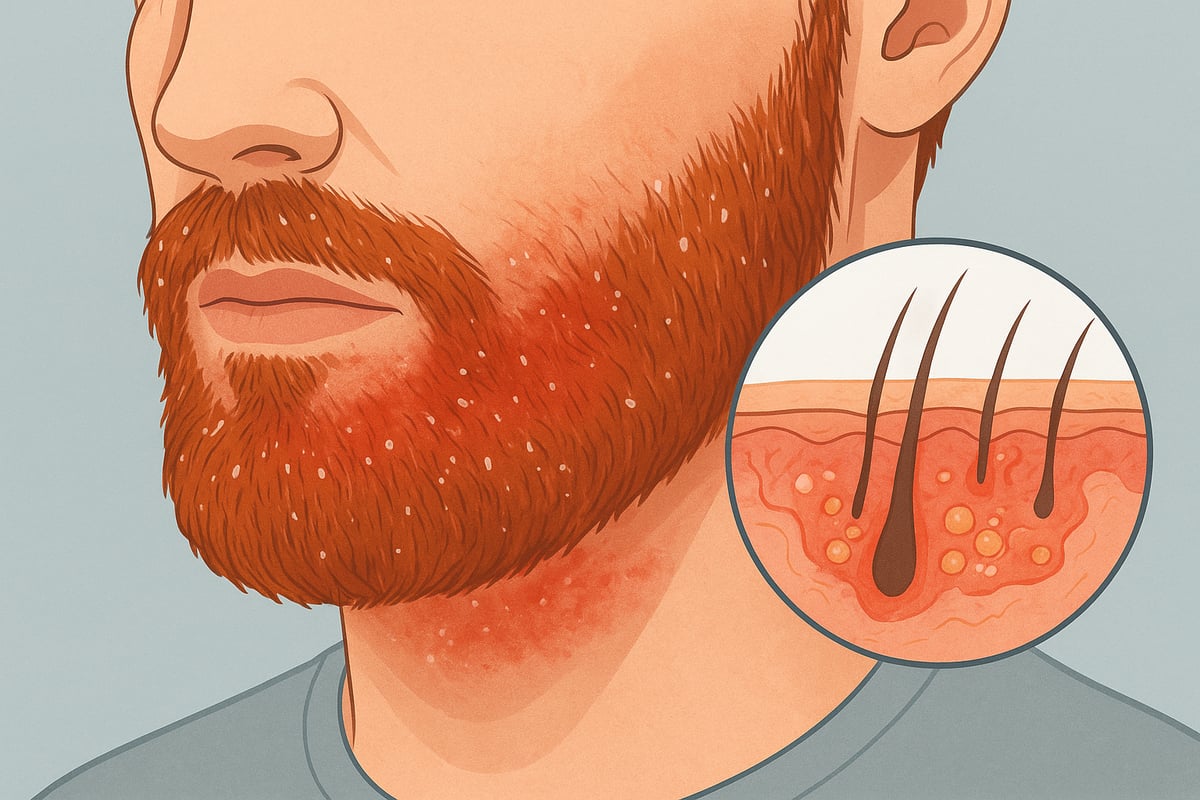
What is Beard Dandruff?
Beard dandruff is the presence of white or yellowish flakes and irritation beneath facial hair. Unlike simple dry skin, beard dandruff can cause persistent itching, noticeable redness, and sometimes even greasy patches. The issue starts when the skin under your beard becomes irritated and sheds in visible flakes.
Common symptoms include:
- White or yellow flakes clinging to beard hairs or falling onto clothing
- Red, inflamed skin that feels sore or itchy
- Occasional greasy or scaly patches, especially in severe cases
Beard dandruff is more than a cosmetic problem. Studies suggest up to 40% of men with facial hair will deal with it at some point. The psychological impact can be significant. Flakes on your shirt or in your beard can lead to embarrassment and reduced confidence, making social situations uncomfortable.
It’s important to distinguish beard dandruff from plain dry skin. Dry skin usually produces small, powdery flakes without much redness or oil. Seborrheic dermatitis, a more severe form, leads to greasy, thick scales and can spread to the eyebrows, nose, or scalp. This distinction matters for choosing the right treatment and maintaining healthy skin under your beard.
| Symptom | Dry Skin | Beard Dandruff (Seborrheic Dermatitis) |
|---|---|---|
| Flake Colour | White | White/Yellow |
| Oiliness | None | Sometimes greasy |
| Redness | Mild or none | Moderate to severe |
| Itching | Occasional | Persistent |
| Spread to other areas | Rare | Common |
Understanding these differences helps you take the right approach to treating beard dandruff.
The Science Behind Beard Dandruff
So, what causes beard dandruff at the microscopic level? The main player is a yeast called Malassezia globosa. This fungus thrives in oily areas, like the skin beneath your beard, because your sebaceous glands produce more sebum there. Malassezia breaks down sebum, releasing oleic acid as a by-product.
Here’s where science explains the itch: Oleic acid can irritate the skin in people who are sensitive to it. This irritation triggers your skin’s immune response, causing inflammation, redness, and, ultimately, those telltale flakes.
Genetics play a big role. Some people’s skin reacts more strongly to Malassezia and its by-products, making them more prone to beard dandruff. Environmental factors like cold weather, dry air, or stress can tip the balance, weakening your skin barrier and creating the perfect storm for flaking and irritation.
Harsh cleansers and over-washing strip away your natural oils, disrupting the skin’s protective layer. This not only leaves your skin dry but also allows Malassezia to thrive, making beard dandruff worse. On the other hand, poor cleansing can cause oil and dead skin to build up, increasing yeast growth.
Science shows that tackling the root cause, Malassezia, is key. This is why antifungal ingredients like ketoconazole or selenium sulphide are effective in targeted beard shampoos. They disrupt the yeast’s cell membrane, stopping its growth and reducing inflammation. Proper care keeps the skin barrier intact, making it harder for beard dandruff to return.
Key Causes and Risk Factors
Understanding the triggers behind beard dandruff arms you with the tools to fight back. The most common causes include:
- Inadequate cleansing, which leads to oil and dead skin build-up, feeding Malassezia
- Over-washing or using strong cleansers, stripping away protective oils and exposing skin to irritation
- Poor moisturisation, leaving the skin barrier weak and prone to flaking
- Harsh winter weather or sudden climate changes, which dry out the skin
- Underlying skin conditions, like eczema, psoriasis, or seborrheic dermatitis
Lifestyle habits matter, too. Diets low in vitamins B, D, or zinc can slow skin repair. Poor sleep and chronic stress weaken your immune system, allowing inflammation to flare and beard dandruff to worsen.
If you’re struggling to pinpoint the cause or find lasting relief, you’re not alone. For a detailed breakdown of beard dandruff causes, symptoms, and science-backed solutions, see this comprehensive Beard Dandruff Causes and Treatments guide.
By understanding the interplay between your skin, environment, and daily habits, you can create a routine that targets beard dandruff at its source and prevents it from coming back.
Recognising and Diagnosing Beard Dandruff
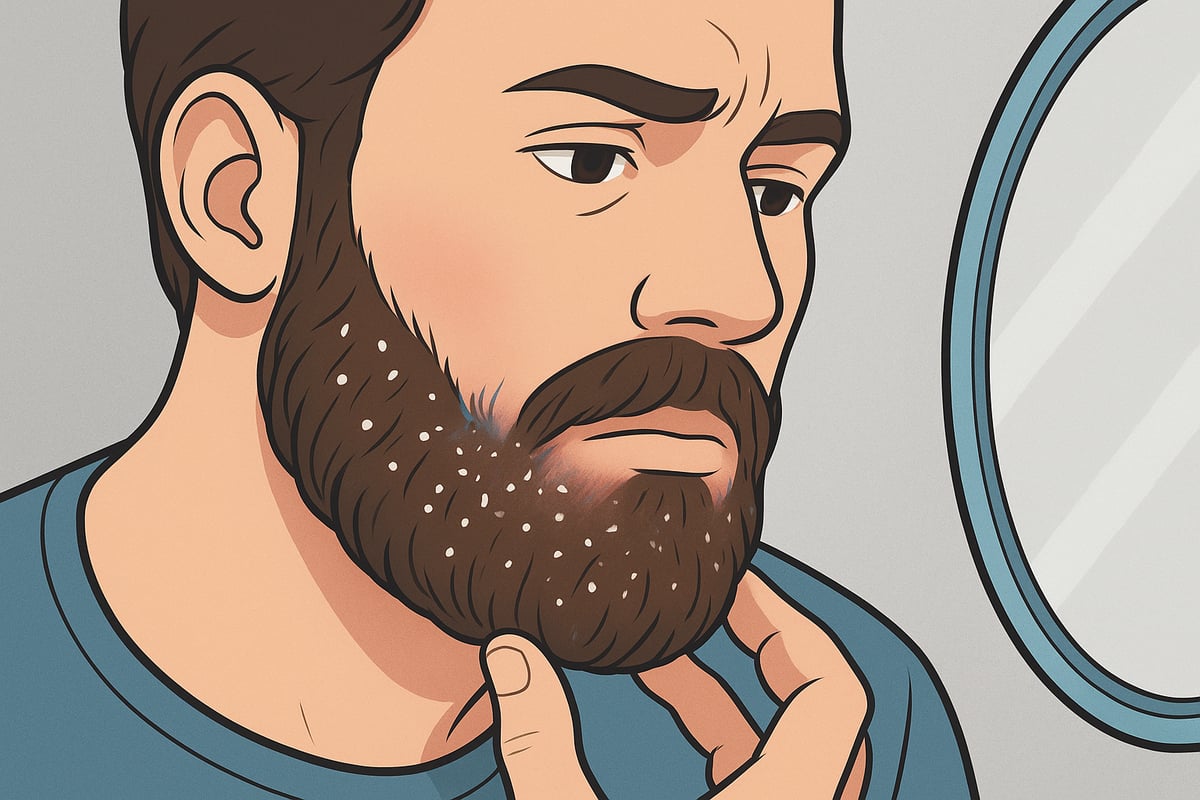
Spotting beard dandruff early is the gateway to effective treatment. If you’ve ever looked in the mirror and noticed white or yellow flakes dotting your beard, you’re not alone. Understanding exactly what you’re facing is the first step to restoring confidence and comfort.
Symptoms to Watch For
Beard dandruff typically reveals itself as small, white or yellowish flakes that collect in the beard or fall onto clothing. These flakes are often accompanied by itching, a sensation that can range from mild to intense, and visible redness or irritation on the skin beneath your facial hair.
Severe cases may present with greasy patches or even crusty build-up, especially if the underlying skin is inflamed. You might also notice the problem spreading beyond your beard, affecting areas like the eyebrows, scalp, or the sides of the nose. For an in-depth look at common signs and causes, see Beard Dandruff: Causes and Solutions.
Recognising these early symptoms of beard dandruff helps you act quickly, preventing further discomfort and visible flaking.
Differentiating Dandruff from Other Conditions
Not all flakes in your beard mean beard dandruff. It’s important to distinguish between similar-looking skin issues to choose the right solution.
Seborrheic dermatitis, for example, usually causes greasy, inflamed, and widespread patches—often more severe than typical beard dandruff. Dry skin, on the other hand, leads to fine, powdery flakes without much redness or oiliness. Psoriasis and eczema may cause thicker, silvery scales and sometimes bleeding, which is not common in basic beard dandruff. Fungal infections can create ring-shaped rashes or even hair loss in patches.
If you’re unsure, compare your symptoms with these descriptions. Proper identification ensures you target the real problem, not just the symptoms.
When to Seek Medical Advice
In most cases, beard dandruff can be managed at home with the right care. However, some warning signs mean it’s time to consult a professional.
If your symptoms persist or worsen after several weeks of self-care, or if you develop signs of infection like oozing, pain, or swelling, seek help. A persistent impact on your confidence, anxiety about appearance, or sleep loss due to itching are also valid reasons to see a dermatologist.
Specialists may perform a visual assessment or take skin scrapings to confirm beard dandruff and rule out other conditions. Early intervention from a doctor ensures you receive targeted, science-backed treatments and avoid complications.
Step-by-Step Beard Dandruff Treatment Routine for 2026
Battling beard dandruff can feel relentless, but science offers a clear path forward. The key is a structured, evidence-backed routine that tackles the root causes, not just the symptoms. Ready to reclaim your confidence and enjoy a healthy, flake-free beard? Here’s the ultimate, step-by-step approach for 2026.
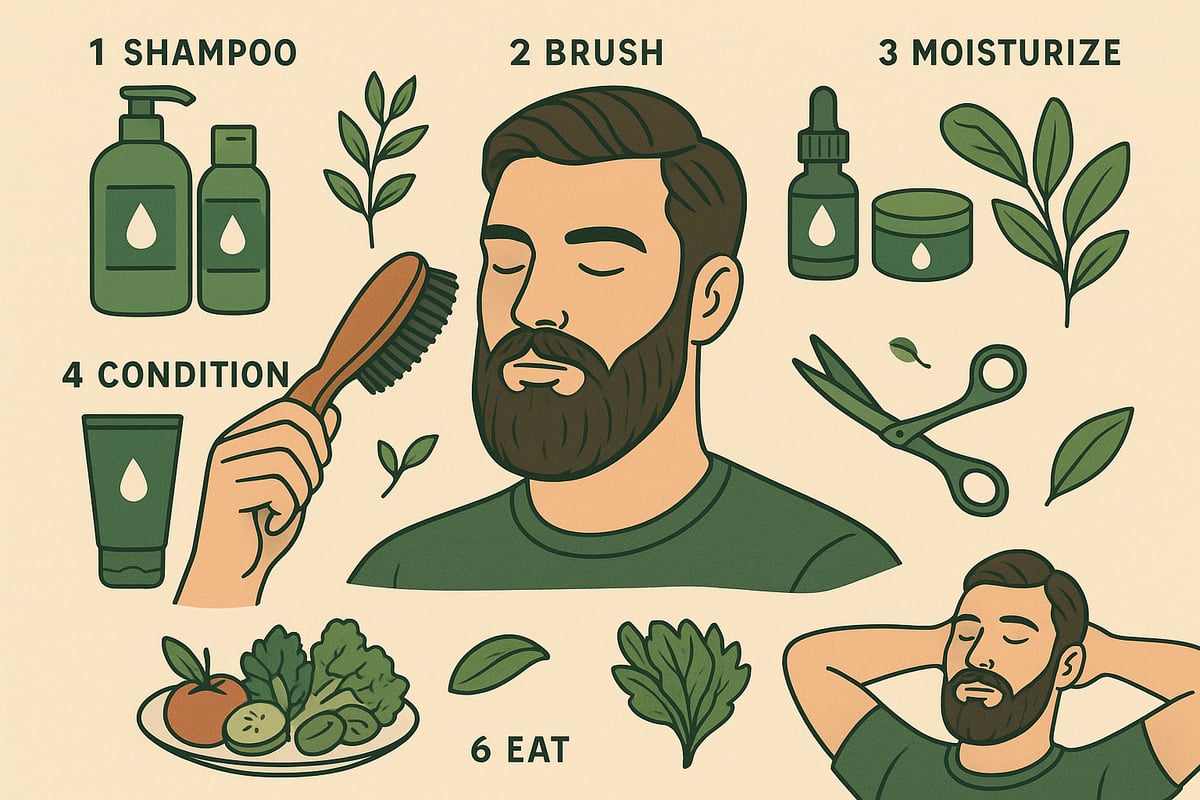
Step 1: Cleanse with Targeted Beard Shampoo
The foundation of every beard dandruff routine is effective cleansing. Regular shampoos often miss the mark, failing to address the yeast and oil that cause flakes. Instead, use a beard shampoo with antifungal ingredients like ketoconazole, selenium sulphide, or pyrithione zinc.
These actives break down the cell walls of Malassezia globosa, the fungus responsible for beard dandruff, reducing inflammation and flaking. Massage the shampoo deep into the beard and skin, letting it sit for five minutes before rinsing. Start daily, then taper as symptoms improve.
For the best results, choose a solution designed for facial hair, such as Beard Shampoo for Flake Control, which combines targeted cleansing with gentle botanicals to support your skin barrier.
Step 2: Exfoliate Gently
Dead skin build-up is a silent saboteur in beard dandruff routines. Exfoliating with a soft beard brush or a mild exfoliating wash lifts away debris, allowing treatment ingredients to penetrate effectively.
Physical exfoliation boosts cell turnover, while chemical exfoliants like lactic acid dissolve bonds between dead cells. Limit exfoliation to 1 or 2 times weekly. Overdoing this step can strip your skin, worsening beard dandruff and leading to irritation.
Step 3: Moisturise and Soothe
After cleansing, your skin craves replenishment. Without moisture, the barrier stays compromised, which keeps beard dandruff active. Apply a non-comedogenic, fragrance-free moisturiser packed with fatty acids like jojoba oil or shea butter.
Jojoba oil mimics natural sebum, restoring lost lipids and calming inflammation. Shea butter delivers vitamins A and E, which are crucial for skin repair. Skip petroleum jelly, as it can trap yeast and make beard dandruff worse by blocking pores.
Step 4: Condition and Nourish
A healthy beard needs more than just clean skin. Conditioning delivers targeted relief for beard dandruff by softening hair and infusing the skin with antifungal agents.
Tea tree oil, for example, contains terpinen-4-ol, which disrupts the cell membrane of Malassezia, directly fighting the cause of beard dandruff. Hydrating ingredients like panthenol and aloe vera lock in moisture, reduce itching, and leave beard hair supple.
Apply conditioner after every wash, focusing on both beard and underlying skin to maximise results.
Step 5: Maintain Beard Hygiene
Beard dandruff thrives in neglected environments. Thoroughly dry your beard post-wash to prevent fungal overgrowth. Use a clean towel, and avoid letting water sit on your skin.
Regularly clean your grooming tools, as bacteria and yeast can build up on brushes and combs. Trimming your beard not only keeps it neat but also allows treatments to reach the skin more easily, making it harder for beard dandruff to return.
Step 6: Lifestyle Adjustments
Your daily habits impact beard dandruff more than you might think. Diets rich in B vitamins, D, and zinc support skin renewal and strengthen your immune response.
Chronic stress is a known trigger; it disrupts hormone levels and weakens your skin’s defences, making beard dandruff flare-ups more likely. Prioritise sleep and stress management techniques like meditation or regular exercise to keep your skin resilient.
Step 7: Ongoing Maintenance and Prevention
Consistency is your armour against recurring beard dandruff. As symptoms fade, reduce medicated shampoo use to 2-3 times per week, but keep up with gentle cleansing and moisturising daily.
Monitor your beard for early signs of flaking, especially in winter or during stressful periods. Adapting your routine proactively stops beard dandruff before it gains traction, ensuring lasting skin and beard health.
Natural and Home Remedies: What Works and What Doesn’t
Struggling with beard dandruff that just won’t quit? You’re not alone. Many men turn to natural remedies, hoping for relief without harsh chemicals. But which solutions actually work, and which are myths that could make things worse? Let’s break down the science so you can choose smarter and finally get a handle on beard dandruff.
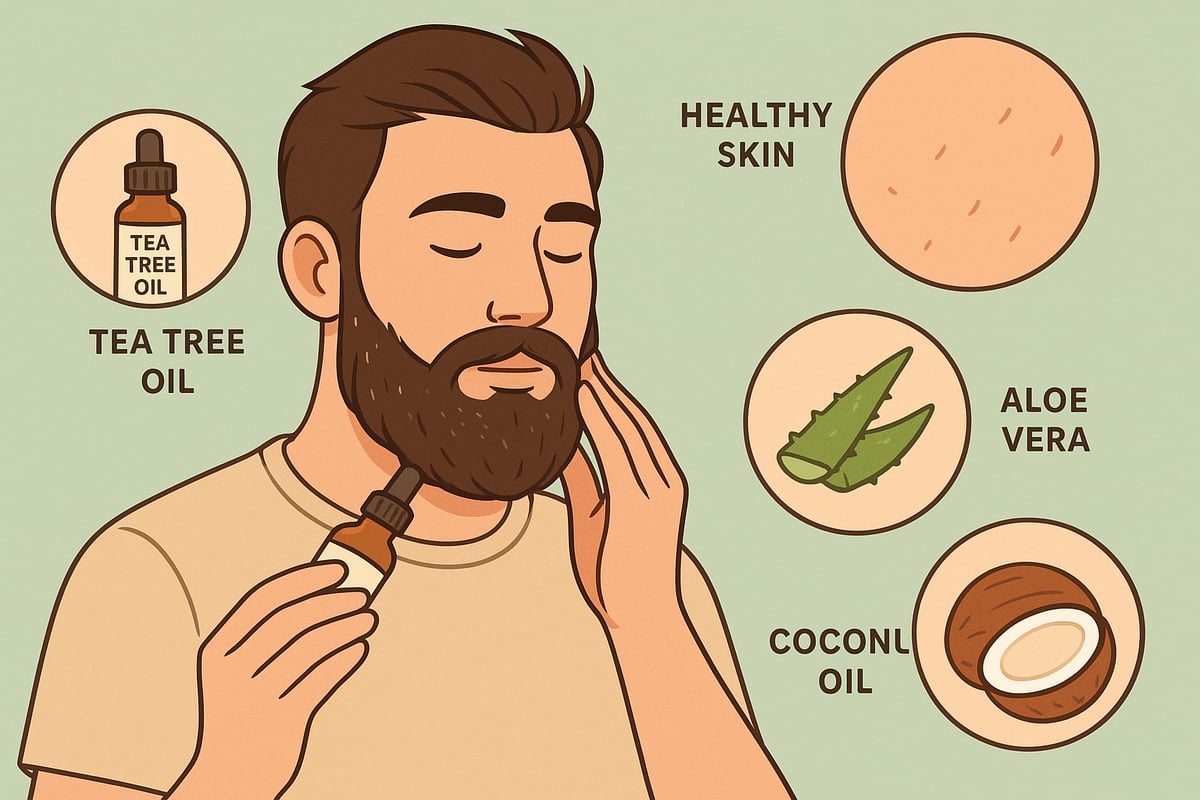
Evidence-Based Natural Solutions
Some natural ingredients have proven effects against beard dandruff, thanks to their unique active compounds. Tea tree oil, for example, contains terpinen-4-ol, which disrupts the cell walls of Malassezia yeast, the root cause of flaking. Aloe vera is packed with polysaccharides that boost collagen synthesis, soothing irritation and accelerating skin repair.
Coconut oil features lauric acid, a fatty acid that weakens fungal membranes, helping to reduce beard dandruff at its source. Apple cider vinegar, when diluted, restores the skin’s pH balance, making it harder for yeast to thrive. For more on the science behind these ingredients, see the Beard Care Ingredients and Benefits page for an in-depth look.
Common Myths and Ineffective Remedies
Not every home remedy is a winner for beard dandruff, and some can even make things worse. Petroleum jelly, often used for dry skin, actually traps moisture and creates a perfect environment for yeast, aggravating flakiness. Overusing oils, especially if they’re not antifungal, can clog pores and trigger folliculitis, which brings redness and bumps.
DIY scrubs made from sugar or salt might sound appealing, but they’re too abrasive for sensitive facial skin. Instead of removing beard dandruff, they strip the protective barrier, leading to more irritation and slower healing.
Safety and Patch Testing
Natural doesn’t always mean safe. Before using any new product or remedy for beard dandruff, patch test it. Apply a small amount to the inside of your elbow or behind your ear. Wait 24 hours and watch for redness, swelling, or stinging.
If your skin reacts, skip that ingredient. Essential oils, especially, should be diluted properly to avoid chemical burns or allergic reactions. This simple step helps prevent unwanted flare-ups and keeps beard dandruff from getting worse.
When to Use Natural vs. Medicated Options
Wondering when to reach for natural remedies and when to go medicated? Mild cases of beard dandruff often respond well to natural options, especially when symptoms are limited to light flaking and mild itch. For moderate or severe cases—think redness, greasy patches, or spread to other areas—combine natural remedies with medicated shampoos for best results.
Here’s a quick guide:
| Symptom Severity | Natural Remedies Alone | Medicated Needed |
|---|---|---|
| Mild | Yes | No |
| Moderate | As adjunct | Yes |
| Severe | As adjunct | Yes |
Check your progress weekly. If beard dandruff isn’t improving, consult a dermatologist for targeted support.
Preventing Beard Dandruff Recurrence
Keeping beard dandruff away for good takes more than a quick fix. It requires daily care, smart product choices, and ongoing awareness of what your skin and hair truly need. The right routine can mean the difference between a confident, flake-free beard and a recurring battle with irritation.
Daily Grooming Habits
Consistency is your best defence against beard dandruff. Wash your beard regularly with a gentle, targeted cleanser to remove excess oil and prevent yeast growth. Avoid hot water, as it strips protective oils and leaves skin more vulnerable to flaking.
After cleansing, always moisturise using a non-comedogenic formula. This helps repair the skin barrier by restoring essential lipids, which reduces inflammation and irritation. Incorporate a soft beard brush to distribute natural oils evenly and gently exfoliate dead skin. For an extra boost, consider using an Anti-Dandruff Shampoo for Men that targets the root fungal causes of beard dandruff.
Environmental and Lifestyle Modifications
Your environment and daily habits play a crucial role in preventing beard dandruff. Dry air can trigger flaking, so use a humidifier in winter or air-conditioned rooms to maintain moisture levels. Shield your beard from harsh weather with a scarf or protective balm to reduce environmental stress.
Diet matters too. Eat a balanced mix of antioxidants, vitamins B and D, and zinc to support skin renewal. Quality sleep and regular stress management also help regulate immune response, making your skin less reactive to triggers that worsen beard dandruff.
Product Choices and Ingredient Awareness
Smart product selection is essential for keeping beard dandruff at bay. Choose non-comedogenic and fragrance-free products to avoid pore blockages and irritation. Stay away from alcohol-based gels, which dry the skin and disrupt its natural balance, making it easier for flakes to return.
Read ingredient labels carefully. Look for proven antifungal agents, such as tea tree oil, and soothing components like shea butter. For ongoing nourishment, a Beard Conditioner with Natural Ingredients offers hydration and helps maintain a healthy skin barrier, reducing the risk of recurring beard dandruff.
Long-Term Strategies
Prevention is a lifelong journey. Stick to your beard care routine, even when symptoms disappear, to keep skin healthy and resilient. Watch for early warning signs, like itch or mild flaking, so you can intervene quickly before a full flare-up.
Adapt your habits with the seasons, increasing hydration in winter or after sun exposure. Educate yourself about personal triggers, whether they are product ingredients, stress, or environmental changes. By staying proactive and informed, you build a strong defence against beard dandruff recurrence.
Science-Backed Beard Care with Natural Ingredients
Tired of battling beard dandruff with harsh chemicals, only to have flakes return? Many men face this problem, endlessly switching products that promise results but ignore the root cause. The real solution starts with understanding how science-first, natural ingredients can transform your beard and skin health.
Choosing natural ingredients for beard dandruff is not just a trend. It is grounded in science. Take jojoba oil, for example. Its molecular structure closely mimics human sebum, allowing it to restore the skin barrier and prevent the dryness that triggers flaking. Argan oil is packed with vitamin E and essential fatty acids, which support cellular repair and reduce oxidative stress on the skin.
Tea tree oil is a game changer for beard dandruff. It contains terpinen 4 ol, a compound proven to inhibit Malassezia, the yeast responsible for most flaking and irritation. By targeting the fungal imbalance, tea tree oil addresses the main source of redness and itch. This is not just anecdotal, as research such as the Seborrheic Dermatitis and Dandruff: A Comprehensive Review confirms the antifungal effects of natural oils in treating dandruff.
Let us break down the science behind popular ingredients for beard dandruff:
| Ingredient | Function | Science-Backed Benefit |
|---|---|---|
| Jojoba Oil | Restores skin barrier, mimics sebum | Prevents dryness and flaking |
| Argan Oil | Rich in vitamin E and antioxidants | Supports skin repair, reduces stress |
| Tea Tree Oil | Contains antifungal terpinen 4 ol | Inhibits Malassezia, calms itch |
| Shea Butter | High in fatty acids | Soothes inflammation, repairs skin |
| Coconut Oil | Lauric acid disrupts fungal cells | Reduces Malassezia overgrowth |
Choosing gentle, chemical free beard care means less risk of irritation. Sulphates and parabens can disrupt your skin microbiome, making beard dandruff worse. Natural formulas, free from artificial fragrance, maintain a healthy skin environment and support the beard’s natural defences.
Consistent use of these science-backed products leads to softer hair and lasting relief from beard dandruff. Long term, you will notice fewer flare-ups, improved comfort, and renewed confidence in your grooming routine. Why settle for quick fixes when a science-first, natural approach offers real, lasting results for beard dandruff?
You’ve made it this far, so you clearly care about giving your beard the best shot at a flake free, confident future. After learning about what causes beard dandruff and discovering the science behind effective solutions, why not make your next move count? If you’re ready to put these tips into action and want real, natural results, Onesociety’s range of beard care essentials is a great place to start. Imagine running your fingers through a soft, healthy beard—no more embarrassment, just pure confidence. Curious to see what’s possible for your beard in 2026? Take a look at their curated selection here: BEARD PRODUCTS