

Struggling with a patchy, thin beard that never seems to fill in? You’re not alone. Many men face slow growth, uneven coverage, and a lack of density due to genetics, hormone levels, or daily habits.
Imagine having a fuller beard that frames your face and boosts your confidence every morning. In this guide, you’ll discover seven expert tips grounded in science to help you achieve your beard goals in 2026. Let’s break down what truly works, from biology to the latest grooming breakthroughs.
The Science Behind Beard Growth: Why Density Varies
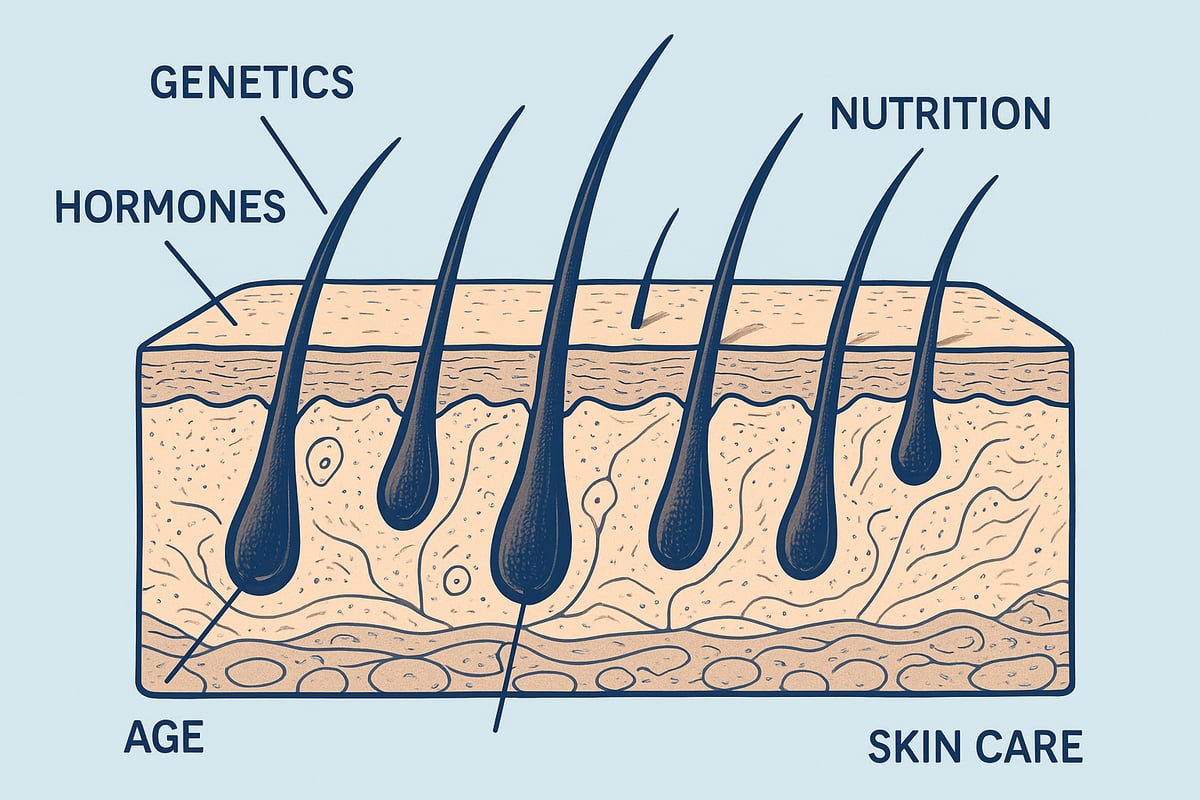
Ever wondered why some men easily achieve a fuller beard while others struggle with patchiness? The answer lies in a fascinating mix of genetics, hormones, nutrition, age, and skin health. Let’s break down the science to see what truly determines how thick and dense your beard can become.
Genetics and Follicle Structure
Problem: Struggling to grow a fuller beard even after trying every product on the shelf?
Agitate: It can be discouraging when your beard refuses to fill out, leaving gaps no matter how much effort you put in.
Solution (Science): Genetics set the stage for your beard journey. Each man is born with a fixed number of hair follicles, and no new ones appear after birth. The diameter of each follicle determines the thickness of every strand. Men with naturally wider follicles often notice fewer patches and a denser, fuller beard right from the start. Understanding your genetic blueprint explains why results vary so much.
Hormones: Testosterone and DHT
Problem: Not seeing progress in your quest for a fuller beard, even as you age?
Agitate: Hormonal imbalances can stall growth, making it hard to achieve that coveted thickness.
Solution (Science): Testosterone and dihydrotestosterone (DHT) are the key hormones that drive facial hair growth. However, it’s not just about levels, but sensitivity. Some follicles respond strongly, while others don’t. Low testosterone can limit development, but higher levels don’t always guarantee a fuller beard. For a deeper dive into how these hormones affect growth, see this Beard Growth and Hormonal Influence study.
Nutrition and Lifestyle Factors
Problem: Your beard feels weak, slow to grow, or lacks the density you want for a fuller beard.
Agitate: Relying on a poor diet, missing key nutrients, or living with high stress can sabotage your efforts.
Solution (Science): Healthy beard growth relies on keratin production, which requires a steady supply of protein, biotin, vitamin D, and zinc. Deficiencies disrupt this process, slowing down growth and weakening the hair shaft. Studies show men who eat balanced meals and exercise regularly often enjoy a fuller beard, as nutrients and oxygen reach follicles more efficiently.
Age and Beard Maturation
Problem: Wondering if your beard will ever develop into a fuller beard as you get older?
Agitate: Many young men face patchiness and slow progress, feeling left behind by peers.
Solution (Science): Beard growth often continues well into your 30s, as hormone levels shift and follicles mature. What looks patchy at 20 can transform into a fuller beard with time. Patience is crucial, since ongoing hormonal changes can gradually activate dormant follicles, boosting density.
Skin Health and Circulation
Problem: Even with the right genes and hormones, poor skin health can block your path to a fuller beard.
Agitate: Dead skin, clogged pores, and poor circulation starve follicles of vital nutrients, stunting growth.
Solution (Science): Healthy, hydrated skin creates the perfect environment for follicles to thrive. Exfoliation and hydration increase blood flow, ensuring growth factors and nutrients reach the root. Techniques like microneedling can further stimulate activity, helping you unlock maximum density over time.
7 Expert Tips For Achieving A Fuller Beard In 2026
Ready to transform your patchy, thin facial hair into a fuller beard that turns heads? Science, not luck, holds the key. These seven expert tips break down exactly what your follicles need to thrive, blending cutting-edge research with practical steps you can take today. Let’s dive in, so you can finally unlock your beard’s true potential.
1. Optimise Your Skincare Routine for Beard Growth
Problem: Dead skin, blocked pores, and inflammation are silent beard killers. These issues suffocate follicles, stunting growth and creating patchy spots.
Agitate: You might notice flakes, redness, or persistent itch. Neglecting your skin’s health can lead to beardruff, ingrown hairs, and a lack of density, making any attempt at a fuller beard feel futile.
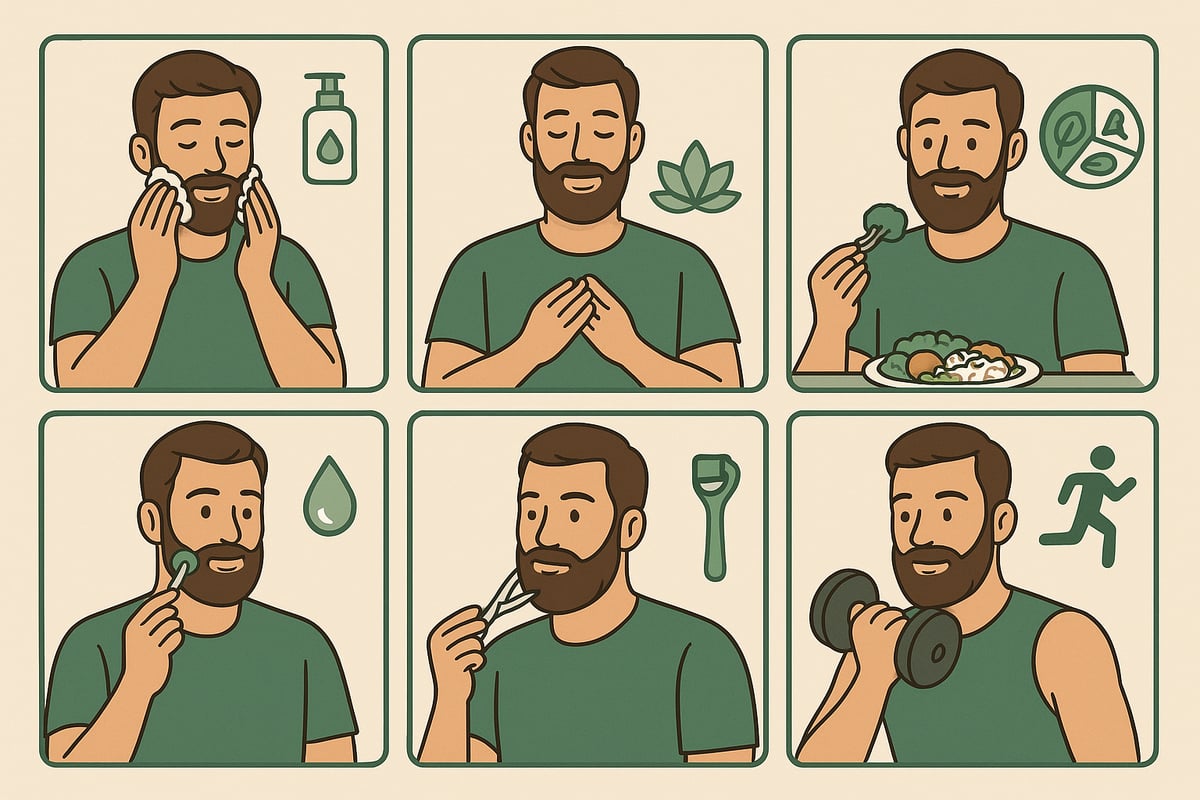
Solution (with Science): Healthy skin forms the foundation for a fuller beard. Start with a gentle cleanser to remove daily debris and oil build-up. Exfoliate 1–2 times weekly; this process increases blood flow, delivering vital oxygen and nutrients to follicles. This boost in circulation supports keratin production, which is essential for strong hair.
Moisturisers with aloe vera or chamomile can soothe inflammation, reducing redness and irritation. These natural anti-inflammatories protect follicle health and enhance the environment for beard growth.
Actionable Steps:
- Use a sulphate-free cleanser daily.
- Exfoliate with a mild scrub or chemical exfoliant twice a week.
- Apply a lightweight, natural moisturiser after washing.
Fact: Men who commit to a skincare routine often see fewer ingrown hairs and a visibly fuller beard over time.
Consistency is key. When your skin thrives, so do your beard follicles, paving the way for a denser, healthier look.
2. Reduce Stress and Prioritise Rest
Problem: Chronic stress sabotages beard growth at the hormonal level. Elevated cortisol restricts blood flow to follicles and drops your testosterone, making a fuller beard harder to achieve.
Agitate: High stress can trigger patchiness, slow progress, or even cause beard shedding. Sleepless nights leave your beard looking lacklustre, undermining months of effort.
Solution (with Science): Managing stress is non-negotiable for a fuller beard. Techniques like meditation, mindfulness, and nature walks lower cortisol, restoring hormone balance. When cortisol drops, testosterone can return to optimal levels, directly supporting facial hair growth.
Prioritise 7–8 hours of quality sleep each night. Deep sleep is when your body repairs itself, releasing growth hormones that fuel beard follicles.
Actionable Steps:
- Dedicate 10 minutes daily to meditation or deep breathing.
- Disconnect from screens an hour before bed.
- Create a calming evening routine for better sleep quality.
Example: Research shows men who sleep well and manage stress maintain higher testosterone, leading to a thicker, fuller beard.
Invest in your mental health and rest. Your beard will reward you with visible strength and resilience.
3. Fuel Growth with Targeted Nutrition and Hydration
Problem: Nutritional deficiencies starve your follicles, slowing growth and weakening each strand. Without the right nutrients, a fuller beard remains out of reach.
Agitate: Relying on fast food or skipping meals means your beard doesn’t get the protein, vitamins, or minerals needed for density. Dehydration dries out both skin and hair, increasing breakage and itch.
Solution (with Science): Feed your beard from within. Lean proteins like chicken, eggs, and fish supply amino acids for keratin synthesis—the building block of hair. Vitamins C and E act as antioxidants, protecting follicles from oxidative stress. Biotin and vitamin D are vital for follicle activity.
Hydration matters, too. Water transports nutrients and oxygen to the hair root, keeping follicles active and skin supple.
Actionable Steps:
- Eat a protein-rich meal with every plate.
- Add colourful vegetables for antioxidants and biotin.
- Drink at least 2 litres of water daily.
- Consider supplements for biotin, zinc, and vitamin D if your diet falls short.
Table: Key Nutrients for a Fuller Beard
| Nutrient | Role in Beard Growth | Best Sources |
|---|---|---|
| Protein | Keratin synthesis | Chicken, eggs, fish |
| Biotin | Follicle activation | Nuts, eggs, leafy greens |
| Vitamin D | Hormone regulation | Sunlight, oily fish |
| Zinc | Cell repair & growth | Meat, seeds |
A fuller beard starts in the kitchen. Fuel your body right and watch your facial hair flourish.
4. Leverage Beard-Specific Products Backed by Science
Problem: Generic shampoos and oils often contain harsh chemicals that irritate facial skin, leading to dryness, split ends, and stunted beard growth. They fail to address the unique needs of a fuller beard.
Agitate: Applying the wrong products can make your beard brittle and lifeless. Inferior oils and balms clog pores or offer no real nourishment, holding you back from a truly fuller beard.
Solution (with Science): Choose beard oils rich in fatty acids like argan and jojoba. These oils penetrate the hair shaft, reducing protein loss and boosting elasticity. This strengthens each strand, minimising breakage and supporting a fuller beard.
Beard balms and conditioners with natural butters (shea, cocoa) provide deep hydration and control, taming flyaways and enhancing volume. Always select products free from parabens and sulphates to prevent irritation.
Actionable Steps:
- Apply beard oil daily to moisturise and protect.
- Use a beard balm for styling and added volume.
- Wash your beard with a dedicated cleanser 2–3 times a week.
For a detailed breakdown of how beard oil supports a fuller beard, check out What does beard oil actually do.
Regular use of targeted products translates to less breakage, more shine, and visible fullness.
5. Stimulate Growth with Microneedling and Massage
Problem: Dormant follicles and poor circulation mean certain areas never seem to fill in, no matter what you do. This makes achieving a fuller beard an uphill battle.
Agitate: Simply rubbing in oils or balms isn’t enough to activate stubborn follicles. Patchy spots persist, undermining your beard goals.
Solution (with Science): Microneedling with a derma roller creates tiny micro-injuries in the skin. This process triggers collagen and keratin production, prompting dormant follicles to reawaken and start producing new growth. Increased blood flow from microneedling delivers extra nutrients and oxygen, fuelling a fuller beard.
Daily beard massage also boosts circulation, ensuring follicles receive a steady supply of what they need.
Actionable Steps:
- Use a 0.5mm derma roller 1–2 times per week on your beard area.
- Cleanse skin before and after microneedling to prevent infection.
- Massage your beard for five minutes daily to stimulate blood flow.
Dermatological studies confirm microneedling’s power to reactivate follicles, making it a science-backed technique for a fuller beard.
6. Style and Trim Strategically to Maximise Fullness
Problem: Unruly, uneven growth can exaggerate thin spots, making your beard appear patchier than it is. Poor trimming habits lead to a scruffy, unkempt look that undermines your quest for a fuller beard.
Agitate: Letting your beard grow wild may seem like a shortcut, but it often highlights gaps and makes it harder to achieve a fuller beard.
Solution (with Science): Strategic trimming makes a difference. By shaping your beard and leaving slightly more length in patchy areas, you can create the illusion of density. Trimming split ends prevents further breakage, while regular combing distributes natural oils, training hairs to grow in the desired direction.
Applying a beard balm adds hold and volume, smoothing flyaways and enhancing the overall appearance of a fuller beard.
Actionable Steps:
- Use a quality trimmer to shape your beard every two weeks.
- Focus on blending patchy spots with slightly longer lengths.
- Comb daily to train hair and spread oils.
- Apply balm for added control and fullness.
Competitors recommend adjusting length and style to maximise fullness. With the right approach, you can make even a patchy beard look intentionally full.
7. Exercise Regularly to Boost Circulation and Hormone Levels
Problem: Sedentary habits lower testosterone and reduce blood flow to hair follicles, making a fuller beard harder to achieve.
Agitate: Without enough movement, your beard may look dull and thin. Sluggish circulation means follicles miss out on vital nutrients, limiting your progress toward a fuller beard.
Solution (with Science): Exercise is a natural catalyst for beard growth. Resistance training and cardio boost testosterone, the primary hormone for facial hair development. Exercise also increases nitric oxide, expanding blood vessels and enhancing nutrient delivery to follicles.
Active lifestyles correlate with higher beard density and better overall health, supporting your journey to a fuller beard.
Actionable Steps:
- Incorporate resistance training (weights, bodyweight exercises) three times a week.
- Add cardio—running, cycling, or brisk walking—for heart health and circulation.
- Stay consistent for lasting results.
Fact: Men who exercise regularly consistently report thicker, stronger, and fuller beards. Movement truly fuels growth from the inside out.
Addressing Common Beard Growth Myths
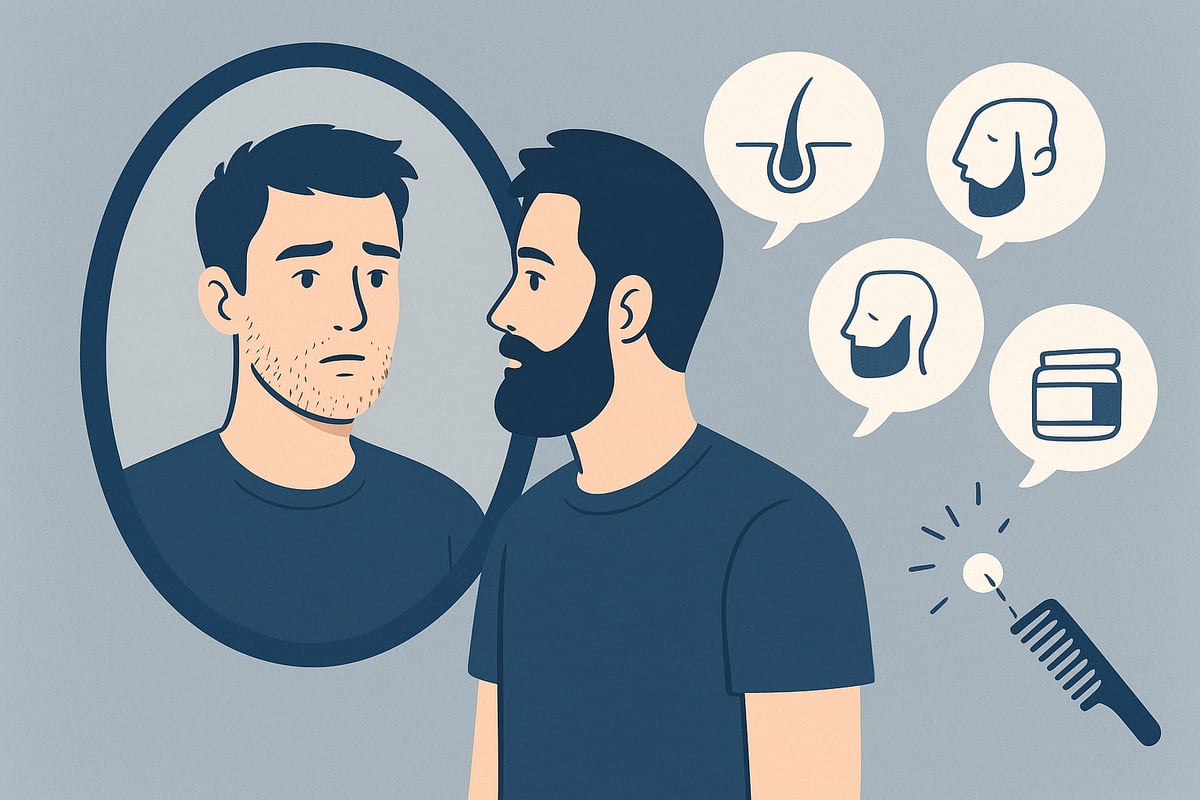
Struggling to grow a fuller beard can feel confusing when myths cloud the truth. Let’s break down the most persistent misconceptions, so you can focus on what genuinely works for your beard journey.
Shaving and Beard Density
Problem: Heard that shaving leads to a thicker, fuller beard?
Agitate: It’s frustrating when you shave regularly, only to see no improvement.
Solution: Shaving only cuts the hair at skin level. The hair may look blunt and appear thicker right after shaving, but follicle count and diameter remain unchanged. Hair structure and follicle health determine fullness, not how often you shave.
Age and Beard Maturity
Problem: Think you’re doomed if you don’t have a fuller beard in your early 20s?
Agitate: Many men feel left behind when their mates grow dense beards first.
Solution: Beard growth often continues to improve into your 30s, driven by hormonal shifts. Follicles can activate later as testosterone and DHT levels stabilise. Patience and consistent care can reveal new growth over time.
Miracle Products and Quick Fixes
Problem: Tempted by products claiming instant results for a fuller beard?
Agitate: It’s easy to waste money hoping for overnight transformation.
Solution: No topical solution can create new follicles. Focus on activating dormant ones and supporting existing follicles with science-backed routines, balanced nutrition, and patience. Look for ingredients proven to support keratin production and follicle health.
Genetics as Destiny
Problem: Believe genetics alone decide your beard fate?
Agitate: Feeling powerless can lead to giving up on your fuller beard goals.
Solution: Genetics set your baseline, but lifestyle, nutrition, and targeted care can make a real difference. Studies confirm that improving your health and using proper techniques can help you get closer to the beard you want.
Patchiness is Permanent
Problem: Worried that patchy areas will never fill in?
Agitate: Seeing bare spots each morning can be disheartening.
Solution: Many men achieve a fuller beard by activating dormant follicles. Techniques like microneedling for hair regrowth use tiny needles to stimulate blood flow and collagen, encouraging new growth in stubborn areas. Consistent care and optimal nutrition support this process.
Remember, building a fuller beard is about patience, science, and smart routines, not quick fixes or old wives' tales.
When to Seek Professional Help: Advanced Options and Warning Signs
Struggling to grow a fuller beard despite your best efforts? Sometimes, stubborn patches or sudden changes signal more than just slow progress. Knowing when to seek professional advice is crucial to avoid missing underlying health concerns and to tap into advanced solutions that science has to offer.
Recognising Underlying Health Issues
Problem: Your beard starts thinning rapidly, or you notice bald spots that were not there before.
Agitate: This can feel worrying, especially if you have a routine for a fuller beard. Sudden loss often points to internal issues, not just surface problems.
Solution: Watch for hormonal imbalances, like low testosterone or thyroid dysfunction, which can disrupt hair growth cycles. Autoimmune conditions such as alopecia areata may also cause patchiness or loss.
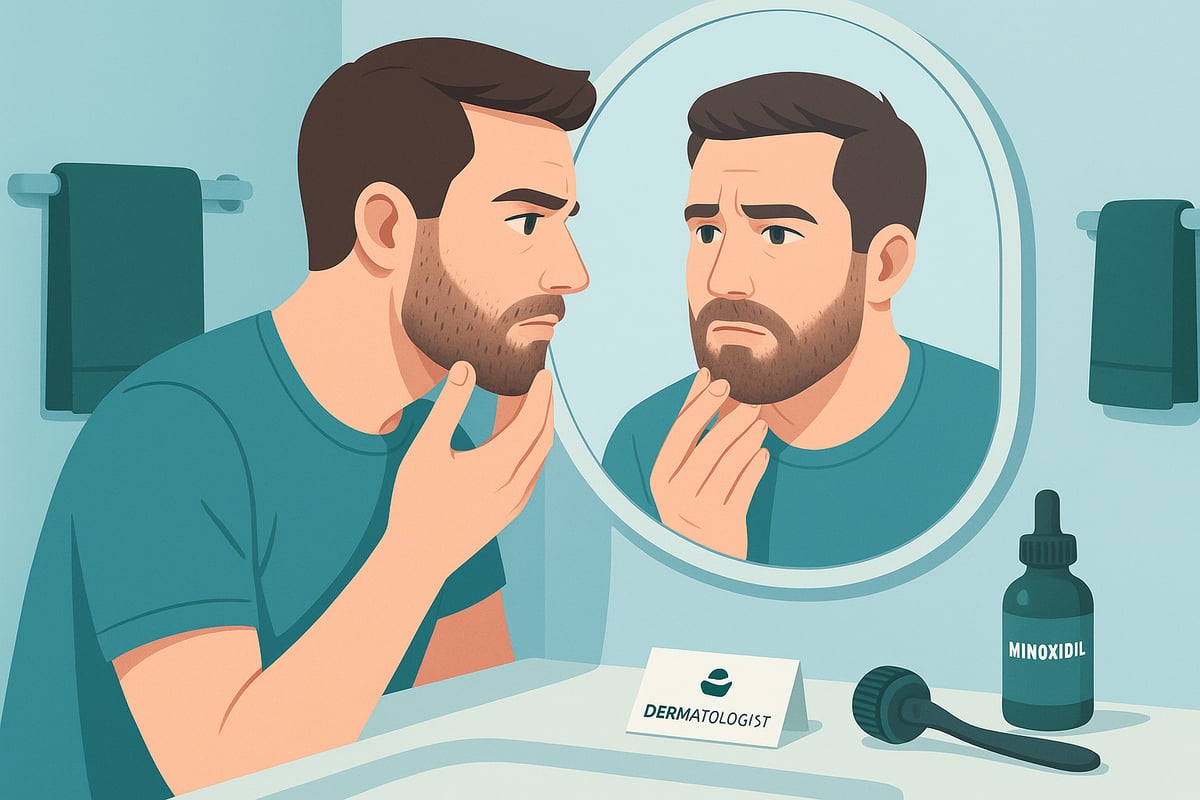
If you experience persistent redness, itching, or sores, a dermatologist can help identify the root cause. Sometimes, nutritional deficiencies play a hidden role – as explored in the Nutritional Impact on Hair Health – by limiting the supply of essential vitamins and minerals to your follicles.
Medical Interventions for Beard Growth
Problem: You have tried every product and home remedy, but your fuller beard remains elusive.
Agitate: It feels discouraging when natural efforts hit a wall, and you see little or no improvement.
Solution: Medical options exist for stubborn cases. Minoxidil, a topical solution, can reactivate dormant follicles by increasing blood flow, though it may cause irritation or initial shedding. Hormone therapy is sometimes prescribed for men with clinically low testosterone, but requires medical supervision due to side effects.
For those seeking permanent results, beard transplants relocate hair follicles from other areas of your body. These surgeries can be costly and carry risks, but they offer a path to a truly fuller beard for suitable candidates.
Setting Realistic Expectations
Problem: Many expect instant results or “Viking-level” density after starting treatments.
Agitate: Frustration builds when a fuller beard does not appear overnight. Impatience may lead to trying unsafe products or abandoning routines.
Solution: Understand that beard growth cycles take months. Most men will see improvement, but not everyone can achieve maximum density due to genetic limits.
Professional advice helps set clear, achievable goals and avoids disappointment. Remember, a fuller beard is about progress, not perfection.
Monitoring Progress and Adjusting Strategy
Problem: Plateauing results make it difficult to know if your efforts are working.
Agitate: Without tracking, you might overlook small gains or miss early warning signs.
Solution: Take monthly photos and keep a journal to document changes in your beard’s thickness and coverage. Adjust your routine if you notice stagnation, such as trying new products, tweaking your diet, or consulting a specialist.
Support groups and online forums can offer motivation and practical tips from men on the same quest for a fuller beard.
Warning Signs to Watch For
Problem: Sometimes, advanced treatments or new products trigger unexpected reactions.
Agitate: Rapid hair loss, severe itching, or swollen skin may signal an allergic reaction or underlying problem that could threaten your fuller beard journey.
Solution: Discontinue any product immediately if you experience these symptoms. Seek prompt medical attention for persistent or worsening issues.
Allergic reactions and sudden changes should never be ignored, as early intervention is key to protecting your fuller beard and overall health.
Frequently Asked Questions About Achieving a Fuller Beard
Got questions about your journey to a fuller beard? You're not alone. Here, we tackle the most common queries men have about boosting their beard game, using science-backed facts and actionable advice. Each answer cuts through the noise, so you can make progress with confidence.
Do Beard Growth Products Really Work?
Problem: Many products promise miracles for a fuller beard, but do they deliver?
Agitate: It’s frustrating to invest in creams or oils only to see little change. Most products cannot create new follicles, but they can optimise the environment for growth.
Solution (with Science): Beard oils and butters provide fatty acids that penetrate the hair shaft, reducing protein loss. This strengthens each strand and creates a softer, denser appearance. For example, beard butters use shea and cocoa butter to hydrate skin, soothe inflammation, and support keratin production, all essential for a fuller beard.
How Can I Fill in a Patchy Beard?
Problem: Patchy growth makes achieving a fuller beard seem impossible.
Agitate: Sparse areas can shatter your confidence, even with dedicated grooming.
Solution (with Science): To fill patches, activate dormant follicles with microneedling. This process triggers wound healing and collagen production, stimulating new growth. Pair this with biotin-rich foods, which support keratin synthesis, and daily beard massage to boost blood flow. Styling tricks, like maintaining longer lengths in sparse spots, also help camouflage gaps.
How Long Does It Take to See Results?
Problem: You want a fuller beard fast, but progress feels slow.
Agitate: It’s easy to lose motivation when changes aren’t visible after a few weeks.
Solution (with Science): Beard growth follows a cycle. New density becomes noticeable after 3 to 6 months of consistent care. Hair grows about 1.25cm per month, but results depend on genetics, hormones, and routine. Take monthly photos to track subtle improvements and stay motivated.
Are Supplements Necessary?
Problem: You’re unsure if your diet provides enough support for a fuller beard.
Agitate: Missing key nutrients can stall growth and cause brittle hairs.
Solution (with Science): Supplements fill dietary gaps in biotin, zinc, and vitamin D, all vital for follicle health. However, whole foods are best for absorption. Only add supplements if your diet lacks variety, and always consult a professional first. Over-supplementation can disrupt natural hormone levels and hinder progress.
What’s the Best Way to Maintain a Fuller Beard?
Problem: Maintenance routines can make or break your beard’s appearance.
Agitate: Neglect leads to split ends, dryness, and dullness, undoing your hard work.
Solution (with Science): Use a dedicated beard wash to gently remove buildup without stripping natural oils. Hydrate with beard oil or balm to lock in moisture and protect the hair shaft. For more on cleansing, see does beard wash really work. Regular trimming prevents split ends and promotes even growth. A fuller beard thrives on consistent, science-based care.
At What Age Does Beard Growth Peak?
Problem: You’re worried about hitting your beard’s full potential.
Agitate: Early patchiness can make you think you’ll never achieve a fuller beard.
Solution (with Science): Most men see peak beard density in their late 20s to early 30s as testosterone and DHT levels stabilise. Some continue to experience improvements into their 40s. Patience is key: follicles can activate later in life, especially with healthy habits.
Can I Permanently Increase Beard Density?
Problem: You want a permanent solution for a fuller beard.
Agitate: Myths claim products can add new follicles, but science says otherwise.
Solution (with Science): Follicle count is set by genetics. However, you can maximise thickness and fullness by activating dormant follicles, improving skin health, and maintaining a balanced lifestyle. Medical treatments like minoxidil or transplants exist, but most men see great results through consistent, targeted care.
So, you’ve learned the science, picked up a few new tricks, and hopefully feel inspired to finally tackle that patchy beard once and for all. But let’s be honest—knowing what to do is only half the battle. If you’re ready to see real change, why not take your journey to the next level with a proven plan and natural products that actually work? I’d love to see what you can achieve in just three months. Join me and thousands of others on the 90 DAY BEARD CHALLENGE—there’s nothing to lose, and everything to gain.