

Noticed white flakes in your beard lately? You are not alone. Facial hair dandruff is making waves as more men report irritation, flaking, and stubborn itch that just will not quit.
Recent studies show a sharp increase in cases, with experts linking the surge to modern lifestyles and environmental triggers. This is not just a cosmetic issue, it is a signal that your skin’s balance needs attention.
You want real answers, not quick fixes. This guide delivers just that, breaking down the science behind facial hair dandruff and revealing expert-approved routines that work.
Curious about the causes, symptoms, and best remedies? Dive in for clear, practical advice that can transform your beard care routine for 2026.
Understanding Facial Hair Dandruff: Causes and Symptoms
Noticed those stubborn white flakes in your beard and wondered what’s going on? You’re not alone. Facial hair dandruff is becoming more common, and understanding its roots is the first step towards a flake-free, comfortable beard.
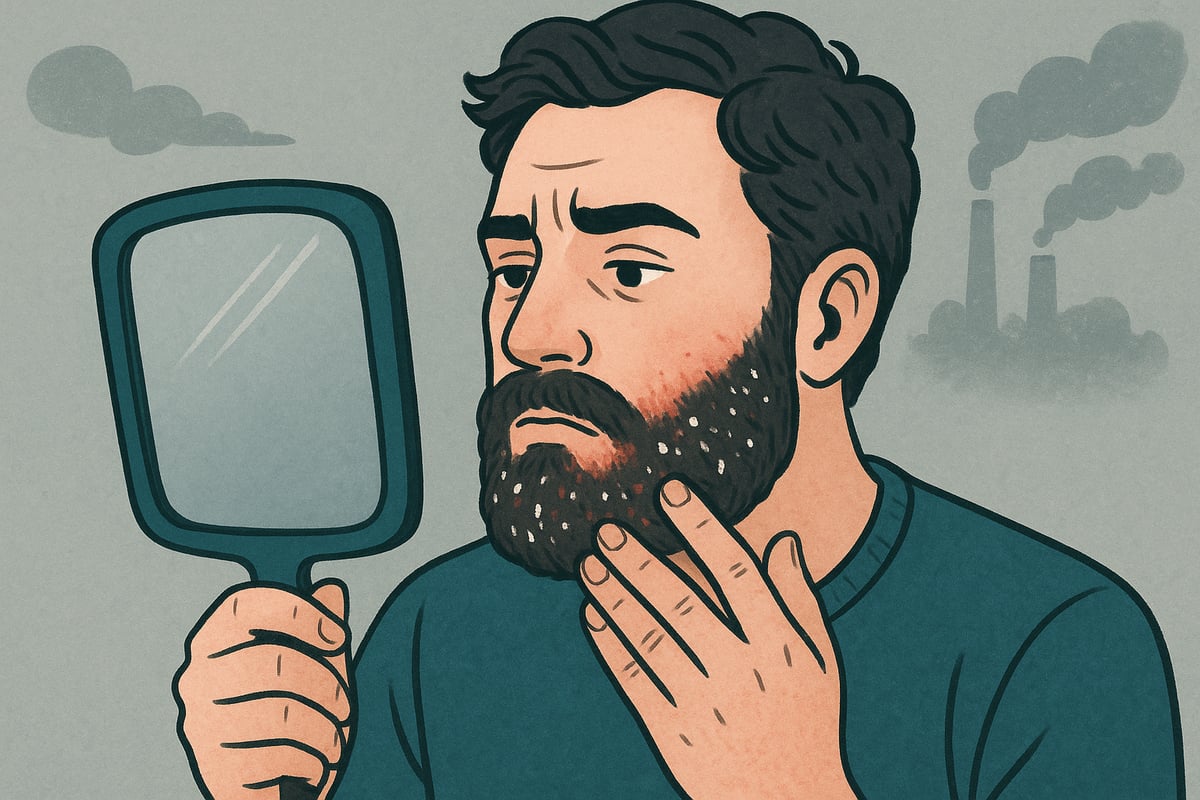
What Is Facial Hair Dandruff?
Facial hair dandruff refers to the build-up of flaky, dry skin within the beard area. Unlike scalp dandruff, it targets the skin beneath your beard, where oil and hair growth patterns differ. Many confuse it with simple dry skin, but true facial hair dandruff is usually linked to an imbalance in the skin’s ecosystem.
Some believe only poor hygiene causes it, but science points to a more complex mix of biological and environmental factors.
Main Causes of Beard Dandruff
The main culprit behind facial hair dandruff is Malassezia yeast, which thrives on sebum, the natural oil your skin produces. When this yeast breaks down sebum, it can trigger irritation and flaking. Over-washing with harsh cleansers, especially in cold weather, strips away protective oils, making things worse.
Other common causes include skipping beard washes, allowing dead skin to accumulate, or suffering from underlying conditions like seborrheic dermatitis or eczema. In fact, dermatology studies suggest up to 45 percent of men with beards will experience some degree of these flakes.
For a deeper dive into all the causes and prevention tips, check out Beard Dandruff Causes and Prevention.
Recognising Symptoms Early
The early signs of facial hair dandruff include visible flaking, persistent itchiness, and redness under your beard. You might also notice sore or irritated skin. If left unchecked, these symptoms can worsen, leading to cracked skin and even infection.
Catching these clues early is key. Prompt action can restore balance to your skin before things escalate.
Risk Factors and Triggers
Several factors increase your chances of developing facial hair dandruff. Genetics play a role, so if your family has a history of skin conditions, you may be more susceptible. Hormonal changes and high stress can disrupt oil production, making your skin vulnerable.
Environmental triggers matter too. Pollution, humidity swings, and rapid temperature changes stress your skin barrier. For example, men living in cities report beard dandruff 30 percent more often than those in rural areas.
The Impact of Diet and Lifestyle
Your daily habits directly affect facial hair dandruff. Staying hydrated and eating a balanced diet rich in vitamins and healthy fats help your skin heal and defend itself. Excess alcohol and smoking, on the other hand, damage skin cells and slow recovery.
Making small changes, like drinking more water and cutting back on cigarettes, can visibly improve both your beard’s look and your comfort.
The Science Behind Facial Hair Dandruff: Why It Happens
Struggling with facial hair dandruff and wondering what is really happening beneath the surface? Understanding the science behind those persistent flakes is the first step to banishing them for good. Let’s break down the key biological and environmental factors that fuel facial hair dandruff, and see how each one plays its part.
The Skin Microbiome and Sebum Production
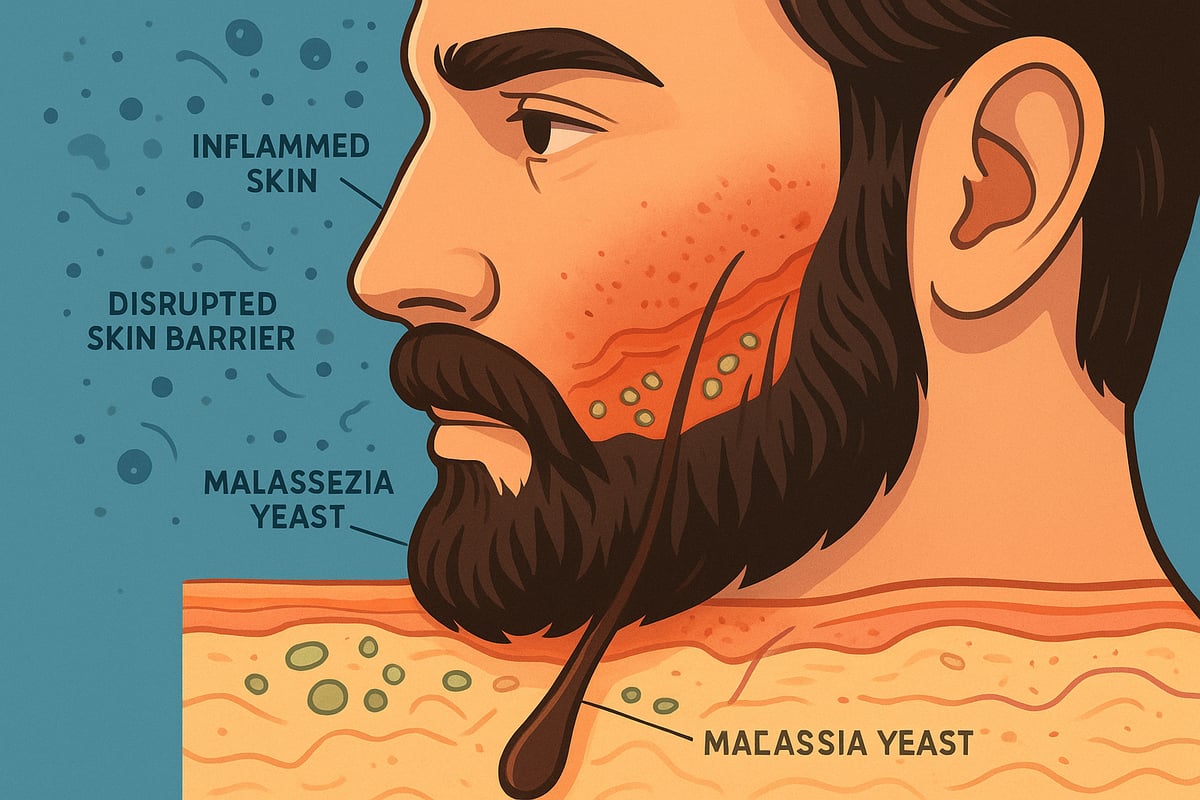
The skin beneath your beard is home to a bustling ecosystem of microbes. One key player is Malassezia, a yeast that feeds on sebum, the oil your skin produces. When sebum levels spike or drop, Malassezia can break down these oils into fatty acids that irritate skin. This irritation triggers flaking and redness, classic signs of facial hair dandruff.
Many believe only dry skin causes flakes, but an oily environment can be just as problematic. If you want to dive deeper into how Malassezia yeast links to dandruff and the science behind antifungal treatments, check out Dandruff and Malassezia Yeast.
Inflammation and Skin Barrier Dysfunction
When the skin’s outer barrier is compromised, irritants and microbes slip in more easily. This breach sparks an immune response, releasing cytokines—molecules that drive inflammation. The result? Itchy, red patches and stubborn flakes that signal facial hair dandruff is taking hold.
The longer this inflammation simmers, the more the skin struggles to retain moisture. This ongoing cycle keeps the skin barrier weak and the symptoms persistent. The solution: restore the barrier with fatty acids and ceramides that rebuild and lock in hydration.
Environmental and Chemical Exposures
City air, harsh winters, and aggressive grooming products all wage war on your beard’s ecosystem. Pollutants cling to hairs and settle on the skin, while sulphate-rich shampoos strip away protective oils. Studies in 2025 showed that sulphates in cleansers increase irritation, making facial hair dandruff more likely.
To fight back, opt for gentle, sulphate-free washes and shield your beard from pollution with balms rich in antioxidants. This blocks external triggers and helps your skin recover its natural balance.
Hormonal Influences and Ageing
Testosterone, the hormone that fuels beard growth, also ramps up sebum production. In younger men, this can create a breeding ground for Malassezia and worsen facial hair dandruff. As you age, skin cell turnover slows and the skin naturally dries out, making barrier repair even more crucial.
Hormonal shifts—like stress or diet changes—can tip the balance and spark flare-ups. Keeping hormones in check with a healthy lifestyle helps regulate oil production and prevent future issues.
The Role of Genetics
If your family has a history of seborrheic dermatitis or sensitive skin, you are more likely to battle facial hair dandruff. Genetics influence how your skin produces oil, responds to microbes, and repairs itself after irritation.
While you cannot change your DNA, you can outsmart it. Consistent routines, science-backed ingredients, and early intervention give you the upper hand in managing symptoms and protecting your beard’s health.
Step-by-Step Solutions: Daily Beard Care Routine for Dandruff Prevention
Struggling to keep your beard free from flakes? Facial hair dandruff can be stubborn, but the right daily routine makes all the difference. Let’s break down each step, so you can tackle the root causes and enjoy a flake-free beard.
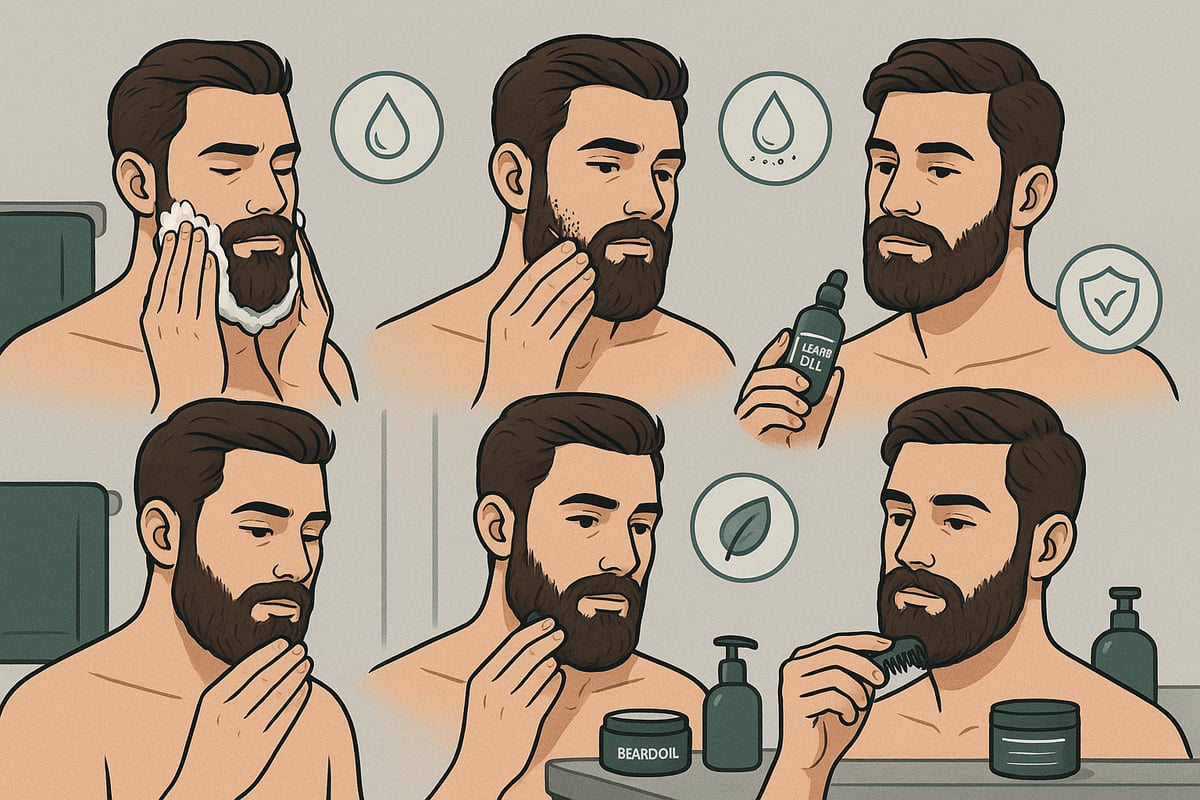
Step 1: Gentle Cleansing
Problem: Dirt, sweat, and excess oil build up in facial hair, creating an ideal environment for Malassezia yeast, which triggers facial hair dandruff.
Agitate: Harsh cleansers strip away protective oils, leaving skin dry and prone to irritation. This only fuels more flakes and persistent itch.
Solution: Use a sulphate-free, pH-balanced beard wash. These cleansers remove debris without disturbing the skin’s microbiome. According to dermatologists, men who switch to gentle cleansers report up to 60 percent less irritation. For a deeper dive into how effective beard washes are at preventing facial hair dandruff, see Does Beard Wash Really Work.
- Wash beard 3-4 times per week.
- Use lukewarm water to prevent overdrying.
- Pat dry gently to avoid damaging skin.
Step 2: Exfoliation Techniques
Problem: Dead skin cells accumulate beneath facial hair, trapping oil and feeding yeast, which exacerbates facial hair dandruff.
Agitate: Without exfoliation, flakes build up, leading to visible patches and more itching.
Solution: Exfoliate with a dedicated beard scrub or a chemical exfoliant like salicylic acid. Physical exfoliants lift away debris, while salicylic acid dissolves dead skin at a molecular level. This clears pores and limits yeast growth.
- Use a beard brush with soft bristles.
- Exfoliate 1-2 times per week, never daily.
- Avoid aggressive scrubbing to protect the skin barrier.
Step 3: Hydration and Moisturising
Problem: Dry skin under your beard creates cracks in the barrier, making it easy for irritants to trigger facial hair dandruff.
Agitate: Dehydrated skin leads to tightness, increased flaking, and a dull beard appearance.
Solution: Apply non-comedogenic oils like jojoba or argan. These oils mimic natural sebum, delivering fatty acids that repair the barrier and reduce inflammation. Scientific studies show that fatty acids help restore moisture, making skin less reactive.
- Massage oil deeply into the roots.
- Choose products labelled “non-comedogenic.”
- Apply after washing when pores are open.
Step 4: Conditioning and Softening
Problem: Coarse, brittle beard hair rubs against the skin, worsening micro-irritations and facial hair dandruff.
Agitate: Without conditioning, hair becomes wiry and more likely to trap dead skin, leading to more flakes.
Solution: Use beard conditioners or balms rich in emollients like shea butter and vitamin E. These ingredients soften hair and soothe inflamed skin. Shea butter’s fatty acids coat each strand, while vitamin E acts as an antioxidant, calming irritation.
- Apply conditioner after washing.
- Leave in for a few minutes before rinsing.
- For extra softness, use a leave-in balm at night.
Step 5: Combing and Grooming Best Practices
Problem: Neglecting to comb your beard allows oils and dead skin to collect, fuelling facial hair dandruff.
Agitate: Static from plastic combs or rough grooming causes breakage and uneven oil distribution.
Solution: Use a wooden comb or boar bristle brush. These tools distribute natural oils evenly, reducing flake formation and keeping hair smooth. Regular combing also stimulates circulation, supporting skin health.
- Comb beard daily, starting at the ends.
- Clean grooming tools weekly.
- Avoid metal or plastic combs that cause static.
Step 6: Environmental Protection
Problem: Cold winds, pollution, and rapid temperature changes strip moisture from your beard, increasing the risk of facial hair dandruff.
Agitate: Exposure to harsh elements leaves skin raw and more susceptible to yeast overgrowth.
Solution: Shield your beard with a protective balm containing natural waxes and oils. These create a barrier, locking in hydration and blocking pollutants. Research shows that protective balms reduce moisture loss, helping maintain a healthy skin environment.
- Apply balm before heading outdoors.
- Cover beard with a scarf in extreme weather.
- Rinse beard after exposure to pollutants.
Following this daily routine, grounded in science, gives you the power to prevent facial hair dandruff and maintain a healthy, comfortable beard.
When to Seek Professional Help: Dermatologist-Backed Treatments
Spotting facial hair dandruff early makes a world of difference, but not every case can be solved with home care. Sometimes, symptoms become persistent or severe, signalling it's time to consult a dermatologist. Understanding when to seek help ensures you get the right treatment before flaking and irritation spiral out of control.
Identifying Severe or Persistent Dandruff
How do you know when facial hair dandruff has crossed the line from annoying to serious? Watch for warning signs: bleeding, intense redness, or patches that spread beyond the beard line. If flakes persist despite consistent grooming, these are red flags.
Ignoring these symptoms can lead to secondary infections or chronic inflammation. Early intervention from a dermatologist means you can address the root cause, not just mask the symptoms. Fast action prevents long-term skin damage and keeps your facial hair looking healthy.
Prescription Treatments and Medications
When over-the-counter products fail, prescription solutions step in. Dermatologists often recommend topical antifungals like ketoconazole or ciclopirox, which target Malassezia yeast. These agents break down fungal cell membranes, reducing irritation and flaking at the source.
For severe inflammation, corticosteroid creams calm the overactive immune response, minimising redness and itch. According to a 2024 clinical trial, 75% of patients with stubborn facial hair dandruff improved with prescription antifungals. For a detailed overview of causes and effective treatments, see Beard Dandruff Causes and Treatments.
In-Office Procedures
Some cases of facial hair dandruff need more than creams. Light therapy targets inflammation by modulating cytokines, which are molecules involved in the skin's immune response. Microdermabrasion gently removes dead skin and excess oil, reducing blockages that feed yeast.
These procedures are quick, with minimal downtime. However, not everyone is a candidate, especially if you have sensitive or broken skin. A dermatologist will assess your needs and guide you to the most effective treatment.
Managing Underlying Skin Conditions
Facial hair dandruff sometimes signals deeper skin issues like seborrheic dermatitis, eczema, or psoriasis. Each condition disrupts the skin barrier in unique ways, leading to persistent flaking and discomfort.
Dermatologists use tailored strategies, such as immunomodulatory ointments or barrier-repair creams, to restore skin health. By addressing the underlying disorder, you reduce the cycle of flare-ups and promote long-term beard comfort.
Monitoring Progress and Adjusting Care
Treatment for facial hair dandruff is not a one-and-done event. Regular follow-ups let your dermatologist track progress and tweak your regimen. If new symptoms appear, or old ones return, adjustments keep your skin and beard in top shape.
Stay proactive: note any changes in texture or irritation. This feedback helps fine-tune your care plan, ensuring lasting results and healthier facial hair.
Beard Care Product Guide: What to Use and What to Avoid in 2026
Struggling to find the right products for facial hair dandruff? The wrong ingredients can worsen irritation, while the right blend offers real, science-backed relief. Let’s break down what to look for, what to avoid, and which tools and brands stand out in 2026.
Key Ingredients to Look For
To fight facial hair dandruff, you need ingredients that work with your skin’s biology. Natural antifungals like tea tree oil and neem reduce Malassezia yeast, a key dandruff trigger. Ceramides and niacinamide repair the skin barrier, helping to lock in moisture and block irritants.
Fatty acids in jojoba and argan oils mimic your skin’s own sebum, providing hydration without clogging pores. Clinical studies show tea tree oil cuts Malassezia by 50 percent, making it a staple in advanced beard care. Choosing products with these components means you target both the symptom and the root cause of facial hair dandruff.
Ingredients to Avoid
Some ingredients do more harm than good for facial hair dandruff. Sulphates strip away natural oils, leaving the skin dry and flaky. Parabens and synthetic fragrances can trigger allergic reactions and worsen inflammation.
Certain alcohols, like isopropyl alcohol, dry out the skin, weakening its barrier and making it easier for irritants to penetrate. Always check product labels before buying. Avoiding these harsh additives not only protects your beard but also supports your skin’s natural healing process.
Choosing the Right Beard Oils and Balms
Not all beard oils and balms are created equal for facial hair dandruff. Jojoba, argan, and grapeseed oils absorb quickly, delivering essential nutrients without leaving residue. These carrier oils are rich in vitamin E and antioxidants, which repair microdamage and soothe inflammation.
Want to know which product suits your needs best? Check out this comparison of Beard Oil vs Beard Butter to help you pick the ideal moisturising solution for your beard. Remember, the right product will hydrate, protect, and fortify both hair and skin.
The Role of Beard Conditioners and Shampoos
Effective beard care starts with gentle cleansing and conditioning. Look for shampoos with mild, plant-based surfactants and moisturisers like panthenol. These ingredients boost hydration by up to 40 percent, supporting the skin’s barrier and reducing facial hair dandruff flare-ups.
Conditioners packed with shea butter or aloe vera soothe itch and calm redness. Unsure about washing frequency? This guide on Should I Wash My Beard Daily explains how often to cleanse for optimal beard and skin health.
Grooming Tools and Accessories
Your grooming tools matter for facial hair dandruff management. Wooden combs distribute oils evenly and reduce static, preventing breakage and irritation. Boar bristle brushes gently exfoliate the skin and lift away flakes without scratching.
Avoid plastic combs and cheap metals, which can snag hair and cause microtears in the skin. Investing in high-quality tools ensures your daily routine supports beard health at every step.
Onesociety: Science-Backed Beard Solutions
Onesociety’s beard care range is built for science-first solutions to facial hair dandruff. Their 100 percent natural products are sulphate-free and packed with nourishing oils like shea butter and argan oil. These ingredients hydrate deeply and repair the skin barrier, targeting both flakes and irritation.

The 90-Day Beard Challenge offers a structured routine, backed by a satisfaction guarantee and a supportive community. By using proven natural actives, Onesociety helps you achieve a healthier, flake-free beard and maintain results long-term.
Lifestyle Adjustments and Long-Term Prevention Strategies
Struggling with recurring facial hair dandruff despite trying every product? The real culprit might be hidden in your daily habits. Science reveals that nutrition, stress, sleep, and routine all play a direct role in beard skin health. Let’s break down the steps you can take today to keep flakes away for good.
Diet and Nutrition for Healthy Skin
Your skin is a reflection of what you eat. Omega-3 fatty acids, found in salmon and chia seeds, help regulate oil production and reduce inflammation linked to facial hair dandruff. Antioxidants from berries and leafy greens protect beard skin cells from free radicals.
Hydration is essential. Water flushes out toxins and maintains skin elasticity. Research shows that diets rich in vitamin E, such as almonds and sunflower seeds, can lower skin issues by 30 percent. For those managing facial hair dandruff, a balanced diet supports the skin barrier and improves resilience against dryness and flaking.
Quick nutrient table for beard health:
| Nutrient | Food Source | Skin Benefit |
|---|---|---|
| Omega-3 | Salmon, flaxseed | Reduces inflammation |
| Vitamin E | Almonds, spinach | Repairs skin barrier |
| Zinc | Pumpkin seeds | Regulates oil production |
Stress Management and Hormonal Balance
Stress triggers flare-ups of facial hair dandruff by increasing cortisol, which disrupts oil balance and weakens skin defences. Chronic tension can also alter testosterone levels, affecting sebum production and making flakes worse.
To break the cycle, try mindfulness techniques such as meditation or deep breathing. Regular exercise, like brisk walking or cycling, lowers stress hormones and boosts circulation to the beard area. Science backs this: lower stress means a more stable skin barrier, reducing the risk and severity of facial hair dandruff long-term.
Sleep and Recovery
Sleep is when your skin repairs itself. During deep sleep, your body increases cell turnover and collagen production, vital for a healthy beard area. Poor sleep raises inflammation markers, making facial hair dandruff more likely to return.
Aim for seven to eight hours of restful sleep nightly. Keep electronics out of the bedroom and establish a calming routine, like reading or gentle stretches. The science is clear: better sleep equals better skin and fewer flakes.
Avoiding Common Triggers
Lifestyle choices can either fuel or fight facial hair dandruff. Alcohol dehydrates your body and skin, while smoking restricts blood flow, slowing down healing and increasing irritation. Environmental factors such as harsh weather and urban pollution strip away protective oils, leaving beard skin vulnerable.
To prevent flare-ups, limit alcohol intake and quit smoking. Use scarves or balms to shield your face from wind and cold. For a deeper dive into underlying skin conditions that contribute to facial hair dandruff, see this Seborrheic Dermatitis Overview.
Building Consistent Grooming Habits
Consistency is the secret weapon against facial hair dandruff. Set reminders on your phone to cleanse, moisturise, and comb your beard daily. Track your progress by noting improvements in skin texture and reduction in flakes.
Incorporating nourishing products, like beard butter, can support skin hydration and barrier repair. For more on how these topical treatments help manage facial hair dandruff, check out the Benefits of Beard Butter. Choose quality tools such as wooden combs to distribute oils evenly and avoid static.
Recognising Early Warning Signs
Early detection is your best defence. Watch for changes in skin texture, increased itching, or new areas of redness beneath your beard. These are often the first signs of facial hair dandruff returning.
Act promptly by adjusting your routine or consulting a dermatologist if symptoms persist. Timely intervention prevents minor irritation from escalating into full-blown flare-ups. A proactive approach ensures your beard remains healthy, comfortable, and flake-free.
You’ve just explored the ins and outs of fighting facial hair dandruff, from understanding what’s happening on your skin to building a daily beard care routine that actually works. But let’s face it—knowing what to do is only half the battle. If you’re ready to take action and want products packed with 100 percent natural ingredients (no harsh chemicals, no guesswork), Onesociety has you covered. Why not see the difference for yourself? Your journey to a flake free beard starts with the right tools and a bit of consistency. Dive into the full range of BEARD PRODUCTS and treat your beard to the care it deserves.