

Your beard feels rough, scratches your partner's face, and looks more like a bird's nest than a grooming achievement. The culprit? Dehydrated facial hair crying out for proper conditioning. Unlike scalp hair, which receives natural sebum distribution through brushing, your beard grows in a region with different oil production patterns, denser hair structure, and constant exposure to food particles, environmental pollutants, and weather extremes. This creates a unique challenge that demands specialised care, not generic solutions.
Why Your Beard Needs Its Own Conditioner
Facial hair differs fundamentally from scalp hair in both structure and environment. Each beard follicle produces hair with a larger diameter and more oval cross-section, creating natural curl patterns and coarseness. The skin beneath produces sebum, but gravity and beard density prevent even distribution beyond the first few centimetres of growth.
Here's what makes beard hair uniquely challenging:
- Thicker cuticle layers that resist moisture penetration
- Exposure to saliva enzymes during eating and drinking
- Direct contact with harsh environmental elements
- Growth direction that creates tangling and knotting
- Skin beneath that's more sensitive than the scalp
Standard hair conditioners fail because they're formulated for the alkaline pH of scalp skin (approximately 5.5), whilst facial skin operates at a more acidic pH (around 4.7-5.0). Understanding beard-specific formulations reveals why using your partner's shower products sabotages your grooming goals.
The Biology Behind Conditioning
Conditioning works through three distinct mechanisms at the molecular level. First, cationic surfactants (positively charged molecules) bind to the negatively charged damaged areas of hair cuticles, creating a smoothing effect. Second, emollients fill microscopic gaps in the cuticle layer, preventing moisture loss. Third, humectants draw water molecules from the environment into the hair shaft, maintaining hydration.
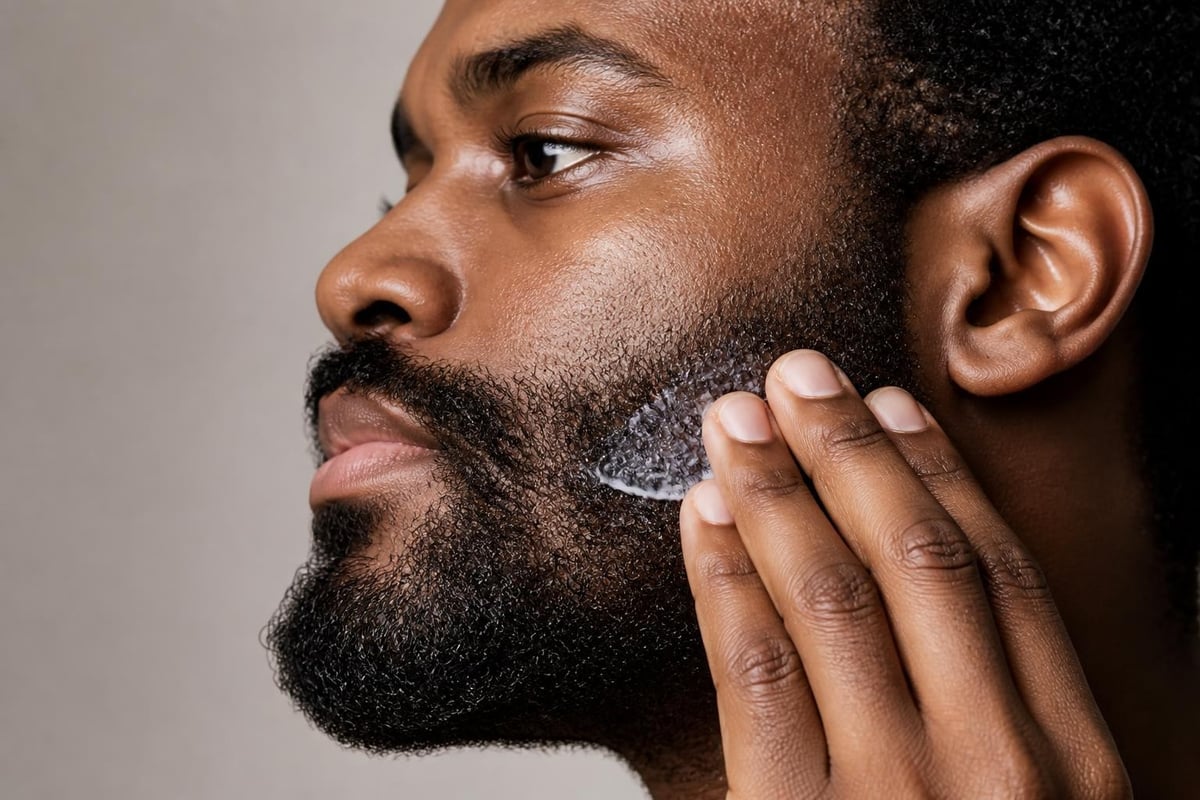
The best beard conditioner formulations combine these mechanisms with ingredients specifically selected for facial hair's unique structure. Jojoba oil, for instance, mimics sebum's molecular composition (both are wax esters rather than triglycerides), allowing superior absorption. Shea butter's high concentration of stearic and oleic acids penetrates the hair cortex, strengthening protein bonds damaged by oxidative stress.
Critical Ingredients That Actually Work
Scientific research identifies specific compounds that deliver measurable improvements in beard texture, strength, and appearance. Avoid products listing vague terms like "botanical extracts" or "essential oils" without specifying which ones and at what concentration.
| Ingredient | Biological Function | Concentration Needed |
|---|---|---|
| Argan Oil | Delivers vitamin E and fatty acids that repair cuticle damage | 3-8% |
| Shea Butter | Provides anti-inflammatory triterpenes and moisture-sealing ceramides | 5-15% |
| Jojoba Oil | Mimics sebum structure for deep penetration and follicle health | 2-10% |
| Aloe Vera | Contains polysaccharides that form protective film and reduce water loss | 10-30% |
| Coconut Oil | Medium-chain fatty acids penetrate hair shaft, reducing protein loss | 3-12% |
The vitamin E in argan oil functions as an antioxidant, neutralising free radicals that damage keratin protein structures. Clinical studies demonstrate that regular application reduces hair breakage by up to 34% over twelve weeks. Similarly, shea butter's lupeol compound reduces inflammatory cytokines in skin cells, explaining why it soothes beard itch whilst conditioning.
Natural vs Synthetic: The Evidence
Natural ingredients aren't automatically superior, but they offer specific advantages for facial applications. Synthetic silicones (dimethicone, cyclomethicone) create impressive immediate smoothness by coating hair shafts, but they prevent moisture absorption and require harsh sulphates for removal. This creates a dependency cycle: silicone buildup requires aggressive cleansing, which strips natural oils, demanding more conditioning.
Research into beard conditioning ingredients shows that plant-based oils and butters provide both immediate conditioning and long-term strengthening effects. They work with your skin's biology rather than against it, supporting the natural barrier function whilst delivering nutrients.
Natural formulations also reduce allergic reactions. The European Union's Scientific Committee on Consumer Safety identifies synthetic fragrances and preservatives as leading causes of contact dermatitis in men's grooming products. Switching to naturally preserved formulas eliminates these triggers.
How to Choose Your Perfect Conditioner
Selection starts with honest assessment of your beard's current condition and your grooming goals. A short, sparse beard requires different conditioning than a full, six-month growth.
Match your conditioner to these beard characteristics:
- Length: Short beards (under 3cm) need lightweight formulas that won't weigh down hair or create greasiness
- Density: Thick, full beards require richer formulations with higher butter content
- Texture: Coarse, wiry hair benefits from intensive moisture and protein treatments
- Skin sensitivity: Irritation-prone skin demands fragrance-free, minimal-ingredient formulas
- Climate: Humid environments need less occlusive ingredients than dry climates
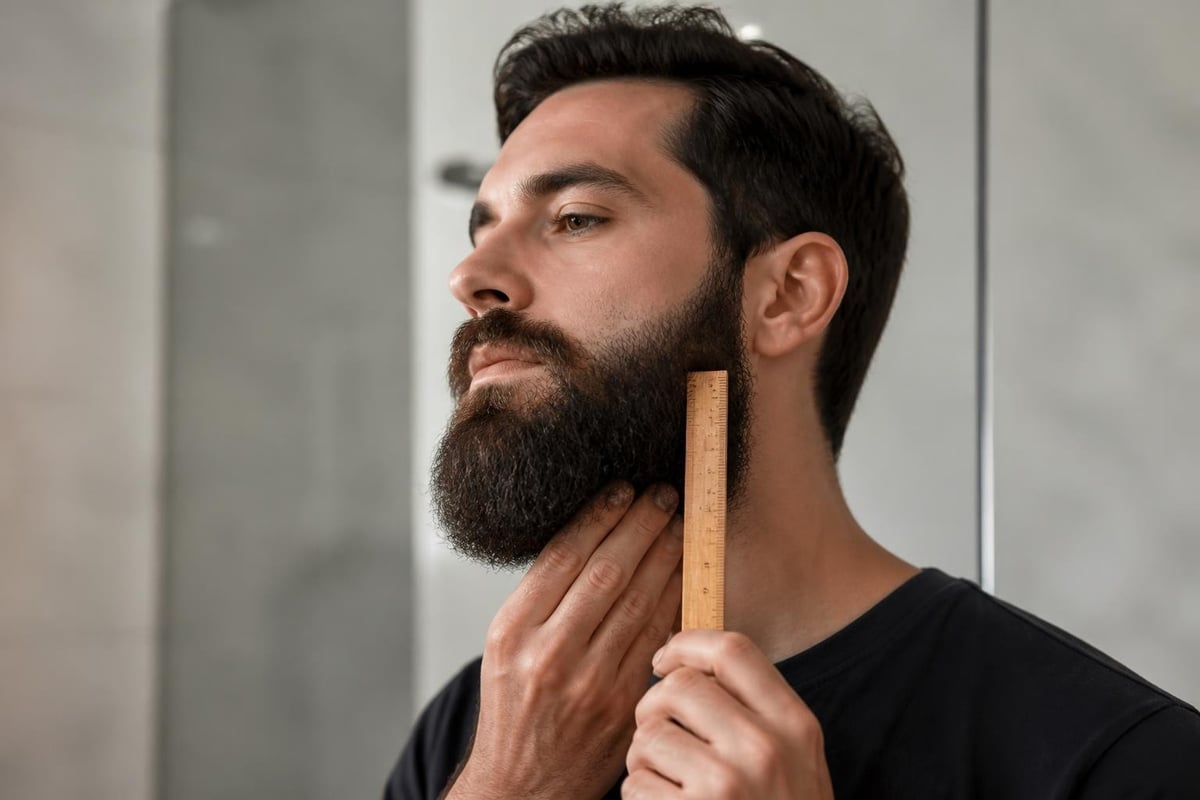
Your beard's porosity determines ingredient selection. High-porosity hair (damaged cuticles that absorb water quickly but lose it fast) requires protein-rich formulas with heavier sealants. Low-porosity hair (tight cuticles that resist absorption) needs lighter oils and humectants that penetrate without buildup.
Test porosity by placing a clean beard hair in water. Immediate sinking indicates high porosity; floating suggests low porosity. This simple test guides your ingredient priorities.
Reading Labels Like a Scientist
Ingredients list in descending order by weight, making the first five components critical. The best beard conditioner products place active conditioning agents (oils, butters, botanical extracts) prominently, not buried after preservatives and fragrances.
Watch for these red flags:
- Sulphates (sodium lauryl sulphate, sodium laureth sulphate) strip natural oils
- Parabens (methylparaben, propylparaben) disrupt hormone function
- Mineral oil sits on surface without penetrating or nourishing
- Artificial colours serve no functional purpose and increase sensitivity risk
- Denatured alcohol dries out hair and skin aggressively
Expert reviews of conditioning formulas consistently rank products with minimal ingredients and maximum active compounds highest. Simplicity indicates confidence in core ingredients rather than reliance on masking agents.
Application Techniques That Multiply Results
Even premium conditioning formulas fail with poor application technique. The goal extends beyond coating hair to actually penetrating the cuticle and reaching the cortex where strengthening occurs.
The Science-Backed Method
Start with thoroughly washed beard hair, as conditioner can't penetrate through dirt, oil buildup, or product residue. Use lukewarm water (hot water raises cuticles excessively, causing protein loss; cold water prevents ingredient absorption).
Follow this precise sequence:
- Squeeze excess water from beard (sopping wet dilutes product effectiveness)
- Dispense conditioner based on beard volume (pea-size for short beards, hazelnut-size for long)
- Warm product between palms to reduce viscosity and improve spreadability
- Apply from roots to tips using downward strokes that follow natural growth direction
- Use wide-tooth comb to ensure even distribution and detangle simultaneously
- Allow 3-5 minutes contact time for ingredient penetration
- Rinse with cool water to seal cuticles and lock in treatment
The contact time proves critical. Conditioning effectiveness research demonstrates that three-minute applications deliver 68% better moisture retention than immediate rinse-outs. Those extra minutes allow humectants to bind water molecules and oils to penetrate the cuticle layer.
Frequency depends on your washing schedule and environment. Daily conditioner use suits dry climates or if you shampoo daily, whilst 2-3 times weekly suffices in humid regions or with less frequent washing. Over-conditioning creates limpness and attracts dirt, whilst under-conditioning perpetuates dryness and brittleness.
Professional-Grade Conditioning Systems
The most effective approach combines regular conditioning with targeted treatments that address specific concerns. Think of it as a structured grooming ecosystem where each product fulfils one defined role.
A complete conditioning system includes:
- Daily/Regular Conditioner: Maintains baseline moisture and manageability
- Deep Treatment Mask: Intensive repair for damaged or stressed hair (weekly)
- Leave-In Conditioner: Ongoing protection against environmental damage
- Overnight Recovery Treatment: Maximises repair during sleep's natural recovery phase
This systematic approach mirrors professional skincare philosophy championed by brands like Routine. Beauty, which structures products around specific, complementary functions rather than one-size-fits-all solutions.
| Treatment Type | Active Mechanism | Ideal Frequency | Key Ingredients |
|---|---|---|---|
| Daily Conditioner | Surface smoothing, detangling | After each wash | Light oils, aloe vera |
| Deep Mask | Cuticle repair, cortex strengthening | Weekly | Proteins, heavy butters |
| Leave-In | Environmental protection | Daily | Antioxidants, light emollients |
| Overnight | Maximum penetration time | 2-3 times weekly | Concentrated oils, vitamins |
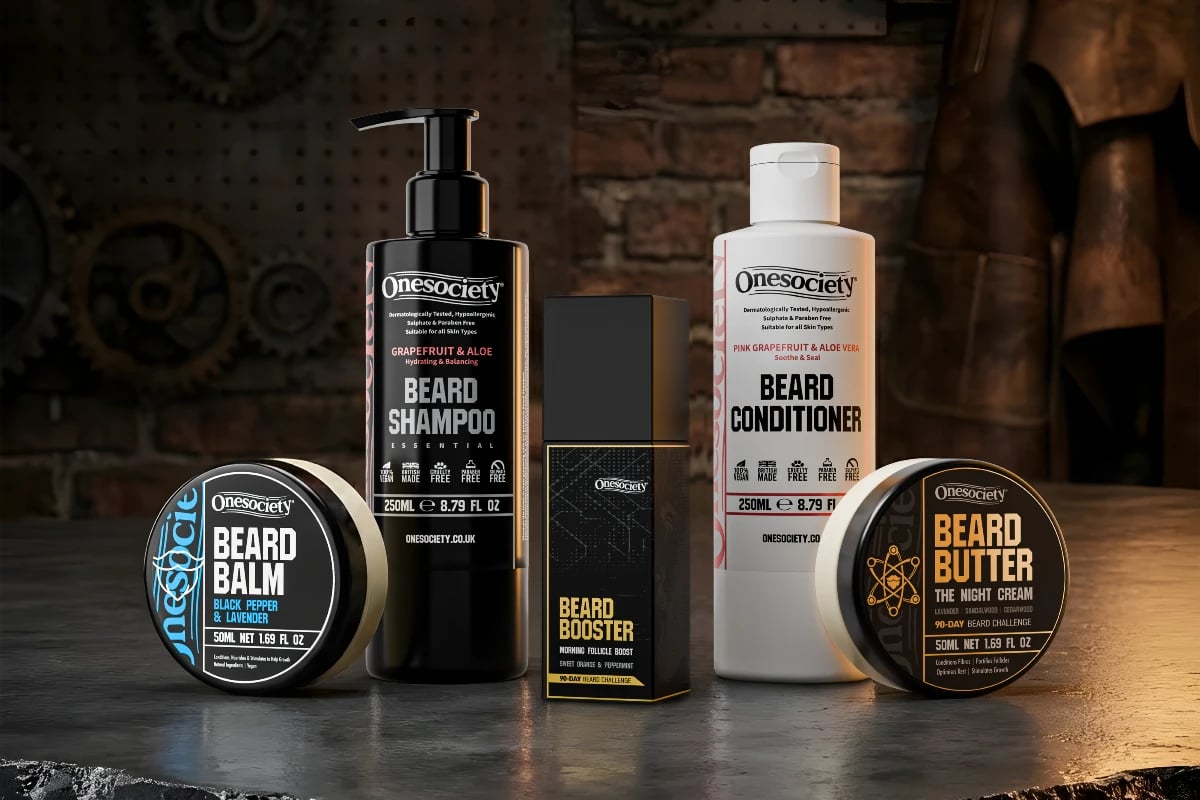
For those committed to transforming their beard from acceptable to exceptional, complete systems eliminate guesswork. The 90-Day Beard Challenge provides precisely this structured approach, combining a pH-balanced beard shampoo with a targeted conditioner, plus complementary products that work synergistically rather than competitively. Each formula serves one specific purpose within the growth and maintenance cycle, removing the trial-and-error that wastes both money and time.
Conditioning for Different Beard Stages
Your beard's needs evolve as it grows, demanding formula adjustments at each stage. What works brilliantly at two weeks creates problems at two months.
The First Month: Foundation Building
New beard growth emerges with intact cuticles but faces immediate challenges. The skin adjusts to reduced air exposure, often producing excess sebum that requires balancing rather than heavy conditioning. Short whiskers also stick straight out, creating the infamous "scruff stage" itch.
Light, fast-absorbing conditioners work best during this phase. Look for formulas with:
- High aloe vera content to soothe newly covered skin
- Jojoba oil to regulate sebum without adding weight
- Tea tree oil's antimicrobial properties to prevent folliculitis
Apply sparingly, focusing on the skin as much as the emerging hair. This builds a healthy foundation that supports subsequent growth.
Months Two Through Four: Addressing Growing Pains
Mid-length beards experience maximum frustration. Hair long enough to tangle but not heavy enough to hang straight creates knots, uneven texture, and persistent dryness. The skin beneath fully adapts to coverage, potentially reducing oil production.
Upgrade to richer formulations incorporating:
- Shea butter for intensive moisture and anti-inflammatory benefits
- Argan oil to repair damage from early-stage neglect or harsh products
- Biotin and keratin for structural strengthening
Increase conditioning frequency and consider adding weekly deep treatments. This stage determines whether your beard achieves the coveted "soft and touchable" quality or remains perpetually wiry.
Four Months Plus: Maintenance and Protection
Established beards shift from growth focus to preservation. Length creates its own challenges: split ends from mechanical damage, colour fading from UV exposure, and moisture loss from increased surface area.
Comprehensive conditioning guidance for long beards emphasises protective ingredients:
- Coconut oil's lauric acid penetrates the shaft, preventing protein degradation
- Vitamin E protects against oxidative damage and colour loss
- Beeswax in leave-in formulas shields against environmental stressors
Weekly trimming of split ends combined with intensive conditioning prevents damage from travelling up the hair shaft. Think preventive maintenance rather than damage control.
Common Conditioning Mistakes Sabotaging Your Beard
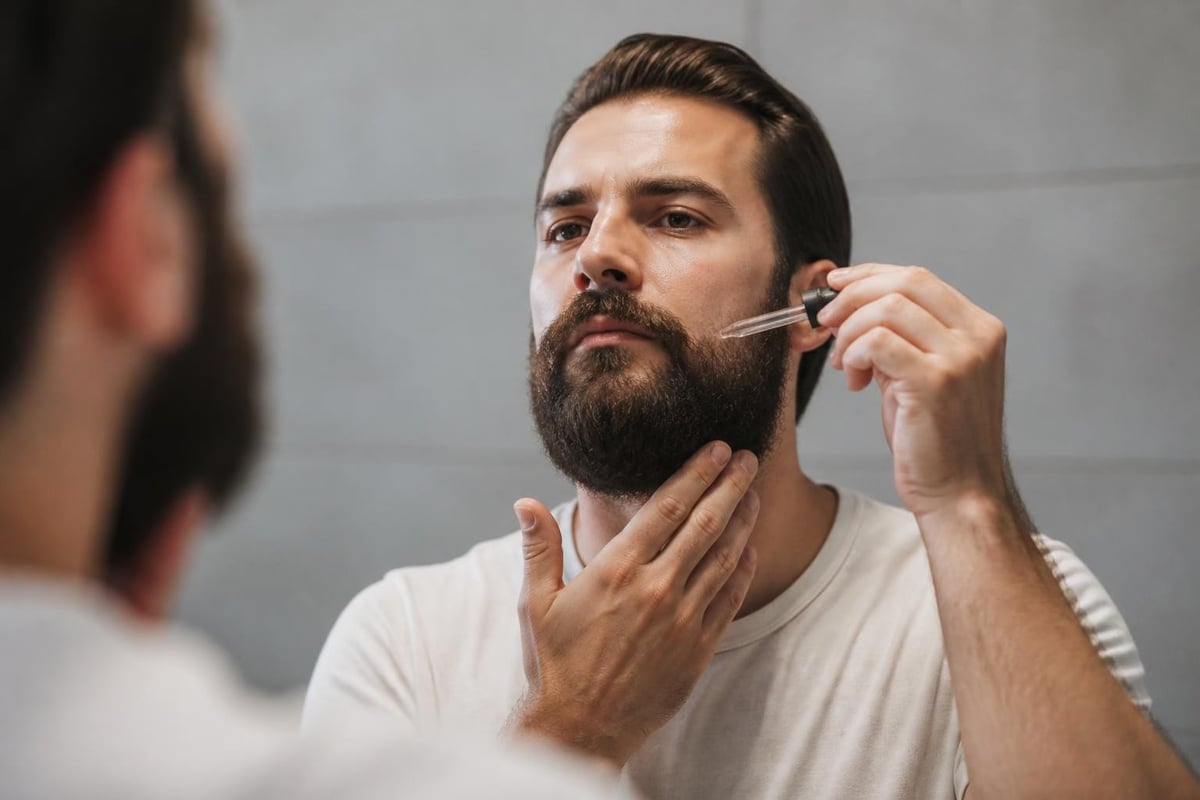
Even with quality products, poor technique undermines results. These errors appear in 80% of men's grooming routines, according to professional barbers surveyed in 2026.
The most damaging mistakes:
- Applying to dry beard: Conditioner requires water to activate and penetrate; dry application wastes product
- Using scalp conditioner: Different pH and ingredient ratios cause buildup and insufficient moisturising
- Inadequate rinsing: Residue attracts dirt, creates greasiness, and clogs pores beneath beard
- Conditioning before shampooing: Reverses the process, coating hair in oils that block cleansing
- Skipping beard altogether: Many men condition scalp hair but neglect facial hair entirely
- Overheating during styling: Hot blow dryers after conditioning evaporate moisture you just added
- Ignoring skin beneath: Conditioner should reach skin to prevent flaking and support follicle health
The rinse step deserves particular attention. Incomplete rinsing leaves surfactants and oils on the skin surface, where they oxidise, clog pores, and create the conditions for acne or folliculitis. Spend equal time rinsing as you did applying, using cool water to seal the cuticle and remove all product traces.
Natural Ingredients Backed by Research
The shift toward natural formulations reflects both consumer preference and scientific validation. Multiple clinical studies published between 2023-2026 demonstrate that plant-based conditioning agents match or exceed synthetic alternatives in measurable outcomes.
Argan oil studies show 42% improvement in hair elasticity after eight weeks of twice-weekly application. The mechanism involves oleic and linoleic acids integrating into the intercellular cement between cuticle cells, improving flexibility whilst maintaining strength. This prevents the breakage that creates uneven beard length and scraggly appearance.
Shea butter's triterpene alcohols reduce inflammation markers (interleukin-6, tumour necrosis factor-alpha) in skin tissue beneath the beard. Lower inflammation translates to reduced itching, less irritation, and healthier follicle environments that support optimal growth. The fatty acid profile also creates an occlusive barrier that reduces transepidermal water loss by up to 54%.
The French Approach to Natural Grooming
European brands have pioneered high-performance natural formulations, particularly in France where regulatory standards demand both efficacy proof and safety documentation. Companies like Green Spa demonstrate that natural ingredients, when properly concentrated and formulated, deliver professional-grade results without synthetic additives.
This philosophy aligns with growing demand for products that respect both skin biology and environmental sustainability. The best beard conditioner choices in 2026 combine traditional botanical knowledge with modern extraction and formulation science.
Building Your Complete Conditioning Routine
Conditioning exists within a larger grooming ecosystem. Maximum results require coordinating your conditioner with complementary products and practices.
Your complete beard care sequence:
- Cleanse: pH-balanced beard shampoo (2-4 times weekly)
- Condition: Targeted beard conditioner (after each shampoo)
- Treatment: Weekly deep conditioning mask
- Protect: Daily leave-in conditioner or beard oil
- Style: Balm for hold without sacrificing softness
- Maintain: Regular trimming to prevent split ends
Each step builds on the previous one. Conditioning on dirty hair traps grime against the shaft. Skipping protection after conditioning allows environmental damage to immediately undo your work. For comprehensive guidance on building effective routines, best beard grooming practices outline how products work synergistically.
The timing matters as much as the products. Apply leave-in conditioner to damp (not wet) beard for optimal absorption. Use styling balms on nearly dry hair to avoid dilution. Apply overnight treatments before bed to maximise contact time during sleep's natural repair phase.
Testing and Adjusting Your Formula
No single conditioner suits every man or every season. Systematic testing identifies what works for your unique combination of hair type, skin sensitivity, climate, and lifestyle.
Start with a baseline formula meeting your current needs. Use it exclusively for three weeks, documenting:
- Softness (run fingers through beard daily, note resistance)
- Shine (observe under consistent lighting)
- Manageability (time required to style, amount of product needed)
- Skin comfort (itching, flaking, redness)
- Partner feedback (if applicable, ultimate softness test)
After three weeks, you've established a reliable baseline for comparison. Make one change at a time, whether switching brands, adjusting frequency, or modifying technique. Wait another three weeks before assessing results. This methodical approach prevents the confusion of changing multiple variables simultaneously.
Seasonal adjustments prove necessary in most climates. Winter's dry air and indoor heating demand richer formulas with more occlusive ingredients. Summer humidity allows lighter applications that won't feel heavy. Transitional seasons might require hybrid approaches or alternating between formulas.
The Economic Reality of Quality Conditioning
Premium beard conditioners cost 3-5 times more than drugstore alternatives, raising justified questions about value. The price difference reflects ingredient quality, concentration, and formulation sophistication.
Cost analysis of conditioning options:
| Product Type | Price Range | Cost Per Use | Active Ingredient % | Annual Cost |
|---|---|---|---|---|
| Budget Drugstore | £3-8 | £0.10-0.15 | 2-5% | £36-55 |
| Mid-Range Natural | £12-20 | £0.20-0.35 | 8-15% | £73-128 |
| Premium Specialised | £22-35 | £0.35-0.55 | 15-25% | £128-201 |
| Professional/Salon | £40-65 | £0.60-1.00 | 20-35% | £219-365 |
Higher active ingredient percentages mean you need less product per application and achieve results faster. A £25 conditioner with 20% active compounds often outperforms a £6 product with 3% actives, despite costing four times more per bottle, because you use one-third the amount and see improvements in half the time.
Calculate cost-per-use rather than cost-per-bottle. A concentrated natural formula lasting four months at £28 costs £0.23 per use (twice daily). A £7 drugstore conditioner lasting six weeks at the same frequency costs £0.17 per use but requires double the amount for similar softness, actually costing more whilst delivering inferior results.
Integration with Overall Health and Lifestyle
Beard conditioning doesn't exist in isolation. Your nutrition, hydration, stress levels, and sleep quality all affect hair health and conditioning effectiveness.
Biological factors influencing conditioning results:
- Protein intake: Hair is 95% keratin; inadequate protein reduces structural integrity
- Hydration status: Dehydration reduces skin's ability to transfer moisture to follicles
- Vitamin D levels: Deficiency impairs follicle cycling and hair strength
- Omega-3 fatty acids: Anti-inflammatory effects improve skin and hair health
- Sleep quality: Growth hormone released during deep sleep drives repair processes
- Stress hormones: Cortisol increases hair shedding and slows growth
No conditioner compensates for chronic dehydration, poor nutrition, or inadequate sleep. These foundational elements determine your beard's baseline health; conditioning optimises from that starting point rather than creating results from nothing.
Consider your complete grooming and health picture when evaluating conditioning effectiveness. If you sleep five hours nightly, consume minimal protein, and endure chronic stress, even the best beard conditioner faces biological headwinds. Address lifestyle factors whilst upgrading your grooming products for multiplicative rather than merely additive improvements.
Finding the best beard conditioner transforms frustrating grooming routines into confidence-building rituals that deliver visible results. Scientific understanding of facial hair structure, combined with properly formulated natural ingredients applied through proven techniques, creates the soft, manageable beard you've envisioned. Whether you're battling first-month scruff or maintaining a year-long masterpiece, Onesociety provides the research-backed, naturally formulated conditioning solutions that turn beard potential into beard reality, backed by transparent ingredient lists and genuine commitment to your grooming success.