

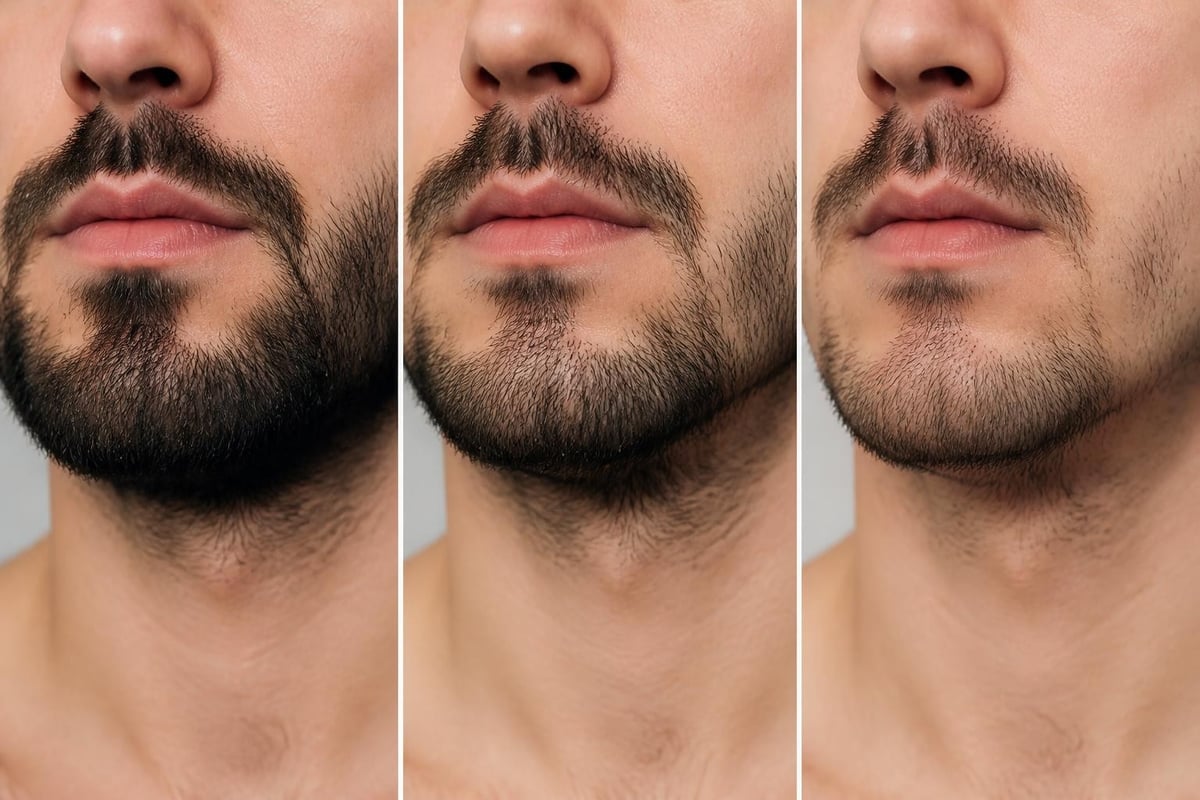
Your beard represents more than facial hair. It signals maturity, confidence, and personal style. Yet countless men struggle with patchy growth, persistent itchiness, and unruly texture that resists control. The difference between a scraggly mess and distinguished facial hair lies in understanding the science behind proper care and implementing proven grooming techniques.
Understanding the Biology Behind Beard Growth
The hair follicles on your face respond to dihydrotestosterone (DHT), a derivative of testosterone that triggers and maintains facial hair development. Each follicle cycles through growth phases: anagen (active growth), catagen (transition), and telogen (resting). The best beard grooming practices work with these natural cycles rather than against them.
Your genetics determine follicle density and growth patterns, but environmental factors significantly influence beard quality. Blood circulation delivers nutrients to follicles, whilst sebum production from sebaceous glands determines natural moisture levels. When sebum production falls short, your beard becomes dry and brittle.
Why Most Grooming Routines Fail
Standard grooming mistakes compound over time, creating cumulative damage. Using harsh shampoos strips natural oils, triggering your skin to overproduce sebum in compensation. This creates a cycle of greasiness followed by dryness. Similarly, trimming against growth patterns causes split ends and uneven texture.
The skin beneath your beard requires attention equal to the hair itself. Dead skin cells accumulate, causing flaking and irritation. Without proper exfoliation and hydration, follicles become blocked, stunting growth potential. Research indicates that men who invest in dedicated facial hair care report higher satisfaction with their appearance.
Essential Tools for Superior Beard Maintenance
Quality tools form the foundation of the best beard grooming system. Your investment in proper equipment pays dividends through years of reliable performance.
Brushes and Combs: Material Matters
- Boar bristle brushes: Natural bristles distribute sebum evenly whilst exfoliating skin
- Wide-tooth combs: Prevent breakage when detangling wet or damp facial hair
- Sandalwood combs: Anti-static properties reduce frizz and flyaways
- Metal combs: Avoid these; they generate static and snag hair
Natural materials outperform synthetic alternatives because they interact harmoniously with your beard's protein structure. Boar bristles, for instance, have a scaled surface similar to human hair, allowing them to grip and distribute oils without causing damage.
Trimming Technology
The best beard trimmers feature adjustable guard lengths and sharp, self-sharpening blades. Ceramic blades maintain temperature better than steel, reducing heat damage during extended grooming sessions. Cordless models with lithium-ion batteries provide consistent power throughout use.
| Feature | Benefit | Why It Works |
|---|---|---|
| Adjustable guards | Precise length control | Prevents over-trimming accidents |
| Self-sharpening blades | Consistent cuts | Maintains edge geometry through use |
| Ceramic construction | Reduced heat transfer | Prevents protein denaturation in hair shaft |
Washing Techniques That Preserve Natural Oils
Your facial hair requires different care than scalp hair due to its coarser texture and the sensitive skin beneath. Proper beard washing balances cleanliness with oil preservation.
Water temperature influences how effectively you cleanse without stripping essential moisture. Lukewarm water opens cuticles sufficiently for cleaning whilst avoiding the damage hot water causes. The sebaceous glands produce oils calibrated to your skin's pH; disrupting this balance triggers compensatory overproduction.
pH-Balanced Cleansing Protocol
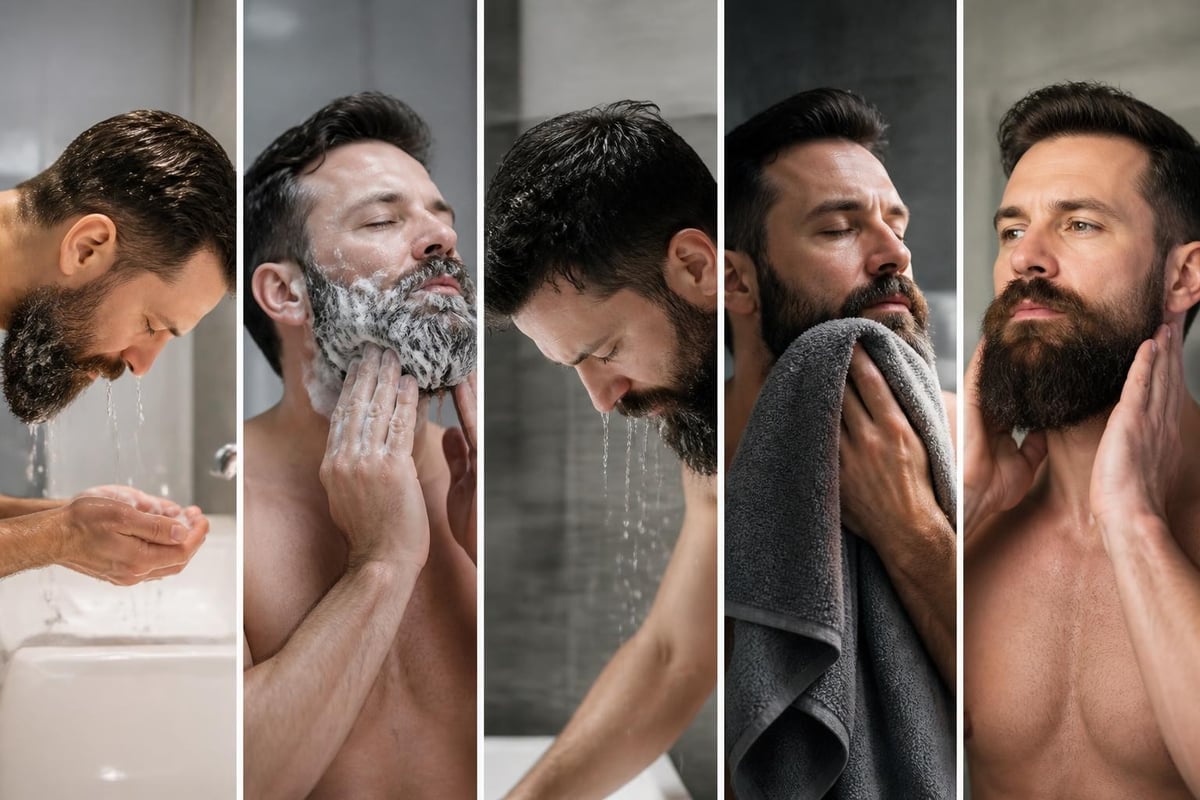
- Pre-rinse with lukewarm water for 30 seconds to soften hair
- Apply pH-balanced beard shampoo (pH 4.5-5.5) using fingertips, not nails
- Massage in circular motions to lift debris and stimulate blood flow
- Rinse thoroughly, ensuring no residue remains
- Pat dry with a microfibre towel; never rub aggressively
Standard body soaps typically measure pH 9-10, far above your skin's natural acidity of 5.5. This alkalinity disrupts the acid mantle that protects against bacteria and moisture loss. Dedicated beard shampoos maintain proper pH whilst incorporating surfactants gentle enough for daily use.
Washing frequency depends on lifestyle factors. Men working in dusty environments or exercising daily benefit from daily washing, whilst others find success with every other day. Monitor your beard's texture; if it feels brittle or looks dull, you're over-washing.
Conditioning and Hydration: The Science of Moisture Retention
The cuticle layer surrounding each hair shaft consists of overlapping cells resembling roof tiles. When these cells lie flat, your beard appears shiny and feels smooth. Damage causes cuticles to lift, creating a rough texture that tangles easily.
Conditioning products work by depositing lipids and proteins that temporarily seal lifted cuticles. Ingredients like shea butter provide fatty acids (oleic, stearic, palmitic) that integrate into the hair structure, reducing inflammation and improving flexibility.
Daily Hydration Strategy
Apply conditioning products to damp, not wet, facial hair. Excess water dilutes active ingredients, reducing efficacy. The best beard grooming routine incorporates layered hydration:
- Morning: Lightweight beard oil containing jojoba (mimics natural sebum structure)
- Evening: Heavier beard butter with shea butter for overnight recovery
- Weekly: Deep conditioning treatment with argan oil (rich in vitamin E)
Natural ingredients outperform synthetic alternatives because they contain complementary compounds that work synergistically. Jojoba oil, for example, contains wax esters structurally identical to human sebum, allowing superior absorption without greasiness.
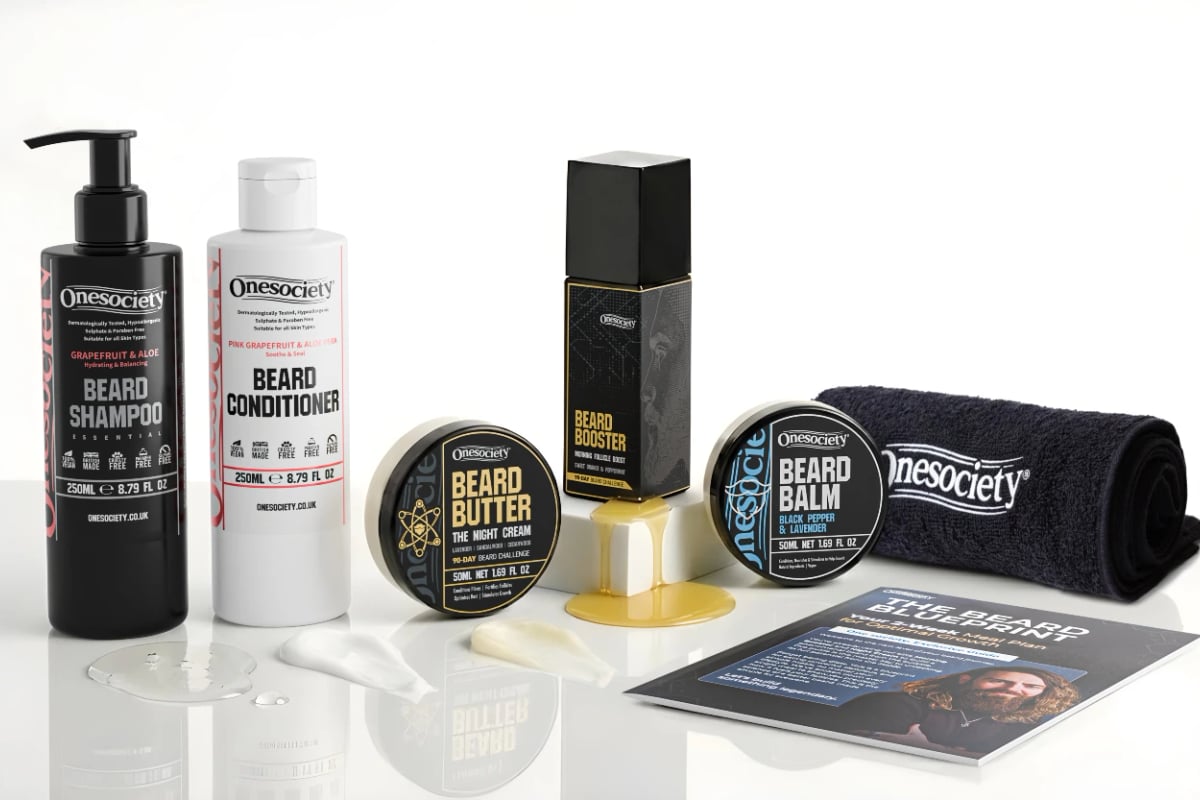
For those seeking comprehensive solutions, structured programmes offer methodical approaches. The 90-Day Beard Challenge provides eight performance-engineered formulas designed to work together through each growth phase, from follicle stimulation to protective sealing.
Styling Without Damage: Heat and Product Application
Excessive heat denatures keratin proteins, permanently altering hair structure. When styling, limit heat exposure and always apply thermal protection beforehand. Natural waxes and balms provide hold whilst nourishing, unlike synthetic polymers that coat hair in impermeable films.
Product Layering Order
The sequence of product application determines how effectively each formula performs:
- Beard oil (penetrates shaft for internal conditioning)
- Beard balm (seals moisture whilst providing light hold)
- Styling product (shapes and sets final look)
Each layer serves a distinct purpose. Oil molecules small enough to penetrate the cuticle deliver nutrients internally. Balms containing larger molecules create an external barrier that locks moisture in whilst offering pliability for shaping.
Trimming Techniques for Definition and Shape
Precision trimming defines your beard's architecture. Work with your natural growth patterns rather than imposing artificial shapes that require constant maintenance.
Mapping Your Growth Pattern
Observe how your facial hair naturally grows before making cuts. Most men exhibit varying growth directions across different facial zones. Trimming against the grain creates blunt ends that feel prickly; following natural growth produces softer, more natural-looking results.
| Facial Zone | Common Growth Direction | Trimming Approach |
|---|---|---|
| Cheek line | Downward at 45° angle | Follow angle, taper gradually |
| Moustache | Outward from philtrum | Trim horizontally, respect natural curve |
| Chin | Downward and forward | Trim downward, maintain length gradient |
| Neck line | Multiple directions | Define clear boundary, blend upward |
Expert recommendations suggest establishing your neckline two fingers above your Adam's apple. This prevents the "chin strap" appearance whilst maintaining definition between beard and neck.
Addressing Common Beard Problems Scientifically
The best beard grooming practices prevent issues before they develop. Understanding the biological mechanisms behind common problems enables targeted solutions.
Beardruff: More Than Cosmetic Concern
Those white flakes aren't always dandruff. Often, they're dried sebum and dead skin cells that accumulate beneath your beard. The Malassezia fungus, naturally present on skin, feeds on sebum. Overgrowth causes irritation and excessive skin cell turnover.
Combat this by maintaining scalp and facial skin health with consistent exfoliation. Products containing tea tree oil exhibit antifungal properties whilst stimulating circulation. Combining these with proper skin care routines, such as those offered through Grounded Body body scrubs, addresses the root cause rather than masking symptoms.
Patchy Growth Solutions
Uneven growth stems from follicle sensitivity variations across facial zones. Some areas respond more robustly to DHT stimulation. Whilst you cannot alter follicle density, you can optimize existing follicle performance through improved circulation and nutrition.
Massaging beard oil into your skin stimulates blood flow, delivering nutrients to follicles. Ingredients like castor oil contain ricinoleic acid, which studies suggest may improve hair density through prostaglandin pathway activation. Consistency matters more than intensity; daily five-minute massage sessions outperform sporadic lengthy treatments.
Nutritional Support for Beard Health
Your beard reflects internal health. Follicles require specific nutrients to produce strong, healthy hair. Deficiencies manifest as brittle texture, slow growth, and premature greying.
Essential Nutrients and Their Functions
- Biotin (B7): Supports keratin infrastructure; deficiency causes brittle hair
- Vitamin D: Regulates follicle cycling; low levels correlate with patchy growth
- Omega-3 fatty acids: Reduce inflammation around follicles, improving growth environment
- Zinc: Required for protein synthesis; crucial for hair shaft formation
- Iron: Delivers oxygen to follicles; deficiency triggers telogen phase dominance
Supplement wisely. Mega-dosing biotin beyond 30mcg daily provides no additional benefit, as your body excretes excess. Instead, focus on balanced nutrition from whole foods supplemented strategically where deficiencies exist.
Advanced Maintenance for Mature Beards
Once your beard reaches your desired length, maintenance shifts from encouraging growth to preserving quality. Long beards require different care than short styles.
The ends of long facial hair have survived months or years of environmental exposure, accumulating damage. Split ends travel upward, compromising overall appearance. Regular micro-trimming (removing 3-5mm every six weeks) prevents split progression whilst maintaining length.
Long Beard Care Essentials
Weekly deep conditioning becomes non-negotiable for beards exceeding 10cm. Leave-in treatments containing hydrolyzed proteins temporarily repair damage by filling gaps in the cuticle layer. These proteins, small enough to penetrate the shaft, bond with keratin to reinforce structure.
Night-time protection prevents mechanical damage from friction against pillows. Apply heavier beard butter before bed, then use a silk pillowcase or beard wrap. Silk's smooth surface reduces friction that causes tangling and breakage.
Creating Your Personalised Grooming Schedule
The best beard grooming routine adapts to your specific needs rather than following generic advice. Your schedule depends on beard length, lifestyle, and growth goals.
Sample Weekly Schedule for Optimal Results
Daily Tasks:
- Morning: Brush, apply beard oil, style with balm
- Evening: Wash face, apply conditioning product
Weekly Tasks:
- Deep conditioning treatment (Sunday)
- Exfoliation beneath beard (Wednesday)
- Detailed trimming and shaping (Saturday)
Monthly Tasks:
- Professional shaping consultation
- Tool maintenance (cleaning, oiling)
- Progress photography for tracking
Consistency drives results. Studies on grooming behaviour demonstrate that men who maintain structured routines report significantly higher satisfaction with their facial hair appearance.
Professional Maintenance vs. Home Care
Whilst home care forms your routine's foundation, periodic professional services provide value that home treatments cannot replicate. Professional barbers possess tools and techniques unavailable to most consumers.
Hot towel treatments open pores and soften hair more effectively than home steaming. Professional-grade scissors enable precision cutting impossible with standard trimmers. Moreover, an experienced barber identifies issues you might overlook, such as asymmetrical growth or developing split ends.
Schedule professional services quarterly for maintenance trims and annually for significant reshaping. Between visits, maintain the shape through careful home trimming following the lines your barber established.
Seasonal Adjustments to Your Routine
Environmental conditions influence beard health dramatically. Winter's dry air and summer's humidity require different approaches.
Winter Protection Protocol
Cold air combined with indoor heating creates the driest conditions your beard faces. Increase conditioning product application frequency and switch to heavier formulations. Products containing lanolin or beeswax create protective barriers against harsh weather whilst sealing moisture.
Cover your beard when outdoors in freezing temperatures. Frozen moisture within hair shafts expands, causing structural damage. Beard balms with higher wax content provide better protection than lighter oils.
Summer Hydration Strategy
Heat and humidity increase sebum production, potentially causing your beard to appear greasy. Switch to lighter oils like grapeseed or argan that absorb quickly without residue. Increase washing frequency if necessary, but maintain pH balance through dedicated beard shampoos.
Sun exposure damages facial hair similarly to scalp hair. UV radiation degrades protein bonds, causing brittleness and colour fading. Apply beard oils containing natural SPF ingredients like raspberry seed oil (SPF 28-50) or carrot seed oil (SPF 38-40).
Troubleshooting Stubborn Issues
When standard techniques fail to resolve persistent problems, advanced interventions become necessary. Understanding the underlying mechanisms helps identify effective solutions.
Chronic Itchiness
If itchiness persists beyond the initial growth phase, investigate underlying causes. Contact dermatitis from products, folliculitis (infected follicles), or seborrheic dermatitis require different treatments.
Eliminate potential allergens by switching to fragrance-free, hypoallergenic products. If irritation continues, consult a dermatologist to rule out fungal or bacterial infections requiring medical treatment.
Colour Inconsistencies
Multi-toned beards result from varying melanin distribution across facial zones. Whilst permanent solutions don't exist without dyeing, proper conditioning minimises colour variation's visual impact. Well-hydrated hair reflects light uniformly, reducing the appearance of colour differences.
For men choosing to dye, select products specifically formulated for facial hair. Scalp dyes contain higher peroxide concentrations that damage coarser beard hair. Professional application ensures even colour distribution and minimises skin staining.
Mastering the best beard grooming techniques requires understanding the science behind hair growth and applying proven methods consistently. Transform your facial hair from unruly to distinguished by implementing pH-balanced washing, strategic conditioning, and precision trimming. Whether you're starting your growth journey or maintaining an established beard, Onesociety provides scientifically-formulated products using 100% natural ingredients designed to optimise every aspect of beard health and appearance.