

Your beard feels like wire wool. You've tried everything, but those coarse, unruly hairs refuse to cooperate. Every morning brings the same frustration: a beard that looks rough, feels scratchy, and drives your partner mad when you lean in for a kiss. The problem isn't your genetics or your grooming routine. It's that you're missing one crucial element: a dedicated beard softener that works with your facial hair's unique structure to transform texture from the inside out.
Why Your Beard Feels Like Steel Wire
Facial hair isn't just thicker than scalp hair. It's fundamentally different at the cellular level. Each beard hair contains a medulla (the innermost layer), a cortex (the middle layer packed with keratin proteins), and a cuticle (the protective outer layer). When that cuticle layer becomes damaged or dehydrated, the hair shaft loses its smooth surface and becomes rough, wiry, and difficult to manage.
The science is straightforward: your skin produces sebum (natural oil) to moisturise hair follicles, but facial hair grows faster and longer than most people realise. Your sebaceous glands simply can't produce enough oil to coat every inch of a growing beard. This creates a moisture deficit that leaves the cuticle layer dry, raised, and rough to the touch.
Environmental aggressors make this worse. Wind, sun exposure, and indoor heating strip moisture from the hair shaft. Hard water deposits minerals that build up on the cuticle. Even your daily face wash (designed for skin, not hair) can be too harsh, stripping away the limited sebum your glands produce.
The Inflammation Factor
Here's what most men don't understand: dry, coarse beard hair creates a vicious cycle of irritation. When rough hair shafts move against skin, they cause micro-abrasions. Your skin responds with inflammation. This inflammation disrupts the follicle environment, which can affect hair growth quality and create persistent itchiness that no amount of scratching resolves.
What Sets Beard Softener Apart from Regular Conditioner
You might think, "Can't I just use my girlfriend's hair conditioner?" The answer reveals why dedicated beard softeners exist in the first place.
Scalp hair conditioners target completely different problems. They're formulated to address issues like split ends, colour protection, and volume control. Facial hair needs conditioning that penetrates deeper, hydrates more intensively, and addresses the unique relationship between beard hair and the skin beneath.
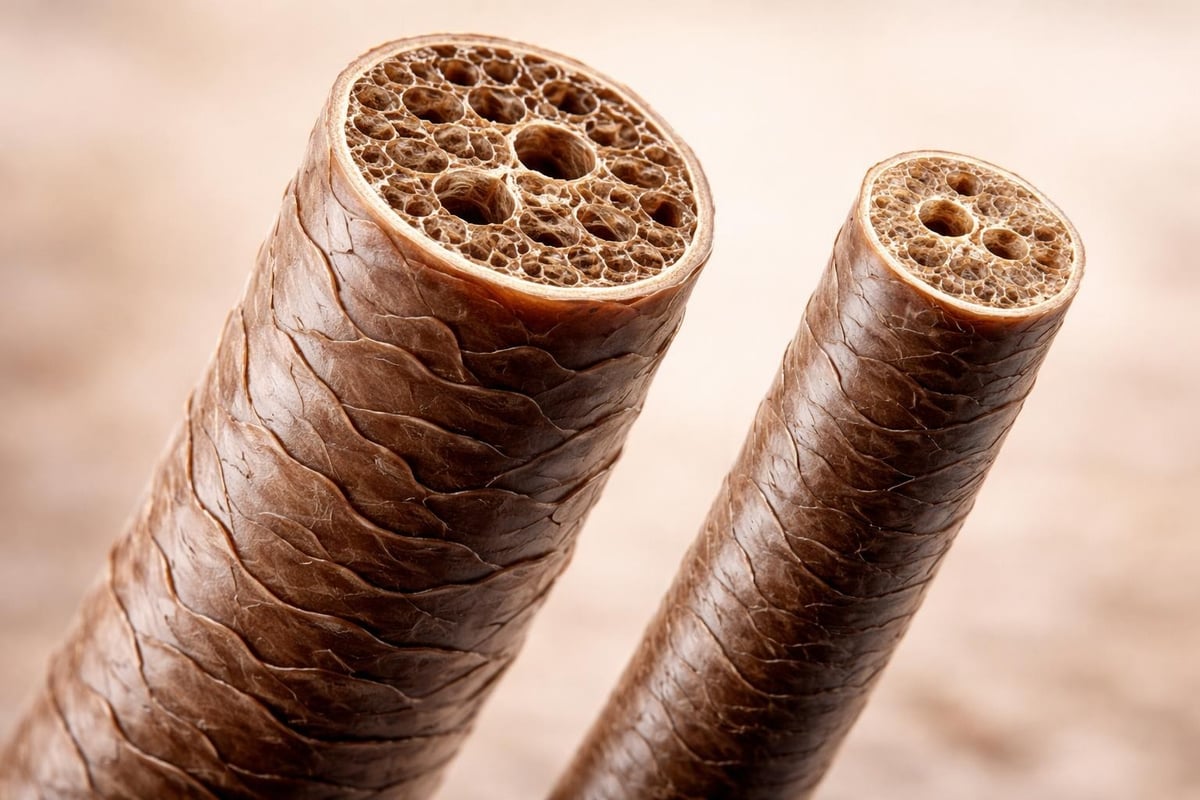
| Hair Type | Diameter | Growth Rate | Sebum Coverage |
|---|---|---|---|
| Scalp Hair | 50-100 microns | 15cm/year | Adequate |
| Facial Hair | 100-120 microns | 15cm/year | Insufficient |
| Beard (mature) | Up to 150 microns | Variable | Severely lacking |
A proper beard softener delivers three critical functions that regular conditioner misses:
- Deep penetration: Smaller molecular structures that can breach the thicker cuticle layer of facial hair
- Dual hydration: Ingredients that condition both the hair shaft and the skin underneath, preventing beardruff and irritation
- Natural pH balance: Formulations that work with facial skin's slightly acidic pH (4.5-5.5) rather than scalp pH
The Onesociety beard collection emphasises this distinction by using ingredients specifically chosen for facial hair's unique needs.
The Science Behind Effective Beard Softening
What actually makes a beard softener work? Let's break down the mechanisms that transform texture.
Moisture Binding and Retention
Humectants are your first line of defence. These molecules attract water from the environment and bind it to the hair shaft. Glycerin, a natural humectant found in quality beard products, can hold up to 1000 times its weight in water. When applied to beard hair, glycerin penetrates the cuticle layer and swells the cortex with moisture, which smooths the outer surface and increases flexibility.
But moisture attraction isn't enough. You need emollients to seal that hydration inside. Natural butters like Shea Butter contain fatty acids (oleic acid, stearic acid, linoleic acid) that coat the hair shaft and create a protective barrier. This prevents transepidermal water loss, which is the primary cause of dry, brittle facial hair.
Protein Reconstruction
Keratin proteins form the structural foundation of every hair strand. When these proteins break down due to environmental damage or chemical exposure, the hair shaft weakens and becomes prone to breakage. Plant-based proteins in beard softener formulas fill microscopic gaps in damaged cuticles.
Wheat protein, silk amino acids, and hydrolysed quinoa protein are small enough to penetrate the cortex layer. Once inside, they bond with existing keratin structures, reinforcing the hair shaft from within. This doesn't just make hair feel softer. It actually increases tensile strength by up to 40%, making your beard more resilient to daily wear.
Anti-Inflammatory Action
Remember that irritation cycle we discussed? Breaking it requires active ingredients that reduce inflammation at the follicle level. Natural oils like Jojoba Oil contain anti-inflammatory compounds that calm irritated skin. Jojoba's molecular structure closely mimics human sebum, which means your skin recognises and absorbs it readily.
When inflammation decreases, follicles function optimally. This creates a healthier environment for hair growth and eliminates the persistent itch that plagues so many beard growers.
How to Apply Beard Softener for Maximum Results
Technique matters as much as product quality. Here's the science-backed method that ensures every ingredient reaches its target.
The Optimal Application Process
-
Cleanse first, always: Use a dedicated beard wash that removes buildup without stripping natural oils. This opens the cuticle layer, priming it for conditioning.
-
Towel dry to 70-80% moisture: Soaking wet hair dilutes product effectiveness. Too dry, and the cuticle closes before ingredients penetrate.
-
Apply from root to tip: Work a generous amount (more than you think you need) through your beard. Start at the skin level to address follicle health, then distribute through lengths.
-
Leave in for 3-5 minutes minimum: This isn't negotiable. Ingredient penetration takes time. The active compounds need to breach the cuticle layer and bind with internal structures.
-
Rinse with cool water: Hot water raises the cuticle and allows moisture to escape. Cool water seals the cuticle flat, locking in all those beneficial ingredients.
Leave-In vs Rinse-Out Formulas
This distinction confuses many men. Both types serve valuable but different purposes.
Rinse-out beard softener delivers intensive conditioning during your shower routine. It uses higher concentrations of proteins and moisturising agents because you'll wash away any excess. This format excels at repairing damage and restoring hydration to severely dry beards.
Leave-in formulas provide continuous conditioning throughout the day. They typically contain lighter oils and fewer proteins to avoid buildup. Products designed for leave-in application work brilliantly for maintenance between intensive treatments.
Key Ingredients That Transform Beard Texture
Not all beard softeners deliver equal results. The ingredient list tells you everything you need to know about effectiveness.
Natural Oils: The Foundation
Argan Oil dominates premium formulations for good reason. Rich in Vitamin E (a powerful antioxidant), Argan Oil penetrates deeply to repair cellular damage. Its high concentration of essential fatty acids strengthens the hair shaft whilst providing intense moisturisation. Clinical studies show regular Argan Oil application can increase hair elasticity by 65%.
Sweet Almond Oil brings a lighter touch. Its smaller molecular size allows it to penetrate faster than heavier oils, delivering quick hydration without greasy residue. Sweet Almond Oil also contains magnesium, which plays a crucial role in protein synthesis within the hair follicle.
Jojoba Oil deserves special mention because it's technically a wax ester, not an oil. This means it doesn't oxidise or turn rancid like true oils can. Jojoba regulates sebum production (your skin produces less oil when it's already moisturised), preventing the oily skin/dry beard paradox many men experience.
Butter Components for Deep Conditioning
Shea Butter transforms coarse hair through its unique composition of stearic and oleic acids. These fatty acids coat each hair strand, smoothing down raised cuticle scales and creating a polished surface. Shea Butter also contains cinnamic acid, which provides natural UV protection to prevent sun damage.
Cocoa Butter adds firmness alongside softness. It melts at body temperature, which means it absorbs readily when applied but provides structure as it cools. This dual action helps control flyaways whilst maintaining conditioning benefits.
Botanical Extracts for Enhanced Performance
Aloe Vera isn't just soothing. Its polysaccharides form a protective film on the hair shaft that retains moisture for hours after application. Aloe also contains proteolytic enzymes that remove dead skin cells from the follicle area, preventing ingrown hairs and beardruff.
Green Tea Extract brings powerful antioxidants (catechins) that protect against free radical damage. Environmental pollutants create oxidative stress that weakens hair structure. Green Tea neutralises these compounds, maintaining hair integrity.
The natural ingredients philosophy at Onesociety ensures every component serves a scientifically proven purpose.
Common Beard Softener Mistakes That Sabotage Results
You're using the right product but not seeing results? These errors destroy effectiveness.
Insufficient Product Volume
Most men use about one-quarter of the amount they actually need. A full beard (10cm or longer) requires at least a tablespoon of softener to achieve complete coverage. Skimping means some areas receive conditioning whilst others remain dry and coarse. The result? Inconsistent texture that feels worse than using nothing at all.
Inadequate Contact Time
Rushing through your routine wastes money and results. Those active ingredients we discussed need time to work their magic. Applying softener and immediately rinsing it out means you're only conditioning the outer surface of the cuticle. The cortex layer (where real transformation happens) receives zero benefit.
Many effective beard softeners recommend minimum contact times for precisely this reason. Respect the science.
Temperature Errors
Hot water feels luxurious, but it's destroying your conditioning efforts. High temperatures raise the cuticle layer, which sounds beneficial until you realise this also allows all that moisture you just added to escape during the rinse. Cool water (not cold, just cool) seals the cuticle whilst those beneficial ingredients remain trapped inside the hair shaft.
Inconsistent Application
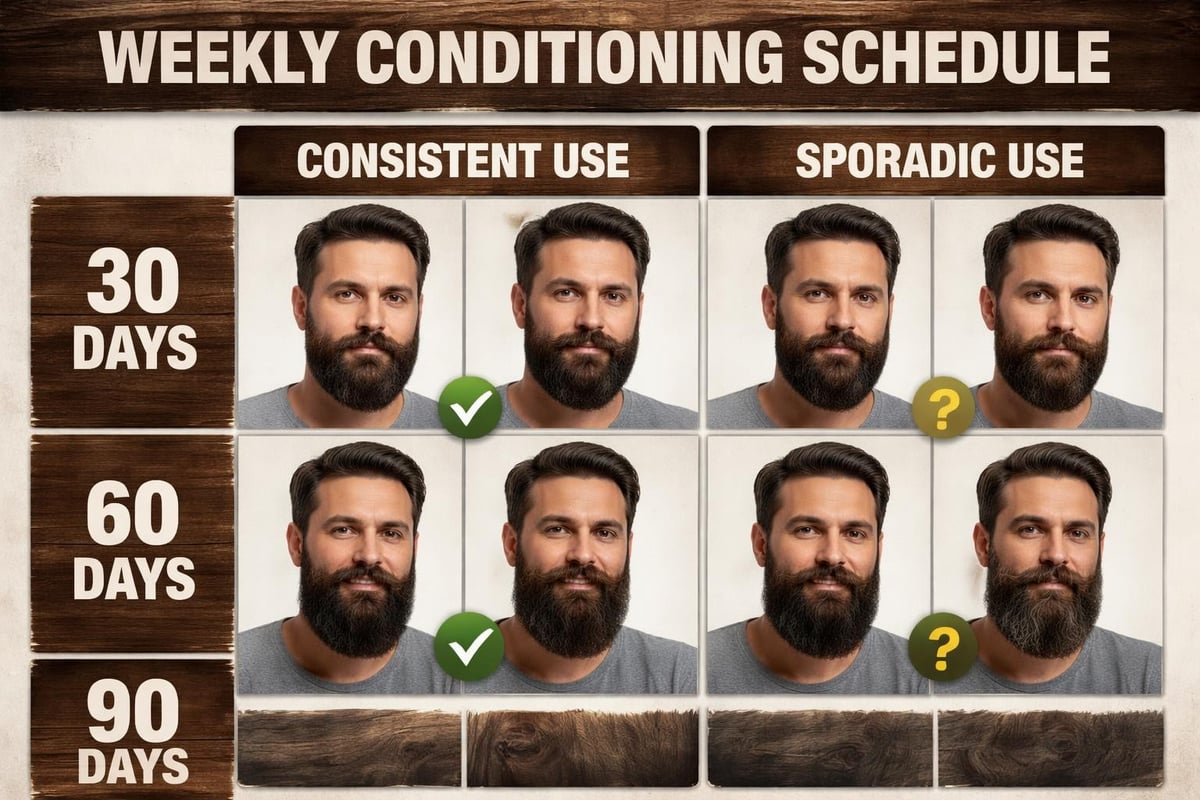
Conditioning your beard once a week won't deliver the transformation you're seeking. Beard softener works cumulatively. Each application builds upon the previous one, gradually repairing damage, strengthening structure, and improving moisture retention. Three to four times weekly is the minimum frequency for noticeable results. Daily conditioning suits severely damaged or exceptionally coarse beards.
Combining Beard Softener with Your Grooming Arsenal
Beard softener doesn't work in isolation. It's part of an integrated system.
The Optimal Product Stack
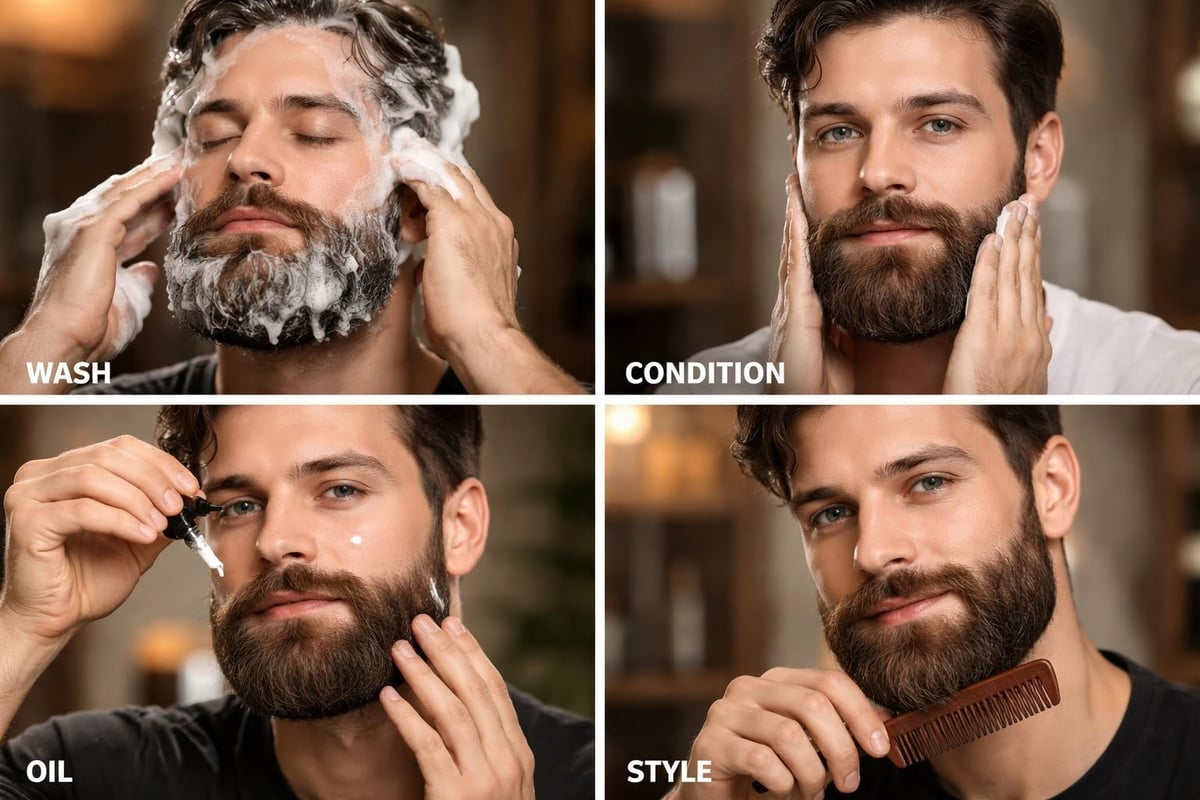
Your grooming routine should follow this science-based sequence:
- Cleanse: Beard wash removes buildup and prepares follicles
- Condition: Beard softener repairs, moisturises, and strengthens
- Oil: Beard oil adds finishing moisture and shine
- Style: Balm or butter provides hold whilst sealing in all previous layers
Each step builds upon the previous one. Washing opens the cuticle. Softening fills it with beneficial ingredients. Oil seals everything in. Styling products lock the entire system in place.
Why Layering Matters
You can't achieve maximum softness with beard oil alone. Oil sits on the surface, providing external lubrication. Beard softener penetrates internally, restructuring the hair shaft. Together, they address both internal and external hair health.
Think of it like this: beard softener is structural renovation (fixing the foundation), whilst oil is interior decoration (making everything look polished). You need both.
Measuring Your Softening Progress
How do you know if your beard softener actually works?
Tactile Assessment
The scruff test provides immediate feedback. Run your hand against the grain of your beard growth. In week one, you'll feel resistance and roughness. By week four of consistent conditioning, that same motion should feel smooth, with minimal catch.
The flexibility test reveals structural improvements. Take a single beard hair and gently stretch it between your fingers. Brittle, damaged hair snaps immediately. Properly conditioned hair stretches 20-30% before breaking, demonstrating the increased elasticity that proteins and moisture provide.
Visual Indicators
Watch for these signs of successful conditioning:
- Reduced frizz: Hydrated cuticles lie flat, eliminating that fuzzy halo
- Increased shine: Smooth surfaces reflect light more effectively
- Better definition: Conditioned hair clumps naturally into defined sections rather than splaying randomly
- Darker appearance: Moisture intensifies your natural colour
Partner Feedback
The ultimate test? Ask your significant other. If they stop complaining about your "bristle brush beard" and start running their fingers through it voluntarily, your beard softener is delivering results.
Addressing Specific Beard Concerns with Targeted Softening
Different beard problems require adjusted approaches.
Coarse, Wiry Texture
This stems from severe dehydration and protein loss. Your strategy demands intensive moisture binding paired with protein reconstruction. Look for beard softeners containing both humectants (glycerin, honey) and proteins (silk amino acids, keratin).
Apply softener daily for the first month. Your beard has years of damage to reverse. Once you've established a baseline of softness (usually 4-6 weeks), reduce to 4 times weekly for maintenance.
Patchy, Uneven Growth
Softening won't make hair grow where follicles don't exist, but it can improve the appearance of thin areas. Conditioned hair appears fuller because each strand swells with moisture. This increased volume helps sparse areas look denser.
Focus your beard softener application on the skin level in patchy zones. The anti-inflammatory benefits improve follicle health, which may activate dormant follicles over time.
Colour-Treated or Grey Beards
Both conditions create additional dryness. Chemical colouring strips natural oils and damages cuticle integrity. Grey hair produces less sebum naturally because aging follicles slow oil production.
Choose beard softeners with enhanced moisturising properties. Ingredients like Avocado Oil and Macadamia Oil provide richer hydration than lighter oils. Specialised beard butter formulas often suit these beard types better than standard conditioners.
The Role of Diet and Hydration in Beard Softness
External conditioning addresses symptoms. Internal nutrition tackles root causes.
Hydration from Within
Your beard is approximately 10-13% water by composition. When you're chronically dehydrated, your body prioritises vital organs over hair health. This means less moisture reaches the hair shaft, creating dryness that no amount of external conditioning can fully resolve.
The solution? Drink at least 2-3 litres of water daily. You'll notice changes in beard texture within two weeks as internal hydration improves.
Essential Fatty Acids
Omega-3 and Omega-6 fatty acids are building blocks for healthy hair. They support sebum production, strengthen cell membranes in the follicle, and reduce inflammation throughout the body (including your facial skin).
Incorporate these foods into your regular diet:
- Fatty fish (salmon, mackerel, sardines)
- Walnuts and flaxseeds
- Chia seeds
- Grass-fed beef
Protein Intake
Your beard is literally made of protein (keratin). Insufficient protein consumption means your body lacks the raw materials to build strong, healthy hair. Aim for 1.2-1.6g of protein per kilogram of body weight daily.
Quality sources include lean meats, eggs, Greek yoghurt, and legumes. Vegetarians and vegans should pay special attention to combining complementary proteins to ensure complete amino acid profiles.
Professional Treatments vs At-Home Softening
Can a barber provide better results than your home routine?
What Professional Treatments Offer
High-end barbershops now provide intensive conditioning services using professional-grade products and techniques. These treatments typically include:
- Hot towel preparation: Opens cuticles more effectively than shower steam
- Deep conditioning masks: Higher concentrations of active ingredients than retail products
- Massage techniques: Stimulate blood flow to follicles whilst distributing product evenly
- Specialised equipment: Steamers and heat caps that enhance ingredient penetration
A professional treatment delivers noticeable results in a single session. However, those results fade within 7-10 days without proper home maintenance.
The At-Home Advantage
Consistency beats intensity. A professional treatment once monthly can't compete with proper daily conditioning using quality products. Your beard needs regular nourishment, not occasional interventions.
At-home routines also cost significantly less. One professional treatment often equals the price of 2-3 months of premium beard softener. Building your own product collection provides better long-term value and results.
Natural vs Synthetic: Understanding Ingredient Quality
The natural versus synthetic debate matters more for beard products than most categories.
Why Natural Ingredients Excel
Your skin absorbs approximately 60% of what you apply to it. This absorption extends to your beard area, meaning ingredients don't just condition hair. They enter your bloodstream.
Natural ingredients like plant oils and botanical extracts contain complementary compounds that work synergistically. Argan Oil doesn't just provide Vitamin E in isolation. It delivers Vitamin E alongside fatty acids, antioxidants, and minerals that enhance each other's effectiveness.
Synthetic alternatives often isolate single compounds, missing these beneficial interactions. They also frequently include preservatives, silicones, and sulfates that can irritate facial skin and damage hair over time.
The Science-Backed Approach
Onesociety's commitment to 100% natural ingredients backed by research represents the optimal approach. You get the gentleness and synergistic benefits of natural compounds alongside the assurance of scientific validation.
This isn't about trendy "clean beauty" marketing. It's about recognising that plant-based ingredients have evolved over millions of years to interact with biological systems (like your beard and skin) in beneficial ways.
Building Your Personalised Softening Routine
Your beard is unique. Your routine should reflect that.
Assessing Your Starting Point
Before choosing products and frequency, honestly evaluate your current beard condition:
| Condition | Characteristics | Recommended Frequency |
|---|---|---|
| Severely Dry | Wire-like texture, persistent itch, visible flaking | Daily conditioning |
| Moderately Dry | Rough patches, occasional itch, slight frizz | 4-5 times weekly |
| Slightly Dry | Generally soft with some coarse areas | 3-4 times weekly |
| Well-Maintained | Soft throughout, minimal issues | 2-3 times weekly |
Creating Your Action Plan
Month 1: Intensive repair phase. Condition daily using a protein-rich softener. Your goal is reversing accumulated damage and establishing a moisture baseline.
Month 2: Stabilisation phase. Reduce to 4-5 times weekly. Your beard has absorbed significant conditioning. Now you're maintaining improvements whilst allowing natural oil production to normalise.
Month 3 onwards: Maintenance phase. Find your sweet spot (typically 3-4 times weekly) based on how your beard responds. You've established healthy hair. Now you're sustaining it.
Tracking Results
Document your progress with photos every two weeks. Use the same lighting and angle. You'll be amazed at the transformation that gradual, consistent conditioning produces. What feels like slow progress in the moment becomes dramatic improvement when viewed over 90 days.
This mirrors the philosophy behind Onesociety's 90-Day Beard Challenge, which recognises that genuine transformation requires sustained commitment, not quick fixes.
Shopping Smart: Choosing Your Beard Softener
The market floods you with options. Here's how to identify products that actually deliver.
Red Flag Ingredients to Avoid
Sulfates (Sodium Lauryl Sulfate, Sodium Laureth Sulfate): These aggressive cleansing agents strip every trace of oil from your beard, creating the dryness you're trying to eliminate. They're fine in shampoo designed for oily scalp hair but destructive in beard products.
Silicones (Dimethicone, Cyclomethicone): They create an illusion of softness by coating hair in a synthetic film. This film prevents moisture from penetrating whilst building up over time. Your beard feels soft initially but becomes brittle and damaged underneath.
Artificial Fragrances: Listed simply as "fragrance" or "parfum," these often contain phthalates and other compounds that irritate facial skin. Natural scents from essential oils provide pleasant aroma without the irritation risk.
Green Light Ingredients
Look for these proven performers on the label:
- Natural oils: Argan, Jojoba, Sweet Almond, Coconut
- Plant butters: Shea, Cocoa, Mango
- Proteins: Hydrolysed wheat, Silk amino acids, Keratin
- Vitamins: E (tocopherol), B5 (panthenol)
- Botanical extracts: Aloe Vera, Green Tea, Chamomile
Price vs Value
The cheapest option always costs more in the long run. Low-quality beard softeners use inferior ingredients that require more product to achieve minimal results. You'll empty the bottle faster whilst seeing poorer outcomes.
Premium formulations deliver concentrated effectiveness. A small amount goes further, and results accumulate faster. When you calculate cost-per-application rather than cost-per-bottle, quality products often prove more economical.
Browse the complete Onesociety range on Amazon to explore science-backed options that prioritise ingredient quality.
Seasonal Adjustments to Your Softening Strategy
Your beard's needs fluctuate throughout the year.
Winter Demands
Cold air holds less moisture. Indoor heating strips humidity further. Your beard faces a perfect storm of dehydrating conditions that turns even well-maintained facial hair coarse and brittle.
Response strategy: Increase conditioning frequency by one session weekly. Add richer oils (Avocado, Macadamia) to your routine. Consider beard balm over lighter oils for additional protective barrier against harsh conditions.
Summer Considerations
UV radiation damages the protein structure of hair, whilst salt water and chlorine strip protective oils. Sweat increases, which can lead to more frequent washing (and therefore more dryness if you're not careful).
Response strategy: Never reduce conditioning frequency in summer despite the humidity. Your beard faces different but equally damaging stressors. Incorporate UV-protective ingredients like Shea Butter. Rinse with fresh water immediately after swimming to remove salt or chlorine before it penetrates the cuticle.
Transforming your coarse, unruly beard into soft, manageable facial hair isn't mysterious. It's pure science: understanding your beard's unique structure, addressing its specific needs with targeted ingredients, and maintaining consistent conditioning that allows cumulative improvements to build over time. If you're ready to experience what properly formulated, naturally derived beard care can achieve, Onesociety offers the science-backed products and guidance to make that transformation real. Their 90-Day Beard Challenge provides the structure and support to commit to your beard's potential, backed by a guarantee that proves their confidence in what consistent, quality care delivers.