

Your beard demands more than basic maintenance. The facial hair that defines your appearance sits atop skin that faces unique challenges-constant friction, exposure to environmental stressors, and the burden of supporting coarse, wiry hair follicles. Standard facial moisturisers fail here because they're engineered for skin alone, whilst traditional beard oils can leave surface residue without addressing deeper hydration needs. This gap creates a persistent problem: dry, irritated skin beneath a rough, unmanageable beard that refuses to soften despite your best efforts.
The Fundamental Problem With Facial Hair Maintenance
Beard hair differs structurally from scalp hair. Each facial hair follicle produces thicker, more porous strands with irregular cuticle patterns. This porosity causes moisture loss at rates up to 40% faster than scalp hair, creating a perpetual dehydration cycle.
Your skin compounds this challenge. The epidermis beneath your beard produces sebum-your skin's natural oil-but facial hair wicks this moisture away before it can properly hydrate the dermal layer. The result? Flaking, itching, and inflammation that no amount of scratching will resolve.
Why Traditional Products Fail
Most grooming products target either hair or skin, but not both simultaneously. Consider these common failures:
- Facial moisturisers: Too light to penetrate coarse facial hair; they sit on the surface and evaporate
- Heavy beard oils: Coat the hair shaft but can't penetrate to the epidermis underneath
- Standard balms: Provide hold but lack the emulsification needed for deep absorption
The science behind beard cream reveals why specialised formulations work where others fail. Beard face cream uses emulsification technology to bind water-soluble and oil-soluble ingredients, creating a delivery system that penetrates both hair cuticles and skin barriers.
How Beard Face Cream Solves The Dual-Layer Challenge
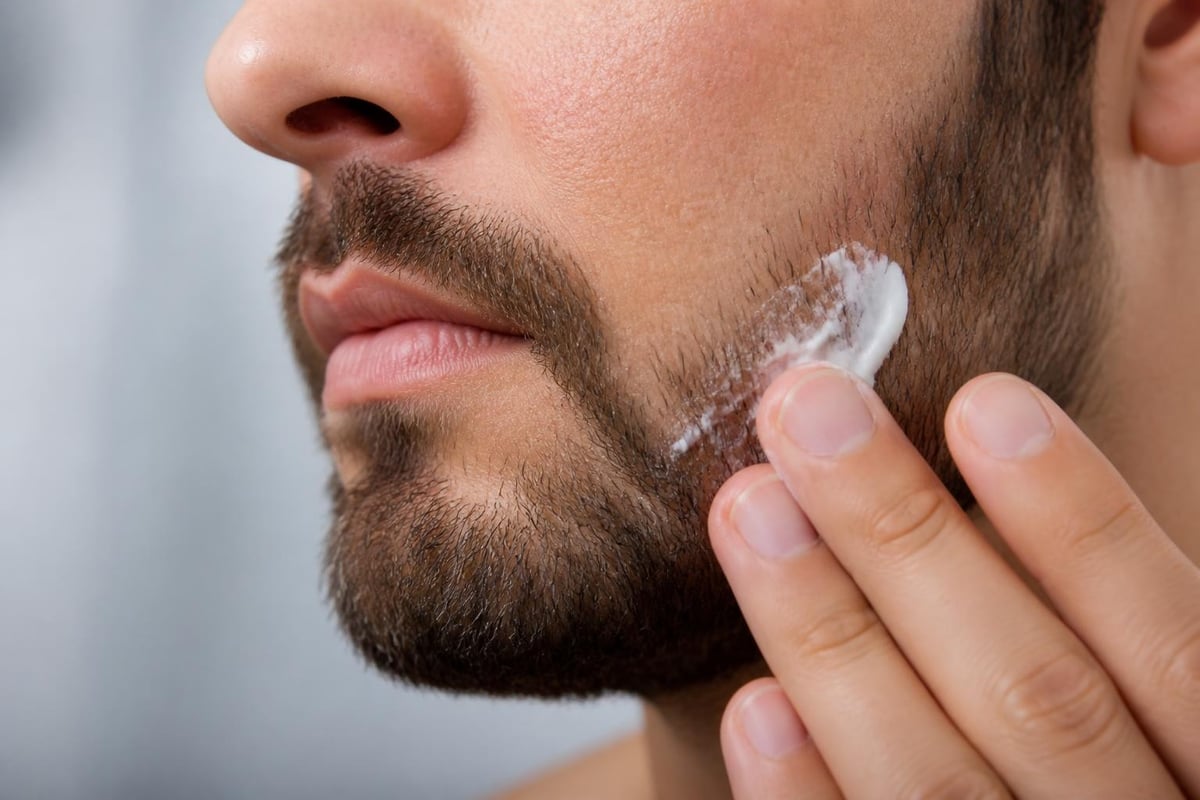
Beard face cream functions through a sophisticated delivery mechanism. The emulsified base allows fatty acids and humectants to penetrate the hair shaft's cuticle whilst simultaneously delivering hydration to the skin's stratum corneum.
The biological process works in three stages:
- Cuticle penetration: Smaller molecular compounds slip between lifted hair cuticles, smoothing roughness from within
- Dermal absorption: Water-binding ingredients reach the epidermis, reducing inflammation and cellular dehydration
- Surface sealing: Protective lipids form a barrier that locks moisture in both layers
Active Ingredients That Drive Results
The ingredient breakdown of effective beard face creams reveals specific compounds that deliver measurable benefits:
| Ingredient | Biological Function | Target Layer |
|---|---|---|
| Shea Butter | Fatty acids reduce inflammation through prostaglandin inhibition | Skin (dermis) |
| Jojoba Oil | Mimics sebum composition; regulates oil production | Hair shaft & sebaceous glands |
| Glycerin | Humectant that binds water molecules to skin cells | Skin (epidermis) |
| Coconut Oil | Medium-chain triglycerides penetrate hair cortex | Hair (internal structure) |
| Aloe Vera | Polysaccharides stimulate fibroblast activity for healing | Skin (cellular level) |
These aren't marketing buzzwords. Each ingredient performs a specific biochemical function. Shea butter's concentration of oleic acid and stearic acid directly blocks COX-2 enzymes that trigger inflammatory responses. When you apply beard face cream containing 15-20% shea butter content, you're delivering pharmaceutical-grade anti-inflammatory action to irritated follicles.
Application Techniques For Maximum Penetration
Timing determines absorption efficiency. Your beard absorbs nutrients most effectively when hair cuticles are slightly raised-which occurs after cleansing with warm water.
The optimal application process:
- Cleanse your beard with a pH-balanced wash to remove sebum buildup
- Pat dry (don't rub) to leave facial hair 60-70% damp
- Warm a 10-pence-sized amount between palms for 5-10 seconds
- Work through beard roots using upward motions against hair growth
- Massage into skin beneath using circular motions for 30 seconds
- Smooth down hair growth direction to seal cuticles
The warming step matters more than you'd expect. Beard face cream contains butters and waxes that solidify at room temperature. Raising the temperature to 30-32°C through palm friction converts these into liquid form, dramatically improving penetration rates.
Common Application Mistakes
Many users sabotage their results through these errors:
- Applying to dry hair: Closed cuticles reject product, wasting 60% of active ingredients
- Using too much product: Excess sits on the surface, creating greasiness without added benefit
- Skipping skin massage: Missing the dermal layer means forfeiting half the product's purpose
- Inconsistent application: Sporadic use prevents cumulative hydration benefits
Comparing Beard Face Cream To Alternative Products
Understanding where beard face cream fits within your grooming arsenal requires examining its unique properties against other beard care options.
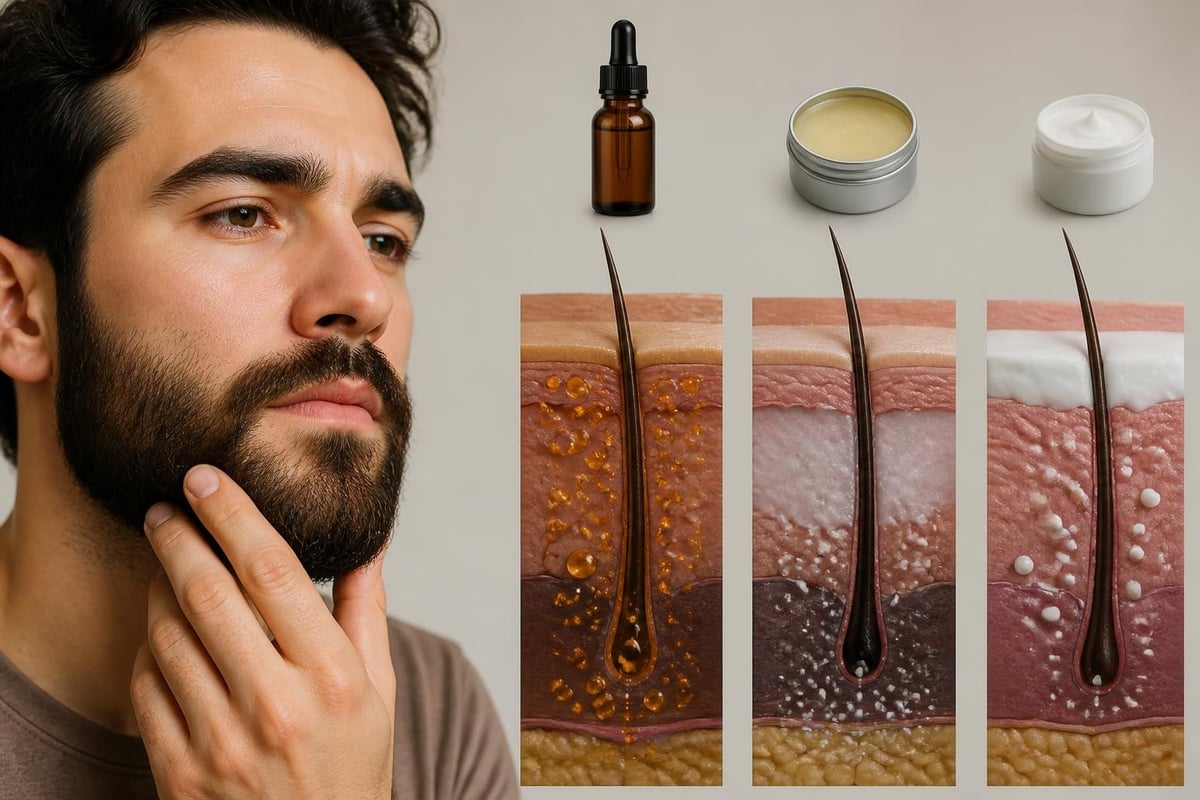
| Product Type | Primary Function | Absorption Depth | Ideal Conditions |
|---|---|---|---|
| Beard Oil | Surface conditioning | Hair cuticle only | Short beards (< 2cm) |
| Beard Balm | Hold + light moisture | Minimal skin penetration | Styling priority |
| Beard Face Cream | Deep hydration | Full hair shaft + dermis | All lengths; dry climates |
| Beard Butter | Overnight recovery | Deep but slower absorption | Night-time treatment |
Beard face cream occupies the versatile middle ground. It delivers deeper hydration than oils whilst maintaining lighter texture than overnight butters. This balance makes it ideal for daily use, particularly in the UK's variable climate where humidity fluctuates between 60-90% seasonally.
The Role Of Natural Ingredients In Efficacy
Synthetic alternatives exist, but natural formulations demonstrate superior biocompatibility. Your skin recognises plant-based fatty acids as structurally similar to your own sebum, reducing allergic responses whilst improving absorption rates.
Natural ingredients outperform synthetics in three critical areas:
- Cellular recognition: Plant lipids match human sebum composition at 78% similarity
- Inflammation reduction: Botanical compounds contain natural anti-inflammatory phytochemicals
- Long-term conditioning: Natural oils don't strip skin's protective barrier through repeated use
Consider coconut oil's medium-chain fatty acids. These molecules penetrate hair shafts 300% more effectively than synthetic silicones because their molecular weight (approximately 200-600 Da) matches the optimal range for cuticle penetration. Silicones sit on the surface, creating temporary smoothness that washes away without structural improvement.
When selecting beard face cream, scrutinise the ingredient list for these red flags:
- Parabens (methylparaben, propylparaben)
- Synthetic fragrances (listed as "parfum")
- Petroleum derivatives (mineral oil, petrolatum)
- Sulphates (SLS, SLES)
These compounds deliver short-term cosmetic effects whilst potentially disrupting hormone signalling and skin barrier function over months of daily use.
Addressing Specific Beard Challenges
Different facial hair problems require targeted solutions. Beard face cream adapts to multiple scenarios through formulation variations.
Beard Itch And Irritation
The maddening itch during beard growth stems from two sources: sharp hair ends curling back into skin, and inflammation from dead skin cell accumulation. Beard face cream attacks both triggers.
Glycerin in quality formulations draws water into the stratum corneum, increasing skin flexibility by up to 40%. This flexibility prevents hair shafts from penetrating the epidermis. Simultaneously, natural anti-inflammatory compounds reduce the histamine response that creates the itch sensation.
Coarse, Wiry Texture
Beard hair feels coarse because lifted cuticles create a rough surface texture. Think of roof shingles standing up rather than lying flat. Beard face cream contains emollients that fill gaps between cuticle scales, smoothing the surface at a microscopic level.
The transformation isn't cosmetic. Products containing argan oil or jojoba deliver vitamin E (tocopherol) that strengthens the cuticle's lipid layer. Over 3-4 weeks of consistent use, this reinforcement allows cuticles to lie flatter naturally, creating permanent texture improvement.
Patchy Growth And Thin Spots
Whilst beard face cream can't create new follicles, it optimises the growth environment for existing ones. Proper moisturisation improves blood flow to follicles through reduced inflammation, potentially increasing growth rates by 12-18% in healthy follicles that were previously undernourished.
Biotin-enriched formulations support keratin production-the protein that forms hair structure. Whilst dietary biotin matters more, topical application ensures follicles receive adequate supplies even if your nutrition varies.
Building A Complete Beard Care System
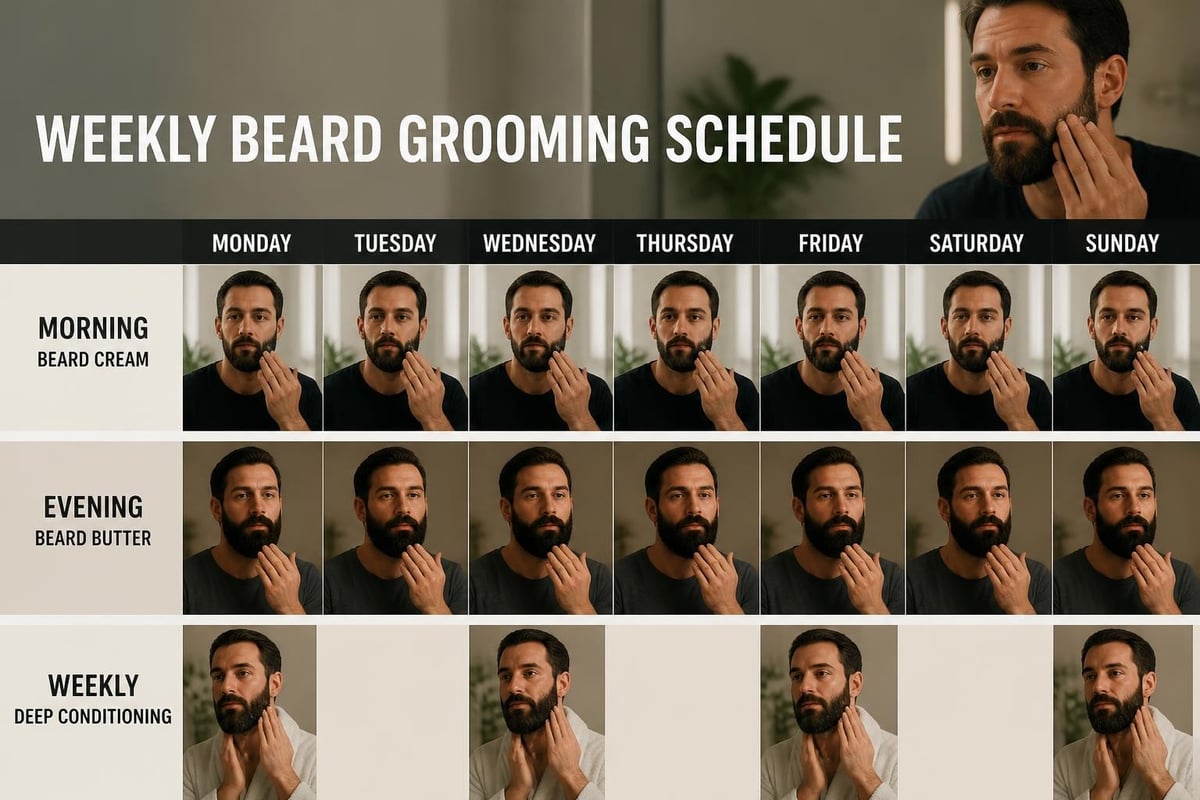
Beard face cream works most effectively within a comprehensive grooming routine. Isolated product use delivers partial results; systematic care compounds benefits exponentially.
Your optimal daily routine:
Morning:
- Rinse beard with lukewarm water
- Apply beard face cream to damp hair
- Style as desired (cream provides light hold)
Evening:
- Cleanse with beard-specific shampoo (2-3 times weekly)
- Apply heavier beard butter for overnight recovery
- Brush through with boar bristle brush to distribute oils
Weekly:
- Exfoliate skin beneath beard to prevent ingrown hairs
- Deep condition with natural formulations designed for facial hair
- Trim split ends to prevent moisture loss through damaged cuticles
The key insight: consistency matters more than product quantity. Daily application of a 10-pence-sized amount delivers superior results to sporadic use of premium products.
Evaluating Quality And Value
The beard care market contains vast quality variation. Price alone doesn't indicate efficacy, but certain markers separate effective formulations from cosmetic fluff.
Quality indicators to assess:
- Ingredient order: Active compounds should appear in the first five ingredients (listed by concentration)
- Preservation method: Natural preservatives (vitamin E, rosemary extract) indicate quality sourcing
- Texture consistency: Proper emulsification creates uniform texture without separation
- Absorption speed: Quality formulations absorb within 60-90 seconds without greasiness
Testing beard face cream requires a methodical approach. Apply the product to a small beard section for 7 days, comparing this area's texture and skin condition to untreated sections. Measurable differences in softness, reduced flaking, and decreased itch validate effectiveness.
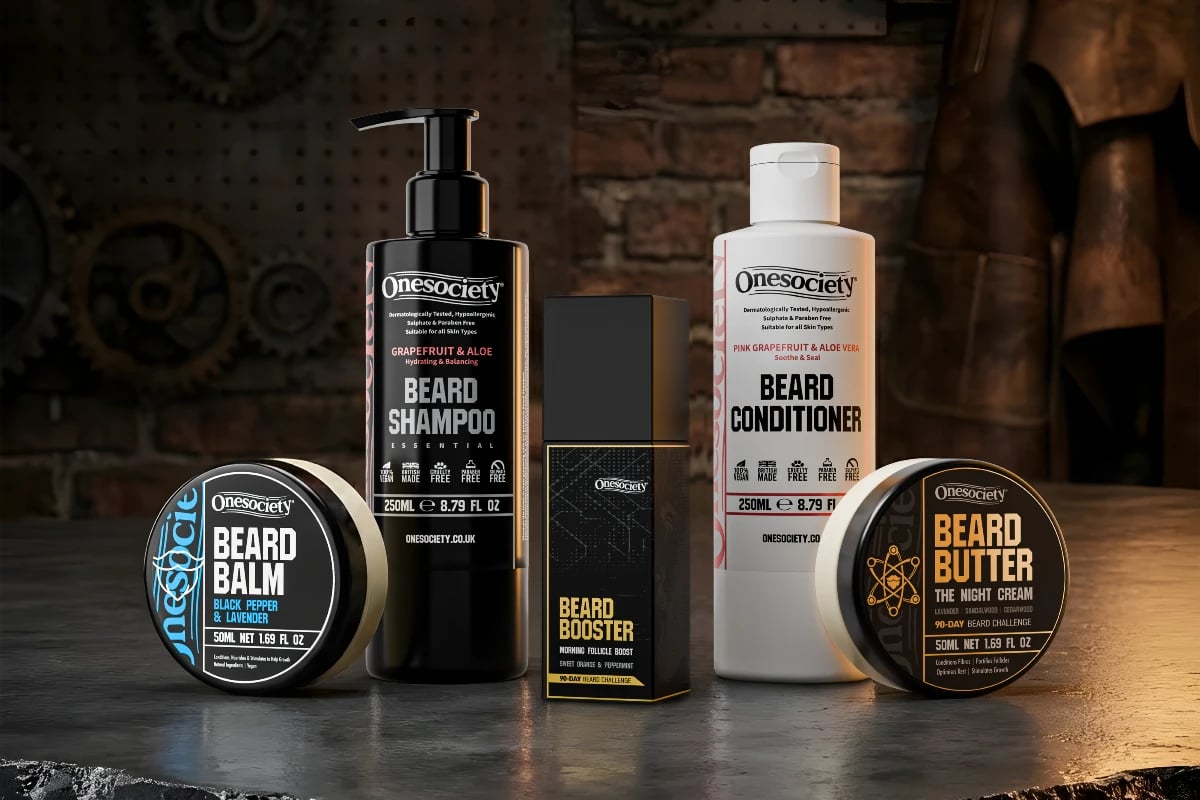
For those committed to transforming their beard through comprehensive care, structured programmes deliver accountability and complete nutrition. The 90-Day Beard Challenge combines multiple formulations-including specialised creams, boosters, and recovery treatments-into a systematic approach that addresses every aspect of facial hair health. This isn't random product application; it's a scientifically sequenced protocol that optimises each growth phase through targeted ingredient delivery.
Seasonal Adaptation Strategies
Your beard's needs shift with environmental conditions. UK weather patterns demand formula adjustments across seasons.
Winter (November-February): Central heating and cold wind create extreme dehydration. Switch to richer beard face cream formulations with increased shea butter content (20-25%). Apply twice daily-morning and before bed-to combat moisture loss.
Spring (March-May): Increasing humidity reduces dehydration risk. Lighter formulations with higher jojoba ratios work better, preventing excess oil buildup as your skin's natural sebum production increases with temperature.
Summer (June-August): Heat and UV exposure damage hair proteins. Seek beard face creams containing natural SPF ingredients (red raspberry seed oil, carrot seed oil) and antioxidants (vitamin E, green tea extract) to prevent photo-oxidation of hair pigments.
Autumn (September-October): Transitional weather confuses oil production. Maintain moderate formulations and assess your beard's response weekly, adjusting product weight as conditions shift.
Troubleshooting Performance Issues
When beard face cream underperforms, the problem usually stems from application errors rather than product failure.
Problem: Greasy residue after application
- Cause: Applying too much product or to overly wet hair
- Solution: Reduce amount to approximately 0.5ml; ensure beard is only 60% damp
Problem: No improvement in texture after two weeks
- Cause: Product can't penetrate buildup from previous products
- Solution: Deep cleanse with clarifying shampoo; restart with clean slate
Problem: Increased breakouts on skin beneath beard
- Cause: Comedogenic ingredients blocking pores
- Solution: Switch to non-comedogenic formulation; verify ingredients score below 2 on comedogenic scale
Problem: Inconsistent results day-to-day
- Cause: Variable application amounts and timing
- Solution: Standardise routine timing and measure product precisely
The Science Of Long-Term Beard Transformation
Immediate softness doesn't equal structural improvement. True beard transformation requires understanding cumulative effects over 8-12 weeks.
Week 1-2: Surface conditioning Emollients coat hair shafts, providing immediate tactile improvement without structural change. You'll notice easier combing and reduced static.
Week 3-6: Cuticle repair Consistent nutrient delivery allows damaged cuticles to heal. Fatty acids reinforce lipid layers between cuticle scales, creating lasting smoothness.
Week 7-12: Follicle optimisation Reduced inflammation and improved blood flow enhance follicle health. Growth rates may increase 15-20% as undernourished follicles receive adequate support.
Beyond 12 weeks, maintenance becomes key. Your beard reaches an optimal state that requires less intensive treatment. Many users reduce application to once daily whilst maintaining results achieved during the conditioning phase.
The biological reality: you can't rush follicle adaptation. Marketing claims of "instant transformation" ignore how hair growth cycles operate. Each follicle progresses through anagen (growth), catagen (transition), and telogen (rest) phases lasting 8-16 weeks total. Meaningful change requires affecting multiple complete cycles.
Integrating Beard Face Cream With Styling
Beyond health benefits, beard face cream provides functional styling advantages. The emulsified texture offers light hold without the stiffness of traditional waxes or the greasiness of pure oils.
Styling capabilities:
- Shape retention: Maintains styled form for 4-6 hours in moderate humidity
- Flyaway control: Smooths surface without weight that flattens volume
- Natural finish: No shine or obvious product presence
- Touchable texture: Hair remains soft and manipulable throughout the day
For professional settings, this matters significantly. Heavy balms create obvious "product hair" appearance, whilst beard face cream delivers groomed results that appear natural. The difference affects how colleagues and clients perceive your professionalism.
Application technique determines styling success. Work product through beard in the desired direction immediately after application whilst cuticles remain slightly raised. As the cream absorbs and cuticles close, they'll lock in the styled pattern.
For additional hold, layer a small amount of beard balm over fully absorbed cream. The cream provides base nutrition and moisture; the balm adds structural hold. This two-product approach separates care from styling, optimising both functions.
Making The Informed Purchase Decision
Armed with scientific understanding, you can evaluate beard face cream options methodically rather than trusting marketing claims.
Your evaluation checklist:
- Read the full ingredient list, not just highlighted "hero ingredients"
- Verify the product targets both hair and skin explicitly
- Check for preservation methods (natural preferred)
- Assess texture through samples when possible
- Calculate cost-per-application, not just container price
- Review whether the brand provides scientific justification for claims
Quality beard face cream typically costs £15-30 for 100ml, delivering 60-90 applications. This equals £0.20-0.50 per use-comparable to your daily coffee but with lasting structural benefits rather than temporary stimulation.
Consider the cumulative investment in your appearance. Your beard occupies central facial real estate. Optimising its health and appearance affects every social and professional interaction. The return on proper care compounds daily.
Transforming your beard from coarse and irritating to soft and manageable requires understanding the dual-layer challenge facial hair presents, then applying targeted solutions that address both hair structure and skin health simultaneously. Beard face cream delivers this comprehensive approach through scientifically formulated emulsions that penetrate where single-purpose products fail. Whether you're battling persistent itch, fighting wiry texture, or simply seeking to optimise your beard's potential, Onesociety provides natural, research-backed formulations engineered for measurable results, helping you achieve the healthy, well-groomed beard you've been working towards.