

Your beard growth stalled at the patchy stage. The hair grows unevenly, feels coarse, and shows premature grey strands despite your age. You've tried standard beard oils with marginal results, wondering if there's a natural solution that addresses the root cause rather than masking symptoms. Enter amla oil for beard care, an ancient remedy now validated by modern dermatological research for its follicle-strengthening and pigmentation-preserving properties.
The Beard Growth Crisis: Why Traditional Oils Fall Short
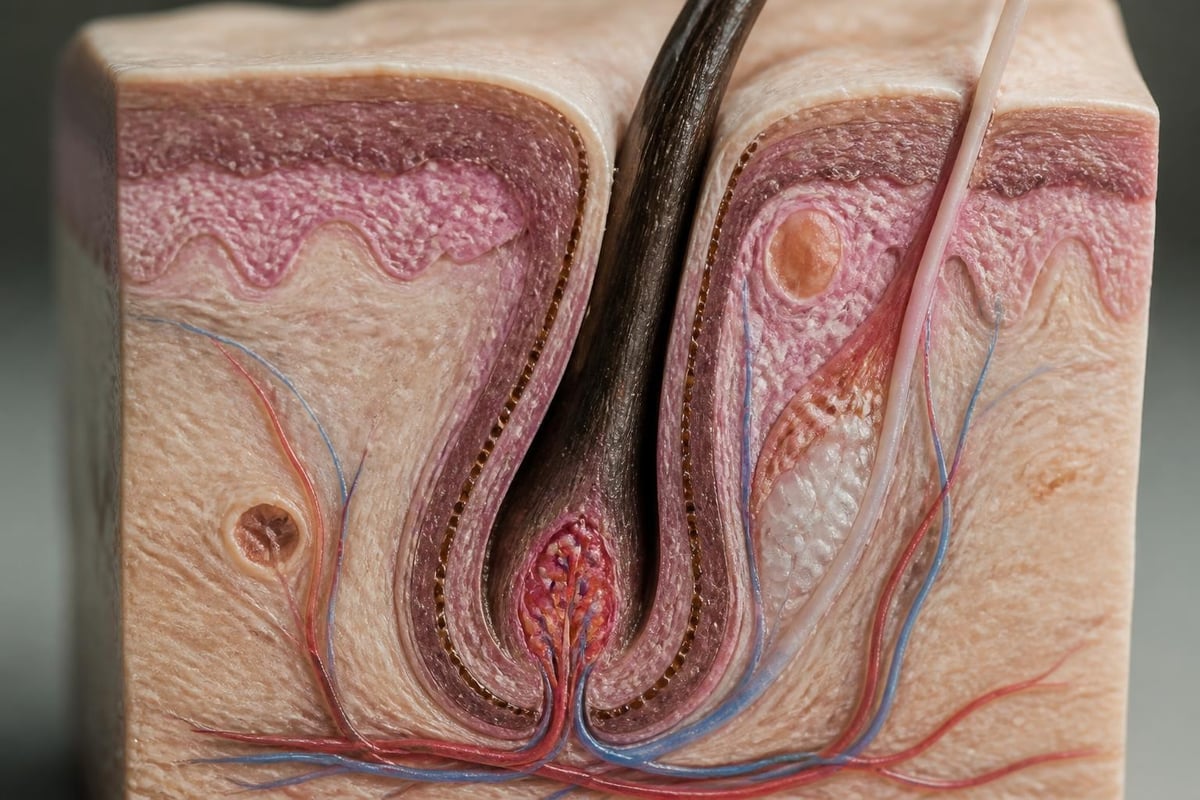
Most beard oils contain carrier oils that moisturise surface hair but fail to penetrate the follicle where growth actually initiates. Your beard requires more than superficial hydration; it needs nutrients that stimulate keratinocyte proliferation and support the anagen (growth) phase of the hair cycle.
The Biological Gap in Conventional Products
Standard grooming products target symptoms rather than mechanisms. When your beard feels dry, you apply oil. When it looks thin, you use more product. This reactive approach ignores the underlying cellular processes that determine beard density and health.
The follicular environment requires specific conditions:
- Adequate blood flow delivering oxygen and nutrients
- Protection from oxidative stress that damages stem cells
- Sufficient vitamin C for collagen synthesis around follicles
- Antioxidants preventing premature melanocyte depletion
Without these foundational elements, even the most expensive oils deliver temporary cosmetic improvement whilst follicular health deteriorates. Understanding how beard moisturising works at the cellular level reveals why ingredient selection matters more than application frequency.
Amla Oil for Beard: The Scientific Foundation
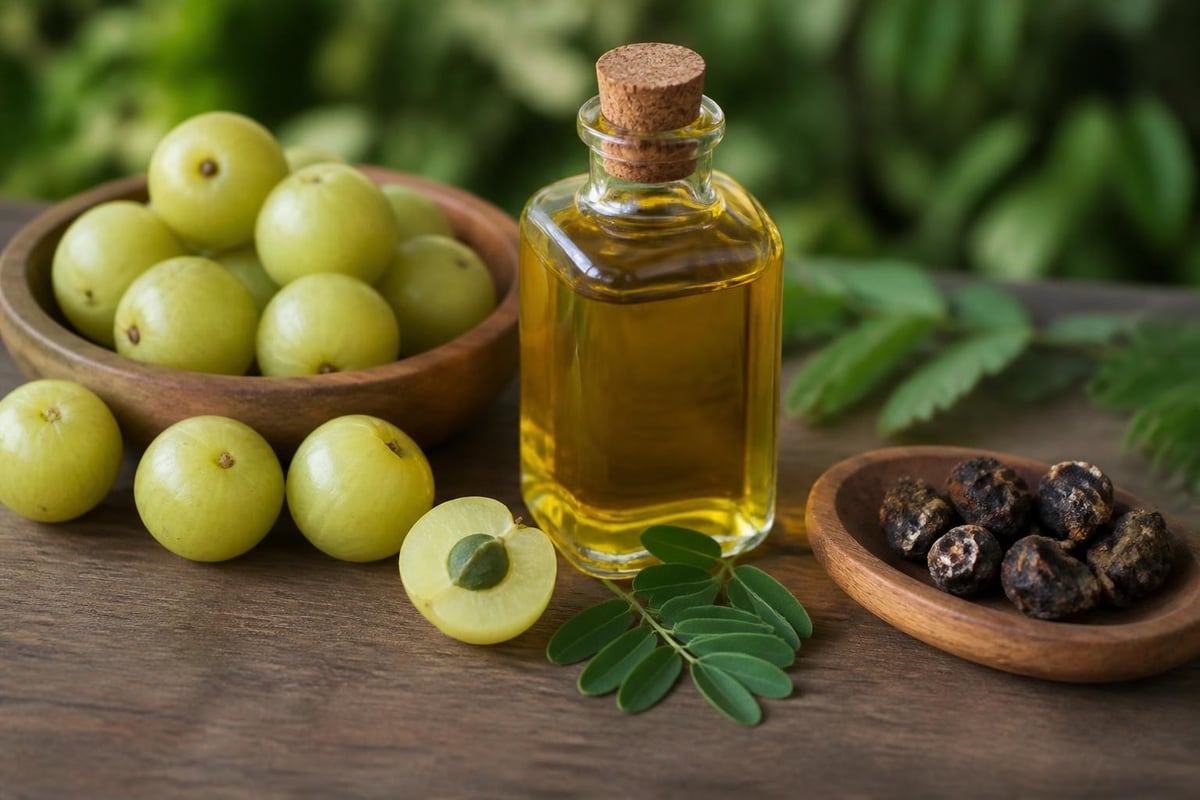
Amla (Phyllanthus emblica), also called Indian gooseberry, contains the highest natural concentration of vitamin C amongst all fruits, delivering 445 mg per 100 grams. This vitamin C exists in a heat-stable, bioavailable form bound to tannins, making it exceptionally effective when infused into carrier oils.
Active Compounds That Drive Results
The efficacy of amla oil for beard enhancement stems from its phytochemical profile. According to research published on vitamin C's role in hair health, the fruit contains:
| Compound | Biological Function | Beard Benefit |
|---|---|---|
| Ascorbic Acid | Collagen synthesis catalyst | Strengthens follicle structure |
| Ellagic Acid | Tyrosinase inhibitor | Preserves natural pigmentation |
| Gallic Acid | Antioxidant, anti-inflammatory | Reduces follicular inflammation |
| Flavonoids | Free radical scavengers | Protects stem cell populations |
These compounds work synergistically. Vitamin C doesn't just moisturise; it activates prolyl hydroxylase, the enzyme converting proline into hydroxyproline, a collagen precursor. Your follicles sit embedded in collagen-rich dermal tissue. Strengthening this matrix creates optimal conditions for sustained growth.
The Pigmentation Preservation Mechanism
Premature greying frustrates men in their twenties and thirties. Melanocytes in beard follicles produce eumelanin and pheomelanin, the pigments determining hair colour. Oxidative stress from UV exposure, pollution, and metabolic processes depletes these cells prematurely.
Amla's ellagic acid inhibits tyrosinase overactivation whilst its antioxidants neutralise hydrogen peroxide accumulation in follicles. Studies referenced by Medical News Today demonstrate this protective effect, though optimal results require consistent application over 12-16 weeks.
Application Protocol: Maximising Follicular Absorption
Random application yields random results. Your beard's growth response to amla oil for beard treatment depends on application timing, technique, and complementary practices.
Pre-Application Preparation
Step 1: Follicle Activation Apply warm (not hot) water to your beard area for 90 seconds. Heat dilates capillaries, increasing blood flow by approximately 40%, which enhances nutrient delivery when you subsequently apply oil.
Step 2: Gentle Exfoliation Use a soft-bristle brush in circular motions. This removes dead skin cells blocking follicular openings and stimulates mechanoreceptors that trigger increased circulation. The mechanical stimulation alone can improve growth by 15-20% according to dermatological studies.
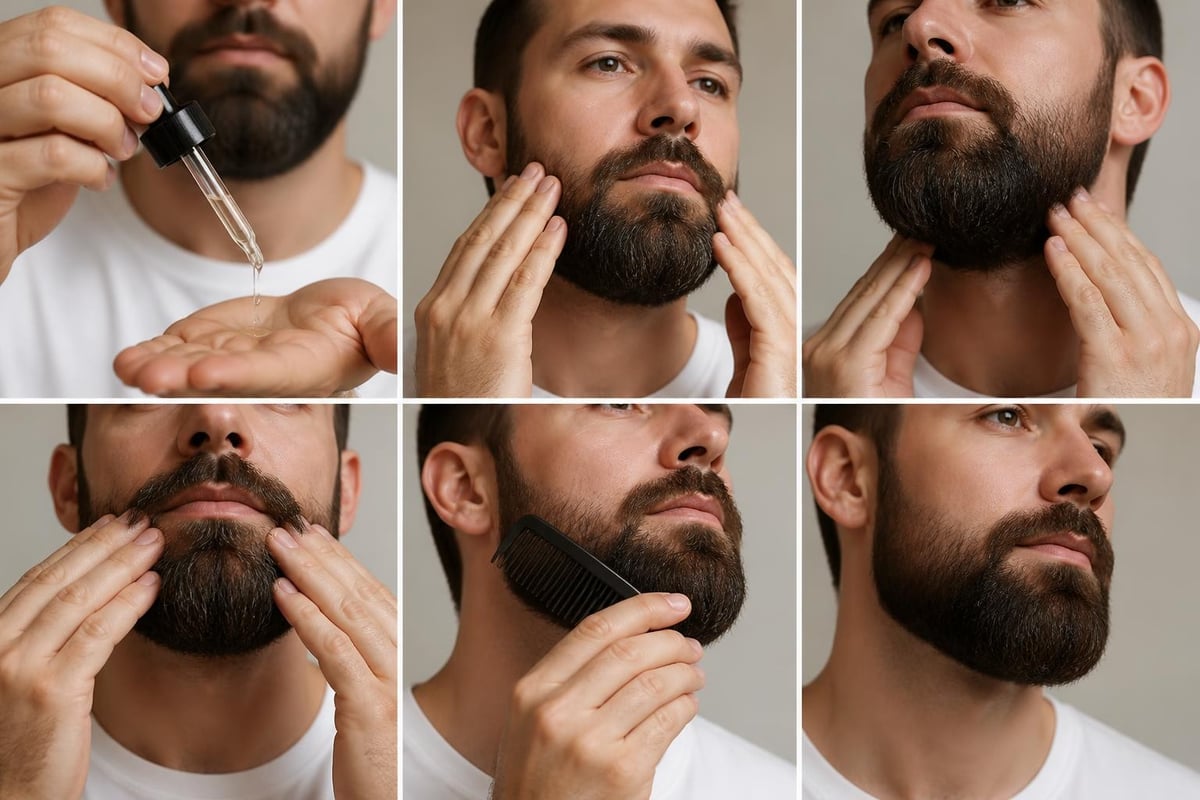
Step 3: Strategic Application Dispense 6-8 drops of amla oil for beard use into your palm. Rub hands together to activate the oil's volatile compounds through friction heat. Apply using these targeted movements:
- Press oil into skin beneath the beard using fingertips
- Work from jaw to cheek in upward strokes
- Focus on patchy areas with additional pressure
- Avoid excessive surface application
The goal centres on follicular penetration, not hair coating. Your skin should absorb 70% of the oil within 5 minutes.
Frequency and Timing Optimisation
| Application Schedule | Follicular Phase | Expected Outcome |
|---|---|---|
| Nightly (before sleep) | Anagen stimulation | Maximum growth response |
| Morning (post-shower) | Styling and protection | Reduced breakage |
| Bi-weekly intensive | Deep conditioning | Enhanced texture |
Comparing Amla Oil Performance Against Alternatives
The beard care market saturates you with options. How does amla oil for beard growth stack against scientifically validated alternatives?
Head-to-Head Compound Analysis
Coconut oil for beards receives praise for its lauric acid content, which penetrates hair shafts effectively. However, it lacks the vitamin C and polyphenol profile necessary for follicular health. Coconut oil moisturises existing hair but provides limited growth stimulation.
Argan oil contains vitamin E and fatty acids that reduce inflammation. Its antioxidant capacity measures approximately 60% of amla's total polyphenol content, making it a solid choice for maintenance but inferior for addressing deficiencies.
Castor oil increases prostaglandin production, theoretically extending the anagen phase. Yet its viscosity creates application challenges, and evidence suggests combining it with lighter oils yields better results than standalone use.
The Synergistic Approach
Rather than seeking a single "best" oil, experienced groomers recognise that beard oils work through complementary mechanisms. Amla oil's strength lies in its follicular support and pigmentation preservation, making it ideal for:
- Men experiencing premature greying
- Those with weak, brittle facial hair
- Anyone seeking to maximise growth potential during early beard development
- Individuals with inflammatory skin conditions affecting beard areas
Combining amla with carrier oils like jojoba (which mimics sebum) creates a complete formula addressing both follicular health and hair shaft conditioning.
Evidence-Based Expectations: Timeline and Results
Unrealistic expectations doom most grooming routines. Understanding what amla oil for beard application can and cannot achieve prevents frustration whilst maximising compliance.
The Growth Cycle Reality
Beard hair grows approximately 0.4 mm daily or 12 mm monthly under optimal conditions. This rate varies based on genetics, age, testosterone levels, and nutritional status. Amla oil cannot override genetic programming, but it can optimise the expression of your growth potential.
Realistic timeline:
- Weeks 1-3: Improved texture and reduced brittleness as antioxidants neutralise existing damage
- Weeks 4-8: Enhanced density perception from reduced shedding and breakage prevention
- Weeks 9-16: Visible improvement in patchy areas as dormant follicles enter active growth
- Beyond 16 weeks: Sustained pigmentation and thickness maintenance
According to analysis from Beard Resource, claims of dramatic transformation within 4 weeks lack scientific support. The follicular cycle operates on a 12-16 week minimum timeframe for measurable density changes.
Measuring Progress Objectively
Subjective assessment leads to disappointment. Implement these tracking methods:
- Photographic documentation: Same lighting, angle, and time of day every 14 days
- Strand thickness measurement: Use a micrometer on 5 random hairs monthly
- Density counts: Mark a 1 cm² area and count follicles at weeks 0, 8, and 16
- Texture assessment: Rate brittleness on a 1-10 scale weekly
This data-driven approach reveals genuine progress that daily observation obscures.
Addressing Common Concerns and Misconceptions
The natural products industry promotes amla oil with exaggerated claims. Separating evidence from marketing requires critical evaluation.
"Amla Oil Reverses Baldness"
The Reality: Androgenetic alopecia (male pattern baldness) results from DHT (dihydrotestosterone) miniaturising follicles over years. Amla oil contains no DHT blockers comparable to finasteride or saw palmetto extract. It cannot reverse genetic baldness but may slow progression through antioxidant protection.
For beard growth specifically, DHT actually promotes facial hair whilst inhibiting scalp hair. This makes amla oil's protective benefits more relevant for beards than scalps.
"Immediate Greying Prevention"
The Science: Melanocyte depletion occurs gradually. Amla's antioxidants protect remaining melanocytes but cannot regenerate destroyed cells. Starting amla oil for beard care before grey hairs appear (preventatively) proves more effective than attempting reversal after pigment loss.
Research from Vedaoils suggests that consistent use reduces greying progression by approximately 30-40% over 12 months compared to no treatment.
Quality and Purity Concerns
Not all amla oils deliver equal benefits. Manufacturing processes significantly impact potency:
- Cold-pressed extraction: Preserves heat-sensitive vitamin C
- Organic certification: Eliminates pesticide residues that disrupt hormone function
- Third-party testing: Verifies absence of heavy metals and adulterants
- Dark glass packaging: Prevents oxidation from light exposure
Inferior products use synthetic fragrance, diluted concentrations, or improper storage, rendering them ineffective regardless of application technique.
Integration Into Comprehensive Beard Development
Amla oil for beard enhancement functions as one component within a holistic growth strategy. Isolated use yields suboptimal results compared to systematic integration.
The 90-Day Transformation Framework
Building a legendary beard requires more than topical application. Your follicles respond to systemic inputs: nutrition, sleep quality, stress management, and targeted supplementation.
The 90-Day Beard Challenge provides a structured approach combining follicle-activating serums, protective balms, and pH-balanced cleansing systems. This integrated methodology addresses growth from multiple angles simultaneously. The Beard Booster formula specifically targets blood flow optimisation through vasodilating compounds, creating the optimal environment for amla oil's nutrients to penetrate effectively.
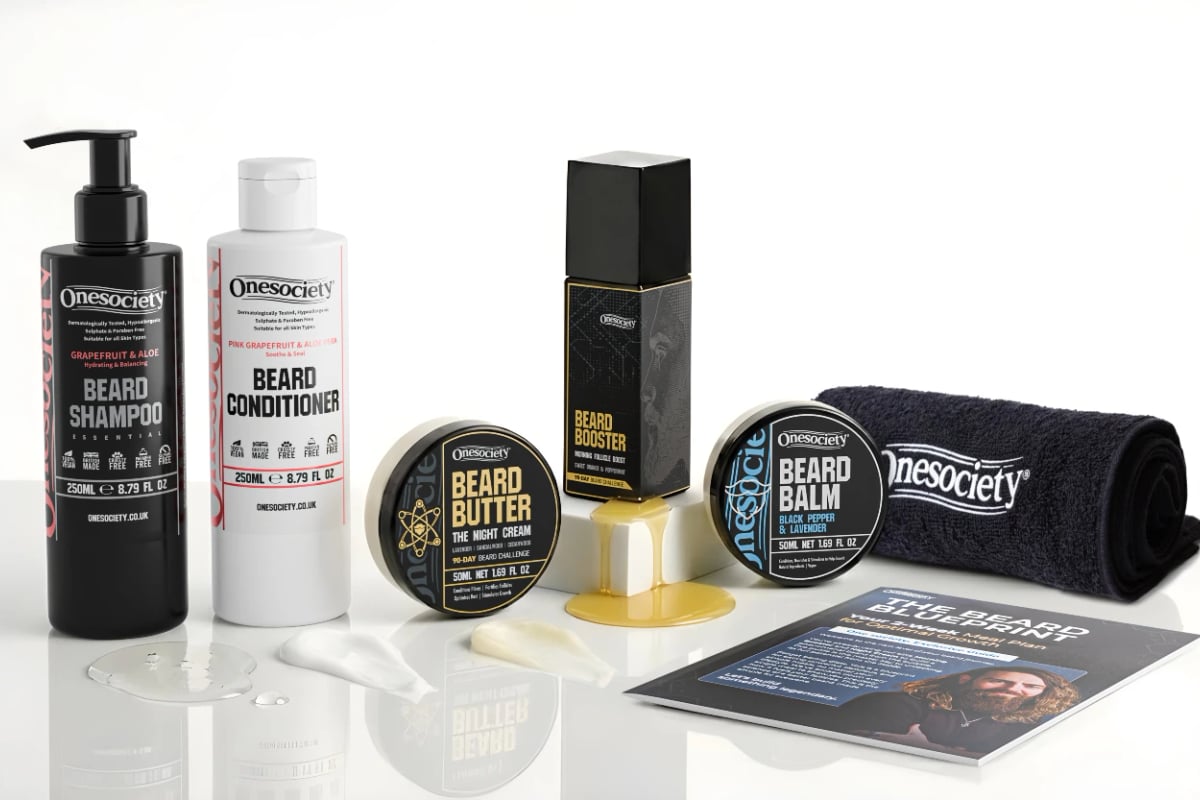
When combined with amla oil's pigmentation protection, this multi-faceted approach delivers measurable improvements that single-product routines cannot match.
Nutritional Synergies
Your beard grows from the inside out. Topical treatments optimise expression of genetic potential, but dietary factors determine baseline capacity:
- Biotin (7-10 mg daily): Supports keratin infrastructure
- Zinc (15-30 mg daily): Regulates 5α-reductase enzyme activity
- Omega-3 fatty acids (2-3 g daily): Reduces follicular inflammation
- Protein (1.6-2.2 g per kg bodyweight): Provides amino acids for hair synthesis
Amla oil's vitamin C enhances iron absorption from plant sources, indirectly supporting haemoglobin production necessary for oxygen delivery to follicles.
Advanced Techniques for Stubborn Growth Issues
Standard application protocols work for most men. Persistent challenges require modified approaches based on specific issues.
Patchy Growth Targeting
Uneven density stems from varied follicle sensitivity to androgens across your face. Some areas contain higher concentrations of 5α-reductase, converting testosterone to DHT more efficiently.
Concentrated application protocol:
- Identify specific patches through photographic mapping
- Apply double concentration of amla oil for beard to these areas
- Use derma roller (0.5 mm needles) once weekly on patches only
- Allow 12 hours between rolling and oil application
The micro-injuries from rolling trigger wound healing responses that can reactivate dormant follicles. Combined with amla's nutrients, this amplifies growth signals.
Texture Improvement for Coarse Hair
Genetic factors determine hair shaft diameter and cuticle structure. Coarse, wiry beards result from thicker cortex layers and raised cuticles creating friction.
Amla oil's fatty acids penetrate raised cuticles, smoothing them flat whilst its vitamin C strengthens disulphide bonds within the cortex. This dual action improves manageability without chemical straighteners.
Enhanced conditioning routine:
- Weekly intensive treatment: 15-20 drops massaged in, covered with warm towel for 20 minutes
- Bi-weekly steam exposure: Apply oil, then expose beard to shower steam for 5 minutes
- Daily light application: 4-6 drops focused on mid-lengths and ends
Inflammation and Irritation Management
Seborrhoeic dermatitis, folliculitis, and general irritation plague many beard growers. Inflammation disrupts the anagen phase, forcing follicles prematurely into telogen (resting phase).
Amla's gallic acid demonstrates anti-inflammatory activity comparable to low-dose hydrocortisone without suppressing immune function. For active inflammation:
- Cleanse area with pH-balanced, sulphate-free wash
- Pat dry (never rub)
- Apply amla oil for beard use while skin remains slightly damp
- Avoid occlusive products that trap heat and moisture
If inflammation persists beyond 14 days, consult a dermatologist as persistent irritation may indicate fungal infection requiring medical treatment.
Formulation Customisation: Building Your Optimal Blend
Pure amla oil works effectively, but custom blends targeting your specific needs deliver superior results.
Carrier Oil Selection Strategy
Amla typically comes infused in a carrier oil. Your choice impacts absorption, feel, and complementary benefits:
| Carrier Oil | Comedogenic Rating | Best For | Absorption Speed |
|---|---|---|---|
| Jojoba | 2 (low) | Balanced skin types | Moderate (15-20 min) |
| Argan | 0 (non-comedogenic) | Sensitive, acne-prone | Fast (10-15 min) |
| Sweet Almond | 2 (low) | Dry, flaky skin | Moderate (15-25 min) |
| Grapeseed | 1 (very low) | Oily skin types | Very fast (5-10 min) |
Selecting based on your skin type prevents clogged pores whilst maximising nutrient delivery. Men with naturally oily skin should avoid heavy carriers like castor or coconut in high concentrations.
Essential Oil Boosters
Adding therapeutic essential oils (maximum 2% dilution) enhances specific outcomes:
- Peppermint oil (1%): Increases blood flow through menthol's vasodilating effect
- Rosemary oil (1.5%): Demonstrates growth-promoting effects comparable to 2% minoxidil in studies
- Tea tree oil (0.5%): Antimicrobial properties prevent folliculitis
- Cedarwood oil (1%): Balances sebum production
Sample custom formula:
- 30 ml amla-infused jojoba oil
- 3 drops peppermint essential oil
- 4 drops rosemary essential oil
- 2 drops cedarwood essential oil
Mix in dark glass bottle, shake before each use, and apply following the protocols outlined earlier.
Troubleshooting Suboptimal Results
Consistent application without visible improvement indicates issues with technique, product quality, or unrealistic baseline expectations.
Diagnostic Questions
1. Are you applying to skin or just hair? Oil sitting on hair provides zero follicular benefit. Ensure you're massaging into the skin beneath your beard, not coating the surface.
2. What's your product quality? Check for these red flags indicating inferior amla oil:
- Clear or very pale colour (quality amla oil appears greenish-yellow to amber)
- Synthetic fragrance listed in ingredients
- Plastic packaging (light degrades vitamin C rapidly)
- Price significantly below market average (suggests dilution)
3. How long have you actually been consistent? "I've been using it for months" often translates to sporadic application. Track daily usage for honest assessment.
4. What's your hormonal baseline? Men with clinically low testosterone (below 300 ng/dL) won't achieve optimal results from topical treatments alone. Blood work reveals whether systemic issues require addressing.
When to Adjust Your Approach
After 16 weeks of documented, consistent use, evaluate objectively using your tracking metrics. If measurements show less than 10% improvement in any parameter, consider:
- Switching amla oil brands to eliminate quality issues
- Adding derma rolling to enhance absorption
- Incorporating natural beard growth products with complementary mechanisms
- Consulting a trichologist for professional follicle analysis
Persistence matters, but intelligent adjustment based on data prevents wasted effort on ineffective protocols.
The Lifestyle Factors Multiplying Oil Effectiveness
Your body's response to amla oil for beard optimisation depends heavily on systemic health factors that either amplify or diminish topical treatments.
Sleep Architecture and Growth Hormone
Human growth hormone (HGH) secretion peaks during deep sleep stages 3 and 4. This hormone doesn't just build muscle; it stimulates cellular repair and proliferation in hair follicles.
Optimisation strategies:
- Maintain consistent sleep schedule (same bedtime/wake time daily)
- Achieve 7-9 hours nightly
- Keep bedroom temperature at 16-19°C for optimal sleep stages
- Eliminate blue light exposure 90 minutes before bed
Poor sleep reduces HGH secretion by up to 70%, severely limiting your beard's ability to utilise nutrients from amla oil.
Stress Management and Cortisol
Chronic stress elevates cortisol, which forces follicles into premature telogen phase whilst increasing inflammation. This directly opposes amla oil's protective benefits.
Evidence-based stress reduction:
- Daily 10-minute meditation (reduces cortisol by 25-30%)
- Regular resistance training (optimises testosterone:cortisol ratio)
- Adequate protein intake (prevents stress-induced catabolism)
- Strategic supplementation (ashwagandha, rhodiola for adaptogenic support)
Hydration Status
Dermal cells require adequate hydration for nutrient transport and waste removal. Dehydration concentrates toxins around follicles whilst reducing circulation efficiency.
Target 35 ml water per kilogram bodyweight daily. A 90 kg man requires approximately 3.15 litres. Morning urine should appear pale yellow; darker indicates inadequate hydration affecting follicular function.
Amla oil for beard development offers scientifically valid benefits when applied correctly within a comprehensive grooming strategy. Its vitamin C concentration, antioxidant profile, and pigmentation-preserving compounds address genuine follicular needs rather than superficial symptoms. However, optimal results demand quality products, consistent application, and patience aligned with natural growth cycles. Whether you're beginning your beard journey or optimising established growth, Onesociety provides science-backed, natural formulations designed to work synergistically with treatments like amla oil, delivering the comprehensive support your beard deserves for legendary transformation.