

Your beard and face form an interconnected system that demands coordinated attention. Too many men treat facial hair as something separate from the skin beneath, creating a disconnect that leads to irritation, patchy growth, and a dishevelled appearance. The reality? Your beard thrives or suffers based entirely on the health of the facial skin supporting it. Understanding this symbiotic relationship transforms your grooming routine from a basic maintenance task into a strategic approach that elevates both elements simultaneously.
The Biology Behind Beard and Face Health
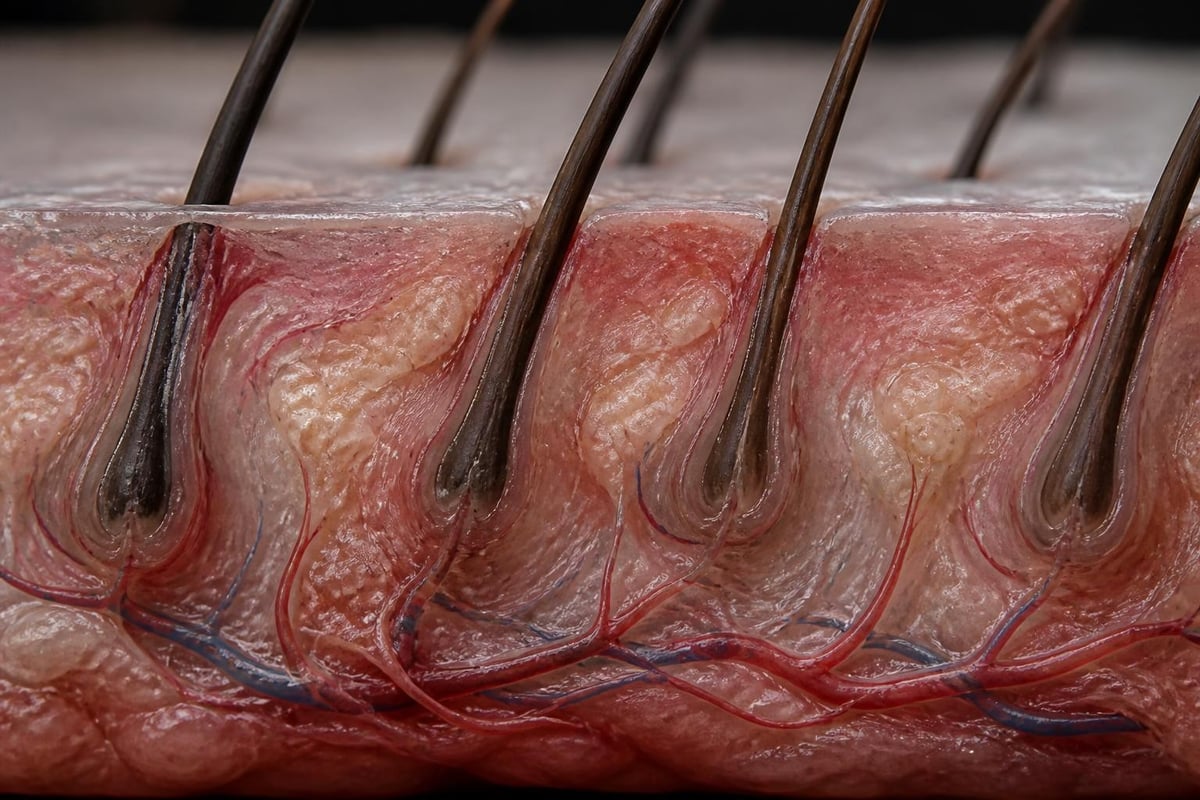
Your facial hair doesn't grow in isolation. Each follicle anchors deep within the dermis, drawing nutrients from blood vessels that also feed surrounding skin cells. When you neglect your face, you starve your beard of the oxygen and nutrients it needs to flourish.
The sebaceous glands attached to each follicle produce sebum, which travels along the hair shaft and spreads across facial skin. This natural oil provides moisture and protection, but only when the system functions properly. Poor facial hygiene disrupts this balance, leading to clogged pores, inflammation, and weak hair growth.
How Skin Condition Dictates Beard Growth
Research shows that follicle health directly correlates with the condition of surrounding tissue. Inflamed skin produces stress hormones that miniaturise hair follicles, leading to thinner, slower-growing beards. The skin's pH level also matters: alkaline conditions (above 7.0) weaken the hair shaft's cuticle layer, causing brittleness and breakage.
Key factors affecting beard and face synergy:
- Blood circulation delivering oxygen to follicles
- Sebum production balancing moisture levels
- Inflammatory responses triggered by poor hygiene
- pH balance protecting hair structure
- Dead skin cell accumulation blocking follicles
The Problem: Disconnected Grooming Creates Chaos
Most men attack their beard and face with completely different mindsets. They'll obsess over beard length whilst ignoring the flaky, irritated skin underneath. Or they'll maintain pristine facial skin but wonder why their beard looks wiry and unkempt.
This fragmented approach creates visible problems. Dead skin cells accumulate beneath the beard, causing that persistent itch that makes you look unprofessional during meetings. The trapped debris triggers inflammation, which constricts blood vessels and reduces nutrient delivery to follicles. Your beard growth slows, patches appear, and the hair that does grow lacks the thickness and shine that signals health.
The Agitation: What You're Actually Doing Wrong
Let's examine the damage in detail. When you wash your face but skip proper beard cleansing, you leave behind a breeding ground for bacteria and yeast. The warm, moist environment beneath facial hair is perfect for Malassezia fungi, which feast on sebum and produce inflammatory byproducts. This manifests as beardruff (beard dandruff), redness, and that maddening itch that undermines your confidence.
Using regular shampoo on your beard compounds the problem. Hair shampoos contain harsh surfactants (typically sodium lauryl sulphate) designed for scalp skin, which has different pH and oil production characteristics than facial skin. These aggressive cleansers strip away protective sebum, leaving both your beard and face vulnerable to environmental damage. The result? A dry, brittle beard sitting atop dehydrated, tight-feeling skin.
| Problem | Biological Cause | Visible Consequence |
|---|---|---|
| Beardruff | Malassezia overgrowth | White flakes, social embarrassment |
| Patchy growth | Inflammation restricting blood flow | Uneven coverage, weak appearance |
| Itching | Dead cells and bacterial waste | Constant scratching, unprofessional look |
| Wiry texture | Damaged cuticle layer from pH imbalance | Coarse feel, difficult styling |
The comprehensive guide from CVS Health confirms that addressing skin health is fundamental to achieving a healthy beard, yet most grooming routines ignore this connection entirely.
The Solution: Integrated Beard and Face Care
Success requires treating your beard and face as one unified system. This means selecting products that work synergistically across both areas, following routines that address skin health first, and understanding the specific biological needs of facial tissue.
Step 1: Proper Cleansing Protocol
Your beard and face need pH-balanced cleansing that removes debris without stripping protective oils. Standard bar soap sits at pH 9-10, creating alkalinity that damages both skin barrier function and hair cuticle integrity. A proper beard shampoo maintains pH 5.0-6.0, matching your skin's natural acidity.
Cleansing frequency matters:
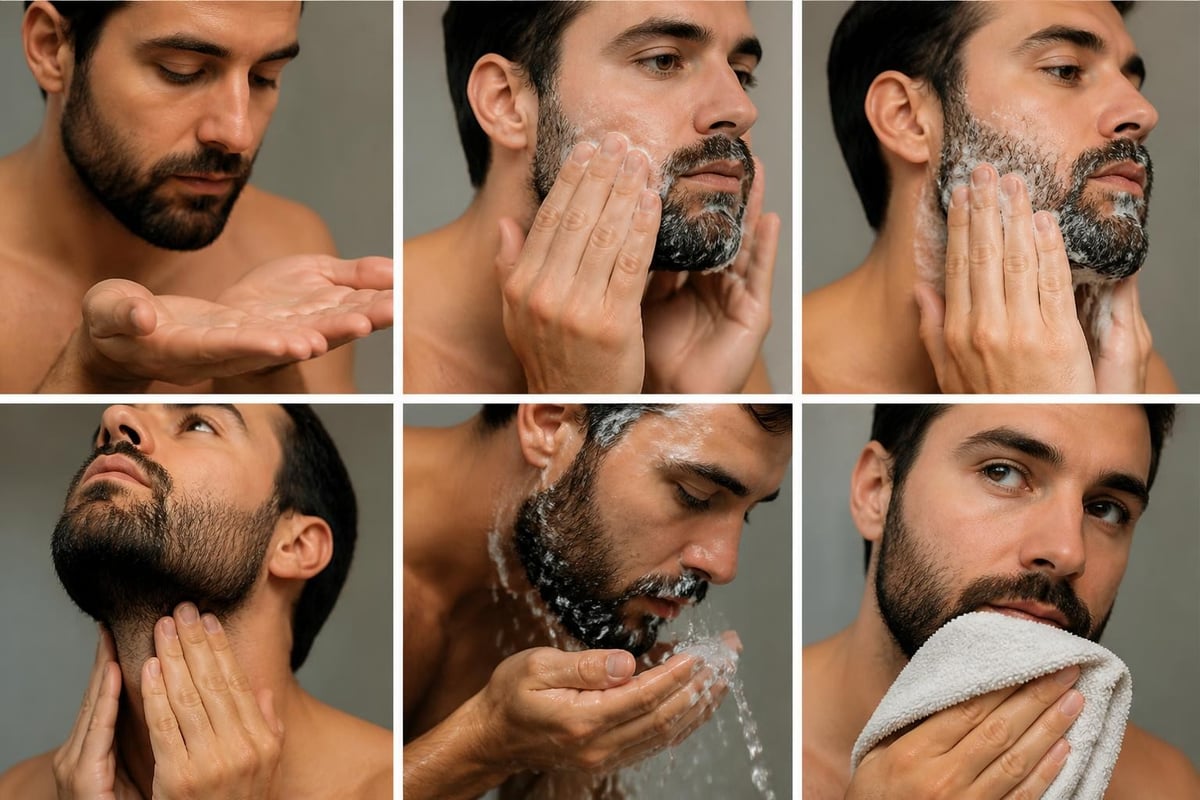
- Wash your beard and face together every other day
- Use lukewarm water (hot water damages protein bonds)
- Massage cleanser into skin beneath the beard (not just hair)
- Rinse thoroughly (residue causes irritation)
- Pat dry with a dedicated beard towel
The mechanical action of washing stimulates blood circulation, increasing nutrient delivery to follicles. This explains why men who maintain consistent cleansing routines report thicker, faster-growing beards compared to those who neglect this step.
Step 2: Strategic Conditioning and Hydration
After cleansing, your beard and face require targeted hydration. The skin beneath your beard loses moisture 25% faster than exposed facial areas due to reduced air circulation and increased bacterial activity. This creates a deficit that affects both skin health and hair quality.
Conditioning products should contain ingredients that serve dual purposes. Shea butter's fatty acid profile (oleic, stearic, and palmitic acids) penetrates the hair shaft whilst forming an occlusive barrier on skin that prevents transepidermal water loss. Jojoba oil's molecular structure closely mimics human sebum, allowing it to regulate oil production rather than simply adding more grease.
The essential beard maintenance guide emphasises that moisturising both the hair and underlying skin prevents the brittleness and breakage that create an unkempt appearance.
Step 3: Nourishing the Follicle Foundation
Here's where most routines fail: they focus on the visible beard whilst ignoring the invisible foundation. Your follicles need specific nutrients to produce healthy hair. Biotin (vitamin B7) acts as a cofactor in keratin synthesis, the protein that forms 95% of your hair structure. Zinc regulates the oil glands and supports immune function, reducing inflammation that restricts growth.
Applying targeted treatments to your beard and face delivers these compounds directly to the follicles. Look for formulations containing:
- Castor oil: Ricinoleic acid increases prostaglandin E2 production, which extends the hair growth phase
- Vitamin E: Tocopherols neutralise free radicals that damage follicle cells
- Peppermint oil: Menthol increases dermal blood flow by up to 40%
- Argan oil: High vitamin E and essential fatty acid content repairs damaged cuticles
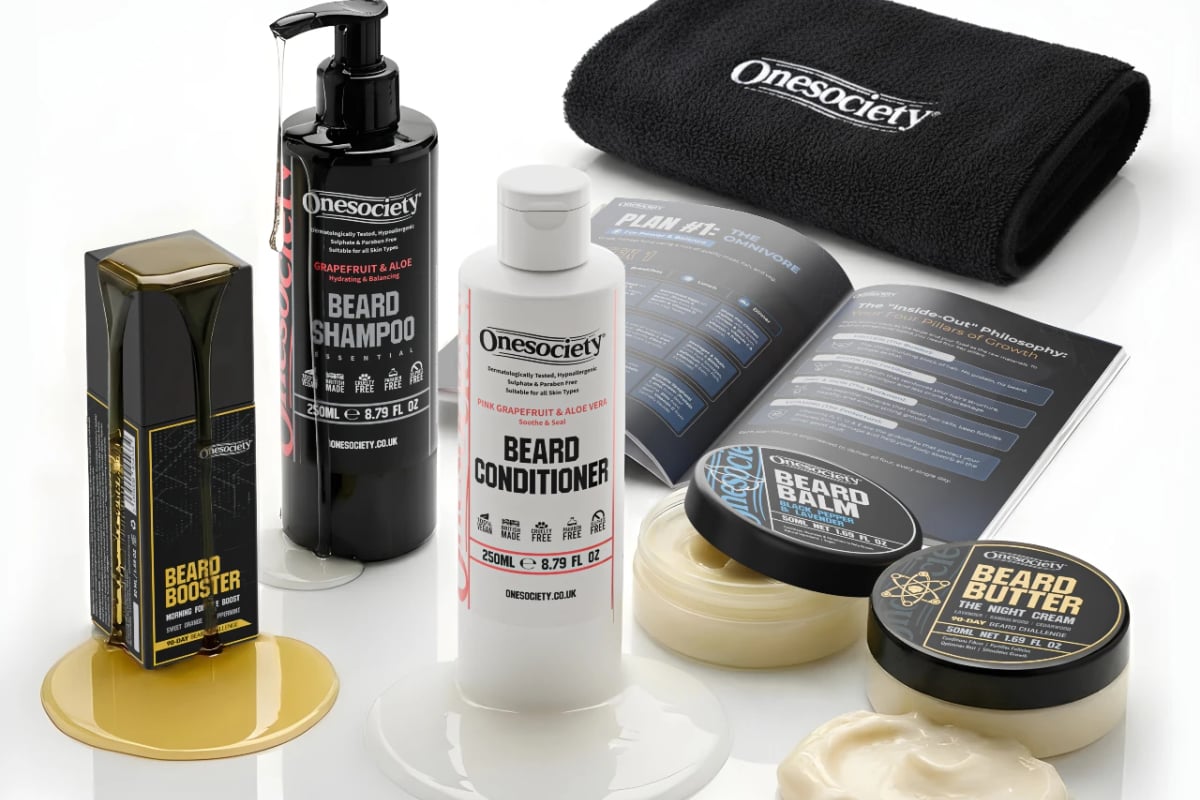
For those seeking comprehensive transformation, a structured programme addresses every aspect of beard and face health systematically. The 90-Day Beard Challenge provides eight scientifically formulated products designed to work together, from the Beard Booster that stimulates follicle activity through increased blood flow to the Hydro-Lock Balm that creates a protective barrier maintaining optimal moisture levels in both beard and facial skin.
Step 4: Exfoliation and Dead Cell Management
Dead skin cells accumulate beneath your beard at an accelerated rate. The average person sheds 30,000-40,000 dead skin cells per hour, but the beard traps these cells against the face rather than allowing natural shedding. This creates a thick layer of debris that blocks follicle openings and triggers inflammation.
Weekly exfoliation using gentle mechanical or chemical methods removes this buildup. Salicylic acid (a beta-hydroxy acid) penetrates oil-rich areas beneath the beard, dissolving the intercellular cement that holds dead cells together. Alternatively, physical exfoliation using a soft brush stimulates circulation whilst removing debris.
Exfoliation best practices:
- Exfoliate once weekly after cleansing
- Use circular motions covering all beard areas
- Pay extra attention to the neck and jawline
- Follow with hydrating products immediately
- Never exfoliate inflamed or broken skin
Styling Your Beard and Face as a Unified Canvas
Once you've established the health foundation, styling becomes straightforward. A healthy beard and face provide the raw materials for any look you want to achieve. The key is selecting techniques that enhance rather than damage the progress you've made.
Trimming Techniques That Respect Biology
Improper trimming damages hair structure and creates an unkempt appearance. Dull blades tear rather than cut, leaving frayed ends that split and break. The best beard trimmers of 2026 feature ceramic or titanium-coated blades that maintain sharpness and reduce friction-induced damage.
Trim your beard and face in natural light to see actual growth patterns. Hair grows at different rates across your face, with the moustache typically growing fastest, followed by the chin, cheeks, and neck. Understanding these patterns allows strategic trimming that creates symmetry whilst respecting biological reality.
| Facial Zone | Typical Growth Rate | Trimming Frequency |
|---|---|---|
| Moustache | 0.4mm/day | Every 3-4 days |
| Chin | 0.38mm/day | Every 4-5 days |
| Cheeks | 0.27mm/day | Weekly |
| Neck | 0.25mm/day | Weekly |
Shaping Methods That Enhance Face Structure
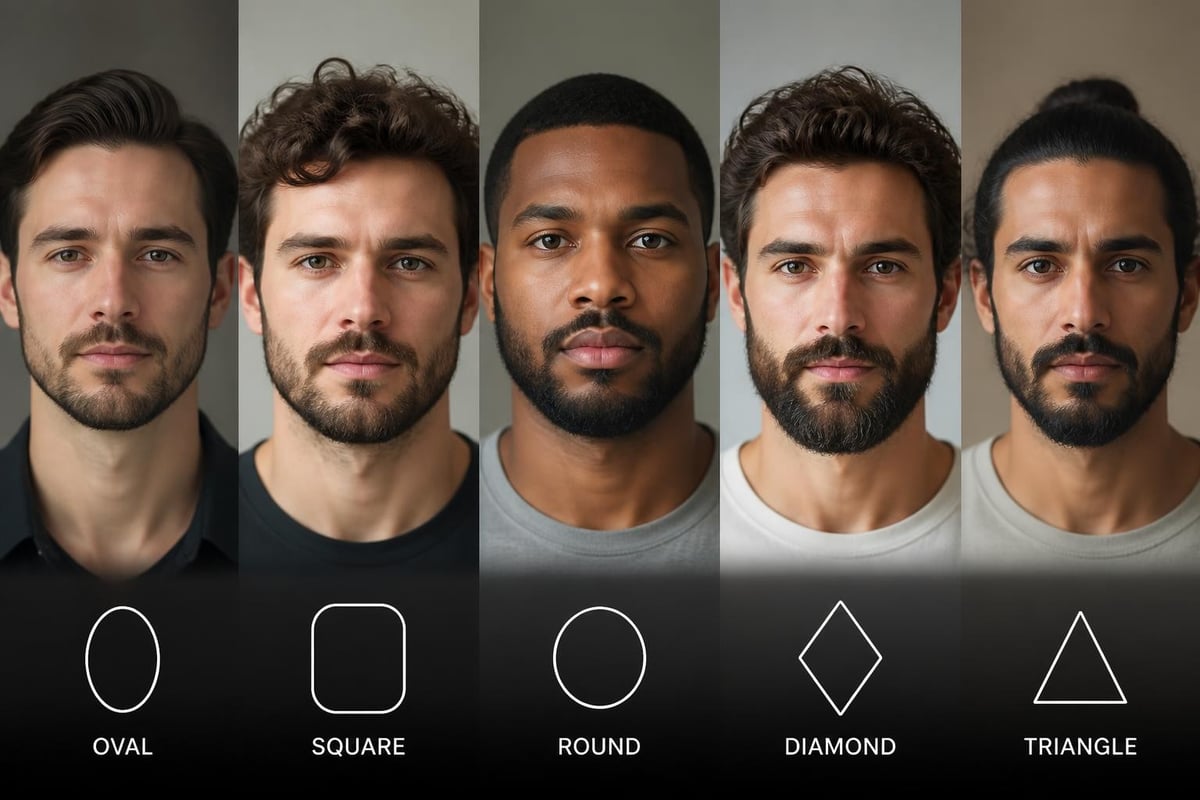
Your beard should complement your face shape, not fight against it. Round faces benefit from length that creates vertical emphasis. Angular faces need width at the cheeks to balance sharp features. Oblong faces require shorter beards that don't exaggerate length.
Use your natural cheekline and neckline as guides. The cheekline should follow the natural boundary where terminal beard hair transitions to vellus (fine) hair. The neckline should sit one to two finger-widths above your Adam's apple, creating a clean separation between beard and neck without appearing too high.
Advanced Beard and Face Optimisation Strategies
Once you've mastered the fundamentals, advanced techniques can take your appearance to exceptional levels. These methods require consistency and patience but deliver results that basic grooming cannot match.
Targeted Serums for Problem Areas
Patchy areas on your beard and face respond to targeted treatment with growth-promoting compounds. Minoxidil (originally developed for blood pressure) dilates blood vessels, increasing nutrient delivery to weak follicles. Studies show 40% of men experience significant improvement in beard density after 16 weeks of consistent application.
Natural alternatives include caffeine solutions (which extend the anagen growth phase) and rosemary oil (which demonstrates comparable efficacy to 2% minoxidil in clinical trials). Apply these treatments to clean, dry skin for maximum absorption.
Derma-Rolling for Enhanced Absorption
Micro-needling devices create tiny channels in the skin that serve two purposes: they trigger wound-healing responses that stimulate collagen production, and they increase absorption of topically applied products by up to 3000%. Use a 0.5mm derma-roller on your beard and face once weekly, following with growth-promoting serums.
The process activates fibroblasts, which produce extracellular matrix components that strengthen the dermis. This provides better anchorage for follicles and improves nutrient delivery through enhanced vascularisation.
Nutritional Support From Within
External products only address half the equation. Your beard and face reflect your internal health status. Biotin supplementation (5000-10000mcg daily) supports keratin production. Omega-3 fatty acids reduce systemic inflammation that restricts growth. Vitamin D regulates hair cycle progression, with deficiency linked to telogen effluvium (excessive shedding).
The best beard grooming practices emphasise this inside-out approach, recognising that premium external products work best when supported by optimal internal conditions.
Common Beard and Face Mistakes to Avoid
Even experienced groomers fall into traps that undermine their efforts. Understanding these pitfalls helps you maintain consistent progress toward your ideal appearance.
Over-Washing Leading to Depletion
Excessive cleansing strips your beard and face of protective sebum faster than glands can replenish it. This triggers a compensatory response where glands produce more oil, creating an oily appearance that prompts more washing. The cycle continues, damaging both hair structure and skin barrier function.
Limit washing to every other day unless you work in particularly dirty environments. On non-washing days, rinse with water and apply conditioning products to maintain moisture balance.
Using Face Products on Your Beard
The skin on your face differs significantly from your scalp, and beard hair differs from scalp hair. Scalp hair grows from follicles at a 45-degree angle, whilst beard hair grows nearly perpendicular to the skin. This structural difference means beard hair requires different conditioning approaches.
Face moisturisers contain humectants that draw moisture into the skin but do nothing for hair structure. Conversely, hair conditioners contain cationic surfactants that bind to negatively charged hair shafts but can clog facial pores. Use products specifically formulated for beard and face application.
Neglecting the Neck Transition Zone
The area where your beard meets your neck receives minimal attention yet creates lasting impressions. Overgrown neck hair appears unkempt, whilst an overly high neckline looks unnatural. Define this line carefully, maintaining it weekly to preserve clean separation.
The Wahl guide to beard maintenance demonstrates proper neckline creation techniques that complement natural growth patterns whilst maintaining professional appearance.
Ignoring Seasonal Adjustments
Your beard and face need different care across seasons. Winter's low humidity and indoor heating depletes moisture rapidly, requiring richer balms and more frequent conditioning. Summer's heat increases sebum production and sweat accumulation, necessitating more frequent cleansing and lighter products.
Adjust your routine quarterly to match environmental conditions. This prevents seasonal damage that sets back months of growth progress.
Tools That Elevate Your Beard and Face Routine
Quality tools transform adequate grooming into exceptional results. Invest in equipment that respects the biological reality of your beard and face rather than fighting against it.
Essential tools ranked by priority:
- Boar bristle brush: Natural bristles distribute sebum along hair shafts whilst exfoliating skin
- Wide-tooth comb: Detangles without breaking hair shafts
- Precision trimmer: Maintains edges and shapes without bulk removal
- Adjustable clippers: Controls length whilst respecting growth patterns
- Scissors: Allows targeted corrections impossible with clippers
Cheap tools damage your beard and face through rough edges that tear hair and irritate skin. Premium options feature polished surfaces that glide smoothly, reducing mechanical stress on fragile structures.
Troubleshooting Specific Beard and Face Challenges
Different genetic and environmental factors create unique challenges. Identifying your specific issue allows targeted solutions that address root causes.
Persistent Itching Beyond the Initial Growth Phase
New beard growth typically itches for 2-3 weeks as sharp hair ends irritate skin. Persistent itching beyond this period indicates underlying problems: fungal overgrowth, allergic reactions, or seborrheic dermatitis affecting both beard and face.
Address fungal issues with tea tree oil's terpinen-4-ol content, which demonstrates potent antifungal activity. For seborrheic dermatitis, zinc pyrithione reduces Malassezia populations whilst controlling inflammation. The detailed beard care guide from Barber Garage provides comprehensive troubleshooting for common issues.
Ingrown Hairs Creating Inflammation
Curly hair types face higher ingrown hair risk as curved follicles redirect hair growth back toward skin. These trapped hairs trigger immune responses, creating painful bumps across your beard and face.
Prevention requires regular exfoliation combined with growth direction maintenance. Use beard oils containing jojoba and argan to soften hair, reducing the force required for it to penetrate skin. Apply warm compresses to inflamed areas, allowing trapped hairs to surface naturally.
Colour Inconsistency and Premature Greying
Melanin production in beard follicles operates independently from scalp follicles, explaining why some men grey earlier in their beards. Additionally, different facial zones may grey at different rates, creating patchy colour distribution across your beard and face.
Embrace natural colour variation as a distinguished characteristic, or use beard-specific dyes that deposit colour without damaging hair structure. Avoid scalp dyes, which contain ammonia at concentrations too harsh for facial skin.
Transforming your beard and face from acceptable to exceptional requires understanding the biological connection between skin health and hair quality, then implementing science-backed routines that address both simultaneously. When you treat your facial hair and the skin beneath as one integrated system, you unlock growth potential and appearance quality that fragmented approaches can never achieve. Onesociety provides the natural, research-backed formulations needed to support this unified approach, delivering products engineered specifically for the unique demands of beard and face care. Start your transformation today with solutions designed around how your body actually works.