

Your beard deserves more than generic grooming products. The difference between a dry, itchy mess and a healthy, well-conditioned beard often comes down to one product: beard oil. But with hundreds of options flooding the market in 2026, how do you separate genuinely effective formulas from expensive bottles of hype? The answer lies in understanding the science behind what makes a top rated beard oil actually work.
The Problem: Why Most Beard Oils Fail to Deliver Results
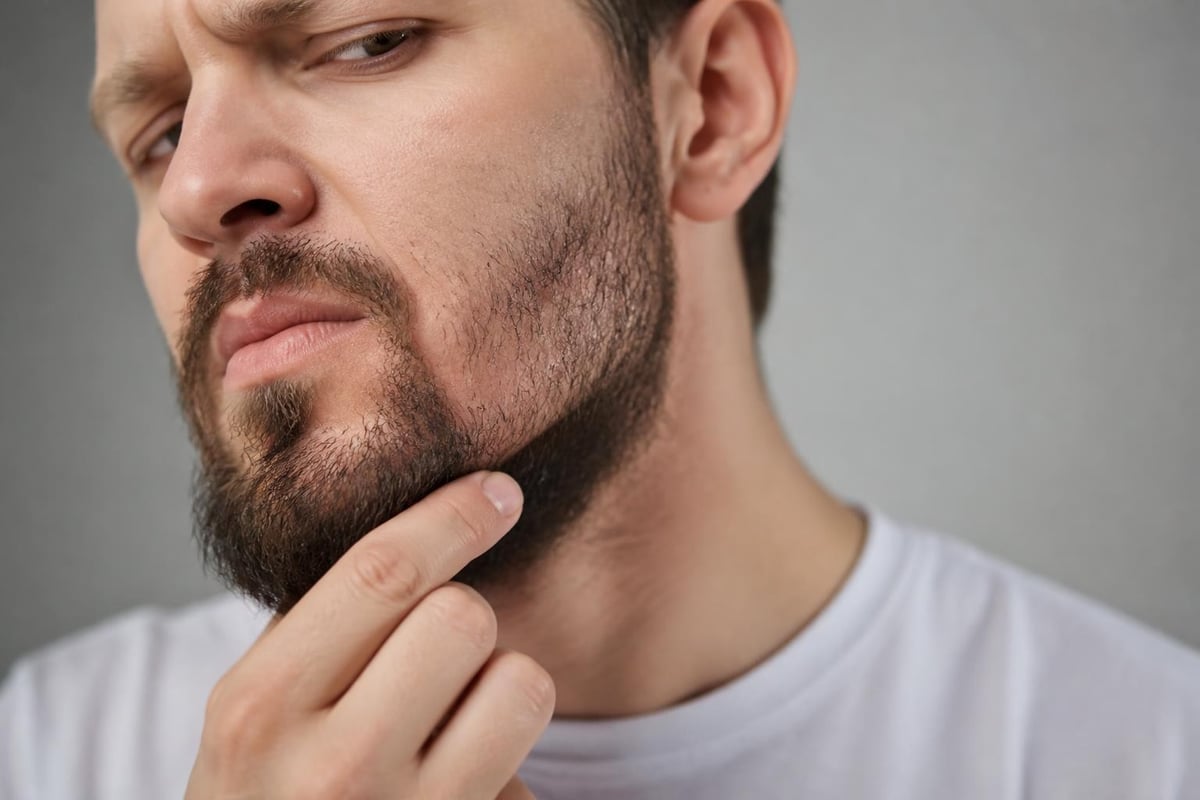
Walk into any grooming shop and you'll find shelves packed with beard oils making bold promises. Yet most men experience the same frustrations: persistent itchiness, beardruff (beard dandruff), patchy growth, and coarse hair that feels more like wire than silk.
The root cause? Most commercial beard oils prioritise fragrance over function. They rely on cheap mineral oils that sit on the surface rather than penetrating the hair shaft and nourishing the skin underneath. According to board-certified dermatologists, the skin beneath your beard needs proper hydration and care to prevent irritation and support healthy follicle function.
The Hidden Damage of Poor-Quality Formulations
When you apply inferior beard oil, you're not just wasting money. You're potentially causing harm:
- Comedogenic ingredients clog pores and trigger acne breakouts beneath your beard
- Synthetic fragrances irritate sensitive facial skin and can cause allergic reactions
- Petroleum-based carriers create a barrier that blocks moisture rather than delivering it
- Oxidised oils (rancid formulations) introduce free radicals that damage hair follicles
Research published in peer-reviewed journals highlights that fragrance ingredients carry varying levels of skin-sensitisation risk, making ingredient selection critical for anyone serious about beard health.
What the Science Says: Ingredients That Define Top Rated Beard Oil
A genuinely effective beard oil isn't magic. It's applied biochemistry. The best formulations combine carrier oils with specific fatty acid profiles and bioactive compounds that address both the hair shaft and the underlying skin.
Carrier Oils: The Foundation of Quality Formulations
The carrier oil makes up 90-95% of any beard oil formula. This base determines how well the product absorbs, how long it lasts, and what nutritional benefits it delivers to your follicles.
| Carrier Oil | Primary Fatty Acids | Key Benefit | Absorption Speed |
|---|---|---|---|
| Jojoba Oil | Eicosenoic acid (70%) | Mimics natural sebum, balances oil production | Fast |
| Argan Oil | Oleic acid (43%), Linoleic acid (36%) | Vitamin E delivery, reduces inflammation | Medium |
| Sweet Almond Oil | Oleic acid (62%), Linoleic acid (24%) | Softens coarse hair, prevents split ends | Medium |
| Coconut Oil (fractionated) | Capric acid, Caprylic acid | Antimicrobial properties, deep penetration | Very fast |
Jojoba oil stands out because its molecular structure closely resembles human sebum. This means your skin recognises it as natural, allowing superior absorption without greasiness. The eicosenoic acid in jojoba oil also helps regulate sebum production, which is why it's featured in virtually every top rated beard oil on the market.
When evaluating what beard oil actually does for your facial hair, understanding these carrier oil profiles proves essential.
Essential Oils and Bioactive Compounds
Beyond the carrier base, a top rated beard oil incorporates essential oils and botanical extracts that deliver therapeutic benefits. But here's where most brands go wrong: they add essential oils purely for scent, not function.
Scientifically validated additions include:
- Cedarwood oil: Contains cedrol, which studies show improves blood circulation to follicles when applied topically
- Peppermint oil: The menthol content stimulates follicles and has been linked to increased hair shaft diameter
- Rosemary oil: Rich in carnosic acid, which protects against oxidative stress and may prevent miniaturisation of hair follicles
- Vitamin E (tocopherol): A potent antioxidant that prevents lipid peroxidation and maintains oil freshness
The concentration matters enormously. Essential oils should comprise no more than 2-3% of the total formula to avoid skin irritation whilst still delivering therapeutic effects.
How to Identify Genuinely Top Rated Beard Oil Products
Marketing claims mean nothing without proper evaluation criteria. When you're investing in your beard health, these factors separate exceptional products from mediocre ones.
The Ingredient Transparency Test
Read the label backwards. Ingredients appear in descending order by volume. A top rated beard oil lists its primary carrier oils first, followed by secondary carriers, then essential oils and preservatives.
Red flags that indicate low quality:
- Mineral oil or petroleum listed in the first three ingredients
- Fragrance or parfum without specifying natural or synthetic origin
- Silicones (dimethicone, cyclomethicone) that create artificial shine
- Alcohol high on the list, which dries out facial skin
A comprehensive review of beard oil formulation published in 2024 confirms that natural, plant-based carrier oils outperform synthetic alternatives in both short-term feel and long-term beard health outcomes.
Packaging and Preservation Standards
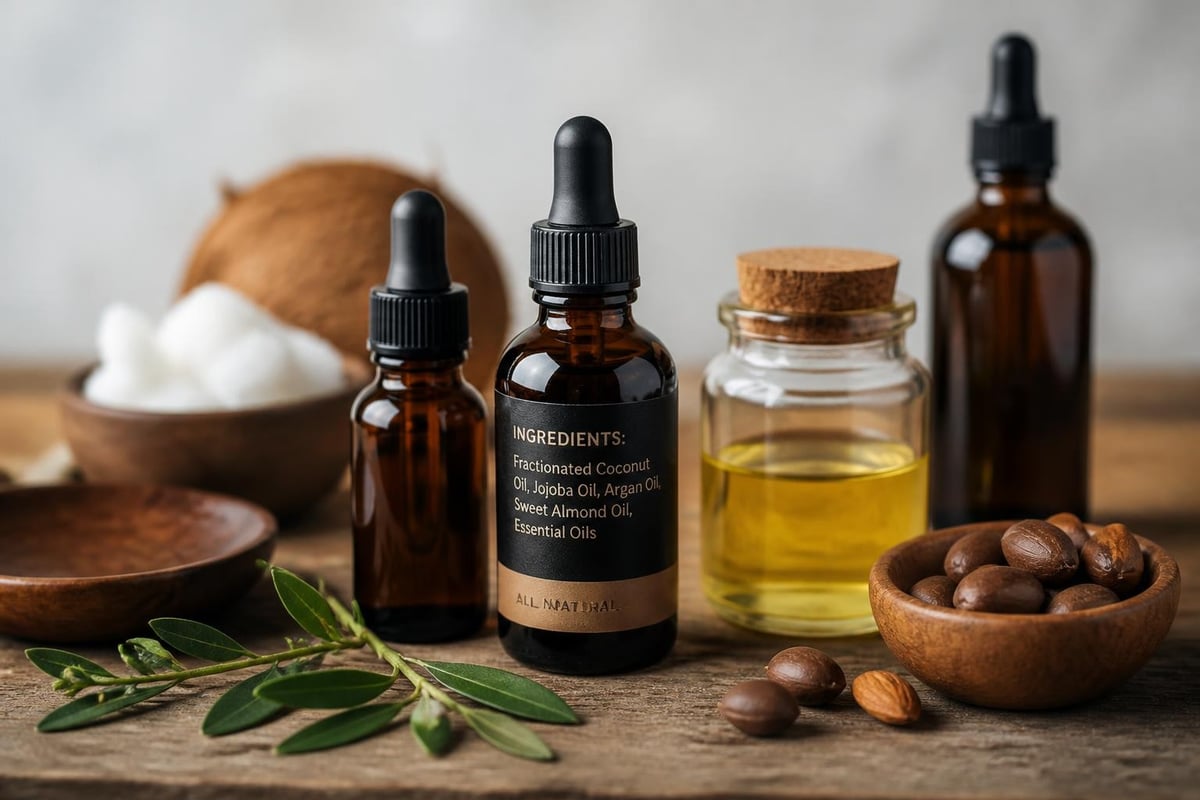
Quality oils degrade when exposed to light and oxygen. Top rated beard oil always comes in:
- Amber or cobalt glass bottles that block UV light
- Dropper or pump dispensers that minimise air exposure
- 30ml to 60ml sizes that encourage use within the optimal freshness window (6-12 months)
Plastic bottles or clear glass indicate a manufacturer prioritising cost over quality. The oils inside will oxidise faster, becoming rancid and potentially harmful to your skin.
Third-Party Testing and Certifications
In 2026, transparency has become non-negotiable. Reputable brands provide:
Batch testing results for purity and contaminant screening Organic certifications (Soil Association, USDA Organic) where claimed Cruelty-free verification from recognised bodies Manufacturing standards (GMP compliance)
Don't just trust marketing claims. Visit the brand's website and look for downloadable certificates of analysis or third-party lab results.
Application Techniques That Maximise Effectiveness
Even a top rated beard oil won't deliver results if you're applying it incorrectly. The science of absorption and distribution requires proper technique.
Timing: When Your Beard Absorbs Oil Best
Apply beard oil to damp (not wet) facial hair. Here's why: water molecules temporarily open the hair cuticle, creating pathways for oil penetration. When you apply to completely dry hair, the oil mostly sits on the surface.
The optimal routine:
- Wash your beard with a pH-balanced cleanser
- Pat (don't rub) with a towel until 70% dry
- Dispense 3-6 drops of oil into your palm
- Warm the oil between your hands for 10 seconds
- Work from skin upward, then distribute through length
Morning application works best for most men because overnight sebum production has occurred, and the beard oil helps redistribute and supplement your natural oils rather than competing with them.
The Correct Dosage Formula
Too much oil wastes product and creates greasiness. Too little fails to moisturise adequately. Calculate your ideal dose based on beard length:
| Beard Length | Recommended Drops | Application Frequency |
|---|---|---|
| Stubble (< 1cm) | 2-3 drops | Once daily |
| Short (1-3cm) | 4-5 drops | Once daily |
| Medium (3-7cm) | 6-8 drops | Twice daily |
| Long (7cm+) | 8-12 drops | Twice daily |
Remember that penetration beats volume. A small amount of top rated beard oil with superior carrier oils outperforms twice the quantity of inferior formulation.
Top Rated Beard Oil: What Professional Reviews Actually Measure
When professional grooming publications evaluate beard oils, they use specific criteria that go far beyond "smells nice" or "feels good." Understanding these metrics helps you interpret reviews intelligently.
Performance Testing Protocols
Absorption rate: Measured by applying a standardised amount and timing until no surface oil remains visible
Shine enhancement: Quantified using standardised photography under controlled lighting at 30, 60, and 120 minutes post-application
Itch reduction: Assessed through subject reporting on a validated dermatological itch scale over 14 days
Hair softness: Measured using a texture analyser that quantifies the force required to bend individual hairs before and after treatment
These objective measurements separate genuinely top rated beard oil products from those that simply have good marketing budgets.
User Experience Factors
Beyond laboratory metrics, real-world usability determines whether a beard oil becomes a daily staple or collects dust in your bathroom cabinet.
Critical user experience elements:
- Scent longevity without being overpowering (2-4 hour subtle presence)
- Non-greasy finish that doesn't transfer to clothing or pillowcases
- Consistent viscosity across temperature ranges (doesn't solidify in winter)
- No skin reactions even for sensitive or acne-prone skin types
The Consumer Reports guidance on skin safety emphasises that topical oils should enhance your skin's natural barrier function without causing irritation or disrupting your skin's pH balance.
Addressing Specific Beard Concerns with Targeted Formulations
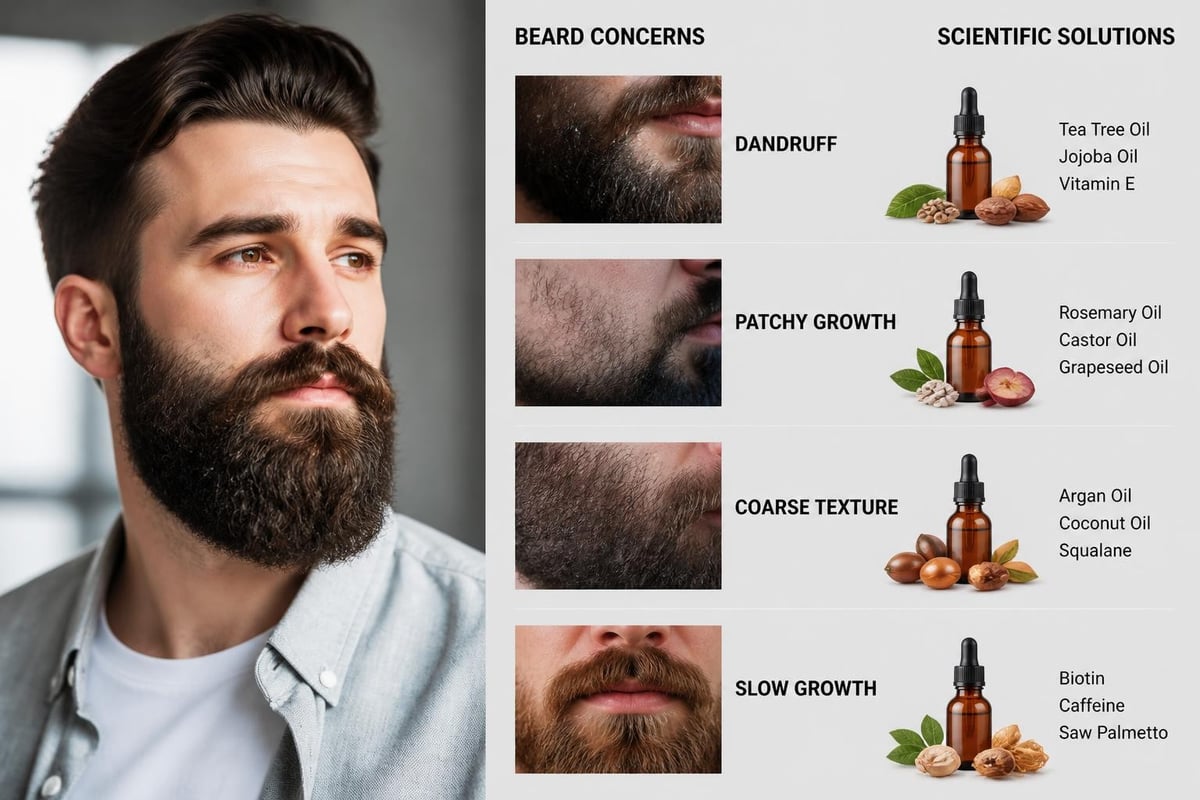
Not all beards face identical challenges. A top rated beard oil for someone battling severe beardruff differs from the ideal formula for someone focused on maximising growth in patchy areas.
Beardruff and Seborrhoeic Dermatitis
The problem: Yeast overgrowth (Malassezia) on the skin beneath your beard triggers inflammation and excessive skin cell turnover, creating those embarrassing white flakes.
Standard beard oils won't solve this. You need formulations with antimicrobial properties:
- Tea tree oil (2-5% concentration): Demonstrates antifungal activity against Malassezia species
- Neem oil: Contains nimbidin and nimbin compounds that reduce fungal colonisation
- MCT oil (fractionated coconut oil): The capric and caprylic acids disrupt fungal cell membranes
However, if you're experiencing persistent flaking, the NHS guidance on dandruff recommends consulting a healthcare provider, as you may need medicated shampoos containing ketoconazole or selenium sulphide alongside your beard oil routine.
Accelerating Growth in Patchy Areas
The problem: Uneven follicle distribution or dormant follicles create frustrating gaps in beard coverage.
Whilst no oil can create follicles where none exist, certain ingredients stimulate dormant follicles and improve the growth phase (anagen) duration:
Castor oil deserves special mention. Its ricinoleic acid content (85-95% of total fatty acids) has been shown to improve blood circulation when massaged into the skin. Increased blood flow delivers more nutrients and oxygen to follicles, potentially awakening dormant ones and extending the active growth phase of existing hairs.
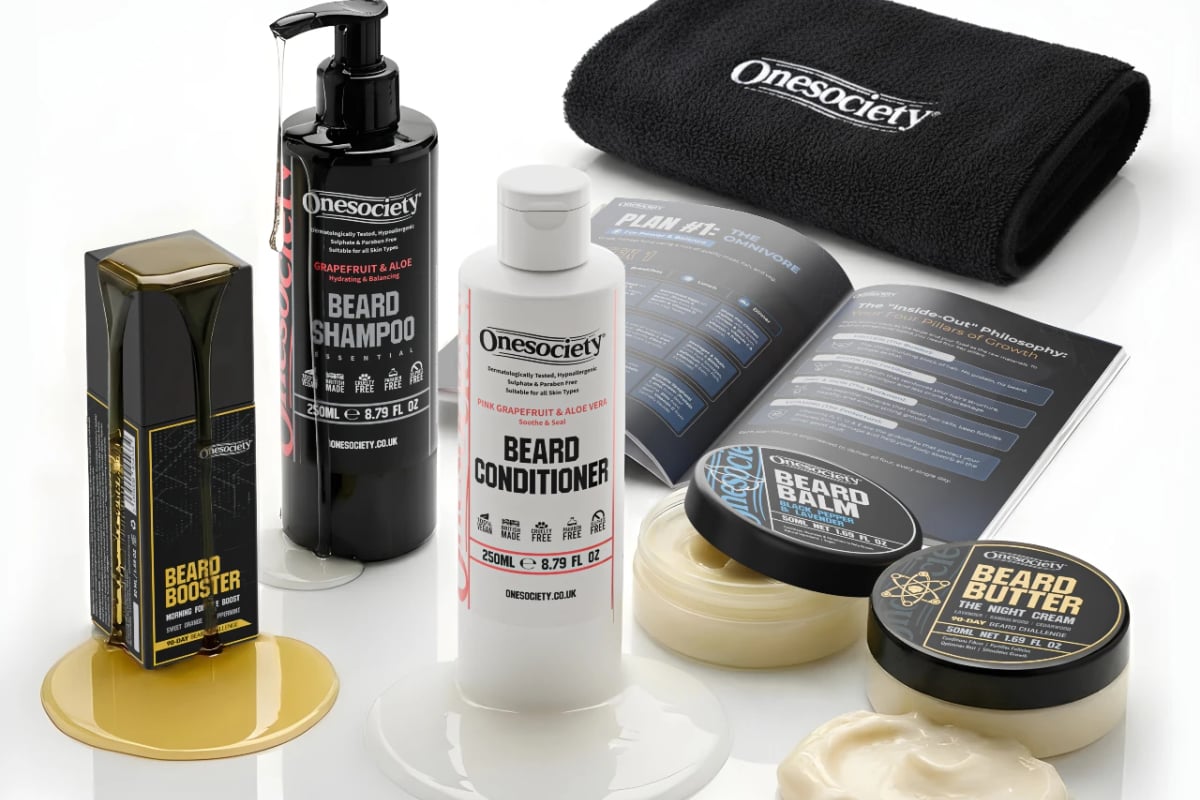
The most effective approach combines topical application with proper nutrition and, for some men, a structured growth programme. Onesociety's commitment to science-backed formulations has led to the development of comprehensive solutions that go beyond basic beard oil.
For men serious about transforming their beard from patchy to full, the 90-Day Beard Challenge offers a complete system designed around follicle activation and optimal growth conditions. This kit combines multiple targeted formulas, including a Beard Booster that enhances blood flow to follicles and a Hydro-Lock Balm that maintains optimal moisture levels throughout the growth cycle.
Taming Coarse, Wiry Texture
The problem: High levels of keratin protein create hair shafts that feel rough, resist styling, and project outward rather than lying smooth.
You need oils rich in oleic acid (omega-9 fatty acid), which has a smaller molecular structure that can penetrate the hair shaft rather than just coating it:
- Argan oil (43% oleic acid): Delivers vitamin E deep into the hair cortex
- Avocado oil (58% oleic acid): Contains phytosterols that strengthen hair structure
- Camellia seed oil (82% oleic acid): Provides exceptional smoothing without heaviness
These oils physically alter the hair shaft's structure by filling microscopic gaps in the cuticle layer, which is why transformation takes 2-4 weeks of consistent use rather than occurring overnight.
The Natural Ingredients Philosophy: Why It Actually Matters
"Natural" has become a meaningless marketing term in the beauty industry. But when we discuss top rated beard oil, the distinction between natural and synthetic ingredients carries real scientific significance.
How Natural Oils Work with Your Skin's Biology
Your skin produces sebum, a complex mixture of triglycerides, wax esters, squalene, and fatty acids. Plant-based oils contain similar molecules, which is why your skin's enzymes can break them down and utilise their components.
Synthetic silicones and petroleum derivatives can't be metabolised by your skin. They create a physical barrier that may feel smooth initially but prevents natural sebum flow and can trap bacteria against your skin.
The fatty acid profiles in natural carrier oils also provide genuine nutritional benefits:
- Linoleic acid (omega-6): Maintains skin barrier integrity and reduces transepidermal water loss
- Alpha-linolenic acid (omega-3): Demonstrates anti-inflammatory properties in dermal tissue
- Palmitic acid: Supports natural ceramide production, strengthening the skin barrier
These aren't just buzzwords. They're specific biochemical pathways that synthetic ingredients can't replicate.
The Sustainability Question
Beyond personal health benefits, the sourcing of ingredients in top rated beard oil reflects broader environmental responsibility. In 2026, consumers increasingly demand:
Traceable supply chains showing where and how ingredients are grown Fair trade certifications ensuring ethical labour practices Sustainable harvesting that doesn't deplete natural resources Minimal processing that preserves the oil's nutritional profile
Brands like Onesociety have built their entire philosophy around this intersection of personal efficacy and environmental responsibility, recognising that truly premium products shouldn't compromise either consideration.
Price vs. Value: Understanding Beard Oil Economics
A 30ml bottle of top rated beard oil ranges from £15 to £45 in the UK market. That's a substantial price variation. Does cost correlate with quality?
What You're Actually Paying For
Ingredient sourcing: Organic, cold-pressed oils cost 3-5 times more than conventional alternatives
Formulation expertise: Proper blending ratios and stability testing require investment in cosmetic chemistry
Quality control: Third-party testing, batch tracking, and compliance certifications add overhead
Packaging: UV-protective glass and precise dispensers increase material costs
Brand overhead: Marketing, customer service, and business operations
A £15 bottle isn't necessarily inferior if the brand operates efficiently and sources quality ingredients. Conversely, a £45 price tag might reflect excessive marketing spend rather than formulation superiority.
The Cost-Per-Application Analysis
Smart consumers calculate actual value differently:
Example comparison:
Brand A: £20 for 30ml, recommends 8 drops per application = approximately 125 applications Brand B: £35 for 50ml, recommends 5 drops per application = approximately 250 applications
Cost per application: Brand A: £0.16 Brand B: £0.14
Brand B delivers better value despite the higher upfront cost. But this calculation assumes equal efficacy. If Brand A requires twice as much product to achieve the same softening effect, the true cost per result shifts dramatically.
Common Mistakes That Undermine Beard Oil Effectiveness
Even when you've invested in a genuinely top rated beard oil, application errors can sabotage your results. Avoid these widespread mistakes:
Mistake 1: Applying to Completely Dry Beard
Why it matters: Dry hair shafts have closed cuticles that resist oil penetration. The oil sits on the surface, providing minimal conditioning benefit whilst creating unnecessary greasiness.
The fix: Always apply to slightly damp facial hair, ideally within 5 minutes of patting your beard dry after washing.
Mistake 2: Neglecting the Skin Beneath
Many men distribute beard oil through their facial hair without ensuring it reaches the skin underneath. This creates two problems:
- Deprives follicles of the nourishment needed for healthy growth
- Allows skin dehydration which triggers compensatory sebum overproduction
The fix: Start with fingertips on your skin, working the oil into the beard from the roots outward before distributing through the length.
Mistake 3: Using Beard Oil as Your Only Product
Beard oil excels at moisturising and softening, but it lacks the hold properties needed for styling. It also can't deep-condition severely damaged hair or provide the protective barrier needed in harsh weather.
A complete regimen includes:
- Beard oil: Daily moisture and nourishment (foundation product)
- Beard balm: Styling hold and weather protection (learn what beard balm does)
- Beard butter: Intensive conditioning treatment (discover beard butter benefits)
- Beard wash: pH-balanced cleansing without stripping natural oils
Understanding that each product serves a distinct purpose prevents unrealistic expectations and delivers superior overall results.
Mistake 4: Inconsistent Application
The biological reality: Hair follicles respond to consistent stimulation and nourishment. Sporadic beard oil use delivers sporadic results.
Your beard growth cycle operates in phases:
- Anagen (growth phase): 2-6 years
- Catagen (transition): 2-3 weeks
- Telogen (resting): 2-4 months
Optimising conditions during the anagen phase requires daily application, not occasional treatment when you remember.
The Role of Complementary Ingredients in Premium Formulations
Top rated beard oil often includes small percentages of additional ingredients that enhance stability, absorption, or specific benefits. Understanding these additions helps you evaluate whether they're genuinely functional or merely marketing embellishments.
Natural Preservatives and Antioxidants
Vitamin E (tocopherol): Added at 0.5-1% concentration
- Prevents oil oxidation (extends shelf life)
- Protects skin from free radical damage
- Enhances penetration of other ingredients
Rosemary extract: Contains carnosic acid and rosmarinic acid
- Natural antimicrobial properties
- Potent antioxidant that prevents rancidity
- Supports scalp health when massaged into skin
Penetration Enhancers
Certain molecules help other ingredients absorb more effectively:
Jojoba esters: Modified jojoba oil molecules that create microscopic channels in the hair cuticle, allowing deeper penetration of conditioning ingredients
MCT oil: The shorter carbon chains (C8 and C10) in medium-chain triglycerides penetrate faster than longer-chain fatty acids, carrying other beneficial compounds deeper into the hair shaft
These ingredients explain why some beard oils feel lighter and absorb faster whilst delivering equal or superior conditioning results.
Seasonal Adjustments: Adapting Your Top Rated Beard Oil Choice
Your beard faces different challenges across the year. The top rated beard oil for British winter differs from the optimal summer formula.
Winter Formulation Requirements (October-March)
Environmental stressors:
- Cold outdoor air with low humidity
- Indoor heating that desiccates skin and hair
- Frequent temperature transitions that shock follicles
- Wind exposure that strips moisture and causes breakage
Ideal winter beard oil characteristics:
Rich carrier oil blend (higher percentage of heavier oils like avocado or argan) Increased concentration (use 20-30% more product) Protective ingredients (shea oil, coconut oil) that create a defensive barrier Lower essential oil percentage (cold reduces evaporation, so scent lingers longer)
Summer Formulation Requirements (April-September)
Environmental stressors:
- UV radiation that degrades hair proteins
- Higher humidity that can cause frizziness
- Increased sweating that depletes minerals
- More frequent washing (chlorine, salt water exposure)
Ideal summer beard oil characteristics:
Lighter carrier oils (grapeseed, apricot kernel) that won't feel heavy in heat UV-protective ingredients (raspberry seed oil contains natural SPF compounds) Faster absorption to avoid greasy feeling in humidity Refreshing essential oils (peppermint, eucalyptus) that provide cooling sensation
Making the Switch: Transitioning to Quality Beard Oil
If you've been using inferior products, your beard won't transform overnight when you upgrade to a top rated beard oil. Understanding the adjustment period prevents premature disappointment.
The First Two Weeks: Detoxification Phase
Your skin has adapted to whatever you've been applying. When you switch to natural, properly formulated oil:
Week 1: You might experience increased oiliness as your skin recalibrates sebum production Week 2: Potential minor breakouts as clogged pores purge accumulated debris
This temporary adjustment phase proves your skin is responding and recalibrating. Don't abandon the new product during this window.
Weeks 3-6: Visible Transformation
Around the third week, you'll notice:
- Reduced itchiness: Natural oils properly moisturise the skin beneath your beard
- Decreased shedding: Strengthened hair shafts break less frequently
- Improved texture: Conditioning effects become apparent as new growth emerges healthier
- Better growth distribution: Enhanced blood flow and follicle nourishment support dormant follicles
Beyond 8 Weeks: Maintenance and Optimisation
After two months of consistent use with a top rated beard oil, you've established a new baseline. Now you can fine-tune:
Adjust dosage based on observed results (you might need less as your natural sebum production optimises) Experiment with application timing (some men achieve better results with evening application) Consider seasonal rotation between formulations Add complementary products strategically based on specific remaining concerns
Choosing a top rated beard oil requires understanding the science behind ingredients, recognising quality markers, and matching formulations to your specific beard challenges. The investment in premium, naturally formulated products delivers measurable results that cheap alternatives simply cannot replicate. For men ready to experience genuine transformation rather than temporary cosmetic effects, Onesociety offers scientifically formulated solutions backed by a commitment to natural ingredients and proven efficacy.