

Your mustache droops by midday. The wax you purchased promised all-day hold, yet here you stand, watching your carefully styled handlebar collapse into a limp shadow of its morning glory. This frustration stems from selecting products based on marketing claims rather than understanding the biochemical mechanics that deliver genuine hold. Finding the best mustache wax requires examining ingredient profiles, molecular bonding capacity, and how natural compounds interact with facial hair structure.
Understanding Mustache Wax Chemistry
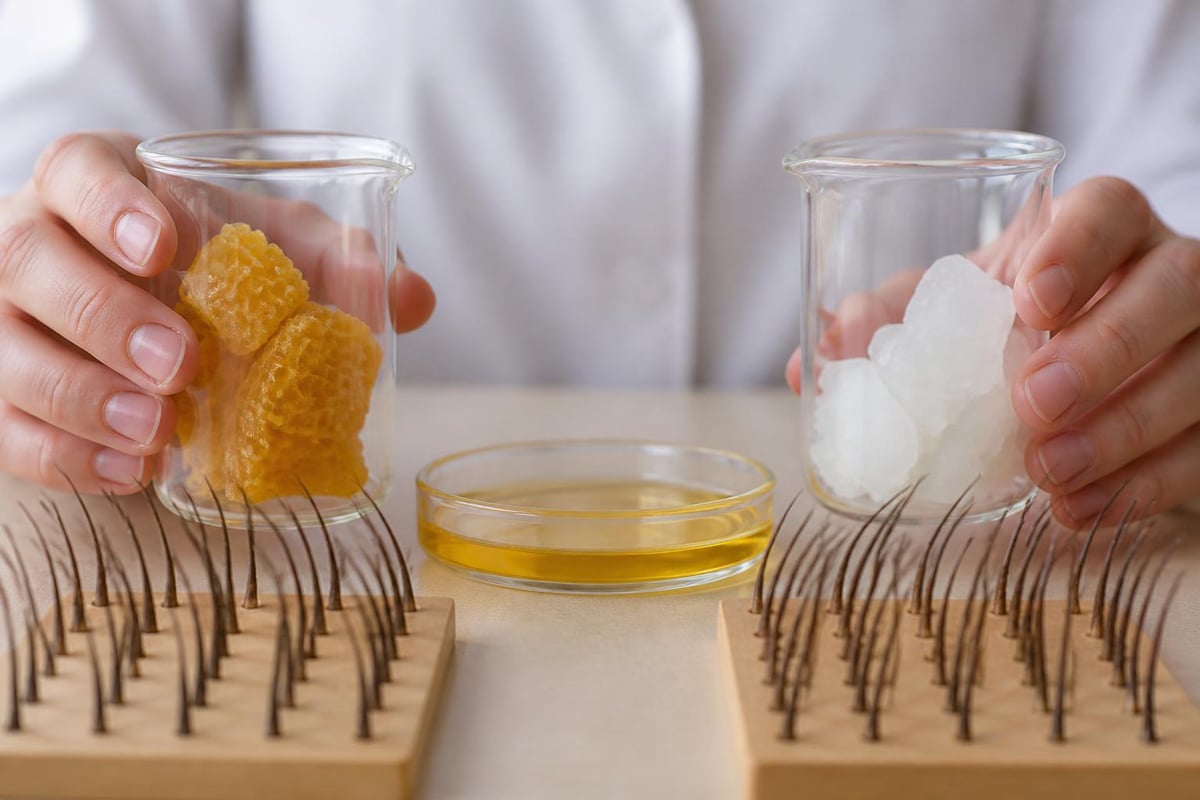
The foundation of effective mustache styling lies in understanding what creates hold at a molecular level. Traditional mustache waxes contain three primary components: wax bases (typically beeswax or plant-derived alternatives), carrier oils (which provide pliability), and essential compounds (for texture modification).
Beeswax functions through its complex ester composition. The long-chain fatty acids in beeswax create a semi-solid structure at room temperature, with a melting point between 62-64°C. When you warm the wax between your fingers, these ester bonds temporarily loosen, allowing application. As the wax cools on your mustache, the molecular structure re-solidifies, creating the mechanical hold that keeps your style intact.
The Natural Versus Synthetic Debate
Many commercial products incorporate petroleum-based ingredients to reduce manufacturing costs. Petrolatum and mineral oils create an occlusive barrier on hair shafts, but they lack the breathability that natural ingredients provide.
Natural wax advantages:
- Allows moisture exchange at the follicle level
- Contains vitamins A and D that condition hair
- Biodegradable molecular structure
- Less likely to trigger sebum overproduction
Synthetic compound drawbacks:
- Creates hydrophobic seal that traps debris
- Can disrupt natural oil balance
- Potential for follicular irritation
- Environmental persistence after washing
Evaluating Hold Strength Science
Hold strength depends on three quantifiable factors: wax concentration, viscosity index, and environmental resistance. The best mustache wax balances these elements without creating brittle, uncomfortable results.
Wax concentration determines baseline hold capacity. Products containing 40-60% beeswax by volume deliver medium hold suitable for modest curls and side sweeps. Formulations exceeding 60% wax content provide the aggressive hold required for elaborate handlebar styles or competitions.
| Hold Level | Wax Concentration | Best For | Working Time |
|---|---|---|---|
| Light | 20-35% | Natural styles, short mustaches | 45-60 seconds |
| Medium | 40-55% | Side sweeps, gentle curls | 30-45 seconds |
| Strong | 60-75% | Handlebars, dramatic curls | 15-30 seconds |
| Extra Strong | 75-85% | Competition styles, extreme shapes | 10-20 seconds |
Working time decreases as wax concentration increases because higher ratios solidify more rapidly upon cooling. GQ's selection of premium mustache waxes demonstrates how professional groomers prioritise formulations that match intended styling complexity.
Carrier Oil Impact on Performance
The oils blended with wax bases modify texture and application characteristics. Jojoba oil's molecular structure closely mimics human sebum, creating seamless integration with your natural facial oil production. This biochemical compatibility prevents the "waxy buildup" phenomenon that occurs when incompatible compounds layer on hair shafts.
Argan oil contributes vitamin E and phenolic compounds that protect against oxidative stress from environmental exposure. When selecting the best mustache wax, examine whether carrier oils serve purely cosmetic purposes or deliver functional benefits to hair health.
Application Technique Fundamentals
Proper application determines whether even premium wax performs effectively. The process follows specific thermodynamic principles that maximise hold duration and styling control.
Step-by-step application protocol:
- Extract appropriate quantity - Use thumbnail-sized portion for light hold, fingertip amount for medium, thumbnail-plus for strong hold
- Generate heat through friction - Rub vigorously between fingers for 15-20 seconds until wax achieves liquid-like consistency
- Apply from centre outward - Start at the philtrum (centre groove) and work toward mustache ends
- Shape during optimal window - Complete styling before wax temperature drops below 30°C
- Set with cooling technique - Gently press styled sections and hold for 5 seconds to accelerate molecular re-bonding
The Beard Club's detailed application guide provides visual references for these techniques, particularly valuable for achieving symmetrical results.
Ingredient Analysis for Performance
Scrutinising ingredient lists reveals which products deliver substantiated benefits versus marketing fiction. The best mustache wax contains components with documented effects on hair structure and styling longevity.
Primary Wax Sources
Beeswax remains the gold standard due to its balanced molecular weight. The carbon chain length (typically C24-C36) provides structural integrity without excessive brittleness. Beeswax also contains propolis residues that offer mild antimicrobial properties, reducing the bacterial accumulation that causes folliculitis.
Candelilla wax serves as a vegan alternative with slightly higher melting point (68-72°C). This characteristic creates firmer hold but requires more aggressive heating during application. Its higher viscosity index makes it ideal for extremely thick or coarse mustache hair.
Carnauba wax delivers the hardest hold available from natural sources. Derived from Brazilian palm leaves, carnauba's melting point (82-86°C) creates almost permanent hold, though this rigidity can feel uncomfortable during extended wear.
Conditioning Agents That Matter
Shea butter's fatty acid profile (stearic and oleic acids comprise 85-90% of its composition) penetrates the hair cuticle, improving elasticity. This prevents the brittleness that leads to breakage when manipulating heavily waxed mustaches.
Coconut oil contains lauric acid, a medium-chain fatty acid with antimicrobial properties. However, its low molecular weight can create excess softness in warm environments, potentially compromising hold integrity.
When examining comprehensive guides to mustache wax selection, prioritise products listing specific ingredient percentages rather than vague "proprietary blend" descriptions.
Environmental Factors Affecting Performance
Temperature and humidity dramatically influence wax behaviour. Understanding these variables helps you select formulations matched to your typical exposure conditions.
Temperature response curve:
- Below 15°C: All waxes perform optimally, molecular structure remains rigid
- 15-25°C: Medium-hold formulas may soften slightly, strong-hold maintains integrity
- 25-30°C: Light formulas lose effectiveness, medium requires reapplication, strong holds adequately
- Above 30°C: Only extra-strong formulations maintain styling, reapplication typically necessary
Humidity affects mustache wax through hygroscopic interactions. Waxes containing glycerin or honey attract atmospheric moisture, which can disrupt molecular bonding. The best mustache wax for humid climates excludes these humectants or incorporates silica compounds that absorb excess moisture.
Matching Wax to Mustache Type
Hair texture, density, and length determine optimal wax selection. Applying strong-hold formulas to fine, short mustaches creates unnecessary stiffness, whilst light waxes fail to control thick, lengthy growth.
Fine Hair Characteristics
Fine mustache hair (diameter below 60 micrometres) requires lighter formulations. Heavy waxes weigh down individual strands, creating a drooped appearance opposite to your styling intention. Products with 30-45% wax concentration and high carrier oil ratios work effectively.
Coarse Hair Requirements
Coarse mustache hair (diameter exceeding 80 micrometres) demands aggressive hold. These thicker shafts possess greater structural rigidity, requiring wax formulations that can overcome their natural tendency to return to relaxed positioning. Concentrations above 65% deliver necessary control.
| Hair Type | Diameter Range | Recommended Wax % | Ideal Carriers |
|---|---|---|---|
| Fine | 40-60 μm | 30-45% | Argan, jojoba |
| Medium | 60-80 μm | 45-60% | Coconut, sweet almond |
| Coarse | 80-100+ μm | 60-80% | Shea butter, castor oil |
While mustache-specific products dominate the market, complementary beard grooming products can enhance overall facial hair health. Properly conditioned hair accepts and retains wax more effectively than dry, damaged strands.
Scent Profiles and Ingredient Interactions
Fragrance compounds in mustache wax serve dual purposes: masking base ingredient odours and creating pleasant aromatherapeutic experiences. However, synthetic fragrances can trigger contact dermatitis in individuals with sensitive skin.
Essential oils provide natural scenting whilst contributing functional benefits. Cedarwood essential oil contains cedrol, a sesquiterpene alcohol with documented anti-inflammatory properties. Sandalwood oil's α-santalol component demonstrates antimicrobial activity against common skin bacteria.
Scent longevity factors:
- Base note essential oils (cedarwood, sandalwood, patchouli) persist 6-8 hours
- Middle note oils (lavender, rosemary, eucalyptus) last 3-5 hours
- Top note oils (citrus, mint, bergamot) dissipate within 1-2 hours
The best mustache wax balances scent appeal with skin compatibility. Products listing "parfum" or "fragrance" without specifying compounds may contain allergens like limonene or linalool in concentrations that provoke reactions.
Competition-Grade Formulations
Professional mustache competitors require extreme-hold products capable of maintaining elaborate shapes under stage lighting and prolonged wear. These specialty formulations employ techniques beyond standard consumer products.
Peckerhead Wax's professional-grade instructions detail application methods for competition contexts, including layering techniques and heat-setting protocols. Their formulations often incorporate rosin (pine tree resin) for additional tackiness and beeswax percentages exceeding 75%.
Competition Application Differences
- Pre-treatment phase - Apply light conditioning oil 30 minutes before waxing to prime hair shafts
- Multi-layer technique - Build hold through 2-3 successive thin applications rather than single heavy coat
- Heat setting - Use controlled heat source (typically hair dryer on low) to extend working time
- Finishing seal - Apply final micro-layer after cooling to lock shape
These techniques prove excessive for daily wear but demonstrate the performance ceiling achievable through proper formulation and application science.
Removal and Hair Health Maintenance
Improper wax removal damages hair cuticles and irritates follicles. The hydrophobic nature of wax-based products resists simple water washing, requiring strategic removal approaches.
Effective removal protocol:
- Apply carrier oil (jojoba, argan, or sweet almond) generously to waxed areas
- Massage for 60-90 seconds to dissolve wax-oil bonds
- Use warm (not hot) water with gentle cleanser
- Pat dry rather than rubbing aggressively
- Apply conditioning product to restore moisture balance
Hot water opens hair cuticles excessively, allowing wax residue to penetrate deeper into the shaft structure. This creates cumulative buildup that makes subsequent styling more difficult.
For those maintaining comprehensive facial hair, integrating mustache care with broader beard maintenance routines ensures consistent grooming standards. The same natural ingredient principles that benefit beard health apply equally to mustache care.
Building Your Complete Grooming System
Mustache wax functions optimally within a complete grooming ecosystem. Isolated product use limits effectiveness compared to integrated approaches addressing cleansing, conditioning, and styling phases.
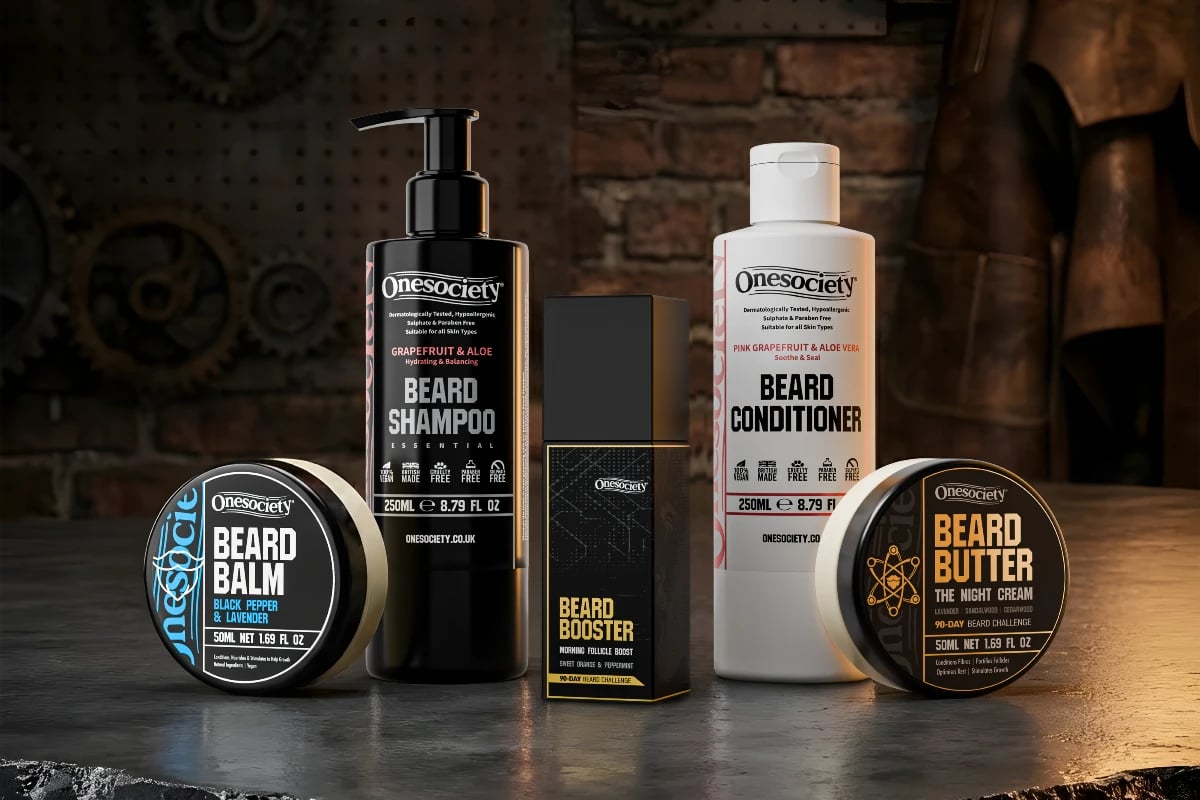
The transformation from inconsistent styling results to reliable, repeatable outcomes requires systematic product selection. For individuals committed to elevating their entire facial hair game, comprehensive solutions deliver superior results. The 90-Day Beard Challenge provides a complete system engineered around natural ingredients and scientific formulation principles. This kit includes eight complementary products - from follicle-stimulating boosters to hydro-lock balms - that work synergistically to optimise facial hair health and styling capacity.
Integration Strategy
Morning routines should incorporate these sequential steps:
- Cleanse with pH-balanced wash to remove overnight oil accumulation
- Apply conditioning product whilst hair remains slightly damp
- Allow 5-10 minutes for absorption before styling
- Use mustache wax as final styling step
This sequence ensures wax adheres to properly prepared hair rather than competing with excess oils or product residue. Evening routines focus on removal and recovery, allowing follicles to complete their natural regeneration cycles overnight.
Seasonal Adjustments and Storage
Wax formulations respond dramatically to temperature variations. Products performing excellently in winter may fail completely during summer months, necessitating seasonal rotation strategies.
Winter considerations (below 10°C):
- Select medium to light hold formulas
- Cold air creates natural rigidity, reducing wax requirements
- Focus on moisture retention rather than hold strength
- Store products in temperature-stable locations to prevent excessive hardening
Summer modifications (above 25°C):
- Upgrade to strong or extra-strong formulations
- Reduce carrier oil percentages to prevent softening
- Consider waxes with higher melting points (carnauba-heavy blends)
- Store in cool areas to maintain consistency
Proper storage extends product lifespan and maintains performance characteristics. Airtight containers prevent oxidation of natural oils, whilst cool storage (15-20°C) preserves ideal consistency. Avoid bathroom storage where temperature and humidity fluctuate dramatically.
Troubleshooting Common Issues
Even with quality products, application challenges occur. Understanding the biochemical causes behind common problems enables effective solutions.
Flaking and white residue: Indicates excessive product quantity or incomplete warming during application. The wax hasn't achieved proper molecular distribution, creating visible clumps. Solution: Reduce quantity by 30-40% and extend warming phase to 25-30 seconds.
Rapid hold loss: Suggests incompatibility between wax formulation and environmental conditions. High humidity or temperature exceeds product's designed performance range. Solution: Upgrade to higher wax concentration or switch to formulas with moisture-resistant compounds.
Skin irritation: Points to ingredient sensitivity, often from synthetic fragrances or petroleum derivatives. Solution: Transition to products with 100% natural ingredient profiles and patch-test before full application.
Visual demonstrations of various styling techniques help identify whether application method or product selection causes styling difficulties. Often, the issue stems from technique rather than product inadequacy.
Price Versus Performance Analysis
Premium pricing doesn't guarantee superior performance. The best mustache wax delivers measurable results justified by ingredient quality and formulation sophistication rather than brand positioning.
Value assessment criteria:
- Cost per application (product quantity divided by typical usage amount)
- Ingredient sourcing transparency (specific origins versus generic listings)
- Hold duration under standardised conditions
- Skin compatibility based on natural ingredient percentages
Products priced at £15-25 per 30ml container typically reflect genuine quality investments. Below £10, formulations often incorporate synthetic fillers to reduce costs. Above £30, you frequently pay for packaging and marketing rather than substantive ingredient improvements.
Calculate cost-per-use rather than absolute price. A £20 tin lasting four months costs £5 monthly, whilst a £8 product requiring replacement every three weeks totals £11.50 monthly. The premium option delivers better economic value alongside superior performance.
The Natural Ingredients Advantage
Synthetic compounds create immediate results but compromise long-term facial hair health. Natural formulations work with your body's biochemistry rather than against it, delivering sustainable styling capacity whilst improving hair quality over time.
Beeswax naturally contains vitamin A, supporting cellular turnover in follicles and surrounding skin. The fatty acid profile in shea butter mirrors sebum composition, preventing the moisture disruption that occurs with petroleum-based alternatives. These compounds don't simply coat hair externally; they integrate with existing biological processes.
Scientific research validates natural ingredient superiority. Studies examining hair shaft integrity after prolonged wax use demonstrate that natural formulations maintain cuticle structure, whilst synthetic alternatives create cumulative damage through hydrophobic barrier formation that prevents essential moisture exchange.
When evaluating options, prioritise products from manufacturers committed to transparent ingredient sourcing. Companies specialising in natural grooming products invest in formulation science rather than relying on synthetic shortcuts. Onesociety's approach to natural ingredient selection exemplifies this philosophy, applying research-backed principles to product development.
Selecting the best mustache wax requires examining ingredient science, understanding your hair's specific characteristics, and matching formulation to environmental conditions and styling ambitions. The difference between products that deliver genuine results versus marketing promises lies in natural ingredient quality and biochemical compatibility. Onesociety applies these same scientific principles across their complete range of beard and facial hair products, offering natural formulations engineered for measurable performance. Explore their collection to discover how proper ingredient selection transforms your grooming routine from frustrating to effortless.