

Your facial hair demands different care than the hair on your head. The skin beneath your beard produces sebum through sebaceous glands at different rates, whilst the hair itself grows in multiple directions with varying thickness. Using regular shampoo strips away natural oils your beard requires, leaving facial hair brittle and prone to breakage. This creates an uncomfortable cycle: dry skin flakes, coarse texture, and persistent itching that makes you question whether maintaining facial hair is worth the effort.
The Problem: Why Your Beard Feels Like Wire Wool
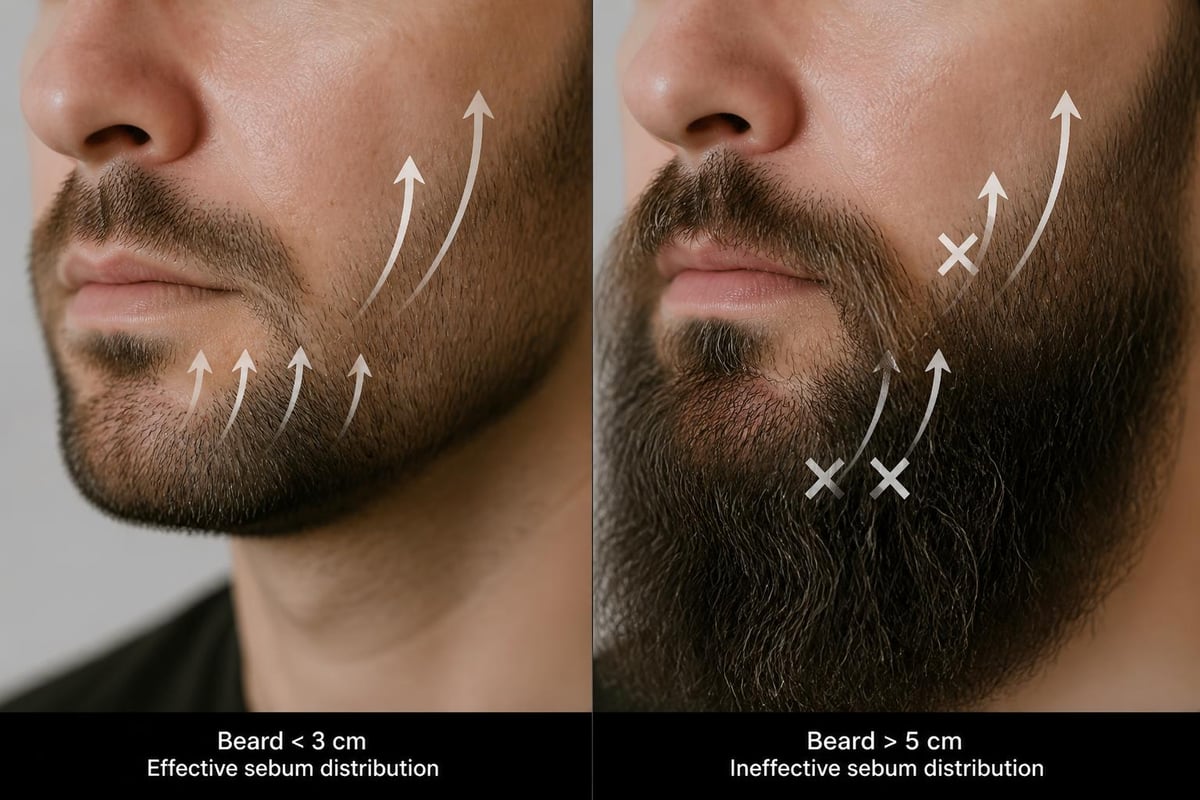
Facial hair follicles produce sebum, but not in quantities sufficient to coat longer beard hair. As your beard extends beyond 2-3 centimetres, the natural oils struggle to travel down the hair shaft. The cuticle layer, composed of overlapping keratin scales, becomes exposed and roughened when stripped of protective lipids.
The Sebum Distribution Challenge
Your scalp contains approximately 150,000 hair follicles, whilst your beard area contains roughly 30,000. However, facial skin produces 50% more sebum per square centimetre than scalp skin. This sounds beneficial until you understand the distribution problem.
Why sebum fails your beard:
- Hair shaft diameter varies by 20-40% across different facial zones
- Gravity works against upward distribution (moustache, cheek areas)
- Coarse texture creates gaps in the cuticle layer
- Environmental pollutants bind to excess sebum, creating buildup
Most men compound this issue by using products never formulated for facial hair. Standard shampoos contain sulphates (sodium lauryl sulphate, sodium laureth sulphate) designed to remove scalp sebum production levels. Beard-specific formulations address these unique requirements, using gentler surfactants that preserve essential moisture.
The Agitation: What Happens When You Ignore Beard-Specific Care
Continuing with conventional haircare products triggers a cascade of dermatological problems. The pH of facial skin ranges from 4.5 to 5.5, whilst scalp pH sits at 5.5 to 6.5. Standard shampoos formulated for scalp pH disrupt the acid mantle protecting facial skin.
The Inflammation Cascade
When you strip away protective sebum, the skin beneath your beard compensates by increasing oil production. This triggers inflammatory responses as the skin attempts to restore homeostasis.
| Symptom | Biological Cause | Timeline |
|---|---|---|
| Itching | Disrupted acid mantle | 2-4 hours post-wash |
| Flaking | Compromised stratum corneum | 12-24 hours |
| Redness | Inflammatory cytokine release | 24-48 hours |
| Folliculitis | Bacterial colonisation | 3-7 days |
The keratin structure of beard hair differs from scalp hair. Facial hair contains a higher concentration of disulphide bonds, making it inherently coarser. Without proper conditioning, these bonds create friction between individual hairs, leading to tangles and split ends.
The Bacterial Imbalance Factor
Your skin microbiome maintains a delicate balance of beneficial bacteria (primarily Staphylococcus epidermidis). Harsh cleansers eliminate these protective colonies, allowing opportunistic pathogens to colonise follicle openings. This explains why beard dandruff (seborrhoeic dermatitis) affects 40% of bearded men who use inappropriate cleansing products.
Understanding the distinction between cleansing and conditioning becomes critical when you recognise these biological processes.
The Solution: How Beard Wash Conditioner Systems Function
A proper beard wash conditioner routine operates on two distinct mechanisms: cleansing without stripping, then conditioning to restore moisture and protect the cuticle layer.
Beard Wash: The Science of Gentle Cleansing
Effective beard wash formulations replace harsh sulphates with gentle surfactants. These molecules contain a hydrophilic (water-loving) head and lipophilic (oil-loving) tail. When massaged into wet facial hair, they encapsulate dirt and excess sebum without disrupting the skin's protective barrier.
Key surfactant alternatives:
- Cocamidopropyl betaine (derived from coconut oil, amphoteric molecule)
- Decyl glucoside (glucose-based, non-ionic surfactant)
- Sodium cocoyl isethionate (mild anionic, pH 5.5-6.5)
These compounds clean through micellar action. Micelles form spherical structures that trap lipophilic debris in their core whilst presenting a hydrophilic exterior, allowing water to rinse everything away. This preserves the 15-20% moisture content healthy facial hair requires.
The pH balance matters significantly. Beard shampoos formulated at pH 5.0-5.5 close the hair cuticle after cleansing, creating a smooth surface that reflects light and resists tangling.
Beard Conditioner: Molecular Repair and Protection
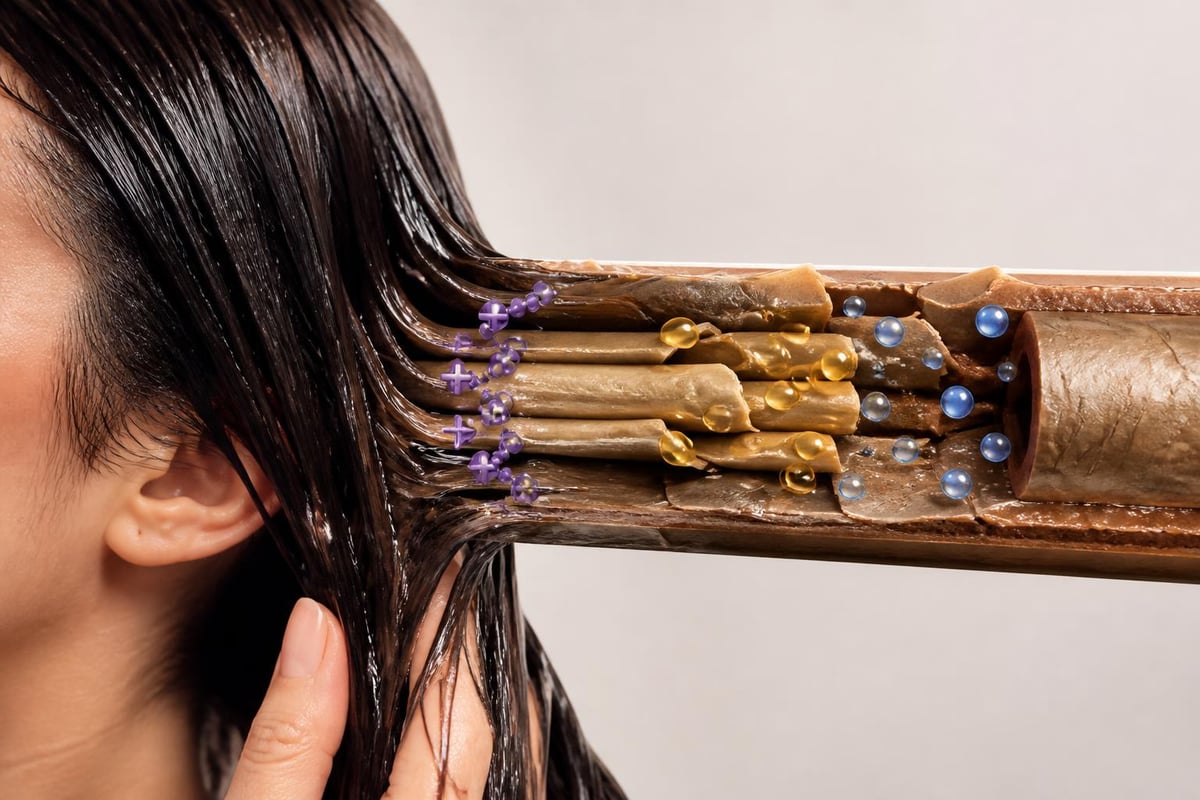
Whilst wash removes, conditioner rebuilds. The conditioning process relies on three categories of active ingredients, each serving distinct biological functions.
Humectants: Water Retention Agents
Glycerin, propylene glycol, and hyaluronic acid possess hydroxyl groups that form hydrogen bonds with water molecules. Applied to beard hair, they create a moisture reservoir within the cortex layer.
Glycerin operates through osmotic pressure, drawing moisture from the dermis (when environmental humidity exceeds 70%) or from the air (in humid conditions). In dry environments, you need occlusive ingredients to prevent trans-epidermal water loss.
Emollients: Cuticle Smoothing Compounds
Plant-derived oils and butters fill microscopic gaps between cuticle scales. This smooths the hair surface, reducing friction and preventing moisture escape.
Scientifically validated emollients:
- Jojoba oil: Contains wax esters chemically similar to sebum, penetrates hair shaft
- Argan oil: Rich in tocopherols (vitamin E) that neutralise free radicals
- Shea butter: Fatty acid profile (oleic 40-55%, stearic 35-45%) creates protective film
These lipids don't just coat the surface. Molecules smaller than 500 Daltons penetrate the cuticle layer, integrating into the hair's internal structure. This explains why quality beard conditioners improve hair elasticity by up to 30% after four weeks of consistent use.
Proteins: Structural Reinforcement
Hydrolysed proteins (broken into smaller peptide chains) adhere to damaged areas of the hair shaft. Keratin, silk, and wheat proteins possess positive charges (cationic) that attract to the negatively charged (anionic) damaged sections of hair.
These proteins temporarily fill voids in the cuticle and cortex layers, increasing hair diameter by 10-15%. This creates the appearance of fuller, healthier facial hair whilst providing genuine structural support.
Application Protocol: Maximising Ingredient Efficacy
Understanding the science means nothing without proper application. The sequence, duration, and technique directly impact ingredient absorption and effectiveness.
The Washing Phase
- Pre-wet thoroughly (60 seconds minimum): Hot water (38-40°C) opens cuticle scales, allowing surfactants to penetrate
- Apply beard wash to palms first: Emulsify with small amounts of water to activate micelle formation
- Massage into beard using circular motions (45-60 seconds): Mechanical action dislodges debris whilst stimulating blood flow to follicles
- Rinse with progressively cooler water (30 seconds): Temperature reduction closes cuticle scales
The water temperature shift matters significantly. A 2021 study in the International Journal of Trichology found that finishing rinses at 20-25°C improved cuticle alignment by 40% compared to hot-water-only washing.
The Conditioning Phase
Timing determines absorption:
- Apply conditioner to towel-dried beard (not dripping wet)
- Work through beard using downward strokes (follows cuticle direction)
- Leave in product for 2-3 minutes minimum (allows humectant penetration)
- Detangle using wide-toothed comb whilst conditioner provides slip
- Rinse 60-70% of product (leaving residual moisture-retaining film)
The Beard Club's application research demonstrates that leaving trace amounts of conditioner provides 8-hour moisture retention versus complete rinsing.
Frequency Guidelines: Balancing Cleanliness and Natural Oil Preservation
Over-washing strips protective sebum faster than sebaceous glands replenish it. Under-washing allows accumulation of dead skin cells, environmental pollutants, and oxidised sebum that clogs follicles.
Length-Based Washing Schedule
| Beard Length | Wash Frequency | Conditioning Frequency | Scientific Rationale |
|---|---|---|---|
| <3cm | 4-5 times weekly | After every wash | Sebum reaches tips, requires regular removal |
| 3-8cm | 3-4 times weekly | Daily (leave-in) | Transition phase, needs moisture boost |
| >8cm | 2-3 times weekly | Daily | Limited natural oil distribution |
Your environment influences this schedule. Urban pollution increases particulate matter that binds to sebum. If you live in cities with air quality index readings above 100, increase washing frequency by one session weekly.
Ingredient Synergies: What Works Together
Not all beard wash conditioner combinations function optimally. Understanding ingredient interactions prevents product incompatibility.
Cationic conditioners (quaternium compounds, behentrimonium chloride) bond effectively to anionic surfactant residues from washing. This creates a conditioning layer that persists through multiple rinses.
Avoid silicone-heavy conditioners (dimethicone, cyclomethicone) if using sulfate-free washes. Gentle surfactants lack the cleansing power to remove silicone buildup, leading to product accumulation that suffocates follicles.
Advanced Formulation Analysis: Reading Ingredient Lists Scientifically
The ingredient order matters. Regulations require listing by descending concentration. If water appears first (typical), the second and third ingredients determine the product's primary function.
Red Flag Ingredients
Drying alcohols (SD alcohol 40, alcohol denat, isopropyl alcohol): These volatile alcohols evaporate rapidly, carrying moisture away from hair and skin. Acceptable only in concentrations below 5% (typically appearing after the 10th ingredient).
Synthetic fragrances (parfum, fragrance): These compounds contain phthalates that disrupt endocrine function. Forbes recommends fragrance-free formulations for sensitive skin, but even resilient skin benefits from avoiding these hormone disruptors.
Mineral oil derivatives (petrolatum, paraffinum liquidum): These petroleum-based occlusives coat hair without penetrating, blocking nutrient absorption whilst providing only superficial moisture.
Beneficial Active Compounds
Look for these scientifically validated ingredients in the first seven listed components:
- Panthenol (Pro-Vitamin B5): Penetrates hair shaft, increases moisture retention by 10-15%
- Aloe vera juice: Contains polysaccharides that form protective film whilst delivering vitamins
- Hydrolyzed proteins: Peptides under 1000 Daltons that integrate into damaged keratin structure
- Plant-based ceramides: Lipid molecules that cement cuticle scales, preventing moisture loss
The 90-Day Transformation Protocol
Consistency determines results. Your hair growth cycle operates on a 90-day timeline. Anagen (growth phase) lasts 2-6 years for scalp hair but only 2-4 months for facial hair. This means your beard completely renews itself every quarter.
Implementing a proper beard wash conditioner routine during one complete growth cycle allows you to assess genuine efficacy. The first 30 days address surface damage. Days 30-60 see new growth emerging healthier from properly nourished follicles. Days 60-90 reveal the full transformation as damaged hair cycles out.
What to track:
- Weekly photographs (same lighting, same angle)
- Tactile texture assessment (compare dry vs. conditioned feel)
- Flaking incidents (count visible flakes during brushing)
- Growth rate measurements (millimetres per week at three facial points)
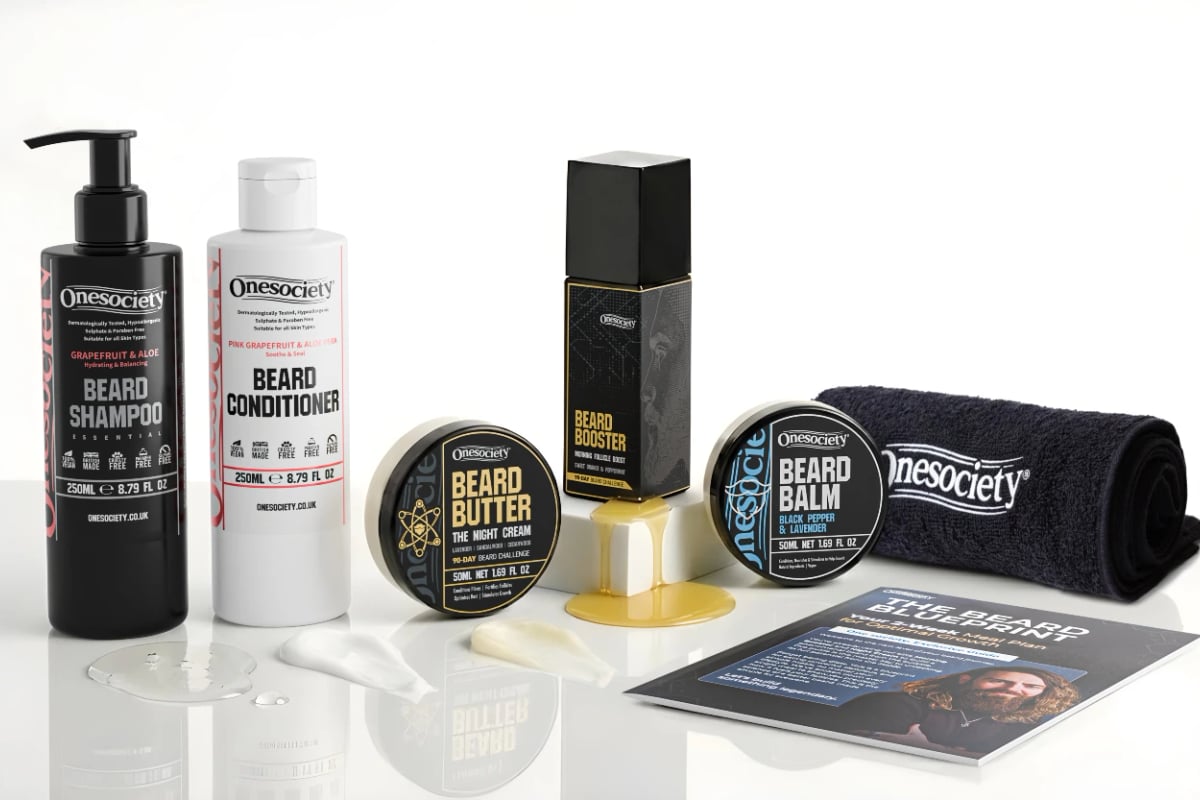
The 90-Day Beard Challenge provides a complete system engineered for this exact timeline, combining pH-balanced cleansers with scientifically formulated conditioning treatments.
Common Application Mistakes That Sabotage Results
Even premium formulations fail when applied incorrectly. These errors reduce efficacy by 40-70%.
Mistake One: Insufficient Rinse Time
Surfactant micelles require 20-30 seconds of running water to fully detach from hair and rinse away. Quick rinses leave residue that attracts dirt and oxidises, creating the opposite of your intended cleansing effect.
Mistake Two: Applying Conditioner to Soaking Wet Beards
Excess water dilutes conditioning ingredients below effective concentrations. The hair shaft can only absorb limited moisture. If saturated with plain water, it cannot accept humectants and emollients.
Optimal moisture level: Towel-dried until no longer dripping, retaining approximately 40% water content.
Mistake Three: Conditioning Daily But Washing Weekly
This reverses the proper ratio. Al's Beard Care research indicates that conditioning frequency should meet or exceed washing frequency. Washing removes protective layers; conditioning rebuilds them. You cannot condition enough to compensate for infrequent washing's accumulated buildup.
Environmental Factors: Adjusting Your Routine Seasonally
Your beard wash conditioner requirements shift with temperature and humidity changes. Sebaceous gland activity increases 10% for every 10°C temperature rise.
Winter Adjustments (Below 10°C, <40% Humidity)
Cold air and indoor heating create the driest conditions for facial hair. Reduce washing frequency by one session weekly. Increase leave-in conditioning treatments to twice daily.
Focus on occlusive ingredients: shea butter, cocoa butter, beeswax. These create protective barriers preventing moisture evaporation in harsh conditions.
Summer Modifications (Above 25°C, >60% Humidity)
Increased sweating requires more frequent cleansing to prevent bacterial overgrowth. However, high humidity means humectants work optimally.
Shift toward lighter conditioning formulations containing aloe vera and glycerin. These provide hydration without heavy oils that feel uncomfortable in heat.
Product Selection Criteria: What Separates Premium From Poor Quality
Price doesn't directly correlate with efficacy. A £40 beard wash conditioner set might contain 80% water and fragrance, whilst a £15 option delivers concentrated active ingredients.
Concentration Indicators
Botanical extracts: Should appear in the first five ingredients. If listed after preservatives (phenoxyethanol, sodium benzoate), concentration falls below 1%, providing negligible benefit.
Carrier oil ratios: Quality conditioners contain 15-30% carrier oils (jojoba, argan, sweet almond). Calculate by checking if oils appear before the seventh ingredient and before any gelling agents (xanthan gum, carbomer).
Preservative types: Natural preservatives (radish root ferment, leuconostoc ferment) indicate commitment to clean formulation but have 6-month shelf lives. Synthetic preservatives (phenoxyethanol at <1%) extend stability to 24 months without toxicity concerns.
Combining Beard Wash Conditioner With Other Grooming Products
Your complete routine requires strategic layering. Products applied in incorrect sequence cancel each other's benefits.
The Optimal Product Sequence
- Beard wash (removes debris, opens cuticles)
- Beard conditioner (delivers moisture, smooths cuticles)
- Towel dry (removes excess water, preps for oils)
- Beard oil (seals moisture, adds sheen, nourishes skin)
- Beard balm (styling hold, additional protection)
Wait 2-3 minutes between steps three and four. Applying oil to wet hair dilutes its concentration and prevents proper skin absorption.
Ingredient Compatibility Matrix
Some combinations enhance efficacy; others create problems.
Synergistic pairs:
- Hyaluronic acid (conditioner) + jojoba oil: HA attracts moisture, jojoba seals it
- Biotin (wash) + keratin protein (conditioner): Biotin supports follicle health, keratin reinforces shaft
- Tea tree oil (wash) + argan oil (conditioner): Antimicrobial cleansing followed by antioxidant protection
Problematic combinations:
- Silicones (conditioner) + sulfate-free wash: Buildup occurs
- High-alcohol toners + frequent washing: Over-drying cascade
- Minoxidil + heavy conditioning: Conditioner film blocks minoxidil absorption
The Natural Ingredient Advantage: Why Plant-Based Formulations Outperform Synthetic
Synthetic conditioning agents (amodimethicone, dimethicone copolyol) provide immediate smoothness through surface coating. Plant-based alternatives (broccoli seed oil, meadowfoam seed oil) penetrate the hair shaft, delivering long-term structural improvements.
Fatty Acid Profiles Matter
The specific fatty acids in plant oils determine their function. Oils rich in oleic acid (omega-9) penetrate hair cortex. Those high in linoleic acid (omega-6) remain on surface, providing protective film.
Penetrating oils (>55% oleic acid):
- Olive oil: 55-83% oleic acid
- Avocado oil: 52-66% oleic acid
- Macadamia oil: 55-62% oleic acid
Protective oils (>50% linoleic acid):
- Grapeseed oil: 58-78% linoleic acid
- Sunflower oil: 48-74% linoleic acid
- Hemp seed oil: 50-70% linoleic acid
Effective beard wash conditioner formulations combine both categories, addressing internal moisture needs and external protection simultaneously.
Measuring Success: Quantifiable Improvement Metrics
Subjective assessment ("my beard feels softer") lacks precision. Track objective measurements to verify your beard wash conditioner routine delivers results.
Texture Assessment Protocol
Purchase a hair elasticity tester (£15-25 on Amazon). Healthy beard hair stretches 20-30% before breaking. Damaged, dry hair breaks at 5-10% extension. Test monthly, same location, same humidity conditions.
Growth Rate Documentation
Identify three measurement points: chin centre, left cheek, right cheek. Measure weekly using digital calipers (accurate to 0.01mm). Average growth rates:
- Inadequate care: 0.8-1.0mm weekly
- Proper wash/condition routine: 1.2-1.5mm weekly
- Optimised nutrition + proper care: 1.5-1.8mm weekly
Skin Health Indicators
Photograph the skin beneath your beard using consistent lighting. Track:
- Redness intensity (scale 1-10)
- Visible flaking (count flakes in 5cm² area)
- Follicle inflammation (count raised bumps)
Effective beard wash conditioner routines reduce these metrics by 60-80% within 30 days.
Implementing a scientifically grounded beard wash conditioner routine transforms facial hair from coarse and unmanageable to soft and healthy through targeted molecular mechanisms. The difference between mediocre and exceptional results lies in understanding how specific ingredients interact with your unique hair structure and skin chemistry. Onesociety formulates every product using 100% natural ingredients validated by scientific research, ensuring your beard receives precisely what it needs without synthetic fillers or harsh chemicals that compromise long-term health. Whether you choose their complete 90-day transformation system or individual products tailored to your specific requirements, you're investing in beard care backed by both traditional wisdom and modern dermatological science.