

Every man who cultivates facial hair faces the same frustrating challenge: finding the right tool to maintain both beard and mustache with precision. You've likely experienced the disappointment of uneven trims, missed hairs, or tools that promise versatility but deliver mediocrity. The search for a reliable beard mustache trimmer becomes even more complex when you're committed to maintaining healthy facial hair through natural grooming practices that complement your trimming routine.
Understanding What Makes a Quality Beard Mustache Trimmer
The market floods you with options, yet most men struggle to identify which features actually matter. A beard mustache trimmer serves a dual purpose: managing the longer, denser hairs of your beard whilst delivering the precision required for mustache definition. This dual functionality demands specific engineering characteristics that generic trimmers simply cannot provide.
Key performance indicators include:
- Blade width and tooth spacing that accommodate both fine mustache hairs and coarse beard growth
- Motor torque sufficient to maintain consistent cutting speed through dense patches
- Guard attachments spanning 0.5mm to 25mm for complete versatility
- Battery life exceeding 60 minutes of continuous operation
The biological reality of facial hair creates unique challenges. According to research on facial hair microbiome differences, bearded skin harbours distinct bacterial populations that require different hygiene approaches. Your trimmer becomes a critical tool in maintaining not just appearance but also skin health beneath the hair.
Blade Technology and Material Science
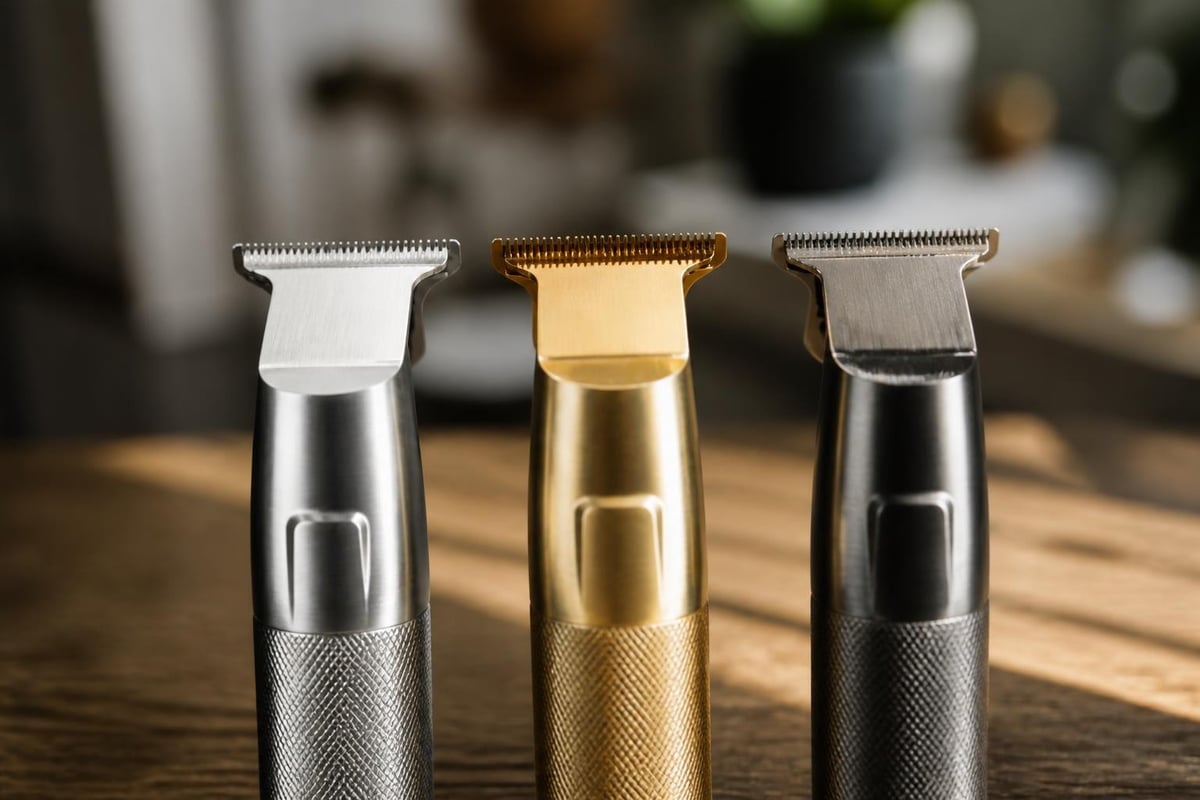
Stainless steel blades resist corrosion from natural oils and cleaning solutions, whilst titanium-coated variants offer enhanced durability. Self-sharpening blade systems maintain cutting efficiency over thousands of uses, eliminating the performance degradation that plagues cheaper alternatives.
Carbon steel blades deliver the sharpest initial edge but require rigorous maintenance protocols to prevent rust formation. The metal composition directly affects how the blade interacts with keratin protein structures in hair shafts. Sharper angles (typically 30-35 degrees) slice through coarse beard hair with minimal pulling, reducing irritation and ingrown hairs.
Power Sources and Their Practical Implications
Your choice between corded, cordless, or hybrid power systems affects daily usability more than marketing materials suggest. Lithium-ion battery technology dominates modern cordless models, offering 300-500 charge cycles before capacity degradation becomes noticeable. Understanding battery safety standards helps you evaluate quality indicators beyond brand recognition.
| Power Type | Runtime | Weight | Maintenance | Best For |
|---|---|---|---|---|
| Corded | Unlimited | 180-220g | Minimal | Home use, thick beards |
| Li-ion Battery | 45-90 min | 140-180g | Monthly charging | Travel, flexibility |
| Hybrid | Unlimited/60 min | 200-240g | Battery monitoring | Professional results |
Cordless convenience carries hidden costs. Battery degradation occurs even when stored unused, following predictable chemical pathways. Proper charging habits extend lifespan significantly: avoid complete discharge cycles, maintain 20-80% charge range, and store at room temperature. These practices align with manufacturer guidelines and international safety standards for electrical grooming appliances.
Travel Considerations and Portability
If you frequently travel, FAA battery regulations restrict how you transport lithium-powered devices. Trimmers must travel in carry-on luggage with batteries installed or terminals protected. This reality makes compact, TSA-compliant designs essential for maintaining your grooming routine on the move.
Length Settings and Adjustability Systems
Precision beard and mustache styling demands granular length control. Fixed comb attachments offer reliability but require swapping between multiple guards. Adjustable dial systems provide convenience yet introduce mechanical failure points that develop play over time.
Optimal length ranges by style:
- Stubble maintenance: 0.5mm - 3mm
- Short, defined beards: 3mm - 10mm
- Medium beards with shaped mustaches: 10mm - 18mm
- Long beards requiring bulk removal: 18mm - 25mm
The science behind cutting length relates directly to hair growth cycles. Human facial hair grows approximately 0.4mm daily, varying by individual testosterone levels and genetic factors. Setting your beard mustache trimmer to maintain your desired length requires accounting for this growth rate between grooming sessions.
Fade and Taper Capabilities
Professional-looking results demand graduated length transitions. Achieving clean fades from cheek line to jaw requires 0.5mm incremental adjustments. Consumer-grade trimmers typically offer 3mm jumps between settings, limiting your ability to create smooth gradients without manual blending techniques.
Advanced models incorporate fine-tuning adjusters that overlay the primary length system, enabling 0.2mm micro-adjustments. This precision transforms amateur trims into salon-quality results, particularly for mustache detailing where millimetre precision determines the difference between refined and unkempt.
Hygiene Protocols and Maintenance Requirements
Your beard mustache trimmer contacts skin and hair daily, creating an environment where bacteria, dead skin cells, and sebum accumulate rapidly. Research into barbershop-acquired infections demonstrates how shared grooming tools transmit pathogens when improperly sanitised. Personal devices require equally rigorous cleaning despite single-user status.
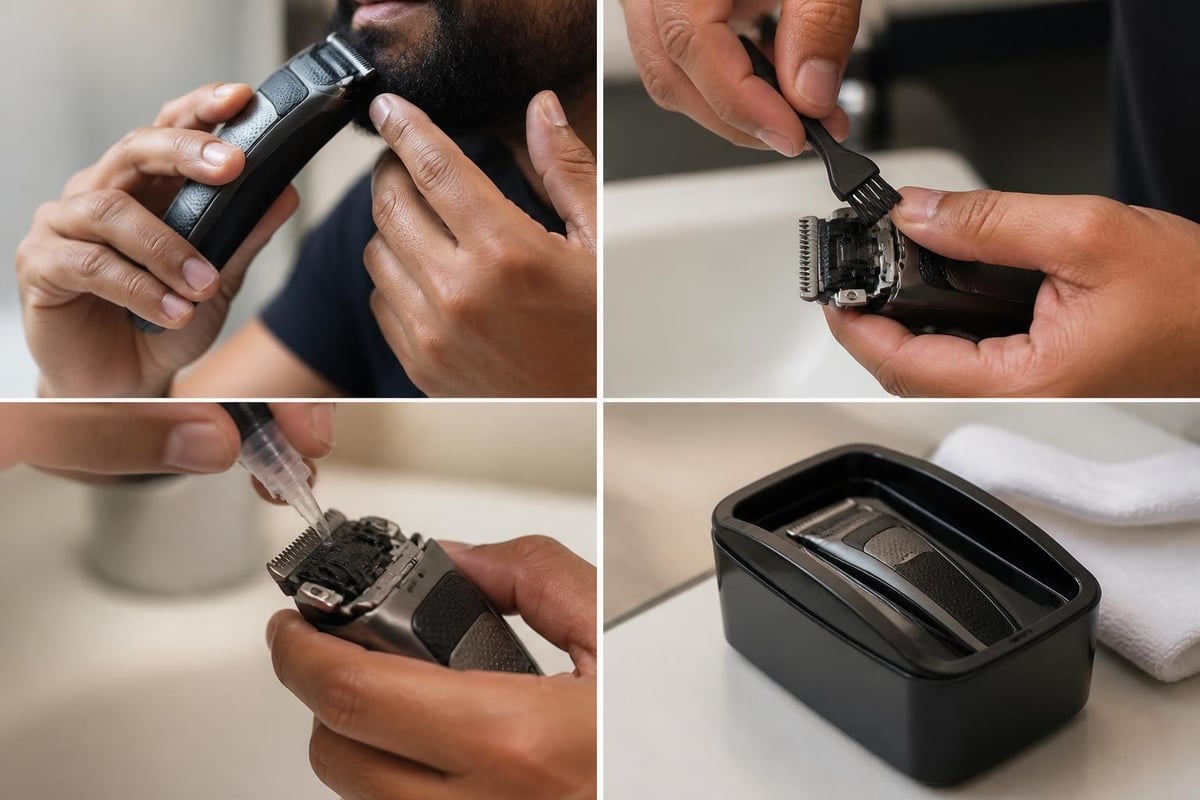
Post-use cleaning protocol:
- Remove guard attachments and tap firmly to dislodge trapped hairs
- Brush blade assembly with included cleaning tool, moving against cutting direction
- Rinse waterproof models under warm running water for 30 seconds
- Apply clipper oil to blade contact points (two drops suffice)
- Activate trimmer for 10 seconds to distribute lubricant
- Wipe external surfaces with 70% isopropyl alcohol solution
The American Academy of Dermatology provides essential guidance on maintaining healthy beards, emphasising how proper tool maintenance prevents skin irritation and folliculitis beneath facial hair. Clean blades reduce bacterial transfer that triggers inflammatory responses in hair follicles.
Ergonomic Design and User Experience
Grip security during use prevents the slips that create patchy results or skin nicks. Rubberised housing sections increase friction against your palm, whilst balanced weight distribution reduces hand fatigue during extended grooming sessions. The beard mustache trimmer you can control precisely delivers better outcomes than a powerful model you struggle to manoeuvre.
Handle diameter affects control differently for various hand sizes. Measurements between 28mm-32mm accommodate most users, though men with larger hands benefit from 35mm+ barrels. Texture patterns beyond simple rubber coating include:
- Diamond knurling for maximum grip security
- Contoured finger rests aligning with natural hand position
- Thumb indentations on upper housing for precision work
- Anti-slip coatings that maintain grip when wet
Button placement determines whether you can adjust settings mid-trim without repositioning your grip. Intuitive controls sit under your thumb or index finger, enabling smooth transitions between lengths as you work across different facial zones.
Noise and Vibration Factors
High-frequency motor vibration transmits through your hand, causing discomfort during longer sessions. Quality engineering includes vibration dampening systems that isolate motor movement from the housing. Decibel ratings below 65dB allow comfortable use without disturbing others, particularly important for early-morning grooming routines.
Selecting Features That Match Your Beard Type
Coarse, wiry facial hair demands higher motor torque than fine, soft growth. Understanding your specific hair characteristics prevents purchasing a beard mustache trimmer that underperforms for your biology. Testosterone levels, genetic background, and age all influence hair texture and density.
Hair type compatibility matrix:
| Hair Characteristic | Required Motor Speed | Ideal Blade Gap | Maintenance Frequency |
|---|---|---|---|
| Fine, sparse | 5,500-6,500 RPM | 0.8-1.0mm | Weekly |
| Medium density | 6,500-7,500 RPM | 1.0-1.2mm | Bi-weekly |
| Coarse, dense | 7,500-9,000 RPM | 1.2-1.5mm | After each use |
| Curly, prone to ingrowth | 6,000-7,000 RPM | 0.8-1.0mm | After each use |
Curly facial hair creates unique trimming challenges. The natural curl pattern causes hairs to grow back into skin, producing painful ingrown hairs and pseudofolliculitis barbae. Your trimmer selection should prioritise adjustable tension settings that prevent pulling whilst maintaining clean cuts through curved hair shafts.
Integrating Trimming with Comprehensive Beard Care
Mechanical trimming removes bulk and shapes your facial hair, yet true beard health requires nutritional support at the follicle level. The most precisely trimmed beard still appears unkempt when the underlying hair lacks proper conditioning and moisture balance. This reality demands integrating your beard mustache trimmer routine with scientifically formulated grooming products.
Natural ingredients deliver specific biological benefits that synthetic alternatives cannot replicate. Jojoba oil's molecular structure closely mimics sebum, allowing it to penetrate the hair shaft and regulate moisture without leaving greasy residue. Argan oil's vitamin E content neutralises free radicals that damage keratin bonds, strengthening hair integrity from within.
Whether you're cultivating a full beard or maintaining a precisely shaped mustache, personal care approaches for men should address both external grooming and internal hair health. Your trimmer shapes what grows; quality conditioning products determine the quality of that growth.
The 90-Day Beard Challenge combines eight scientifically formulated products designed to optimise every stage of facial hair development. From the Beard Booster that increases blood flow to follicles, stimulating growth at the cellular level, to the Hydro-Lock Balm that creates a protective barrier against environmental damage, this comprehensive system addresses the biological requirements for exceptional beard quality. Pair this nutritional foundation with skilled trimmer use, and you accelerate your journey toward a truly distinguished beard.

Common Trimmer Mistakes That Sabotage Results
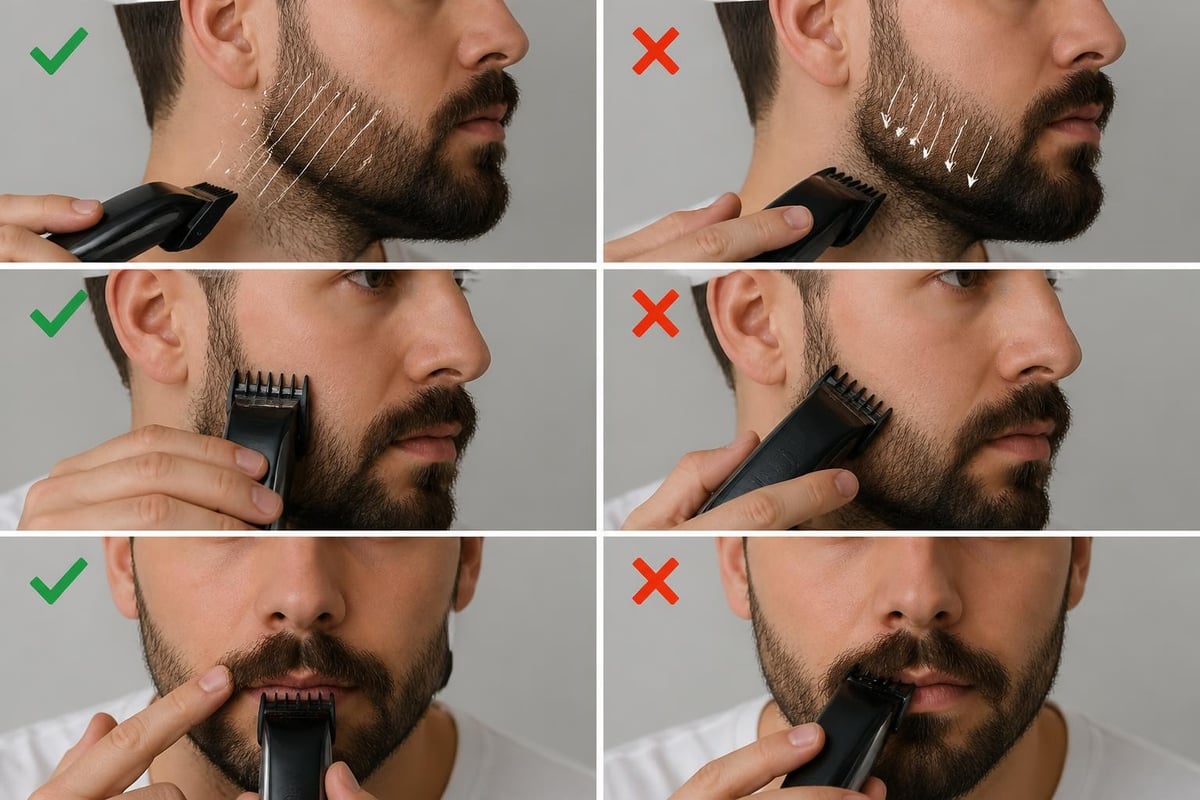
Even quality tools produce disappointing outcomes when used incorrectly. Trimming wet hair ranks among the most frequent errors. Water temporarily stretches hair shafts, creating length distortion that leads to removing more than intended. Always trim completely dry facial hair for accurate length assessment.
Critical mistakes to avoid:
- Trimming against natural growth direction on the first pass
- Using dull blades that pull rather than cut cleanly
- Rushing through the process without systematic sectioning
- Neglecting to clean the blade assembly between different facial zones
- Applying excessive pressure that distorts skin surface
Inconsistent lighting creates shadow patterns that hide missed patches. Professional barbers use overhead and side lighting simultaneously to eliminate shadows. Replicate this setup at home with a well-lit bathroom and a handheld mirror for checking difficult angles.
Skin Preparation Before Trimming
Dry, flaky skin beneath your beard creates an uneven surface that interferes with trimmer glide. Exfoliating facial skin twice weekly removes dead cell buildup, allowing blades to maintain consistent contact. This preparation step reduces irritation and prevents the trimmer from catching on rough skin patches.
Performance Testing and Consumer Evaluation
Consumer Reports testing methodology evaluates trimmers across standardised metrics including battery runtime verification, cleaning ease, cutting performance through various hair types, and durability over extended use periods. These independent assessments reveal performance gaps between marketing claims and actual capabilities.
Testing protocols subject each beard mustache trimmer to 100+ hours of simulated use, measuring motor speed degradation, blade sharpness retention, and housing integrity. Results consistently show that mid-range models (£60-£120) often outperform premium options (£150+) in practical durability despite inferior materials in some components.
Value assessment requires calculating cost per use over expected lifespan. A £100 trimmer lasting five years with monthly blade replacements (£8 each) totals £580, whilst a £200 model with self-sharpening blades requiring only annual £15 services costs £275 over the same period. True economy emerges through lifecycle analysis, not purchase price.
Advanced Techniques for Mustache Definition
Mustache styling demands precision that full-beard work doesn't require. The philtrum grooves above your upper lip create natural guidelines for symmetrical shaping. Your beard mustache trimmer should offer zero-gap capability or detachable precision heads for this detailed work.
Professional mustache shaping sequence:
- Comb mustache hairs downward to reveal natural length
- Trim bulk using 3mm guard, working from nose outward
- Define upper boundary along natural lip line
- Remove guard and detail edges with exposed blade
- Check symmetry using nose centre as reference point
- Taper corners to blend with beard or create handlebar definition
The Chevron, Horseshoe, Handlebar, and Pencil styles each require different trimmer approaches. Handlebar mustaches benefit from length preservation at corners whilst removing bulk from centre sections. Pencil styles demand the finest guard settings or freehand blade work for ultra-thin definition.
For those exploring versatility, understanding how all-in-one trimmers compare to specialised beard mustache trimmers helps set realistic expectations. Multi-purpose tools offer convenience but rarely match the precision of dedicated facial hair equipment.
Storage and Longevity Maximisation
Environmental factors accelerate trimmer degradation between uses. Bathroom humidity promotes rust formation on blade assemblies and corrodes electrical contacts. Storing your beard mustache trimmer in a dry location outside the bathroom extends functional lifespan significantly.
Protective cases serve multiple purposes beyond travel convenience. They prevent dust accumulation in motor vents, protect blades from accidental impacts, and maintain organisation of guards and accessories. Hard-shell cases with custom foam inserts offer superior protection compared to soft pouches.
Battery chemistry dictates storage protocols. Lithium-ion cells maintain optimal condition when stored at 40-60% charge in cool environments (15-20°C). Extreme temperatures accelerate chemical degradation inside cells, reducing total charge cycles available over the product's lifetime. This scientific reality means your charging and storage habits directly determine how long your cordless trimmer remains functional.
Warranty Coverage and Repair Considerations
Manufacturer warranties typically cover defects whilst excluding damage from misuse or normal wear. Understanding coverage terms before purchase prevents disappointment when blade replacement falls outside warranty scope. Premium brands often include blade replacement programs or sharpening services that extend usable life beyond standard warranty periods.
Adapting Trimming Frequency to Growth Patterns
Individual hair growth rates vary substantially based on age, genetics, and hormonal factors. Men in their twenties often experience faster facial hair growth than those in their forties, requiring more frequent trimming to maintain defined styles. Tracking your personal growth pattern over two weeks establishes the optimal trimming schedule for your biology.
Seasonal variations affect beard growth rates. Research indicates increased testosterone production during autumn months, accelerating facial hair development. Adjusting your beard mustache trimmer schedule seasonally maintains consistent appearance despite these biological fluctuations.
Frequency guidelines by style:
- Stubble look: Daily to every other day
- Short beards (3-10mm): Every 3-4 days
- Medium beards (10-20mm): Weekly
- Long beards with shaped mustache: Bi-weekly for length, weekly for edges
Some men find value in the structured approach and quality products available through dedicated grooming specialists. Companies like Onesociety pair their trimming expertise with conditioning products that make each trim more effective by improving hair texture and manageability.
Environmental and Sustainability Considerations
Disposable trimmer culture creates significant electronic waste. Quality models designed for decade-long service through replaceable components offer environmental advantages beyond their superior performance. Choosing repairability over replacement aligns personal grooming with broader sustainability values.
Blade sharpening services extend trimmer lifespan whilst reducing waste. Professional sharpening restores cutting performance for £12-£18, versus £40-£60 for replacement blade assemblies. This economical and ecological choice requires planning ahead, as services typically require 5-7 day turnaround.
Rechargeable battery systems eliminate disposable battery waste but eventually require proper recycling. Lithium-ion cells contain recoverable materials including cobalt, nickel, and lithium that should enter recycling streams rather than landfills. Many retailers and local councils operate battery recycling programmes accepting old grooming tools.
Professional Results Through Systematic Practice
Skill development transforms adequate tools into precision instruments. Your first attempts with any beard mustache trimmer produce inferior results compared to your hundredth use. Muscle memory for angle, pressure, and movement patterns develops through repetition, gradually improving outcome quality.
Photographic documentation accelerates improvement. Monthly progress photos reveal subtle changes in technique effectiveness and beard health. Comparing images highlights which approaches deliver your desired aesthetic whilst identifying problem areas requiring attention.
Even experienced groomers benefit from accessories that enhance precision. Styling combs with measurement markings ensure symmetrical length on both face sides. Detailing scissors handle individual errant hairs that trimmers miss. Building a complete toolkit around your beard mustache trimmer enables professional-grade results at home.
When styling extends beyond facial hair, products from specialists like The Pixie Garden offer professional-quality accessories and styling products that complement your overall grooming approach, bringing the same attention to detail you apply to your beard.
Mastering your beard mustache trimmer transforms daily grooming from a chore into a skill that enhances your appearance and confidence. The right tool, combined with proper technique and quality conditioning products, delivers the distinguished look you're cultivating. Onesociety supports your grooming journey with scientifically formulated, natural products that optimise beard health from follicle to tip, ensuring every trim reveals your facial hair at its absolute finest.