

Your beard feels like steel wool. The skin underneath itches constantly. You've tried ignoring it, hoping the discomfort will fade, but every morning brings the same rough, dry texture that makes you question whether growing facial hair is worth the aggravation. This isn't just about aesthetics; it's about the health of your skin and hair follicles struggling beneath that coarse exterior.
The answer lies in understanding what beard moisturizer oil actually does at a cellular level. Unlike generic lotions or face creams, a properly formulated beard moisturizer oil delivers targeted fatty acids and nutrients that penetrate both the hair shaft and the epidermis beneath your whiskers.
Why Your Beard Feels Like Sandpaper
Facial hair differs fundamentally from scalp hair. The sebaceous glands on your face produce sebum, your skin's natural oil, but they can't keep pace with the demands of a growing beard. Each follicle requires consistent lubrication, yet as your beard extends beyond a few millimetres, those glands simply cannot produce enough oil to coat the entire length.
The result? Dehydrated hair shafts that become brittle and coarse.
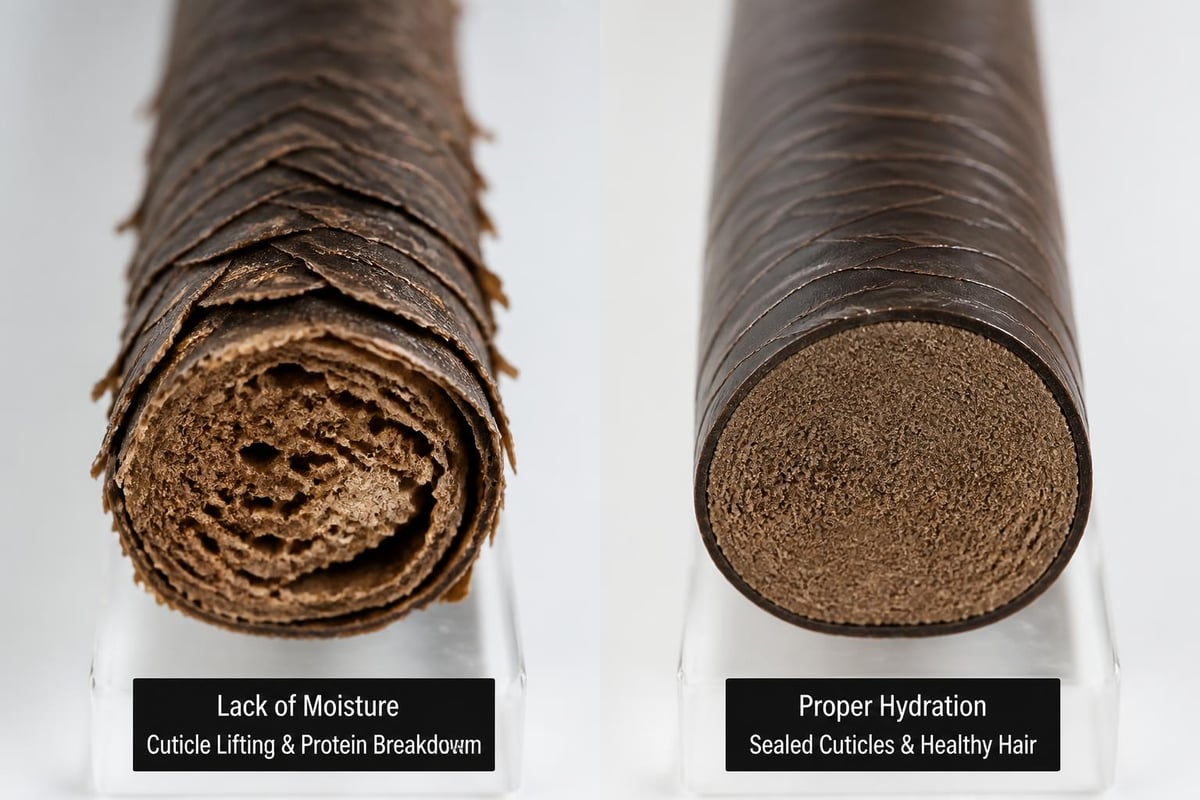
The Dehydration Cascade
When your beard lacks moisture, several biological processes fail:
- Cuticle damage: The outer layer of each hair shaft lifts and cracks
- Protein degradation: Keratin structures within the hair weaken
- Follicle inflammation: Dry skin triggers immune responses that create redness and irritation
- Bacterial overgrowth: Flaking skin provides food for microbes, leading to beard dandruff
This cascade doesn't stop on its own. Without intervention, your beard becomes increasingly unmanageable, and the skin beneath develops chronic inflammation that can lead to folliculitis or even permanent damage to hair-producing cells.
What Beard Moisturizer Oil Actually Does
The primary function of beard moisturizer oil centres on lipid replacement. Your facial hair requires specific fatty acids to maintain structural integrity, and applying beard oil correctly ensures those nutrients reach both the hair shaft and the dermal layer below.
Molecular Penetration Mechanics
Quality beard moisturizer oil contains carrier oils with molecular weights small enough to penetrate the hair cuticle. Jojoba oil, for instance, mimics human sebum so precisely that your skin recognizes it as a natural substance. This triggers absorption rather than surface coating.
When you massage beard moisturizer oil into your whiskers, you're facilitating three distinct processes:
- Cuticle sealing: Fatty acids fill gaps in damaged cuticle layers
- Moisture retention: Oils create a hydrophobic barrier that prevents water loss
- Anti-inflammatory action: Compounds like oleic acid reduce cytokine production in inflamed skin
The skin beneath your beard contains the same stratum corneum as the rest of your face, but it's constantly irritated by hair friction and trapped debris. Research shows that beard oil works by delivering emollients directly to this stressed tissue, reducing transepidermal water loss by up to 40%.
Ingredient Science: What to Look For
Not all beard moisturizer oils deliver equal results. The efficacy depends entirely on the molecular composition of the carrier oils and essential oils used.
| Ingredient | Primary Function | Molecular Benefit |
|---|---|---|
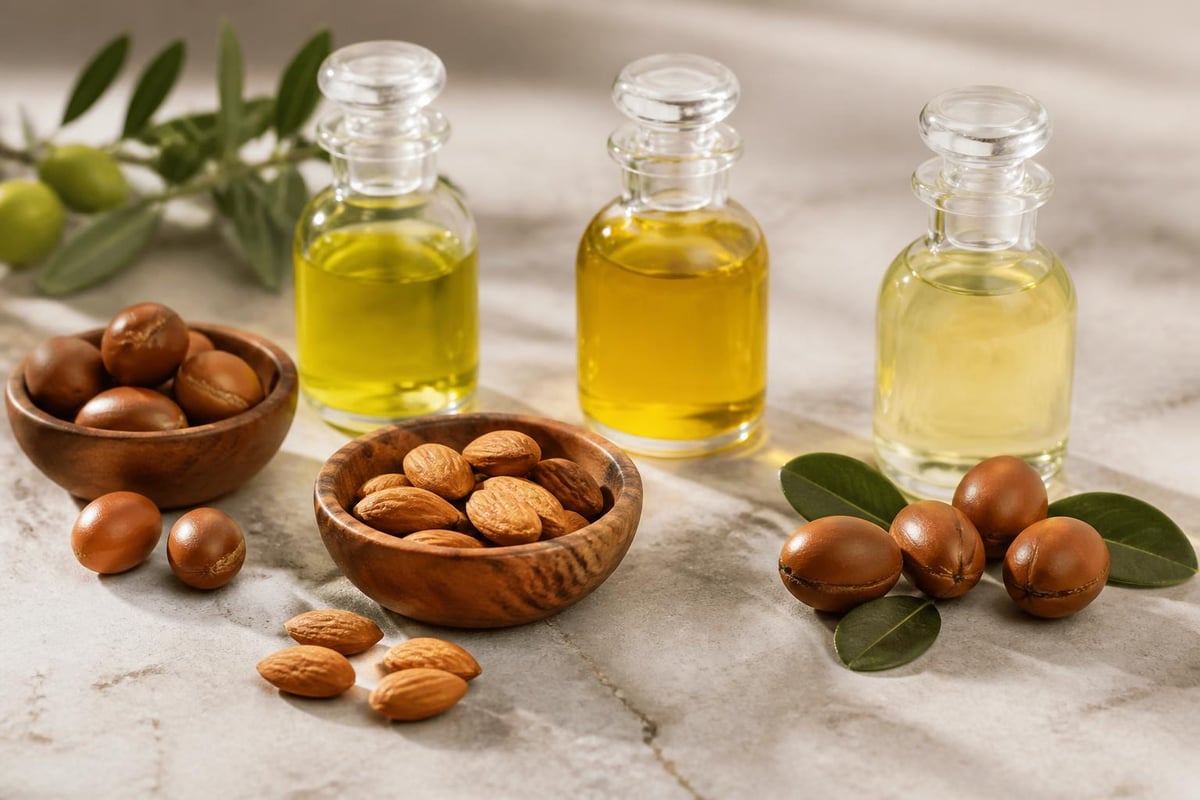
| Argan Oil | Vitamin E delivery | Neutralizes free radicals in follicles |
| Sweet Almond Oil | Deep moisture | High oleic acid content penetrates cuticle |
| Jojoba Oil | Sebum mimicry | Wax ester structure matches natural oils |
| Grapeseed Oil | Light conditioning | Small molecules prevent pore clogging |
Carrier Oils vs Essential Oils
Carrier oils form the foundation of any beard moisturizer oil. These are fatty-acid-rich substances extracted from nuts, seeds, or fruits. They provide the actual moisturization and account for 95-98% of the formula.
Essential oils, in contrast, serve specific therapeutic functions. Tea tree oil delivers antimicrobial terpenes that reduce beard dandruff. Cedarwood oil contains cedrol, which some studies suggest may promote hair growth by increasing scalp circulation (though evidence remains preliminary for facial hair).
The critical factor? Concentration ratios. Essential oils should never exceed 2-3% of the total formula. Higher concentrations can trigger contact dermatitis or sensitization reactions that worsen the problems you're trying to solve.
The Natural Ingredient Advantage
Synthetic alternatives like dimethicone or mineral oil create temporary smoothness but offer no nutritional value to hair follicles. They sit on the surface, preventing moisture exchange and potentially clogging pores over time.
Natural beard moisturizer oil formulations use plant-derived compounds that your skin recognizes and metabolizes. This matters because your dermal cells contain receptors for fatty acids like linoleic acid and alpha-linolenic acid-compounds abundant in hemp seed oil and argan oil.
When searching for quality products, brands like Onesociety prioritize 100% natural ingredients backed by scientific research, ensuring every component serves a documented biological function rather than merely providing fragrance or shelf appeal.
Application Technique: The Science of Distribution
Owning beard moisturizer oil means nothing if you apply it incorrectly. The distribution method determines whether those beneficial compounds reach the follicles and skin or simply evaporate from the surface.
Step-by-Step Application Protocol
Step 1: Cleanse your beard with lukewarm water. Hot water strips natural oils; cold water doesn't open cuticles sufficiently for absorption.
Step 2: Pat dry with a towel designed for facial hair. Standard bath towels create excessive friction that damages wet, vulnerable cuticles. A specialized beard towel made from microfibre reduces mechanical stress.
Step 3: Dispense 3-6 drops of beard moisturizer oil into your palm. The exact amount depends on beard length:
- Short (less than 2.5 cm): 3-4 drops
- Medium (2.5-7.5 cm): 5-7 drops
- Long (over 7.5 cm): 8-10 drops
Step 4: Rub the oil between your palms for 10-15 seconds. This warming action reduces viscosity, allowing better distribution.
Step 5: Work the oil from roots to tips, ensuring you reach the skin beneath. Use your fingertips to massage the dermal layer in circular motions, stimulating blood flow to follicles.
Step 6: Use a beard brush or comb to distribute the oil evenly through all hair strands. This mechanical action helps the oil penetrate cuticle layers while training your beard to grow in your desired direction.
Timing Matters
Apply beard moisturizer oil when your cuticles are slightly open but not soaking wet. This "damp-dry" state-about 80% dry after washing-provides optimal absorption conditions. The remaining water helps emulsify the oil, carrying it deeper into the hair shaft.
Morning application protects your beard throughout the day. Evening application allows the oil to work overnight when cellular repair processes peak. For optimal results, many experts recommend twice-daily application, though once daily suffices for maintenance after your beard reaches desired condition.
Beyond Moisture: Additional Benefits
While hydration forms the core function of beard moisturizer oil, secondary benefits accumulate with consistent use. Understanding what beard oil does reveals a cascading effect that improves multiple aspects of beard health simultaneously.
Itch Elimination
"Beardruff" and constant itching stem from inflammation triggered by dry, flaking skin. When you apply beard moisturizer oil, the anti-inflammatory compounds-particularly linoleic acid and gamma-linolenic acid-inhibit prostaglandin production. These lipid mediators drive the inflammatory response that causes redness and irritation.
Within 7-10 days of consistent application, most users experience a 60-80% reduction in itch intensity. This isn't placebo; it's the biological result of reducing inflammatory markers in stressed tissue.
Styling Control
Unruly beards aren't just about genetics. Dehydrated hair has a rough cuticle surface that creates friction between adjacent hairs, causing them to repel each other and stick out at odd angles.
Beard moisturizer oil smooths these cuticles, reducing inter-hair friction by up to 70%. This allows hairs to lie parallel, creating the appearance of a fuller, more controlled beard without harsh styling products.
For additional hold, combining beard moisturizer oil with a quality beard balm provides both moisture and structure. The balm's beeswax content offers hold while the oils continue delivering nutrients.
Growth Optimization
Here's where claims often exceed evidence. No topical product can create new hair follicles. However, beard moisturizer oil can optimize the health of existing follicles, potentially improving hair diameter and growth rate.
The mechanism involves improved blood circulation to the dermal papilla-the structure at the base of each follicle that supplies nutrients to growing hair. Massage combined with circulation-enhancing compounds like peppermint oil can increase follicular blood flow by 20-40%.
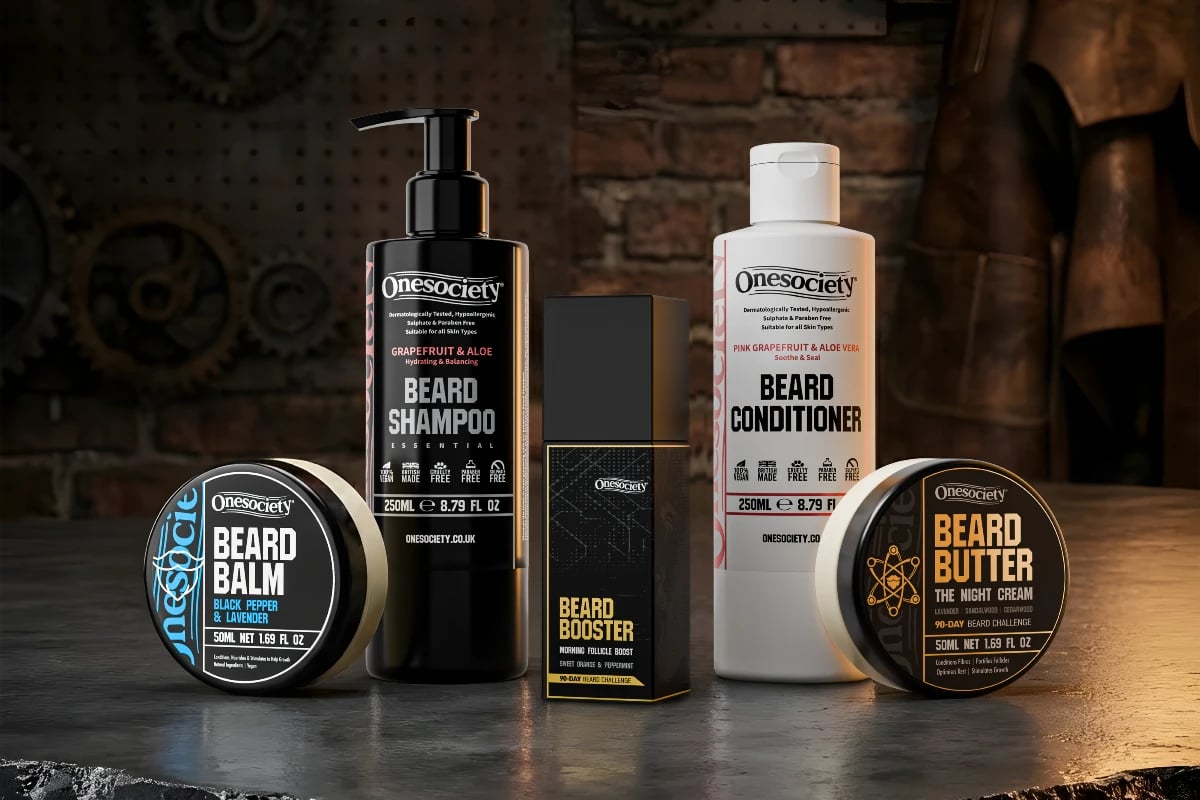
For those serious about maximizing beard growth potential, comprehensive programs like the 90-Day Beard Challenge combine multiple formulas designed to work synergistically. This kit includes a Beard Booster for follicle stimulation, Beard Butter for deep overnight hydration, and a pH-balanced Beard Shampoo that cleanses without stripping essential oils-addressing growth from multiple angles with science-backed formulations.
Choosing the Right Formula
The market floods with beard moisturizer oil options, but quality varies dramatically. Understanding what separates effective formulas from marketing gimmicks protects your investment and your skin.
Red Flags to Avoid
- Mineral oil as a primary ingredient: This petroleum derivative provides zero nutritional value
- Synthetic fragrances: These often contain phthalates that disrupt hormone function
- Unclear ingredient lists: If a brand won't disclose exact components, assume they're hiding inferior ingredients
- Unrealistic growth claims: "Grow 2 inches in 30 days" violates basic biology
Quality Indicators
Cold-pressed carrier oils: Heat extraction degrades beneficial compounds. Cold-pressing preserves fatty acid integrity.
Organic certification: Reduces pesticide exposure, which matters when applying products to skin daily.
Transparent sourcing: Quality brands explain where ingredients originate and why they selected specific oils.
Third-party testing: Independent verification of purity and potency demonstrates commitment to quality beyond marketing claims.
When evaluating male grooming products, prioritize companies that invest in research rather than flashy packaging. The container matters less than what's inside.
Frequency and Long-Term Results
Consistency determines results with beard moisturizer oil. Sporadic application delivers sporadic benefits. Daily use creates cumulative improvements that compound over weeks and months.
Timeline of Changes
| Timeframe | Observable Changes | Biological Explanation |
|---|---|---|
| Days 1-3 | Reduced surface dryness | Oil fills gaps in cuticle layer |
| Days 4-7 | Itch decreases significantly | Anti-inflammatory compounds reduce cytokine activity |
| Weeks 2-3 | Softer texture emerges | Moisture penetrates cortex, improving protein flexibility |
| Weeks 4-6 | Manageability improves | Cuticle damage repairs, reducing inter-hair friction |
| Months 2-3 | Fuller appearance develops | Healthier follicles produce thicker hair strands |
Adjusting Your Routine
Your beard's needs change with seasons, environments, and growth stages. Winter air strips moisture faster, requiring increased application frequency or richer oil blends. Summer humidity may allow you to reduce quantity while maintaining the same schedule.
Listen to your beard. If it feels dry by midday, increase your morning dose. If it appears greasy, reduce quantity or switch to lighter carrier oils like grapeseed or jojoba.
Common Mistakes That Sabotage Results
Even quality beard moisturizer oil fails when applied incorrectly. These errors undermine the product's effectiveness and waste your investment.
Over-Application
More doesn't equal better. Excessive oil clogs pores, traps dirt, and creates the greasy appearance that gives beard oil a bad reputation among sceptics. Your skin can only absorb a finite amount; surplus sits on the surface, attracting dust and looking unprofessional.
Inconsistent Use
Skipping applications for several days then overcompensating creates a feast-or-famine cycle. Your skin and hair respond best to steady, predictable nourishment. Erratic patterns prevent your follicles from optimizing their function.
Wrong Product for Beard Length
Short stubble requires lighter formulations. Heavy oils overwhelm sparse coverage, making skin appear oily. Conversely, long beards need richer blends to penetrate the entire length.
Match your beard moisturizer oil viscosity to your current growth stage. As your beard extends, transition to formulas with higher concentrations of penetrating oils.
Neglecting the Skin Beneath
Many focus exclusively on coating visible hair while ignoring the dermal layer. This defeats half the purpose. The skin produces the follicles; if it's unhealthy, hair quality suffers.
Always work oil down to the skin, massaging thoroughly to ensure epidermal absorption.
Integration with Complete Grooming Systems
Beard moisturizer oil functions as one component in a holistic beard care system. Optimal results require coordinating multiple products that address different aspects of facial hair health.
The Cleanse-Condition-Moisturize Cycle
Cleansing: Use a pH-balanced beard shampoo 2-3 times weekly. Regular shampoo strips natural oils aggressively; beard-specific formulas clean without over-drying.
Conditioning: Follow shampooing with a beard conditioner that deposits proteins and additional moisture. This step repairs damage that accumulates from environmental exposure.
Moisturizing: Apply beard moisturizer oil daily, whether you've washed or not. This maintains baseline hydration between deep-cleaning sessions.
Nighttime Intensive Treatment
Your cellular repair processes peak during sleep. Leveraging this biological reality maximizes product effectiveness.
Before bed, apply a richer product like beard butter for deep overnight conditioning. The thicker consistency prevents evaporation during the extended contact period, allowing ingredients to penetrate fully while you sleep.
Morning application of lighter beard moisturizer oil then provides daytime protection without excessive weight.
Targeting Specific Issues
Beard dandruff: Combine beard moisturizer oil with tea tree or eucalyptus essential oils (at 2% concentration maximum). These compounds deliver antifungal properties that address the Malassezia yeast often responsible for flaking.
Patchy growth: Focus application on sparse areas, massaging thoroughly to increase localized blood flow. While oil won't create follicles, optimizing existing follicle health can improve diameter of hairs in those regions.
Coarse texture: Layer beard moisturizer oil under a beard balm containing shea butter. The balm's fatty acid profile (stearic and oleic acids) complements the oil's linoleic acid, creating comprehensive softening.
Making Informed Purchasing Decisions
The beard care market generated over £2.3 billion globally in 2025, projected to exceed £3.1 billion by 2028. This growth attracts both quality manufacturers and opportunistic brands selling repackaged commodity oils at premium prices.
Price vs Value Analysis
Expensive doesn't guarantee quality, but extremely cheap products raise suspicion. A 30ml bottle of quality beard moisturizer oil using organic, cold-pressed oils typically ranges from £12-25. Products below £8 likely cut corners on ingredient quality.
Consider cost per use rather than bottle price. A £20 product lasting three months (£6.67/month) provides better value than a £10 bottle depleted in four weeks (£10/month) because you needed twice the amount for results.
Reading Beyond Marketing Claims
Ignore adjectives; focus on ingredients. "Premium," "luxury," and "ultimate" mean nothing without transparent formulations backing those claims.
Look for:
- Complete ingredient lists in descending order of concentration
- Latin names for botanical ingredients (ensures accuracy)
- Specific oil types (e.g., "cold-pressed Moroccan argan oil" not just "argan oil")
- Absence of fillers like water, alcohol, or synthetic oils
Questions to ask before purchasing:
- What percentage of the formula comprises active ingredients versus fillers?
- Are carrier oils organic or conventional?
- Does the company provide batch testing results?
- What's the shelf life, and how should I store it?
Brands that answer these questions confidently demonstrate product knowledge and quality control. Evasive responses suggest they prioritize marketing over formulation.
Environmental and Storage Considerations
Beard moisturizer oil contains volatile compounds that degrade when exposed to heat, light, or oxygen. Proper storage extends shelf life and preserves efficacy.
Oxidation: The Silent Degradation
Unsaturated fatty acids-the beneficial compounds in quality carrier oils-react with oxygen over time. This process, called lipid peroxidation, creates rancid odours and destroys the nutritional value that makes beard oil effective.
Prevention strategies:
- Store bottles in cool, dark locations (bathroom cabinets work well)
- Ensure caps seal tightly after each use
- Purchase products in amber or cobalt glass bottles that block UV light
- Buy quantities you'll consume within 6-8 months
Temperature Stability
Extreme heat accelerates oxidation exponentially. Leaving beard moisturizer oil in a hot car or sunny windowsill can degrade a month's worth of stability in hours.
Conversely, some oils solidify in cold temperatures. Jojoba oil, technically a liquid wax, can thicken significantly below 10°C. This doesn't indicate spoilage; simply warm the bottle in your hands before use.
Contamination Prevention
Your fingers carry bacteria that can colonize oil bottles, especially formulas without preservatives. This microbial growth creates health risks and product spoilage.
Best practices:
- Dispense oil into clean, dry palms rather than dipping fingers into bottles
- Consider pump dispensers for easier, more hygienic application
- Wipe bottle openings clean after each use
- Never add water or other substances to the original formula
The Science of Scent Selection
Fragrance in beard moisturizer oil serves dual purposes: masking natural oil aromas and providing aromatherapeutic benefits. However, scent selection involves more than personal preference.
Essential Oil Therapeutic Properties
Different essential oils deliver distinct physiological effects through olfactory receptors and topical absorption.
Cedarwood: Contains cedrol and α-cedrene, compounds that some preliminary research suggests may promote hair growth by improving scalp circulation. Evidence remains stronger for scalp hair than facial hair, but the anti-inflammatory properties benefit skin health regardless.
Peppermint: Delivers a menthol-induced cooling sensation while increasing blood flow to application areas. Studies show topical peppermint oil can increase follicular depth and number in animal models, though human facial hair research remains limited.
Sandalwood: Provides α-santalol and β-santalol, compounds with documented anti-inflammatory and antimicrobial properties. These benefit the skin beneath your beard more than the hair itself.
Eucalyptus: Contains 1,8-cineole, which demonstrates antifungal activity against Malassezia species responsible for seborrhoeic dermatitis and beard dandruff.
Sensitivity and Allergies
Essential oils concentrate plant compounds 50-100 times beyond their natural state. This potency creates allergic potential, especially for people with sensitive skin.
Patch testing prevents full-face reactions:
- Apply a small amount of beard moisturizer oil to your inner forearm
- Wait 24-48 hours
- Check for redness, itching, or irritation
- Only use on your face if no reaction occurs
Common allergens include citrus oils (limonene), cinnamon (cinnamaldehyde), and lavender (linalool). If you have known plant allergies, avoid beard oils containing related botanical families.
Measuring Your Results
Subjective impressions can mislead. Implementing objective measurements provides clearer feedback about whether your beard moisturizer oil delivers actual benefits.
Texture Assessment
Run your hand through your beard before starting a new product. Note the resistance level, surface roughness, and whether individual hairs catch on your fingers.
Repeat this assessment weekly, ideally at the same time of day under similar conditions (e.g., morning before application). Improvements in glide and softness indicate effective cuticle repair.
Photography Documentation
Take weekly photos in consistent lighting from multiple angles. Changes happen gradually enough that daily observation misses them, but month-to-month comparisons reveal significant improvements in fullness, texture, and overall appearance.
Skin Health Markers
Track these indicators:
- Itch frequency: How many times daily do you feel compelled to scratch?
- Flaking severity: Check your shirt collar for fallen skin particles
- Redness levels: Compare skin tone beneath your beard to adjacent clean-shaven areas
- Folliculitis episodes: Count any painful bumps or infected follicles monthly
Effective beard moisturizer oil should reduce all these markers by 50-80% within 4-6 weeks of consistent use.
The Role of Diet and Hydration
External products cannot compensate for internal deficiencies. Your beard grows from nutrients delivered through your bloodstream. Beard moisturizer oil optimizes existing hair health, but follicle function depends on systemic nutrition.
Critical Nutrients for Beard Health
Biotin (Vitamin B7): Supports keratin production. While deficiency is rare, supplementation studies show mixed results. Focus on food sources: eggs, almonds, sweet potatoes.
Omega-3 fatty acids: Reduce inflammation throughout your body, including in hair follicles. Consume fatty fish, flaxseed, or walnuts regularly.
Vitamin E: Functions as an antioxidant protecting follicle cells from oxidative damage. Found abundantly in sunflower seeds, almonds, and spinach.
Zinc: Essential for DNA synthesis in rapidly dividing follicle cells. Oysters, beef, and pumpkin seeds provide high concentrations.
Hydration Impact
Your hair shaft contains approximately 10-13% water when properly hydrated. Chronic dehydration reduces this percentage, making hair brittle regardless of external moisturization.
Target 2-3 litres of water daily, adjusted for activity level and climate. Well-hydrated hair accepts and retains beard moisturizer oil far more effectively than dehydrated strands.
Addressing Specific Beard Types
Genetics determine your beard's baseline characteristics: density, curl pattern, growth rate, and texture. While you cannot change these fundamentals, you can optimize them with appropriate beard moisturizer oil selection.
Fine Hair
Thin hair strands absorb oil quickly but show greasiness easily. Choose lightweight formulations with higher concentrations of grapeseed or argan oil. These penetrate rapidly without surface buildup.
Apply smaller quantities (2-3 drops for short to medium beards) and focus on the hair itself rather than saturating skin.
Coarse Hair
Thick, wiry hair demands richer formulations. Oils high in oleic acid-like sweet almond or olive oil-penetrate dense cuticle structures more effectively.
You'll need higher quantities (6-10 drops even for medium-length beards) and may benefit from twice-daily application during initial conditioning phases.
Curly Beards
Curl pattern creates unique challenges. The twists and turns prevent natural oils from traveling down the hair shaft, leaving ends severely dehydrated while roots remain adequately lubricated.
Focus beard moisturizer oil application on the mid-lengths and ends. Use a beard brush to help distribute oil along the curved hair pathways that make manual distribution difficult.
Combination Characteristics
Many beards exhibit different textures in different regions. Your moustache might grow fine while your chin hair emerges coarse. Tailor application to each zone rather than treating your entire beard identically.
Quality beard moisturizer oil transforms facial hair from an itchy burden into a distinguished asset through scientifically-backed hydration and follicle nourishment. Selecting formulations with natural, cold-pressed carrier oils and applying them consistently addresses the biological needs your sebaceous glands cannot meet alone. Whether you're starting your beard journey or optimizing years of growth, Onesociety provides research-driven grooming solutions crafted from 100% natural ingredients, ensuring every product serves a documented function in achieving your healthiest, most impressive beard yet.