

Growing a fuller, thicker beard remains one of the most searched grooming goals amongst men in 2026, yet confusion around effective beard growth methods continues to frustrate those seeking genuine results. The market overflows with products promising overnight transformation, whilst the science behind facial hair development tells a different story. Understanding which beard growth methods actually deliver requires examining the biological mechanisms that govern follicle activity, hormone production, and nutrient absorption. This comprehensive guide separates evidence-based strategies from marketing hype, giving you practical techniques rooted in dermatological research and real-world application.
The Biology Behind Facial Hair Development
Before diving into specific beard growth methods, you need to understand what's happening beneath your skin. Facial hair grows from follicles that respond to androgens, particularly dihydrotestosterone (DHT), which binds to receptors in follicle cells and triggers the production of terminal hairs.
Follicle Activation and Growth Phases
Your beard doesn't grow uniformly. Each follicle cycles through three distinct phases:
- Anagen (growth phase): Lasts 2-6 years, determining maximum length
- Catagen (transition phase): 2-3 week period where growth stops
- Telogen (resting phase): 2-4 months before the hair sheds
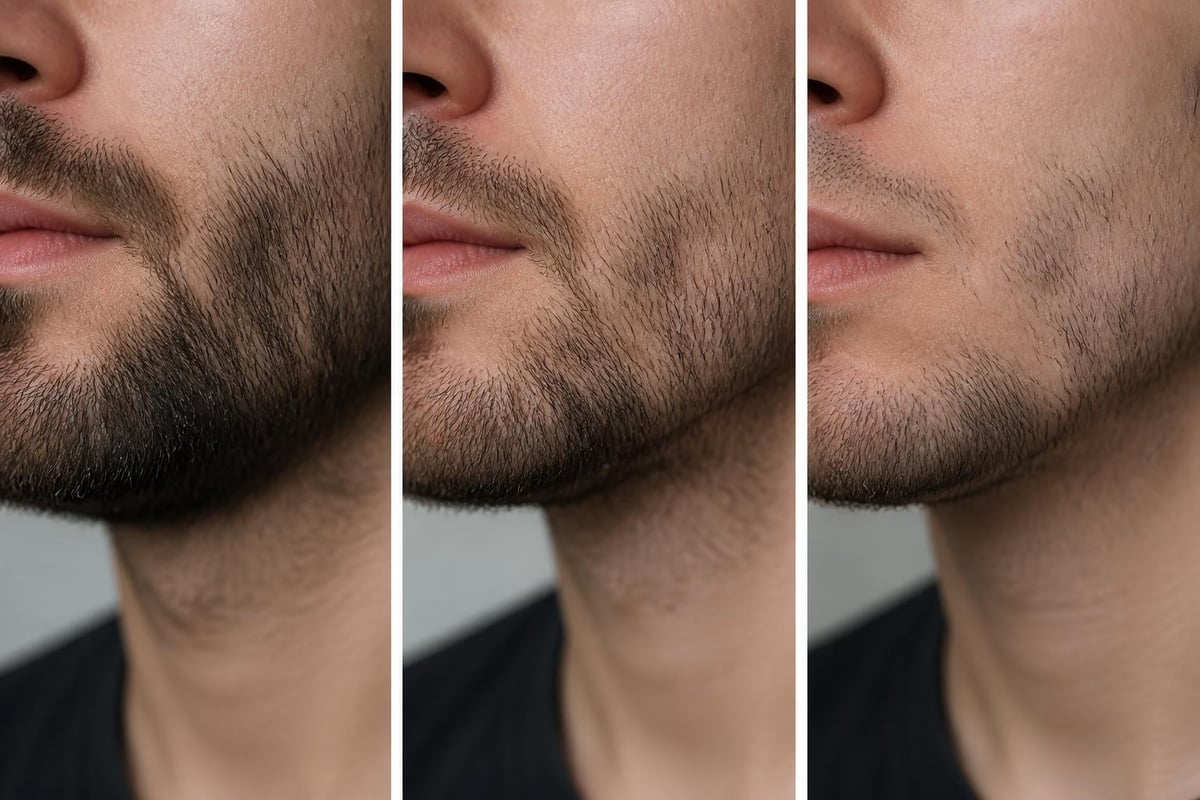
The percentage of follicles in active growth at any time determines your beard's density. Genetics primarily control this distribution, but various factors affecting facial hair growth can influence the transition between phases.
Most beard growth methods aim to extend the anagen phase, increase follicle sensitivity to androgens, or improve blood circulation to deliver nutrients more efficiently. The challenge lies in identifying which approaches actually influence these mechanisms versus those that simply condition existing hair.
Nutritional Strategies for Follicle Support
What you consume directly impacts your body's ability to produce healthy facial hair. Specific vitamins and minerals serve as cofactors in the enzymatic processes that build keratin, the structural protein forming each strand.
Biotin's Role in Keratin Synthesis
Biotin supplementation for beard growth has gained significant attention, though the evidence requires context. Biotin (vitamin B7) functions as a coenzyme in fatty acid synthesis and amino acid metabolism. Your body uses these processes to construct keratin.
Daily biotin requirements:
| Life Stage | Recommended Intake |
|---|---|
| Adult men | 30 mcg |
| Therapeutic dose | 2,500-5,000 mcg |
| Maximum safe dose | 10,000 mcg |
Deficiency remains rare in developed countries, but supplementation may accelerate growth in those with suboptimal levels. The effect appears most pronounced when combined with other B-complex vitamins that support cellular metabolism.
Essential Nutrients for Beard Development
Beyond biotin, several nutrients directly influence hair follicle function:
- Vitamin D: Regulates follicle cycling and may stimulate new follicle creation
- Zinc: Supports protein synthesis and testosterone production
- Iron: Carries oxygen to follicle cells for energy production
- Omega-3 fatty acids: Reduce inflammation around follicles
- Vitamin E: Protects cells from oxidative stress
A deficiency in any of these creates a bottleneck in the growth process. Blood tests can identify specific gaps, allowing you to target supplementation rather than taking a scattergun approach.
Topical Applications and Absorption Mechanisms
The skin provides a pathway for delivering growth-promoting compounds directly to follicles. Unlike oral supplements that must survive digestion and systemic circulation, topical beard growth methods can achieve higher local concentrations.
Natural Oils with Documented Effects
Certain carrier oils contain compounds that penetrate the skin barrier and influence follicle activity. Natural methods to grow your beard at home often centre around these botanical extracts.
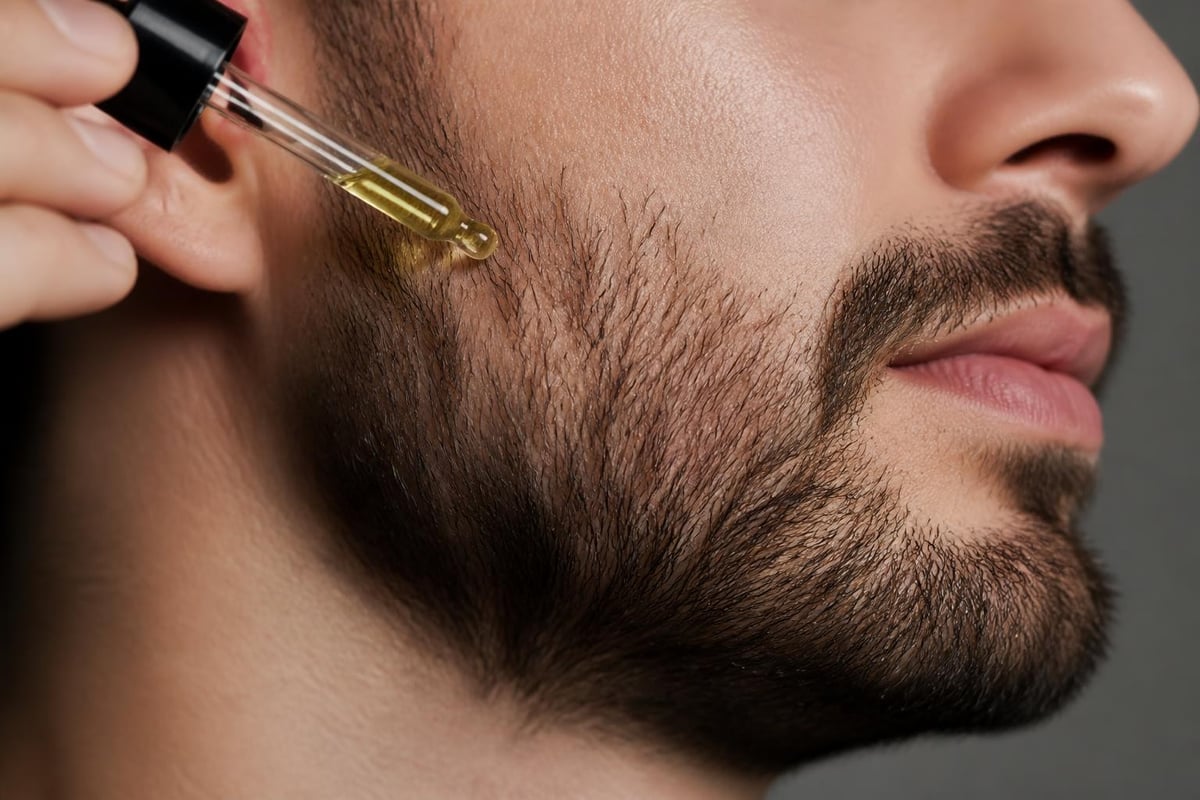
Jojoba oil mimics sebum's molecular structure, allowing deep penetration whilst carrying other active ingredients. Its esters don't clog pores, making it ideal for underlying skin health.
Castor oil contains ricinoleic acid, which demonstrates anti-inflammatory properties and may improve blood circulation when massaged into the skin. Some users report accelerated growth, though controlled studies remain limited.
Argan oil delivers vitamin E and fatty acids that strengthen existing hair whilst its antioxidants protect follicle cells from damage. The proteins in argan oil temporarily coat each strand, creating the appearance of thickness.
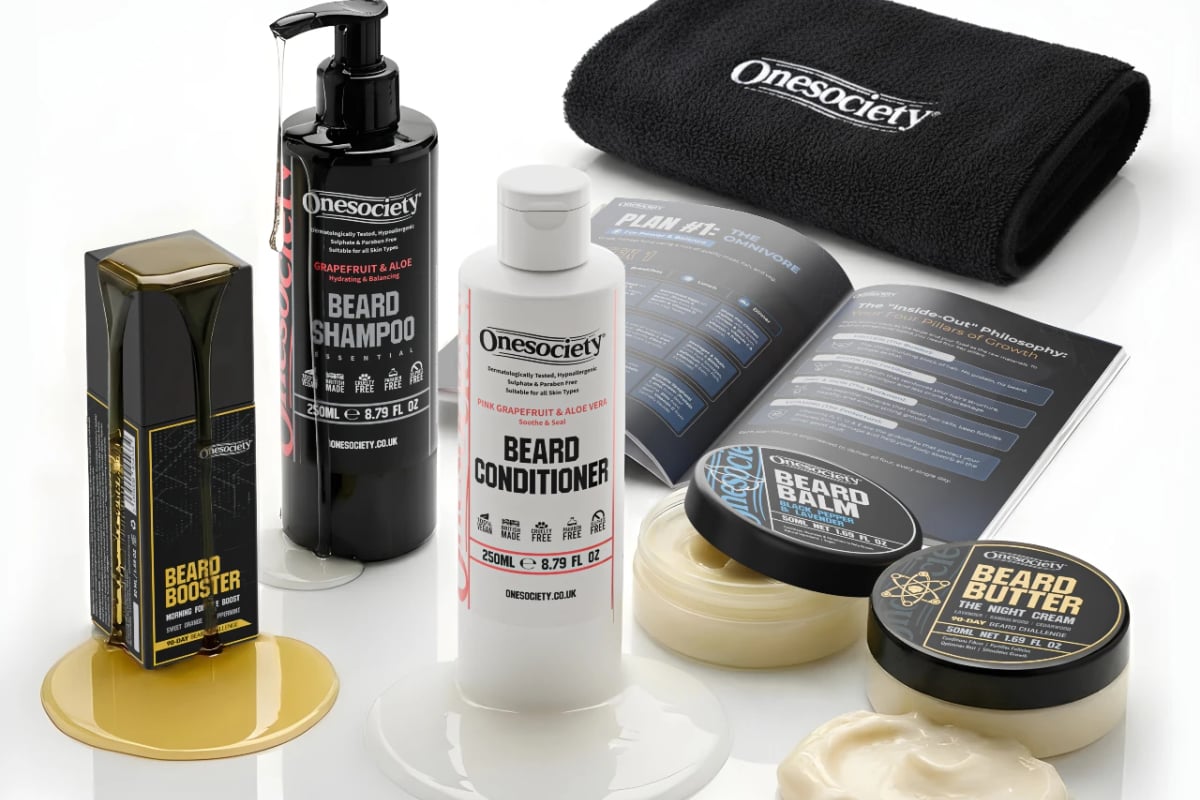
When selecting products, prioritise those with documented ingredient concentrations rather than vague "natural blend" descriptions. The beard care range at Onesociety formulates each product with specific active ingredient percentages, allowing you to track which compounds your skin receives.
The Science of Derma Rolling
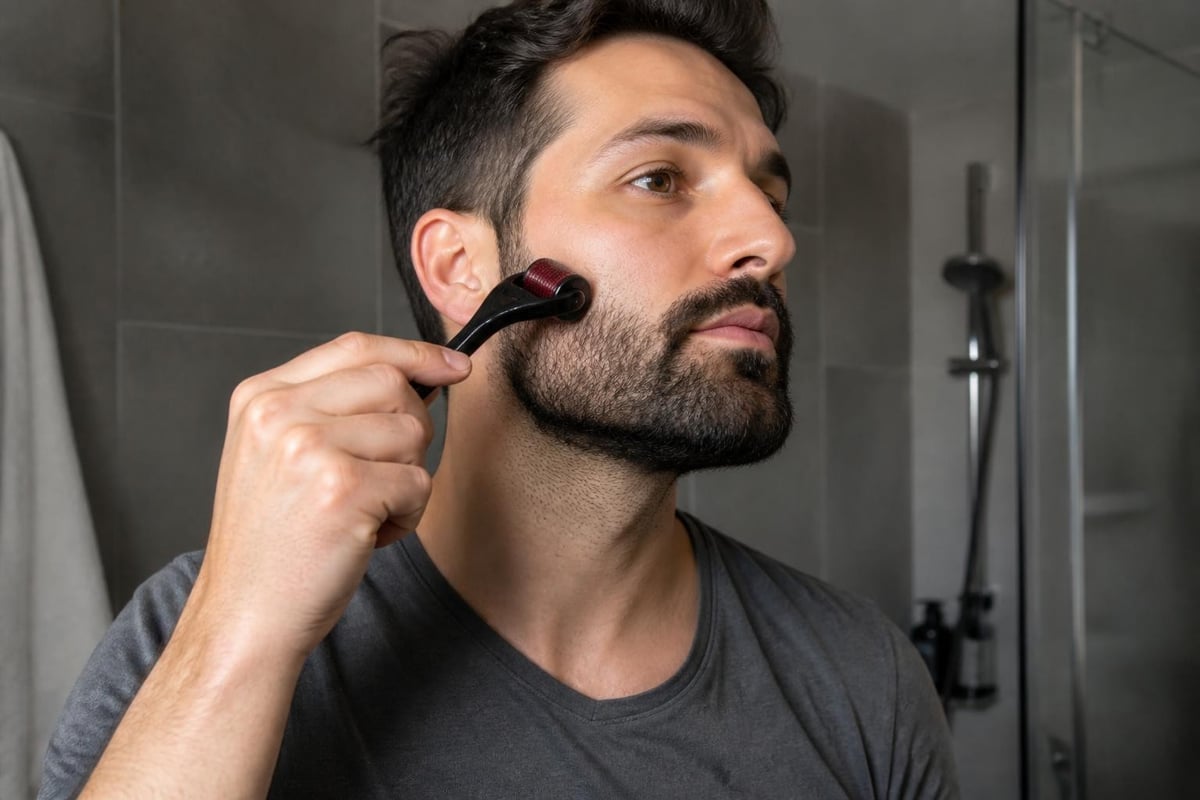
Derma roller application for beard growth represents one of the most discussed mechanical beard growth methods in recent years. This technique uses a device covered in fine needles (typically 0.25-0.5mm for facial use) to create controlled micro-injuries.
The body responds to these minor wounds by increasing blood flow to the area and releasing growth factors. Studies on scalp hair loss show derma rolling combined with minoxidil produces superior results compared to minoxidil alone, suggesting the mechanical stimulation amplifies topical absorption.
Derma rolling protocol:
- Sanitise the roller with isopropyl alcohol
- Cleanse your face thoroughly
- Roll vertically, horizontally, and diagonally (10 passes each direction)
- Apply growth serum immediately after (enhanced absorption)
- Repeat every 7-10 days (allows healing between sessions)
The key lies in consistency and proper technique. Excessive pressure or frequency can damage follicles rather than stimulate them. Start conservatively, using 0.25mm needles once weekly, then adjust based on your skin's response.
Hormonal Optimisation Through Lifestyle
Testosterone and its derivative DHT remain the primary drivers of facial hair growth. Whilst genetics determine your baseline androgen sensitivity, lifestyle factors influence production levels and receptor activity.
Exercise and Hormone Production
Resistance training triggers acute testosterone spikes that, over time, can elevate baseline levels. Compound movements (squats, deadlifts, bench press) engaging multiple muscle groups produce the strongest hormonal response.
Research indicates high-intensity interval training (HIIT) also elevates testosterone, whilst chronic endurance exercise may suppress it. The optimal balance involves 3-4 resistance sessions weekly with 1-2 HIIT sessions.
| Exercise Type | Testosterone Effect | Recommended Frequency |
|---|---|---|
| Heavy compound lifts | Strong acute spike | 3-4 times weekly |
| HIIT | Moderate increase | 1-2 times weekly |
| Moderate cardio | Neutral | 2-3 times weekly |
| Prolonged endurance | Potential decrease | Limit duration |
Sleep Quality and Growth Hormone
Your body produces the majority of testosterone and growth hormone during deep sleep stages. Studies on beard growth factors consistently identify sleep deprivation as a significant impediment to facial hair development.
Aim for 7-9 hours nightly, prioritising sleep quality over quantity. Blackout curtains, temperature control (16-19°C proves optimal), and limiting blue light exposure two hours before bed all improve deep sleep duration.
Stress Management and Cortisol
Chronic stress elevates cortisol, which antagonises testosterone production and shifts your body into a catabolic state. The relationship between stress hormones and beard growth methods effectiveness cannot be overstated-high cortisol can negate even the most diligent topical regimens.
Implement daily stress-reduction practices:
- Meditation or breathing exercises (15-20 minutes)
- Regular physical activity (releases endorphins)
- Social connection (buffers stress response)
- Time in nature (reduces cortisol measurably)
Targeted Techniques for Problem Areas
Many men struggle with specific patches or weak zones rather than overall slow growth. Encouraging beard growth on the cheeks requires understanding why these areas lag behind.
Cheek Line Enhancement
The cheeks contain fewer androgen receptors compared to the chin and moustache area in many men. This genetic distribution explains why coverage often appears uneven during early growth stages.
Focus additional stimulation on weak areas through:
Targeted derma rolling: Spend extra time on patchy zones, ensuring thorough coverage with each session. The localised inflammation may recruit additional blood vessels over time.
Increased serum application: Apply growth-promoting oils specifically to problem areas twice daily. The cumulative exposure to active ingredients can gradually improve follicle response.
Patience during transition: Cheek hair often takes 6-12 months longer to reach full density. What appears as a permanent gap at three months frequently fills in by month nine.
Product-Based Acceleration Methods
Whilst lifestyle factors create the foundation, specific formulations can amplify your results when applied consistently. Understanding which compounds demonstrate evidence separates effective beard growth methods from wishful thinking.
Clinically-Studied Compounds
Several ingredients show documented effects on hair growth through controlled research:
Minoxidil remains the most extensively studied compound, originally developed as a blood pressure medication. Its mechanism involves opening potassium channels in cell membranes, which appears to extend the anagen phase and increase follicle diameter. Application to the beard requires off-label use, typically at 5% concentration twice daily.
Caffeine penetrates hair follicles and counteracts the effects of DHT suppression at the cellular level. Topical application shows promise, though optimal concentration and delivery method require further research.
Peptides such as copper peptides may stimulate follicle growth factors and improve blood vessel formation around follicles. Early research suggests potential, particularly when combined with other active ingredients.
The 90-Day Beard Challenge combines multiple evidence-based ingredients in a systematic protocol designed to address follicle stimulation, nutrient delivery, and hair conditioning simultaneously. This comprehensive approach tackles beard growth from multiple angles rather than relying on a single compound, which research suggests produces superior results compared to isolated interventions.
Formulation Delivery Systems
The effectiveness of any active ingredient depends on its ability to penetrate the skin barrier and reach follicles. Molecular size, carrier systems, and formulation pH all influence absorption rates.
Liposomal encapsulation surrounds active molecules in lipid spheres that fuse with skin cells, delivering contents directly into the cellular environment. This technology dramatically improves bioavailability compared to standard oil suspensions.
pH-balanced formulations maintain the skin's natural acid mantle (pH 4.5-5.5), preventing irritation whilst optimising penetration. Alkaline products disrupt this barrier, potentially causing inflammation that impedes growth.
When evaluating products, look for transparency around ingredient concentrations and delivery mechanisms rather than proprietary blend claims that obscure actual contents.
The Reality of Growth Timelines
Unrealistic expectations sabotage more beard growth methods attempts than any other factor. Understanding typical progression helps you maintain consistency through the awkward phases.
Month-by-Month Development
Weeks 1-4: Stubble appears uneven as different follicles exit resting phase at varying times. Itching peaks as new hair emerges through skin. This phase tests commitment, but represents normal development.
Months 2-3: Coverage begins connecting, though patches remain visible. The neckline and moustache typically lead, with cheeks lagging. Resist trimming-you cannot assess true potential until month four minimum.
Months 4-6: True beard shape emerges as terminal hairs reach sufficient length. Formerly patchy areas often show surprising improvement. Why some men struggle with beard growth becomes clearer as genetic patterns establish themselves.
Months 7-12: Density continues improving as follicles complete additional growth cycles. The beard requires regular maintenance but shows its full genetic potential.
Many men abandon effective beard growth methods during weeks 4-8, precisely when persistence would yield results. Progress tracking through weekly photos provides objective evidence when subjective assessment feels discouraging.
Advanced Beard Growth Methods
For those who've optimised nutrition, lifestyle, and basic topical applications yet seek additional enhancement, several emerging techniques show promise.
Red Light Therapy Applications
Red light therapy for beard stimulation uses specific wavelengths (typically 660nm red and 850nm near-infrared) that penetrate tissue and influence cellular metabolism. The light photons stimulate mitochondria to produce more ATP (cellular energy), potentially accelerating follicle activity.
Recommended protocol:
- Wavelength: 660nm and 850nm combination
- Power density: 50-100 mW/cm²
- Distance: 15-30cm from skin
- Duration: 10-15 minutes per session
- Frequency: Daily or 5 times weekly
Studies on scalp hair show consistent positive effects, though beard-specific research remains limited. The treatment carries minimal risk when using appropriate devices, making it worth testing if you've plateaued with other methods.
Microcurrent Stimulation
Low-level electrical current applied to the skin may increase blood flow and stimulate follicle cells through electrochemical signalling. Devices designed for facial toning can be repurposed for beard areas, though specific protocols require further development.
Initial user reports suggest potential benefits when combined with topical serums, as the microcurrent may enhance penetration through a mechanism called electroporation-temporary pore formation in cell membranes.
Maintenance and Long-Term Success
Achieving initial growth represents only half the journey. Maintaining healthy, full facial hair requires ongoing attention to the same principles that stimulated development.
Cleansing Without Stripping
Regular washing removes debris and excess sebum that can clog follicles, but harsh detergents strip natural oils and damage the skin barrier. Use pH-balanced beard-specific cleansers 3-4 times weekly, relying on water rinses on alternate days.
The products at Onesociety's beard collection include gentle cleansers formulated to maintain skin pH whilst removing buildup, supporting continued follicle health without the dryness that standard soaps create.
Conditioning and Protection
Environmental stressors (UV radiation, pollution, dry air) damage hair structure and surrounding skin. Daily conditioning with butter or balm creates a protective barrier whilst delivering nutrients that strengthen each strand.
Look for formulations containing:
- Shea butter: Fatty acids that reduce inflammation and seal moisture
- Beeswax: Natural sealant providing hold without suffocation
- Vitamin E: Antioxidant protecting against free radical damage
- Essential oils: Antimicrobial properties preventing folliculitis
Apply after showering when hair cuticles remain slightly open, allowing better absorption.
Troubleshooting Common Challenges
Even with diligent application of proven beard growth methods, obstacles arise that require specific solutions.
Persistent Patchiness
If specific areas show no improvement after 12 months of comprehensive treatment, the follicle density in those zones may be genetically limited. Options include:
Strategic styling: Grow surrounding areas longer to create coverage over weak spots. Many popular beard styles evolved specifically to work with uneven growth patterns.
Acceptance and optimisation: Focus on maximising the areas that do grow rather than obsessing over gaps. A well-groomed partial beard often looks better than an unkempt full one.
Consultation: Dermatologists can assess whether underlying conditions (alopecia areata, hormonal imbalances) explain localised absence rather than simple genetic variation.
Ingrown Hairs and Folliculitis
As you accelerate growth, the risk of hairs curling back into skin increases. Prevention requires:
- Exfoliation 2-3 times weekly to remove dead skin cells
- Proper beard direction training during early growth
- Avoiding tight shaves that create sharp hair tips
- Antimicrobial oils (tea tree, eucalyptus) to prevent infection
Persistent folliculitis may indicate sensitivity to specific products. Eliminate potential irritants systematically to identify culprits.
The Evidence on Product Effectiveness
Scientific evaluation of beard growth products reveals significant variation in evidence quality. Many products make claims extrapolated from scalp hair research without beard-specific testing.
What the Research Actually Shows
Strong evidence exists for:
- Minoxidil application (multiple controlled trials)
- Biotin supplementation in deficient individuals
- Derma rolling combined with topical treatments
Moderate evidence supports:
- Caffeine topical application
- Specific peptide complexes
- Red light therapy at appropriate wavelengths
Insufficient evidence for:
- Most "proprietary blends" without disclosed ingredients
- Testosterone boosting supplements in healthy men
- Beard growth vitamins beyond standard nutrition
The key to evaluating any product lies in examining ingredient lists for documented compounds at therapeutic concentrations rather than trusting marketing claims alone.
Building Your Personal Protocol
No single approach works universally. Effective beard growth methods require personalisation based on your current baseline, genetic potential, and response to specific interventions.
Start with fundamentals:
- Optimise nutrition and sleep (month 1-2)
- Add quality topical oil or balm (month 1 onward)
- Introduce derma rolling (month 2-3)
- Consider targeted supplements based on deficiencies (month 2-3)
- Evaluate progress at 6 months before adding advanced methods
Track each change individually when possible, allowing you to identify which interventions produce measurable results versus those that simply add expense without benefit.
Professional Support and Medical Options
Some situations warrant professional consultation rather than continued self-experimentation with various beard growth methods.
When to Seek Medical Advice
Sudden beard loss: Rapid hair loss or circular patches may indicate alopecia areata requiring medical treatment.
Hormonal concerns: If you suspect low testosterone based on other symptoms (low libido, fatigue, muscle loss), proper diagnosis and treatment require blood tests and medical supervision.
Skin conditions: Persistent irritation, infection, or inflammation around follicles needs dermatological assessment to prevent permanent damage.
Prescription Options
Doctors can prescribe minoxidil at higher concentrations or recommend finasteride (though the latter carries side effects requiring careful consideration). These represent the most potent pharmaceutical beard growth methods currently available.
Some practitioners offer platelet-rich plasma (PRP) injections, which concentrate growth factors from your own blood and inject them into weak areas. Evidence remains mixed, and the treatment requires multiple sessions at significant cost.
Effective beard growth methods combine scientific understanding with patient application, recognising that genetics set boundaries whilst optimisation expands what's possible within them. The strategies outlined here-from nutritional support and hormonal balance to targeted topical applications and mechanical stimulation-work synergistically when applied consistently over months rather than weeks. Whether you're addressing patchy coverage, slow development, or simply seeking to maximise your genetic potential, the evidence-based approaches detailed above provide a roadmap for genuine improvement. For a comprehensive solution that combines multiple proven compounds in a systematic protocol, explore what Onesociety offers through products formulated with transparent ingredients and backed by a commitment to natural, research-supported beard care.