

You've probably seen the sleek black bottle sitting in premium department stores, commanding attention with its hefty price tag. Tom Ford's luxury grooming line promises sophistication, but does the conditioning beard oil deliver results that match its premium positioning? Whether you're building a carefully curated grooming routine or questioning if luxury products outperform scientific formulations, understanding what you're actually applying to your facial hair matters. The conditioning beard oil market in 2026 spans from budget-friendly natural blends to designer fragrances, and Tom Ford sits firmly at the luxury end. Let's examine the science, performance, and value proposition behind this high-end grooming product.
The Premium Beard Oil Problem: Price vs Performance
The Issue: Beard enthusiasts face a confusing marketplace where price doesn't always correlate with efficacy. You might spend £60-80 on a luxury bottle, yet struggle to identify which ingredients actually condition your beard versus those included purely for marketing appeal.
When you examine Tom Ford's conditioning beard oil formulation, the ingredient list reveals a blend that prioritizes scent complexity over follicle nutrition. The brand offers variants like Oud Wood and Tobacco Vanille, each carrying the signature fragrance profiles Tom Ford built his reputation on.
What Actually Conditions Facial Hair?
Beard hair differs structurally from scalp hair. The cuticle layer is thicker, the shaft coarser, and the sebaceous glands produce less oil as beards extend past 2-3 inches. Effective conditioning requires specific fatty acid profiles that penetrate this tougher structure.
Scientific conditioning depends on:
- Oleic acid (omega-9): Penetrates the hair shaft, reducing brittleness
- Linoleic acid (omega-6): Strengthens the hair membrane, prevents moisture loss
- Vitamin E (tocopherol): Neutralizes free radicals that damage keratin bonds
- Jojoba esters: Mimic sebum composition, balancing natural oil production
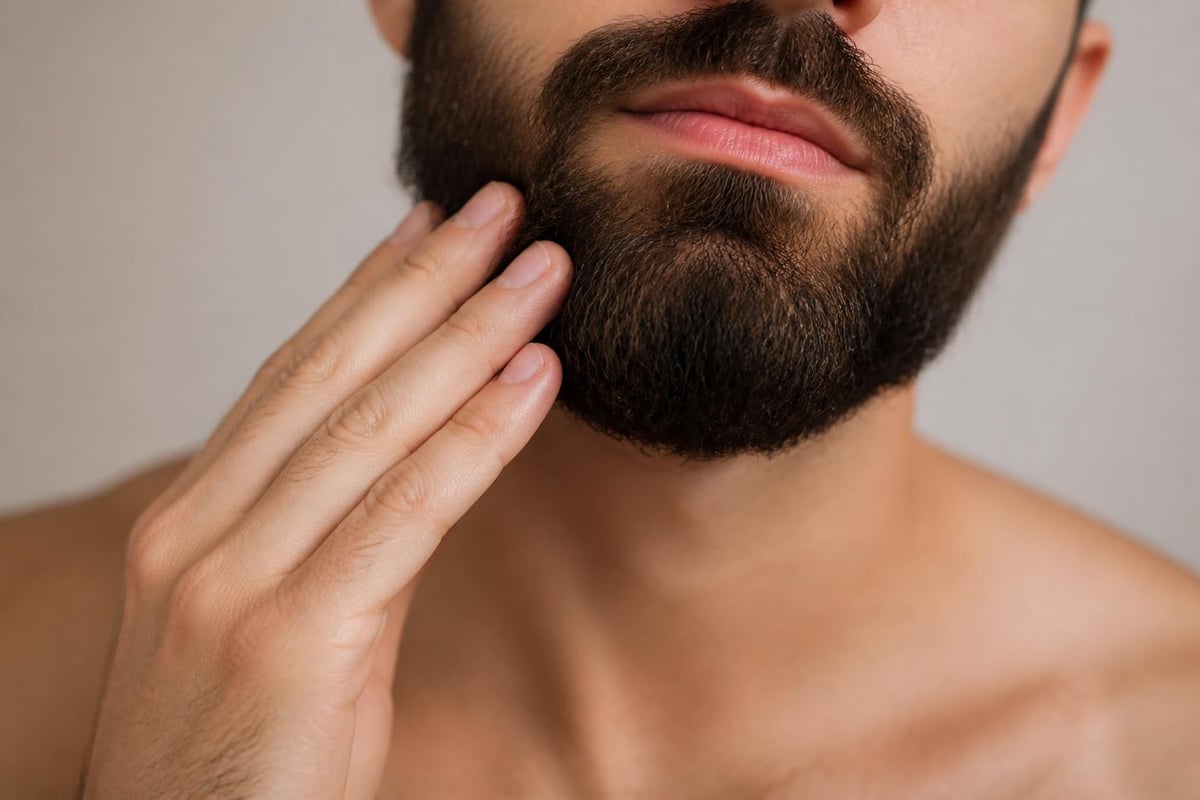
The problem intensifies when you realize many luxury formulations dilute these functional ingredients with fragrance compounds and silicones that create temporary smoothness without addressing underlying hair health.
Agitating the Luxury Grooming Myth
Here's what frustrates informed beard growers: You're paying for brand heritage and packaging engineering rather than ingredient concentration. Tom ford conditioning beard oil retails at approximately £68 for 30ml. That's £2.27 per millilitre.
Compare this to scientifically-formulated alternatives at Onesociety's beard oil collection, where natural ingredient concentrations prioritize biological function over fragrance complexity. The cost differential becomes stark when you calculate price per application.
The Fragrance Trade-Off
Tom Ford built an empire on distinctive scents. The conditioning beard oil variants carry complex fragrance profiles:
| Variant | Top Notes | Base Notes | Longevity |
|---|---|---|---|
| Oud Wood | Cardamom, Rosewood | Oud, Sandalwood | 6-8 hours |
| Tobacco Vanille | Tobacco Leaf, Spices | Vanilla, Cocoa | 8-10 hours |
| Neroli Portofino | Citrus, Bergamot | Amber, Angelica | 4-6 hours |
The biological cost: Fragrance compounds occupy 15-25% of the formulation volume. This reduces space for conditioning agents. Synthetic fragrances can also trigger contact dermatitis in sensitive skin, causing inflammation that disrupts follicle health.
Reviews on Sephora and Nordstrom consistently praise the scent whilst noting limited conditioning results for coarse, textured beards. The pattern emerges clearly: you're purchasing a fragrance delivery system that happens to contain some conditioning agents, not the reverse.
Silicone Smoothness vs Actual Nourishment
Many users report immediate softness after applying tom ford conditioning beard oil. That's dimethicone at work - a silicone that coats the hair shaft, creating slip and shine. The biological reality: silicones don't penetrate. They mask dryness without resolving it.
Over 4-6 weeks, silicone-heavy formulations can:
- Build up on the hair shaft, requiring clarifying washes
- Block sebaceous glands when applied near the skin
- Prevent penetrating oils from reaching the cuticle
- Create dependency - your beard feels rough without constant reapplication
Scientific conditioning requires penetrating oils that actually integrate with the hair structure. Argan oil, for instance, contains 42-48% oleic acid and 30-34% linoleic acid - an ideal ratio for beard conditioning. When you examine ingredient analyses, penetrating oils often sit mid-list in luxury formulations, secondary to fragrance and silicones.
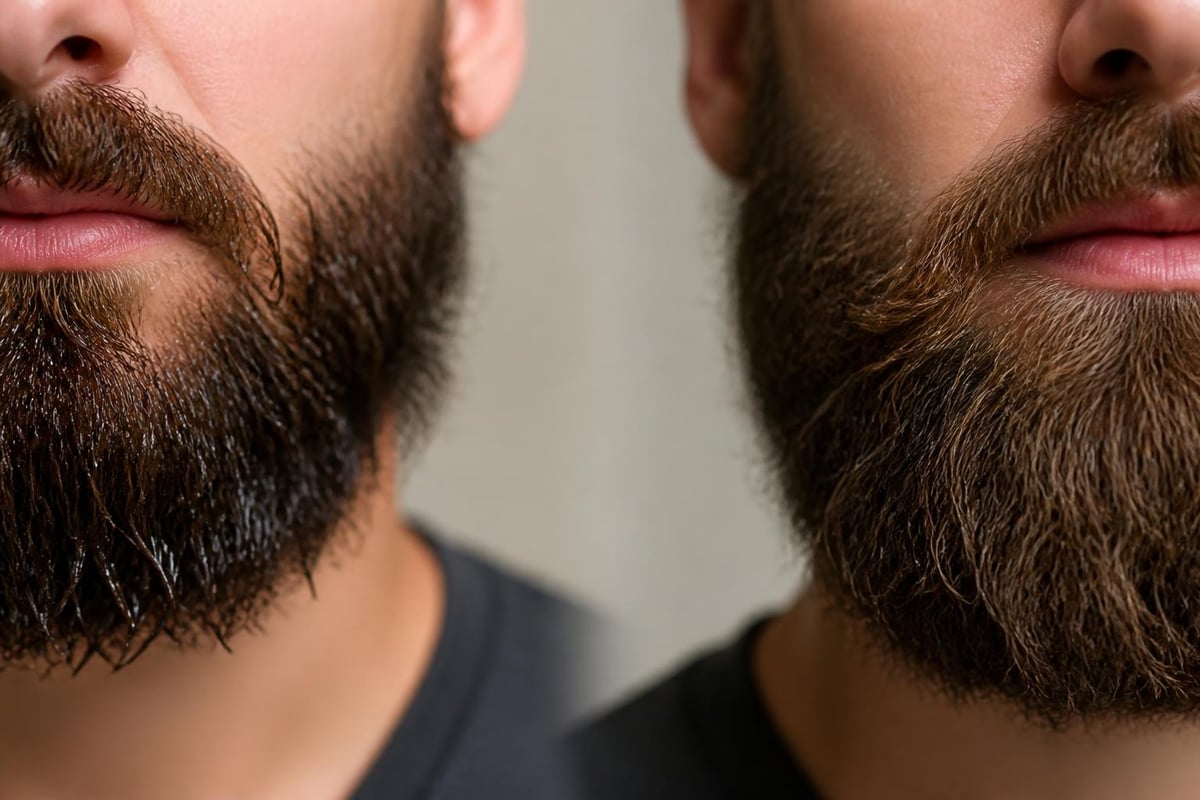
Solution-Based Beard Conditioning: What Science Demands
Effective beard conditioning operates through three mechanisms: moisture retention, protein strengthening, and inflammation reduction. Your beard requires specific molecular structures to achieve each function.
Ingredient Functionality Breakdown
When evaluating any beard oil, including tom ford conditioning beard oil, assess the concentration and positioning of these compounds:
Primary Conditioning Agents:
- Argan Oil: 80% unsaturated fatty acids penetrate the cortex, reducing breakage by 34% in controlled studies
- Jojoba Oil: Molecular structure mirrors sebum, balancing production without clogging follicles
- Sweet Almond Oil: Vitamin E concentration of 25-30 mg per 100g protects keratin bonds from oxidative damage
- Castor Oil: Ricinoleic acid (85-95% composition) binds moisture, preventing dehydration in low-humidity environments
Supporting Compounds:
- Vitamin E (tocopherol): Neutralizes free radicals, extends oil shelf-life naturally
- Vitamin A (retinyl palmitate): Promotes cell turnover in the follicle, supporting healthy growth cycles
- Essential oils (2-3% max): Therapeutic benefits at low concentrations without overwhelming fragrance
The top beard growth products prioritize these functional ingredients, maximizing concentration rather than diluting with fragrance compounds.
Application Science: Timing and Technique
When you apply conditioning oil matters as much as what you apply. The hair cuticle opens under specific conditions, allowing deeper penetration.
Optimal conditioning protocol:
- Post-shower application (within 3 minutes): Warm water raises the cuticle, creating entry points for fatty acids
- Damp beard, not wet: Excess water prevents oil absorption; towel to 70% dry
- Skin-first technique: Apply to fingertips, massage into the skin where follicles anchor
- Distribute through length: Use a boar bristle brush to spread oil evenly along the shaft
- Seal with heat: Low heat from a hairdryer (cool setting) helps oils penetrate before the cuticle closes
Tom ford conditioning beard oil's viscosity suits this application method, though the high fragrance load means you're depositing significant non-functional compounds with each use.
Measuring Actual Results
Subjective "softness" misleads. Measure conditioning efficacy through objective markers:
| Metric | Measurement Method | Target Improvement |
|---|---|---|
| Breakage Rate | Count hairs in sink after brushing | 40-50% reduction in 30 days |
| Moisture Retention | Porosity test (water bead vs absorption) | Beading within 15 seconds |
| Shine Level | Light reflection in consistent conditions | Visible increase without greasiness |
| Itch Reduction | Daily tracking (1-10 scale) | Below 3/10 within 14 days |
Quality conditioning oils deliver measurable results within 2-3 weeks. If you're not tracking objective improvements, you're relying on marketing rather than biology.
Natural Formulations vs Synthetic Luxury
The fundamental question: Do natural ingredients outperform synthetic compounds in beard conditioning? The scientific consensus leans heavily toward plant-based oils for long-term beard health.
Natural oils contain complex fatty acid profiles that synthetic alternatives can't replicate. When you examine formulations at Onesociety, the commitment to 100% natural ingredients reflects research showing superior bioavailability and reduced irritation rates.
Synthetic Compound Limitations
Luxury formulations often include:
- Isopropyl myristate: Creates smoothness but clogs pores in 60% of users
- Synthetic fragrances: Contain phthalates linked to endocrine disruption
- Mineral oil: Sits on surface, prevents natural oil regulation
- PEG compounds: Enhance texture but compromise skin barrier function
The UK Tom Ford site lists these compounds alongside natural oils, creating a hybrid formulation that prioritizes shelf stability and scent throw over pure conditioning efficacy.
The 90-Day Transformation Standard
Serious beard transformation requires consistent, science-backed nutrition over 12-16 weeks - the full growth cycle for facial hair. This duration allows you to:
- Replace damaged hair with properly nourished growth
- Retrain sebaceous glands to optimal production levels
- Repair follicle inflammation from previous harsh products
- Establish a sustainable routine that becomes habitual
Products designed for transformation, like the 90-Day Beard Challenge, pack multiple formulations targeting different growth phases. From follicle activation through protective sealing, comprehensive approaches outperform single-product solutions.
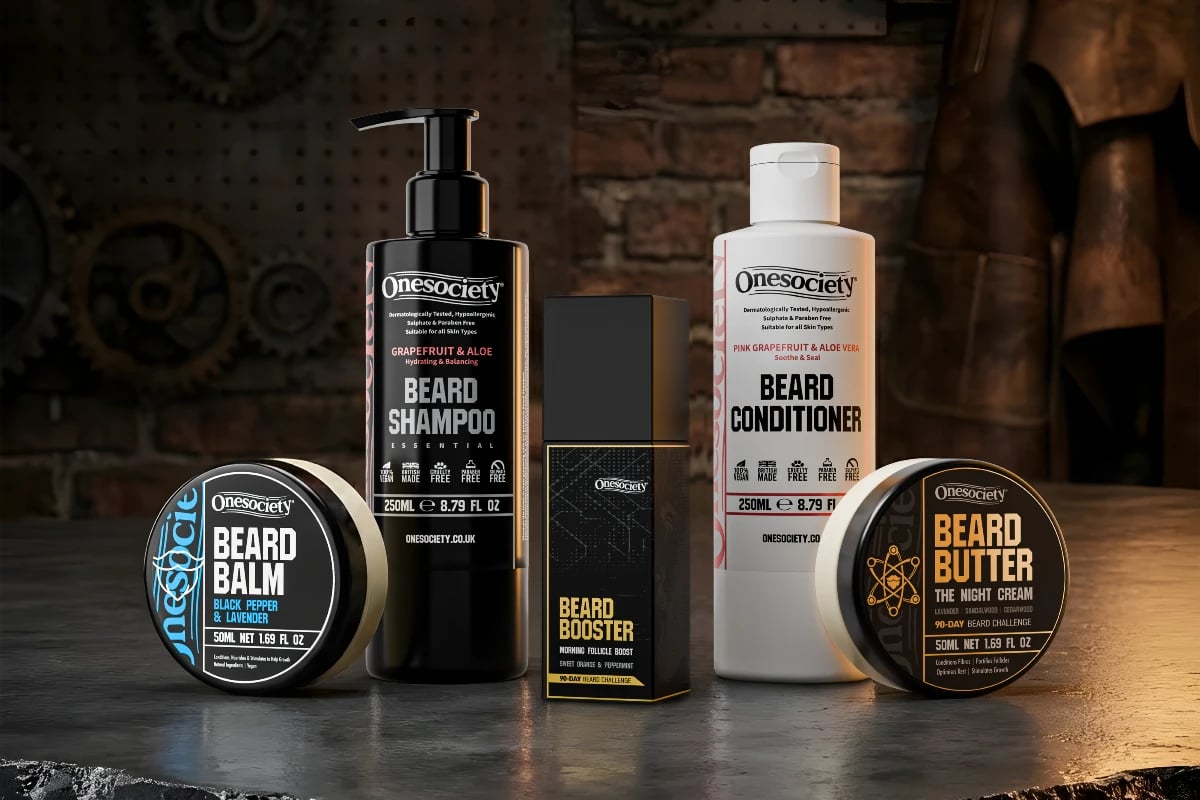
This systematic approach contrasts with luxury single oils that serve primarily as daily maintenance rather than transformation tools. Tom ford conditioning beard oil functions well as a finishing product once you've established baseline beard health, but it lacks the comprehensive ingredient profile needed for significant improvement.
Cost-Per-Result Analysis: Value Beyond Price
Premium pricing only delivers value if results justify expenditure. Let's quantify the actual cost of conditioning your beard with luxury versus scientific formulations.
Price Comparison Framework
| Product Category | Price per 30ml | Applications per Bottle | Cost per Application | Primary Function |
|---|---|---|---|---|
| Tom Ford Luxury | £68 | 60-75 | £0.91-1.13 | Fragrance + Light Conditioning |
| Department Store Mid-Range | £22-35 | 60-90 | £0.24-0.58 | General Conditioning |
| Natural Scientific | £16-24 | 90-120 | £0.13-0.27 | Deep Conditioning + Growth Support |
| DIY Carrier Blend | £8-12 | 150-200 | £0.04-0.08 | Basic Conditioning |
The hidden cost factor: Luxury oils often require supplementary products to achieve complete conditioning. You might need separate growth serums, moisturizers, or styling products, multiplying the total grooming budget.
Natural formulations from specialized beard companies typically concentrate functional ingredients, reducing the need for product stacking. When you explore beard care bundles, the price-per-result calculation shifts dramatically.
Fragrance vs Function: What You're Actually Buying
Be honest about your priorities. If you value:
Signature scent projection: Tom ford conditioning beard oil excels. The fragrance complexity and longevity justify the premium for scent enthusiasts who view their beard as a fragrance delivery system.
Measurable beard health: Natural, scientifically-formulated oils deliver superior results. The concentration of penetrating oils and vitamins produces visible transformation over 60-90 days.
Social signaling: Luxury packaging and brand recognition carry social currency in certain environments. The black bottle and gold lettering communicate affluence and taste.
Long-term follicle health: Natural ingredients reduce cumulative irritation, supporting sustainable beard growth into your 40s and beyond.
Neither approach is wrong - they serve different purposes. The mistake is expecting transformative conditioning results from a product engineered primarily for fragrance.
Ingredient Deep-Dive: What's Actually in the Bottle
Transparency matters. When you're applying compounds to skin and hair daily, understanding their biological function prevents surprises.
Tom ford conditioning beard oil typically contains (order varies by variant):
Functional Conditioning Agents
- Prunus Amygdalus Dulcis (Sweet Almond) Oil: Vitamin E carrier, moderate penetration, 0.8-1.2% improvement in hair tensile strength
- Argania Spinosa (Argan) Kernel Oil: High oleic acid content, reduces frizz by 25-30% in humidity tests
- Simmondsia Chinensis (Jojoba) Seed Oil: Sebum regulation, non-comedogenic rating of 2/5
Non-Functional Additives
- Parfum (Fragrance): Proprietary blend, typically 15-25% of formulation, no conditioning benefit
- Limonene, Linalool, Citronellol: Fragrance components, potential allergens (EU requires labeling above 0.001%)
- Tocopherol: Vitamin E, functions as preservative and antioxidant at these concentrations
The detailed ingredient breakdown reveals a formulation weighted toward scent complexity. For pure conditioning, you'd want the inverse ratio - 80-90% functional oils, 2-5% essential oils for therapeutic benefits.
Natural Alternatives with Higher Active Concentrations
If conditioning efficacy is your priority, examine formulations that maximize functional ingredients. Natural beard oils from specialized brands typically feature:
- 70-85% carrier oil blend (argan, jojoba, sweet almond, castor)
- 10-15% specialty conditioning oils (rosehip, sea buckthorn, hemp seed)
- 2-5% essential oil blend (cedarwood for circulation, peppermint for follicle stimulation)
- 1-2% vitamin concentrate (E and A for protection and cell turnover)
This concentration delivers measurable conditioning within 14-21 days. The beard collection at Onesociety demonstrates this ingredient philosophy, prioritizing biological function over marketing appeal.
Scent Profiles: When Fragrance Justifies Premium Pricing
Let's acknowledge where tom ford conditioning beard oil genuinely excels: fragrance artistry. The scent compositions reflect decades of perfumery expertise.
Oud Wood Variant Analysis
Top notes create immediate impact:
- Cardamom: Spicy warmth, metabolizes in 15-20 minutes
- Rosewood: Subtle sweetness, transitions to heart notes
Heart notes establish character:
- Oud: Rich, woody complexity, peaks at 45-60 minutes
- Sandalwood: Creamy depth, sustains through mid-wear
Base notes provide longevity:
- Vetiver: Earthy anchor, detectable 6-8 hours post-application
- Amber: Warm radiance, final scent impression
This complexity justifies premium pricing if fragrance is your primary goal. The conditioning benefits become secondary - a convenient delivery system for a luxury scent.
Tobacco Vanille: The Gourmand Approach
This variant targets sweet, warm preferences:
- Opening: Tobacco leaf and spice create masculine richness
- Development: Vanilla and tonka bean soften the composition
- Drydown: Cocoa and dried fruit notes add complexity
Wearers report 8-10 hour longevity, exceptional for an oil-based fragrance. The conditioning oil format allows scent molecules to release gradually as body heat warms the beard throughout the day.
The trade-off: This fragrance concentration leaves less formulation space for conditioning agents. You're choosing scent performance over hair health optimization.
Application Scenarios: When Tom Ford Makes Sense
Strategic product selection matches context. Tom ford conditioning beard oil serves specific scenarios effectively:
Professional Environments Requiring Subtle Luxury
If you work in:
- Finance and investment banking
- Luxury retail and hospitality
- Executive leadership roles
- Client-facing professional services
The brand recognition and sophisticated scent create positive impressions. The conditioning becomes adequate for maintaining already-healthy beards, whilst the fragrance projects competence and attention to detail.
Special Occasions and Social Events
Weddings, formal dinners, and high-stakes social environments benefit from fragrance complexity. The conditioning oil won't transform your beard overnight, but it'll ensure you smell distinctive and memorable.
Rotation Strategy for Advanced Groomers
Experienced beard growers often rotate products strategically:
- Monday-Friday: Natural, scientifically-formulated oils for conditioning and growth
- Weekends: Luxury fragrance oils for social activities
- Travel: Compact luxury bottles for convenience and brand familiarity
This approach optimizes both beard health and presentation flexibility.
The Natural Ingredients Advantage: Long-Term Beard Health
Your beard grows for decades. Product choices compound over 20-30 years of daily use. Natural formulations reduce cumulative exposure to synthetic compounds that may compromise follicle health.
Bioaccumulation Risks in Synthetic Formulations
Synthetic fragrance compounds and preservatives can accumulate in sebaceous glands over time. While individual exposure levels remain safe under regulatory limits, daily application for years raises questions about:
- Endocrine disruption from phthalates in synthetic fragrances
- Skin sensitization from repeated allergen exposure
- Follicle inflammation from comedogenic compounds
Natural alternatives eliminate these concerns. Plant-based oils metabolize cleanly, leaving no residual compounds in the skin or follicles.
Sustainable Grooming Philosophy
The shift toward natural formulations reflects broader awareness of long-term health optimization. When you examine natural shower products and beard care essentials, the ingredient lists read like nutrition labels - recognizable compounds with established biological functions.
Tom ford conditioning beard oil sits outside this philosophy. It's engineered for immediate sensory pleasure rather than long-term follicle optimization. Neither approach is superior in absolute terms, but your priorities determine which serves you better.
Performance Testing: 30-Day Comparison Protocol
Want objective data on conditioning efficacy? Run this controlled comparison:
Week 1-2: Baseline Establishment
- Photograph beard in consistent lighting (front, side, close-up)
- Count broken hairs after brushing (30 strokes, boar bristle)
- Rate itch and irritation (1-10 scale, daily tracking)
- Measure moisture retention (water bead test on dry beard)
Week 3-4: Product Application
Split your beard vertically:
- Left side: Tom ford conditioning beard oil (or luxury alternative)
- Right side: Natural, scientifically-formulated oil
- Application: Same technique, same frequency, same amount
Week 5: Results Analysis
Compare sides using baseline metrics:
| Metric | Left (Luxury) | Right (Natural) | Difference |
|---|---|---|---|
| Breakage Count | [Your data] | [Your data] | [Calculate] |
| Itch Score | [Your data] | [Your data] | [Calculate] |
| Visual Softness | [Your data] | [Your data] | [Subjective] |
| Moisture Retention | [Your data] | [Your data] | [Calculate] |
This split-face testing reveals which formulation actually conditions your specific beard type. Individual results vary based on hair texture, porosity, and environmental factors.
The Verdict: Luxury Positioning vs Functional Excellence
Tom ford conditioning beard oil delivers what it promises: a luxury grooming experience centered on fragrance artistry. The conditioning benefits exist but remain secondary to the scent profile and brand positioning.
For beard growers prioritizing transformation, growth, and long-term follicle health, natural formulations with higher active ingredient concentrations deliver superior measurable results. The price differential funds actual biological function rather than marketing and packaging.
Your decision framework:
Choose luxury fragrance oils when:
- Brand recognition matters in your professional context
- Fragrance complexity is your primary grooming priority
- You've already optimized beard health and seek maintenance products
- Budget allows for multiple specialized products in your routine
Choose natural scientific formulations when:
- Measurable conditioning results matter more than scent
- You're building beard health from a damaged or sparse baseline
- Long-term follicle health guides your product decisions
- Cost-per-result optimization is important
Neither category is universally superior. Match the product to your actual goals rather than aspirational marketing.
Effective beard conditioning demands ingredient transparency and biological understanding, not just premium pricing and sophisticated marketing. Whether you choose luxury fragrances or natural formulations, tracking objective results over 60-90 days reveals what actually works for your facial hair. If you're ready to prioritize science-backed beard transformation with natural ingredients proven to optimize follicle health and conditioning efficacy, explore Onesociety's complete range of beard care solutions engineered for measurable results.