

The modern approach to male grooming has evolved beyond simple hygiene into a scientific discipline rooted in dermatology, follicle biology, and cellular health. Men now recognize that proper grooming isn't vanity-it's a commitment to skin barrier function, follicular health, and the prevention of inflammatory conditions. This transformation stems from research showing that targeted grooming practices activate specific cellular pathways, promoting healthier skin, stronger hair follicles, and improved overall appearance. Understanding the biological mechanisms behind each grooming technique empowers you to make informed decisions about your routine.
The Problem: Why Traditional Male Grooming Fails
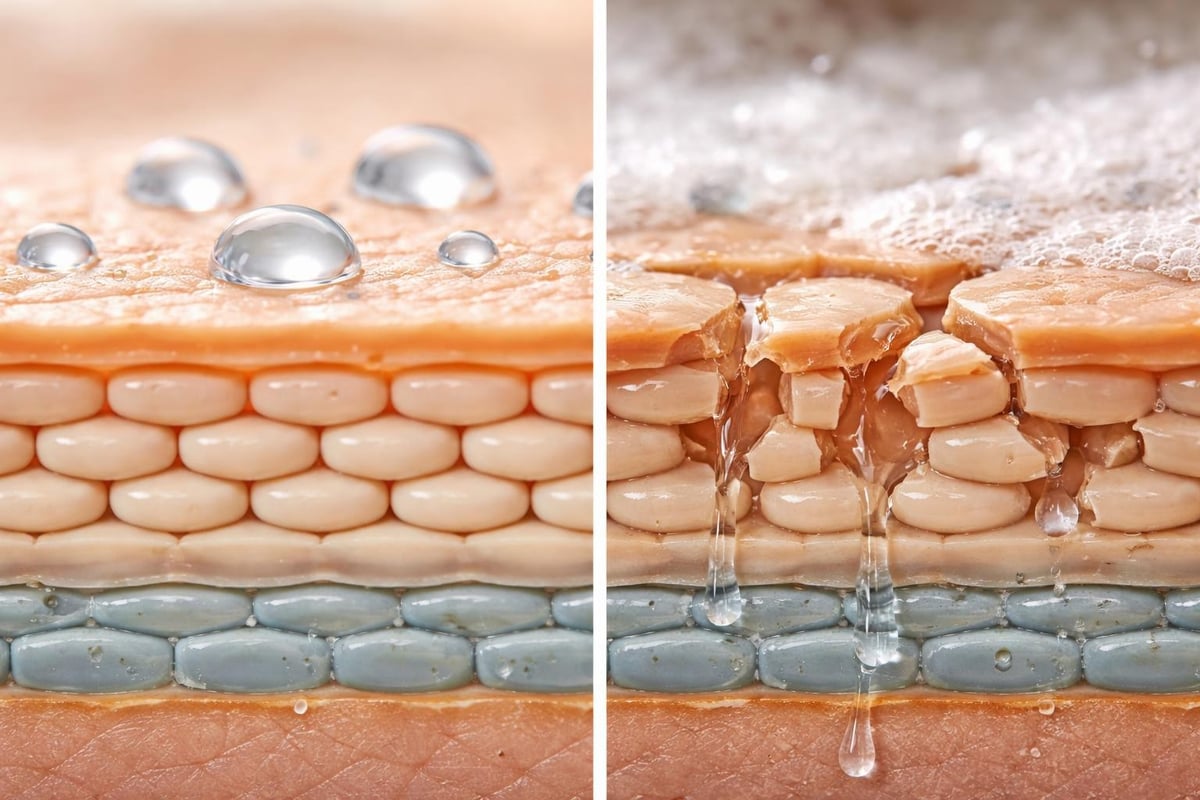
Most men approach grooming with outdated methods that actively damage their skin and hair. Standard supermarket products contain harsh sulfates like sodium lauryl sulfate, which strip the skin's natural lipid barrier-the protective layer of ceramides and cholesterol esters that prevents transepidermal water loss. When this barrier breaks down, your skin becomes vulnerable to bacterial invasion, inflammation, and premature aging.
The Hidden Damage in Your Bathroom Cabinet
Your current products likely contain synthetic fragrances and alcohol-based formulas that disrupt the skin's pH balance. Healthy skin maintains a pH of approximately 4.7-5.75, creating an acidic environment that inhibits pathogenic bacteria. Alkaline soaps and harsh cleansers push this pH above 6.0, allowing harmful microbes to colonize your skin surface.
Consider what happens during a typical shave. The mechanical action of blade against skin causes micro-abrasions in the stratum corneum, your skin's outermost layer. Without proper preparation and aftercare, these microscopic wounds become entry points for bacteria, leading to folliculitis-inflammation of the hair follicles characterized by red bumps and pustules.
Common grooming mistakes that damage your skin:
- Using multi-purpose "3-in-1" products that lack targeted active ingredients
- Applying aftershave with denatured alcohol, which causes vasoconstriction and delays healing
- Neglecting the neck and jawline where sebaceous glands produce excess sebum
- Skipping moisturization, which triggers compensatory sebum production
The science behind proper grooming techniques demonstrates that preparation, technique, and aftercare form an integrated system. Each step activates specific cellular responses that promote healing and prevent inflammation.
The Agitation: What Poor Grooming Costs You
Every day you maintain inadequate grooming habits, you accelerate cellular aging and follicular damage. The consequences extend beyond appearance-poor male grooming practices trigger inflammatory cascades that affect your confidence, professional presence, and skin health for years to come.
The Inflammatory Cascade
When you use products with synthetic irritants, your skin initiates an immune response. Keratinocytes (skin cells) release pro-inflammatory cytokines like IL-1α and IL-6, which recruit immune cells to the area. This chronic low-grade inflammation breaks down collagen fibers through matrix metalloproteinase activation, leading to premature wrinkles and sagging skin.
Beard neglect creates even more severe problems. Dead skin cells accumulate beneath facial hair, mixing with sebum to form a breeding ground for Malassezia yeast and Propionibacterium species. This microbiome imbalance causes beardruff (beard dandruff), itching, and the characteristic musty odor of bacterial overgrowth.
| Grooming Issue | Biological Mechanism | Long-Term Consequence |
|---|---|---|
| Harsh cleansers | Lipid barrier disruption | Chronic dehydration and sensitivity |
| Skipped moisturization | Impaired ceramide synthesis | Premature aging and wrinkle formation |
| Improper beard care | Bacterial overgrowth | Folliculitis and ingrown hairs |
| Alcohol-based products | Cellular dehydration | Reactive sebum overproduction |
The psychological impact compounds these physical problems. Research published in male consumer behavior studies shows that grooming satisfaction directly correlates with self-confidence and professional success. Men who perceive their grooming routine as ineffective experience measurable increases in social anxiety and decreased workplace confidence.
Body Grooming Neglect
Body hair management presents unique challenges that most men ignore until irritation forces attention. The skin in the groin, underarms, and chest differs structurally from facial skin-it contains more apocrine sweat glands that secrete protein-rich perspiration. When body hair traps this secretion against warm skin, bacteria metabolize the proteins into volatile compounds that produce body odor.
Improper body grooming techniques cause additional problems. Shaving against hair growth direction forces blades to cut hair below the skin surface, creating sharp edges that curl back and penetrate the follicle wall-the mechanism behind ingrown hairs. These ingrown hairs trigger foreign body reactions, forming painful pseudofolliculitis barbae lesions.
The best body grooming tools incorporate guard systems and bidirectional blade movements that prevent these complications, but technique matters more than equipment.
The Solution: Science-Based Male Grooming Protocol
Transform your grooming routine by implementing techniques grounded in dermatological research and follicle biology. Each step in this protocol activates specific cellular pathways that promote healing, strengthen hair shafts, and maintain skin barrier integrity.
Facial Cleansing: The pH-Balanced Foundation
Start with a cleanser that maintains your skin's natural acidic pH. Look for formulations containing gentle surfactants like cocamidopropyl betaine, derived from coconut oil, which cleanses without stripping essential lipids. The cleansing process should remove particulate matter and excess sebum while preserving the skin microbiome-the beneficial bacteria that prevent pathogenic colonization.
Morning cleansing protocol:
- Wet face with lukewarm water (32-35°C) to avoid thermal shock
- Apply cleanser using circular motions to mechanically lift debris
- Focus on the T-zone where sebaceous glands concentrate
- Rinse thoroughly to prevent residue buildup
- Pat dry with a clean towel (rubbing damages the stratum corneum)
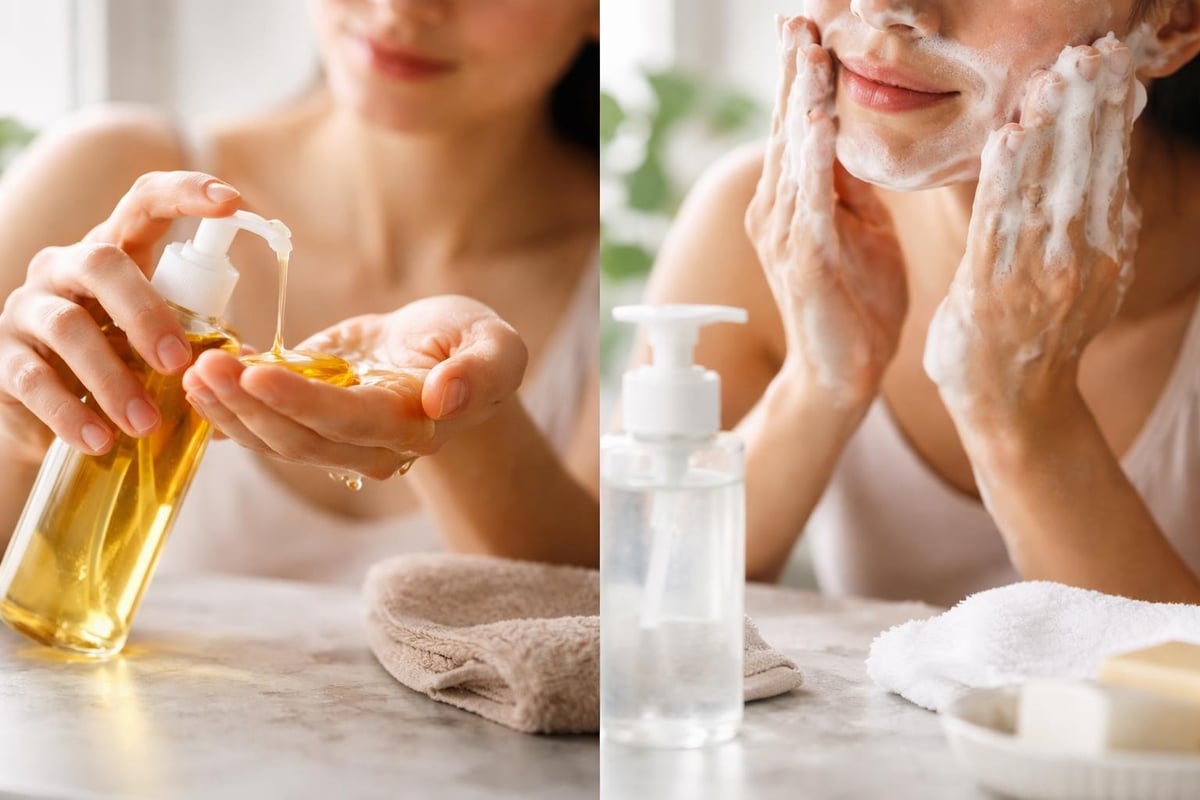
Evening cleansing requires a different approach. Throughout the day, your skin accumulates environmental pollutants, oxidized sebum, and cellular debris. Double cleansing-first with an oil-based formula to dissolve lipophilic (fat-soluble) contaminants, then with a water-based cleanser for hydrophilic (water-soluble) impurities-ensures complete removal without over-stripping.
Beard Care: Follicular Health and Growth Optimization
Proper beard maintenance requires understanding the hair growth cycle. Each follicle cycles through anagen (growth), catagen (transition), and telogen (rest) phases. The anagen phase determines maximum hair length-facial hair typically grows 0.4mm per day during this phase, which lasts 2-6 months for most men.
Optimizing beard growth requires addressing three factors: follicle blood flow, sebum management, and cuticle protection. Effective beard growth strategies focus on natural ingredients that activate these pathways without synthetic irritants.
Daily beard maintenance routine:
-
Morning: Apply beard oil containing jojoba oil (mimics sebum's molecular structure) and argan oil (rich in vitamin E, which neutralizes free radicals). These oils penetrate the hair shaft, strengthening disulfide bonds between keratin proteins.
-
Midday (if needed): Use a boar bristle brush to distribute sebum from root to tip, which prevents accumulation at the follicle opening while conditioning the hair shaft.
-
Evening: Wash with a sulfate-free beard shampoo that maintains the 4.5-5.5 pH range, then apply beard butter containing shea butter. Shea butter's fatty acid profile (stearic, oleic, and palmitic acids) reduces inflammatory prostaglandin production while locking in moisture.
The science behind these ingredients isn't marketing-it's biochemistry. Jojoba oil's unique wax ester composition closely matches human sebum, allowing it to regulate oil production through a negative feedback mechanism. When skin receptors detect adequate surface lipids, they reduce sebum synthesis, preventing the greasy buildup that plagues many beards.
Advanced Beard Treatment: The Transformation Protocol
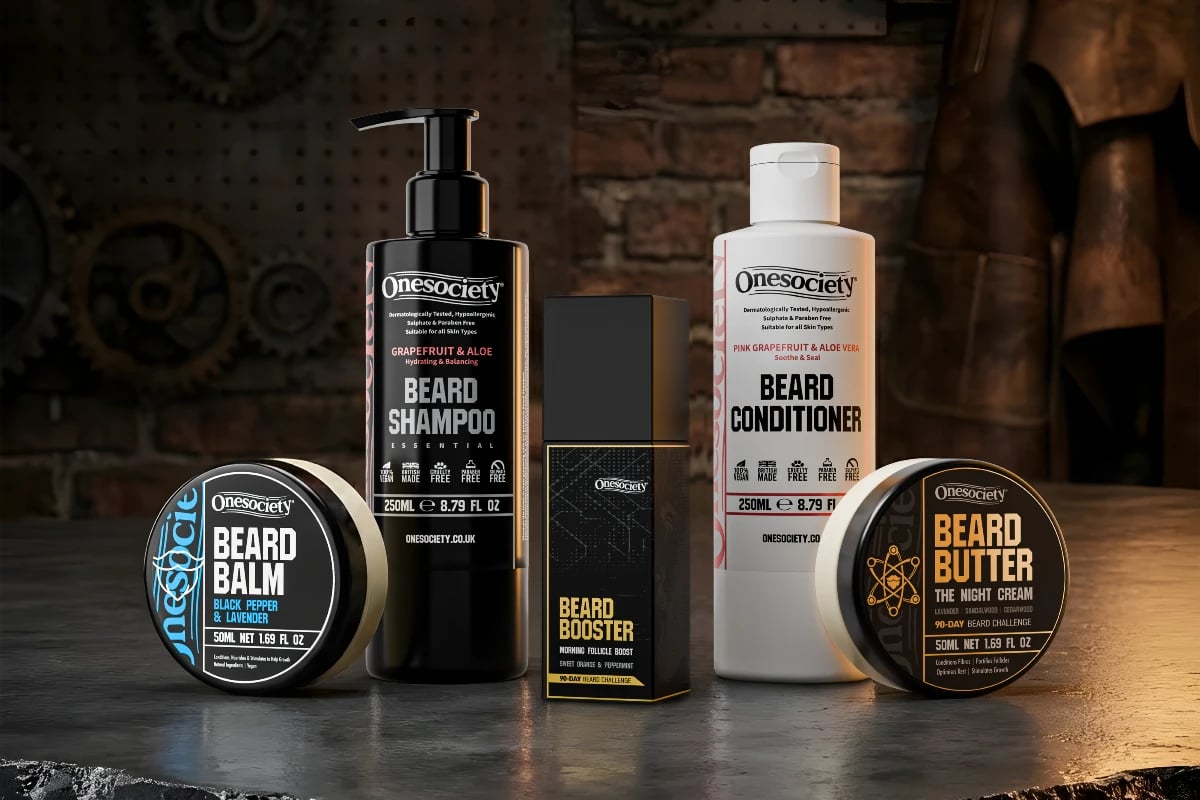
For men committed to maximizing beard potential, a comprehensive system delivers measurable results. The 90-Day Beard Challenge combines eight targeted formulas designed to work synergistically across the hair growth cycle. This approach recognizes that follicle health requires multiple interventions-boosting blood flow to deliver nutrients, protecting the hair shaft from environmental damage, and maintaining optimal moisture balance.
The Beard Booster formula contains ingredients that promote vasodilation, increasing microcirculation to follicles. Enhanced blood flow delivers oxygen and nutrients essential for the cellular division that drives hair growth. Meanwhile, the Hydro-Lock Balm creates a protective barrier that prevents moisture evaporation while shielding hair from UV radiation and pollutants.
| Product Component | Active Mechanism | Biological Outcome |
|---|---|---|
| Beard Booster | Follicle vasodilation | Increased nutrient delivery and growth rate |
| Beard Butter | Ceramide supplementation | Overnight moisture retention and repair |
| Beard Balm | Occlusive barrier formation | Protection from transepidermal water loss |
| Beard Shampoo | pH normalization | Microbiome balance and reduced inflammation |
Body Grooming: Zone-Specific Strategies
Different body areas require tailored approaches based on their unique physiology. The comprehensive manscaping guide outlines zone-specific techniques that minimize irritation while achieving desired results.
Chest and abdomen: Use body groomers with adjustable guards to maintain preferred length without causing ingrown hairs. The skin in these areas has fewer nerve endings than facial skin, but it's also more prone to folliculitis due to clothing friction.
Underarms: This region contains the highest concentration of apocrine glands. Trimming (rather than complete removal) reduces odor-causing bacterial accumulation while avoiding the irritation that complete shaving causes. After trimming, apply an aluminum-free deodorant containing antibacterial agents like tea tree oil, which inhibits bacterial growth without disrupting the skin microbiome.
Groin area: The most sensitive zone requires the most careful technique. Always trim with the grain (direction of hair growth) and use a fresh blade to prevent bacterial transfer. Post-grooming, apply a product containing zinc oxide, which creates a protective barrier while reducing inflammation through its mild astringent properties.
Skincare Integration: Beyond Surface Treatment
Male grooming extends beyond hair management to comprehensive skin health. The skin's epidermis renews completely every 28 days through a process called desquamation, where old cells shed and new ones migrate upward. Supporting this natural turnover prevents dead cell accumulation that leads to dullness and clogged pores.
Essential skincare steps:
-
Exfoliation (2-3 times weekly): Use chemical exfoliants containing alpha-hydroxy acids (AHAs) like lactic acid, which break the bonds between dead skin cells without mechanical abrasion. AHAs also stimulate collagen synthesis in the dermis by activating fibroblast cells.
-
Moisturization (daily): Apply products containing hyaluronic acid, which binds 1000 times its weight in water, and niacinamide (vitamin B3), which strengthens the skin barrier by increasing ceramide production. These ingredients work synergistically-hyaluronic acid hydrates while niacinamide prevents water loss.
-
Sun protection (daily): UV radiation generates reactive oxygen species that damage cellular DNA and break down collagen. Broad-spectrum SPF 30+ formulas containing zinc oxide or titanium dioxide physically block UV rays without the endocrine-disrupting effects of chemical sunscreens.
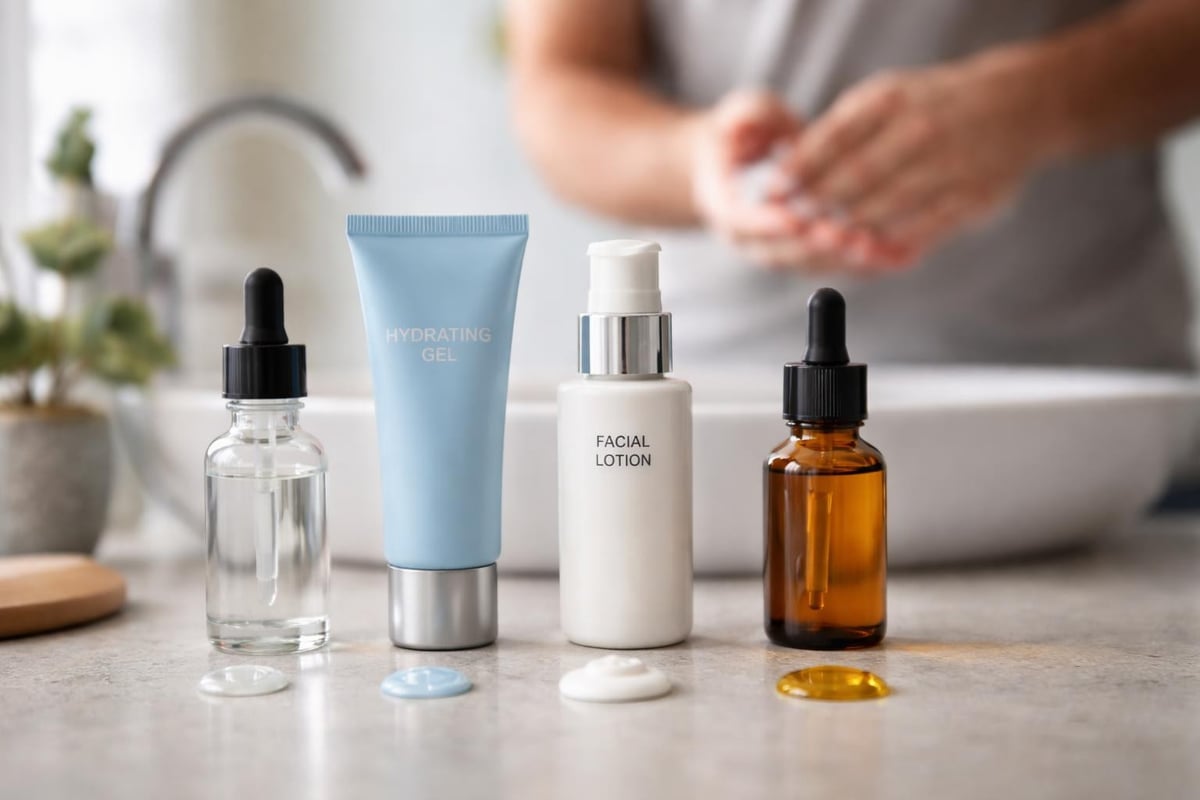
The timing of application matters. Apply water-based serums on damp skin immediately after cleansing-residual moisture helps these products penetrate deeper into the epidermis. Follow with oil-based moisturizers that seal in the water-based products and create a protective barrier.
Hair Styling: Scalp Health Foundation
Scalp skin contains more sebaceous glands than facial skin, producing oils that both protect and complicate styling. The key to effective male hair products lies in balancing hold with scalp health.
Avoid products containing silicones (dimethicone, cyclomethicone) that coat the hair shaft and prevent moisture penetration. Instead, choose natural hold agents like beeswax and bentonite clay. These ingredients provide structure without suffocating the scalp or causing product buildup that requires harsh removal.
Tool Selection and Maintenance
The implements you use matter as much as the products. Selecting the best beard trimmer requires evaluating blade quality, motor power, and guard precision. Stainless steel or titanium-coated blades resist bacterial colonization better than standard steel, reducing infection risk.
Tool hygiene protocol:
- Clean blades with isopropyl alcohol after each use to eliminate bacterial contamination
- Oil trimmer blades weekly to prevent friction heat that damages hair cuticles
- Replace disposable razor blades after 5-7 uses to maintain sharpness
- Sanitize brushes and combs monthly with antibacterial solution
Dull blades don't cut cleanly-they tear hair shafts, creating frayed ends that appear frizzy and damaged. This mechanical damage extends beyond aesthetics. Torn cuticles allow moisture to escape from the hair cortex, leading to brittle, breakage-prone strands.
Lifestyle Factors That Amplify Grooming Results
Male grooming effectiveness depends on internal health as much as external application. Your body synthesizes the building blocks of healthy skin and hair from nutrients you consume. Deficiencies in key vitamins and minerals sabotage even the most sophisticated grooming routine.
Nutritional Foundations
Hair follicles are among the most metabolically active tissues in your body, requiring constant nutrient supply. Protein provides amino acids that form keratin, the structural protein in hair and skin. Aim for 1.6-2.2g of protein per kilogram of body weight daily, emphasizing complete proteins containing all essential amino acids.
Critical micronutrients for grooming:
-
Biotin (Vitamin B7): Cofactor in fatty acid synthesis required for sebum production. Deficiency causes brittle hair and scaly skin. Target 30-100 micrograms daily.
-
Zinc: Essential for DNA synthesis in rapidly dividing follicle cells. Zinc deficiency causes telogen effluvium (excessive shedding). Target 11mg daily, but avoid exceeding 40mg as excess zinc impairs copper absorption.
-
Vitamin D: Regulates the hair growth cycle by activating follicle stem cells. Most men are deficient due to indoor lifestyles. Target 2000-4000 IU daily or achieve blood levels of 40-60 ng/mL through sun exposure.
-
Omega-3 fatty acids: EPA and DHA reduce inflammatory prostaglandins that damage follicles. Target 2-3g combined EPA/DHA daily from fish oil or algae sources.
Stress Management and Cortisol Control
Chronic psychological stress elevates cortisol, which shifts hair follicles from anagen (growth) to telogen (rest) phase prematurely. This mechanism explains stress-related hair thinning and beard growth stagnation. Cortisol also increases sebum production while simultaneously impairing skin barrier function-a combination that promotes acne formation.
Implementing stress reduction techniques produces measurable improvements in skin and hair health. Research demonstrates that just 20 minutes of daily meditation reduces cortisol by 15-20%, while regular exercise increases brain-derived neurotrophic factor (BDNF), which promotes follicle health through improved neural regulation of growth cycles.
Sleep Optimization
During deep sleep, your body releases growth hormone, which stimulates cell regeneration throughout the body, including skin and hair follicles. Sleep deprivation reduces growth hormone secretion by up to 70%, directly impairing your grooming results regardless of product quality.
Target 7-9 hours of sleep nightly with particular attention to sleep quality. Keep your bedroom cool (15-19°C) to promote deep sleep stages, eliminate blue light exposure 2 hours before bed to support melatonin production, and maintain consistent sleep-wake times to regulate circadian rhythm.
Troubleshooting Common Male Grooming Challenges
Even with proper technique, you'll encounter obstacles. Understanding the biological mechanisms behind common problems enables targeted solutions rather than trial-and-error product switching.
Persistent Beardruff
If flaking continues despite regular washing, you're likely dealing with seborrheic dermatitis caused by Malassezia yeast overgrowth. This fungus feeds on sebum triglycerides, producing inflammatory byproducts that accelerate skin cell turnover. The result: excessive flaking and itching.
Treatment protocol:
- Switch to a shampoo containing ketoconazole or piroctone olamine, antifungal agents that inhibit Malassezia growth
- Apply beard oil with tea tree oil (maximum 5% concentration), which disrupts fungal cell membranes
- Brush beard daily to mechanically remove flakes before they accumulate
- Reduce sugar intake, as high blood glucose promotes yeast proliferation
Ingrown Hairs and Razor Bumps
Pseudofolliculitis barbae occurs when curved hairs penetrate the follicle wall or adjacent skin, triggering foreign body inflammation. Men with tightly coiled hair face higher risk due to hair shaft curvature.
Prevention requires multi-modal intervention. Pre-shave preparation should include a 3-5 minute hot towel application to soften hair and open pores. Shave with the grain using light pressure-multiple gentle passes cause less trauma than heavy-handed single strokes. Post-shave, apply products containing salicylic acid (2%), which exfoliates the follicle opening and prevents hair entrapment.
Dry, Flaky Skin Despite Moisturizing
If moisturizers fail to resolve dryness, the problem lies deeper than surface hydration. You're experiencing impaired ceramide synthesis, the process that produces lipids forming your skin barrier. This often results from vitamin D deficiency, essential fatty acid insufficiency, or chronic inflammation.
Address this by incorporating ceramide-containing products that directly supplement deficient lipids. Pair this with internal support: increase omega-3 intake to provide building blocks for ceramide synthesis and supplement with vitamin D to activate the enzymes that produce ceramides.
Advanced Techniques: Maximizing Your Investment
Once you've mastered fundamentals, advanced male grooming techniques deliver incremental improvements that compound over time.
Derma Rolling for Beard Enhancement
Microneedling stimulates collagen production and increases follicular blood flow through controlled micro-injury. Rolling a 0.5mm derma roller over beard growth areas twice weekly triggers wound healing responses that promote hair thickness and density.
The science: microneedles create channels that activate platelet-derived growth factor (PDGF) and vascular endothelial growth factor (VEGF), both of which promote follicle health. Perform this treatment before applying beard oil to enhance absorption of active ingredients.
Face Mapping: Targeted Zone Treatment
Different facial zones have distinct sebaceous gland densities and circulation patterns. The T-zone (forehead, nose, chin) contains more oil glands than cheeks, requiring lighter moisturization. Conversely, the area around eyes has minimal oil glands and thinner skin, demanding richer hydration.
Customize your routine by applying different products to different zones. Use gel-based moisturizers on oily areas and cream-based formulas on dry patches. This prevents the common mistake of applying uniform products that leave some areas over-moisturized while others remain dehydrated.
Product Rotation Strategy
Your skin adapts to repeated ingredient exposure through receptor downregulation, reducing effectiveness over time. Combat this by rotating between product formulations every 8-12 weeks. Maintain the same active ingredients but vary the supporting components to prevent adaptation while sustaining results.
This approach mirrors athletic periodization-changing stimuli prevents plateaus while maintaining progress toward your goals. Consider keeping a comprehensive beard care kit that offers variety while ensuring you never compromise on quality or ingredient purity.
Effective male grooming combines scientific understanding with consistent application of evidence-based techniques. When you recognize that each product and practice activates specific biological pathways, you transform grooming from a superficial routine into a strategic approach to skin and follicle health. Onesociety provides the natural, research-backed formulations that support this scientific approach, delivering results you can measure and feel. Start your transformation today with products designed around how your body actually functions, not marketing promises.