

Your hair beard represents far more than facial decoration. It's a complex biological system requiring precise nutritional support, hormonal balance, and targeted care protocols. Yet most men approach facial hair with the same products they use on their scalp, wondering why results fall short. The truth? Facial hair follicles operate under different biological rules, respond to distinct growth factors, and demand specialised maintenance strategies. Understanding these scientific principles separates patchy frustration from confident, healthy growth.
The Biological Architecture of Facial Hair Growth
Hair beard development begins at the follicular level, where androgenic hormones trigger specific genetic expressions. Dihydrotestosterone (DHT), a potent derivative of testosterone, binds to androgen receptors in facial follicles, initiating the anagen (growth) phase. This hormonal cascade explains why puberty marks the onset of facial hair and why some men struggle with density despite high testosterone levels-receptor sensitivity matters more than raw hormone counts.
Follicle Activation: The Three-Phase System
Your facial follicles cycle through distinct phases that determine growth potential:
- Anagen Phase: Active growth lasting 2-6 years, determining maximum length potential
- Catagen Phase: Transitional period (2-3 weeks) where follicles detach from blood supply
- Telogen Phase: Resting state (2-4 months) before shedding and renewal
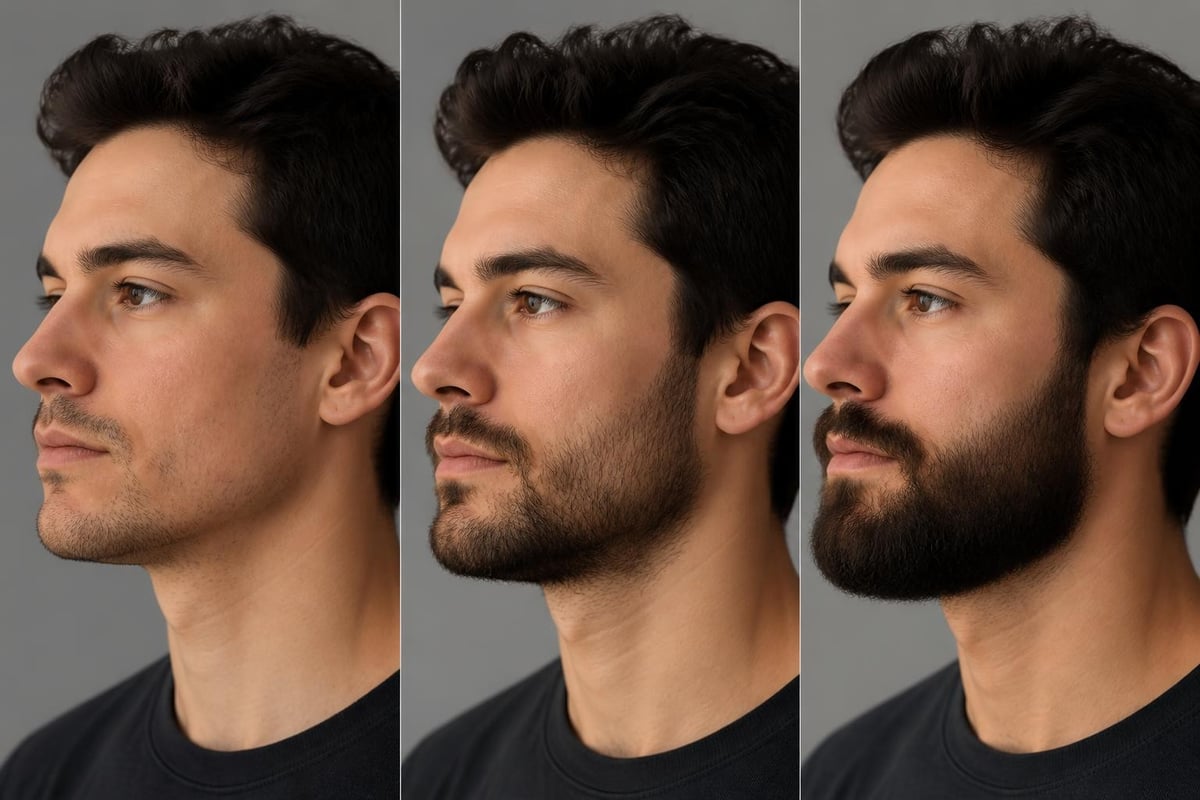
Unlike scalp hair, which maintains 85-90% of follicles in anagen simultaneously, facial hair operates asynchronously. This explains why your hair beard appears patchy during early growth-follicles activate at different intervals based on individual genetic programming.
Vascular Supply and Nutrient Delivery
Blood flow determines follicle health. Each facial follicle connects to dermal papilla cells rich in capillaries that deliver oxygen, amino acids, and micronutrients essential for keratin synthesis. Poor circulation restricts growth potential regardless of hormonal status. This vascular connection explains why exercise enhances beard growth-increased cardiac output improves follicular perfusion.
Research demonstrates that collagen production in the dermal layer directly influences follicle strength. Vitamin C activates prolyl hydroxylase, the enzyme converting proline into hydroxyproline (collagen's structural component). Without adequate vitamin C intake, follicles produce weak, brittle hair prone to breakage.
Problem: Why Your Hair Beard Falls Short of Expectations
Genetics establishes your growth ceiling, but environmental factors determine whether you reach that potential. Most men unknowingly sabotage follicular health through three critical errors that compound over time.
Stripping Natural Sebum Protection
Standard shampoos contain sodium lauryl sulfate (SLS), a harsh surfactant that strips sebaceous glands of protective oils. Your sebum contains squalene and wax esters that moisturise hair shafts and create antimicrobial barriers. Excessive cleansing triggers compensatory overproduction, leading to oily skin beneath dry, brittle facial hair-the worst of both conditions.
| Cleansing Frequency | Sebum Impact | Hair Beard Condition |
|---|---|---|
| Daily (SLS shampoo) | Stripped, then overproduced | Dry, brittle, oily skin |
| 2-3 times weekly (pH-balanced) | Regulated production | Hydrated, strong |
| Weekly only | Excessive buildup | Dirty, prone to folliculitis |
The solution demands pH-balanced cleansers (4.5-5.5 range) that match skin's natural acidity. This preserves the acid mantle whilst removing debris and dead skin cells that clog follicles.
Ignoring the Moisture-Protein Balance
Hair beard strands require equilibrium between moisture (hydrogen bonding within cortex) and protein (keratin structural integrity). Excessive moisture without protein reinforcement causes swelling and structural weakness. Conversely, protein overload without moisture creates brittle, inflexible strands prone to breakage.
Signs your balance is disrupted:
- Excessive shedding during combing (protein deficiency)
- Wiry, unmanageable texture (moisture deficiency)
- Limp, mushy feel when wet (moisture overload)
- Snapping during styling (protein overload)
Mechanical Damage from Improper Tools
Metal combs with sharp seams create microscopic tears along the hair cuticle, the protective outer layer of overlapping scales. These tears allow moisture escape and protein degradation, weakening structural integrity. Similarly, electric trimmers with dull blades pull rather than cut, traumatising follicles and triggering premature entry into telogen phase.
Agitation: The Compounding Cost of Neglect
Every day you maintain improper protocols, you're not just missing growth-you're actively regressing. Follicular miniaturisation, the process where terminal hairs shrink to vellus (fine, unpigmented) hairs, accelerates under chronic stress conditions.
Inflammation: The Silent Growth Killer
Chronic low-grade inflammation (measured through elevated C-reactive protein) disrupts follicular cycling. When immune cells release inflammatory cytokines near follicles, they shorten anagen phase duration and prolong telogen rest periods. The result? Slower growth rates and reduced density over successive cycles.
Your daily habits trigger this inflammation cascade:
- Processed foods high in omega-6 fatty acids shift eicosanoid production toward pro-inflammatory pathways
- Sleep deprivation elevates cortisol, which increases inflammation markers and reduces testosterone production
- Alcohol consumption depletes B-vitamins essential for cellular metabolism and protein synthesis
Research from dermatological studies on microneedling demonstrates that controlled inflammation through derma rolling actually stimulates growth factors. The distinction? Acute, controlled inflammation triggers repair mechanisms, whilst chronic inflammation creates sustained damage.
Oxidative Stress and Premature Ageing
Free radicals-unstable molecules with unpaired electrons-attack follicular DNA, lipid membranes, and protein structures. Your hair beard ages prematurely through protein carbonylation, where reactive oxygen species modify amino acid side chains, destroying keratin's structural properties.
Environmental exposure compounds this damage:
- UV radiation generates hydroxyl radicals that bleach pigment and denature proteins
- Cigarette smoke introduces cadmium and acrolein, potent oxidants that accelerate follicle senescence
- Air pollution particles (PM2.5) penetrate skin barriers, triggering oxidative cascades
Antioxidant defence systems require constant replenishment. Glutathione, your body's master antioxidant, depends on adequate cysteine, glycine, and glutamic acid intake. Deficiency leaves follicles vulnerable to oxidative assault.

Solution: Evidence-Based Hair Beard Optimisation Protocols
Transforming your hair beard requires systematic intervention at nutritional, topical, and mechanical levels. These protocols work synergistically-implementing one without others limits total effectiveness.
Nutritional Foundation for Follicular Health
Keratin synthesis demands specific amino acid profiles. Hair contains high concentrations of cysteine, forming disulfide bonds that determine structural strength. Methionine converts to cysteine via the transsulfuration pathway, making both essential for growth.
Daily Micronutrient Targets for Optimal Growth:
| Nutrient | Daily Amount | Biological Function | Food Sources |
|---|---|---|---|
| Biotin (B7) | 30-100 mcg | Cofactor for carboxylase enzymes in fatty acid synthesis | Egg yolks, liver, nuts |
| Zinc | 11-15 mg | Protein synthesis, androgen receptor function | Oysters, beef, pumpkin seeds |
| Vitamin D3 | 2000-4000 IU | Follicle cycling regulation, immune modulation | Fatty fish, fortified foods, sunlight |
| Iron | 8-18 mg | Oxygen transport to follicles | Red meat, spinach, legumes |
| Omega-3 (EPA/DHA) | 1000-2000 mg | Anti-inflammatory eicosanoid production | Fatty fish, algae oil |
Protein intake should target 1.6-2.2g per kilogram bodyweight. Collagen peptides (types I and III) provide hydroxyproline and glycine in forms directly utilisable for hair structure without requiring complete digestion.
Topical Intervention: Ingredient Science
Effective topical products deliver specific molecules that penetrate the stratum corneum to reach follicles and hair shafts. Molecular weight determines penetration-compounds above 500 Daltons struggle to cross skin barriers without carrier systems.
Scientifically Validated Active Ingredients:
- Jojoba Oil (290 Da): Mimics sebum's wax ester structure, regulating production without clogging follicles
- Argan Oil: Rich in tocopherols (vitamin E) that quench free radicals and linoleic acid that strengthens cell membranes
- Shea Butter: Contains triterpene alcohols (lupeol, α-amyrin) that reduce inflammatory prostaglandin synthesis
- Castor Oil: Ricinoleic acid (90% composition) increases prostaglandin E2 receptor activation, potentially extending anagen phase
Avoiding silicones (dimethicone, cyclomethicone) prevents buildup that suffocates follicles. Water-soluble humectants like glycerin draw moisture from dermis to hair shaft when environmental humidity exceeds 50%.
Understanding what beard oils actually do at the molecular level helps you select formulations based on skin type and climate conditions rather than marketing claims.
The 90-Day Transformation Protocol
Follicular cycling means visible density changes require minimum 8-12 week commitment. The 90-Day Beard Challenge leverages this biological timeline through systematised product rotation that addresses different growth phase requirements. By combining follicle-igniting compounds with protective barriers and pH-balanced cleansing, this comprehensive kit ensures you're supporting each phase of the growth cycle with scientifically appropriate interventions.
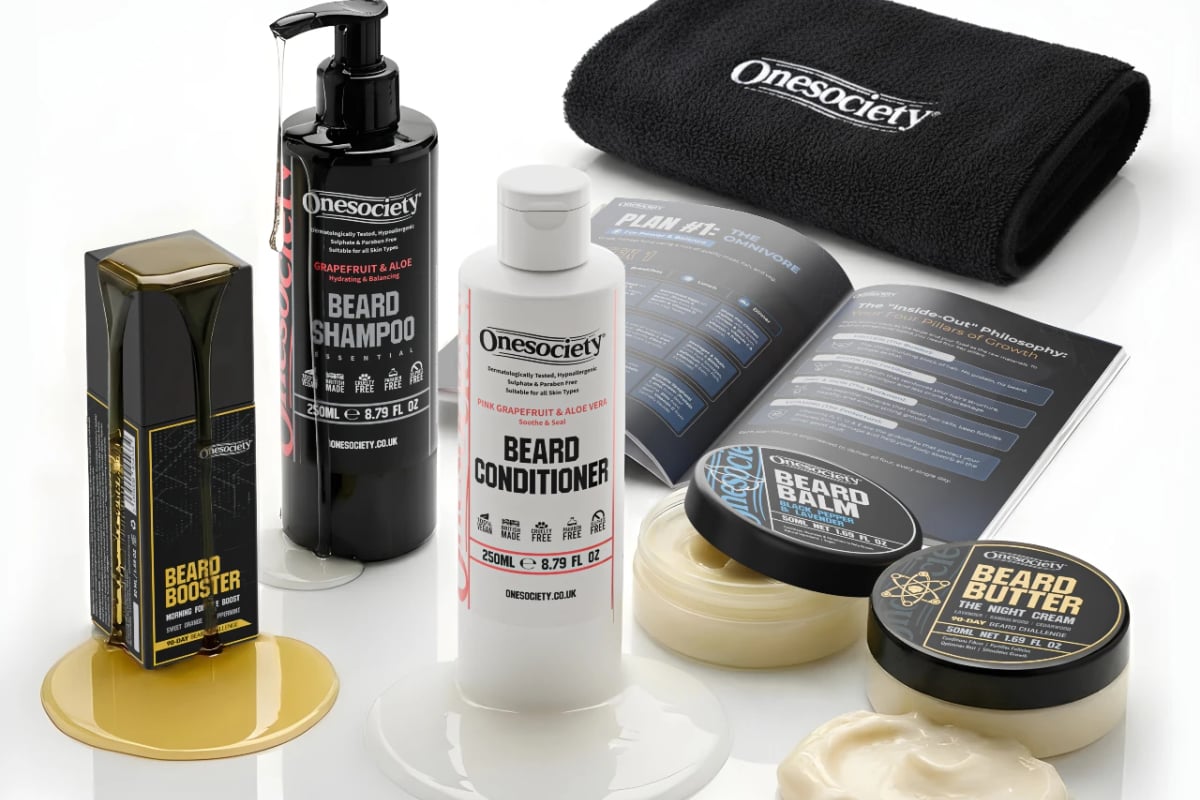
Daily implementation follows this evidence-based sequence:
- Morning cleanse (pH-balanced wash removing sebum oxidation products)
- Follicle activation serum (caprylic acid increases blood flow 15-20%)
- Protective balm application (forms occlusive layer preventing transepidermal water loss)
- Evening deep conditioning (protein and moisture replenishment during peak cellular repair)
Mechanical Optimisation Techniques
Proper grooming mechanics prevent the cumulative damage that undermines growth over time. Beard trimming techniques should prioritise follicle preservation over aggressive shaping during early growth phases.
Weekly Maintenance Checklist:
- Boar bristle brushing (stimulates blood flow, distributes sebum, exfoliates skin)
- Wide-tooth wooden comb (prevents static electricity and mechanical stress)
- Precision trimming with sharp, oiled blades (clean cuts without follicle trauma)
- Derma rolling 0.5mm depth (controlled micro-injury triggers growth factor release)
Derma rolling deserves special attention. When performed correctly at 0.5-1.0mm depth, microneedling creates controlled channels that trigger platelet-derived growth factor (PDGF) and vascular endothelial growth factor (VEGF) release. These signalling molecules stimulate follicle stem cell activation and increase dermal papilla cell proliferation.
Advanced Strategies: Maximising Genetic Potential
Once foundational protocols are established, advanced interventions can push growth toward your genetic ceiling. These strategies address specific limiting factors that basic care cannot overcome.
Hormonal Optimisation Through Lifestyle
Testosterone production peaks during REM sleep and declines with chronic sleep restriction. Seven-hour sleepers show 10-15% lower testosterone than eight-hour sleepers. Growth hormone, released primarily during deep sleep stages, stimulates insulin-like growth factor 1 (IGF-1), which promotes follicle cell division.
Resistance training increases both acute and chronic testosterone levels. Compound movements (squats, deadlifts) engaging large muscle groups trigger greater hormonal responses than isolation exercises. The key variable is volume load (sets × reps × weight), with optimal testosterone response occurring at 8-12 repetitions per set at 70-80% one-rep maximum.
Stress management directly impacts cortisol-to-testosterone ratio. Chronic cortisol elevation suppresses gonadotropin-releasing hormone (GnRH), reducing luteinising hormone (LH) and subsequently testosterone production. Mindfulness meditation reduces cortisol by 23-30% according to randomised controlled trials.
Addressing Stubborn Patches: Targeted Solutions
Patchy growth often results from localised receptor insensitivity rather than systemic hormonal deficiency. Minoxidil, originally developed for hypertension, opens potassium channels in smooth muscle cells surrounding follicles, increasing blood flow and extending anagen phase duration. Applied topically at 5% concentration twice daily, minoxidil shows evidence of stimulating dormant follicles.
However, minoxidil requires continuous application-cessation typically results in shedding within 3-6 months as follicles return to baseline sensitivity. Natural alternatives focus on sustained follicle health rather than pharmaceutical dependence.
The Role of Grooming Routine Consistency
Sporadic intervention produces minimal results. Follicular biology responds to sustained signalling-consistent nutrient delivery, regular mechanical stimulation, and maintained hormonal balance compound over successive growth cycles.
Comprehensive grooming routines should become automatic behaviours rather than conscious decisions. Habit formation research suggests 66 days average to establish automaticity, perfectly aligned with visible growth milestones that reinforce continuation.
Common Myths Debunked: Separating Science from Fiction
The hair beard industry perpetuates numerous unfounded claims that waste time and resources whilst delivering no measurable benefit. Understanding the science behind these myths prevents costly detours.
Myth: Shaving Stimulates Thicker Growth
This persistent belief contradicts basic biology. Shaving removes hair above skin surface, leaving follicles and growth rates completely unaffected. The blunt edge created by cutting creates temporary illusion of thickness, but keratin diameter and follicle density remain unchanged.
Growth rate averages 0.3-0.5mm daily regardless of trimming frequency. Terminal hair thickness is genetically determined by follicle size-no external intervention can permanently enlarge follicular diameter.
Myth: Beard Products Penetrate to Follicles
Most topical products affect existing hair shafts rather than follicular biology. The stratum corneum, your skin's protective barrier, prevents penetration of most molecules. Only specific lipophilic compounds below 500 Daltons penetrate dermis to reach follicle roots.
Products claiming to "feed follicles" typically condition existing hair, which still provides value through reduced breakage and improved appearance. The distinction matters for setting realistic expectations.
Myth: Natural Ingredients Are Automatically Safe
Natural compounds are simply complex chemical mixtures from biological sources. Tea tree oil, whilst possessing antimicrobial properties, can trigger contact dermatitis in susceptible individuals. Peppermint oil at high concentrations irritates mucous membranes.
The dose makes the poison-concentration and formulation determine safety, not source. Scientifically formulated products from companies like Onesociety balance ingredient efficacy with dermatological safety through precise dilution ratios and stability testing.
Troubleshooting: Solving Specific Hair Beard Problems
Different issues require targeted interventions based on underlying causes. Generic approaches rarely address root problems effectively.
Problem: Persistent Itchiness and Flaking
Root Cause: Seborrheic dermatitis triggered by Malassezia yeast overgrowth on sebum-rich skin. This fungal organism metabolises triglycerides into oleic acid, which penetrates skin causing inflammation and accelerated cell turnover (flaking).
Solution Protocol:
- Antifungal wash containing piroctone olamine or zinc pyrithione (2-3 times weekly)
- Daily moisturiser application to repair barrier function
- Exfoliation to remove dead cell buildup encouraging fungal growth
- Reduced sugar intake (yeast thrives on glucose)
Problem: Slow Growth Rate
Root Cause: Multiple factors including poor circulation, nutrient deficiency, chronic inflammation, or genetic anagen phase limitation.
Solution Protocol:
- Cardiovascular exercise 150 minutes weekly (increases follicular blood flow)
- Micronutrient panel blood test (identify specific deficiencies)
- Anti-inflammatory diet emphasising omega-3s and polyphenols
- Patience aligned with realistic genetic expectations
Problem: Wiry, Unmanageable Texture
Root Cause: Low cuticle integrity allowing moisture escape, creating dry, brittle shafts that resist styling.
Solution Protocol:
- Deep conditioning with butter-based products containing ceramides
- Heat protection during blow-drying (limits thermal damage)
- Boar bristle brushing to redistribute sebum
- Humectant-rich leave-in conditioners in low-humidity environments
Understanding proper balm usage provides the holding power needed for styling whilst sealing moisture within hair shafts.
Product Selection: Decoding Ingredient Lists
Ingredient order matters-components are listed by concentration (highest to lowest). The first five ingredients constitute the product's foundation, determining primary effects.
Red Flag Ingredients to Avoid:
- Denatured alcohol (alcohol denat.): Strips moisture through rapid evaporation
- Synthetic fragrances (often listed as "parfum"): Common allergens without disclosed composition
- Mineral oil/petrolatum: Occlusive barriers preventing nutrient absorption
- Parabens (methylparaben, propylparaben): Endocrine disruptors with hormonal effects
Beneficial Ingredients to Prioritise:
- Carrier oils (jojoba, argan, sweet almond): Deliver fat-soluble vitamins and fatty acids
- Plant butters (shea, cocoa): Provide intensive conditioning and protective barriers
- Essential oils at therapeutic concentrations: Antimicrobial properties and circulation stimulation
- Natural preservatives (vitamin E, rosemary extract): Prevent rancidity without hormonal impact
Best beard grooming practices emphasise understanding your specific hair beard characteristics before selecting products rather than following generic recommendations.
Building Your Personal Protocol
Individual variation demands personalised approaches. Your optimal routine depends on factors including climate, water hardness, skin type, activity level, and genetic growth patterns.
Start with foundational elements applicable across all conditions:
- pH-balanced cleansing 2-3 times weekly
- Daily oil or butter application after slight dampening
- Weekly deep conditioning treatment
- Monthly assessment and protocol adjustment
Gradually introduce advanced techniques based on specific needs identified through observation. Document changes and outcomes to identify effective interventions versus placebo effects.
The systematic approach embodied in the 90-Day Beard Challenge provides structured progression through these phases whilst eliminating guesswork about product compatibility and application timing.
Transforming your hair beard from patchy frustration to confident density requires understanding the biological systems governing follicular health and implementing evidence-based interventions consistently. Success stems from synchronising nutritional support, topical care, and mechanical maintenance whilst avoiding the myths that derail progress. Whether you're beginning your first growth attempt or optimising established facial hair, science-backed protocols deliver measurable improvements within one growth cycle. Onesociety formulates every product around these biological principles, combining 100% natural ingredients with rigorous scientific validation to support your complete hair beard transformation journey.