

White flakes dusting your shoulders. An itchy, irritated beard that won't stop demanding your attention. You've likely dealt with scalp dandruff before, but when those same symptoms appear in your facial hair, the frustration multiplies. Hair and beard dandruff share common origins, yet the beard presents unique challenges that require targeted solutions. Your facial hair grows in skin that's denser with oil glands, creating an environment where the fungi responsible for dandruff thrive with particular enthusiasm. Understanding why flakes appear in both locations, and how to address each area effectively, transforms an embarrassing grooming problem into a manageable condition.
The Science Behind Hair and Beard Dandruff
Dandruff isn't simply dry skin falling from your scalp or face. The condition stems from seborrheic dermatitis, a inflammatory response triggered by Malassezia, a yeast that feeds on the oils your skin naturally produces. According to medical research from the American Academy of Dermatology, this organism exists on everyone's skin, but certain individuals develop sensitivity to its byproducts.
When Malassezia metabolises sebum (your skin's natural oil), it produces oleic acid. Your immune system may recognise this acid as an irritant, triggering inflammation. That inflammation accelerates skin cell turnover, causing cells to clump together and shed as visible flakes. Your beard area contains more sebaceous glands than most body parts, creating an oil-rich feeding ground that explains why facial hair often suffers worse dandruff than your scalp.
Why Your Beard Creates Perfect Conditions for Flaking
Three factors make your beard particularly vulnerable:
- Higher sebum production: The skin beneath facial hair produces more oil than your scalp, providing abundant fuel for Malassezia growth
- Moisture retention: Beard hair traps sweat and humidity against your skin, maintaining the damp environment yeast colonies prefer
- Irregular cleaning: Many men wash their beards less frequently or less thoroughly than scalp hair, allowing dead cells and oils to accumulate
Temperature fluctuations stress your skin further. Cold, dry winter air dehydrates the outer skin layer whilst indoor heating strips moisture, yet your sebaceous glands continue producing oil. This combination of surface dryness and underlying oil creates the perfect storm for hair and beard dandruff outbreaks.
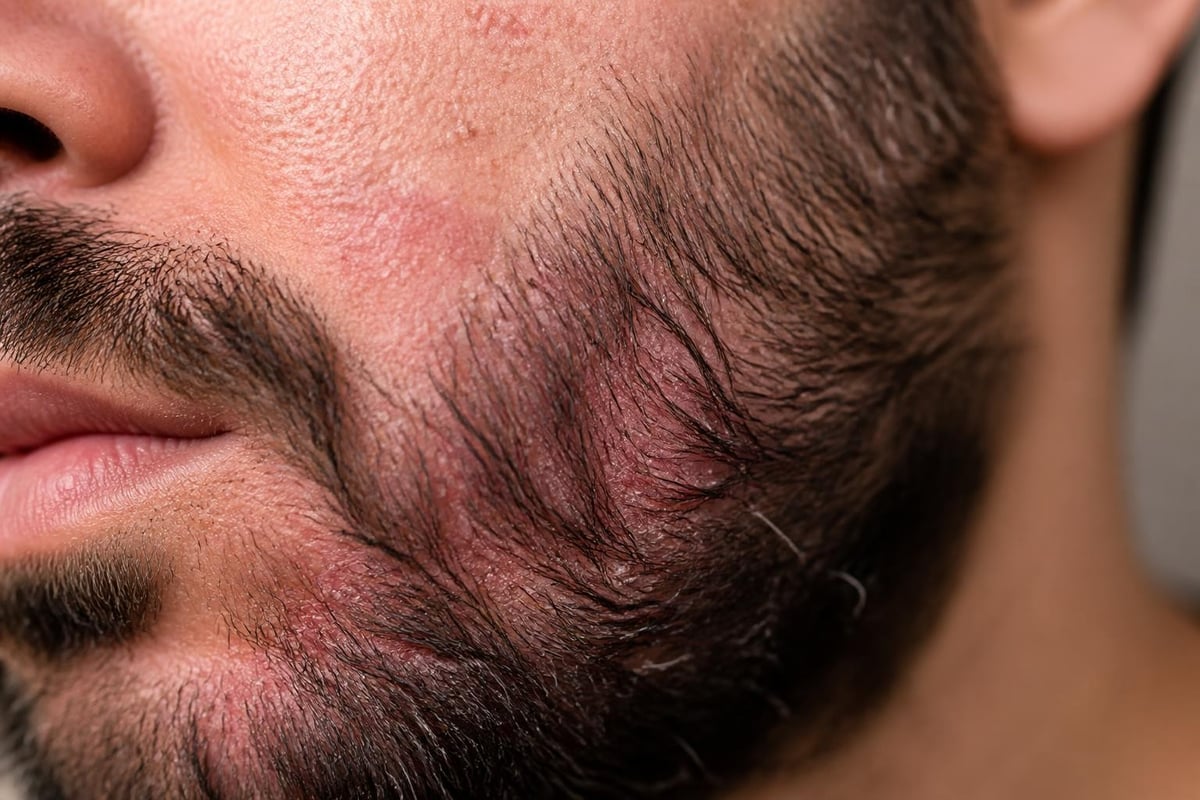
Identifying Hair and Beard Dandruff Versus Other Conditions
Not all flakes signal dandruff. Distinguishing between seborrheic dermatitis and other skin conditions determines which treatment approach will succeed.
| Condition | Flake Appearance | Additional Symptoms | Location Pattern |
|---|---|---|---|
| Seborrheic Dermatitis | Yellowish, greasy, irregular | Red, inflamed patches; intense itching | Beard, scalp, eyebrows, chest |
| Dry Skin | Small, white, fine particles | Tightness; minimal redness | Uniform across face and beard |
| Psoriasis | Thick, silvery, well-defined plaques | Burning sensation; bleeding when removed | Elbows, knees, scalp, sometimes beard |
| Contact Dermatitis | Variable; often accompanies blisters | Burning; reaction to specific products | Where irritant contacted skin |
True hair and beard dandruff presents as oily flakes with an inflammatory component. The skin beneath appears red or pink, and the itching intensifies after sweating or in warm environments. DermNet NZ identifies the beard, scalp margins, and eyebrows as classic locations where oil gland density promotes seborrheic dermatitis.
Pay attention to timing. Does the flaking worsen during stress? Seborrheic dermatitis responds to cortisol spikes, explaining why your beard dandruff might flare before important presentations or during demanding work periods. Yeast populations multiply when your immune system diverts resources to stress management.
Evidence-Based Treatments That Actually Work
Addressing hair and beard dandruff requires disrupting Malassezia growth whilst reducing inflammation. Clinical guidelines from the American Family Physician recommend a multi-pronged approach combining antifungal agents with anti-inflammatory compounds.
Antifungal Ingredients
Ketoconazole remains the gold standard for eliminating dandruff-causing yeast. This azole antifungal disrupts fungal cell membrane synthesis, effectively starving Malassezia colonies. You'll find ketoconazole in 1% concentrations in over-the-counter shampoos, whilst 2% formulations require prescription.
Application technique matters significantly for beard treatment:
- Wet your beard thoroughly with warm water to open follicles
- Apply ketoconazole shampoo directly to the beard, working it down to skin level
- Leave the product in contact with skin for five minutes (most men rinse too quickly, preventing ingredient penetration)
- Rinse completely, as residue can cause additional irritation
- Repeat three times weekly initially, reducing to once weekly for maintenance
Selenium sulphide offers an alternative mechanism, reducing yeast reproduction and slowing skin cell turnover. Zinc pyrithione combines antifungal and antibacterial properties, making it effective for beards affected by both dandruff and folliculitis.
Natural Oils With Documented Efficacy
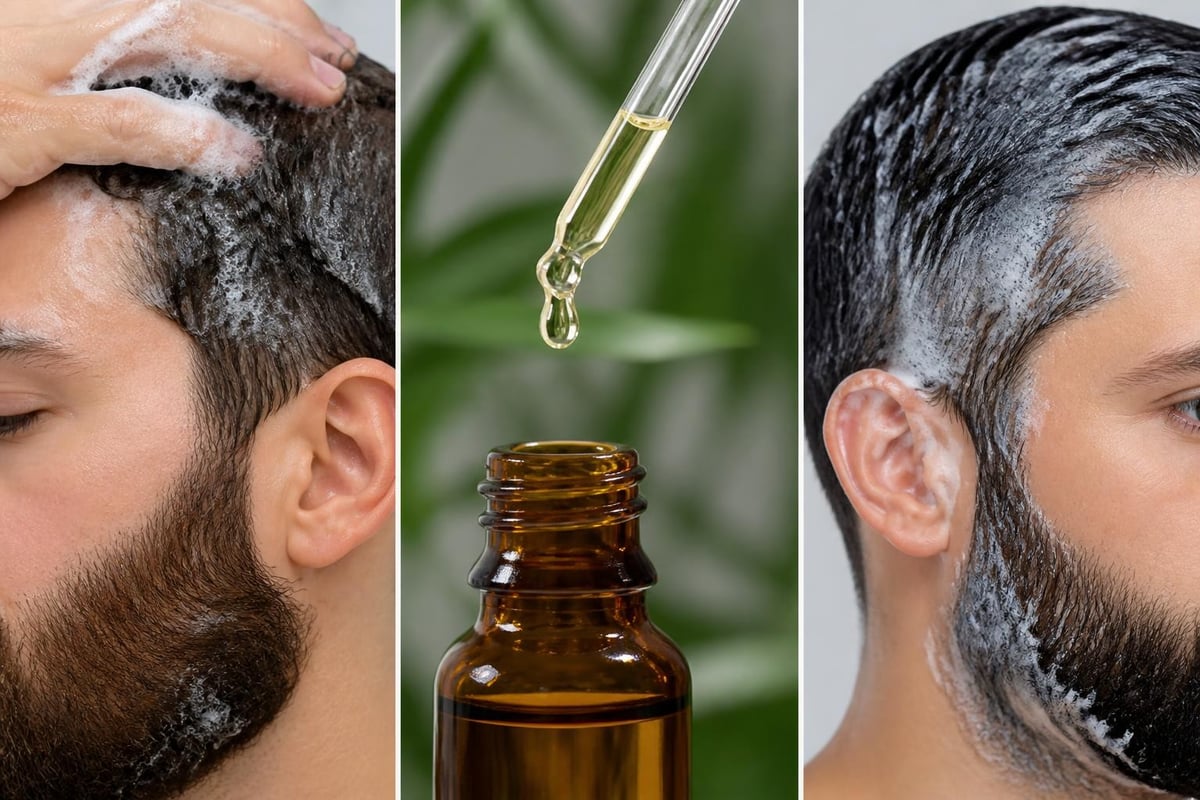
Certain plant oils demonstrate genuine antifungal properties beyond simple moisturisation. Tea tree oil contains terpinen-4-ol, a compound that disrupts Malassezia cell walls. Studies show 5% tea tree oil concentration reduces dandruff severity by 41% after four weeks.
Jojoba oil mimics sebum's chemical structure, potentially regulating your skin's oil production. By providing external moisture that resembles natural sebum, jojoba may signal sebaceous glands to reduce output, limiting the food supply available to yeast colonies. When selecting quality beard oils, prioritise formulations that combine antifungal essential oils with carrier oils that regulate sebum without clogging follicles.
Building Your Dandruff-Fighting Beard Care Routine
Consistency defeats hair and beard dandruff more effectively than product potency. A strategic routine addresses yeast overgrowth, inflammation, and prevention simultaneously.
Morning Protocol
Begin with a pH-balanced beard wash. Your skin's natural pH sits around 5.5, slightly acidic to inhibit bacterial and fungal growth. Alkaline soaps (pH 8-10) disrupt this protective barrier, creating opportunities for Malassezia proliferation. Look for cleansers specifically formulated for facial hair that maintain acidic pH levels.
After washing, apply a treatment oil whilst your beard remains slightly damp. Water content helps distribute oil evenly and allows active ingredients to penetrate the skin barrier more effectively. Focus application at the root zone where yeast concentrates, not just on hair shafts. Understanding proper beard oil application maximises ingredient delivery to affected areas.
Evening Recovery
Night-time presents the optimal window for intensive treatment. Your skin's barrier function weakens slightly during sleep, increasing absorption of beneficial compounds. This is when deeper conditioning products work most effectively.
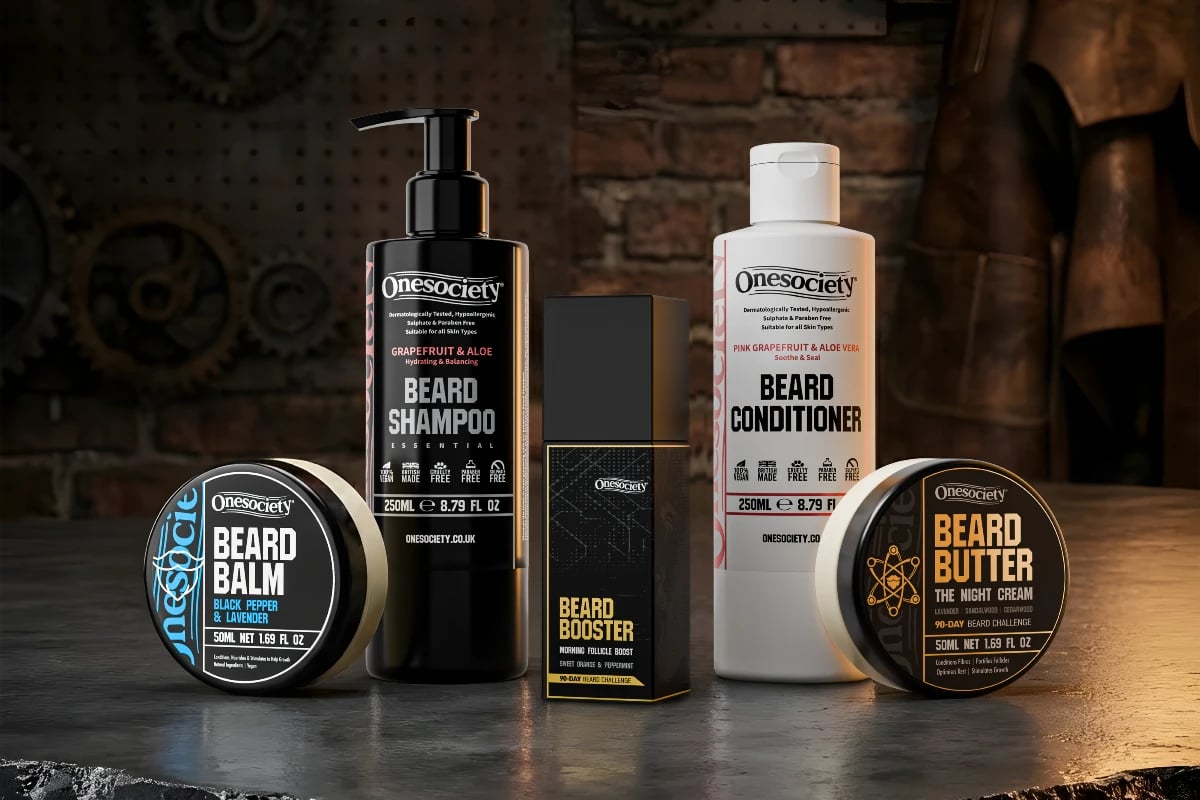
A quality beard butter combines the occlusive properties of beeswax with the penetrative abilities of shea butter's fatty acids. Shea butter's triterpenes reduce inflammatory cytokines, calming the immune response that creates visible redness around flakes. The 90-Day Beard Challenge from Onesociety includes a specifically formulated Beard Butter designed for nightly recovery, working whilst you sleep to reduce inflammation and provide deep hydration that addresses the underlying conditions promoting dandruff.
Weekly Deep Treatments
Incorporate exfoliation once weekly to remove accumulated dead cells before they clump into visible flakes. Salicylic acid gently dissolves the bonds between dead skin cells, a process called keratolysis. Unlike physical scrubs that can irritate inflamed skin, chemical exfoliants work at the cellular level without mechanical friction.
Steam treatments open follicles and soften debris, making subsequent cleansing more effective. After a hot shower, your beard retains moisture and heat. Apply your antifungal treatment immediately to capitalise on enhanced penetration through hydrated skin.
Environmental and Lifestyle Factors You're Overlooking
Your daily habits influence hair and beard dandruff severity as much as the products you apply. Recent health library research identifies environmental triggers and lifestyle factors that exacerbate symptoms in oil-gland rich zones like the beard.
Dietary Influences
Sebum composition reflects your nutritional intake. Diets high in saturated fats and refined carbohydrates alter sebum's fatty acid profile, potentially making it more suitable for Malassezia metabolism. Conversely, omega-3 fatty acids from fish oil demonstrate anti-inflammatory properties that may reduce the immune response triggering flaking.
B vitamins, particularly biotin and niacin, regulate skin cell production and oil gland function. Deficiencies correlate with increased seborrheic dermatitis incidence, suggesting supplementation might benefit chronic sufferers.
Stress Management
Cortisol directly stimulates sebaceous gland activity whilst suppressing immune function. This dual action creates ideal conditions for yeast overgrowth. Men who implement stress reduction techniques, whether through exercise, meditation, or adequate sleep, report measurable improvements in hair and beard dandruff severity.
Sleep deprivation specifically disrupts skin barrier repair. During deep sleep stages, your body increases protein production for tissue regeneration. Chronic sleep restriction compromises this process, leaving skin vulnerable to irritants and infection.
Climate Adaptation Strategies
| Season | Primary Challenge | Adjustment Required |
|---|---|---|
| Winter | Low humidity dries surface; indoor heating strips moisture | Increase oil-based moisturiser frequency; use humidifier |
| Spring | Pollen triggers immune responses; temperature fluctuations stress skin | Anti-inflammatory ingredients; consistent routine despite weather changes |
| Summer | Heat and sweat create ideal yeast environment | More frequent cleansing; lighter, non-comedogenic products |
| Autumn | Transition period; skin adjusts to decreasing humidity | Gradual increase in moisturising; prepare for winter dryness |
Your beard requires seasonal adjustments just like your wardrobe. The same routine won't serve you equally across different environmental conditions.
Advanced Solutions for Persistent Cases
When over-the-counter approaches fail to control hair and beard dandruff after eight weeks of consistent use, prescription interventions become necessary.
Topical Corticosteroids
Hydrocortisone 1% reduces inflammation rapidly, providing relief from intense itching and redness. However, corticosteroids thin skin with prolonged use and don't address the underlying fungal cause. Dermatologists recommend short-term application (two to four weeks) to calm severe flares, followed by transition to maintenance antifungal therapy.
Calcineurin Inhibitors
Tacrolimus and pimecrolimus offer anti-inflammatory benefits without the skin-thinning effects of steroids. These immunomodulators suppress the specific immune cells driving seborrheic dermatitis symptoms. They work particularly well for sensitive facial skin that reacts poorly to corticosteroids.
Oral Antifungals
Severe, treatment-resistant hair and beard dandruff sometimes requires systemic antifungal medication. Fluconazole taken orally for four weeks can eliminate widespread Malassezia overgrowth that topical treatments can't reach. This approach requires medical supervision due to potential liver effects and drug interactions.
Prevention Strategies That Break the Cycle
Managing hair and beard dandruff successfully means preventing recurrence, not just treating active flakes. Long-term control requires understanding your personal triggers and maintaining protective habits.
Beard Hygiene Fundamentals
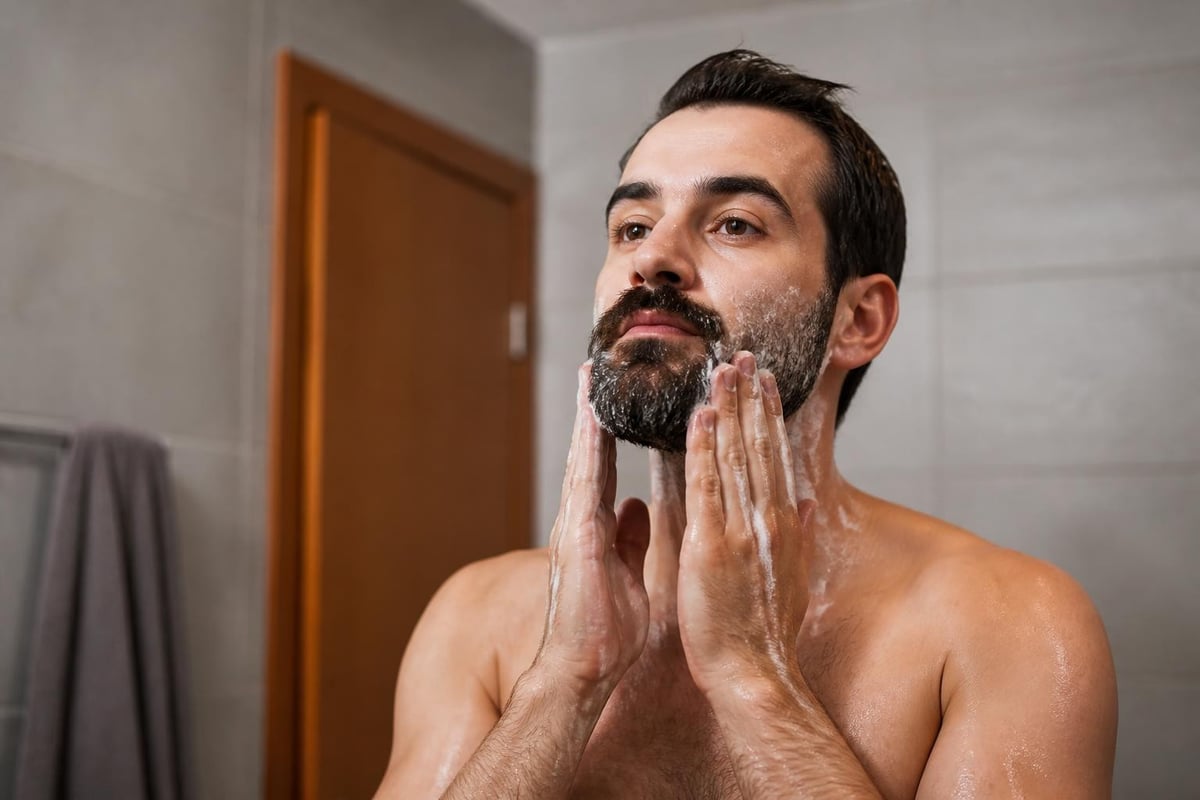
Wash your beard every other day at minimum. Daily cleansing suits men with naturally oily skin or those who exercise frequently. Under-washing allows oil and dead cells to accumulate; over-washing strips protective oils and triggers rebound sebum production. Finding your personal balance prevents both extremes.
Never let your beard remain damp for extended periods. Moisture creates the humid environment Malassezia thrives in. After showering or swimming, blow-dry your beard on low heat or pat thoroughly with a clean towel. Change pillowcases weekly, as they accumulate shed skin cells and oils that recontaminate your beard nightly.
Product Selection Criteria
Avoid products containing ingredients that feed yeast or disrupt your skin's protective barrier:
- Heavy comedogenic oils (coconut oil, though moisturising, can worsen symptoms in some individuals)
- Harsh sulphates (sodium lauryl sulphate strips natural oils too aggressively)
- Synthetic fragrances (common irritants that trigger inflammation)
- Silicones (create occlusive barriers that trap moisture and heat)
Instead, prioritise beard care products formulated with ingredients that actively discourage fungal growth whilst supporting skin barrier function. Naturally antimicrobial compounds like tea tree oil, neem oil, and rosemary extract provide ongoing protection between dedicated antifungal treatments.
Tools and Accessories That Make a Difference
Your grooming toolkit influences treatment effectiveness. Certain tools distribute products more efficiently or enhance ingredient penetration.
Boar Bristle Brushes
Natural boar bristles distribute sebum evenly from root to tip, preventing the oil accumulation at the base that fuels Malassezia growth. Daily brushing also provides gentle exfoliation, removing loose flakes before they become visible. Brush before washing to loosen debris, making cleansing more thorough.
Beard Combs
Wide-toothed combs work treatment products through dense facial hair more effectively than fingers alone. Combing distributes oils and balms to every hair shaft and down to skin level, ensuring complete coverage. Metal combs clean more easily than wood or plastic, preventing bacterial accumulation that could complicate dandruff issues.
Dedicated Beard Towels
Microfibre towels absorb moisture without the friction that aggravates inflamed skin. Using a separate towel for your beard prevents cross-contamination from body bacteria or fungi. Wash beard towels in hot water with antifungal laundry additives designed for athletic gear.
Distinguishing Marketing Myths From Effective Solutions
The beard care industry promotes numerous products claiming to eliminate dandruff, yet many lack scientific support. Distinguishing evidence-based solutions from marketing hype protects your wallet and your beard health.
Exaggerated Claims to Question
Products promising "instant" or "overnight" dandruff elimination ignore biological reality. Reducing yeast populations and normalising skin cell turnover requires minimum three to four weeks. Visible improvement within days suggests anti-inflammatory effects masking symptoms rather than addressing root causes.
"All-natural" doesn't guarantee effectiveness or safety. Poison ivy is entirely natural yet highly irritating. Conversely, synthesised compounds like ketoconazole demonstrate proven efficacy through rigorous clinical testing. Evaluate ingredients based on mechanism of action and clinical evidence, not origin.
Ingredients With Questionable Evidence
Some commonly promoted natural ingredients lack robust human studies supporting dandruff claims:
- Apple cider vinegar (may temporarily reduce pH but can irritate inflamed skin)
- Aloe vera (soothing and anti-inflammatory but minimal direct antifungal activity)
- Coconut oil (antimicrobial in vitro but comedogenic properties may worsen symptoms)
This doesn't mean these ingredients provide zero benefit. They may support overall beard health or offer symptomatic relief. However, they shouldn't replace proven antifungal treatments for active hair and beard dandruff.
Understanding the Beard Growth Connection
Men often wonder whether hair and beard dandruff affects growth rate or density. The relationship is indirect but significant.
Chronic inflammation from untreated seborrheic dermatitis damages follicles over time. While dandruff doesn't directly cause permanent hair loss, persistent scratching creates mechanical trauma. Repeated injury to follicles can trigger scarring alopecia in severe cases, though this remains rare with typical dandruff severity.
The more common growth impact comes from the inflammatory environment. Follicles divert resources toward healing irritated tissue rather than producing hair shaft. Men treating chronic beard dandruff often report accelerated growth and improved density once inflammation resolves, not because treatment stimulated follicles but because it removed the obstacle hindering normal function.
Beard oils designed to promote growth work most effectively when applied to healthy, non-inflamed skin. Resolving dandruff issues first maximises the benefits of subsequent growth-supporting products.
When Professional Intervention Becomes Necessary
Self-treatment manages most hair and beard dandruff cases successfully. Certain warning signs indicate you need dermatological assessment.
Seek professional evaluation if you experience:
- Flaking and inflammation spreading beyond beard to chest, back, or other areas
- Severe itching that disrupts sleep or daily activities
- Cracking, oozing, or bleeding from affected skin
- No improvement after eight weeks of consistent antifungal treatment
- Sudden onset of severe symptoms without clear trigger
These symptoms may indicate complications like secondary bacterial infection, psoriasis misdiagnosed as dandruff, or immune system conditions requiring prescription treatment. Dermatologists can perform skin cultures to identify specific pathogens and prescribe targeted therapies.
Additionally, persistent beard dandruff sometimes signals underlying health conditions. Parkinson's disease, HIV, and certain neurological disorders correlate with increased seborrheic dermatitis severity. While dandruff alone doesn't indicate serious illness, resistant cases warrant broader medical evaluation.
Controlling hair and beard dandruff requires understanding the biological mechanisms driving inflammation and addressing them with proven antifungal and anti-inflammatory approaches. By combining evidence-based treatments with consistent grooming habits adapted to your environment and lifestyle, you can eliminate embarrassing flakes and maintain the healthy beard you've worked to grow. Onesociety provides scientifically formulated beard care solutions using 100% natural ingredients that target the root causes of dandruff whilst supporting overall facial hair health, giving you the confidence that comes from a flake-free, well-maintained beard.