

Your beard deserves better than generic shampoo. The facial hair strands growing from your chin possess a completely different structure to scalp hair-they're thicker, coarser, and emerge from skin rich in sebaceous glands that produce protective oils. Stripping these natural lipids with harsh surfactants triggers a cascade of problems: itchiness, flaking, brittleness, and stunted growth. Finding a good beard wash isn't about choosing the prettiest bottle on the shelf. It's about understanding which active ingredients target specific biological functions in your facial hair follicles and the dermal tissue beneath.
The Problem: Why Standard Shampoo Destroys Your Beard
Walk into any bathroom and you'll spot the issue immediately. That same bottle you use on your scalp gets slathered onto your beard without a second thought. The alkaline pH of typical hair shampoos (often between 7-9) disrupts your skin's natural acid mantle, which hovers around 4.5-5.5. This pH imbalance compromises the keratin protein structure in your beard hair, causing the cuticle layer to lift and fragment.
The consequences stack up quickly:
- Excessive sebum stripping leaves follicles dry and prone to inflammation
- Sulphate-based surfactants (Sodium Lauryl Sulphate specifically) penetrate hair shafts, weakening disulphide bonds
- Alkaline formulas open cuticle scales, creating rough, tangled strands
- Stripped oils trigger compensatory sebum overproduction, creating a greasy-dry cycle
Your skin responds predictably. Understanding the benefits of using beard wash means recognizing that facial skin contains more sebaceous glands per square centimetre than scalp tissue. When you strip these glands bare, they react by flooding the area with excess oil, trapping dead skin cells and creating the perfect breeding ground for Malassezia fungi-the primary culprit behind beard dandruff.
The Hidden Cost of Poor Cleansing
Research published in dermatological journals confirms what experienced beard growers already know: improper cleansing doesn't just affect appearance-it sabotages growth at the follicular level. Blood flow restriction from inflammation reduces nutrient delivery to hair papilla cells. These specialized cells at the follicle base require consistent oxygen and amino acid supply to synthesize keratin efficiently.
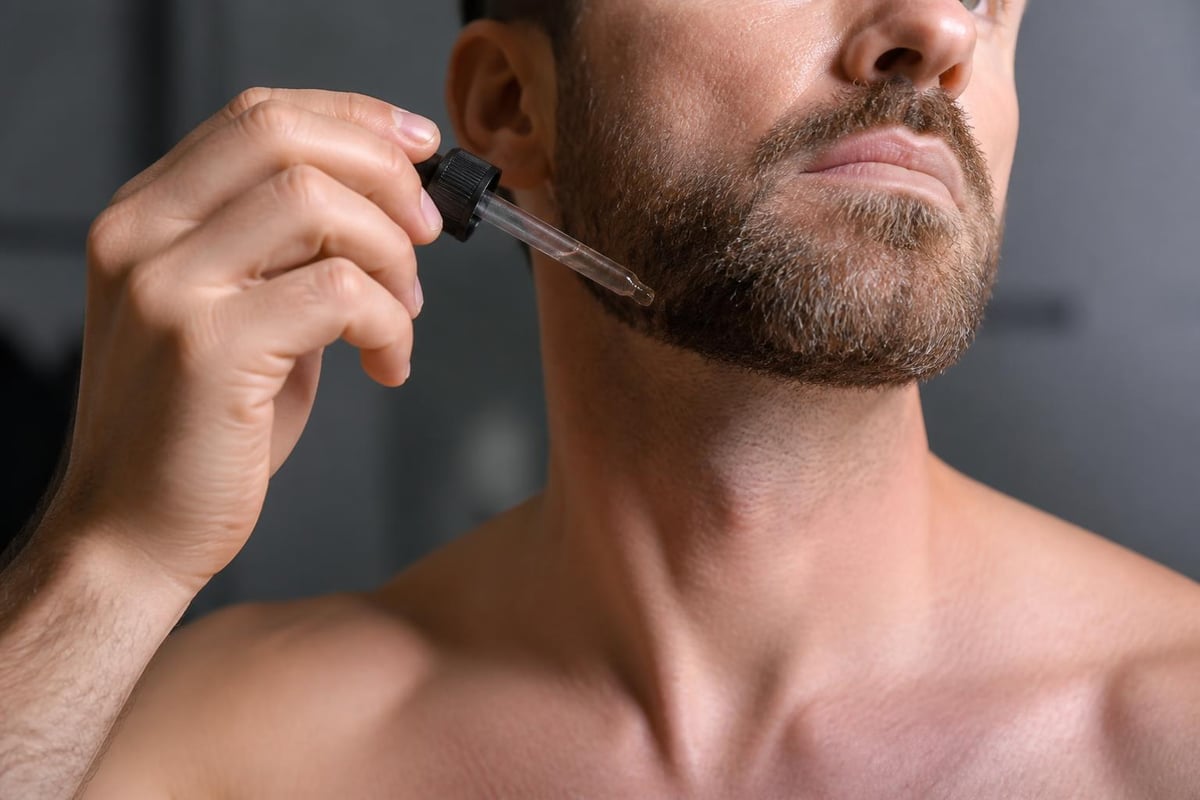
The dermal papilla cells communicate with surrounding tissues through specific signalling molecules. When inflammation disrupts this communication, you're looking at slower growth rates, premature shedding during the anagen (growth) phase, and miniaturization of hair shafts. This isn't speculative-trichoscopy studies demonstrate measurable differences in hair shaft diameter between properly maintained and neglected facial hair.
What Separates Good Beard Wash from Mediocre Alternatives
The formulation chemistry determines everything. A good beard wash balances three critical functions: removing debris and excess sebum, maintaining optimal pH levels, and delivering conditioning agents that penetrate the hair cortex. These requirements demand specific ingredient combinations.
pH-Balanced Surfactant Systems
The cleansing foundation must respect your skin's biology. Amino acid-based surfactants like Sodium Cocoyl Isethionate or Sodium Lauroyl Methyl Isethionate clean effectively whilst maintaining pH between 5.0-6.5. These gentle surfactants form micelles that encapsulate dirt and oil without disrupting the lipid barrier protecting your epidermis.
Compare this to harsh sulphates:
| Surfactant Type | pH Range | Sebum Impact | Protein Damage |
|---|---|---|---|
| Sodium Lauryl Sulphate | 7.5-9.0 | Complete stripping | High cuticle lifting |
| Sodium Cocoyl Isethionate | 5.0-6.0 | Selective removal | Minimal disruption |
| Decyl Glucoside | 5.5-6.5 | Balanced cleansing | None detected |
The molecular size matters too. Smaller surfactant molecules penetrate deeper into hair shafts, potentially disrupting the cortical structure. Larger molecules clean the surface and trapped particles without internal damage.
Active Botanicals with Documented Functions
Natural ingredients aren't marketing fluff when they're selected for specific biochemical actions. Choosing the right beard wash requires identifying which plant extracts deliver measurable benefits:
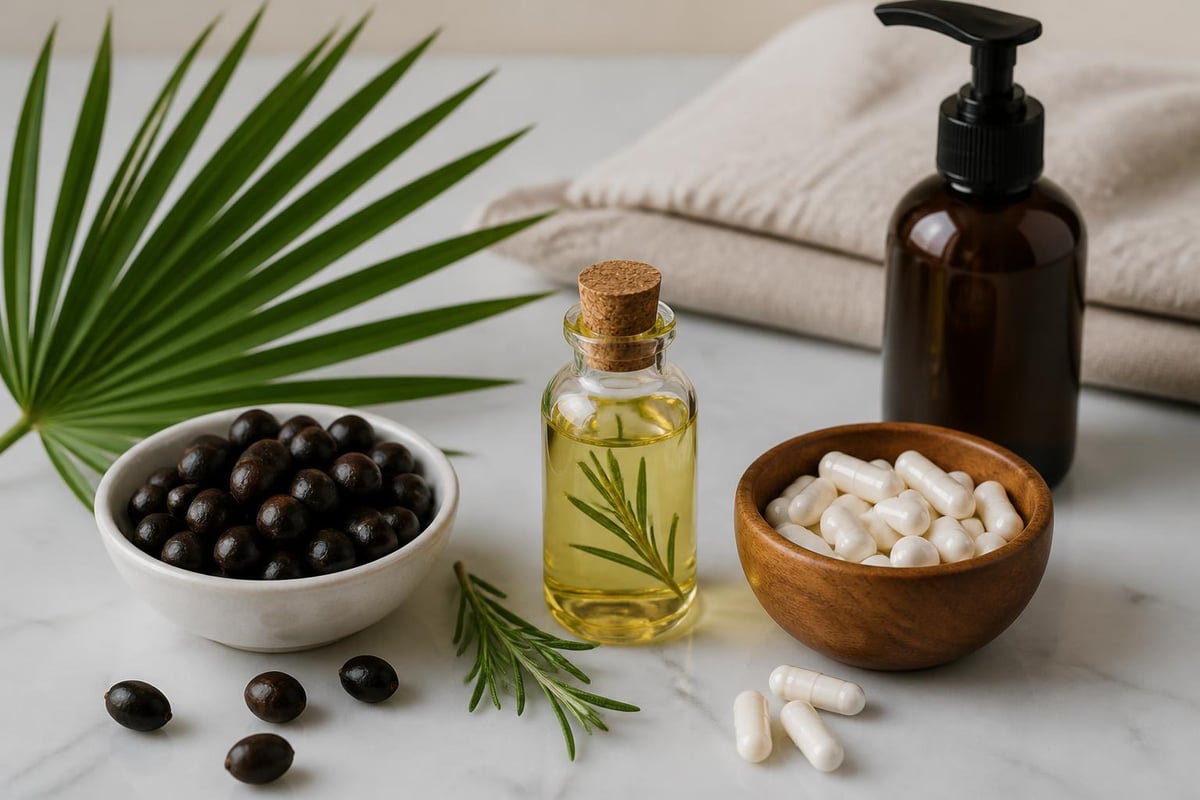
Saw Palmetto Extract blocks 5-alpha-reductase, the enzyme converting testosterone to DHT (dihydrotestosterone). Excessive DHT binds to follicle receptors, triggering miniaturization. Clinical trials demonstrate that topical Saw Palmetto reduces this binding affinity by up to 60%.
Rosemary Oil contains rosmarinic acid and carnosic acid, compounds that stimulate microcirculation in dermal tissue. Improved blood flow means enhanced nutrient delivery to follicle papilla cells. Studies comparing Rosemary Oil to Minoxidil showed comparable hair count increases after six months.
Biotin (Vitamin B7) serves as a coenzyme in keratin synthesis pathways. Your follicles require consistent Biotin availability to produce the amino acid chains forming hair protein structure. Topical delivery during cleansing supplements what dietary intake might miss.
Aloe Vera Extract provides proteolytic enzymes that digest dead skin cells trapped in beard hair. This prevents follicle blockage whilst delivering polysaccharides that form a protective film on hair shafts, reducing moisture loss.
The Application Technique That Multiplies Effectiveness
Even the best formulation fails without proper technique. Your application method determines ingredient penetration depth and contact time-both crucial for biochemical activity.
The Pre-Wash Preparation Phase
Start with warm (not hot) water. Temperature between 35-40°C opens cuticle scales without causing thermal damage to keratin bonds. Saturate your beard completely, ensuring water reaches the skin beneath. This hydration primes hair shafts for surfactant penetration.
Step-by-step application:
- Dispense a 10p-sized amount into your palm
- Emulsify with water to activate surfactant micelles
- Apply to beard base, massaging directly onto facial skin
- Work outward using circular motions to stimulate blood flow
- Allow 60-90 seconds contact time before rinsing
That contact time isn't negotiable. Active botanicals require time to penetrate the cuticle layer and begin their biochemical work. Rushing through the rinse phase wastes the conditioning agents you paid for.
Frequency: The Goldilocks Principle
Too frequent washing strips protective sebum faster than your glands can replace it. Insufficient washing allows dead skin cells, environmental pollutants, and oxidized sebum to accumulate. The optimal frequency depends on your sebum production rate, which varies by genetics, diet, and environmental factors.
General guidelines:
- Oily skin types: 4-5 times weekly
- Normal skin: 2-3 times weekly
- Dry skin: 1-2 times weekly
- Post-workout: Always (sweat creates ideal bacterial conditions)
Monitor your beard's response. If you notice increased itchiness or flaking after reducing wash frequency, your skin needs more frequent cleansing. Conversely, if your beard feels brittle or straw-like, you're over-washing.
Ingredient Red Flags That Signal Poor Formulation
The back label reveals formulation quality instantly. Certain ingredients indicate manufacturers prioritized cost reduction over efficacy. Learning to spot these compounds protects your beard investment.
Sulphates and Synthetic Detergents
Sodium Lauryl Sulphate (SLS) and Sodium Laureth Sulphate (SLES) clean aggressively by solubilizing lipid membranes. This non-selective action destroys beneficial sebum alongside dirt. The result? A squeaky-clean feel that signals complete lipid removal-precisely what you want to avoid.
These synthetic surfactants also carry a secondary concern: penetration enhancement. SLS increases skin permeability, potentially allowing other formula ingredients (preservatives, fragrances) to penetrate deeper than intended, triggering sensitivity reactions.
Parabens and Synthetic Preservatives
Methylparaben and Propylparaben extend shelf life by inhibiting microbial growth. However, these compounds demonstrate weak oestrogenic activity in laboratory studies. Whilst the real-world risk remains debated, why expose your endocrine system when natural alternatives like Leuconostoc/Radish Root Ferment provide equivalent preservation?
Artificial Colours and Synthetic Fragrances
That vibrant blue gel or intense "alpine forest" scent? Both require synthetic compounds with zero grooming benefit. Artificial colours (CI numbers on labels) exist purely for visual appeal. Synthetic fragrances typically contain phthalates, compounds linked to hormonal disruption in high concentrations.
Natural essential oils provide scent whilst delivering therapeutic benefits. Tea Tree Oil offers antimicrobial properties. Cedarwood Oil soothes inflammation whilst providing that woody, masculine aroma many prefer.
The Role of Beard Wash in Complete Grooming Systems
Cleansing represents just one component in comprehensive beard care. The sequence matters because each step prepares your beard for the next intervention. Exploring what beard wash does within a complete system reveals why standalone products rarely deliver optimal results.
The Cleanse-Condition-Seal Protocol
Phase 1: Cleansing removes accumulated debris, excess sebum, and environmental pollutants. This creates a clean foundation for subsequent products.
Phase 2: Conditioning delivers humectants (glycerin, hyaluronic acid) that bind water molecules to hair shafts. This internal hydration plumps the hair cortex, reducing brittleness.
Phase 3: Sealing applies lipid-rich products (balms, butters, oils) that form an occlusive layer on hair surfaces. This barrier prevents moisture loss whilst providing external lubrication for styling.
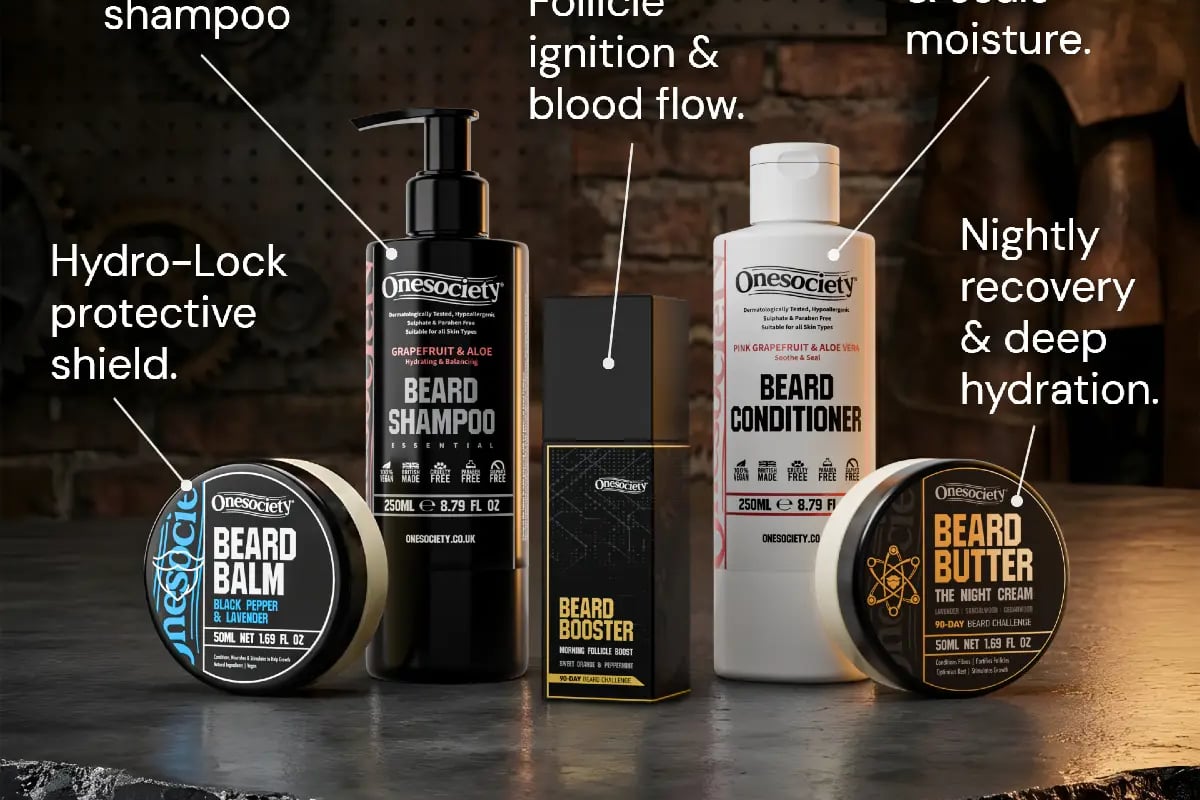
Skip the cleansing step and you're layering conditioning agents over dirt and oxidized sebum. The new products can't penetrate effectively, and you waste their active ingredients. When you're committed to transforming your beard over time, that proper foundation becomes non-negotiable. The 90-Day Beard Challenge exemplifies this systematic approach, combining a pH-balanced beard shampoo with complementary conditioning and sealing products designed to work synergistically. This comprehensive kit removes guesswork from product selection, ensuring each formula supports the others for measurable growth improvements.
| Product Type | Primary Function | Active Delivery | Application Timing |
|---|---|---|---|
| Beard Wash | Debris removal, pH balancing | Water-soluble actives | Morning/Evening |
| Beard Conditioner | Internal hydration | Humectants, proteins | Post-cleansing |
| Beard Oil | Moisture sealing, shine | Fatty acids, vitamins | On damp hair |
| Beard Balm | Hold, protection | Waxes, butters | Final styling step |
Seasonal Adjustments for Optimal Results
Your beard's needs shift with environmental conditions. Winter's low humidity accelerates transepidermal water loss, demanding richer conditioning formulas. Summer heat increases sebum production, potentially requiring more frequent cleansing cycles.
A good beard wash formula adapts to these shifts. Look for products containing Sodium PCA (a natural humectant that adjusts hygroscopic properties based on ambient humidity) or Panthenol (Pro-Vitamin B5, which penetrates hair shafts to provide moisture from within regardless of external conditions).
Decoding Marketing Claims vs. Scientific Reality
The beard care market overflows with exaggerated promises. "Explosive growth in 7 days!" or "Triple your thickness instantly!" These claims exploit hope whilst delivering minimal results. Understanding the biological timeline of hair growth protects you from wasted investment.
The Hair Growth Cycle Timeline
Facial hair follicles cycle through three distinct phases:
Anagen (Growth Phase): Lasts 2-6 years in scalp hair but only 2-6 months in facial hair. During this active phase, cells in the hair bulb divide rapidly, adding length to the shaft. The growth rate averages 0.27mm per day (roughly 8mm monthly).
Catagen (Transition Phase): A brief 2-3 week period where follicles shrink and detach from blood supply. Hair stops growing but remains anchored.
Telogen (Resting Phase): Lasts approximately 3 months. The follicle rests whilst a new hair forms beneath the old shaft, eventually pushing it out.
Any product claiming visible results within days misunderstands basic biology. The growth phase determines maximum potential length-no topical product accelerates this significantly. What quality products can do: optimize follicle health so each growth cycle produces the thickest, strongest shaft possible.
Evidence-Based Expectations
Realistic improvements from switching to a good beard wash:
- Weeks 1-2: Reduced itchiness and flaking as pH balance restores
- Weeks 3-4: Improved texture and manageability from cuticle smoothing
- Weeks 5-8: Enhanced shine from optimized sebum production
- Weeks 9-12: Potential density improvements as healthier follicles retain more anagen-phase hairs
Notice the timeline? Meaningful changes require consistent use over months, not days. Learning what beard wash does sets realistic expectations whilst preventing disappointment from inflated promises.
Advanced Formulation Features Worth Seeking
Premium formulations incorporate cutting-edge ingredients supported by recent research. These additions separate basic cleansers from science-backed solutions.
Peptide Complexes for Follicle Stimulation
Copper peptides (GHK-Cu) activate gene expression in follicle stem cells. These short amino acid chains signal increased production of growth factors like VEGF (Vascular Endothelial Growth Factor), which stimulates blood vessel formation around follicles. Enhanced vascularization means improved nutrient delivery and waste removal-both essential for sustained growth.
Biomimetic peptides like Acetyl Tetrapeptide-3 mimic natural growth factors, binding to follicle cell receptors to trigger anagen phase extension. Clinical trials demonstrate hair count increases of 15-20% after 16 weeks of consistent use.
Probiotic Ferments for Microbiome Balance
Your skin hosts billions of beneficial bacteria that protect against pathogenic invaders. Harsh cleansers destroy this protective layer, creating opportunities for problematic microbes to colonize. Lactobacillus ferments in advanced formulas feed beneficial bacteria whilst producing antimicrobial peptides that suppress harmful species.
This microbiome approach represents the frontier of dermatological care. Rather than sterilizing skin with aggressive antimicrobials, probiotic formulas maintain the delicate ecosystem that evolved to protect you.
Hydrolysed Protein for Structural Repair
When proteins from sources like wheat, soy, or silk undergo hydrolysis, enzymes break them into smaller peptide fragments. These fragments possess the perfect molecular weight to penetrate damaged cuticles and temporarily bond with keratin, filling gaps in the hair shaft structure.
The effect mimics your body's natural repair mechanisms. Whilst not permanent (proteins wash out over time), consistent delivery during each cleansing session maintains structural integrity between hair growth cycles.
The Economics of Quality: Investment vs. Expense
Cheap beard wash costs less per bottle but more per result. Understanding the true cost calculation prevents false economy.
A budget cleanser might cost £5 for 200ml but require double the volume per wash due to poor lathering. You'll also need to wash more frequently because inadequate pH balance fails to control sebum properly. Factor in supplementary products needed to counteract dryness and irritation, and that £5 bottle becomes a £20+ monthly expense.
Premium formulations typically cost £15-25 for 200ml but deliver concentrated active ingredients requiring smaller amounts per application. The pH balance extends time between washes. Built-in conditioning agents eliminate separate conditioner purchases. Calculated properly, the cost per wash often equals or undercuts budget alternatives.
Beyond direct costs, consider:
- Time saved troubleshooting irritation and poor results
- Avoided expense from discarded ineffective products
- Accelerated progress toward your beard goals
- Enhanced confidence from consistently well-groomed appearance
The beard care products at Onesociety exemplify this value proposition, combining scientific formulation with natural ingredients for results that justify premium positioning.
Identifying Your Specific Beard Wash Needs
Generic recommendations miss the mark. Your unique combination of beard characteristics, skin sensitivity, and environmental factors determines which formulation serves you best.
Mapping Your Beard Profile
Beard Density: Count hairs in a 1cm² area near your jaw. Under 20 indicates sparse coverage requiring growth-focused formulas with follicle stimulants. Over 40 signals dense growth benefiting from moisture-heavy conditioning washes.
Shaft Thickness: Pull a single hair and measure its diameter (use a micrometer or compare to thread). Fine hairs (<70 micrometers) need protein-based formulas for strength. Coarse strands (>100 micrometers) require intense moisturization to combat dryness.
Skin Sensitivity: Apply a test amount of candidate products to your inner forearm. Wait 24 hours. Redness or itching indicates sensitivity to specific ingredients, guiding you toward gentler formulations.
Growth Pattern: Does your beard grow uniformly or with patchy areas? Uneven growth suggests localized follicle issues potentially addressed by stimulating washes with improved circulation properties.
Creating this profile takes 15 minutes but prevents months of trial-and-error with unsuitable products. Factors to consider when choosing a beard wash become clear once you understand your starting point.
Breaking Down the Daily Routine
Consistency trumps intensity. A good beard wash delivers results through daily habits, not occasional intensive treatments.
Morning Protocol (5 minutes):
- Rinse beard with warm water (30 seconds)
- Apply wash, massage into skin (60 seconds)
- Allow contact time whilst showering (90 seconds)
- Rinse thoroughly with cool water (30 seconds)
- Pat dry, apply leave-in conditioner (60 seconds)
Evening Protocol (Optional, for oily skin types):
- Quick rinse with cool water (20 seconds)
- Apply diluted wash (half normal amount) (30 seconds)
- Immediate rinse (20 seconds)
- Apply night-time balm or butter (40 seconds)
The timing specificity matters. Under-cleansing leaves residue; over-cleansing strips oils. Measuring your routine ensures reproducible results.
Troubleshooting Common Issues
Even with quality products, you might encounter challenges. Recognizing symptoms and adjusting technique prevents abandoning effective formulas prematurely.
Persistent Itchiness Despite Regular Washing:
- Likely cause: Over-washing triggering compensatory sebum surge
- Solution: Reduce frequency to every other day, add mid-day beard oil application
Increased Shedding After Starting New Wash:
- Likely cause: Follicles in synchronized telogen phase coincidentally
- Solution: Continue for 8 weeks (full growth cycle) before evaluating
Dullness or Lack of Shine:
- Likely cause: Hard water mineral deposits coating hair shafts
- Solution: Use chelating agents (citric acid rinse) weekly, install shower filter
Breakage at Mid-Length:
- Likely cause: Mechanical damage from rough towel drying
- Solution: Switch to microfibre towel, pat instead of rubbing
These adjustments require observing your beard's response systematically rather than making multiple simultaneous changes that obscure which intervention worked.
Finding a good beard wash transforms facial hair from a grooming challenge into a defining feature you're proud to maintain. The science-backed approach combining pH-balanced surfactants, active botanicals, and consistent application technique delivers measurable improvements in texture, density, and overall beard health. Whether you're starting your growth journey or optimizing an established beard, Onesociety provides scientifically formulated products using 100% natural ingredients designed to support every stage of beard development. Explore their complete range and discover how proper cleansing forms the foundation of legendary facial hair.