

You stand in front of the mirror every morning, running your hand across a beard that refuses to cooperate. Patchy sections mock your grooming efforts. The scruff remains thin, wiry, and frustratingly uneven. You've tried everything from adjusting your diet to researching hormonal factors, yet the beard you envision remains stubbornly out of reach. The question that haunts every incomplete beard journey: can the right oil actually trigger growth, or are you wasting money on botanical snake oil?
The Biological Reality Behind Patchy Beard Growth
Testosterone and dihydrotestosterone (DHT) govern your beard's density and coverage. These androgens bind to receptors in hair follicles, signalling them to transition from vellus (fine, colourless) to terminal (thick, pigmented) hairs. When these hormones underperform or receptors lack sensitivity, follicles remain dormant or produce weak growth.
Genetics determines your baseline androgen receptor density. You cannot alter your DNA, but you can optimize the environment where follicles exist. Blood circulation delivers oxygen and nutrients to follicle roots. Inflammation clogs follicles with dead skin cells and sebum. Dehydration weakens the hair shaft from within.
What Happens When Follicles Lack Proper Nourishment
Undernourished follicles enter a shortened anagen (growth) phase. Instead of growing for 2-6 years, they shift prematurely into catagen (transition) and telogen (rest) phases. The result? Thin, brittle hairs that break easily and never achieve substantial length.
Sebaceous glands produce sebum to protect hair shafts, but environmental stressors (pollution, harsh weather, chemical-laden products) disrupt this natural barrier. Without adequate lubrication, hairs become dry, frizzy, and prone to split ends.
Key follicle stressors:
- Insufficient blood flow limiting nutrient delivery
- Chronic inflammation from bacteria or product buildup
- Oxidative stress from free radicals
- Protein deficiency affecting keratin production
- Micronutrient gaps (biotin, zinc, vitamin E)
Why Standard Products Fail to Deliver Growth
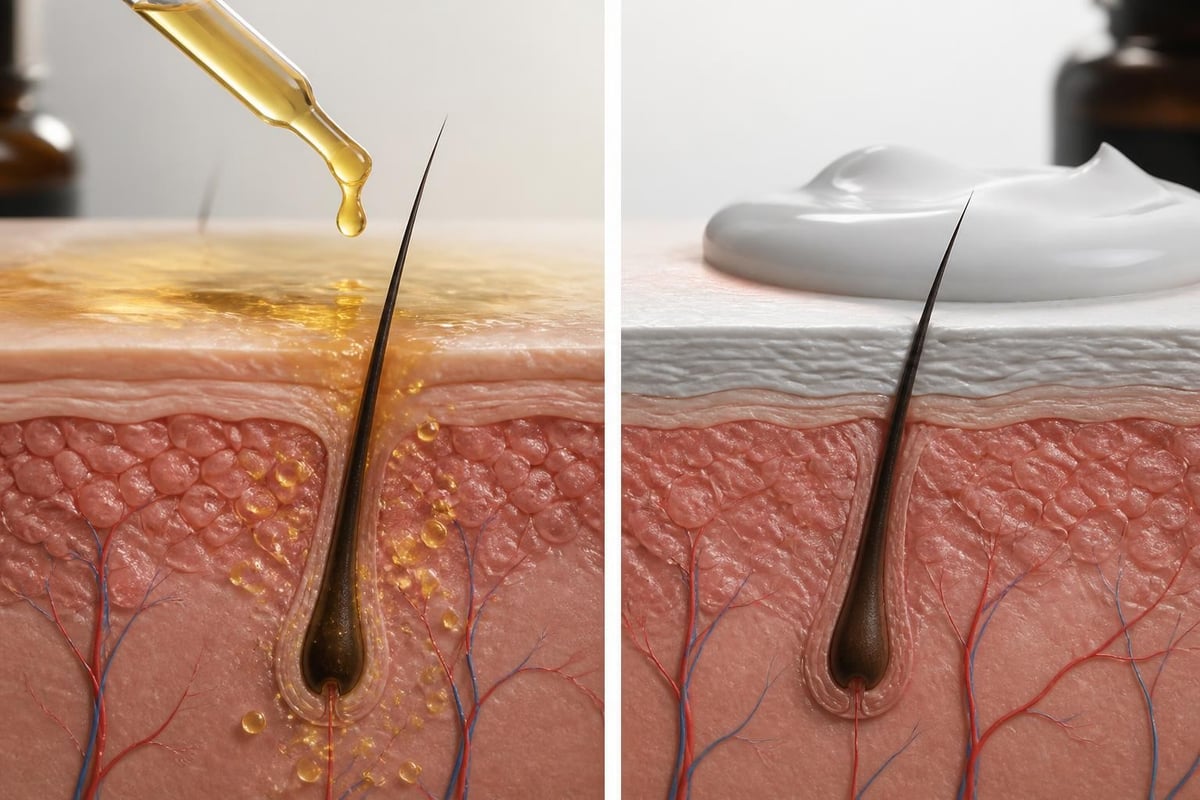
The grooming industry floods the market with products labelled "growth oils," yet research indicates limited scientific evidence supporting their efficacy in stimulating actual hair follicle development. Most commercial offerings contain filler ingredients, synthetic fragrances, and carrier oils diluted to maximize profit margins rather than biological impact.
Mineral oil, a petroleum derivative, creates a barrier on skin that blocks pores and prevents nutrient absorption. Silicones coat hair shafts to create temporary shine but offer zero nourishment to follicle roots. Alcohol-based products strip natural oils, triggering sebaceous glands to overproduce sebum and clog follicles further.
The Ingredient Transparency Problem
Labels list "natural oils" without specifying extraction methods, purity levels, or concentration percentages. Cold-pressed oils retain more fatty acids and vitamins than heat-extracted alternatives. Organic certifications matter because pesticides accumulate in plant oils and transfer to your skin.
You deserve to know whether jojoba oil constitutes 2% or 20% of the formula. Transparency reveals whether you're paying premium prices for mostly fractionated coconut oil with a drop of castor oil added for marketing purposes.
Selecting for Beard Growth Oil Based on Active Mechanisms
Shopping for beard growth oil requires understanding which ingredients target specific growth barriers. Different carrier oils and essential oils serve distinct biological functions.
| Ingredient | Primary Mechanism | Concentration Needed |
|---|---|---|
| Castor Oil | Ricinoleic acid improves blood circulation | 15-30% |
| Jojoba Oil | Mimics sebum structure, regulates oil production | 30-50% |
| Argan Oil | Vitamin E reduces oxidative stress | 10-20% |
| Sweet Almond Oil | Biotin and magnesium strengthen hair shaft | 20-40% |
| Rosemary Essential Oil | Carnosic acid stimulates follicle cells | 2-3% |
| Peppermint Essential Oil | Menthol increases dermal blood flow | 1-2% |
Castor oil contains ricinoleic acid, a fatty acid that penetrates deeply to stimulate prostaglandin production. Prostaglandins dilate blood vessels, increasing nutrient delivery to follicles. Studies show topical ricinoleic acid extends the anagen phase in hair growth cycles.
Jojoba oil's molecular structure mirrors human sebum. When applied, it signals sebaceous glands to reduce overproduction, preventing follicle blockage. Its non-comedogenic properties allow skin to breathe while delivering omega-9 fatty acids that strengthen hair from root to tip.
Essential Oils That Target Follicle Activation
Peppermint essential oil triggers increased dermal thickness and follicle depth. The menthol compound creates a cooling sensation that indicates improved blood circulation. Apply 2-3 drops mixed with carrier oil to avoid skin irritation from concentrated peppermint.
Rosemary essential oil functions as a natural DHT analogue. Carnosic acid, its primary bioactive compound, stimulates cellular metabolism in follicles. Research comparing rosemary oil to minoxidil (a pharmaceutical growth stimulant) showed comparable results after six months of consistent application.
Essential oils to avoid:
- Tea tree oil at concentrations above 5% (causes excessive dryness)
- Cinnamon oil (irritates sensitive facial skin)
- Oregano oil (too harsh for daily use)
Application Techniques That Maximize Absorption
Purchasing quality ingredients means nothing if your application method prevents absorption. Proper beard oil application requires understanding skin physiology and timing.
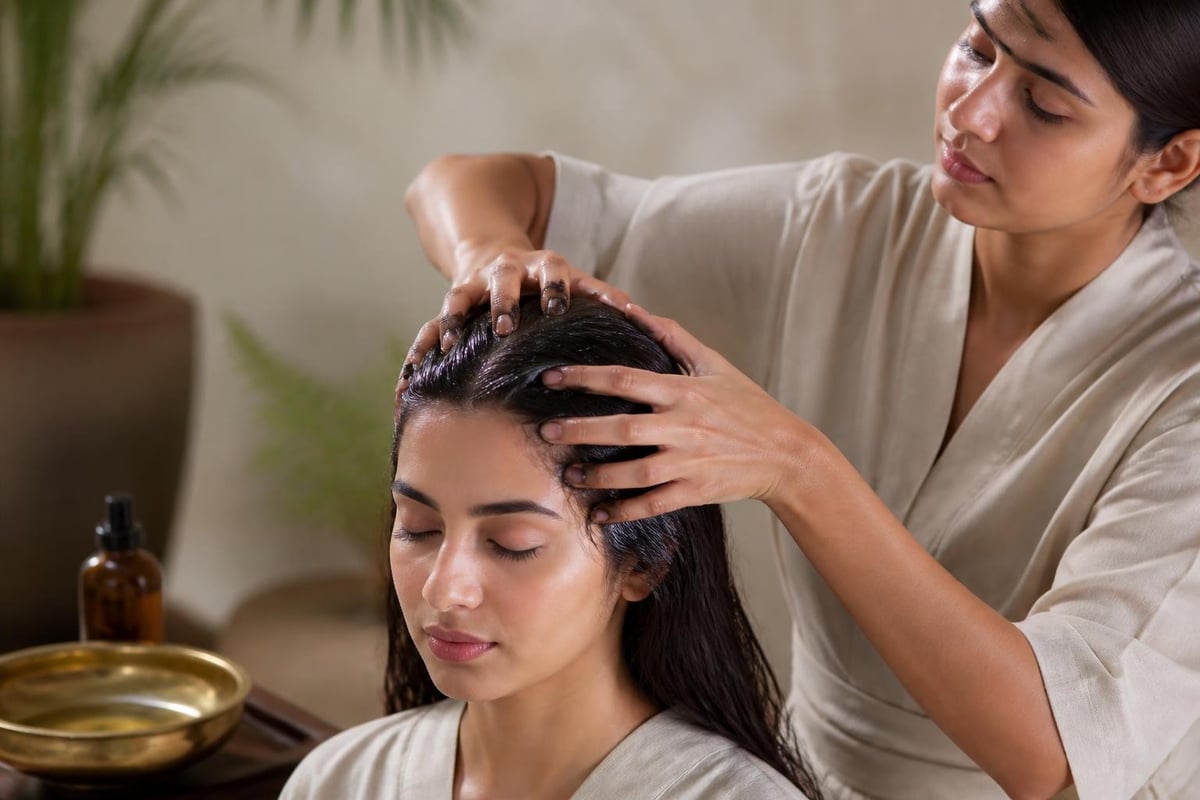
Your epidermis absorbs nutrients most effectively when pores remain open and hydrated. Post-shower application capitalizes on this window. Warm water opens pores, and residual moisture helps oils emulsify and penetrate deeper layers.
The Seven-Step Application Protocol
- Wash your beard with pH-balanced shampoo to remove dirt, dead skin cells, and product buildup
- Pat dry gently with a microfibre towel (rough rubbing damages hair cuticles)
- Dispense 4-8 drops into your palm (amount varies by beard length)
- Rub palms together vigorously for 15 seconds to activate oils and generate warmth
- Apply from roots outward using upward strokes against growth direction
- Massage into skin for 60-90 seconds using circular motions
- Comb through with a wooden or boar bristle brush to distribute evenly
Temperature affects viscosity. Cold oil sits on surface; warm oil penetrates. Rubbing generates heat through friction, thinning the oil for better absorption.
Building a Complete Growth-Focused Routine
For beard growth oil delivers maximum results when integrated into a comprehensive grooming system. Isolated product use cannot overcome systemic deficiencies.
Morning routines should cleanse, hydrate, and protect. Evening routines focus on deep conditioning and repair. Your beard grows during sleep when cellular regeneration peaks, making nighttime application crucial for follicle nourishment.
Morning protocol:
- Rinse beard with lukewarm water
- Apply lightweight oil blend (emphasis on jojoba and argan)
- Style with minimal-hold balm
- Consume protein-rich breakfast (follicles need amino acids)
Evening protocol:
- Cleanse with gentle shampoo
- Apply growth-focused oil (higher castor and rosemary content)
- Massage for 2-3 minutes before bed
- Use silk pillowcase to reduce friction
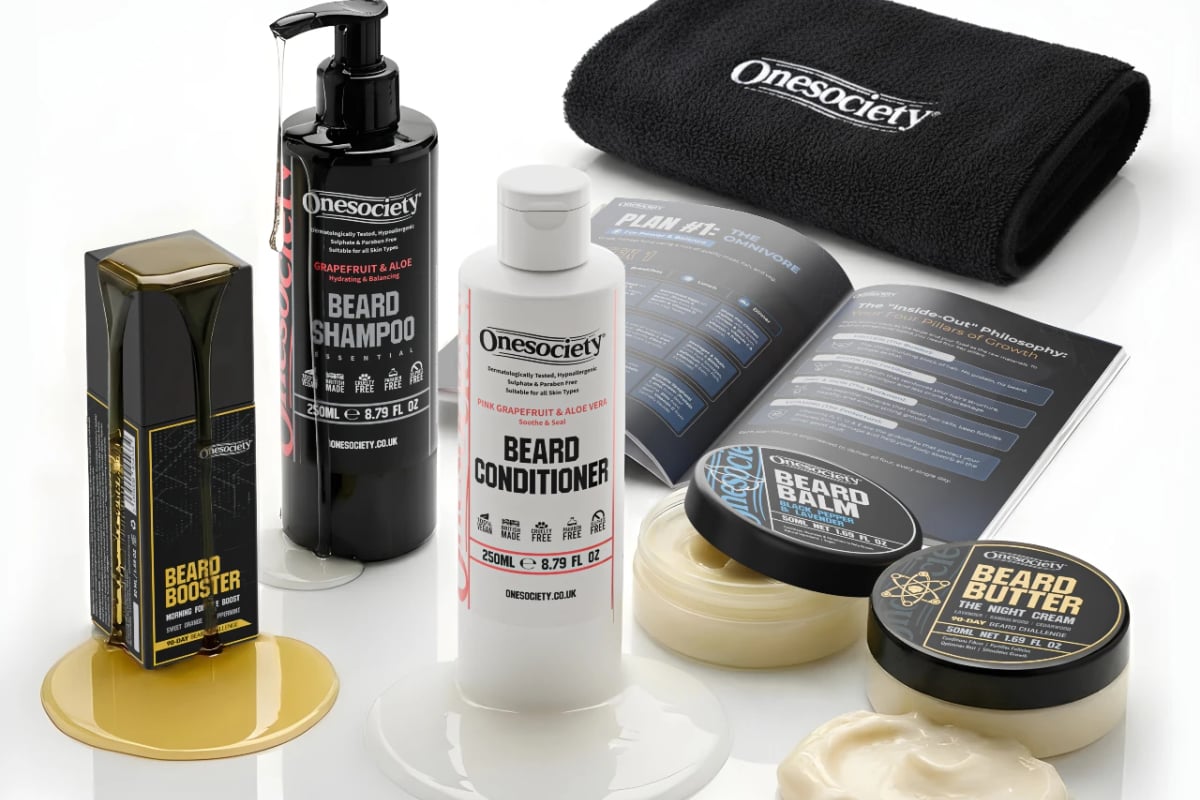
The 90-Day Beard Challenge combines eight complementary formulas that work synergistically across this entire routine. The kit includes follicle-igniting Beard Booster for morning application and recovery-focused Beard Butter for overnight deep conditioning, removing the guesswork from product selection.
Nutrition and Supplementation Synergies
Topical application addresses external factors; internal nutrition fuels follicle function. Biotin (vitamin B7) converts amino acids into keratin, the structural protein in hair. Zinc regulates androgen receptor sensitivity. Vitamin D activates dormant follicles.
| Nutrient | Daily Target | Primary Sources |
|---|---|---|
| Biotin | 30-100 mcg | Eggs, salmon, almonds |
| Zinc | 11 mg | Oysters, beef, pumpkin seeds |
| Vitamin E | 15 mg | Sunflower seeds, avocado |
| Omega-3 | 1,000 mg | Fatty fish, flaxseed |
| Protein | 1.6 g per kg bodyweight | Lean meats, legumes |
Hydration cannot be overlooked. Dehydrated follicles produce brittle, slow-growing hair. Consume minimum 2.5 litres of water daily to maintain cellular turnover rates.
Evaluating Product Quality and Brand Integrity
The for beard growth oil market contains both scientifically formulated solutions and marketing-driven gimmicks. Distinguishing between them requires scrutinizing several quality indicators.
Ingredient sourcing determines purity and potency. Organic certifications from Soil Association or Ecocert verify pesticide-free cultivation. Cold-pressed extraction preserves heat-sensitive vitamins and fatty acids that refining destroys.
Red Flags That Signal Inferior Formulations
Warning signs to identify:
- Ingredient lists starting with water or alcohol
- Fragrance listed in top five ingredients
- Lack of concentration percentages
- No third-party testing certifications
- Unrealistic growth promises (e.g., "double density in two weeks")
Brands committed to efficacy invest in clinical testing and publish results. Transparency about ingredient ratios demonstrates confidence in formulation science rather than marketing hype.
Natural ingredients like coconut oil offer legitimate benefits when properly formulated, but quality varies dramatically between products. Medium-chain triglycerides in virgin coconut oil moisturize and strengthen hair shafts, whilst refined versions lose these bioactive compounds.
Realistic Timeline Expectations for Visible Growth
Your follicles operate on biological schedules, not marketing promises. Understanding growth phases prevents frustration and premature product abandonment.
The anagen phase determines maximum length potential. For facial hair, this phase typically lasts 2-6 months before transitioning to catagen (2-3 weeks) and telogen (2-3 months). You cannot see new terminal hairs until they complete their first full cycle.
Month-by-Month Progression Markers
Weeks 1-4: Existing hairs strengthen and become more manageable. Reduced breakage allows length retention. Skin hydration improves, reducing itch and flaking.
Weeks 5-8: Vellus hairs begin transitioning to terminal thickness. Patchy areas show finer hair development. Overall beard texture becomes softer and more uniform.
Weeks 9-12: Terminal hairs emerging from previously dormant follicles become visible. Coverage increases in cheek and jawline zones. Growth rate may increase by 10-15% from improved follicle health.
Beyond 12 weeks: Cumulative effects compound. Follicles sensitized to consistent nourishment maintain longer anagen phases. Density improvements become noticeable to others, not just yourself.
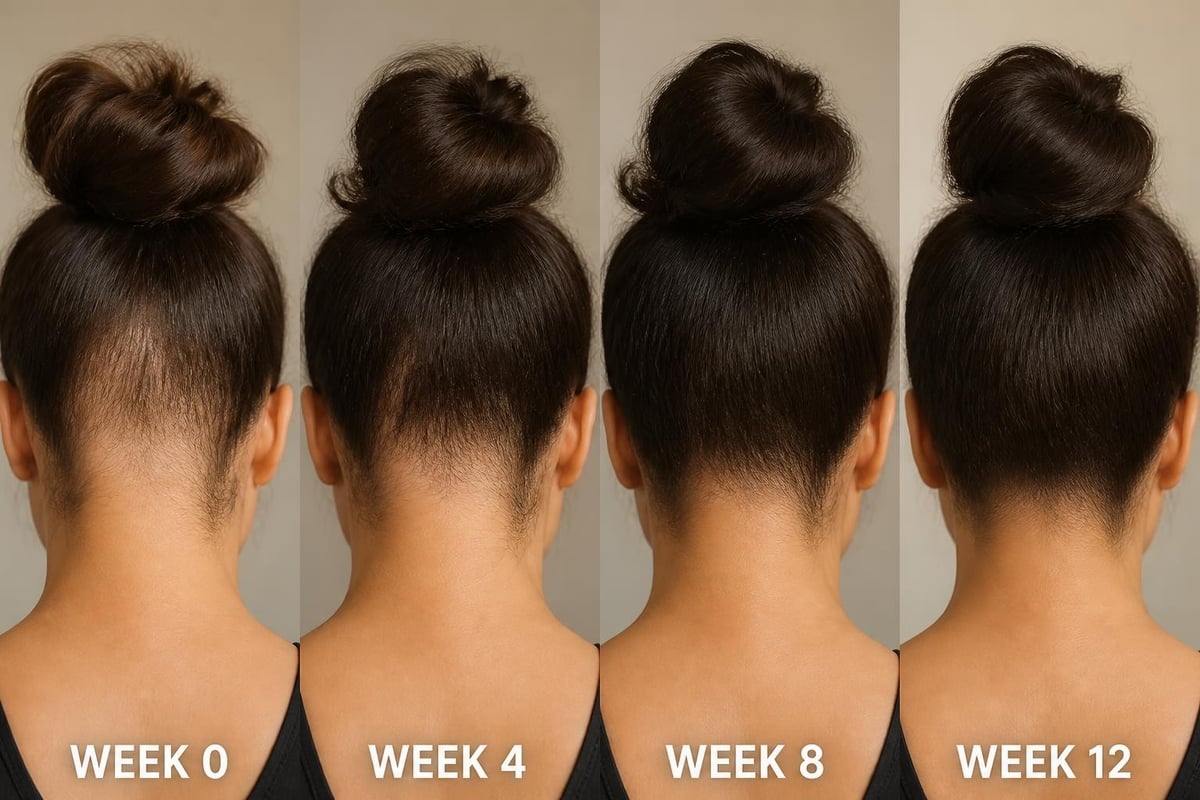
Consistency determines outcomes. Sporadic application yields sporadic results. Daily use for minimum 90 days allows complete hair cycle observation.
Addressing Common Growth Obstacles and Solutions
Even with quality products and proper application, specific challenges arise during beard development journeys. Identifying root causes allows targeted interventions.
Persistent Patchiness Despite Consistent Use
Patchy growth often stems from uneven androgen receptor distribution. No topical product can redistribute these receptors, but strategic grooming can minimize visual gaps.
Grow surrounding areas longer to cover patches. Train hairs using beard butter and brushing techniques. Apply slightly higher concentrations of rosemary-infused oil to patchy zones to stimulate localized blood flow.
Some patches represent permanent follicle absence due to scarring from acne, burns, or genetic factors. Realistic assessment prevents chasing impossible outcomes.
Excessive Oiliness or Skin Irritation
Over-application creates greasy residue without additional benefit. More oil does not equal more growth. Start with 3-4 drops and increase only if beard feels dry after absorption.
Sensitivity to specific essential oils manifests as redness, burning, or breakouts. Eliminate one ingredient at a time to isolate the irritant. Switch to carrier-oil-only formulations whilst skin recovers.
Troubleshooting guide:
| Problem | Likely Cause | Solution |
|---|---|---|
| Greasiness after 2+ hours | Over-application or poor absorption | Reduce quantity; ensure skin is damp before applying |
| White flakes in beard | Dry skin or product buildup | Exfoliate 2x weekly; switch to lighter oil blend |
| Breakouts along jawline | Comedogenic ingredients or dirty hands | Choose non-comedogenic oils; wash hands before application |
| No change after 8 weeks | Inadequate concentration or inconsistent use | Increase active ingredient percentage; set daily reminders |
Scientific Evidence Versus Marketing Claims
The supplement and grooming industries excel at weaponizing scientific terminology whilst avoiding actual science. Understanding research limitations protects against expensive placebo purchases.
Clinical evidence examining beard oil effectiveness remains limited. Most studies focus on scalp hair, not facial hair. Extrapolating results requires acknowledging physiological differences between follicle types.
Beard follicles contain higher androgen receptor concentrations than scalp follicles. This makes them potentially more responsive to DHT-supporting ingredients but also more susceptible to hormonal imbalances.
Interpreting Product Claims Accurately
"Clinically proven" means testing occurred, not that results were significant. Request specific data: sample size, duration, control groups, and statistical significance levels.
"Natural" and "organic" describe ingredient sources, not efficacy. Arsenic and poison ivy are natural; that doesn't make them beneficial. Focus on mechanism of action rather than origin story.
Before-and-after photos prove nothing without controls for lighting, angles, grooming differences, and timeline verification. Trustworthy brands provide video documentation with consistent conditions across timeframes.
Advanced Formulation Strategies for Targeted Results
Once you master basic application, customizing blends for specific needs optimizes outcomes. Different carrier oil ratios address varying beard characteristics.
Coarse, wiry beards benefit from higher concentrations of heavier oils (castor, avocado) that deeply penetrate thick hair shafts. Fine, straight beards respond better to lightweight options (grapeseed, hemp seed) that won't weigh down delicate hairs.
Creating Seasonal Rotation Schedules
Winter demands richer, more protective formulations. Cold air and indoor heating strip moisture aggressively. Increase shea butter content and reduce lighter oils like jojoba.
Summer requires breathable, fast-absorbing blends. Humidity and sweat create ideal conditions for bacterial growth. Add tea tree oil at 1-2% concentration for its antimicrobial properties whilst emphasizing jojoba's sebum-regulating effects.
Seasonal blend recommendations:
Winter formula (November-February):
- 40% jojoba oil
- 25% castor oil
- 20% argan oil
- 10% shea butter (melted)
- 3% rosemary essential oil
- 2% cedarwood essential oil
Summer formula (June-August):
- 50% jojoba oil
- 25% hemp seed oil
- 15% grapeseed oil
- 5% meadowfoam seed oil
- 3% peppermint essential oil
- 2% tea tree essential oil
Transition gradually between formulas over 2-3 weeks to allow skin adjustment periods. Sudden switches can trigger temporary imbalances in sebum production.
Monitoring Progress and Adjusting Strategy
Subjective assessment ("I think it looks better") lacks reliability. Implement objective tracking methods to evaluate whether your chosen for beard growth oil delivers measurable results.
Photography under consistent conditions provides visual documentation. Same location, same lighting, same camera distance, same facial expression. Weekly photos reveal subtle changes invisible to daily mirror checks.
Measure growth rates using beard rulers or measuring tape. Mark specific points (chin, jawline, cheeks) and track millimetre increases monthly. Average beard growth runs 0.4-0.5mm daily; faster rates indicate improved follicle health.
Creating Your Personal Growth Journal
Document beyond just appearance. Track:
- Application frequency and timing
- Product combinations used
- Diet and supplement changes
- Stress levels and sleep quality
- Environmental factors (travel, weather changes)
Patterns emerge over 8-12 weeks. You might discover growth accelerates during low-stress periods or stalls after consuming excess alcohol. These insights enable lifestyle modifications that amplify product effectiveness.
Compare results against your baseline, not against marketing photos or social media influencers. Your genetic ceiling differs from others. Progress is progress, regardless of absolute density achieved.
The right for beard growth oil transforms your grooming routine from hopeful experiment to scientific protocol. When you understand follicle biology, ingredient mechanisms, and proper application techniques, you stop wasting money on ineffective products and start investing in proven solutions. Onesociety combines 100% natural ingredients with research-backed formulations designed specifically for optimizing beard development, eliminating the guesswork from your growth journey. Explore their complete range to discover which science-driven solutions match your specific follicle needs.