

You wake up, scratch your beard, and notice white flakes falling onto your dark shirt. The itch intensifies throughout the day, and no amount of scratching provides lasting relief. This scenario plays out daily for thousands of bearded men dealing with extremely dry skin under beard growth. The issue extends beyond mere cosmetic annoyance-it signals a disrupted skin barrier function that requires targeted intervention. Understanding the biological mechanisms behind this condition transforms how you approach treatment, moving from temporary fixes to lasting solutions.
The Hidden Problem Beneath Your Beard
Facial skin beneath beard hair operates differently than exposed skin on your face. The hair creates a microenvironment that traps heat, alters airflow, and changes how your skin maintains hydration levels.
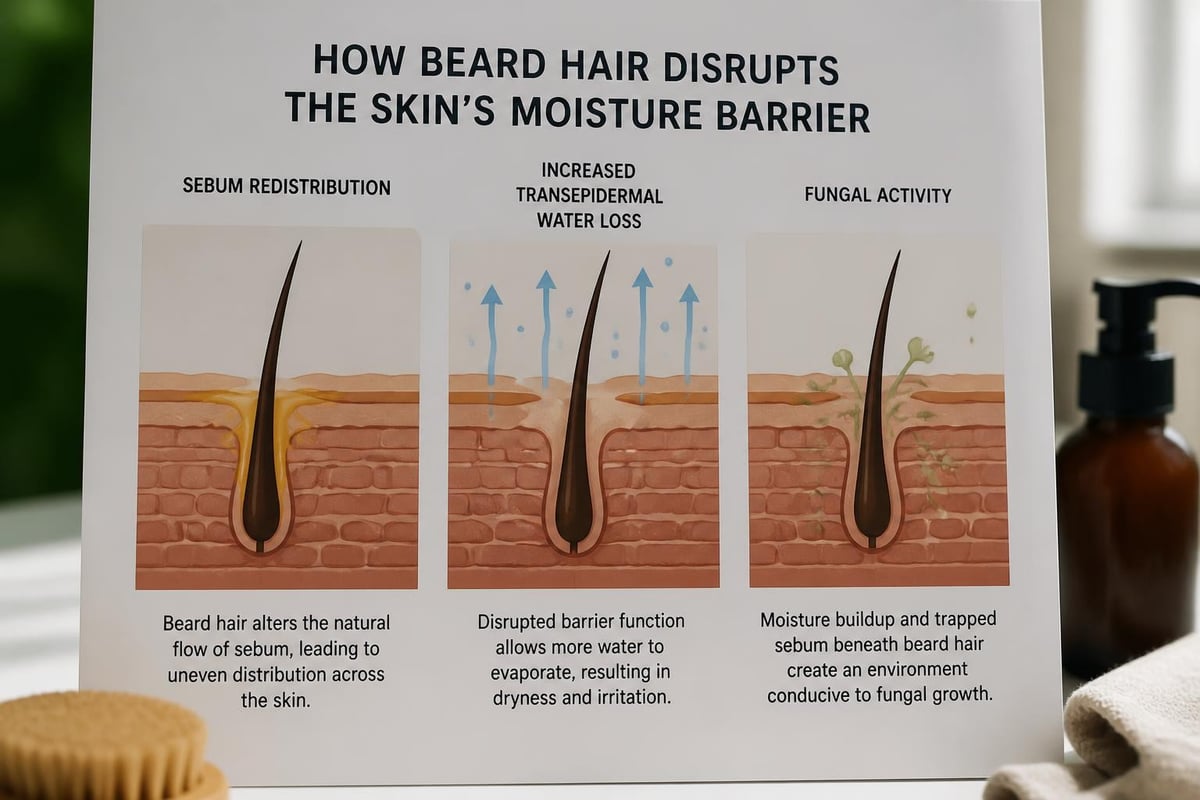
Your skin's outermost layer, the stratum corneum, functions as a protective barrier through a complex arrangement of dead skin cells bound together by lipids. When this barrier fails, transepidermal water loss (TEWL) increases dramatically. Beard dandruff often accompanies this barrier dysfunction, creating a cascade of irritation.
Why Bearded Skin Becomes Dehydrated
Several biological factors converge to create extremely dry skin under beard conditions:
- Sebum redistribution: Your sebaceous glands produce oil that normally coats skin cells. Beard hair wicks this sebum away from the skin surface, leaving the epidermis depleted
- Moisture competition: Beard hair absorbs water during washing, competing directly with skin cells for hydration
- Reduced natural exfoliation: Dead skin cells accumulate beneath hair, blocking moisture penetration and creating flaky patches
- Compromised barrier lipids: Harsh cleansers strip away ceramides, cholesterol, and fatty acids that maintain barrier integrity
The Malassezia globosa fungus, naturally present on all skin, metabolizes sebum into oleic acid. When sebum levels drop due to beard hair absorption, this fungal activity can trigger inflammatory responses, worsening dryness and creating the telltale itch associated with seborrheic dermatitis.
The Agitation: When Dryness Escalates
Ignoring extremely dry skin under beard growth creates a self-perpetuating cycle. Initial dryness triggers scratching, which damages the skin barrier further, increasing inflammation and water loss.
The Inflammation Cascade
When you scratch dry skin, you activate a biological alarm system. Keratinocytes release inflammatory cytokines, signalling distress throughout surrounding tissue. This inflammatory response:
- Increases blood flow to the affected area
- Triggers histamine release, intensifying itching sensations
- Disrupts normal skin cell turnover rates
- Weakens tight junctions between skin cells
- Creates micro-tears that invite bacterial colonization
Each scratch session compounds the damage. The Cleveland Clinic notes that maintaining proper beard hygiene becomes crucial to preventing this escalation, yet many men unknowingly sabotage their efforts through common grooming mistakes.
Common Mistakes That Worsen Dryness
| Grooming Error | Biological Impact | Consequence |
|---|---|---|
| Hot water washing | Denatures skin proteins, strips lipid barrier | 40% increase in TEWL |
| Bar soap use | Alkaline pH disrupts acid mantle (pH 4.5-5.5) | Bacterial overgrowth, inflammation |
| Over-washing | Removes beneficial skin microbiome | Reduced barrier repair capacity |
| Towel scrubbing | Mechanical barrier damage | Micro-abrasions, increased sensitivity |
Your daily shower routine likely contributes to the problem. Water temperature above 38°C (100°F) accelerates lipid extraction from the stratum corneum. When combined with alkaline cleansers (pH 8-10), you create optimal conditions for barrier dysfunction.
The psychological impact compounds physical discomfort. Visible flakes damage professional presentation, whilst constant itching disrupts focus and productivity. Social situations become sources of anxiety rather than enjoyment.
Science-Based Solutions for Beard Dryness
Addressing extremely dry skin under beard requires a multi-layered approach targeting specific biological mechanisms. Random product application yields inconsistent results-strategic intervention based on skin physiology produces measurable improvements.
Restore the Moisture Barrier
Your first priority involves rebuilding compromised barrier lipids. The skin barrier requires three essential lipid classes in specific ratios: ceramides (50%), cholesterol (25%), and free fatty acids (25%).
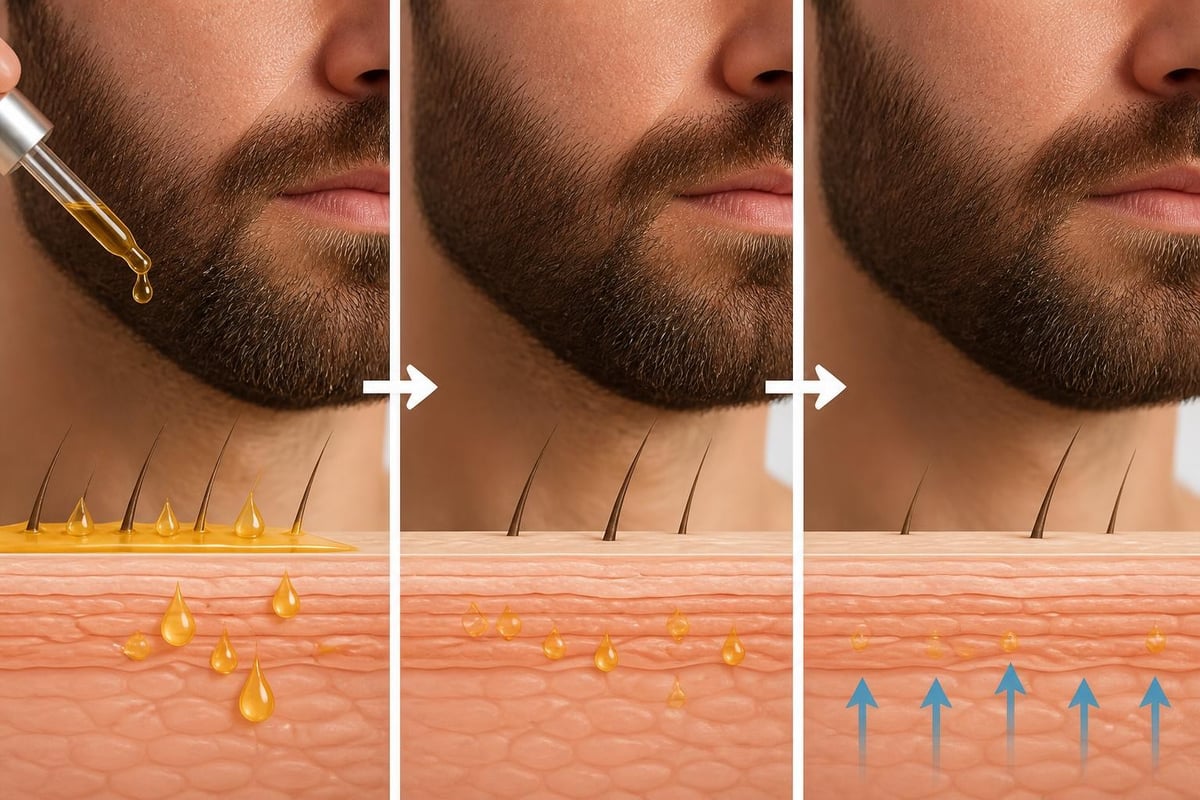
Shea butter delivers this precise lipid profile naturally. Its fatty acid composition-stearic acid (40%), oleic acid (48%), linoleic acid (8%)-mimics endogenous skin lipids. These compounds integrate directly into the stratum corneum, reducing TEWL by up to 60% within two weeks of consistent application.
Jojoba oil functions differently. Chemically classified as a wax ester rather than a triglyceride, jojoba's molecular structure closely resembles human sebum. This similarity allows jojoba to regulate sebum production through negative feedback mechanisms-your sebaceous glands reduce output when detecting adequate surface lipids.
For those seeking comprehensive beard care solutions, combining multiple natural ingredients addresses various aspects of skin health simultaneously.
Targeted Ingredient Benefits
Different natural compounds address specific aspects of extremely dry skin under beard conditions:
- Argan oil: Contains high concentrations of vitamin E (tocopherols) that neutralize free radicals preventing oxidative damage to barrier lipids
- Sweet almond oil: Rich in linoleic acid, which reduces inflammation by inhibiting prostaglandin synthesis
- Coconut oil: Medium-chain fatty acids (lauric acid, capric acid) possess antimicrobial properties that control Malassezia populations
Research demonstrates that coconut-based beard oils penetrate hair shafts whilst simultaneously conditioning underlying skin, addressing both beard texture and skin hydration in one application.
The 90-Day Transformation Protocol
Sustainable improvement requires consistent intervention over time. Skin barrier repair follows a predictable timeline: initial improvement within 7-10 days, significant visible changes at 4-6 weeks, and complete barrier restoration at 90 days.
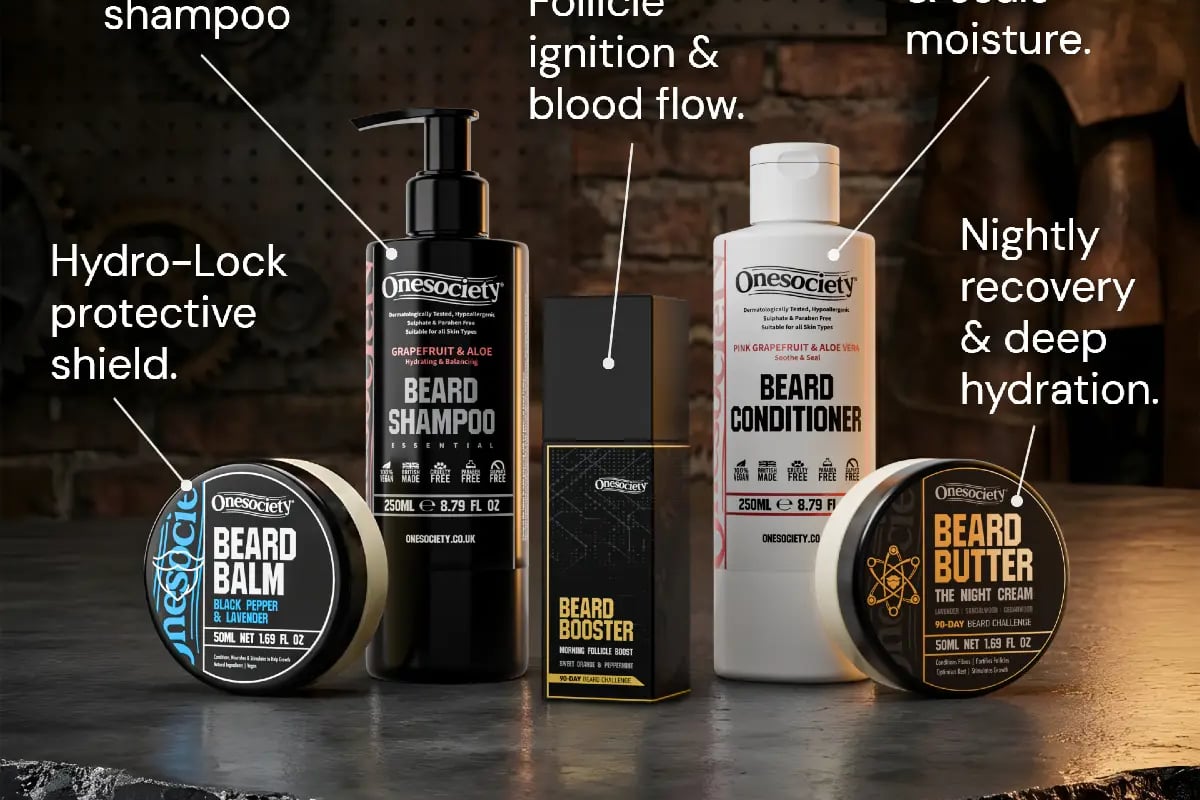
The 90-Day Beard Challenge provides a systematic approach to this timeline. This comprehensive kit includes eight formulations, each targeting specific biological mechanisms:
- Beard Booster: Contains follicle-stimulating compounds that increase blood flow, delivering nutrients and oxygen to both hair follicles and underlying skin cells
- Beard Butter: Night-time application maximizes absorption during skin's natural repair cycle (10 PM - 2 AM peak cellular regeneration)
- Hydro-Lock Balm: Creates a semi-occlusive barrier that reduces TEWL without blocking pore function
The formulation synergy matters. Individual products address isolated problems; systematic protocols target the entire pathophysiological cascade.
Cleansing Without Stripping
Proper cleansing removes accumulated debris and excess sebum whilst preserving barrier integrity. This balance requires pH-matched formulations (pH 4.5-5.5) that support the acid mantle-the slightly acidic surface layer that inhibits pathogenic bacterial growth.
Washing frequency impacts outcomes significantly. Curology's dermatologist recommendations suggest washing bearded skin 3-4 times weekly maximum. Daily washing strips beneficial lipids faster than sebaceous glands can replenish them.
Water temperature deserves equal attention. Lukewarm water (32-35°C / 90-95°F) effectively removes dirt and oil without denaturing skin proteins. Hot water feels satisfying temporarily but causes lasting barrier damage.
Exfoliation Strategy
Dead skin cell accumulation beneath beard hair creates a physical barrier preventing moisture penetration. Strategic exfoliation removes this obstacle without triggering inflammatory responses.
Chemical exfoliation using alpha-hydroxy acids (AHAs) or beta-hydroxy acids (BHAs) works more effectively than physical scrubbing beneath beards. Salicylic acid (BHA) penetrates through oil, making it particularly effective for bearded skin where sebum accumulation occurs.
Application frequency determines results versus damage:
- Sensitive skin: Once weekly (2% salicylic acid concentration)
- Normal skin: Twice weekly (2% salicylic acid concentration)
- Resilient skin: Three times weekly (2% salicylic acid concentration)
Monitor for over-exfoliation signs: increased redness, burning sensations, or paradoxical dryness increase. These symptoms indicate barrier compromise requiring immediate protocol adjustment.
Advanced Treatment Protocols
When standard approaches fail to resolve extremely dry skin under beard issues, advanced interventions target underlying pathology more aggressively.
Addressing Seborrheic Dermatitis
Persistent flaking despite moisturization suggests seborrheic dermatitis rather than simple dryness. This inflammatory condition requires antifungal intervention targeting Malassezia populations.
Ketoconazole (1-2% concentration) inhibits fungal ergosterol synthesis, disrupting cell membrane formation. Clinical studies demonstrate 80% improvement rates when applied twice weekly for four weeks. Medical treatments for beard-related skin conditions often combine antifungal agents with barrier-repair ingredients for synergistic effects.
Environmental Humidity Management
Ambient humidity directly impacts skin hydration status. Indoor heating during winter reduces relative humidity below 30%, accelerating TEWL. Humidifiers maintaining 40-50% relative humidity reduce moisture loss by approximately 25%.
Geographic location influences baseline humidity exposure:
| Region | Average Winter Humidity | Barrier Impact |
|---|---|---|
| Coastal areas | 60-70% | Minimal TEWL stress |
| Urban centres | 35-45% | Moderate barrier challenge |
| Heated indoor spaces | 20-30% | Severe dehydration risk |
Nighttime humidifier use maximizes benefit during peak skin repair hours, enhancing the effectiveness of overnight treatment products.
Dietary Influences on Skin Hydration
Systemic hydration and nutrient status affect skin barrier function. Omega-3 fatty acid supplementation (EPA and DHA) reduces inflammatory markers in skin tissue, supporting barrier repair processes.
Clinical evidence supports specific nutrient interventions:
- Omega-3s (2-3g daily): Reduce inflammatory prostaglandins by 30-40%
- Vitamin E (15mg daily): Enhance barrier lipid stability through antioxidant activity
- Zinc (11mg daily): Support keratinocyte differentiation and tight junction formation
- Biotin (30mcg daily): Improve ceramide synthesis efficiency
Water intake affects dermal hydration more than epidermal hydration. Whilst drinking adequate water (2-3 litres daily) supports overall health, topical hydration addresses surface dryness more directly.
Product Selection Criteria
The beard care market offers hundreds of products claiming to address extremely dry skin under beard conditions. Distinguishing effective formulations from marketing hype requires understanding active ingredient mechanisms and concentration thresholds.
Reading Ingredient Lists Effectively
Ingredient lists appear in descending concentration order. Active compounds appearing after position five likely exist in insufficient quantities to produce biological effects.
Carrier oils should dominate the first three positions. These provide the bulk lipid content that rebuilds barrier function. Quality formulations feature:
- Primary carrier oil (40-60% concentration): Jojoba, argan, or sweet almond
- Secondary carrier oil (20-30% concentration): Complementary fatty acid profile
- Therapeutic oil (10-20% concentration): Targeted biological activity
Preservatives prevent bacterial contamination in products containing water. Natural preservatives (rosemary extract, vitamin E) provide antioxidant benefits alongside preservation, whilst synthetic preservatives (parabens, phenoxyethanol) simply prevent microbial growth.
Avoid products listing alcohol (ethanol) in top five ingredients. Alcohol denatures proteins and strips lipids, contradicting barrier-repair objectives. Fatty alcohols (cetyl alcohol, stearyl alcohol) serve as emulsifiers and pose no drying risk-the nomenclature similarity causes unnecessary concern.
Natural Versus Synthetic Ingredients
The natural versus synthetic debate overlooks a crucial reality: biological activity determines effectiveness, not ingredient origin. That said, naturally-derived compounds often provide multiple synergistic benefits.
Synthetic humectants like propylene glycol attract water effectively but provide no additional skin benefits. Natural humectants like vegetable glycerin attract water whilst also delivering antioxidants and anti-inflammatory compounds inherent to their plant source.
Premium beard care formulations leverage this synergy, combining multiple natural ingredients that address various pathophysiological mechanisms simultaneously.
Patch Testing Protocol
Individual biochemistry varies. Products effective for 90% of users may trigger reactions in sensitive individuals. Systematic patch testing identifies problematic ingredients before full facial application.
- Apply small amount (pea-sized) to inner forearm
- Cover with bandage for 24 hours
- Monitor for redness, itching, or swelling
- Repeat on jaw angle (different skin physiology) for 24 hours
- Proceed with full application only after passing both tests
This two-step approach accounts for both general skin sensitivity and facial-specific reactions.
Building Your Daily Routine
Consistency determines outcomes when addressing extremely dry skin under beard issues. Random product application produces random results-structured protocols yield predictable improvements.
Morning Protocol (5 minutes)
Step 1: Gentle cleansing (if needed-not daily) Lukewarm water rinse removes overnight sebum and cellular debris. Save full washing for evening routine.
Step 2: Toner application (optional for oily skin types) pH-balancing toners restore acid mantle disrupted by hard water exposure. Witch hazel provides astringent benefits without alcohol-related drying.
Step 3: Lightweight oil application Morning oils should absorb quickly without leaving residue. Jojoba-based formulations penetrate rapidly whilst providing barrier support throughout the day.
Step 4: Balm sealing Light balm application over oil creates a semi-occlusive barrier reducing daytime TEWL. Beeswax-based balms provide hold for styling whilst locking in moisture.
Evening Protocol (10 minutes)
Step 1: Thorough cleansing pH-balanced beard wash removes accumulated dirt, sebum, and environmental pollutants. Massage cleanser into skin beneath beard, not just hair strands.
Step 2: Optional exfoliation (2-3 times weekly) Chemical exfoliant application after cleansing maximizes penetration. Leave on for 3-5 minutes before rinsing.
Step 3: Intensive oil treatment Evening applications can include heavier oils that require longer absorption times. Argan and sweet almond oils provide deep barrier repair during overnight regeneration cycles.
Step 4: Butter or balm sealing Richer formulations work overnight without cosmetic concerns. Shea butter-based products deliver maximum lipid replenishment during peak cellular repair hours (10 PM - 2 AM).
Weekly Intensive Treatment
Once weekly, implement deep conditioning treatments targeting cumulative barrier damage:
- Hot towel preparation: Warm (not hot) damp towel opens pores and softens hair, enhancing product penetration
- Mask application: Clay-based masks draw out impurities whilst delivering minerals that support barrier function
- Extended oil treatment: Apply generous oil layer, leave for 30-60 minutes before light cleansing
- Overnight intensive balm: Extra-rich balm application before sleep maximizes overnight repair
This weekly reset addresses damage accumulation that daily routines cannot fully prevent.
Monitoring Progress and Adjusting Protocol
Objective progress tracking prevents subjective assessment errors. Many men report feeling no improvement whilst photographs reveal significant visible changes.
Quantifiable Metrics
Track these objective indicators weekly:
- Flake count: Count visible flakes on dark shirt after gentle beard combing
- Itch frequency: Daily log of scratching episodes
- Skin texture: Weekly close-up photographs in consistent lighting
- Product absorption time: Minutes required for oil complete absorption
Improvement timelines follow predictable patterns. Initial itch reduction occurs within 3-5 days as inflammation subsides. Visible flake reduction appears at 10-14 days as barrier function improves. Complete texture normalization requires 6-8 weeks of consistent intervention.
Protocol Adjustment Triggers
Modify your approach when:
Stalled progress (no improvement after 3 weeks): Increase active ingredient concentrations or application frequency. Consider adding chemical exfoliation if not currently included.
Adverse reactions (increased redness, burning): Reduce application frequency, switch to gentler formulations, or eliminate potential irritants one at a time to identify causative ingredients.
Seasonal changes: Adjust protocol intensity with environmental shifts. Winter requires richer formulations and more frequent application; summer allows lighter products and reduced frequency.
Professional Consultation Indicators
Seek dermatological evaluation when experiencing:
- Persistent symptoms despite 6-8 weeks consistent treatment
- Spreading inflammation beyond bearded areas
- Oozing, crusting, or signs of secondary bacterial infection
- Severe pain or bleeding from cracked skin
- Sudden symptom onset after years without issues (may indicate systemic condition)
Professional diagnosis distinguishes between simple dryness, seborrheic dermatitis, psoriasis, eczema, or contact dermatitis-each requiring specific treatment approaches.
Addressing extremely dry skin under beard growth demands understanding the biological mechanisms driving barrier dysfunction and implementing targeted interventions that restore normal skin physiology. The combination of appropriate cleansing, strategic moisturization, and consistent application protocols produces measurable improvements within weeks. Onesociety offers scientifically-formulated beard care products featuring 100% natural ingredients that target these specific mechanisms, providing the barrier-repair compounds your skin requires for lasting transformation.