

That persistent itch. Those white flakes cascading onto your shirt collar. The tight, uncomfortable sensation that makes you want to shave everything off. If you're dealing with a dry skin mustache, you already know how frustrating this condition becomes. The skin beneath your mustache operates differently from the rest of your face, creating a microenvironment where moisture escapes faster, irritation develops quickly, and grooming products either save the day or make everything worse. Understanding why your mustache area turns into a desert is the first step towards reclaiming comfortable, healthy facial hair.
Why Your Mustache Area Develops Dry, Flaky Skin
The skin beneath your mustache faces unique challenges that don't affect other areas of your face. Hair follicles create a physical barrier that traps dead skin cells, whilst simultaneously preventing moisturising products from reaching the epidermis. This creates a vicious cycle where dryness leads to increased cellular turnover, which produces more flakes, which then become trapped in the hair.
The Biology Behind Dry Skin Mustache Formation
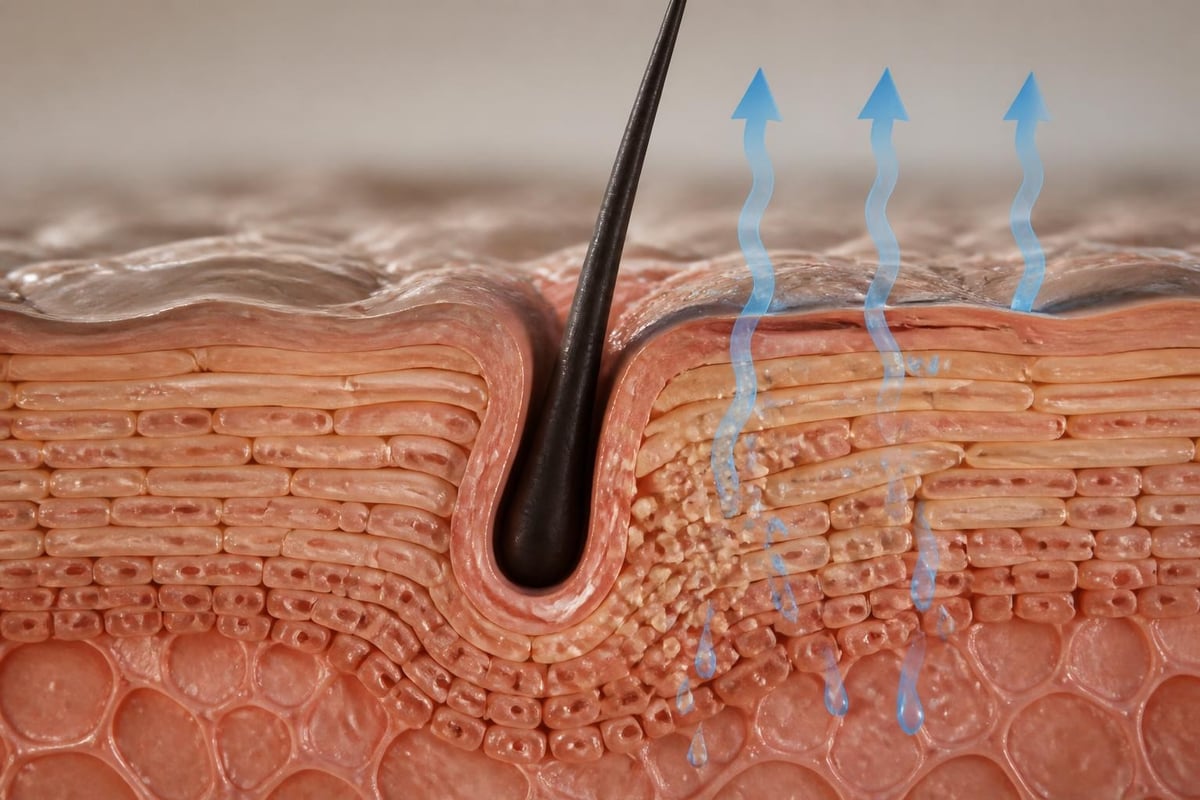
Your skin's outermost layer, the stratum corneum, functions as a moisture barrier through lipids that seal water into cells. When mustache hair disrupts this barrier, trans-epidermal water loss (TEWL) accelerates dramatically. The sebaceous glands near your mustache follicles work overtime to compensate, sometimes producing too much oil that attracts Malassezia yeast. Other times, particularly in winter or low-humidity environments, these glands simply cannot keep pace with moisture loss.
Research shows that indoor air humidity significantly affects skin hydration, and facial hair areas experience this impact more severely because hair acts as a wick, drawing moisture away from skin. The biological mechanisms are straightforward: reduced humidity equals faster evaporation equals compromised skin barrier equals dry skin mustache.
Common Medical Conditions That Trigger Mustache Dryness
Seborrheic dermatitis stands out as the primary culprit for chronic dry skin mustache issues. This inflammatory condition thrives in sebum-rich areas where Malassezia yeast proliferates. The National Eczema Association specifically addresses seborrheic dermatitis under beards, noting that the mustache and beard area provide ideal conditions for this fungus to flourish. The yeast feeds on skin oils, producing oleic acid that irritates the epidermis and triggers inflammation, scaling, and that characteristic itch.
Cleveland Clinic identifies multiple causes for irritated facial hair areas:
- Xerosis cutis: Simple dryness from environmental factors or aggressive cleansing
- Contact dermatitis: Allergic reactions to grooming products, fragrances, or preservatives
- Folliculitis: Bacterial or fungal infection of hair follicles creating dry, inflamed patches
- Psoriasis: Autoimmune condition producing thick, scaly plaques that can affect the mustache region
The British Association of Dermatologists explains that seborrheic dermatitis affects approximately 1-3% of healthy adults, but prevalence increases in areas with dense facial hair. The condition fluctuates with stress, hormonal changes, and seasonal variations, explaining why your dry skin mustache might worsen during particular months or life circumstances.
Environmental and Lifestyle Factors That Dehydrate Mustache Skin
Beyond medical conditions, your daily habits and environment play substantial roles in creating or exacerbating dry skin mustache problems. Understanding these factors empowers you to make targeted changes that deliver measurable results.
Weather, Heating, and Humidity Challenges
Winter creates the perfect storm for facial skin dehydration. Cold outdoor air holds minimal moisture, whilst indoor heating systems strip remaining humidity from the atmosphere. This one-two punch hits the mustache area particularly hard because the hair prevents your skin from accessing whatever moisture exists in the air.
Central heating reduces indoor relative humidity to 10-20%, well below the 40-50% range that maintains healthy skin hydration. Your mustache essentially sits in a chronic drought, with the hair follicles creating additional stress on the already compromised moisture barrier.
| Environmental Factor | Impact on Mustache Skin | Solution Strategy |
|---|---|---|
| Low humidity (<30%) | Accelerated TEWL, barrier breakdown | Room humidifier, hydrating balms |
| Cold wind exposure | Physical damage to stratum corneum | Protective balms before outdoor activity |
| Hot showers | Lipid stripping, increased dryness | Lukewarm water, gentle pat-dry technique |
| UV radiation | Oxidative stress, moisture loss | SPF-containing beard products |
Grooming Habits That Sabotage Skin Health
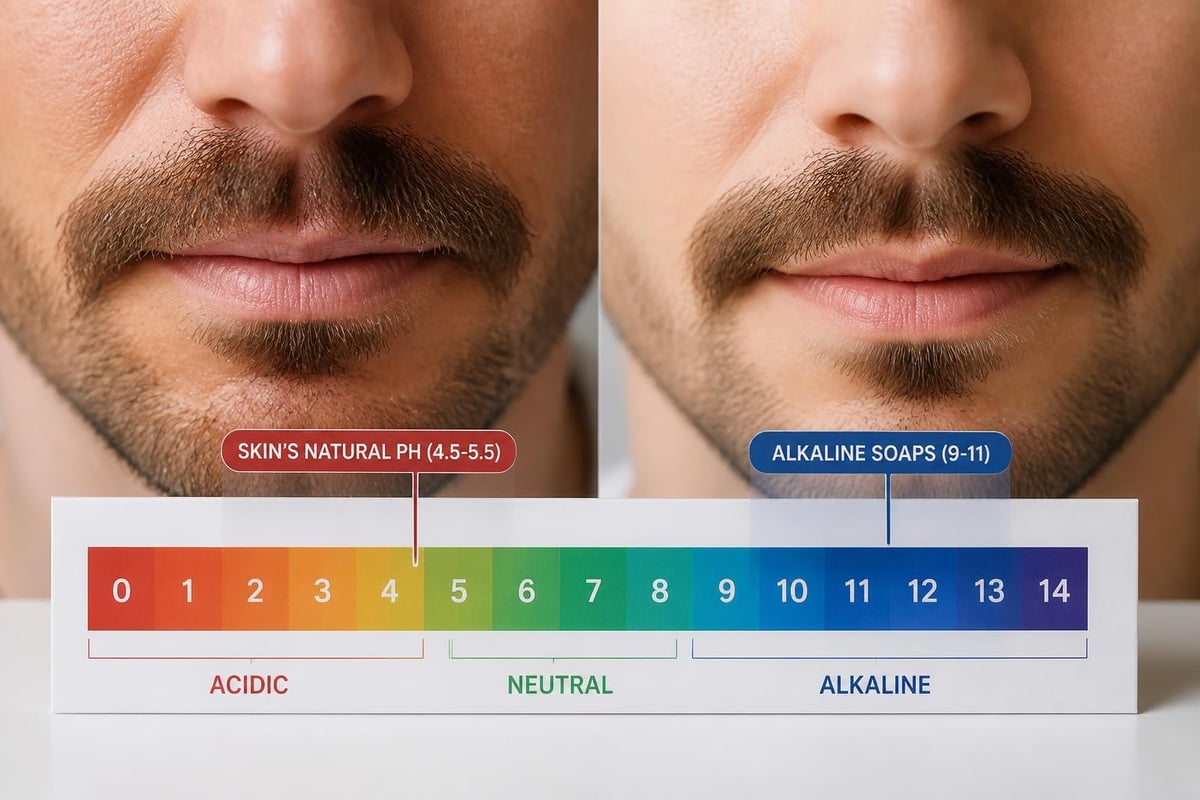
Your cleansing routine might be destroying your skin's natural defences. Conventional facial washes contain surfactants like sodium lauryl sulphate that strip sebum indiscriminately, removing both excess oil and the protective lipids your skin needs. When you scrub your mustache area with these harsh formulas twice daily, you create chronic barrier disruption.
The washing frequency paradox: Men with dry skin mustache often increase washing frequency to combat flakes, which paradoxically worsens dryness. Each wash removes natural moisturising factors (NMF) from the stratum corneum, reducing the skin's ability to attract and hold water molecules.
The American Academy of Dermatology recommends specific beard care approaches that prioritise skin health beneath the hair. Their dermatologists emphasise pH-balanced, gentle cleansers that remove dirt without compromising the acid mantle-the slightly acidic film that protects skin from pathogens and maintains optimal enzyme function.
Evidence-Based Solutions for Dry Skin Mustache
Addressing dry skin mustache requires a multi-pronged approach that tackles both immediate symptoms and underlying causes. Scientific research has identified specific ingredients and protocols that deliver consistent results across different skin types and severities.
Ingredient Science: What Actually Works
Ceramides represent the gold standard for barrier repair. These lipid molecules occur naturally in the stratum corneum, making up approximately 50% of the skin barrier. When you apply topical ceramides, they integrate into the existing lipid matrix, literally rebuilding the moisture barrier from the molecular level. Look for products containing ceramide 1, 3, and 6-II in combination for optimal efficacy.
Hyaluronic acid (HA) deserves its reputation, but you must understand its mechanism. Each HA molecule binds up to 1,000 times its weight in water, drawing moisture from the dermis into the epidermis. However, in very low humidity environments, HA can actually pull moisture from your skin if not sealed with occlusives. This explains why some men find HA-based products worsen their dry skin mustache in winter.
Natural oils provide both emollient and occlusive benefits:
- Jojoba oil: Structurally similar to human sebum, jojoba oil tricks skin into reducing its own oil production whilst providing fatty acids that soften and protect
- Argan oil: Rich in vitamin E and essential fatty acids that reduce inflammation and support barrier repair
- Sweet almond oil: Contains omega-9 fatty acids that penetrate effectively beneath mustache hair to deliver deep hydration
Building an Effective Dry Skin Mustache Protocol
Your morning and evening routines must address cleansing, hydration, and protection as distinct steps. Skipping any component reduces overall effectiveness by 30-50%.
Morning protocol (5-7 minutes):
- Rinse mustache area with lukewarm water only (no cleanser unless visibly soiled)
- Pat semi-dry with a soft towel-leave skin slightly damp
- Apply 3-5 drops of beard oil while skin retains moisture to enhance absorption
- Follow with a small amount of beard balm to seal hydration and provide hold
- Brush or comb to distribute products evenly and stimulate blood flow
Evening protocol (8-10 minutes):
- Cleanse with pH-balanced, sulphate-free beard wash-massage gently for 60 seconds
- Rinse thoroughly with lukewarm water
- Apply a richer beard butter or intensive moisturiser while skin is damp
- Consider a targeted treatment oil for persistent dry patches
- Allow products to absorb for 5 minutes before bed to prevent pillow transfer
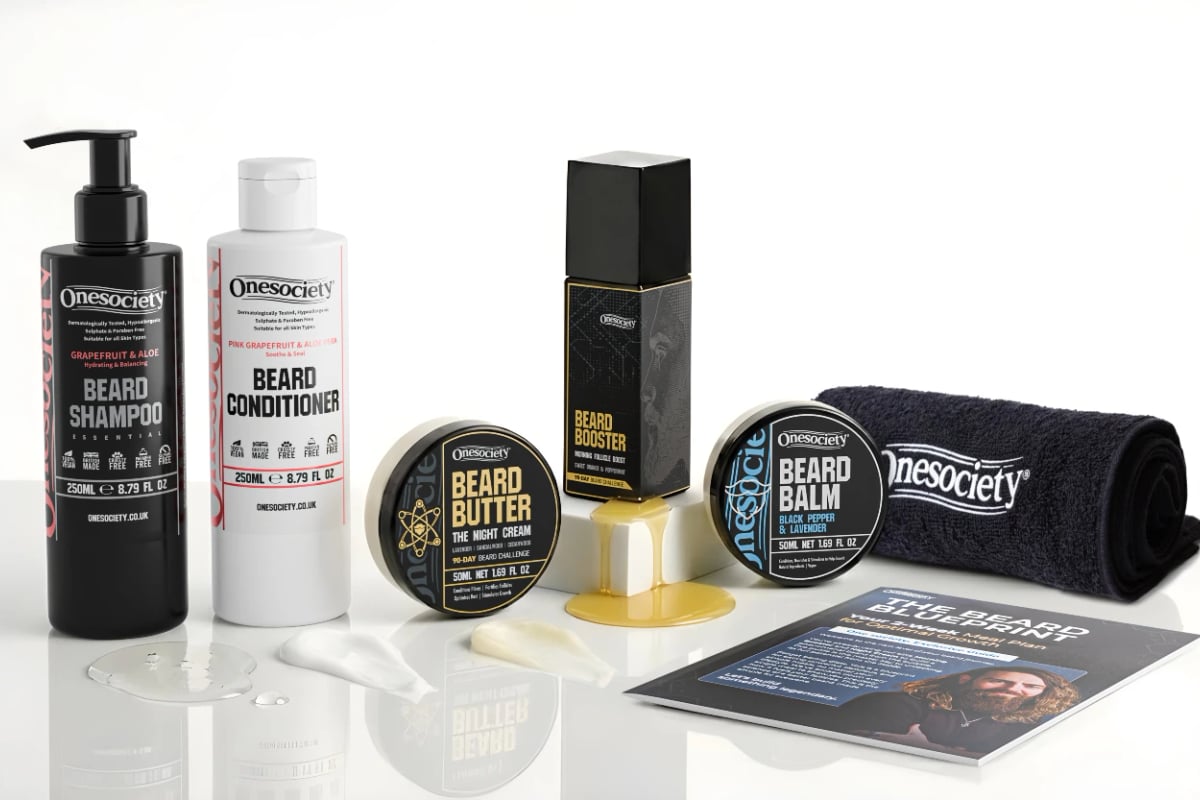
The 90-Day Beard Challenge addresses dry skin mustache through a comprehensive system that combines multiple formulations. The kit includes a pH-balanced Beard Shampoo that cleanses without stripping, Beard Butter for nightly recovery with deep hydration, and a Hydro-Lock Balm that creates a protective shield against environmental moisture loss. Each product contains specific actives targeting barrier repair, inflammation reduction, and follicle health-addressing dry skin mustache from multiple biological pathways simultaneously.
Medical Treatments for Persistent Cases
When over-the-counter approaches fail after 4-6 weeks, your dry skin mustache might stem from seborrheic dermatitis or another medical condition requiring targeted intervention. Recent research on seborrheic dermatitis has clarified treatment pathways based on severity.
First-line medical interventions:
- Ketoconazole 2% cream or shampoo: Antifungal that directly targets Malassezia yeast, typically applied 2-3 times weekly
- Zinc pyrithione formulations: Antimicrobial and anti-inflammatory effects reduce both yeast proliferation and skin inflammation
- Selenium sulphide products: Reduces skin cell turnover and possesses antifungal properties
The AAD's seborrheic dermatitis guidance recommends starting with medicated shampoos applied to the mustache area, left in contact for 5-10 minutes before rinsing. This extended contact time allows active ingredients to penetrate the hair and reach the affected skin.
Second-line options for resistant cases include:
- Low-potency topical corticosteroids (hydrocortisone 1%) for short-term inflammation control
- Topical calcineurin inhibitors (pimecrolimus, tacrolimus) for sensitive facial skin
- Prescription-strength antifungals for severe Malassezia overgrowth
Prevention Strategies That Address Root Causes
Preventing dry skin mustache proves more effective and less time-consuming than treating established problems. These evidence-based strategies target the environmental, biological, and mechanical factors that trigger skin dehydration beneath facial hair.
Optimising Your Indoor Environment
Installing a humidifier in your bedroom transforms the microclimate your skin experiences for 6-8 hours nightly. Aim for 40-50% relative humidity-you can monitor this with an inexpensive hygrometer. The moisture your skin absorbs overnight significantly impacts daytime resilience against environmental stressors.
Position the humidifier 3-5 feet from your bed, and clean it weekly to prevent mould or bacterial growth. Use distilled water to avoid mineral deposits that can harbour pathogens or create white dust.
Additional environmental modifications:
- Lower central heating temperature by 2-3 degrees and wear layers instead
- Keep bedroom temperature at 18-20°C for optimal skin recovery
- Avoid directing car heater vents at your face during winter commutes
- Consider a desk humidifier if you work in a dry office environment
Product Selection and Application Techniques
Not all beard products suit dry skin mustache conditions. Alcohol-based products (often marketed as "beard tonics" or "strengthening sprays") evaporate quickly and carry away skin moisture. Fragrances, whether synthetic or natural essential oils, trigger contact dermatitis in 15-20% of users.
Ingredient red flags for dry skin mustache:
- Isopropyl alcohol, denatured alcohol, SD alcohol (drying)
- Menthol and peppermint oil (can irritate compromised skin)
- Artificial fragrances and certain essential oils (allergenic potential)
- Propylene glycol in high concentrations (potential irritant)
The application technique matters as much as product selection. Work products into the skin beneath your mustache, not just through the hair. Use your fingertips to massage in small circular motions, stimulating blood flow whilst ensuring even distribution. This tactile approach helps you identify dry patches early, before they develop into problematic flaking.
Nutritional and Hydration Factors
Your skin's hydration status reflects your systemic water balance. Whilst topical products address the skin barrier directly, internal hydration supports the dermis, which supplies moisture to the epidermis. Aim for 2-3 litres of water daily, adjusting for exercise, climate, and caffeine intake (which has mild diuretic effects).
Nutrients that support skin barrier function:
| Nutrient | Mechanism | Food Sources |
|---|---|---|
| Omega-3 fatty acids | Reduce inflammation, support lipid barrier | Fatty fish, walnuts, flaxseeds |
| Vitamin E | Antioxidant protection, enhances barrier | Almonds, sunflower seeds, avocado |
| Zinc | Regulates oil production, supports healing | Oysters, beef, pumpkin seeds |
| Biotin | Supports skin cell regeneration | Eggs, salmon, sweet potato |
Research suggests that omega-3 supplementation (1,000-2,000mg EPA/DHA daily) reduces inflammatory markers in seborrheic dermatitis patients. Whilst this won't cure dry skin mustache alone, it supports your topical treatment protocol from the inside.
Adjusting Your Routine Through Seasons and Life Changes
Dry skin mustache isn't static-it fluctuates with environmental conditions, stress levels, age, and hormonal changes. Building flexibility into your grooming routine ensures you address these variations proactively rather than reactively.
Winter Versus Summer Protocols
Winter demands richer, more occlusive formulations. Your summer beard oil might contain lighter oils like grapeseed or safflower, but winter requires heavier options like shea butter, cocoa butter, or lanolin-based products. These occlusives create a physical barrier that prevents the harsh, dry air from stealing moisture from your skin.
Conversely, summer brings humidity, sweat, and sun exposure. Lighter formulations prevent that greasy, uncomfortable feeling whilst still providing barrier support. Consider switching to gel-based products that contain humectants (which draw moisture from humid air) rather than heavy occlusives (which might trap sweat and bacteria).
Seasonal adjustment checklist:
- Switch between lighter oils (summer) and butter-based balms (winter)
- Increase washing frequency slightly in summer if sweating heavily
- Add SPF protection in summer through beard balms with zinc oxide
- Use a heavier night treatment in winter when heating runs constantly
Stress, Diet, and Hormonal Impacts
Cortisol, your primary stress hormone, triggers inflammation and suppresses skin barrier repair mechanisms. During high-stress periods, you might notice your dry skin mustache worsens despite maintaining your usual routine. This biological reality requires temporary protocol adjustments-perhaps adding a mid-day moisturiser application or incorporating stress-reduction practices like exercise or meditation.
Dietary changes affect skin within 2-4 weeks. If you've shifted towards processed foods, reduced healthy fat intake, or increased alcohol consumption, your skin barrier will reflect these choices. The essential beard care items you use can only compensate so much for internal factors.

Advanced Techniques for Stubborn Cases
When standard protocols fail to resolve your dry skin mustache after 8-12 weeks of consistent application, these advanced approaches address resistant cases or underlying factors you might have overlooked.
The Wet-Wrap Technique for Intensive Hydration
Dermatologists use wet-wrap therapy for severe eczema, but the principle applies to dry skin mustache. After your evening routine, apply your richest beard butter or a dedicated skin repair cream to the mustache area. Place a warm, damp cloth over your mustache for 10-15 minutes, then remove and allow products to absorb.
The warmth and moisture enhance penetration of active ingredients by temporarily opening the hair follicles and increasing skin permeability. Perform this technique 2-3 times weekly during acute flare-ups, reducing frequency as symptoms improve.
Exfoliation: The Double-Edged Sword
Physical or chemical exfoliation removes the dead skin cells that create visible flaking, but aggressive exfoliation worsens barrier dysfunction. The key lies in gentle, strategic exfoliation that removes buildup without damaging healthy skin.
Safe exfoliation approaches:
- Soft-bristle beard brush used during washing (mechanical exfoliation that's controlled and gentle)
- Lactic acid-based products at 5% concentration or less (chemical exfoliation that's hydrating)
- Once-weekly maximum frequency to allow barrier recovery between sessions
- Always follow exfoliation with intensive moisturisation
Avoid scrubs containing walnut shells, apricot kernels, or other jagged particles that create microscopic tears in already compromised skin. These micro-injuries invite bacterial colonisation and worsen inflammation.
When to Consult a Dermatologist
Persistent dry skin mustache despite 12 weeks of dedicated treatment protocol warrants professional evaluation. Dermatologists can perform patch testing to identify contact allergens, prescribe stronger antifungals for confirmed seborrheic dermatitis, or diagnose conditions like psoriasis that require medical management.
Red flags requiring immediate dermatology referral:
- Spreading redness beyond the mustache area
- Oozing, crusting, or signs of secondary infection
- Severe itch interfering with sleep or daily activities
- Bleeding or cracking of the skin beneath the mustache
- Sudden onset after starting new medications
Professional evaluation provides diagnostic clarity and access to prescription treatments unavailable over the counter. Many men waste months trying various products when a simple antifungal prescription or elimination of a specific allergen would resolve the issue within weeks.
Product Layering and Compatibility Considerations
The sequence and compatibility of products you apply to your dry skin mustache significantly impacts their effectiveness. Layering incompatible formulations can create pilling, reduce absorption, or even trigger irritation through unexpected chemical interactions.
Understanding Product Penetration Hierarchy
Molecular size determines penetration ability. Water-based serums with small molecules (hyaluronic acid, glycerin) absorb first, followed by medium-weight oils, then heavy occlusives that seal everything beneath. Applying in reverse order creates a barrier that prevents active ingredients from reaching your skin.
Optimal layering sequence:
- Water-based treatments or serums (if used)
- Lightweight beard oils with penetrating oils (jojoba, argan)
- Medium-weight formulations with both hydration and hold
- Heavy balms or butters as final sealants
Wait 60-90 seconds between layers to allow partial absorption before applying the next product. This patience pays dividends in both effectiveness and product efficiency-you'll use less of each product when you apply it correctly.
Compatibility Testing for New Products
Before incorporating any new product into your dry skin mustache routine, perform a patch test on your inner forearm. Apply a small amount and monitor for 24-48 hours. Redness, itching, or bumps indicate sensitivity, and that product will likely worsen your facial skin condition.
When switching products, introduce one new item every 7-10 days. This systematic approach allows you to identify which specific product triggers improvement or problems. Changing multiple products simultaneously makes it impossible to determine what's actually working.
Dry skin mustache stems from a complex interaction between biological, environmental, and behavioural factors, but targeted intervention delivers consistent results when you address the underlying mechanisms rather than just symptoms. The science is clear: barrier repair through appropriate lipids, gentle cleansing that preserves the acid mantle, and environmental modifications create the foundation for healthy skin beneath facial hair. Whether you're battling simple xerosis or managing seborrheic dermatitis, the protocols outlined above provide evidence-based pathways to comfort and confidence. Onesociety formulates every product with these scientific principles in mind, using natural ingredients that support rather than disrupt your skin's biology, helping you transform chronic irritation into sustainable facial hair health.