

Ever wondered why your beard never feels as fresh as it looks in adverts? The secret is not just in genetics or style—it's in your beard wash routine.
Most men overlook the science behind proper beard wash. This leads to irritation, itch, and weak growth, making your beard look and feel far from its best.
This guide offers expert, evidence-based strategies for beard wash in 2026. You'll discover why specialised washes matter, the perfect routine, ingredient science, common mistakes, and pro-level tips for every beard type.
Ready to transform your beard? Start with a smarter beard wash routine today.
Why Beard Wash Matters: The Science Behind Cleanliness
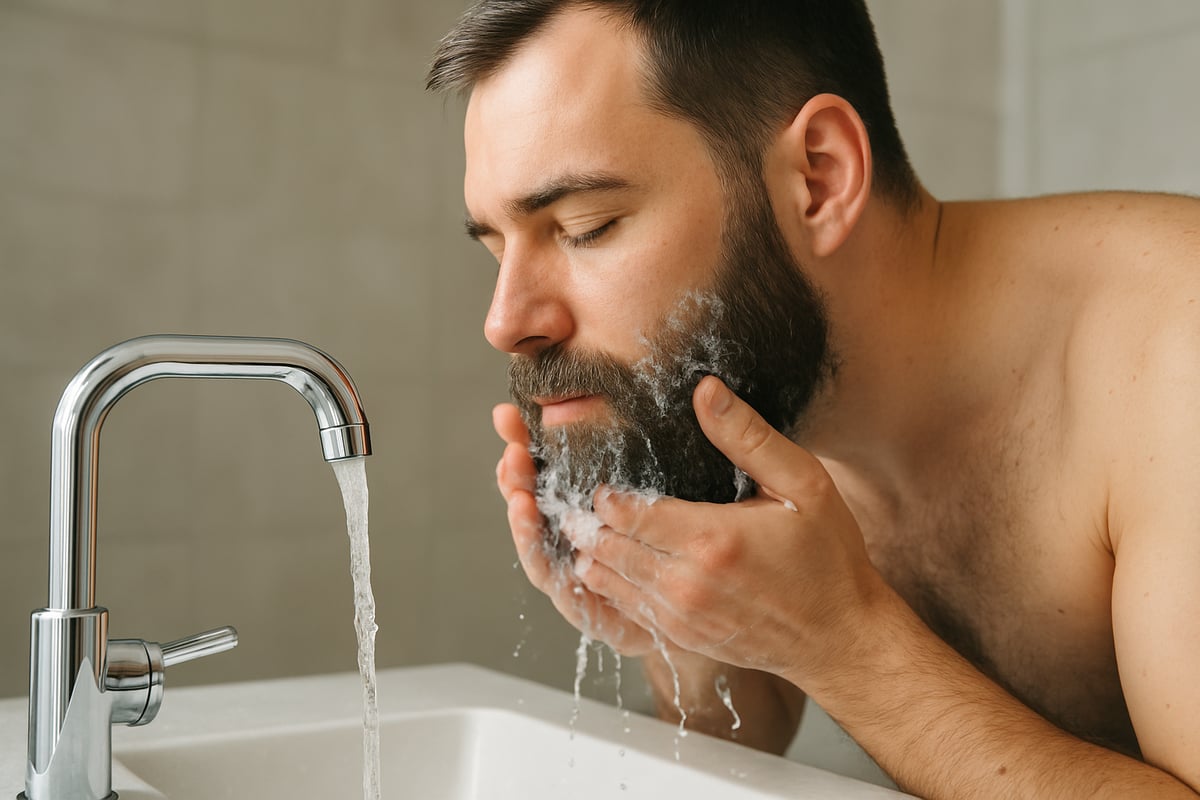
Ever wondered why your beard feels dry or itchy after using regular shampoo? The answer lies in a hidden science that most men overlook. The way you cleanse your facial hair can make or break your beard’s health.
The Problem: Regular Shampoo and Your Beard
Many men reach for their usual shampoo when washing their beards. This seems logical, but scalp and facial hair are worlds apart. Beard hair is thicker, more porous, and sits atop skin that is far more sensitive than your scalp. Regular shampoos contain strong detergents that strip away natural oils, leaving your beard dry and your skin feeling tight.
The result? A brittle, lacklustre beard that is prone to breakage. Even worse, the skin beneath can become irritated, triggering redness and discomfort. This is not just about looks—it's a signal that your beard’s protective barrier is compromised.
Agitate: The Consequences of Harsh Cleansing
If you over-cleanse or use harsh products not designed for facial hair, you invite a host of problems. Beard dandruff, known as "beardruff," creeps in when the skin dries out and flakes. Without enough natural oil, hairs become brittle and growth can stall.
Sebum, your skin’s natural oil, is crucial. It nourishes both the hair and the follicles below. Over-washing with the wrong products quickly depletes these defences. The irritation that follows can make growing a thick, full beard feel impossible.
The Science: Why Beard Wash Is Different
Here’s where beard wash comes in. Unlike standard shampoos, beard wash uses gentle surfactants that lift away dirt and sweat without destroying your skin’s natural barrier. Key ingredients like glycerin act as humectants, drawing moisture into the hair shaft to prevent dehydration. Panthenol (Vitamin B5) strengthens each strand and calms inflammation, supporting resilient growth.
Natural oils such as argan and jojoba mimic your own sebum, restoring softness and shine. By choosing a beard wash, you’re selecting a product formulated to respect both your hair and the sensitive skin beneath.
Real-World Insight: Brand Choices, Stats, and Microbiome Health
Leading brands like Brighton Beard Co. and Manscaped avoid harsh chemicals such as sulphates and parabens for a reason. These ingredients disrupt the delicate balance of your beard’s ecosystem. According to industry surveys, over 60% of men experience itch or flakiness when using regular shampoo on their beards.
The key insight? Cleanliness is not just about appearance. A well-chosen beard wash helps maintain the right microbiome—a community of healthy bacteria essential for strong, vibrant growth. For a deeper dive into the effectiveness and science behind beard wash, see this resource: Does Beard Wash Really Work?.
The Anatomy of a Perfect Beard Wash Routine
Ever wondered why some beards always look vibrant and feel soft, while others turn brittle and itchy? The secret lies in mastering your beard wash routine. It is not just about slapping on some soap and rinsing. Each step in the process matters, and when done right, it transforms your beard from rough and dull to healthy and full of life.
Let’s break down the anatomy of a perfect beard wash routine, using proven science and expert strategies. Follow these steps to ensure every wash supports beard vitality from root to tip.
Step 1: Preparation—Pre-Wash Essentials
Problem: Dirt, dust, and styling products cling to facial hair, blocking effective cleansing.
Agitate: Skipping this step means your beard wash cannot reach every strand or the skin beneath, leading to patchy results and lingering grime.
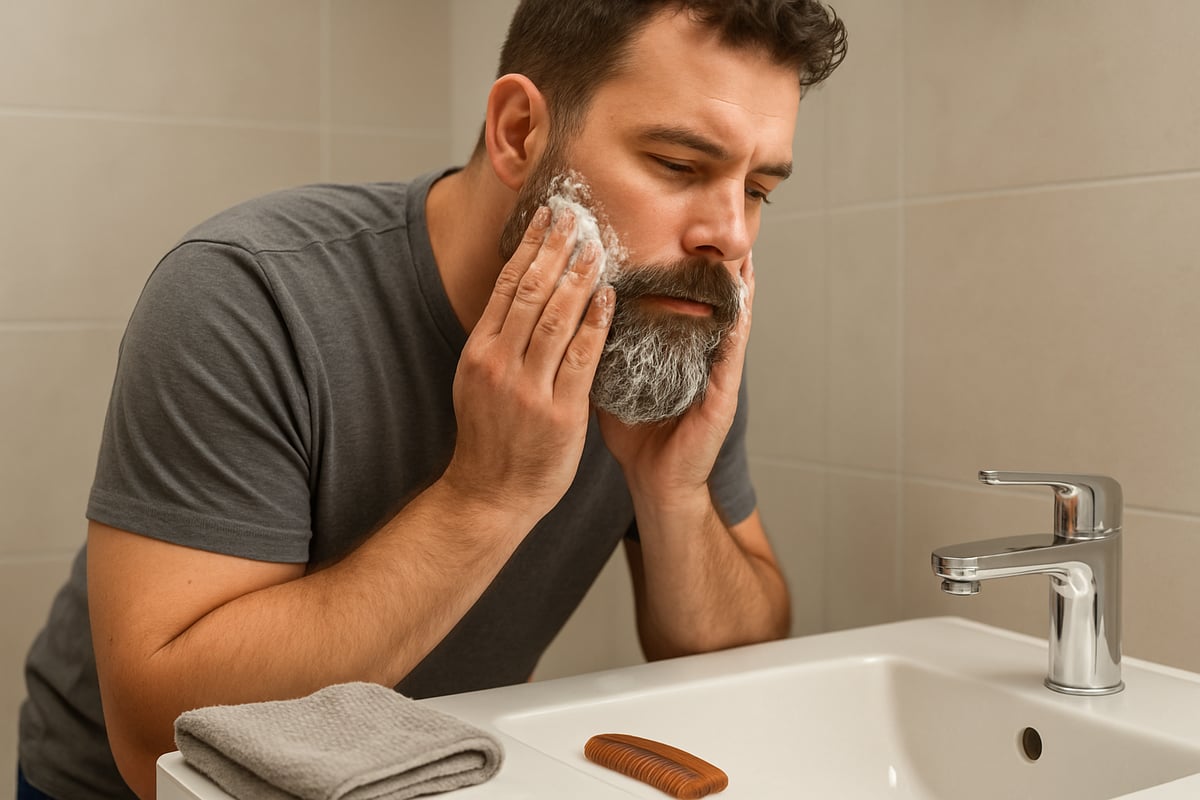
Solution: Always detangle and loosen debris before washing. Use a wide-tooth comb for longer beards, gliding gently from root to tip. For shorter or stubbly beards, a soft-bristled brush lifts particles and primes the skin.
Why does this matter? A beard wash works best when hair and skin are free from knots and surface build-up. This preparation allows cleansing agents to penetrate evenly, ensuring each follicle receives attention.
- Tools: Wide-tooth comb (long beards), soft brush (stubble)
- Tip: Comb before every wash, not just after
This small step sets the foundation for the rest of your beard wash routine, making sure no area is missed.
Step 2: Choosing the Right Water Temperature
Problem: Many men default to hot showers, thinking heat cleans deeper. In reality, hot water strips away sebum, the natural oil your skin produces.
Agitate: Too hot, and you risk dryness and irritation. Too cold, and the cuticles stay closed, so your beard wash cannot penetrate.
Solution: Use lukewarm water, ideally between 32 and 36°C. This temperature opens hair cuticles just enough to allow your beard wash to work its magic, while preserving the protective oil barrier.
Science: Sebum is crucial for keeping both beard hair and skin healthy. Lukewarm water helps maintain hydration and prevents dehydration.
- Do: Test water with your wrist—comfortably warm, never hot
- Don’t: Blast your face with cold or scalding water
Getting this step right prepares your beard for thorough cleansing without damage.
Step 3: Applying Beard Wash—Technique Matters
Problem: Rushing this step means the beard wash sits on the surface, missing the skin where most issues begin.
Agitate: Inadequate lather leaves behind sweat, oil, and pollutants, leading to itch, flakiness, and dullness.
Solution: Dispense a small amount of beard wash into your palm. Work it between your hands, then apply with fingertips, massaging down to the skin in gentle, circular motions. Spend 30 to 60 seconds on this process to stimulate blood flow and ensure every area is covered.
Science: Massage boosts circulation, delivering nutrients directly to hair roots. The surfactants in beard wash lift dirt without stripping essential oils.
- Tip: Focus on the skin as much as the hair
- Technique: Use circular motions for even distribution
For those seeking a range of options, explore the Beard Wash Collection for formulas tailored to different beard types and needs.
Step 4: Rinsing—Don’t Leave Residue Behind
Problem: Even the best beard wash can cause problems if not rinsed thoroughly.
Agitate: Residual product clogs follicles, leaving skin itchy and hair looking lifeless.
Solution: Rinse with the same lukewarm water, using your fingers to gently separate hairs. Continue until the water runs clear and your beard feels squeaky clean.
Science: Leftover residue can disrupt the skin’s microbiome, leading to inflammation and blocked follicles.
- Check: Slide fingers through beard—if it feels slippery, rinse more
- Tip: Never rush this phase
A meticulous rinse ensures your beard wash delivers on its promise, leaving nothing behind but freshness.
Step 5: Post-Wash Care—Drying and Conditioning
Problem: Wet beard hair is vulnerable, prone to snapping and frizz if handled harshly.
Agitate: Rubbing with a rough towel damages cuticles, undoing all your careful washing.
Solution: Pat your beard dry with a microfibre towel, never rub. Once damp, apply a beard conditioner or nourishing oil while cuticles are still slightly open. Ingredients like argan or jojoba oil lock in moisture and add softness.
Science: Conditioners replenish lost hydration, support the hair barrier, and add shine. Skipping this step can leave your beard feeling brittle and looking dull.
- Product: Leave-in conditioner or lightweight oil
- Tip: Apply evenly, comb through for best results
Consistent post-wash care keeps your beard wash routine effective, sealing in all the benefits of your hard work.
Ingredients to Look For (and Avoid) in 2026 Beard Washes
Ever paused to read the label on your beard wash? The ingredients inside shape everything from beard softness to skin comfort. The right formula can transform a coarse, itchy beard into a soft, healthy masterpiece. The wrong one can trigger irritation, dryness, and even slow down growth.
Beneficial Ingredients for Beard and Skin Health
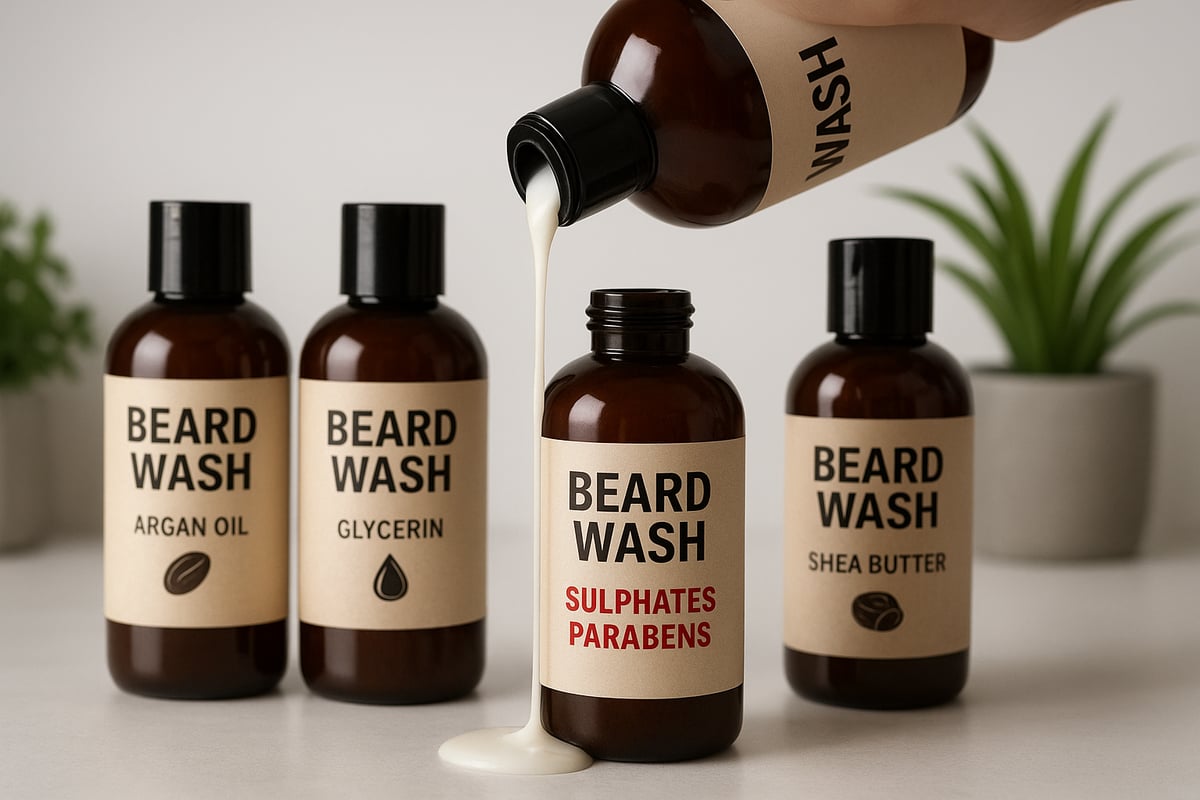
The magic of a quality beard wash lies in its ingredient list. Glycerin is a powerhouse humectant. It draws water from the air and binds it to your hair, preventing dehydration and keeping both beard and skin supple.
Panthenol, or Vitamin B5, strengthens hair fibres. It penetrates deep, boosting resilience and reducing inflammation at the follicle level. This means less breakage and a smoother, itch-free beard.
Natural oils like argan, jojoba, and shea butter mimic your skin’s own sebum. They restore softness and reinforce the protective barrier. These oils are loaded with fatty acids, which seal moisture and shield against environmental stress.
Essential oils such as eucalyptus, rosemary, and lavender add more than fragrance. They have antimicrobial properties, helping to keep your beard fresh and free from unwanted bacteria.
Brands like Brighton Beard Co. and Manscaped include glycerin and Vitamin B5 in their beard wash formulas, making them ideal for sensitive skin. The science is clear: a balance of humectants, emollients, and gentle cleansers creates the foundation for growth.
Ingredient Comparison Table
| Ingredient | Function | Science-backed Benefit |
|---|---|---|
| Glycerin | Humectant | Attracts moisture, hydrates |
| Panthenol (B5) | Strengthener, anti-inflammatory | Reduces irritation, repairs |
| Argan/Jojoba Oils | Emollient, barrier support | Mimics sebum, softens hair |
| Essential Oils | Antimicrobial, aromatic | Fights bacteria, invigorates |
Choosing a beard wash with these ingredients means you’re investing in a science-first approach to beard care.
Harmful Ingredients to Avoid
The wrong beard wash can sabotage your progress. Sulphates like SLS and SLES are harsh detergents. They strip away natural oils, leaving your beard brittle and your skin prone to flaking.
Parabens and phthalates, common preservatives, are linked to hormone disruption. Synthetic dyes and heavy fragrances often cause allergic reactions, especially if your skin is sensitive. Alcohol-based cleansers dry out both hair and skin, increasing the risk of split ends and irritation.
Did you know that 40 percent of beard-related skin complaints trace back to exposure to these harsh chemicals? That’s why experts urge you to check labels carefully. If you want to dig deeper into which ingredients to keep out of your beard wash, check out this Beard Wash Ingredients to Avoid resource.
The lesson is simple: what’s left out can be as important as what’s included.
The Rise of Natural and Vegan Formulas
Men are demanding more from their beard wash in 2026. Eco-friendly, cruelty-free options are on the rise. Plant-based surfactants and preservatives offer mild yet effective cleansing, avoiding irritation while still removing dirt and oil.
Modern extraction techniques mean natural ingredients are more potent and pure than ever. For example, Manscaped’s vegan, cruelty-free beard shampoo appeals to users with sensitive skin, delivering performance without compromise.
Transparency matters. Look for beard wash products with clear sourcing and honest sustainability claims. Natural does not mean less effective. In fact, the right blend of botanicals and gentle cleansers supports beard health for the long run.
Common Beard Washing Mistakes (and How to Fix Them)
Ever wondered why your beard wash routine sometimes leaves your skin itchy or your beard looking dull? The truth is, even with the best intentions, many men fall into common traps that sabotage their beard health. Let’s break down these pitfalls and explore the science behind fixing them.
Over-washing and Under-washing: Striking the Right Balance
Problem: Washing your beard too often strips away protective oils vital for hydration. Under-washing, on the other hand, lets sweat, dead skin, and pollution build up.
Agitate: Over-cleansing weakens the skin barrier, leading to flakiness, beard dandruff, and brittle hair. Skip too many days, and your beard collects bacteria and dirt, clogging follicles and slowing growth.
Solution (Science): The skin beneath your beard produces sebum, a natural oil that forms a shield against dryness and irritants. When you overdo the beard wash, you remove this shield, exposing follicles to inflammation. Under-washing allows yeast and bacteria to thrive, causing itch and discomfort.
Wondering how often is best? Most experts recommend a beard wash two to three times weekly, adapting based on your lifestyle and climate. For a deep dive into setting the right frequency, check out Should I Wash My Beard Daily?.
Using the Wrong Products: Head Shampoo Is Not Beard Wash
Problem: Grabbing your regular shampoo or body wash to clean your beard may seem harmless, but it can backfire quickly.
Agitate: Scalp shampoos contain stronger detergents and a different pH balance, designed for thicker, oilier hair. This disrupts the sensitive skin on your face, leading to irritation, redness, and even breakouts.
Solution (Science): Beard wash formulas use gentler surfactants, like cocamidopropyl betaine, and ingredients such as glycerin or panthenol to cleanse without stripping essential oils. These components maintain the skin’s acid mantle, supporting a healthy microbiome and preventing beard itch.
Swap out your head shampoo for a dedicated beard wash. The difference in comfort and appearance is rooted in real ingredient science, not hype.
Aggressive Drying: Protecting the Hair Cuticle
Problem: Rubbing your beard with a rough towel or blasting it with a hot dryer might seem efficient, but it can do more harm than good.
Agitate: When wet, beard hair is at its weakest. Aggressive drying frays the cuticle layer, causing split ends, frizz, and faster breakage.
Solution (Science): The cuticle is the outermost layer of hair, acting as a shield. Patting the beard dry with a microfibre towel keeps cuticles smooth. If you need to speed up drying, use a cool air setting—heat disrupts the protein bonds in hair, making it brittle.
Using a gentle beard wash is only half the battle. Protect your beard at every stage, especially when it’s most vulnerable.
Skipping Conditioner or Oil: The Hydration Mistake
Problem: After cleansing, many skip straight to styling, forgetting to replenish lost moisture.
Agitate: Without conditioner or oil, the beard feels rough, tangles easily, and is more likely to snap under stress.
Solution (Science): Conditioners with ingredients like argan or jojoba oil restore the lipid layer on both hair and skin. This locks in hydration, reduces friction, and supports healthy growth. Oils mimic natural sebum, soothing inflammation and keeping beard hair flexible.
A well-chosen beard wash, followed by nourishment, is the secret to softness and shine.
Quick-Fix Table: Beard Wash Mistakes and Solutions
| Mistake | Result | Science-Backed Fix |
|---|---|---|
| Over-washing | Dry, flaky skin | Wash 2–3x/week, preserve sebum |
| Under-washing | Build-up, itch | Regular beard wash routine |
| Wrong product | Irritation | Use beard wash, gentle surfactants |
| Aggressive drying | Split ends, frizz | Pat dry, avoid heat |
| Skipping conditioner/oil | Rough, brittle hair | Apply beard-specific conditioner |
Small, consistent changes to your beard wash routine can transform your results. Focus on science, not shortcuts, and your beard will thank you.
Advanced Tips for a Fresh, Healthy Beard in 2026
Ever felt like your beard wash routine works for someone else, but leaves your own beard lacking? Science reveals that a single routine never fits all. The structure, density, and curl pattern of your beard demand a tailored approach. Let’s dive into advanced, evidence-backed strategies that elevate your beard wash game for 2026.
Tailoring Your Wash Routine to Beard Type
Every beard is unique. What works for a coarse, curly beard will not suit a patchy or fine beard. The problem begins when men use a one-size-fits-all beard wash method. This neglects the science behind how hair structure and skin type respond to cleansing.
Agitate this further: Short beards often suffer irritation if over-washed, while long, dense beards harbour more build-up and require deeper cleaning. Curly and coarse beards are prone to dryness, as their structure makes it harder for natural oils (sebum) to travel along the hair shaft. Patchy beards may have sensitive skin exposed, increasing risk of inflammation from aggressive scrubbing.
Solution: Adapt your beard wash routine by beard type, using targeted products and techniques. Here is a quick reference:
| Beard Type | Wash Frequency | Key Focus | Science Insight |
|---|---|---|---|
| Short | 2x/week | Skin health, gentle cleanse | Less surface area, more skin exposure |
| Medium/Long | 3x/week | Detangling, thorough wash | Higher debris, need for deep cleanse |
| Curly/Coarse | 2–3x/week | Extra hydration | Porous hair, prone to dryness |
| Patchy | 2x/week | Gentle massaging | Stimulates blood flow |
Science explains that curly and coarse hair have uplifted cuticles, making moisture retention difficult. Using a beard wash with humectants like glycerin and emollients like argan oil restores hydration and strengthens the hair shaft. For patchy beards, gentle massaging with fingertips boosts blood flow, delivering nutrients that activate dormant follicles.
If you’re unsure how often to wash, consult resources like the Beard Washing Frequency Guide for expert, science-backed advice tailored to your unique beard profile.
Seasonal Adjustments and Environmental Factors
Your beard wash routine must evolve with the seasons and your environment. The problem: Many men stick to the same approach year-round, ignoring how climate impacts skin and hair.
Agitate: In winter, cold and dry air strips both sebum and moisture, leading to flakiness and brittle hairs. During summer, heat, sweat, and pollution create a breeding ground for bacteria and clog pores. Urban environments expose your beard to fine particulate matter, which can lodge in hair cuticles and disrupt the skin’s microbiome.
Solution: Adjust your beard wash strategy based on environmental stressors. In winter, switch to richer conditioners with occlusive oils like shea butter. These create a barrier to lock in moisture, preventing dehydration. In summer, opt for a lighter beard wash formula with gentle surfactants that effectively remove sweat and grime without over-drying.
For city dwellers, incorporate a bi-weekly exfoliating beard wash containing mild plant-based abrasives. These lift trapped particles and dead skin, supporting a balanced microbiome and healthy growth.
Science confirms that adapting your beard wash approach to your environment reduces oxidative stress and inflammation, keeping both hair and skin resilient.
Combining Beard Wash with Other Grooming Essentials
A beard wash alone is not enough for optimal beard health. The problem? Many routines neglect the synergy between cleansing, conditioning, and styling.
Agitate: Skipping steps after washing leaves the cuticle open, hair vulnerable to damage, and skin prone to irritation. Without distributing oils or detangling, even the best beard wash cannot deliver long-term results.
Solution: After using your beard wash, always follow with a conditioner or oil. Conditioners rich in argan or jojoba oil replenish lipids lost during washing, sealing the cuticle and restoring softness. Beard oils mimic the molecular structure of sebum, supporting the skin barrier and reducing inflammation.
Add regular brushing to distribute oils evenly and prevent tangles. Weekly exfoliation with a dedicated beard scrub removes dead skin, reducing the risk of ingrown hairs and build-up. For a comprehensive routine and deeper insights, explore Beard Care Uncovered, which breaks down holistic grooming strategies supported by scientific evidence.
Science shows that layering products enhances the beard’s barrier function and boosts resilience to daily stressors.
Onesociety: Science-Backed Beard Care for Modern Men
Struggling to find a beard wash that truly delivers on its promises? Onesociety offers 100% natural, research-driven beard washes and conditioners formulated for visible results.

Their 90-Day Beard Challenge provides an expert-guided routine, harnessing proven actives like argan oil and botanical extracts. These ingredients hydrate, strengthen, and soothe, supporting both hair and skin health.
With over 20,000 satisfied customers, Onesociety is trusted for its science-first, transparent approach. If you want a beard wash that combines innovation with real results, this is the brand to watch in 2026.
Frequently Asked Questions: Expert Answers for 2026
Curious about updating your beard wash routine for 2026? You're not alone. Here are the science-backed answers to the most common questions, each designed to help you achieve a healthy, fresh beard every day.
How often should I use beard wash?
Problem: Over-washing strips away your natural sebum, leading to dry, brittle hair and irritated skin.
Agitate: Under-washing allows sweat, debris, and pollutants to build up, clogging follicles and stunting growth.
Solution: Most men benefit from using beard wash 2–3 times per week. Adjust if you exercise daily or work in a polluted environment. The right frequency preserves the skin's microbiome and keeps your beard looking its best. For a detailed routine, see the Beard Care Routine for Fuller Beards.
Can I use regular shampoo instead of beard wash?
Problem: Regular shampoos are designed for scalp hair, which is thicker and less sensitive than facial skin.
Agitate: Using these products can disrupt your beard's pH balance, causing itchiness and flaking.
Solution: Only use a dedicated beard wash. These formulas use gentle surfactants and targeted hydrators, such as glycerin, to cleanse without stripping away protective oils.
What’s the difference between beard wash and beard shampoo?
Though the terms overlap, beard wash is often milder, using lower-foaming cleansers and more skin-friendly ingredients. This reduces irritation and supports a balanced skin barrier, especially for sensitive faces.
Do I need to condition after every beard wash?
Absolutely. Conditioning replenishes moisture and seals the cuticle after cleansing. Ingredients like argan oil and panthenol (Vitamin B5) strengthen each strand, reducing breakage and split ends. Skipping this step leaves your beard rough and vulnerable.
Are beard washes safe for sensitive skin?
Choose products free from sulphates, parabens, and synthetic fragrances. These harsh chemicals can cause inflammation and allergic reactions. Always patch-test new products, and opt for washes with calming plant extracts and mild cleansers.
What ingredients should I look for in a 2026 beard wash?
Look for humectants like glycerin, strengthening agents such as panthenol, and natural oils for hydration and softness. Curious about ingredient science? Explore the Beard Wash Ingredients Explained guide for in-depth details on what each ingredient does.
Can beard wash help with beard dandruff?
Yes. Proper beard wash routines remove dead skin cells and excess sebum, reducing flakiness. Anti-inflammatory ingredients like shea butter soothe irritation, while antimicrobial essential oils target the root cause of beard dandruff.
How do I keep my beard smelling fresh all day?
Washes with essential oils like eucalyptus or rosemary provide a natural, invigorating scent. Lock in freshness by applying beard oil or balm after washing, which also helps seal in moisture and prevent odour-causing bacteria from thriving.
Quick Reference Table: Beard Wash Frequency by Beard Type
| Beard Type | Recommended Wash Frequency |
|---|---|
| Stubble/Short | 1–2 times per week |
| Medium/Long | 2–3 times per week |
| Active Lifestyle | 3–4 times per week |
Over 4,000 reviews for leading brands confirm that a consistent beard wash routine, powered by scientific ingredients, leads to softer, healthier, and more comfortable beards. Consistency and ingredient knowledge are your keys to success.
You’ve just unlocked the science behind a truly fresh, healthy beard—now it’s your turn to put these expert tips into action. Imagine how much more confident you’ll feel when itch, flakiness, and stubborn patches are a thing of the past. Onesociety’s natural, research-backed beard products are designed to help you get there, with formulas that nourish and protect every strand. Why settle for “just okay” when you can have a beard that actually looks and feels as fresh as it deserves? Take the next step towards your best beard ever by exploring the full range right here:
BEARD PRODUCTS