

Your beard deserves more than guesswork. Whether you're battling patchy growth, persistent itchiness, or facial hair that feels like wire wool, the right beard treatments can transform your grooming routine from frustrating to effective. Yet walk into any chemist or scroll through online stores, and you'll face hundreds of products making bold promises without scientific backing. This guide cuts through the marketing noise to reveal which beard treatments actually work, why they work, and how to choose formulations that deliver measurable results for your specific concerns.
Understanding Why Your Beard Needs Targeted Treatment
Most men assume beard care begins and ends with a quick wash in the shower. This approach fails because facial hair operates differently from the hair on your scalp. Beard follicles produce sebum at varying rates, and the coarse texture of facial hair strips natural oils faster than head hair.
The skin beneath your beard faces unique challenges. Dead skin cells accumulate, oxygen flow decreases, and bacterial populations shift. Without proper treatment, this environment breeds inflammation, ingrown hairs, and follicle damage that stunts growth.
The Problem: Beard Issues That Demand Intervention
Your beard reveals problems through specific symptoms. Patchy areas signal follicle miniaturisation or underlying medical conditions affecting facial hair growth. Persistent itching indicates dehydration at the skin level or folliculitis. Brittle, splitting hair shows protein degradation and moisture loss.
Split ends don't heal themselves. Once the hair shaft fractures, the damage travels upward, creating a cascade of breakage. Meanwhile, sebum production decreases with age, leaving mature beards vulnerable to dryness even if you had naturally oily skin in your twenties.
Evidence-Based Beard Treatments That Deliver Results
Science identifies specific compounds that penetrate hair shafts and follicles to create measurable change. Not every ingredient marketed for beards has research support, but several stand out with clinical backing.
Hydrating Treatments: More Than Surface-Level Moisture
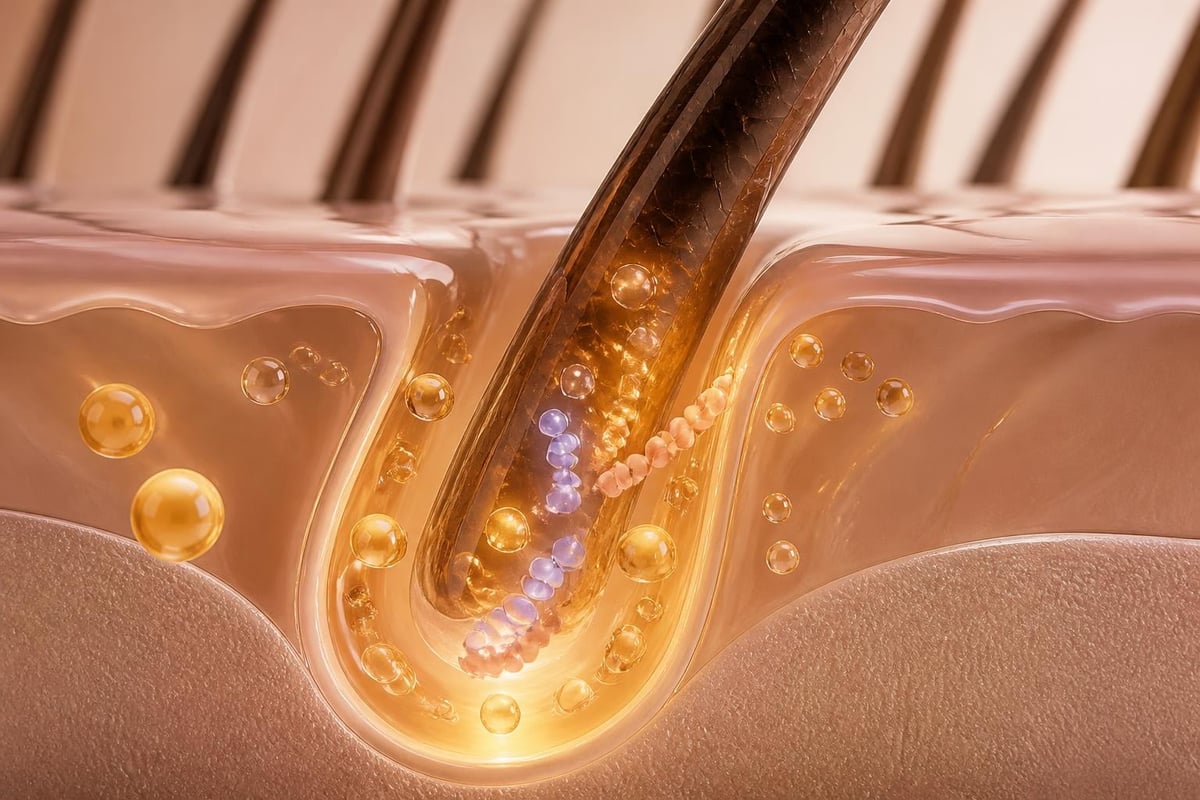
Carrier oils form the foundation of effective hydration. Jojoba oil mimics sebum's molecular structure, allowing it to penetrate the follicle and regulate oil production. This dual action hydrates dry beards whilst preventing the overcompensation that creates greasiness.
Argan oil delivers vitamin E and fatty acids that repair damaged cuticles. The oleic and linoleic acids in argan oil have anti-inflammatory properties that reduce irritation beneath the beard. For men dealing with dermatological conditions in the beard area, these anti-inflammatory effects prove particularly valuable.
Butter-based treatments create an occlusive layer that locks moisture into the hair shaft. Shea butter's concentration of stearic acid and oleic acid forms a protective barrier whilst delivering vitamins A and E directly to damaged areas. This barrier function prevents transepidermal water loss, the primary cause of beard brittleness.
| Hydrating Ingredient | Primary Fatty Acid | Key Benefit | Molecular Weight |
|---|---|---|---|
| Jojoba Oil | Eicosenoic Acid | Sebum Regulation | Low (penetrates deeply) |
| Argan Oil | Oleic & Linoleic | Anti-inflammatory | Medium |
| Shea Butter | Stearic Acid | Moisture Barrier | High (surface protection) |
| Coconut Oil | Lauric Acid | Antimicrobial | Low to Medium |
Growth-Stimulating Treatments: What Actually Works
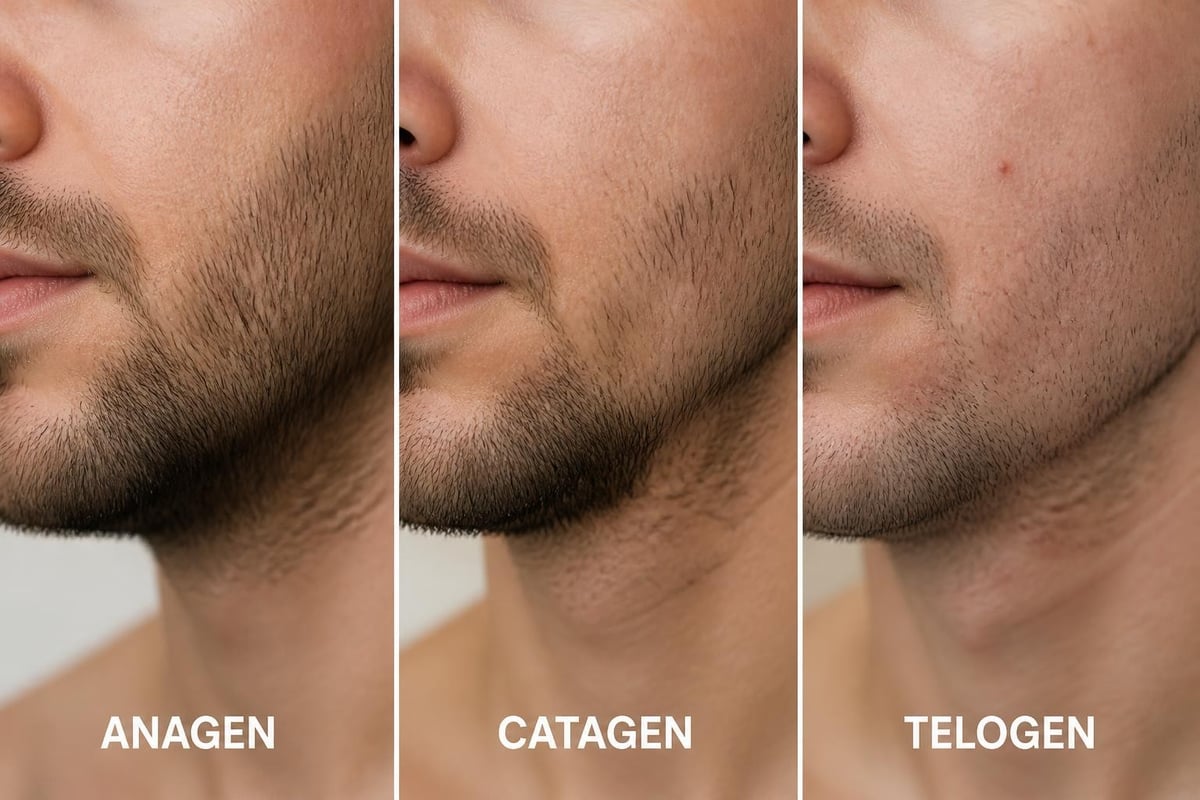
Minoxidil remains the only FDA-approved topical treatment proven to stimulate hair growth, and research confirms its effectiveness on facial hair. The compound works by opening potassium channels in follicle cells, which extends the anagen (growth) phase and increases follicle size.
However, minoxidil comes with trade-offs. Many users experience initial shedding, and results disappear if you stop application. The commitment spans months before visible improvement appears.
Natural growth stimulants offer gentler alternatives with different mechanisms:
- Castor oil contains ricinoleic acid, which improves blood circulation to follicles and reduces prostaglandin D2, a compound linked to hair miniaturisation
- Peppermint oil demonstrated a statistically significant increase in follicle depth and number in controlled studies, attributed to increased blood flow
- Biotin supports keratin production, though deficiency is rare and supplementation only helps if you're genuinely deficient
The truth about natural growth treatments? They work slower than pharmaceutical options but cause fewer side effects. Consistency matters more than any single ingredient.
Conditioning Treatments: Rebuilding Damaged Structure
Protein treatments rebuild the hair shaft's internal structure. Hydrolysed wheat protein, silk protein, and keratin fragments small enough to penetrate the cuticle fill gaps in damaged areas. This restoration increases tensile strength and reduces breakage.
The key lies in molecular size. Proteins must be hydrolysed (broken down) into fragments under 1000 Daltons to penetrate the hair shaft. Larger molecules coat the surface without addressing internal damage.
pH-balanced treatments matter more than most men realise. Beard hair has a natural pH between 4.5 and 5.5. Alkaline products (pH above 7) force the cuticle to open, creating a rough texture and increasing moisture loss. Properly formulated conditioning treatments maintain the correct pH whilst delivering active ingredients.
Addressing Specific Beard Problems With Targeted Treatments
Generic beard treatments waste your money if they don't address your specific problem. Each beard concern requires a different therapeutic approach backed by dermatological research.
Treating Patchy Beard Growth
Patchy beards stem from multiple causes. Genetics determine follicle distribution, but environmental factors and health conditions influence activation. Medical evaluation helps identify treatable causes like alopecia areata, thyroid dysfunction, or nutritional deficiencies.
For genetic patchiness, strategic treatments focus on maximising existing follicles:
- Microneedling combined with growth serums creates microchannels that increase absorption by up to 300%
- Follicle-stimulating serums containing caffeine increase blood flow and extend the growth phase
- Styling products with volumising properties create the illusion of density whilst follicles mature
Patience proves essential. Beard follicles cycle through growth phases at different rates, and complete coverage can take 6-12 months of consistent treatment.
Eliminating Beard Itch and Irritation
Beard itch originates from two sources: dehydration and bacterial overgrowth. New beard growth causes itching as sharp hair ends irritate skin. Established beards itch when dead skin cells accumulate or when follicles become inflamed.
Anti-itch treatments that actually work:
- Tea tree oil at 5% concentration demonstrates antimicrobial properties against bacteria causing folliculitis
- Colloidal oatmeal creates a protective film that reduces inflammation and soothes irritation
- Aloe vera delivers polysaccharides that accelerate healing and reduce redness
Folliculitis barbae requires medical attention when home treatments fail. Persistent, painful bumps may need antibiotic intervention.
Solving Ingrown Hair Problems
Ingrown hairs plague men with coarse or curly facial hair. The hair shaft curls back and penetrates the skin, triggering inflammation. Pseudofolliculitis barbae affects up to 60% of Black men due to tightly coiled hair structure.
Effective treatments combine prevention and active intervention:
- Salicylic acid exfoliates dead skin cells that trap growing hairs beneath the surface
- Glycolic acid at 10-15% concentration dissolves the "glue" holding dead cells together
- Proper beard oil application softens hair, reducing the likelihood of penetration back into skin
Daily exfoliation proves more effective than intensive weekly treatments. Gentle, consistent removal of surface cells prevents the buildup that causes ingrowns.
The Science of Beard Treatment Application
How you apply beard treatments determines their effectiveness as much as the ingredients themselves. Proper application maximises absorption, ensures even distribution, and prevents common mistakes that negate benefits.
Optimising Absorption: Timing and Technique
Clean skin absorbs better. Washing your beard removes sebum, dead cells, and product buildup that block absorption. However, over-washing strips protective oils and damages the skin barrier. The American Academy of Dermatology recommends washing beards 2-3 times weekly unless you work in particularly dirty environments.
Apply treatments to damp (not soaking) beards. Water content in the hair shaft expands slightly, opening pathways for active ingredients whilst preventing excessive dilution. Pat your beard until it's 70% dry, then apply treatment.
Distribution technique matters:
- Warm the product between your palms to reduce viscosity
- Apply to skin first, massaging from the base of the beard
- Work outward through the length, coating each hair shaft
- Use a beard brush or comb to ensure even distribution and remove tangles
Layering Products: The Correct Sequence
When using multiple beard treatments, application order determines effectiveness. The lightest, most water-based products go first, followed by heavier oils and butter-based treatments.
Optimal layering sequence:
- Beard wash (when washing)
- Treatment serums (growth stimulants, medical treatments)
- Beard oil (hydration and nutrients)
- Beard balm or butter (moisture sealing and styling)
Wait 2-3 minutes between layers to allow absorption. Applying products too quickly creates a barrier that prevents subsequent treatments from penetrating.
Nutrition and Lifestyle: Internal Beard Treatments
External treatments only work when internal health supports follicle function. Your beard grows from within, and deficiencies in key nutrients directly impact growth rate, texture, and thickness.
Vitamins and Minerals That Impact Beard Health
Research on nutritional factors in hair growth reveals specific compounds essential for healthy follicle function. Unlike topical treatments, correcting deficiencies shows results throughout your entire beard, not just treated areas.
Critical nutrients for beard growth:
- Iron transports oxygen to follicle cells; deficiency causes telogen effluvium (excessive shedding)
- Zinc regulates oil glands and supports protein synthesis; low levels correlate with patchy growth
- Vitamin D influences follicle cycling and may help activate dormant follicles
- B-complex vitamins support cell division and keratin production, particularly biotin (B7) and niacin (B3)
Blood tests identify deficiencies before supplementation. Excessive vitamin intake creates problems; fat-soluble vitamins (A, D, E, K) accumulate to toxic levels when over-consumed.
Lifestyle Factors That Enhance Treatment Effectiveness
Sleep deprivation disrupts hormone production, including testosterone and DHT (dihydrotestosterone), which regulate beard growth. Adults need 7-9 hours nightly for optimal follicle function.
Stress management proves equally important. Chronic stress elevates cortisol, which shortens the anagen phase and pushes more follicles into telogen (resting phase). This creates the illusion that beard treatments aren't working when the actual problem lies in hormonal disruption.
Hydration affects beard texture directly. Dehydrated bodies produce less sebum, and hair shafts become brittle. The common recommendation of eight glasses daily serves as a baseline, but active men require more.
Building an Effective Beard Treatment Routine
Consistency trumps product quality when building a successful beard care regimen. The most sophisticated beard treatments fail without regular application, whilst basic formulations used daily deliver impressive results.
Morning Routine: Protection and Styling
Step 1: Rinse your beard with lukewarm water to remove overnight product buildup and dead skin cells. Hot water strips protective oils.
Step 2: Apply a lightweight oil whilst the beard remains slightly damp. This locks in moisture and creates a foundation for styling products.
Step 3: Style with balm or butter if needed, focusing on taming flyaways and shaping your beard's outline.
Morning routines prioritise protection against environmental damage. UV exposure, pollution, and air conditioning all dehydrate facial hair throughout the day.
Evening Routine: Repair and Growth
Night-time provides optimal conditions for intensive beard treatments. Your body's repair processes peak during sleep, and you won't sweat off products or expose them to environmental stressors.
Comprehensive evening protocol:
- Cleanse thoroughly if you've washed that day, or simply rinse if not
- Exfoliate 2-3 times weekly to prevent ingrown hairs and improve absorption
- Apply growth treatments (if using minoxidil or natural stimulants)
- Layer hydrating oil to support overnight repair
- Seal with butter for maximum moisture retention during sleep
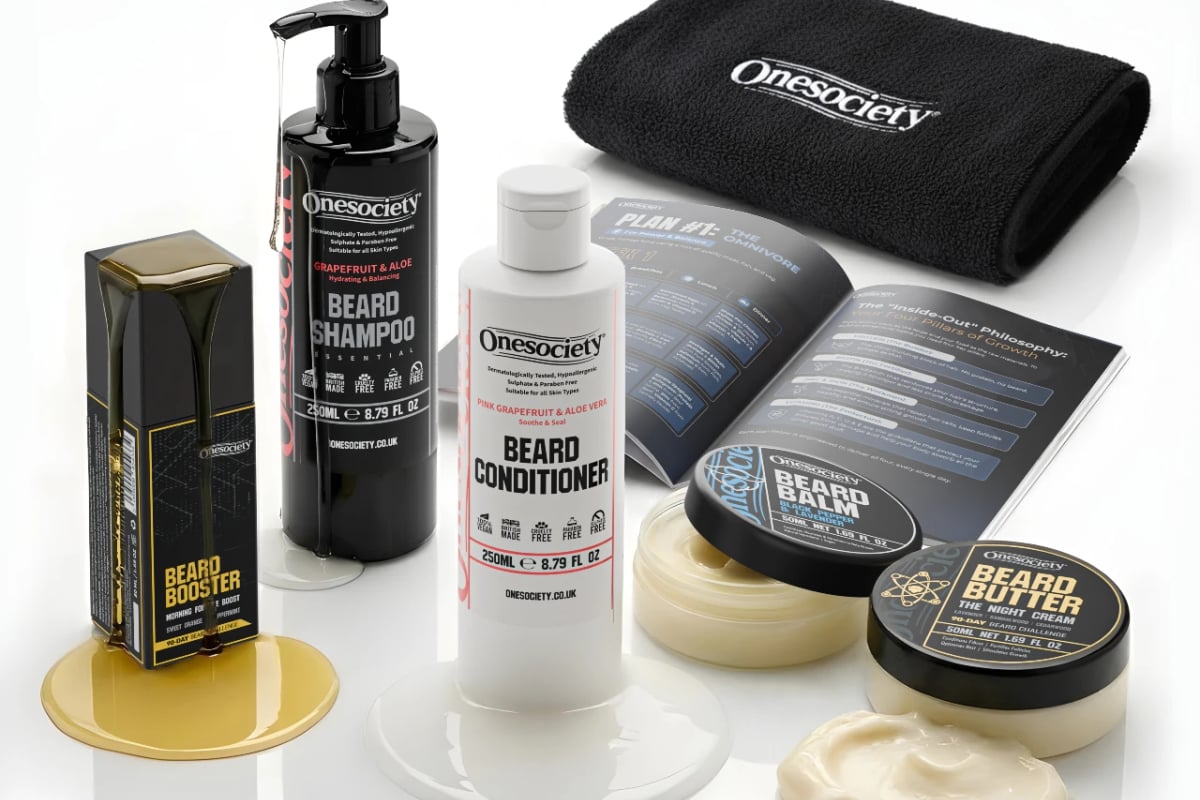
For men committed to transforming their beard health, structured programmes deliver superior results compared to ad-hoc product use. The 90-Day Beard Challenge provides a complete system with eight complementary formulas designed to work synergistically. This approach eliminates the guesswork of building your own routine, with each product formulated to enhance the others' effectiveness through pH balancing, complementary active ingredients, and progressive intensity.
Weekly Deep Treatments
Intensive weekly treatments address accumulated damage and provide concentrated nutrients. These sessions supplement daily care rather than replacing it.
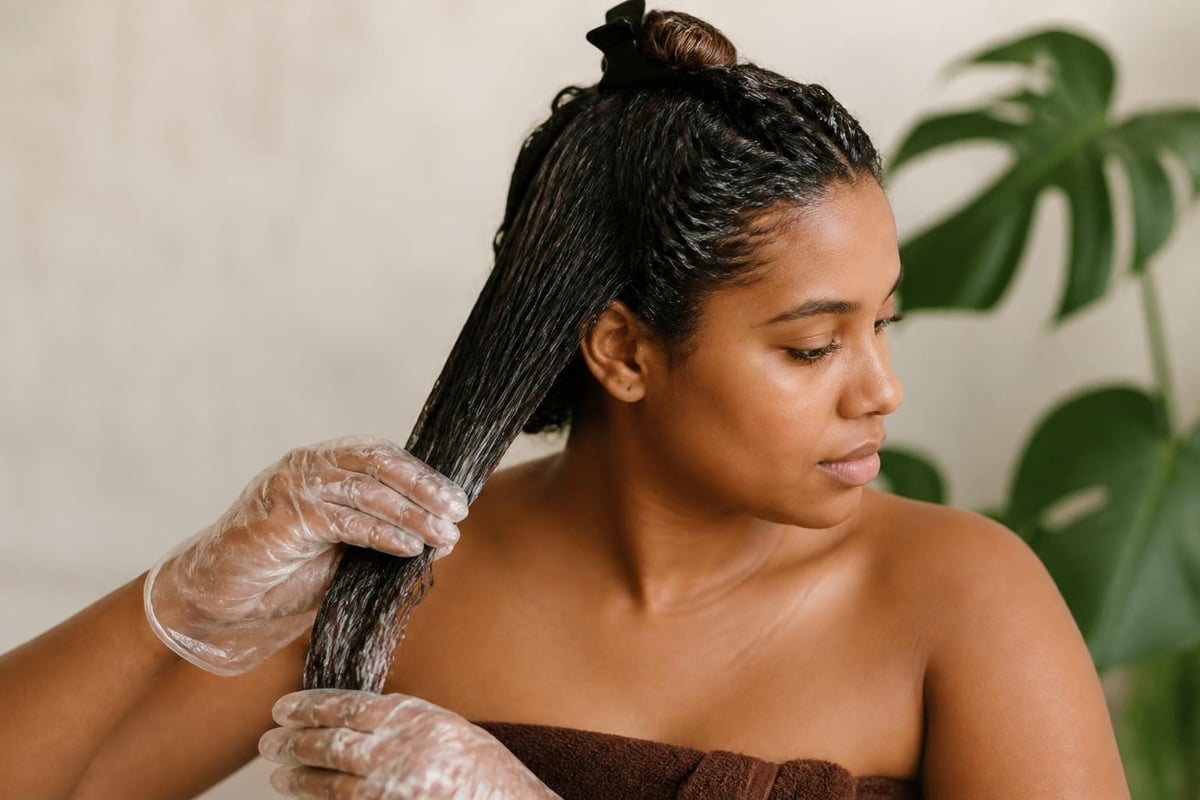
Hot oil treatments enhance penetration of beneficial fatty acids. Warm (not hot) oil opens the cuticle slightly, allowing deeper absorption:
- Heat your oil to body temperature (test on inner wrist)
- Massage thoroughly into beard and skin
- Wrap with a warm, damp towel for 10-15 minutes
- Rinse with cool water to seal the cuticle
- Apply your regular oil whilst still damp
Protein masks rebuild damaged structure when used fortnightly. More frequent application risks protein overload, which makes hair brittle rather than strong.
Avoiding Common Beard Treatment Mistakes
Even premium beard treatments fail when applied incorrectly. Understanding common errors helps you avoid wasting time and money on ineffective routines.
Over-Treatment: When More Hurts Results
Excessive product application doesn't accelerate results. Your beard can only absorb a finite amount of oil or butter, and surplus product attracts dirt, clogs pores, and creates a greasy appearance.
Signs you're using too much:
- Beard feels heavy or looks visibly oily hours after application
- Skin beneath breaks out frequently
- Products transfer to clothing or pillowcases
- Beard feels sticky rather than soft
Most men need only 3-6 drops of oil for a full beard. Start with less and add more if needed.
Ignoring Ingredient Conflicts
Certain ingredients neutralise each other or cause adverse reactions when combined. Vitamin C and retinol destabilise each other. High concentrations of essential oils irritate skin when layered.
Research product combinations before building elaborate routines. When brands design complete systems, they test ingredient interactions and pH compatibility across the range.
Expecting Overnight Transformations
Beard follicles grow approximately 0.4 millimetres daily. Treatments that claim visible results in days ignore biological reality. Even the fastest-acting growth stimulants require 8-12 weeks before you notice increased density.
Set realistic timelines based on your goals:
- Reduced itching: 3-7 days with proper hydration
- Softer texture: 1-2 weeks of consistent conditioning
- Increased growth: 8-16 weeks with follicle stimulants
- Patchy area filling: 3-6 months minimum
Document progress with photos every fortnight. Daily observation makes gradual change invisible, whilst photographic comparison reveals genuine improvement.
Choosing Quality Beard Treatments: What to Look For
The beard care market overflows with products making identical claims. Distinguishing effective formulations from marketing hype requires understanding what separates quality from mediocrity.
Reading Labels: Active Ingredients vs Fillers
Ingredients appear in descending order by concentration. If beneficial oils appear after preservatives or fragrances, the product contains minimal active ingredients regardless of marketing claims.
Red flags that indicate low quality:
- Mineral oil or petrolatum as primary ingredients (these coat without nourishing)
- Artificial fragrances listed before carrier oils
- Alcohol high on the ingredient list (creates initial softness but causes long-term dryness)
- Vague terms like "proprietary blend" without specific compounds listed
Positive indicators of quality formulations:
- Natural carrier oils (jojoba, argan, sweet almond) in the first three ingredients
- Essential oils for fragrance rather than synthetic parfum
- Vitamin E (tocopherol) as a natural preservative
- Specific concentration percentages listed for active ingredients
Natural vs Synthetic: Understanding the Difference
"Natural" doesn't automatically mean superior, nor does "synthetic" indicate inferiority. The key lies in bioavailability (how effectively your body uses the ingredient) and potential for irritation.
Natural ingredients offer complex nutrient profiles that synthetic alternatives can't replicate. Argan oil contains over 200 beneficial compounds beyond its primary fatty acids. However, natural ingredients vary in potency between batches and may trigger allergies in sensitive individuals.
Synthetic ingredients provide consistency and stability. Laboratory-created vitamins deliver precise concentrations, and synthetic preservatives extend product life without refrigeration.
The optimal approach combines both: natural active ingredients for their comprehensive benefits, with minimal synthetic preservatives for safety and longevity.
Value vs Price: Investment-Worthy Treatments
Expensive products aren't always superior, but quality ingredients cost more than cheap fillers. Organic argan oil costs approximately £40 per litre at wholesale; a 50ml beard oil selling for £5 can't contain significant quantities of quality ingredients after packaging and profit margins.
Calculate cost per application rather than bottle price:
| Product Type | Typical Use Per Application | Applications Per Container | True Cost Per Use |
|---|---|---|---|
| Beard Oil (30ml) | 4-6 drops (0.2ml) | 150 applications | £0.13-£0.20 |
| Beard Balm (60ml) | Fingertip amount (0.5ml) | 120 applications | £0.17-£0.25 |
| Beard Butter (100ml) | Small scoop (1ml) | 100 applications | £0.20-£0.30 |
Premium beard treatments from dedicated specialists often cost less per application than supermarket alternatives due to concentration and effectiveness.
When to Seek Professional Help for Beard Issues
Some beard problems require medical intervention beyond over-the-counter beard treatments. Recognising when to consult a dermatologist prevents complications and addresses underlying health concerns.
Warning Signs That Demand Medical Attention
Seek professional evaluation if you experience:
- Sudden patchy hair loss that appeared within weeks
- Painful, pus-filled bumps that don't respond to antiseptic treatments
- Extreme itching accompanied by scaling or crusting skin
- Hair loss accompanied by fatigue, weight changes, or other systemic symptoms
- Scarring in areas where hair no longer grows
These symptoms may indicate autoimmune conditions, fungal infections, hormonal imbalances, or nutritional deficiencies requiring prescription treatment.
Prescription Beard Treatments: What Doctors Can Offer
Dermatologists access treatments unavailable over the counter. Prescription-strength minoxidil (10% vs 5% retail), topical corticosteroids for inflammatory conditions, and oral medications for underlying hormonal issues all require medical supervision.
For severe pseudofolliculitis barbae, doctors may recommend laser hair removal to permanently eliminate problematic follicles. This seems counterintuitive for men growing beards, but strategic removal of the most troublesome areas whilst maintaining overall coverage reduces chronic inflammation.
Platelet-rich plasma (PRP) injections show promise for stimulating dormant follicles, though evidence remains preliminary and cost proves prohibitive for many men.
Effective beard treatments combine scientific understanding with consistent application to deliver genuine transformation. From identifying the root causes of your specific concerns to selecting formulations with proven active ingredients, success requires knowledge rather than hope. Whether you're addressing patchiness, dryness, or simply want to maximise your beard's potential, evidence-based treatments deliver measurable results when applied correctly. Onesociety builds every formula on this scientific foundation, using 100% natural ingredients that target follicle health, moisture retention, and growth stimulation with transparent concentration levels and comprehensive application guidance, turning three months of commitment into years of confidence.