

Your beard deserves more than leftover hair shampoo or harsh facial cleansers. The skin beneath your facial hair operates differently from the rest of your face, producing more sebum whilst housing thousands of follicles that demand specific care. Without proper cleansing, you're inviting a host of problems: itchiness, dandruff, ingrown hairs, and stunted growth. Understanding the science behind beard face wash transforms your grooming routine from guesswork into a targeted strategy for optimal beard health.
The Problem: Why Your Regular Products Fail Your Beard
Standard facial cleansers strip away natural oils with aggressive surfactants designed for bare skin. These formulations typically sit at a pH of 8-10, which disrupts the acid mantle (your skin's protective barrier that naturally hovers around pH 5.5). When you apply these products to your beard, the alkaline formula penetrates deeper than the hair shaft, damaging follicles and leaving both skin and facial hair dehydrated.
Ordinary shampoos present different challenges. Whilst formulated for hair, they target scalp oils and environmental pollutants, not the unique sebum production patterns of facial skin. Your face produces approximately 50% more sebum than your scalp, requiring a completely different cleansing approach.
The Hidden Damage Beneath Your Beard
What happens when you ignore these differences? The American Academy of Dermatology identifies several cascading problems:
- Folliculitis: Inflammation of hair follicles caused by bacterial overgrowth in uncleansed pores
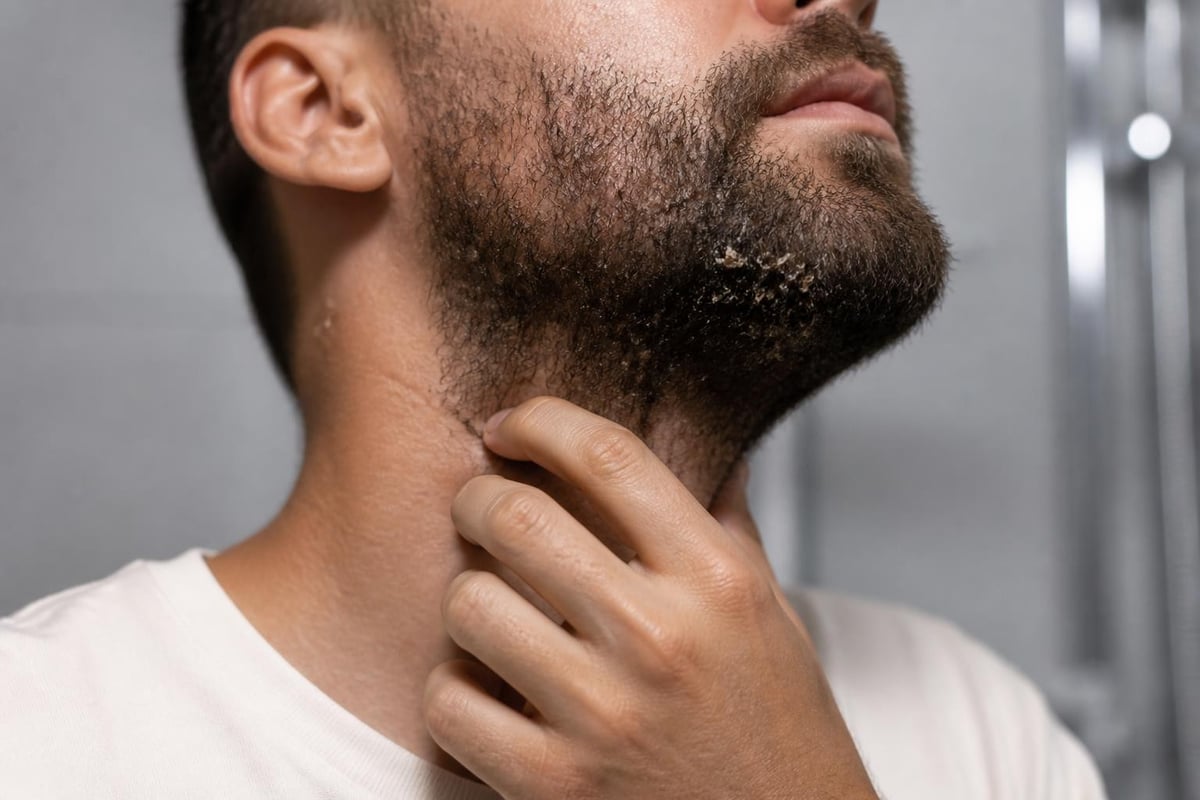
- Seborrheic dermatitis: Yeast proliferation in oily areas, leading to flaking and redness
- Acne mechanica: Breakouts triggered by trapped oil, dead skin cells, and product residue
- Ingrown hairs: Weakened follicles that cannot support proper hair shaft emergence
The damage compounds over time. Dead skin cells accumulate beneath your beard at a rate of 30,000-40,000 cells per day. Without proper removal through specialized cleansing, this cellular debris blocks follicles and creates an breeding ground for malassezia yeast (the primary culprit behind beard dandruff).
The Agitation: What You're Really Risking
Every day you cleanse incorrectly, you sabotage your beard's potential. Think about the investment you've made: months of growth, quality oils and balms, grooming tools. Yet improper cleansing undermines everything.
Consider the follicular damage accumulating beneath the surface. Each hair follicle contains a sebaceous gland producing sebum (a complex mixture of triglycerides, wax esters, and squalene). This sebum serves a crucial purpose: it lubricates hair shafts, prevents moisture loss, and maintains skin pH. When harsh cleansers strip this protective layer, follicles respond by overproducing oil, creating a vicious cycle.
The Inflammation Cascade
Stripped skin triggers an inflammatory response. Your body interprets the barrier disruption as a threat, releasing cytokines (inflammatory signalling molecules) that increase blood flow and immune cell activity. Short-term, you notice redness and sensitivity. Long-term, chronic inflammation damages follicle stem cells, the very structures responsible for beard growth and density.
Research from Cleveland Clinic demonstrates that maintaining proper skin health beneath facial hair requires pH-balanced formulations. Standard products can't deliver this precision.
The bacterial balance beneath your beard also shifts dramatically. Your skin hosts a microbiome of beneficial bacteria that protect against pathogens and regulate immune function. Harsh surfactants eliminate these protective species, allowing opportunistic bacteria like Cutibacterium acnes (formerly Propionibacterium acnes) to colonize empty niches. The result? Persistent breakouts that no amount of spot treatment can resolve.
| Problem | Root Cause | Scientific Mechanism |
|---|---|---|
| Itchiness | Dehydrated skin | Disrupted lipid barrier allows transepidermal water loss |
| Beardruff | Yeast overgrowth | Malassezia feeds on excess sebum from stripped skin |
| Patchy growth | Follicle damage | Inflammation compromises stem cell function |
| Brittle hair | Protein degradation | Alkaline pH disrupts disulphide bonds in keratin |
Your beard's appearance suffers too. Hair shafts weakened by improper cleansing develop a rough cuticle (the outer protective layer). This roughness creates friction between hairs, leading to tangles, split ends, and that scraggly appearance no amount of styling can fix.
The Solution: How Beard Face Wash Works Scientifically
A properly formulated beard face wash addresses these challenges through targeted ingredients and optimised pH levels. Rather than stripping oils, quality formulations cleanse dirt and debris whilst preserving the skin's natural sebum layer.
pH Balance: The Foundation of Effective Cleansing
The science starts with pH. Beard face wash products maintain a pH between 5.0 and 5.5, matching your skin's natural acid mantle. This acidic environment supports beneficial bacteria, prevents pathogen colonization, and keeps hair cuticles sealed (acidic conditions cause cuticle scales to lie flat, creating smoother, shinier hair).
Surfactants in beard-specific washes differ fundamentally from those in facial cleansers. Look for gentle, naturally-derived options:
- Decyl glucoside: A plant-based surfactant that cleanses without disrupting lipid barriers
- Coco-betaine: Derived from coconut oil, it reduces surface tension whilst maintaining pH stability
- Sodium cocoyl isethionate: A mild cleansing agent that doesn't strip natural oils
These ingredients remove dirt, environmental pollutants, and product buildup without the aggressive degreasing action of sodium lauryl sulphate (SLS) or sodium laureth sulphate (SLES), common in traditional cleansers.
Natural Ingredients That Target Beard-Specific Issues
The best beard face wash formulations incorporate botanicals with proven biological activity. These aren't marketing gimmicks; they're compounds with documented effects on skin and hair health.
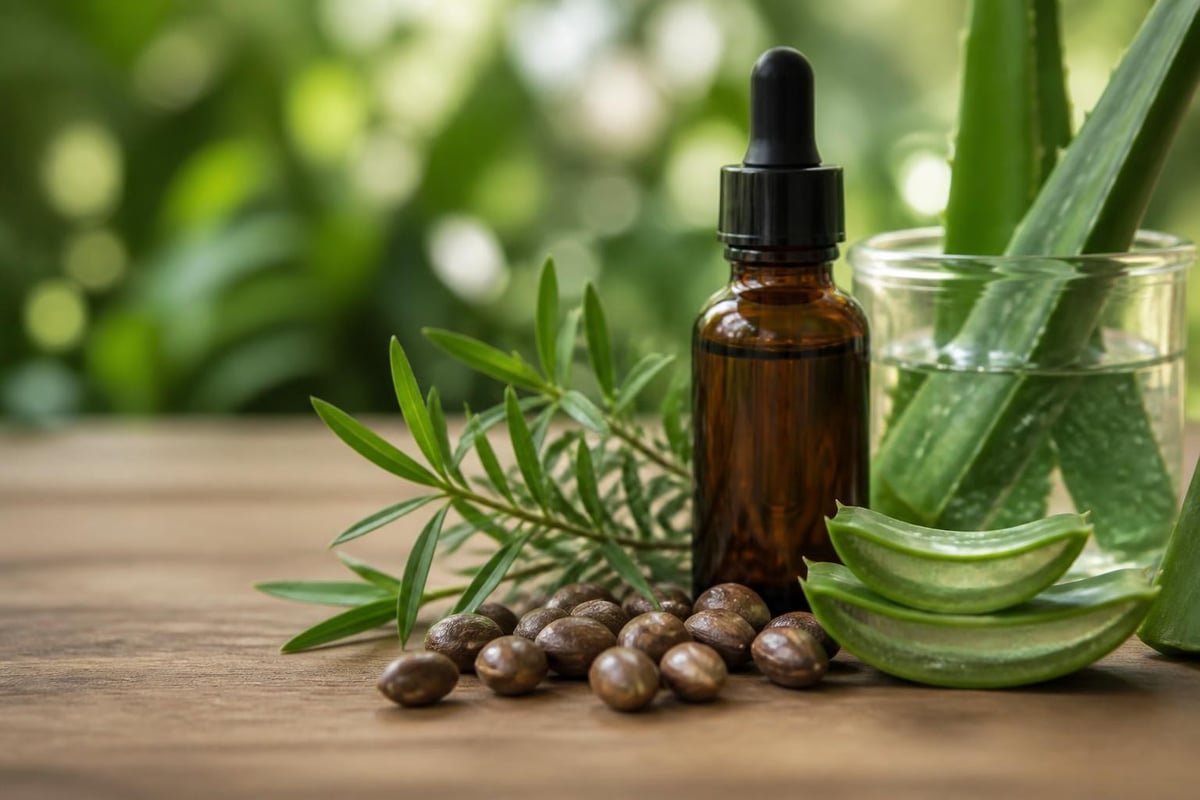
Tea tree oil (Melaleuca alternifolia) contains terpinen-4-ol, a monoterpene that disrupts bacterial cell membranes. Studies demonstrate its effectiveness against Cutibacterium acnes and Staphylococcus species. At concentrations of 5-10%, tea tree oil reduces acne lesions by approximately 40% over twelve weeks, making it invaluable for preventing breakouts beneath your beard.
Aloe vera delivers polysaccharides and glycoproteins that stimulate fibroblast production (cells responsible for collagen synthesis). The plant's acemannan content accelerates wound healing and reduces inflammation, particularly beneficial if you experience irritation from grooming or environmental exposure. Understanding proper beard washing techniques helps maximize these benefits.
Jojoba oil mimics human sebum more closely than any other botanical. Its structure consists primarily of wax esters (the same compounds your sebaceous glands produce), allowing it to regulate oil production. When applied topically, jojoba signals to your skin that sufficient sebum exists, reducing overproduction and balancing the complexion beneath your facial hair.
Application Technique: Maximizing Product Efficacy
Using beard face wash correctly amplifies its benefits. The process differs from standard face washing or shampooing because you're cleansing two distinct zones: the hair itself and the skin beneath.
Start with thoroughly wet hair. Water temperature matters: lukewarm (around 37°C) opens pores and hair cuticles without causing thermal damage. Hot water strips oils excessively, whilst cold water prevents proper cleansing.
Apply a coin-sized amount of beard face wash to your palms and emulsify with water before application. This pre-emulsification ensures even distribution and prevents concentrated product from sitting on isolated areas.
Work the product through your beard using firm circular motions. Your fingertips should reach the skin beneath, where sebum, dead cells, and bacteria accumulate. Spend 60-90 seconds on this massage; the mechanical action is as important as the product itself. This technique lifts debris from follicle openings whilst stimulating blood flow (increased circulation delivers oxygen and nutrients to follicle cells).
Frequency: Finding Your Optimal Cleansing Schedule
How often should you use beard face wash? The answer depends on your skin type, environment, and lifestyle factors.
For most men, 3-4 times weekly provides optimal results. Daily washing strips too much sebum, triggering the overproduction cycle discussed earlier. Less frequent cleansing allows buildup that blocks follicles and promotes bacterial overgrowth.
Adjusting for Individual Factors
Oily skin types benefit from more frequent cleansing (5-6 times weekly). Excess sebum production increases the risk of folliculitis and acne, requiring more aggressive management. However, even oily skin requires some natural oil preservation; avoid twice-daily washing.
Dry or sensitive skin demands a gentler approach. Limit beard face wash to 2-3 times weekly, supplementing with water-only rinses on alternate days. Focus on maintaining the lipid barrier rather than aggressive cleansing.
Environmental exposure alters your needs. Urban environments with high pollution levels deposit particulate matter deep into your beard. These microscopic particles attract bacteria and oxidize sebum, creating inflammatory compounds. If you work or live in a city, increase washing frequency by one additional session weekly.
Physical activity introduces sweat and bacteria. Post-workout cleansing prevents these contaminants from festering in your beard, but use lukewarm water and gentle technique to avoid over-stripping recently stressed skin. The science behind facial hair growth shows that maintaining clean follicles supports optimal development.
| Skin Type | Washing Frequency | Key Consideration |
|---|---|---|
| Oily | 5-6 times weekly | Prevent bacterial overgrowth |
| Normal | 3-4 times weekly | Balance cleansing and oil preservation |
| Dry | 2-3 times weekly | Protect lipid barrier integrity |
| Sensitive | 2-3 times weekly | Minimize inflammatory triggers |
Beyond Cleansing: The Complete Beard Care System
Beard face wash functions as the foundation of effective facial hair care, but achieving truly exceptional results requires a systematic approach. Each step builds upon the previous, creating synergistic effects that isolated products cannot deliver.
After cleansing, your beard is primed for treatment products. The American Academy of Dermatology recommends following cleansing with targeted treatments for specific issues. Freshly cleansed follicles and open cuticles absorb active ingredients more effectively, maximizing product efficacy.
The Post-Wash Window
Immediately after washing, your beard enters an optimal absorption state lasting approximately 3-5 minutes. During this window, follicle openings remain dilated and hair cuticles haven't fully re-sealed. This is your opportunity to deliver growth-supporting compounds directly to follicle cells.
For those committed to transformative results, structured programmes provide accountability and comprehensive treatment. The 90-Day Beard Challenge combines multiple formulations engineered to work synergistically: pH-balanced cleansing, follicle-stimulating boosters, deep hydration treatments, and protective barriers. This systematic approach addresses the complete spectrum of beard health, from the follicle level to the visible hair shaft.
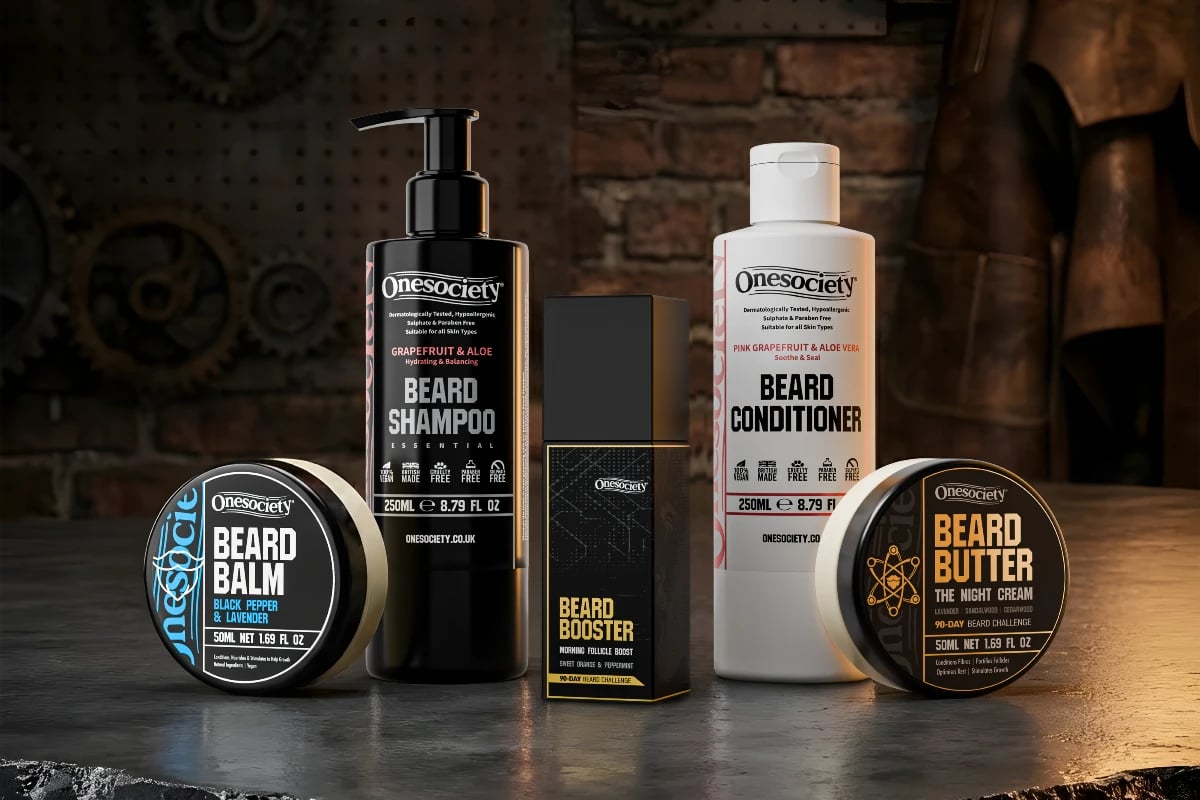
Conditioning follows cleansing in any complete routine. Beard conditioners deposit proteins, vitamins, and fatty acids onto hair shafts, repairing damage and improving texture. Look for formulations containing:
- Hydrolysed wheat protein: Small protein fragments that penetrate the hair shaft, filling structural gaps
- Panthenol (pro-vitamin B5): Increases hair elasticity and moisture retention by binding to follicle cells
- Argan oil: Rich in vitamin E and essential fatty acids that smooth cuticles and prevent oxidative damage
Apply conditioner after rinsing beard face wash thoroughly. Leave for 2-3 minutes to allow ingredient penetration, then rinse with cool water to seal cuticles and lock in benefits.
Styling Products: Protecting Your Investment
Once you've cleansed and conditioned, styling products maintain results throughout the day. Quality balms and oils serve protective functions beyond simple aesthetics.
Beard balm creates a semi-occlusive barrier that prevents moisture loss whilst defending against environmental stressors. Shea butter (a common balm base) contains triterpene alcohols that reduce inflammation and support skin barrier function. Beeswax provides hold without the synthetic polymers found in standard styling products.
Beard oil addresses both hair and skin. Applied to damp facial hair, oils penetrate more effectively, delivering nutrients to follicles whilst coating hair shafts. The combination of carrier oils (jojoba, argan, sweet almond) and essential oils (cedarwood, sandalwood, peppermint) creates multifaceted benefits: sebum regulation, antimicrobial protection, and circulation stimulation.
Ingredient Deep Dive: What to Seek and What to Avoid
Understanding ingredient labels empowers you to select effective beard face wash formulations. Marketing claims often obscure actual product quality; ingredient knowledge cuts through the noise.
Power Ingredients Backed by Research
Caffeine stimulates follicle activity through adenosine receptor antagonism. When applied topically at concentrations of 0.2-0.5%, caffeine extends the anagen (growth) phase of hair follicles whilst simultaneously reducing the effects of dihydrotestosterone (DHT), the hormone responsible for follicle miniaturization. Regular use can increase hair shaft diameter by approximately 8-10% over three months.
Biotin (vitamin B7) supports keratin synthesis, the structural protein comprising 95% of hair shafts. Whilst oral biotin's effectiveness for hair growth remains debated, topical application delivers biotin directly to follicle cells, improving keratin production efficiency. Look for concentrations of 0.1% or higher.
Saw palmetto extract inhibits 5-alpha-reductase, the enzyme converting testosterone to DHT. This mechanism makes saw palmetto particularly valuable for men experiencing patchy or thinning beards. Clinical studies demonstrate that 200mg daily oral supplementation increases hair count; topical application at 1-2% concentration may provide localized benefits.
Niacinamide (vitamin B3) improves skin barrier function and reduces inflammation through multiple mechanisms. It increases ceramide synthesis (lipids that comprise the skin barrier), regulates sebum production, and inhibits melanosome transfer (relevant for evening out skin tone beneath your beard). Concentrations of 2-5% deliver optimal results without irritation.
Ingredients to Avoid
Not all compounds deserve space in your grooming routine. Several common ingredients cause more harm than benefit:
Sodium lauryl sulphate (SLS) creates impressive lather but strips oils aggressively. This anionic surfactant disrupts lipid bilayers in skin cells, compromising barrier function and triggering irritation. Whilst effective for removing heavy buildup, daily use damages both skin and hair.
Parabens (methylparaben, propylparaben) serve as preservatives but disrupt endocrine function. These compounds mimic oestrogen, potentially interfering with hormone signalling. Whilst risk levels remain debated, numerous effective alternatives (phenoxyethanol, potassium sorbate) make parabens unnecessary.
Synthetic fragrances represent a regulatory loophole allowing manufacturers to hide numerous compounds under a single ingredient listing. These undisclosed chemicals frequently trigger allergic reactions and skin sensitivity. Opt for products scented with essential oils or fragrance-free formulations.
Denatured alcohol (alcohol denat) dries skin excessively. Whilst beneficial in specific contexts (astringents, quick-drying products), denatured alcohol has no place in beard face wash. It strips the lipid barrier and triggers compensatory sebum overproduction.
Advanced Techniques: Troubleshooting Common Issues
Even with quality beard face wash, specific challenges require targeted interventions. Understanding the biological mechanisms behind common problems enables precise solutions.
Persistent Itchiness Despite Regular Cleansing
If itchiness continues after establishing a proper washing routine, investigate these potential causes:
Hard water minerals deposit onto hair shafts and skin, creating a barrier that prevents moisture absorption. Calcium and magnesium ions in hard water bind to surfactants, reducing cleansing efficacy. Consider installing a shower filter or using distilled water for your final rinse.
Over-exfoliation damages the skin barrier, increasing sensitivity. If you're using beard face wash with exfoliating beads or scrubs daily, reduce frequency to twice weekly. The stratum corneum (outer skin layer) requires 28 days to completely regenerate; excessive exfoliation removes this protective layer faster than your body can replace it.
Product buildup from oils, balms, and styling products creates a film that traps dirt and bacteria. Weekly use of a clarifying beard face wash removes this accumulation. Look for formulations with activated charcoal or bentonite clay, which absorb excess oils and draw out impurities through ionic attraction.
Beardruff That Won't Quit
Persistent flaking indicates either ongoing yeast overgrowth or excessive dryness. Differentiate between these causes to select appropriate treatment.
Seborrheic dermatitis appears as yellowish, greasy flakes accompanied by redness. This condition results from malassezia yeast proliferation. Address it with beard face wash containing antifungal ingredients: tea tree oil (5%), ketoconazole (1%), or zinc pyrithione (1%). Apply daily until flaking resolves, then reduce to 2-3 times weekly for maintenance. For more comprehensive guidance, explore Healthline's beard maintenance tips.
Dry skin flaking produces white, powdery flakes without accompanying redness. This indicates insufficient moisture rather than yeast overgrowth. Reduce washing frequency, avoid hot water, and increase humectant use (ingredients that attract moisture). Glycerin and hyaluronic acid in beard products draw water into skin cells, alleviating dryness.
Patchy Growth and Thin Areas
Uneven beard growth frustrates many men, but targeted cleansing combined with growth-supporting ingredients can improve density over time.
Clean follicles function more efficiently. Blocked follicles cannot receive adequate oxygen and nutrients, limiting their ability to produce robust hair shafts. Consistent use of beard face wash removes obstacles to follicle function, creating optimal conditions for growth.
Combine cleansing with circulation-boosting techniques. After washing, massage your beard for 5-10 minutes using firm circular motions. This mechanical stimulation increases blood flow by approximately 30%, delivering more oxygen and growth-supporting nutrients to follicle cells. Enhanced circulation also facilitates waste removal, preventing toxic buildup that inhibits cell function.
Patience remains crucial. Hair follicles cycle through distinct phases: anagen (growth), catagen (transition), and telogen (rest). Only follicles in anagen actively produce hair. Roughly 85% of follicles are in anagen at any time, with the remainder cycling through catagen and telogen. This means that even perfect conditions won't produce overnight transformation. Expect to evaluate progress over 90-day periods, matching the natural follicle cycle.
Integrating Beard Care Into Your Lifestyle
Consistency delivers results. Sporadic application of quality products produces marginal improvements; systematic daily practice transforms your beard completely.
Building Sustainable Routines
Start simple. Attempting to overhaul your entire grooming routine overnight typically leads to abandonment within two weeks. Instead, master beard face wash first. Spend 30 days focusing solely on proper cleansing technique and optimal frequency for your skin type.
Once cleansing becomes automatic, add the next layer: conditioning. Another 30 days establishes this habit. Continue building progressively rather than attempting everything simultaneously. If you're serious about achieving a genuinely good beard, patience and consistency matter more than product quantity.
Track your progress. Take standardized photos every two weeks under consistent lighting conditions. These visual records reveal improvements that gradual day-to-day changes obscure. Measure beard length at specific points (chin, cheeks, moustache) to quantify growth rates. Quantitative data maintains motivation when subjective assessment feels discouraging.
Pair your routine with lifestyle factors that support follicle health. Sleep directly impacts hair growth; follicle cells replicate primarily during deep sleep stages. Aim for 7-9 hours nightly. Nutrition matters too: protein (building blocks for keratin), biotin, zinc, and omega-3 fatty acids all contribute to robust hair production.
When you're ready to elevate your style beyond grooming, comfortable clothing complements a well-maintained beard. Quality streetwear like that from BLNCE Streetwear provides the confidence and comfort that match the effort you've invested in your appearance.
Seasonal Adjustments
Your beard's needs change throughout the year. Winter brings dry air from indoor heating, requiring increased moisturization and potentially reduced washing frequency. Summer introduces sweat and higher sebum production, demanding more frequent cleansing.
Adjust your beard face wash routine based on environmental conditions rather than sticking rigidly to a single schedule. Pay attention to how your skin and facial hair respond. Increased flaking signals excessive dryness (reduce cleansing or switch to a more moisturizing formula). Persistent greasiness or breakouts indicate insufficient cleansing (increase frequency or use a clarifying wash).
Understanding whether you can use regular face wash on your beard versus beard-specific products helps prevent common mistakes. The short answer: dedicated beard products deliver superior results by addressing facial hair's unique requirements.
The Science of Product Synergy
Individual products provide benefits, but strategic combinations create exponential improvements. This synergy occurs when ingredients in different products enhance each other's efficacy or address complementary aspects of beard health.
Beard face wash removes barriers to absorption. Following cleansing with a growth-stimulating serum maximizes ingredient penetration. The clean follicle environment allows active compounds (caffeine, biotin, peptides) to reach target cells without navigating through sebum, dead cells, and product buildup.
Hydration products work more effectively on clean hair. Conditioners and butters adhere to hair shafts and skin more completely when applied post-cleansing, creating longer-lasting benefits. The proteins, vitamins, and fatty acids in these products bind to cuticle sites exposed during washing, filling structural gaps and smoothing rough surfaces.
Protective products seal in treatment benefits. After cleansing and conditioning, applying balm or oil creates a barrier that prevents moisture loss and shields against environmental damage. This protective layer extends the efficacy of earlier steps, maintaining hydration and treatment compound levels throughout the day.
This systematic approach (cleanse, treat, protect) mirrors dermatological skincare protocols. Each step prepares for the next, creating conditions where subsequent products function optimally.
Quality beard care starts with understanding the science behind proper cleansing. When you choose beard face wash formulated specifically for facial hair's unique needs, you're investing in follicle health, optimal growth conditions, and long-term beard quality that generic products simply cannot deliver. Onesociety provides scientifically-backed, naturally-formulated products designed to transform your beard through targeted ingredients and proven mechanisms. Explore their comprehensive range to discover how proper care elevates your facial hair from adequate to exceptional.