

Your face itches. Your beard feels rough. The skin underneath flakes like ancient parchment. You've tried basic lotions, but they sit on top of your beard without reaching the skin beneath. The disconnect between facial hair care and proper skin hydration creates a frustrating cycle that leaves your beard looking dull and feeling uncomfortable. A quality beard and skin moisturiser bridges this gap, delivering targeted hydration to both the hair shaft and the dermis underneath. Understanding how these dual-action formulas work transforms your grooming routine from guesswork into precision care backed by cellular biology.
Why Your Beard and Skin Need Different Hydration Strategies
Facial hair and skin tissue require fundamentally different moisture delivery systems. Your skin's epidermis contains natural moisturising factors (NMFs) like urea and lactic acid that attract and hold water molecules. When functioning properly, these compounds maintain the skin barrier at optimal hydration levels between 10-20%.
Your beard hair, however, consists of dead keratin proteins without any living cells to produce moisture. The hair cuticle – the outer protective layer – can absorb water molecules, but without proper emollients, that moisture evaporates within hours. Research shows that beard oil can improve moisture retention, yet oils alone don't address the skin's need for humectants and water-based hydration.
The Dual Challenge of Beard Growth
When you grow a beard, sebaceous glands beneath your skin produce sebum to coat each hair follicle. This natural oil provides some protection, but beard hair density quickly outpaces sebum production. The result? Your skin becomes depleted of its protective lipid barrier whilst your beard remains undernourished.
Simultaneously, the physical presence of facial hair creates a barrier that prevents standard face moisturisers from penetrating to the skin. Product sits trapped in the hair matrix, never reaching the dermis where hydration actually occurs. This explains why men with beards often experience persistent dryness despite using conventional skincare products.
The Science Behind Effective Beard and Skin Moisturiser Formulations
Premium beard and skin moisturiser products employ a strategic blend of ingredients working at different molecular weights. This multi-tiered approach ensures hydration reaches every target zone.
| Ingredient Type | Molecular Weight | Primary Target | Biological Function |
|---|---|---|---|
| Humectants (Glycerin, Hyaluronic Acid) | Low | Skin dermis | Attracts water molecules from air and dermis, holding up to 1000x their weight |
| Emollients (Jojoba Oil, Shea Butter) | Medium | Hair cuticle & skin surface | Fills gaps in hair cuticle, reduces trans-epidermal water loss |
| Occlusives (Beeswax, Plant Butters) | High | Hair shaft & skin barrier | Creates protective seal, preventing moisture evaporation |
How Humectants Target the Dermis
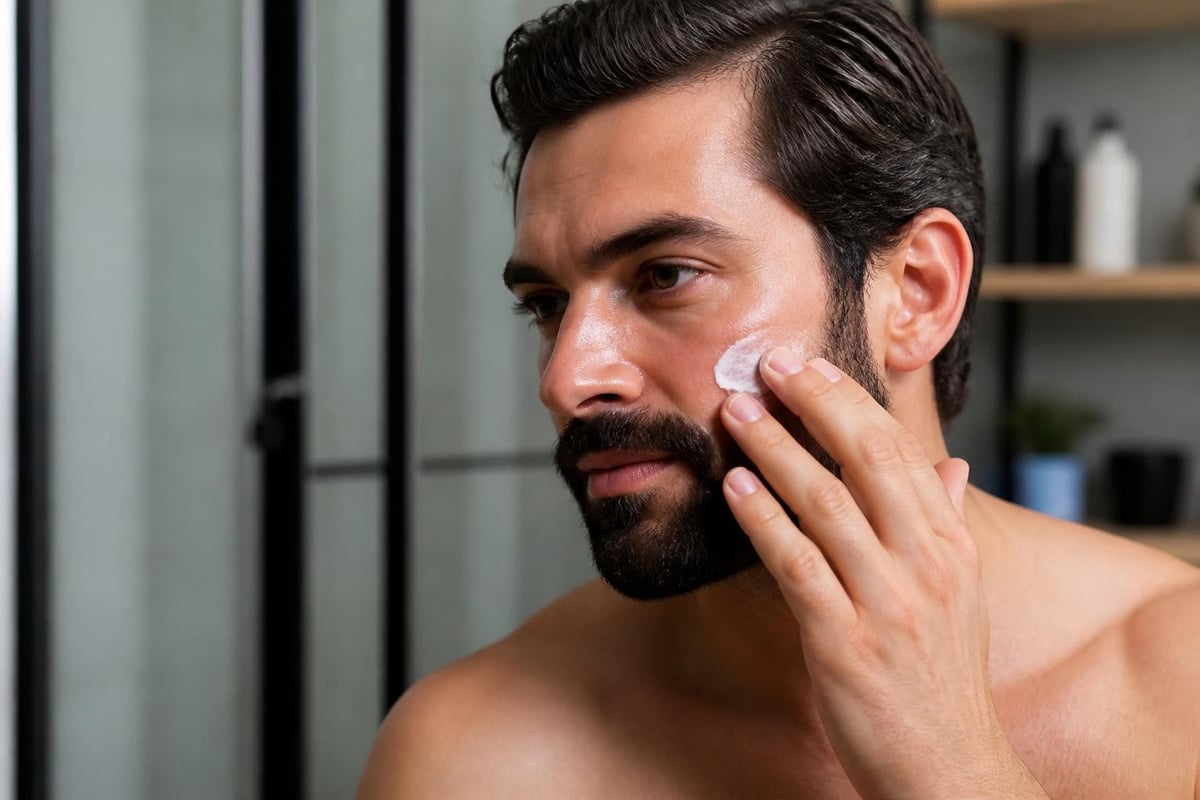
Glycerin and sodium hyaluronate (a form of hyaluronic acid) penetrate through facial hair because of their small molecular structure. Once they reach your skin, these hygroscopic compounds bind water molecules, creating a moisture reservoir in the stratum corneum – your skin's outermost layer.
Understanding beard moisturiser ingredients reveals how these humectants work synergistically with your skin's natural moisturising factors to maintain optimal hydration levels throughout the day.
Emollients: The Bridge Between Hair and Skin
Jojoba oil's chemical structure closely mimics human sebum, making it exceptionally effective at integrating with your skin's natural lipid barrier. Its fatty acids – specifically oleic and eicosenoic acids – smooth the hair cuticle whilst simultaneously reinforcing the skin's protective layer.
Shea butter contains triterpenes and cinnamic acid esters that reduce inflammatory cytokines in skin tissue. This anti-inflammatory action calms irritation caused by new beard growth whilst the butter's fatty acid profile conditions coarse facial hair into softer, more manageable fibres.
Identifying Quality Ingredients in Your Beard and Skin Moisturiser
Not all moisturisers deliver what their labels promise. Ingredient quality and concentration determine actual efficacy versus marketing hype.
Natural Versus Synthetic: What the Research Shows
Natural plant-based ingredients offer bioactive compounds that synthetic alternatives cannot replicate. Argan oil, for instance, contains high levels of vitamin E (tocopherols) and essential fatty acids that stimulate cellular regeneration in skin tissue. Detailed ingredient analyses show that premium formulations prioritise these naturally-derived compounds.
Synthetic silicones like dimethicone create a temporary smoothing effect on hair, but they don't penetrate the cuticle or provide lasting benefits. Worse, they can accumulate on skin and hair, blocking the absorption of beneficial ingredients applied later.
Key natural ingredients to seek:
- Argan Oil: Vitamin E and squalene stimulate fibroblast production, increasing collagen synthesis in skin
- Sweet Almond Oil: Oleic acid softens hair cuticles, whilst vitamin A promotes cellular turnover in epidermis
- Cocoa Butter: Phytosterols reduce inflammation and strengthen skin barrier function
- Hemp Seed Oil: Omega-3 and omega-6 fatty acids in optimal 3:1 ratio reduce sebaceous gland inflammation
Concentration Matters: Reading Beyond the Label
Ingredient lists follow descending order by weight, but this doesn't reveal actual active concentrations. A product listing jojoba oil third might contain 15% or just 2%, depending on what precedes it (often water and thickeners).
Premium beard and skin moisturiser formulations from companies like Onesociety focus on active ingredient concentrations that reach therapeutic thresholds. For instance, shea butter needs to constitute at least 5% of a formula to deliver measurable anti-inflammatory benefits.
Application Techniques That Maximise Absorption
Even the finest beard and skin moisturiser fails if applied incorrectly. Proper technique ensures ingredients reach their intended targets.
The Three-Stage Application Protocol
Stage 1: Preparation (0-2 minutes)
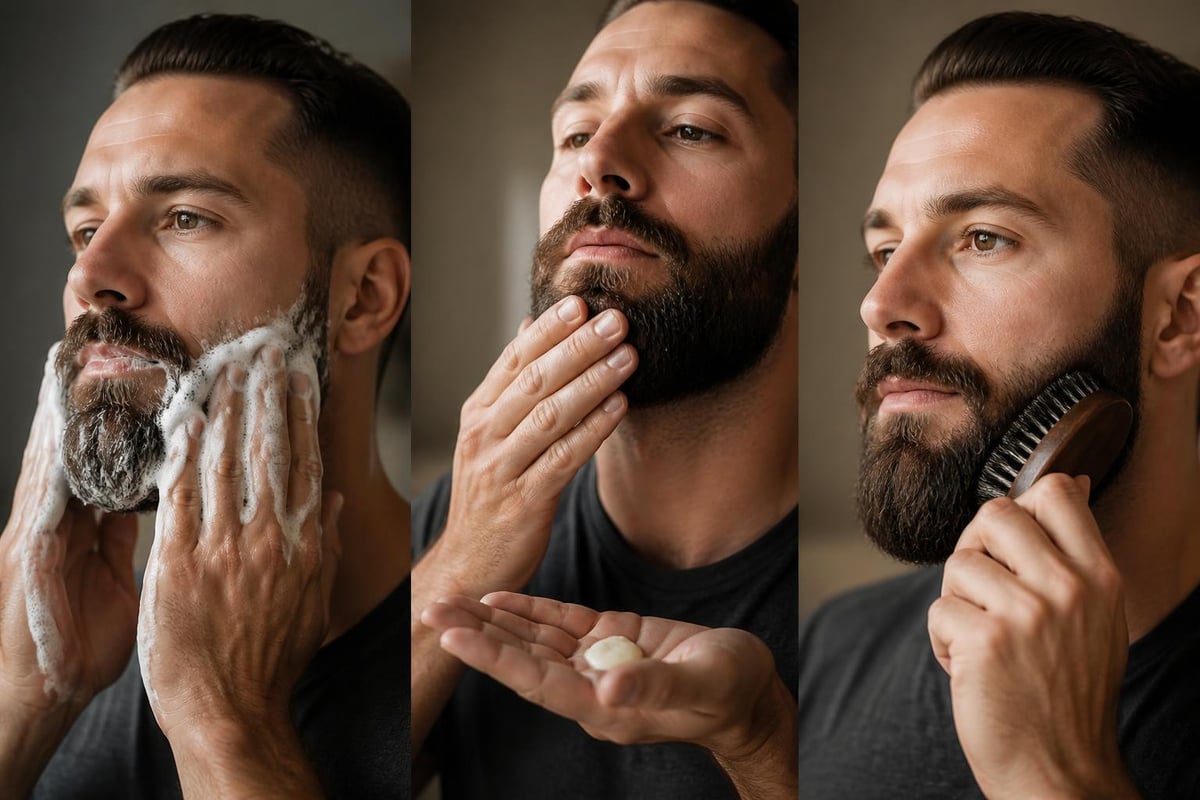
Wash your beard with a pH-balanced cleanser that removes sebum buildup without stripping natural oils. Quality beard shampoo maintains skin pH between 4.5-5.5, keeping the acid mantle intact whilst cleansing hair follicles.
Pat your beard 80% dry with a clean towel. Slightly damp hair absorbs water-based ingredients more effectively than completely dry or soaking-wet hair.
Stage 2: Product Application (2-4 minutes)
Dispense product into your palms and rub hands together vigorously for 10-15 seconds. This friction warms the oils and butters, reducing their viscosity and improving penetration.
Work your fingers through your beard from skin outward, using upward strokes against the grain. This technique forces product past the hair shaft down to the skin surface where it's needed most.
Stage 3: Penetration Enhancement (4-6 minutes)
Use a boar bristle brush to distribute product evenly whilst stimulating blood flow to hair follicles. Brushing increases localized circulation by up to 30%, enhancing nutrient delivery to follicular cells.
Common Formulation Mistakes That Sabotage Results
Many commercially available products claim to moisturise beard and skin, yet their ingredient profiles reveal fundamental flaws.
Problem: Alcohol-Heavy Formulations
Denatured alcohol (often listed as SD Alcohol 40 or Alcohol Denat.) appears in many grooming products as a solvent and quick-dry agent. Whilst it creates a pleasant immediate feel, alcohol strips lipids from both hair cuticles and skin barriers.
Analysis of popular formulations shows that products containing alcohol above the fifth ingredient position cause measurable trans-epidermal water loss within 2-3 hours of application.
Problem: Insufficient Occlusives
Water-based lotions feel light and absorb quickly, but without adequate occlusives, that moisture evaporates rapidly. Your skin might feel hydrated for 30 minutes, then return to baseline dryness.
Effective beard and skin moisturiser formulas include occlusives like plant waxes or butters at concentrations of 8-15%. These create a semi-permeable seal that allows skin to breathe whilst preventing excessive moisture loss.
Problem: Fragrance Allergens
Synthetic fragrances contain potential irritants that trigger contact dermatitis in sensitive skin. Compounds like limonene and linalool – even when naturally derived from essential oils – can cause inflammatory responses that worsen dryness and flaking.
Ingredients to avoid:
- Denatured alcohols (SD Alcohol 40, Alcohol Denat.)
- Sulfates (Sodium Lauryl Sulfate, Sodium Laureth Sulfate)
- Synthetic fragrances (listed as "Parfum" or "Fragrance")
- Mineral oil derivatives (Petrolatum, Paraffinum Liquidum)
- Silicones (Dimethicone, Cyclomethicone)
Building a Complete Beard and Skin Care System
A standalone beard and skin moisturiser provides essential hydration, but integrating it into a comprehensive system amplifies results exponentially.
Morning Routine: Protection and Maintenance
- Cleanse with lukewarm water to remove overnight sebum buildup
- Apply face moisturiser to exposed skin areas first
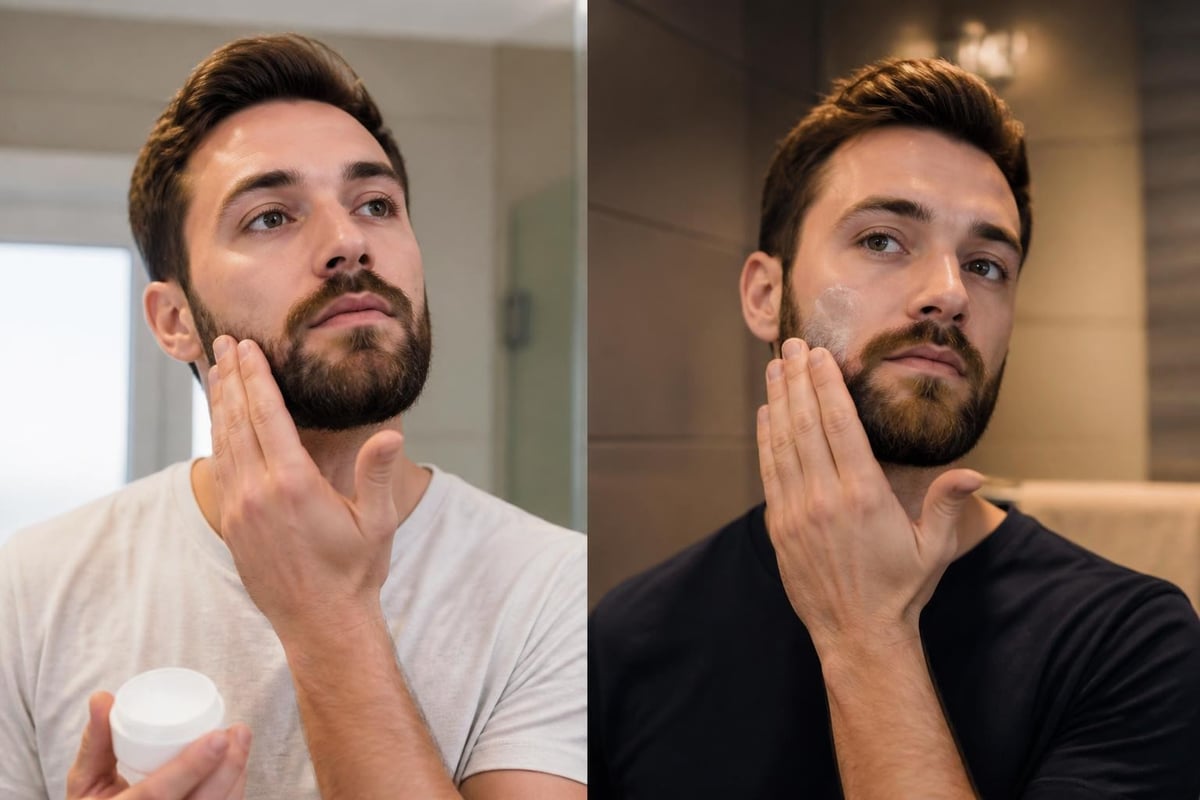
- Work beard and skin moisturiser through facial hair, ensuring skin contact
- Seal with a light beard balm containing protective beeswax
This layering sequence ensures your skin receives water-based hydration before occlusives create their protective barrier.
Evening Routine: Repair and Recovery
Your skin's regenerative processes peak between 11 PM and 4 AM. Night-time application should focus on deep conditioning and cellular repair.
Evening Protocol:
- Cleanse thoroughly to remove environmental pollutants and oxidised sebum
- Apply a richer, butter-based beard and skin moisturiser with higher concentrations of repair ingredients
- Use beard butter containing ceramides and peptides to support overnight regeneration
- Consider weekly treatments with targeted serums addressing specific concerns (thinning, patchiness, extreme dryness)
Advanced Ingredients for Targeted Beard and Skin Concerns
Beyond basic hydration, specific concerns require targeted active ingredients that address underlying biological issues.
For Inflammation and Redness
Bisabolol (from chamomile) inhibits the production of pro-inflammatory cytokines, reducing redness and irritation at the cellular level. Studies show a 30-40% reduction in inflammatory markers when applied at 0.5% concentrations.
Allantoin promotes keratinocyte proliferation, accelerating skin cell turnover and healing micro-damage from shaving or environmental stress.
For Enhanced Growth and Thickness
Caffeine applied topically blocks DHT (dihydrotestosterone) receptors in follicles, potentially reducing hair miniaturisation. Understanding the mechanisms behind follicle stimulation helps explain why certain beard and skin moisturiser formulations include botanical caffeine sources.
Biotin (Vitamin B7) supports keratin infrastructure, though topical absorption remains debated. When combined with penetration enhancers, some formulations achieve measurable increases in hair shaft diameter.
For Extreme Dryness and Flaking
Urea at concentrations of 5-10% acts as both a humectant and a keratolytic agent, breaking down dead skin cells whilst attracting moisture. This dual action addresses the root cause of "beardruff" more effectively than simple moisturisation.
Ceramides (particularly ceramide 3) replicate the lipid structures in healthy skin barriers, restoring integrity to compromised or damaged epidermis.
Seasonal Adjustments to Your Moisturising Strategy
Environmental conditions dramatically impact how your beard and skin respond to moisturising products. Adapting your routine seasonally prevents issues before they develop.
| Season | Primary Challenge | Formula Adjustment | Active Ingredients to Emphasise |
|---|---|---|---|
| Winter | Low humidity, indoor heating | Richer occlusives, higher oil content | Shea butter, ceramides, squalane |
| Spring | Variable temperatures, wind | Balanced hydration, medium weight | Jojoba oil, glycerin, aloe vera |
| Summer | Heat, humidity, increased sweating | Lighter formulas, non-comedogenic | Argan oil, hyaluronic acid, witch hazel |
| Autumn | Transition dryness, temperature shifts | Gradual occlusive increase | Sweet almond oil, cocoa butter, vitamin E |
Winter-Specific Challenges
Cold air holds less moisture, reducing ambient humidity to levels that actively pull water from your skin. Indoor heating compounds this effect, creating desert-like conditions that traditional beard and skin moisturiser formulas struggle to combat.
Switch to products with higher percentages of plant butters (15-25%) and include humectants that can draw moisture from deeper dermal layers rather than relying on atmospheric humidity.
Summer Considerations
Increased sebum production during warmer months can make heavy formulations feel greasy and lead to blocked pores. Opt for gel-based or lightweight emulsion beard and skin moisturiser products that provide hydration without occlusiveness.
Transformative Results: The 90-Day Timeline
Significant improvements in beard texture and skin health follow a predictable timeline when using quality beard and skin moisturiser products consistently.
Weeks 1-2: Surface Improvements
Your beard feels softer immediately as emollients smooth hair cuticles. Skin beneath experiences reduced itching as humectants restore moisture balance. These changes occur at the surface level without structural alterations.
Weeks 3-6: Cellular Adaptation
Your skin's natural moisturising factor production increases in response to improved barrier function. Hair follicles respond to enhanced blood flow and nutrient delivery, potentially increasing growth rate by 0.1-0.2mm per day. Inflammation markers decrease measurably.
Weeks 7-12: Structural Transformation
New hair growth reflects improved follicular health, emerging with better diameter and density. Skin tone and texture show visible improvements as cellular turnover normalises. Your beard requires less product for maintenance as hair cuticles retain moisture more effectively.
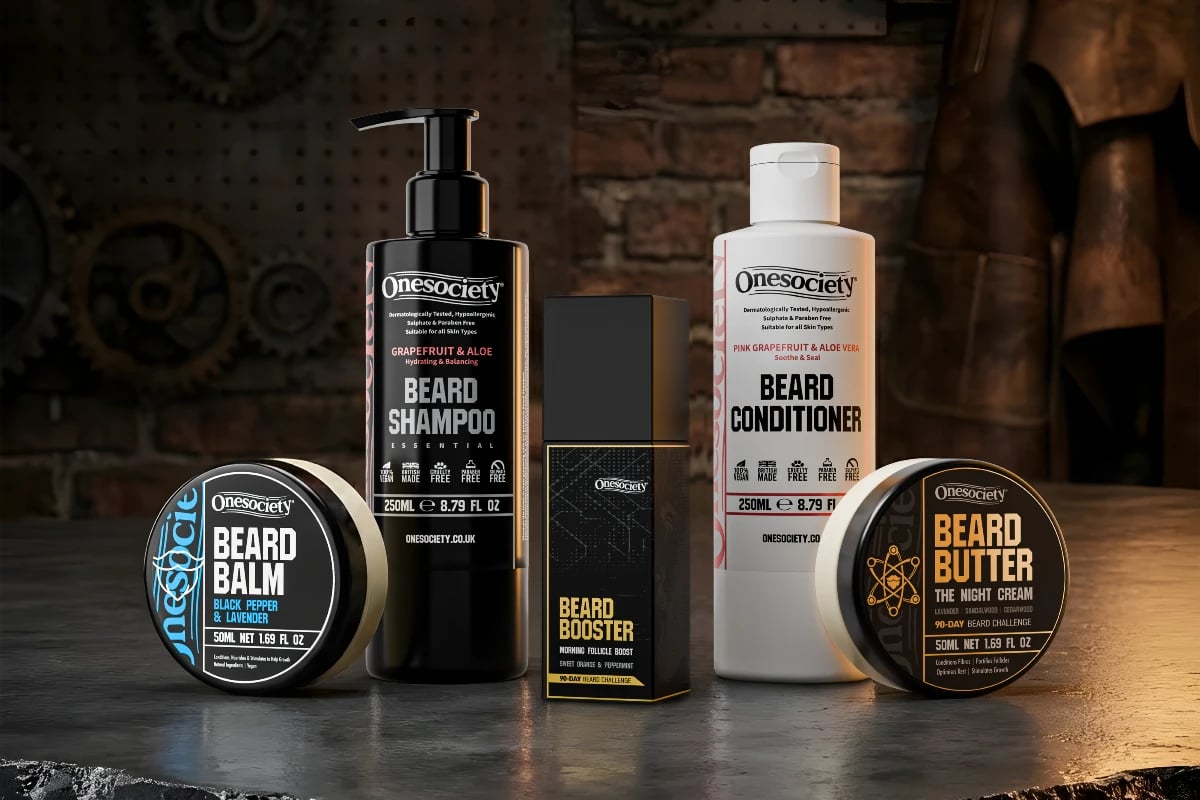
For those committed to maximising beard potential, structured programmes like the 90-Day Beard Challenge combine multiple product types in a systematic approach. This comprehensive kit includes follicle-stimulating boosters, protective balms, and pH-balanced cleansers that work synergistically to transform beard growth and skin health over three months. The programme's structured protocol removes guesswork whilst the full refund guarantee demonstrates confidence in science-backed formulations.
Measuring Success: Objective Markers of Improved Hydration
Subjective feelings of softness matter, but quantifiable improvements indicate genuine progress.
Skin Barrier Function Tests
Trans-epidermal water loss (TEWL) measures how much moisture evaporates through your skin. Healthy facial skin shows TEWL values between 5-15 g/m²/h. Values above 20 indicate compromised barrier function.
After 4-6 weeks of consistent beard and skin moisturiser use, TEWL typically decreases by 20-30%, signaling restored barrier integrity.
Hair Elasticity Measurements
Healthy beard hair stretches 20-30% of its length before breaking. Brittle, dry hair snaps at less than 10% extension. Test a single hair by gently pulling it between your fingers before and after implementing a proper moisturising routine.
Visual Documentation
Photograph your beard under consistent lighting conditions (same time, same location) weekly. Compare images at 30-day intervals to track visible improvements in:
- Hair density and coverage
- Skin tone uniformity beneath the beard
- Reduction in visible flaking or redness
- Shine and lustre of hair fibres
Ingredient Synergies: Why Combinations Outperform Single Actives
The most effective beard and skin moisturiser formulations leverage ingredient synergies where combined effects exceed individual benefits.
Vitamin E + Vitamin C
Tocopherol (vitamin E) provides antioxidant protection by neutralising free radicals in skin tissue. When combined with ascorbic acid (vitamin C), vitamin E regenerates after donating electrons to neutralise oxidative damage. This recycling effect extends antioxidant protection significantly beyond what either vitamin achieves alone.
Hyaluronic Acid + Ceramides
Hyaluronic acid pulls moisture into skin cells, but without intact lipid barriers, that water evaporates quickly. Ceramides restore barrier function, creating the structure needed to retain hyaluronic acid's hydration. Together, they increase skin moisture content by up to 60% compared to 30% for hyaluronic acid alone.
Plant Oils + Natural Waxes
Liquid oils like argan and jojoba penetrate hair cuticles and skin quickly, delivering fatty acids and vitamins to target tissues. Beeswax and candelilla wax create a protective layer that prevents those beneficial compounds from washing away or evaporating. This occlusive seal extends active ingredient contact time from hours to days.
Troubleshooting: When Your Beard and Skin Moisturiser Isn't Working
Persistent dryness despite regular product use indicates underlying issues requiring investigation.
Issue: Product Pills or Flakes Off
Cause: Incompatible layering or excessive product application
Solution: Reduce quantity by half and ensure previous products (serums, oils) have fully absorbed before applying moisturiser. Wait 2-3 minutes between layers.
Issue: Increased Breakouts or Clogged Pores
Cause: Comedogenic ingredients or inadequate cleansing
Solution: Check your beard and skin moisturiser for pore-blocking ingredients like coconut oil or cocoa butter at high concentrations. Ensure thorough cleansing before application removes previous product buildup.
Issue: No Improvement After 4+ Weeks
Cause: Insufficient active ingredients or underlying health conditions
Solution: Upgrade to professional-grade formulations with verified active concentrations. Consider consulting a dermatologist to rule out seborrheic dermatitis or other medical conditions affecting skin hydration.
Quality beard and skin moisturiser transforms facial hair from rough and irritating into soft, manageable fibres whilst simultaneously restoring skin barrier function and eliminating persistent dryness. The science behind effective formulations combines humectants, emollients, and occlusives at precise ratios to deliver hydration to both hair and dermis. When you commit to evidence-based grooming products containing natural, bioactive ingredients, your beard achieves its full potential whilst the skin beneath remains healthy and comfortable. Onesociety develops every product using 100% natural ingredients backed by scientific research, ensuring that each formula delivers measurable results rather than empty marketing promises. Your legendary beard starts with proper hydration.