

That uncomfortable tightness beneath your beard isn't just annoying - it's your skin sending distress signals. When beard skin dry conditions strike, they trigger a cascade of problems: relentless itching, visible flaking, inflammation, and even stunted beard growth. The worst part? Most men address the symptoms whilst completely missing the underlying biological cause. This article reveals the scientific mechanisms behind beard-related dryness and delivers evidence-based solutions that target the root problem, not just temporary relief.
The Biology Behind Beard Skin Dry Conditions
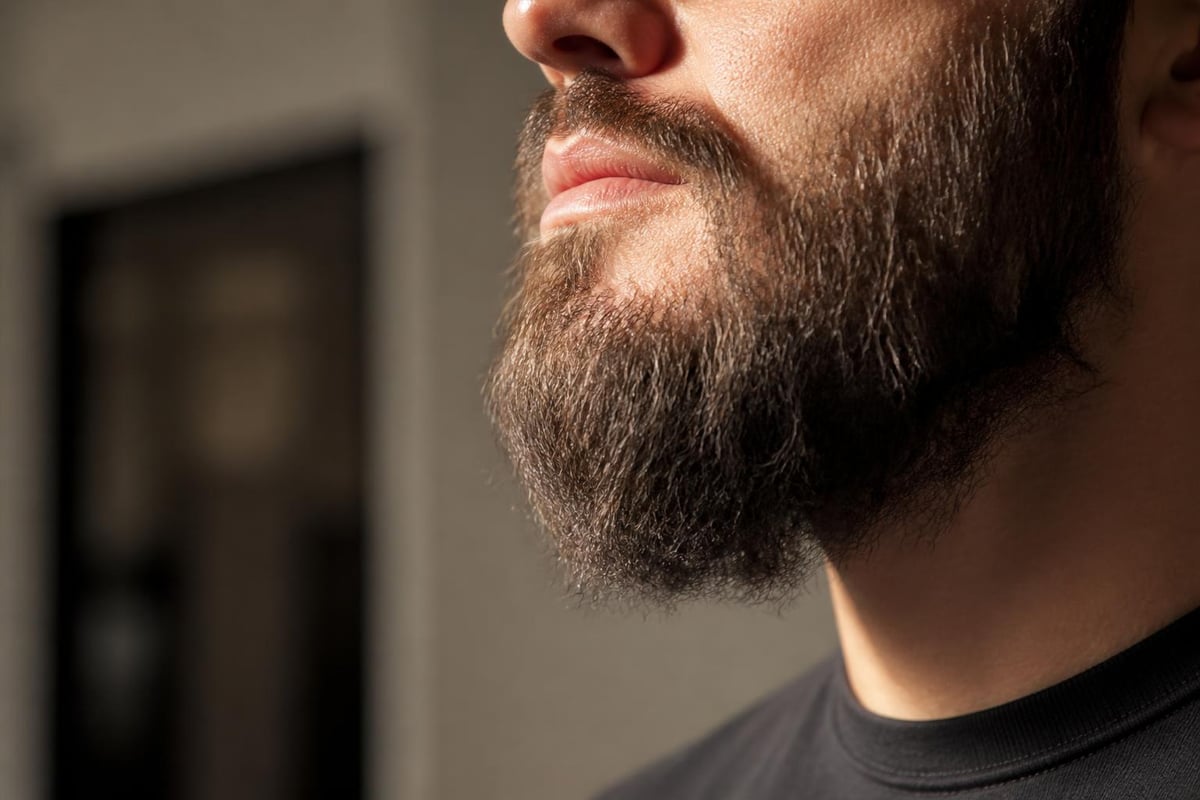
Your facial skin produces sebum - a lipid-rich substance that naturally moisturizes and protects the epidermis. When you cultivate a beard, these sebaceous glands must work overtime to coat both your skin and the additional hair shafts sprouting from each follicle.
Here's the biological bottleneck: sebum production remains constant whilst demand multiplies exponentially as your beard lengthens. A short stubble might require 20% more sebum than clean-shaven skin, but a full beard can demand 300-400% more natural oils to maintain adequate coverage.
The Moisture Evaporation Problem
Facial hair creates a wicking effect that draws moisture away from your skin. Each hair shaft acts as a conduit, pulling sebum upward along the follicle and exposing it to environmental factors that accelerate evaporation.
Key factors that intensify moisture loss:
- Central heating systems reduce indoor humidity to 20-30% (optimal skin hydration requires 40-60%)
- Hot showers strip the skin's protective lipid barrier, creating trans-epidermal water loss
- Harsh cleansers containing sulphates dissolve natural oils faster than sebaceous glands can replenish them
- Cold weather constricts blood vessels, reducing nutrient delivery to skin cells
The Cleveland Clinic notes that dry skin ranks as the primary cause of beard-related discomfort, creating a vicious cycle where scratching damages the skin barrier further.
Why Conventional Moisturizers Fail Beneath Beards
You've likely noticed that standard face creams don't penetrate effectively once you've grown substantial facial hair. This isn't user error - it's physics.
The Penetration Barrier
Facial hair creates a physical maze that blocks topical products from reaching your skin. Water-based moisturizers sit on the surface of your beard, evaporating before they can deliver active ingredients to the epidermis beneath.
Research published in dermatological journals demonstrates that lipid-based formulations penetrate facial hair significantly more effectively than water-based alternatives. The reason? Lipids possess molecular structures similar to sebum, allowing them to travel along the same pathways your natural oils use.
| Product Type | Skin Penetration Rate | Active Ingredient Delivery | Lasting Effect |
|---|---|---|---|
| Water-Based Cream | 15-20% | Low | 2-3 hours |
| Standard Lotion | 10-15% | Very Low | 1-2 hours |
| Lipid-Based Oil | 70-85% | High | 8-12 hours |
| Balm (Oil + Wax) | 60-75% | High | 12-24 hours |
The solution requires products specifically engineered for beard-covered skin - formulations that can navigate through hair whilst delivering concentrated hydration directly to follicles and the skin beneath.
The Fungal Connection You're Probably Ignoring
Beard skin dry conditions aren't always straightforward dehydration. Malassezia yeast - a fungus that naturally colonizes human skin - thrives in the warm, humid environment created by dense facial hair.
When sebum production drops or becomes imbalanced, Malassezia populations explode. This fungal overgrowth triggers seborrheic dermatitis, characterized by:
- Yellow or white flakes (beard dandruff)
- Red, inflamed patches beneath the beard
- Intense itching that worsens at night
- Greasy-looking flakes despite dry-feeling skin
Healthline's research on beard dandruff confirms that distinguishing between simple dryness and fungal overgrowth determines treatment effectiveness. Fungal conditions require antifungal ingredients like tea tree oil or ketoconazole, whilst pure dryness responds to intensive hydration.
The Diagnostic Test
How to identify your specific condition:
- Examine your flakes under natural light
- Pure dryness produces small, white, powdery flakes
- Fungal overgrowth creates larger, yellowish, oily-looking flakes
- Check for redness or inflammation (indicates fungal involvement)
- Note the itch pattern (fungal itching intensifies with heat/sweat)
Scientific Ingredients That Reverse Beard Skin Dry
Effective treatment requires targeting multiple biological pathways simultaneously. Generic "moisturizing" products fail because they address only surface hydration whilst ignoring inflammation, barrier repair, and antimicrobial balance.
Ingredient Category One: Barrier Repair Agents
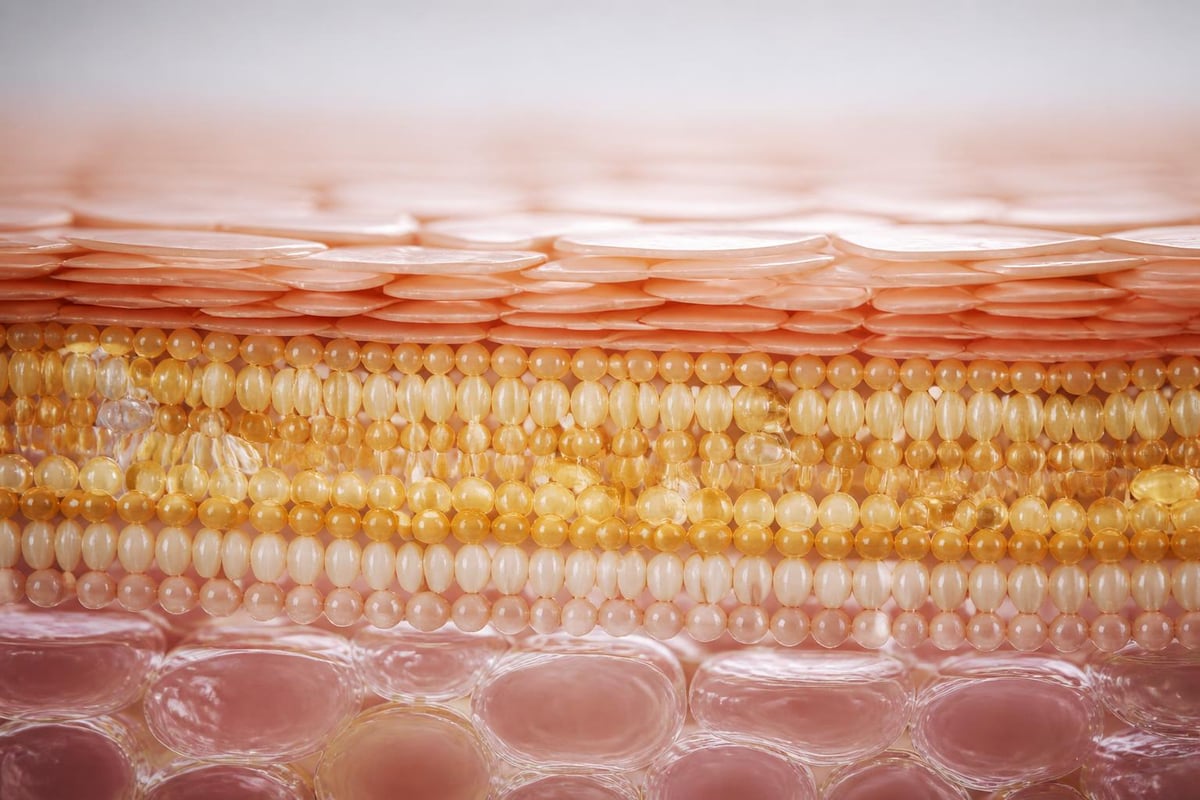
Your skin's moisture barrier consists of ceramides, cholesterol, and fatty acids arranged in precise ratios. When this barrier breaks down, trans-epidermal water loss accelerates dramatically.
Scientifically validated barrier repair ingredients:
- Jojoba Oil: Molecularly mimics human sebum, containing nearly identical fatty acid profiles that integrate seamlessly into the skin's lipid barrier
- Shea Butter: Delivers triterpene alcohols that reduce inflammation whilst fatty acids repair damaged cell membranes
- Squalane: Bio-identical to human squalene (your skin produces this naturally), providing instant barrier reinforcement without oxidation risk
- Ceramide NP: Synthetic ceramide identical to naturally occurring skin ceramides, filling structural gaps in damaged barriers
Ingredient Category Two: Deep Hydration Compounds
Surface moisture evaporates rapidly. Effective hydration requires humectants that pull water into skin cells and occlusives that lock it inside.
| Ingredient | Mechanism | Penetration Depth | Duration |
|---|---|---|---|
| Glycerin | Humectant (attracts water) | Stratum corneum | 4-6 hours |
| Hyaluronic Acid | Holds 1000x its weight in water | Epidermis | 6-8 hours |
| Argan Oil | Occlusive barrier + Vitamin E | Full epidermis | 12-16 hours |
| Beeswax | Forms protective film | Surface seal | 18-24 hours |
Ingredient Category Three: Anti-Inflammatory Compounds
Inflammation accelerates moisture loss by damaging cell structures and increasing blood flow to affected areas. WebMD's guide to beard dandruff emphasizes controlling inflammation as a critical component of treatment.
Natural anti-inflammatory actives with clinical backing:
- Calendula Extract: Contains faradiol esters that inhibit inflammatory cytokine production
- Bisabolol: Alpha-bisabolol from chamomile penetrates deeply, reducing inflammation at the cellular level
- Allantoin: Stimulates cell regeneration whilst calming irritated tissue
The Complete Treatment Protocol for Beard Skin Dry
Reversing established dryness requires a systematic approach that addresses cleansing, treatment, and protection phases. Random product application delivers inconsistent results because you're missing critical steps in the biological repair sequence.
Phase One: Cleanse Without Stripping
Standard soaps contain sodium lauryl sulphate (SLS) - a surfactant so aggressive it strips away your skin's protective acid mantle along with dirt. Your skin's natural pH sits at 4.5-5.5, creating an acidic environment hostile to pathogenic bacteria.
SLS-based cleansers push pH to 9-11, destroying beneficial microbiome bacteria and removing essential lipids. Recovery takes 2-4 hours, during which your skin remains vulnerable and moisture loss accelerates.
The scientific cleansing approach:
- Use pH-balanced, sulphate-free beard shampoos formulated at 5.0-5.5 pH
- Cleanse only 3-4 times weekly (over-washing perpetuates dryness)
- Apply lukewarm water (hot water denatures protective proteins)
- Massage gently for 60-90 seconds (mechanical action, not chemical stripping, removes debris)
- Rinse thoroughly (residue creates irritation)
Understanding proper beard care fundamentals helps you avoid common mistakes that worsen dry skin conditions.
Phase Two: Apply Treatment Oils
Immediately after cleansing, your skin's permeability increases by 300-400% for approximately 3 minutes. This absorption window represents optimal timing for treatment application.
Treatment oils work through multiple mechanisms:
- Lipid replacement (directly supplementing depleted sebum)
- Occlusion (forming a semi-permeable barrier that reduces evaporation)
- Active ingredient delivery (fat-soluble vitamins and antioxidants penetrate effectively in lipid carriers)
Application technique that maximizes absorption:
- Dispense 4-6 drops into your palm
- Rub palms together, generating slight warmth
- Work fingers through beard to the skin beneath
- Press palms against beard for 10 seconds (heat enhances penetration)
- Use a boar bristle brush to distribute evenly along every hair shaft
The difference between beard oil and standard moisturizers lies in molecular weight and lipid composition - beard-specific formulations penetrate facial hair structures that repel water-based products.
Phase Three: Seal With Protective Balm
Whilst oils deliver active ingredients and replace lost lipids, they evaporate over 8-12 hours. Balms contain waxes (typically beeswax or candelilla wax) that create a semi-occlusive barrier, extending protection to 24 hours.
The balm application protocol:
- Apply 30-60 minutes after oil treatment (allows oil absorption first)
- Use a pea-sized amount (excess creates greasy appearance)
- Warm between palms until liquified
- Apply to beard exterior and skin surface
- Style beard whilst balm remains pliable
For severe beard skin dry conditions, this three-phase protocol addresses immediate symptoms whilst creating conditions for long-term barrier repair. Consistency matters more than product quantity - daily application following this sequence produces measurable improvement within 7-10 days.
Environmental Modifications That Accelerate Recovery
Product application alone cannot overcome environmental factors that continuously damage your skin barrier. Your living and working environments likely contain multiple aggravating elements that perpetuate dryness.
Indoor Humidity Optimization
Central heating drops indoor humidity to desert-like levels. At 20-25% relative humidity, your skin loses moisture 3-4 times faster than it can be replaced through topical application.
Humidity intervention strategies:
- Install a bedroom humidifier targeting 45-50% relative humidity
- Place moisture-absorbing plants (peace lilies, Boston ferns) near your desk
- Avoid directing heating vents toward your face
- Monitor humidity with a hygrometer (£10-20 investment that prevents guesswork)
Temperature Regulation
Hot showers feel therapeutic but inflict substantial barrier damage. Water above 37°C denatures keratin proteins and lipids that comprise your moisture barrier.
Lower your shower temperature to lukewarm (33-35°C). The discomfort lasts 2-3 showers as your body adjusts, then becomes the new normal. This single change reduces trans-epidermal water loss by 40-60%.
Dietary Factors Influencing Skin Hydration
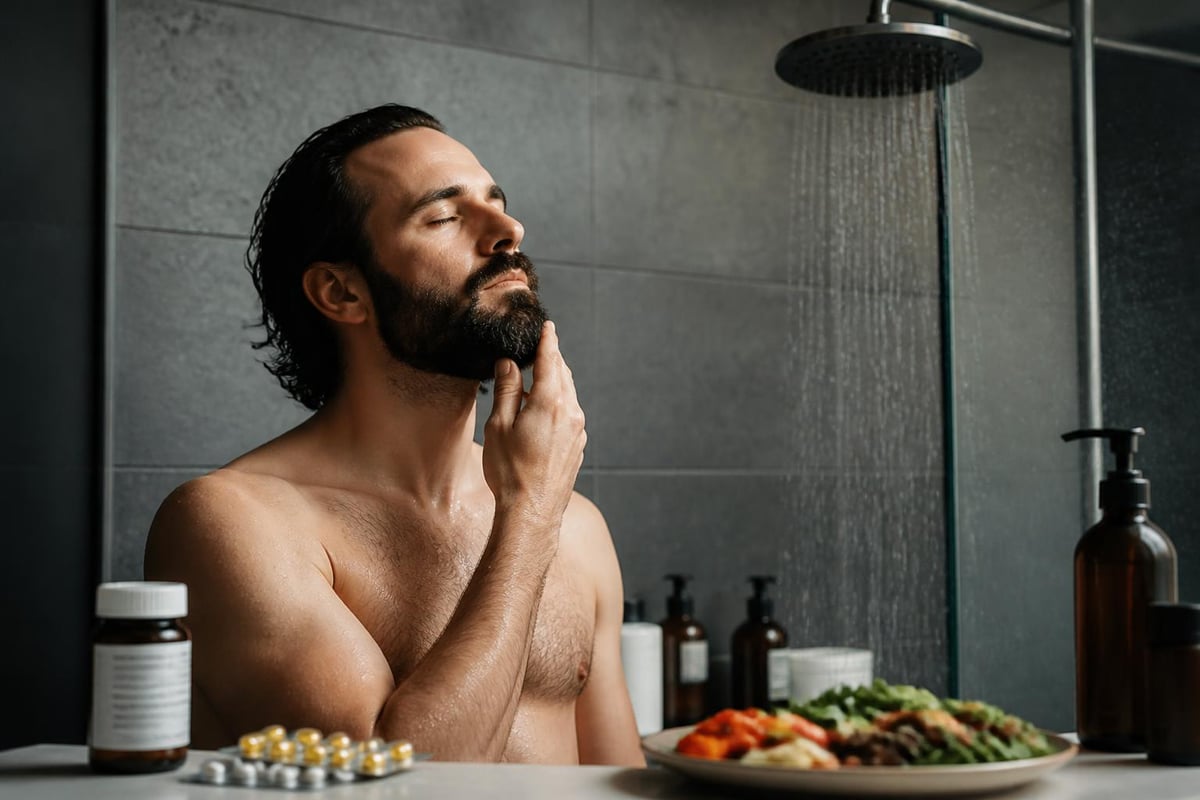
Your skin's moisture content reflects internal hydration status and essential fatty acid availability. Chronic dehydration manifests externally as persistent dryness regardless of topical treatment intensity.
Nutritional interventions with clinical backing:
- Consume 35ml water per kilogram of body weight daily (a 80kg man requires 2.8 litres)
- Supplement omega-3 fatty acids (2-3g daily) to provide building blocks for lipid barrier synthesis
- Increase vitamin E intake (15mg daily) to protect existing lipids from oxidative damage
- Ensure adequate zinc (11mg daily) for sebaceous gland function
Research on flaky skin beneath beards demonstrates that nutritional deficiencies contribute significantly to persistent dryness that resists topical treatment.
The 90-Day Transformation Protocol
Reversing chronic beard skin dry conditions requires time. Your skin's natural renewal cycle operates on a 28-day schedule - complete barrier reconstruction demands 3-4 renewal cycles with consistent intervention.
The 90-day timeline aligns with biological realities:
Days 1-30: Emergency Relief During the first month, symptoms improve dramatically as you replenish depleted lipids and control inflammation. Itching reduces by 60-80%, and visible flaking decreases substantially. However, the underlying barrier damage remains partially unresolved.
Days 31-60: Structural Repair The second month rebuilds your moisture barrier's structural integrity. Ceramide levels normalize, and lipid layers regain proper organization. You'll notice reduced sensitivity to environmental stressors and longer-lasting hydration between applications.
Days 61-90: Long-Term Resilience The final month establishes sustainable skin health. Sebaceous glands recalibrate, producing adequate sebum for maintenance. Your skin develops resistance to temporary environmental challenges without immediate symptom recurrence.
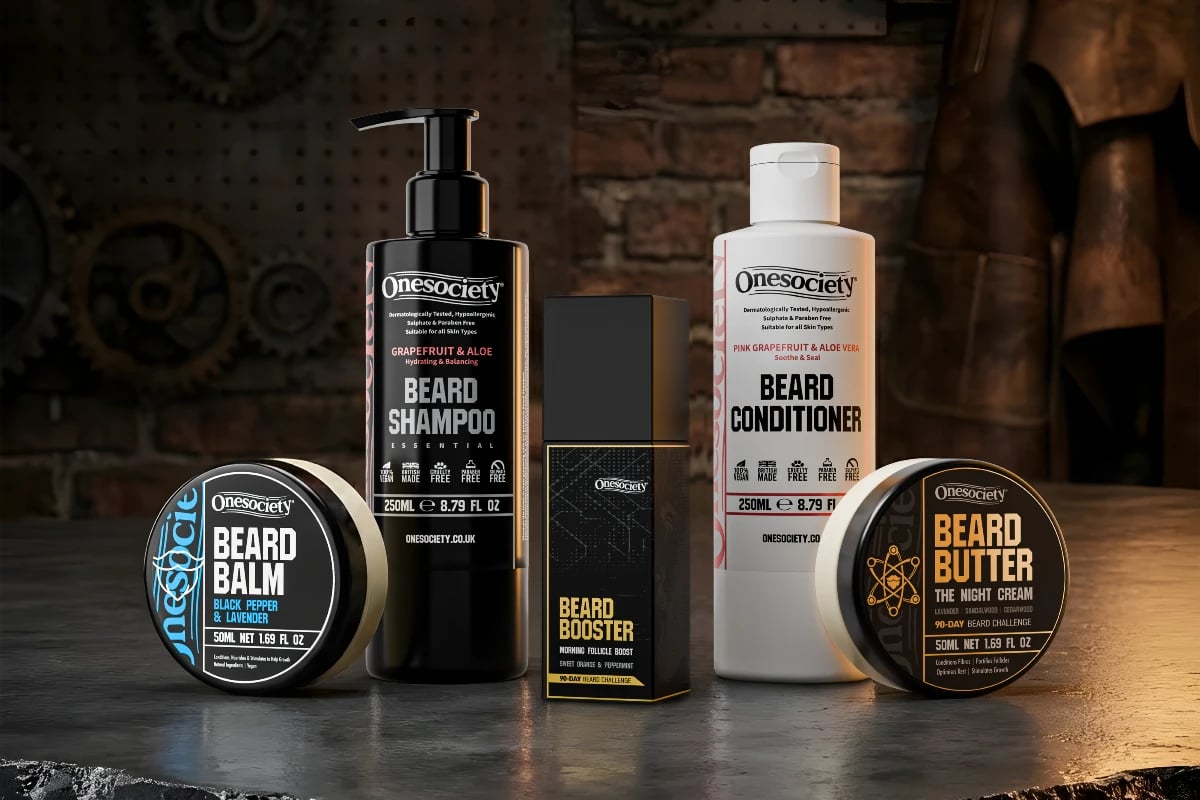
Comprehensive programmes like the 90-Day Beard Challenge provide systematized protocols with precisely formulated products for each phase. The structured approach removes guesswork whilst ensuring you're applying scientifically appropriate interventions at optimal intervals. These kits include follicle-stimulating boosters, deep-hydration butters, protective balms, and pH-balanced cleansers engineered to work synergistically across the complete 90-day repair timeline.
Advanced Troubleshooting for Persistent Cases
If standard protocols fail to resolve your beard skin dry symptoms after 3-4 weeks, you're likely dealing with complicating factors that require targeted intervention.
Scenario One: Worsening Despite Consistent Treatment
Progressive worsening suggests an allergic reaction or sensitivity to specific ingredients in your current products. Common culprits include:
- Fragrance compounds (even "natural" essential oils trigger reactions in sensitive individuals)
- Preservatives (parabens, phenoxyethanol)
- Nut-derived oils (almond, walnut) in those with tree nut sensitivities
Solution: Strip back to a single-ingredient carrier oil (pure jojoba or squalane) for 7 days. If symptoms improve, reintroduce products individually at 3-day intervals to identify the trigger.
Scenario Two: Seasonal Fluctuations
Beard skin dry conditions that worsen dramatically in winter or summer indicate environmental sensitivity requiring seasonal protocol adjustments.
Winter modifications:
- Double oil application frequency (morning and evening instead of once daily)
- Add a heavier butter or balm layer before outdoor exposure
- Increase indoor humidity to 50-55%
Summer adjustments:
- Switch to lighter oils (grapeseed, safflower) that don't feel heavy in humidity
- Maintain consistent application despite reduced perceived dryness
- Address increased fungal risk with tea tree or eucalyptus additions
Scenario Three: Isolated Dry Patches
Localized dryness in specific beard areas suggests mechanical irritation or folliculitis (infected hair follicles). Healthline's guide to itchy beards identifies ingrown hairs and bacterial folliculitis as common localized problems.
Targeted treatment:
- Exfoliate affected areas with a soft brush to release trapped hairs
- Apply antibacterial ingredients (tea tree oil, manuka honey) directly to patches
- Avoid touching or scratching (introduces additional bacteria)
- Monitor for improvement over 5-7 days; seek medical advice if infection spreads
Professional-Grade Grooming Integration
Elite male grooming practices extend beyond basic product application. Professional barbers employ techniques that enhance absorption and accelerate results.
The Hot Towel Technique
Professional establishments use hot towels to open pores and increase product penetration. Replicate this at home:
- Soak a clean flannel in water heated to 40-42°C
- Wring out excess water
- Drape over beard for 2-3 minutes
- Remove and immediately apply treatment oil whilst pores remain open
- Repeat 2-3 times weekly for intensive treatment periods
Brush-Based Distribution
Boar bristle brushes serve dual purposes: mechanical exfoliation and product distribution. The bristles' natural texture removes dead skin cells whilst spreading oils evenly from root to tip.
Proper brushing technique:
- Brush downward through the beard 10-15 strokes
- Brush upward against growth direction 5-7 strokes (lifts oil from skin)
- Brush downward again to smooth and style
- Clean brush weekly with gentle shampoo to prevent bacteria accumulation
Product Selection Science: What Actually Matters
Marketing claims overwhelm shoppers with unsubstantiated promises. Understanding ingredient hierarchies helps you identify genuinely effective formulations versus expensive placebos.
The Ingredient List Decode
UK regulations require ingredients listed in descending concentration order. The first 5-7 ingredients comprise 85-90% of the formula - these matter most.
Red flags indicating ineffective formulations:
- Water listed first in a "moisturizing" beard oil (oils shouldn't contain water)
- Fragrance appearing in top 5 ingredients (you're buying scent, not treatment)
- Multiple forms of the same filler (manufacturers split ingredients to push them lower on the list)
- Beneficial ingredients appearing last (concentrations too low for therapeutic effect)
Green flags indicating quality formulations:
- Multiple carrier oils in top positions (jojoba, argan, sweet almond)
- Antioxidant vitamins (tocopherol/Vitamin E) within first 8 ingredients
- Therapeutic essential oils at 2-5% concentration (effective but not irritating)
- Absence of synthetic fragrances, sulphates, and parabens
The Natural Versus Synthetic Debate
"Natural" doesn't automatically mean effective or safe. Poison ivy is natural. Conversely, some synthetic ingredients outperform natural alternatives in stability and delivery.
Evidence-based position: Choose formulations based on ingredient function, not origin. Natural ingredients offer advantages when:
- They're chemically identical to skin-produced compounds (squalane, ceramides)
- They contain multiple synergistic compounds unavailable synthetically (plant extracts)
- They carry lower allergen risk than synthetic alternatives
Synthetic ingredients excel when:
- They provide precise, consistent concentrations
- They remain stable across temperature/humidity ranges
- They've undergone extensive safety testing
The optimal approach combines both categories strategically, selecting each ingredient based on proven efficacy for its specific function within the formulation.
The Psychological Impact of Chronic Beard Skin Dry
Persistent facial discomfort affects more than physical health. Chronic itching disrupts sleep quality, whilst visible flaking creates self-consciousness in professional and social situations.
Studies in dermatological psychology demonstrate that visible skin conditions correlate with:
- Reduced workplace confidence (32% of men report avoiding presentations during flare-ups)
- Social anxiety in dating contexts (visible flaking creates perceived uncleanliness)
- Sleep disruption from nocturnal itching (average 45-minute reduction in sleep quality)
- Compulsive scratching behaviours that worsen symptoms
Addressing beard skin dry conditions delivers psychological benefits that extend far beyond surface-level cosmetics. Men report improved self-perception, reduced anxiety, and better sleep within the first 14 days of implementing structured treatment protocols.
Long-Term Maintenance After Recovery
Once you've resolved active beard skin dry symptoms, maintenance protocols prevent recurrence whilst requiring less intensive intervention.
Sustainable maintenance schedule:
- Cleanse with pH-balanced beard wash 2-3 times weekly
- Apply treatment oil 4-5 times weekly (reduce from daily during acute treatment)
- Use protective balm as needed based on environmental exposure
- Deep condition monthly with intensive butter treatments
- Monitor for early warning signs (slight tightness, minor itching) and increase treatment temporarily
Seasonal transitions require brief protocol intensification. Increase application frequency 2 weeks before seasonal weather changes to preempt environmental stress.
The investment in quality beard care products pays dividends through reduced long-term product consumption. A well-maintained moisture barrier requires 40-50% less product to maintain than chronically damaged skin attempting constant recovery.
Beard skin dry conditions stem from the biological mismatch between constant sebum production and exponentially increasing beard coverage demands, compounded by environmental stressors and inadequate product formulations. The solution requires addressing multiple pathways simultaneously: barrier repair through ceramides and fatty acids, deep hydration via humectants and occlusives, inflammation control with targeted botanicals, and environmental modifications that support rather than undermine skin health. Onesociety formulates every product using 100% natural ingredients with proven biological mechanisms, eliminating the guesswork from beard care whilst delivering clinically meaningful results. Stop treating symptoms and start addressing root causes with science-backed solutions engineered specifically for beard-covered skin.