

Your beard feels like steel wool. The skin underneath itches relentlessly. Every time you run your fingers through your facial hair, you encounter rough, brittle strands that refuse to cooperate. This isn't just an aesthetic problem – it's a sign that your beard desperately needs proper hydration. The solution lies in understanding how a beard oil moisturizer functions at a biological level, delivering essential fatty acids and nutrients directly to both the hair shaft and the epidermis beneath.
The Hydration Crisis Affecting Your Beard
Facial hair differs fundamentally from scalp hair in both structure and growth pattern. Beard follicles produce thicker, coarser strands that require significantly more moisture to remain supple.
Without adequate hydration, your beard suffers multiple consequences:
- Protein degradation within the hair shaft leads to brittleness and breakage
- Sebum depletion on the skin's surface creates the perfect environment for irritation
- Cuticle lifting exposes the hair cortex to environmental damage
- Follicle inflammation restricts healthy growth patterns
Why Standard Moisturizers Fail Your Beard
The skin beneath your beard operates differently from the rest of your face. According to research from Healthline on beard oil effectiveness, facial hair creates a unique microenvironment that standard facial moisturizers cannot adequately address.
Traditional water-based moisturizers sit on the surface of dense facial hair without penetrating to the skin. They evaporate quickly, leaving both hair and skin in the same dehydrated state. A proper beard oil moisturizer uses lipid-based carriers that penetrate the hair shaft and reach the epidermis.
The Scientific Mechanism Behind Beard Oil Moisturizer
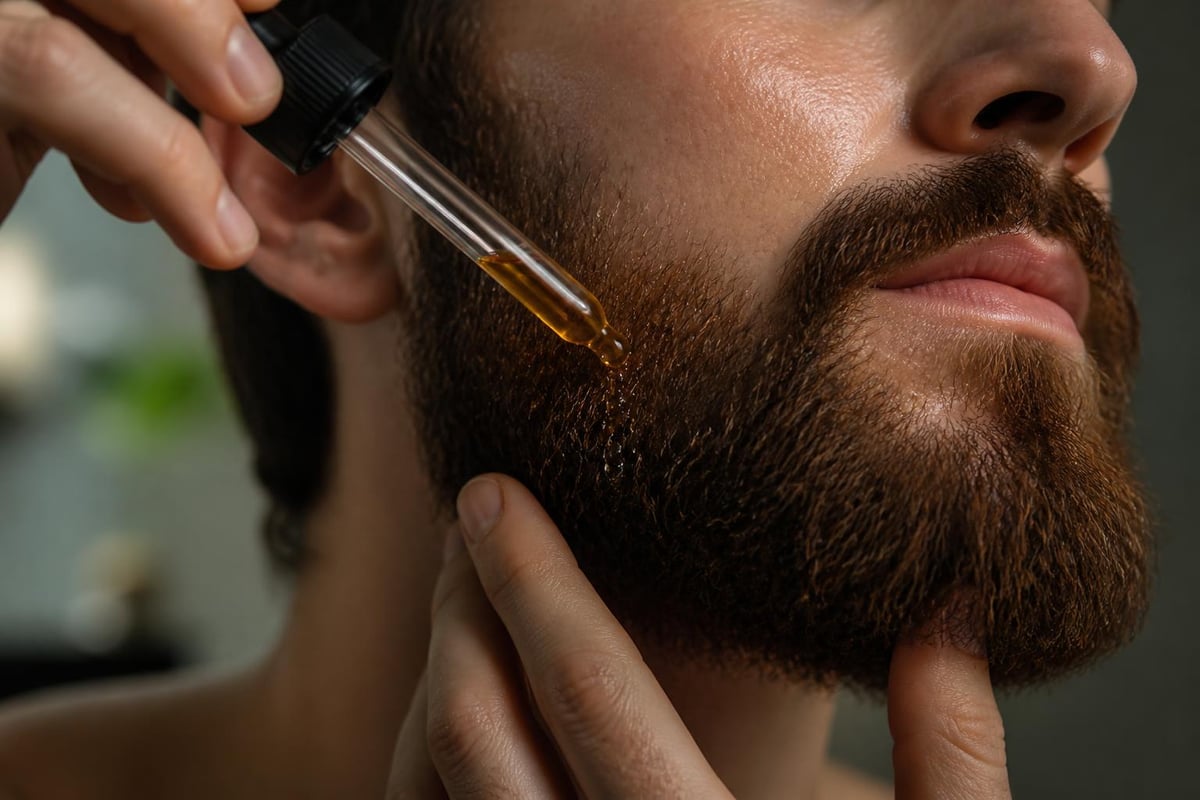
Understanding how a beard oil moisturizer works requires examining its biological interaction with both hair and skin tissue.
Cellular Hydration Through Lipid Delivery
Carrier oils in a quality beard oil moisturizer contain specific fatty acid chains that match the natural sebum composition your skin produces. When these oils contact the hair shaft, several processes occur simultaneously:
- Cuticle infiltration: Small-molecule oils (like jojoba) penetrate between cuticle scales
- Cortex reinforcement: Medium-chain fatty acids strengthen the hair's protein matrix
- Moisture sealing: Larger molecules (like argan oil) form a protective barrier
The epidermis beneath your beard contains sebaceous glands that become obstructed by dense hair growth. Beard care experts at The Beard Struggle explain that proper oil application stimulates these glands whilst simultaneously delivering external hydration.
| Fatty Acid Type | Molecular Weight | Primary Function | Example Source |
|---|---|---|---|
| Short-chain | 100-200 Da | Rapid penetration | Coconut fractions |
| Medium-chain | 200-400 Da | Protein binding | Jojoba, argan |
| Long-chain | 400-600 Da | Surface protection | Sweet almond |
The Inflammation-Hydration Connection
Dry skin triggers an inflammatory response. When sebaceous glands cannot produce sufficient sebum to coat both skin and hair, the immune system interprets this as a barrier dysfunction.
This inflammation manifests as:
- Redness and warmth beneath the beard
- Persistent itching that worsens at night
- Flaking skin (commonly called "beardruff")
- Sensitivity to touch and temperature changes
A beard oil moisturizer interrupts this cycle by delivering anti-inflammatory compounds alongside hydration. Ingredients like vitamin E (tocopherol) actively reduce inflammatory cytokines in the skin, whilst fatty acids restore barrier function.
Application Methodology for Maximum Absorption
How you apply your beard oil moisturizer determines its effectiveness. Random application wastes product and leaves portions of your beard unhydrated.
The Optimal Application Sequence
Timing matters profoundly. Your skin and hair absorb nutrients most efficiently when pores are open and cuticles are slightly raised. This occurs naturally after washing with warm water.
For those wondering about product layering, guidance from Necole Bitchie on application order clarifies that beard oil should follow any water-based products to seal in hydration.
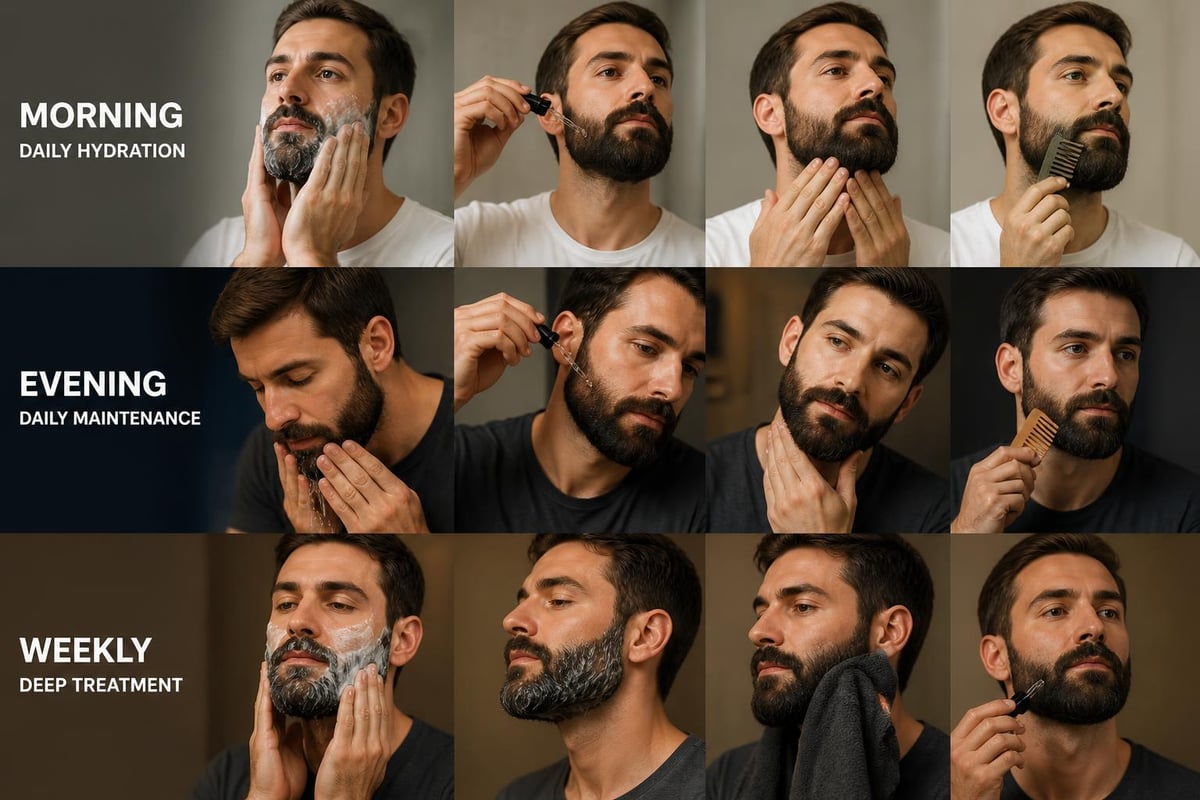
Follow this protocol:
- Cleanse your beard with lukewarm water and a pH-balanced cleanser
- Pat dry until damp (not soaking wet)
- Dispense 4-8 drops of beard oil moisturizer into your palm
- Rub palms together to distribute evenly and warm the oil
- Apply to skin first, using fingertips to massage into the epidermis
- Work through the beard from root to tip
- Use a boar bristle brush to distribute oil uniformly
Dosage Calibration by Beard Length
| Beard Length | Oil Amount | Application Focus |
|---|---|---|
| Stubble (1-2mm) | 2-3 drops | Skin primarily |
| Short (2-5cm) | 4-6 drops | Equal skin/hair |
| Medium (5-10cm) | 6-10 drops | Hair emphasis |
| Long (10cm+) | 10-15 drops | Sectional application |
Overloading creates a greasy appearance without additional benefit. Your skin can only absorb a finite amount of oil per application.
Ingredient Selection: What Actually Hydrates
Not all oils deliver equal hydration. The carrier oil composition determines how effectively a beard oil moisturizer performs its function.
High-Performance Carrier Oils
Jojoba oil (Simmondsia chinensis) technically functions as a liquid wax ester, not a triglyceride. This molecular structure matches human sebum more closely than any other botanical source. Research demonstrates jojoba's ability to regulate sebum production whilst providing immediate hydration.
Argan oil (Argania spinosa) contains exceptionally high concentrations of vitamin E and essential fatty acids. These compounds penetrate the hair cortex to strengthen protein bonds whilst simultaneously reducing oxidative stress on the skin surface.
Sweet almond oil (Prunus dulcis) delivers oleic and linoleic acids that soften coarse hair fibres. The lightweight texture ensures rapid absorption without residue.
When evaluating products, examine the ingredient list for these scientifically validated components. Marketing claims mean nothing without proper formulation backing.
Essential Oils: Beyond Fragrance
Many dismiss essential oils as mere scenting agents, but specific oils contribute genuine therapeutic benefits to a beard oil moisturizer formula.
- Cedarwood oil: Stimulates follicles through increased blood flow (5% dilution maximum)
- Peppermint oil: Anti-inflammatory properties reduce skin irritation (2% dilution)
- Tea tree oil: Antimicrobial action prevents folliculitis and bacterial growth (3% dilution)
These should appear near the end of ingredient lists, as concentrations above 10% total essential oils can irritate sensitive skin.
The 90-Day Transformation Protocol
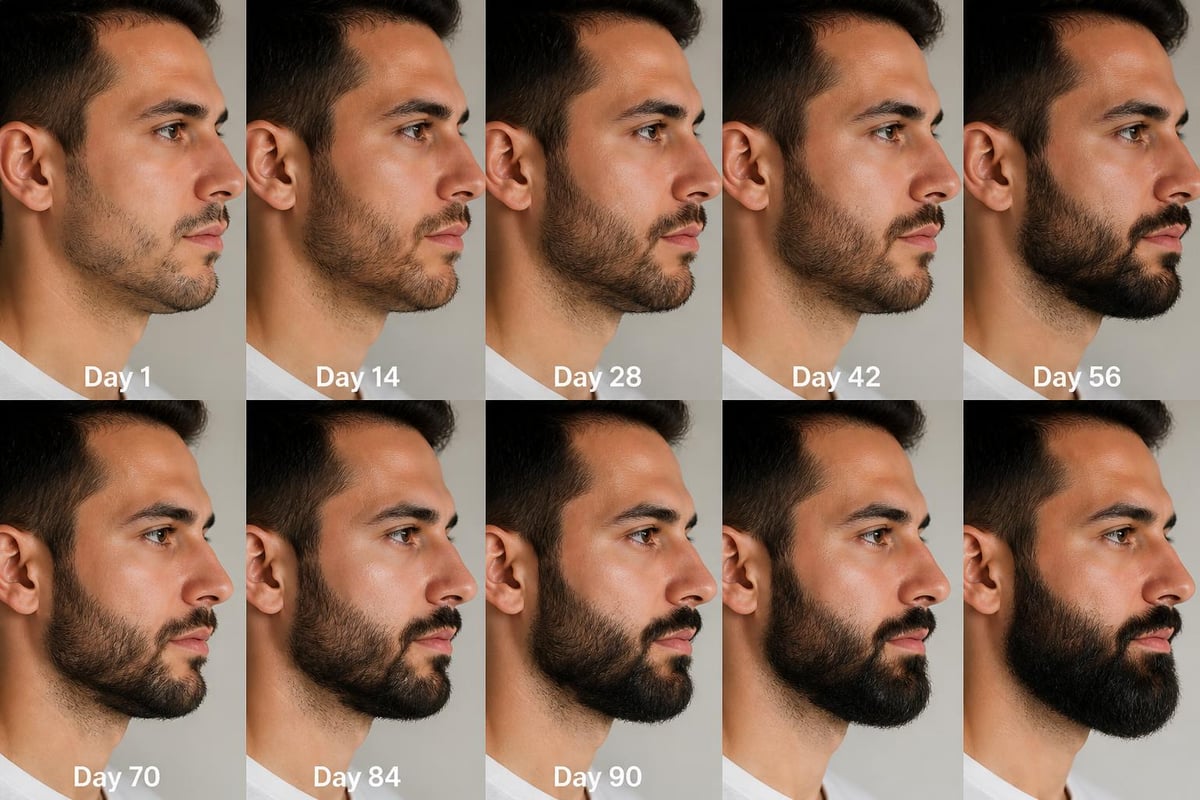
Consistent application of a quality beard oil moisturizer produces measurable changes in both hair structure and skin health. These improvements follow a predictable timeline.
Week 1-2: Surface Changes
Initial application addresses the most superficial problems. You'll notice reduced itching within 48 hours as the oil soothes irritated nerve endings. The beard appears shinier because light reflects off the smoothed cuticle surface.
Week 3-6: Structural Improvements
The hair cortex absorbs fatty acids, increasing elasticity and reducing breakage. According to ZOUSZ's analysis of beard growth oils, consistent moisturization supports healthier follicle function, which manifests as improved growth patterns.
Skin beneath the beard completes its natural renewal cycle (approximately 28 days), revealing healthier tissue that produces optimal sebum.
Week 7-12: Complete Optimization
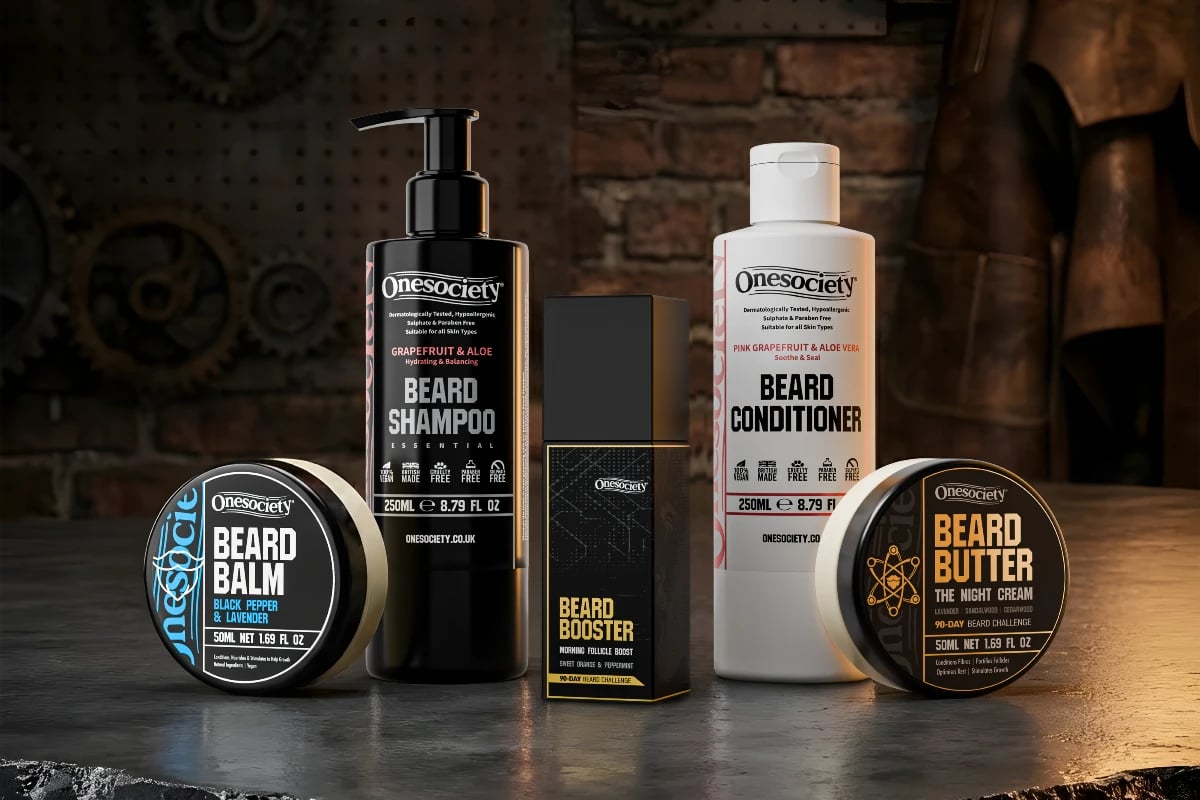
By this stage, your beard demonstrates its full genetic potential. Hydration has eliminated brittleness, allowing maximum length retention. The 90-Day Beard Challenge provides a complete system designed specifically for this transformation period, combining multiple targeted formulations that work synergistically.
This comprehensive approach addresses every phase of beard development, from follicle stimulation through complete hydration and styling support.
Common Formulation Mistakes to Avoid
The market floods with products labelled as "beard oil" that fail to deliver adequate moisturization. Understanding these failures prevents wasted money and continued dehydration.
Mineral Oil and Petroleum Derivatives
These ingredients create an illusion of moisture by coating the hair shaft with an impermeable film. They don't penetrate or hydrate – they merely create surface shine. Worse, they can clog pores beneath dense facial hair, leading to acne and folliculitis.
Alcohol-Based Formulations
Some products include alcohol for quick drying or as a preservative. Alcohol strips natural oils from both hair and skin, creating a paradoxical situation where you apply a "moisturizer" that actually increases dryness over time.
Insufficient Active Concentrations
Budget formulations dilute active ingredients with cheap fillers. A beard oil moisturizer should contain at least 85% beneficial carrier oils, with the remainder comprising essential oils and vitamin supplements.
Research from Beard Revue on beard oil functions emphasizes that proper formulation requires specific ratios of light-to-heavy oils for optimal absorption and protection.
Integration with Complete Grooming Systems
A beard oil moisturizer functions most effectively as part of a comprehensive male grooming routine, not as an isolated product.
Synergistic Product Combinations
Your beard requires different interventions depending on time of day and environmental conditions:
Morning routine: Light beard oil moisturizer application for baseline hydration and UV protection
Post-exercise: pH-balanced cleanser followed by oil reapplication to restore stripped moisture
Evening protocol: Heavier balm or butter for intensive overnight repair
Research published by No Filter Barbershop indicates that layering complementary products produces superior results compared to single-product approaches.
Environmental Adaptation Strategies
Climate conditions dramatically affect beard hydration needs. Cold weather reduces natural sebum production whilst simultaneously increasing moisture loss through low humidity. Summer heat triggers increased perspiration, which carries away protective oils.
Adjust your beard oil moisturizer application frequency accordingly:
- Winter/dry climates: Apply twice daily with heavier oils
- Summer/humid environments: Single daily application with lighter formulations
- Indoor heating/air conditioning: Evening application minimum to counteract artificial air
Sustainability Considerations in Beard Care
The environmental impact of your grooming routine extends beyond just product performance. Sustainable choices benefit both your beard and the planet.
Quality beard oil moisturizers typically use glass containers with minimal plastic components. This reduces environmental waste whilst protecting the oil from degradation caused by plastic leaching.
For those committed to comprehensive sustainability, consider brands that prioritize ethical sourcing and zero-waste principles. Sustainable living platforms like Tinc demonstrate how personal care intersects with environmental responsibility, offering insights applicable to all grooming product selection.
Ingredient Sourcing Ethics
The botanical oils in your beard oil moisturizer originate from specific geographic regions. Ethical brands ensure:
- Fair compensation for agricultural workers
- Sustainable harvesting practices that don't deplete natural resources
- Organic cultivation without harmful pesticides
- Carbon-neutral shipping and packaging
These factors don't directly affect hydration performance, but they reflect the overall quality commitment of the manufacturer.
Measuring Hydration Success
Subjective assessment ("my beard feels better") lacks precision. Implement objective measurements to track your beard oil moisturizer's effectiveness.
Quantifiable Indicators
Breakage count: Run a fine-toothed comb through your beard over a dark surface. Count broken hairs. Properly hydrated beards shed fewer than 5 hairs per combing session.
Skin flaking: Examine the skin beneath your beard daily. Complete hydration eliminates visible flaking within 14 days of consistent application.
Elasticity test: Gently pull a single beard hair. Properly moisturized hair stretches 20-30% before breaking. Dry hair snaps immediately.
Water absorption: Place a drop of water on your beard. Hydrated hair repels water initially due to the protective oil coating. Dehydrated hair absorbs water immediately.
These metrics provide concrete feedback about whether your current beard oil moisturizer delivers adequate results or requires reformulation.
Advanced Hydration Techniques
Once you've mastered basic application, advanced techniques amplify the benefits of your beard oil moisturizer.
Heat-Enhanced Absorption
Thermal energy increases molecular movement, enhancing oil penetration into both hair shaft and skin. After applying your beard oil moisturizer, use a warm (not hot) towel wrap for 5-10 minutes. This opens cuticles and pores, allowing deeper absorption.
Targeted Treatment Zones
Different beard regions experience varying hydration challenges. The moustache area contacts food and drink constantly, requiring more frequent reapplication. The neck region typically produces less natural sebum, benefiting from concentrated application.
Customize your approach:
- Apply standard amount globally
- Add 2-3 extra drops to chronically dry zones
- Massage these areas for 30 seconds to stimulate circulation
Seasonal Deep Conditioning
Monthly intensive treatments supplement daily beard oil moisturizer use. Apply 2-3 times your normal amount before bed, cover with a silk beard wrap, and allow overnight absorption. Morning cleansing removes excess whilst leaving deeply hydrated hair.
Scientific Validation and Clinical Evidence
The beard care industry makes numerous claims. Distinguishing evidence-based assertions from marketing requires understanding the underlying research.
Analysis from Beard Beasts on beard oil effectiveness reviews multiple clinical studies demonstrating measurable improvements in hair tensile strength, skin hydration levels, and follicle health following consistent oil application.
Specifically, studies using sebometry (skin lipid measurement) show 40-60% increases in surface lipid levels following regular beard oil moisturizer use over 28-day periods. Trichoscopy (hair analysis) reveals reduced cuticle damage and improved hair diameter uniformity.
These aren't subjective improvements – they're quantifiable biological changes that directly correlate with beard health and appearance.
The Natural Ingredients Advantage
Synthetic alternatives to natural carrier oils exist, but they fail to replicate the complex beneficial compound profiles found in botanical sources.
Natural oils contain hundreds of complementary molecules beyond just fatty acids:
- Phytosterols: Reduce inflammation and support barrier repair
- Polyphenols: Antioxidant protection against free radical damage
- Squalene: Enhances skin penetration of other beneficial compounds
- Tocopherols: Multiple vitamin E variants with distinct biological functions
A synthetic "moisturizer" might contain one or two isolated compounds. A quality natural beard oil moisturizer delivers the complete spectrum, creating synergistic effects impossible to replicate in laboratories.
This philosophy guides formulation at Onesociety, where 100% natural ingredients backed by scientific research form the foundation of every product.
Troubleshooting Persistent Dryness
If your beard remains dry despite consistent beard oil moisturizer application, several underlying factors might require attention.
Internal Hydration Status
Topical products cannot compensate for systemic dehydration. Your body prioritizes internal organ function over skin and hair hydration. Insufficient water intake means limited moisture available for sebaceous gland production.
Consume minimum 2-3 litres of water daily, adjusted upward based on activity level and climate.
Nutritional Deficiencies
Biotin, zinc, omega-3 fatty acids, and vitamin D all directly influence hair and skin health. Deficiencies create brittleness that external products cannot fully correct.
Consider comprehensive nutritional evaluation if persistent dryness continues despite proper external care.
Medical Conditions
Certain conditions affect skin barrier function and oil production:
- Hypothyroidism: Reduces sebum production
- Eczema/dermatitis: Compromises skin barrier integrity
- Fungal infections: Disrupt normal skin microbiome balance
If standard interventions fail, consult a dermatologist to rule out underlying medical issues requiring specific treatment.
Building a Sustainable Routine
Consistency produces results. Sporadic application of even the finest beard oil moisturizer yields minimal improvement.
Habit Formation Strategies
Link beard oil application to existing daily habits. If you brush your teeth every morning without thinking, place your beard oil beside your toothbrush. This environmental trigger automates the behaviour.
Track application for 30 days using a simple calendar mark system. This visible accountability maintains consistency through the critical habit-formation period.
Product Rotation Considerations
Some advocate rotating between different beard oil moisturizer formulations to prevent "product buildup" or "skin adaptation." No scientific evidence supports these concepts.
Your skin doesn't develop tolerance to beneficial fatty acids. Consistent use of a well-formulated product produces superior results compared to constant formulation changes.
Proper beard hydration transforms both appearance and comfort, but only when you understand the science behind moisture retention and apply products correctly. From selecting formulations with proven carrier oils to implementing consistent application protocols, each element contributes to optimal results. Whether you're starting your beard journey or seeking to elevate your existing routine, Onesociety provides scientifically formulated, naturally derived products designed specifically for the unique hydration challenges facial hair presents.