

Your mustache grows wild, untamed, and refuses to maintain shape throughout the day. Traditional styling products leave residue, cause irritation, or simply fail to deliver the hold you need. Finding good mustache wax requires understanding the biological mechanisms behind facial hair styling and the specific ingredients that provide both control and nourishment. This guide dissects the science of mustache wax formulations, helping you make evidence-based choices for your grooming routine.
The Biology Behind Mustache Wax Effectiveness
Good mustache wax functions through a combination of adhesive polymers and conditioning agents that interact with your facial hair's keratin structure. Your mustache consists of dead protein fibres composed primarily of keratin, surrounded by a protective cuticle layer. When you apply wax, the formulation creates a semi-permanent bond between individual hairs whilst coating the cuticle with protective compounds.
Beeswax serves as the primary structural component in most quality formulations. This natural polymer melts at approximately 62-64°C, allowing it to soften with body heat during application. Once cooled, beeswax molecules form crystalline structures that lock hairs in position whilst remaining flexible enough to prevent breakage.
Key Ingredients That Define Quality
The distinction between mediocre and good mustache wax lies in the supporting ingredients that complement beeswax's holding properties:
- Shea butter: Contains triterpene alcohols that penetrate the hair shaft, reducing inflammation in underlying skin follicles
- Jojoba oil: Mimics sebum composition, regulating moisture balance without clogging pores
- Lanolin: Provides water-resistant coating whilst delivering vitamin D to hair follicles
- Essential oils: Tea tree and peppermint oils offer antimicrobial properties that prevent folliculitis
The ratio between these components determines hold strength, texture, and conditioning benefits. Professional application techniques require understanding how temperature affects wax consistency and spreadability.
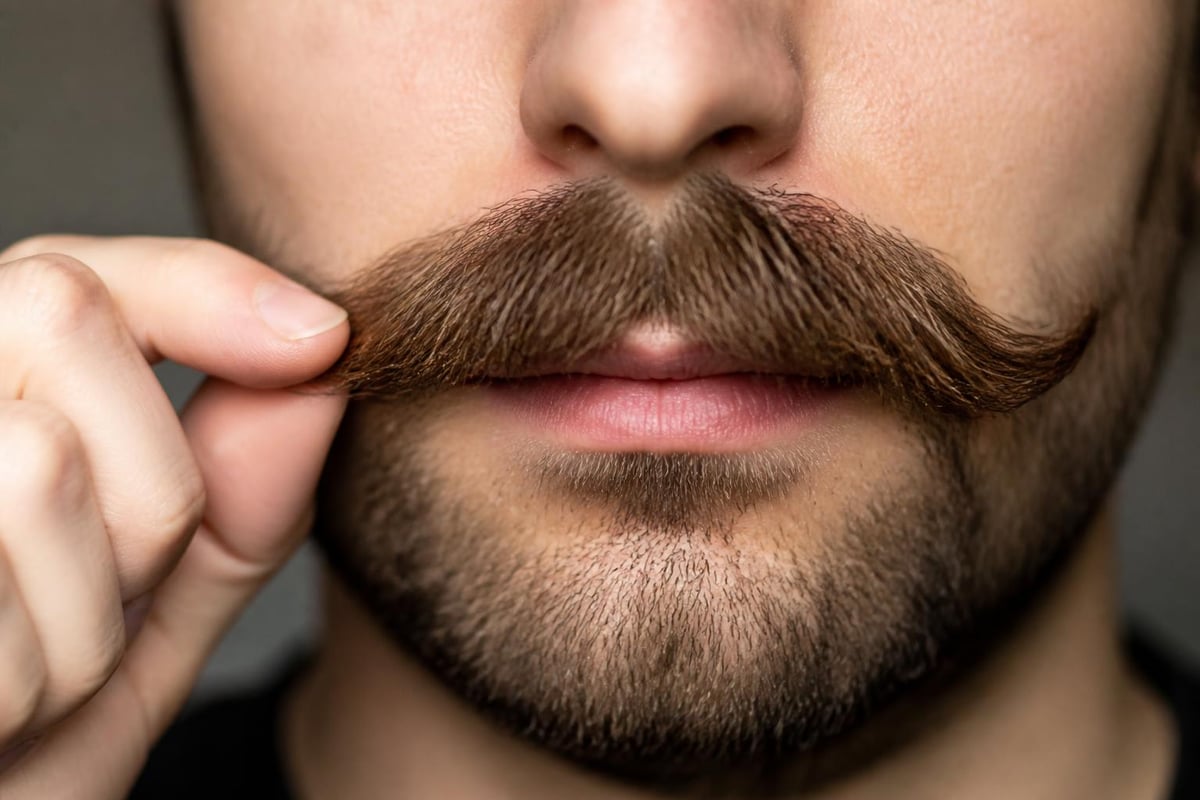
Hold Strength Classification and Selection Criteria
Mustache wax products fall into three distinct categories based on their holding capacity, each serving specific styling needs and hair types.
| Hold Type | Beeswax Content | Best For | Reapplication Frequency |
|---|---|---|---|
| Light | 20-35% | Short mustaches, subtle styling | Every 4-6 hours |
| Medium | 40-55% | Standard handlebar, daily wear | Every 6-8 hours |
| Firm | 60-75% | Competition styles, thick hair | 8-12 hours |
Light hold formulations contain higher ratios of oils and butters, making them ideal for conditioning whilst providing minimal structure. Your facial hair retains natural movement, but you sacrifice extended hold duration.
Medium hold represents the optimal balance for most users. This category delivers sufficient structure for shaping whilst maintaining hair health through balanced conditioning. The formulation remains pliable throughout the day, allowing minor adjustments without complete reapplication.
Firm hold waxes prioritize structure above all else. These formulations contain minimal oils, focusing instead on maximum beeswax concentration. Ingredients like candelilla wax supplement beeswax to achieve extreme hold, but extended use without proper cleansing can lead to follicle blockage.
Climate Considerations Impact Performance
Temperature and humidity dramatically affect wax performance. Beeswax's melting point means hot environments reduce hold strength, whilst cold conditions make application difficult.
In humid climates above 70% relative humidity, moisture absorption causes wax breakdown. Good mustache wax for these conditions incorporates water-resistant ingredients like carnauba wax or lanolin. These compounds create hydrophobic barriers that repel moisture whilst maintaining structural integrity.
Cold weather below 10°C presents opposite challenges. Standard formulations become brittle, leading to flaking and poor spreadability. Winter-optimized waxes include higher percentages of liquid oils (typically 15-20% versus standard 5-10%) to maintain workability in low temperatures.
Application Methodology for Maximum Effectiveness
Proper application transforms good mustache wax from adequate to exceptional. The process requires precision timing and specific techniques that optimize ingredient absorption and hold duration.
Start with completely dry facial hair. Water molecules compete with wax for keratin binding sites, dramatically reducing hold effectiveness. If you've recently showered, wait minimum 15 minutes or use a hairdryer on cool setting.
The Warming Phase
Extract a rice-grain sized portion of wax using your thumbnail. This amount suffices for most mustache lengths; excess product creates buildup without improving hold.
- Rub the wax between thumb and forefinger for 15-20 seconds
- Generate heat through friction until the wax achieves honey-like consistency
- Add second rice-grain portion if necessary for longer mustaches
- Continue warming until no solid particles remain
Inadequate warming represents the most common application error. Professional grooming guides emphasize this preparatory phase because unmelted wax creates uneven distribution and clumping.
Distribution and Styling Techniques
Apply wax from moustache centre outward, working with hair growth direction initially. This approach ensures even coating of individual hairs before styling begins.
For handlebar styles, twist ends firmly whilst wax remains warm. The mechanical twisting action aligns hair fibres whilst the cooling wax locks them in position. Maintain pressure for 10-15 seconds to allow initial crystallization.
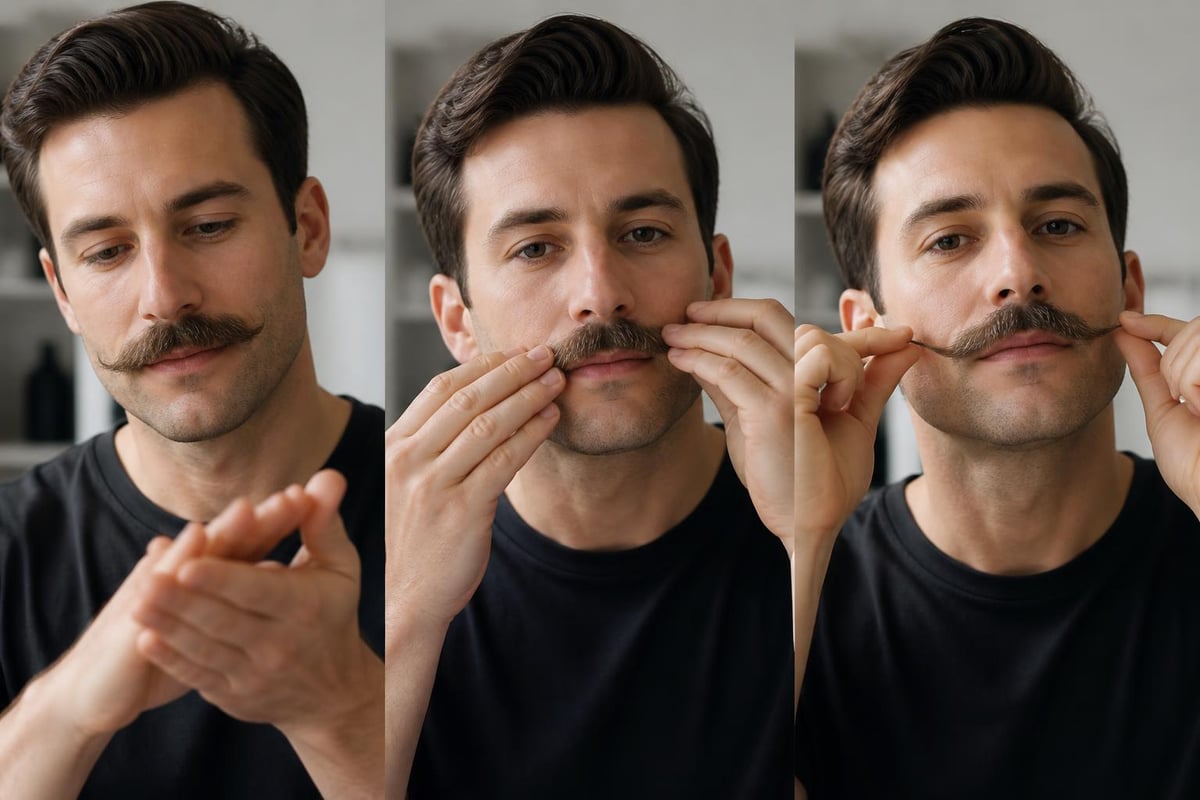
Natural mustache growth patterns vary significantly between individuals. Some men experience upward growth near the philtrum, whilst others face downward growth at the corners. Good mustache wax accommodates these variations through its workability period, the window between application and full hardening where repositioning remains possible.
Ingredient Safety and Skin Health Considerations
Your mustache grows from follicles embedded in sensitive facial skin. The ingredients you apply directly affect follicle health, sebum production, and potential inflammation responses.
Synthetic fragrances represent the primary irritant in commercial waxes. These compounds, often listed as "parfum" or "fragrance," can include dozens of individual chemicals. They serve no functional purpose beyond masking the natural scent of base ingredients. Good mustache wax uses essential oils for scent, providing antimicrobial benefits alongside pleasant aroma.
Petroleum-based ingredients like mineral oil create occlusive barriers that prevent natural oil flow from sebaceous glands. This blockage leads to folliculitis, ingrown hairs, and bacterial overgrowth. Natural ingredient formulations avoid these complications whilst delivering superior conditioning.
Comedogenicity Ratings Matter
Different oils and butters possess varying tendencies to clog pores, measured on a 0-5 comedogenic scale:
- Non-comedogenic (0-1): Argan oil, jojoba oil, shea butter
- Moderately comedogenic (2-3): Coconut oil, cocoa butter
- Highly comedogenic (4-5): Wheat germ oil, linseed oil
Men with acne-prone skin should prioritize formulations containing only non-comedogenic ingredients. The mustache area, particularly above the lip line, contains high concentrations of sebaceous glands susceptible to blockage.
Removal and Maintenance Protocols
Proper removal prevents buildup accumulation that leads to dull, brittle facial hair and follicle damage. Good mustache wax should remove completely without excessive effort or harsh detergents.
Standard water washing proves insufficient for wax removal. Beeswax's hydrophobic nature repels water molecules, leaving residue that accumulates over days. This buildup creates a barrier preventing natural oils from reaching hair shafts.
The most effective removal method employs oil-based cleansing. Apply jojoba or argan oil to dry mustache, massaging thoroughly for 60 seconds. The oil dissolves wax through similar polarity principles; like dissolves like in chemical terms. Follow with a dedicated beard shampoo formulated at pH 4.5-5.5 to match skin's natural acidity.
Weekly Deep Cleaning Protocol
Even with daily removal, monthly deep cleaning prevents long-term accumulation:
- Apply warm (not hot) compress for 2-3 minutes to soften residue
- Massage oil cleanser for minimum 90 seconds
- Use fine-toothed comb to distribute cleanser and remove loosened wax
- Rinse with lukewarm water
- Apply pH-balanced shampoo, lather thoroughly
- Condition with natural butter or oil
This process resets your mustache's condition, removing microscopic wax particles that standard cleaning misses. You'll notice improved texture and natural shine following proper deep cleaning.
Beard Growth Integration and Comprehensive Grooming
Your mustache doesn't exist in isolation. Comprehensive facial hair management requires coordinated products that support growth, health, and styling across your entire beard.
Many men focus exclusively on mustache styling whilst neglecting the broader beard ecosystem. This approach creates inconsistencies in texture, colour, and health between different facial hair regions. The solution involves integrated product systems that address follicle health, hair shaft conditioning, and styling needs simultaneously.
Supporting your mustache with scientifically-formulated growth products creates the foundation for effective styling. Biotin, saw palmetto extract, and caffeine compounds stimulate follicle activity, increasing hair diameter and density. When combined with good mustache wax for styling, you achieve both optimal growth and precise control.
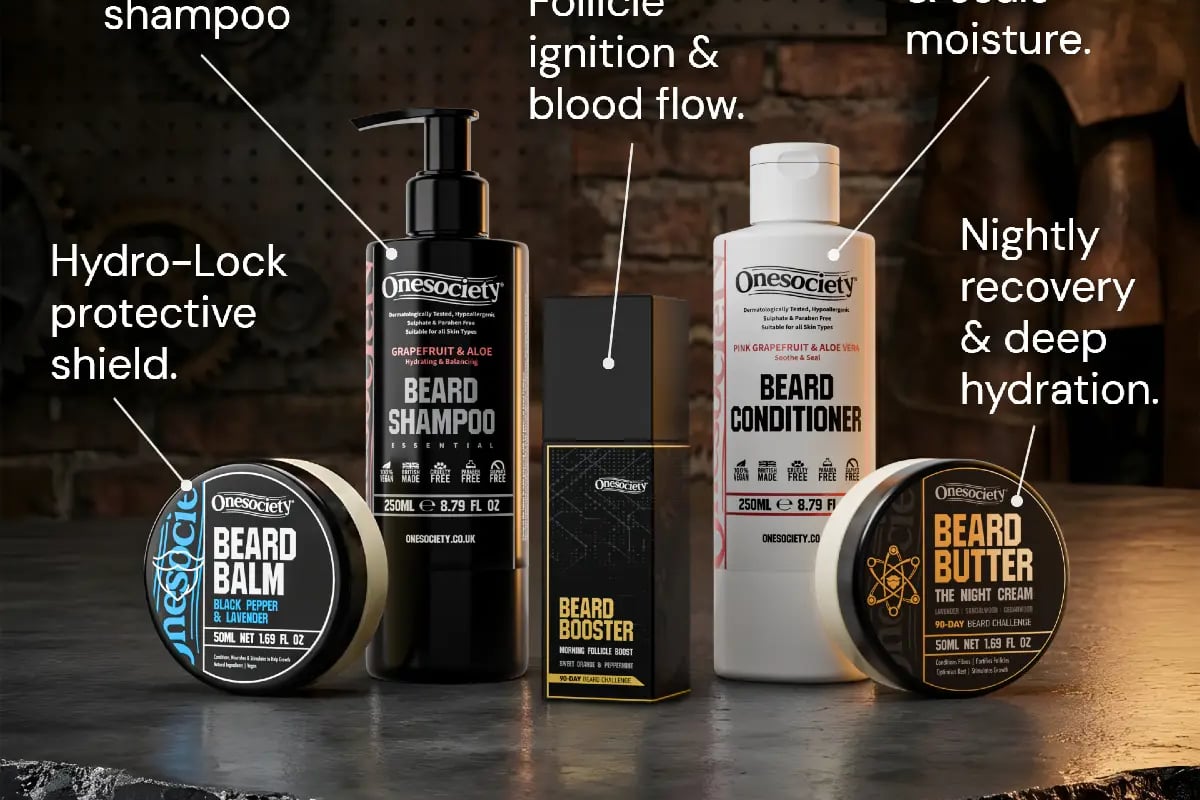
The 90-Day Beard Challenge provides a comprehensive system addressing this integration challenge. The kit combines follicle-stimulating formulas with conditioning balms and protective shields that work synergistically. Rather than treating your mustache as separate from your beard, this approach optimizes facial hair health holistically, creating the robust foundation necessary for advanced styling techniques.
Competition-Grade Formulations vs Daily Use Products
Professional mustache competitors require extreme hold that standard formulations cannot deliver. These specialized waxes incorporate additional hardening agents and reduced conditioning components.
Competition waxes often contain 80-90% combined wax content (beeswax, carnauba, candelilla), creating nearly rigid hold. Some formulations add pine rosin, a natural resin that increases tackiness and holding power. Whilst professional insights reveal these techniques, daily use of competition-grade products damages hair health.
The extreme rigidity prevents natural sebum distribution along hair shafts. Your sebaceous glands produce oils containing essential fatty acids and vitamins that maintain hair flexibility and lustre. When wax prevents this distribution for extended periods, hair becomes brittle and prone to breakage.
Balancing Style Demands with Hair Health
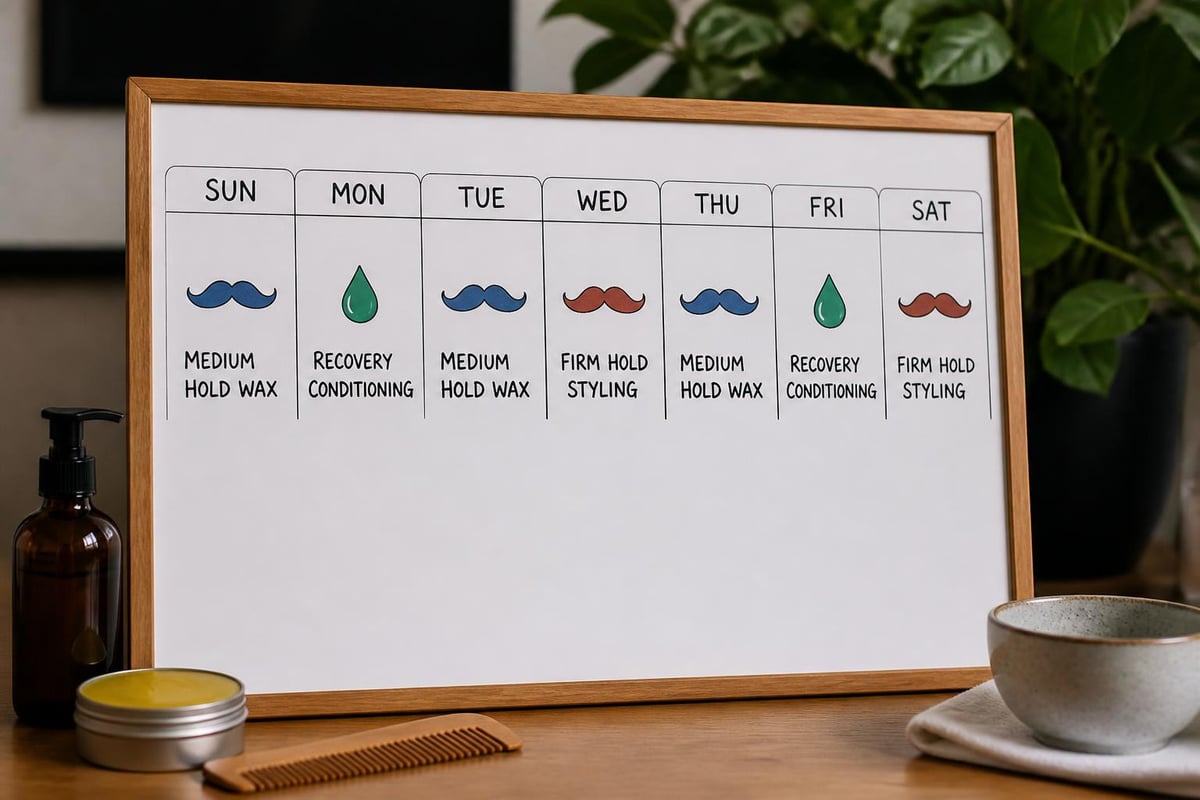
Smart rotation between product strengths preserves hair integrity whilst allowing occasional advanced styling:
- Daily wear: Medium hold with 15%+ conditioning oils
- Special occasions: Firm hold for 4-6 hour duration
- Competitions: Competition grade with next-day recovery treatment
Recovery treatments following firm hold use should include oil-based deep conditioning. Apply warmed argan or jojoba oil to mustache, wrap with warm towel for 10 minutes, then cleanse thoroughly. This process replenishes lipids stripped by wax exposure.
Scent Profiles and Essential Oil Benefits
Good mustache wax delivers functional benefits beyond hold. The proximity of your mustache to your nose makes scent selection particularly important for daily comfort.
Essential oils provide dual functionality: pleasant aroma and therapeutic benefits. Tea tree oil's terpinen-4-ol component demonstrates antimicrobial activity against Staphylococcus bacteria that cause folliculitis. Peppermint oil's menthol increases blood circulation to follicles whilst providing cooling sensation.
Sandalwood and cedarwood oils offer anti-inflammatory properties through sesquiterpene compounds. These molecules penetrate skin layers, reducing irritation from styling and environmental stressors. The warm, woody scents also complement masculine grooming routines without overwhelming cologne or aftershave.
Avoid waxes using synthetic fragrance oils. These compounds provide scent without therapeutic benefits whilst increasing allergic reaction risk. Premium formulations prioritize natural essential oils, accepting higher ingredient costs for superior safety and functionality.
Texture Customization Through Blending
Advanced users create custom formulations by blending different wax products. This technique allows precise control over hold strength, conditioning level, and scent profile.
Start with a base of medium-hold wax providing balanced properties. Add small amounts (10-15% by volume) of firm hold wax to increase structure without sacrificing all conditioning benefits. Conversely, blend in beard oil or butter to reduce hold whilst boosting moisture content.
The blending process requires thorough mixing to prevent separation. Warm both products slightly using hair dryer on low setting, then combine in a small container. Stir vigorously for 60-90 seconds until completely homogeneous. Allow the mixture to cool and solidify before use.
This customization proves particularly valuable when travelling between different climates. Your home formulation might perform perfectly in temperate conditions but fail in tropical humidity or winter cold. Adjusting the blend ratio adapts the product to environmental challenges.
Storage and Longevity Factors
Proper storage extends good mustache wax lifespan whilst maintaining ingredient potency. Natural formulations lack synthetic preservatives, making them vulnerable to degradation through oxidation and temperature fluctuation.
Store wax in cool, dark locations away from direct sunlight. UV radiation degrades essential oils and causes rancidity in natural butters. Temperature above 25°C can cause separation, where oils rise to the surface whilst waxes settle at the bottom.
Most quality waxes remain effective for 12-18 months when stored correctly. Signs of degradation include:
- Rancid odour indicating oxidized oils
- Grainy texture from wax crystallization
- Colour change, particularly darkening
- Reduced hold effectiveness despite proper application
Oxidation occurs when oxygen molecules interact with unsaturated fatty acids in natural oils. This process creates free radicals that damage both the product and potentially your skin. Vitamin E (tocopherol) serves as a natural antioxidant preservative, extending shelf life by neutralizing these reactions.
Price-Performance Analysis and Value Assessment
Cost varies dramatically across mustache wax products, from budget options under £5 to premium formulations exceeding £20. Understanding what drives these price differences helps identify genuine value versus marketing inflation.
Ingredient quality represents the primary cost variable. Cold-pressed oils retain more beneficial compounds than heat-extracted alternatives but cost significantly more to produce. Organic certification, whilst not always necessary for effectiveness, increases raw material expenses by 30-50%.
Container quality affects both product preservation and user experience. Tin containers with tight-sealing lids prevent oxidation better than plastic alternatives. Some premium brands use glass jars, though these offer minimal practical advantage beyond aesthetics.
| Price Range | Typical Ingredients | Expected Performance | Best Use Case |
|---|---|---|---|
| £5-8 | Synthetic fragrances, mineral oil | Basic hold, requires frequent reapplication | Beginners, experimental use |
| £10-15 | Natural waxes, some synthetic additives | Reliable hold, moderate conditioning | Daily wear, value-focused users |
| £16-25 | 100% natural, organic options available | Superior hold and conditioning | Serious enthusiasts, sensitive skin |
The middle price tier (£10-15) typically offers optimal value for most users. Products in this range contain quality natural ingredients without premium pricing for extensive certifications or luxury packaging.
Seasonal Formulation Adjustments
Your mustache's needs change throughout the year as environmental conditions fluctuate. Good mustache wax selection should adapt to these seasonal variations.
Winter air contains less moisture, leading to increased hair brittleness. Cold temperatures also make standard waxes harder to work with. Winter formulations should contain:
- Higher conditioning oil ratios (15-20% versus standard 10%)
- Softer waxes like beeswax rather than harder carnauba
- Hydrating ingredients like glycerin or honey extract
Summer heat causes standard waxes to soften excessively, reducing hold duration. Hot weather formulations require:
- Increased carnauba or candelilla wax content for heat resistance
- Reduced oil content to prevent greasiness
- Water-resistant ingredients to combat humidity and perspiration
Transitional seasons (spring and autumn) allow use of standard balanced formulations. These periods provide ideal conditions for trying new products, as moderate temperatures minimize performance variables.
Brand Authenticity and Ingredient Transparency
The grooming industry contains numerous companies making exaggerated claims about natural ingredients whilst including synthetic additives. Evaluating brand authenticity requires examining ingredient lists and company transparency.
Legitimate natural brands provide complete ingredient lists with INCI (International Nomenclature of Cosmetic Ingredients) names. Vague terms like "proprietary blend" or "natural fragrance" often disguise synthetic components. Companies committed to ingredient transparency publish detailed explanations of each component's function and source.
Third-party certifications validate natural claims. Soil Association Organic, COSMOS Natural, and similar certifications require rigorous ingredient verification and manufacturing process audits. Whilst not essential for product quality, these certifications provide assurance of authenticity.
Manufacturing location affects both quality control and ingredient sourcing. UK and EU manufacturers must comply with stricter cosmetic regulations than some other regions, providing additional safety assurance. However, quality products originate from numerous countries; focus on ingredient transparency rather than manufacturing location alone.
Good mustache wax combines scientific formulation with natural ingredients to deliver hold, conditioning, and skin health benefits simultaneously. Understanding the biological mechanisms behind wax effectiveness, selecting appropriate hold strength for your needs, and implementing proper application techniques transforms your grooming routine from basic to professional-grade. Whether you're cultivating your first mustache or perfecting competition-worthy styles, focusing on quality natural ingredients protects both your facial hair and the skin beneath it. Onesociety provides scientifically-backed grooming solutions using 100% natural ingredients, supporting your complete facial hair journey from growth stimulation through advanced styling with products designed for long-term hair health and satisfaction.