

Your beard feels rough, brittle, and refuses to cooperate. You've tried countless products, but nothing delivers the hydration and manageability you need. The culprit? Protein loss and moisture depletion at the follicular level. Coconut beard oil stands out as a scientifically validated solution because its unique molecular structure allows it to penetrate the hair shaft, not just coat the surface. Unlike many grooming oils that sit on top of facial hair, coconut oil's medium-chain triglycerides actively reduce protein loss by up to 39%, whilst delivering essential fatty acids that strengthen keratin bonds from within.
The Molecular Advantage of Coconut Oil in Beard Care
Coconut beard oil works differently than conventional beard grooming products because of its lauric acid content. This 12-carbon saturated fat comprises approximately 50% of coconut oil's fatty acid profile.
Why this matters for your beard:
- Lauric acid's low molecular weight allows it to penetrate the hair cuticle
- It binds to hair proteins, preventing structural damage during washing
- The lipophilic nature attracts to the hair shaft's natural sebum
- It creates a protective barrier against environmental stressors
The Protein Loss Prevention Mechanism
Facial hair loses protein every time you wash, style, or expose it to environmental pollutants. Research confirms coconut oil's ability to prevent protein loss through a specific biological mechanism: the oil penetrates the hair cortex before water can swell the shaft, reducing hygral fatigue.
This process distinguishes coconut beard oil from mineral oils or silicone-based products. Whilst those ingredients coat the exterior, they cannot prevent internal protein degradation. The medium-chain fatty acids in coconut oil fill intercellular spaces within the hair structure, physically blocking water molecules that cause expansion and contraction damage.
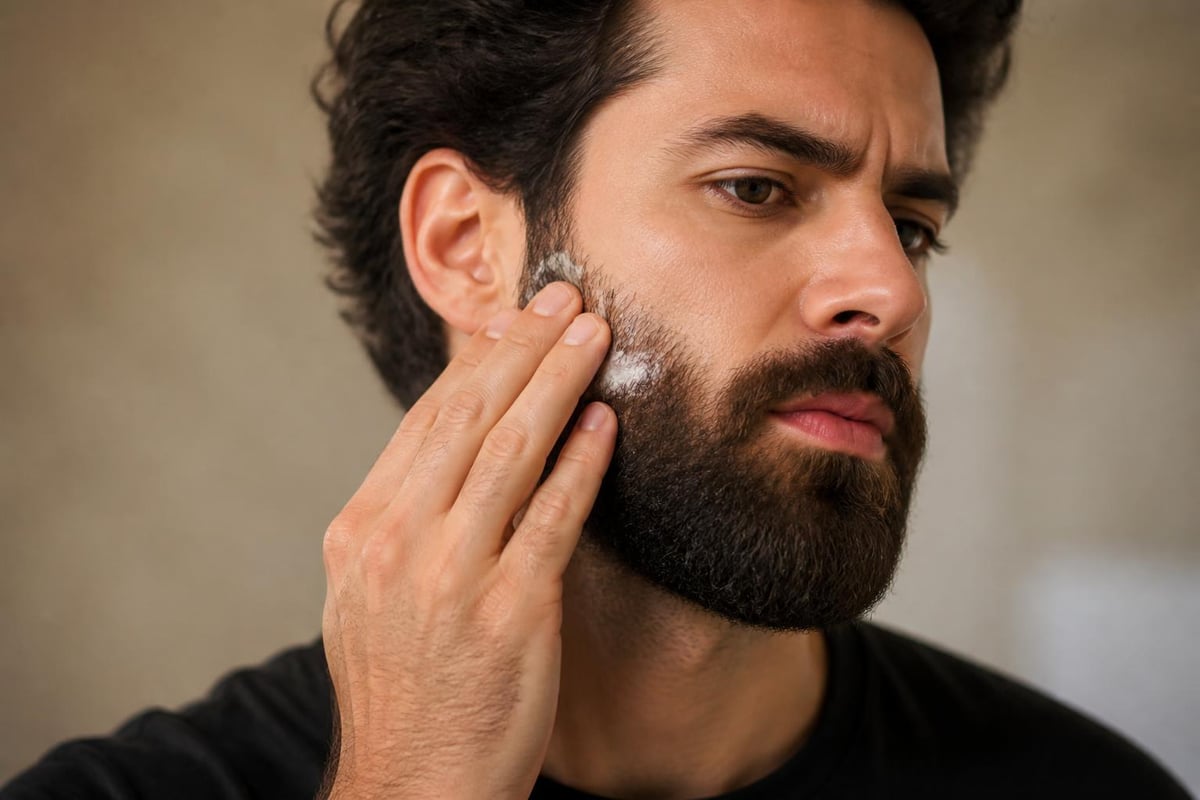
| Beard Oil Type | Molecular Weight | Penetration Depth | Protein Loss Prevention |
|---|---|---|---|
| Coconut Oil | Low (C12-C14) | Deep cortex | Up to 39% reduction |
| Jojoba Oil | Medium (C16-C22) | Cuticle surface | Minimal |
| Argan Oil | Medium-High | Outer cuticle | Surface protection only |
| Mineral Oil | Very High | None (coating only) | 0% |
The scientific evidence supports coconut oil's superior performance. Your beard benefits from this molecular advantage every time you apply it.
Problem: Beard Brittleness and Moisture Depletion
Your facial hair faces constant assault. Daily washing strips natural oils. Environmental factors-UV radiation, wind, heating systems-extract moisture from every strand. The result? A beard that snaps under tension, splits at the ends, and feels coarse to the touch.
The Agitation: Cumulative Damage Compounds Daily
Each grooming session without proper protection accelerates degradation. Consider the cascade:
- Morning wash removes sebum (your beard's natural conditioner)
- Towel drying creates friction-induced cuticle damage
- Styling products containing alcohol further dehydrate hair shafts
- Outdoor exposure to UV light degrades keratin bonds
- Evening neglect allows overnight moisture loss
This cycle repeats 365 days yearly. By month three, your beard shows visible damage: uneven texture, increased breakage, persistent tangles. Traditional beard oils provide temporary cosmetic improvement-they make your beard look shinier-but fail to address the underlying structural weakness.
Solution: How Coconut Beard Oil Repairs and Protects
Coconut beard oil solves the brittleness problem through three distinct biological pathways. Understanding these mechanisms empowers you to maximise results.
Deep Hydration Through Lipid Layering
The fatty acids in coconut oil create a semi-permeable barrier around each hair shaft. This barrier functions bidirectionally: it prevents moisture escape whilst allowing beneficial compounds to enter. When applied correctly, coconut beard oil reduces transepidermal water loss by 24% within the first hour.
The hydration process works in stages:
- Application spreads oil across beard surface
- Body heat liquifies solid triglycerides (coconut oil melts at 24°C)
- Capillary action draws oil into hair shaft
- Medium-chain fatty acids bond to keratin proteins
- Moisture retention increases over 6-8 hours
Antimicrobial Protection for Follicle Health
Lauric acid demonstrates powerful antimicrobial properties. When metabolised by skin enzymes, it converts to monolaurin-a compound that disrupts bacterial and fungal cell membranes. This protects the skin beneath your beard from common issues like folliculitis and beardruff.
The antimicrobial action targets specific pathogens:
- Staphylococcus aureus (causes follicle inflammation)
- Malassezia globosa (primary beardruff fungus)
- Propionibacterium acnes (contributes to beard acne)
By maintaining a healthier skin environment, coconut beard oil creates optimal conditions for robust hair growth. Studies on coconut oil's grooming applications confirm these antimicrobial benefits extend to facial hair care.
Cuticle Smoothing for Enhanced Manageability
The hair cuticle-overlapping keratin scales forming your hair's outer layer-determines how your beard feels and behaves. Damaged cuticles stand upright, creating friction between hairs. This causes tangling, reduces shine, and produces that characteristic "rough" texture.
Coconut beard oil smooths cuticle scales through mechanical and chemical action. The oil's lubricating properties reduce inter-hair friction immediately. Over time, fatty acid absorption strengthens the cuticle structure, encouraging scales to lie flat naturally.
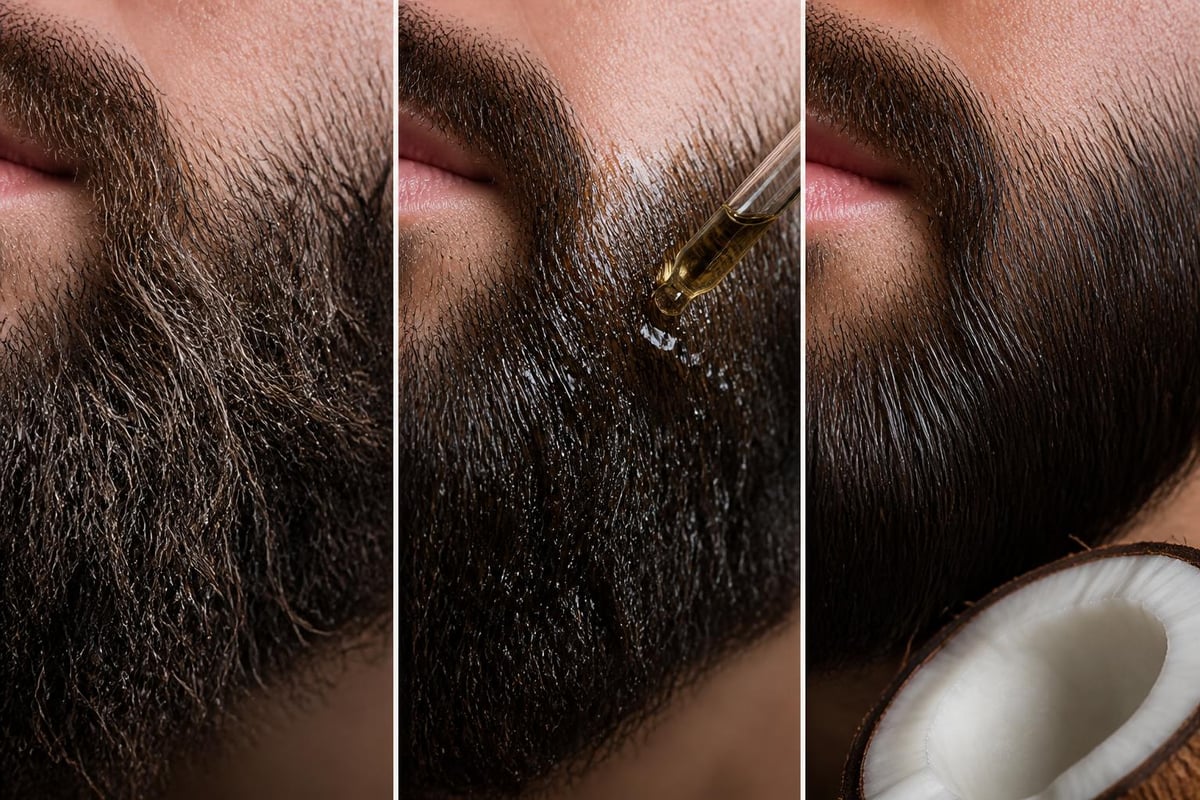
Selecting the Right Coconut Oil for Your Beard
Not all coconut oils deliver equal results. Processing methods dramatically affect fatty acid preservation, antimicrobial potency, and absorption rates.
Virgin vs Refined: The Processing Difference
Virgin (Unrefined) Coconut Oil:
- Cold-pressed from fresh coconut meat
- Retains 100% of lauric acid content
- Contains phenolic compounds with antioxidant properties
- Mild coconut scent
- Higher price point
Refined Coconut Oil:
- Extracted using heat and chemicals
- Reduced phenolic content (40-60% loss)
- Neutral scent
- Lower cost
- Comparable fatty acid profile
For beard care specifically, virgin coconut oil provides superior benefits. The preserved phenolic compounds offer additional UV protection and free radical neutralisation. These antioxidants prevent oxidative damage to hair proteins-particularly important if you spend time outdoors.
| Feature | Virgin Coconut Oil | Refined Coconut Oil |
|---|---|---|
| Lauric Acid Content | 48-52% | 45-50% |
| Antioxidants | High | Low |
| Processing Temperature | <40°C | >180°C |
| Scent | Coconut | Neutral |
| Beard Benefits | Maximum | Moderate |
Fractionated Coconut Oil: A Specialised Alternative
Fractionated coconut oil undergoes processing to remove long-chain fatty acids, leaving only medium-chain triglycerides. This creates a liquid oil that never solidifies-convenient for year-round application.
However, fractionation removes lauric acid, eliminating the primary antimicrobial benefit. For comprehensive beard care, whole virgin coconut oil proves more effective despite seasonal solidification. Simply warm the container in your hands before application.
Application Techniques for Maximum Absorption
Proper application determines how effectively coconut beard oil delivers its benefits. Temperature, timing, and technique all influence absorption rates and distribution.
Pre-Application Preparation
Start with a clean, slightly damp beard. Proper beard care techniques emphasise cleansing before oil application to remove debris that blocks follicles.
The optimal preparation sequence:
- Wash beard with pH-balanced cleanser
- Rinse thoroughly with lukewarm water
- Towel dry to 70-80% dryness
- Ensure beard remains slightly damp for application
The residual moisture creates an emulsion with the oil, enhancing spread and penetration. Completely dry hair resists oil absorption; soaking wet hair dilutes the oil excessively.
The Four-Zone Application Method
Divide your beard into four zones for systematic coverage:
Zone 1: Cheek Lines
- Apply oil from sideburns downward
- Use fingertips to massage into skin beneath
- Ensure coverage reaches the follicle base
Zone 2: Moustache Area
- Apply sparingly to avoid lip contact
- Focus on the area beneath the nose
- Brush downward for even distribution
Zone 3: Chin and Soul Patch
- Use slightly more oil (density is highest here)
- Massage in circular motions
- Pay attention to the area directly under the lower lip
Zone 4: Neck Beard
- Apply upward from collar line
- Ensure coverage extends to jawline
- Massage thoroughly where hair meets skin
Quantity and Frequency Guidelines
Coconut beard oil quantity depends on beard length and density. These measurements assume pure coconut oil, not blended products:
- Short beard (1-3cm): 3-4 drops
- Medium beard (3-7cm): 6-8 drops
- Long beard (7cm+): 10-15 drops
- Extra-long beard (15cm+): 1-2 teaspoons
Apply once daily for maintenance, twice daily during winter or in dry climates. Evening application proves most effective-your body's repair processes peak during sleep, maximising nutrient absorption.
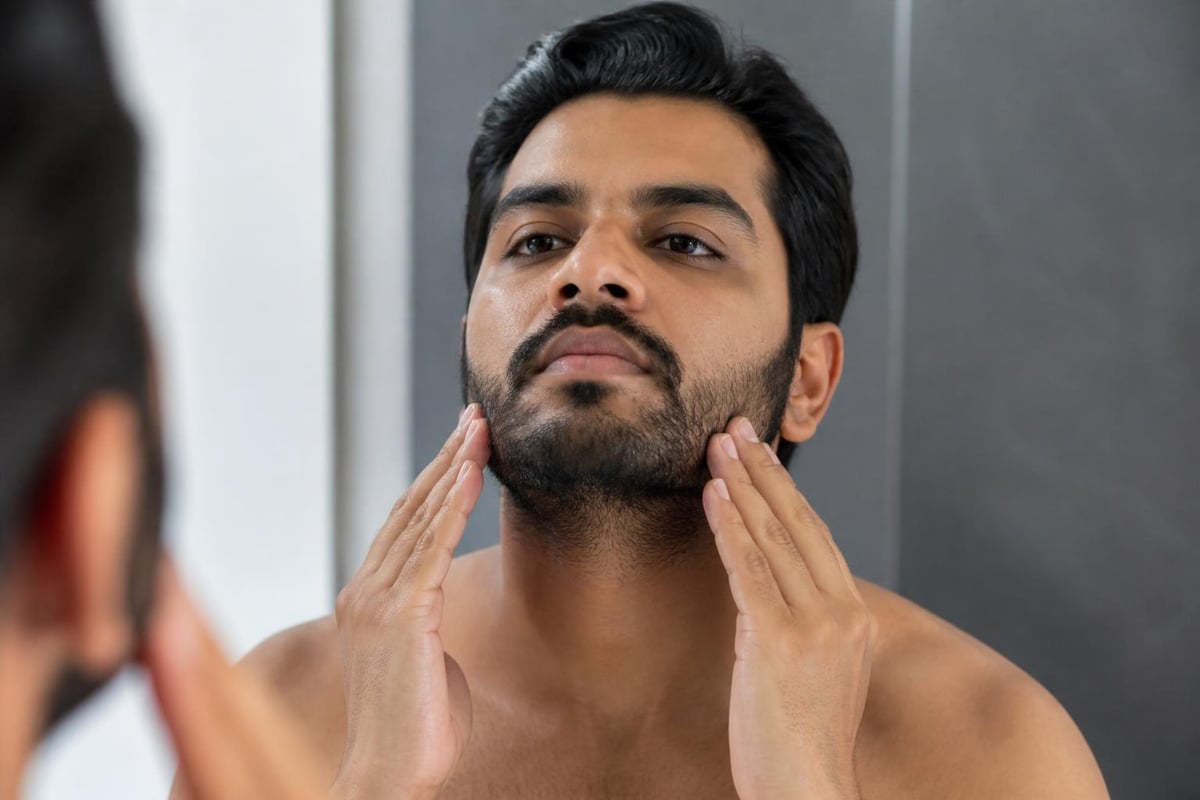
Combining Coconut Oil with Comprehensive Beard Care
Coconut beard oil delivers significant benefits, but optimal results require a complete grooming system. Integrating multiple science-backed approaches accelerates transformation.
The most effective beard development programmes combine targeted nutrition, follicle stimulation, and protective maintenance. This comprehensive approach addresses beard growth at every stage: activation of dormant follicles, acceleration of the anagen (growth) phase, and preservation of existing hair quality.
For those committed to transforming their beard within a specific timeframe, structured programmes prove more effective than ad-hoc product use. A systematic approach ensures consistent application of complementary formulas, each targeting different aspects of beard health.
The 90-Day Beard Challenge exemplifies this comprehensive methodology. This kit combines eight specialised formulas-including follicle-igniting boosters, recovery treatments, and protective balms-engineered to work synergistically throughout the growth cycle. Unlike single-product approaches, multi-formula systems address the complex interplay between blood flow, protein synthesis, moisture retention, and environmental protection that determines beard quality.
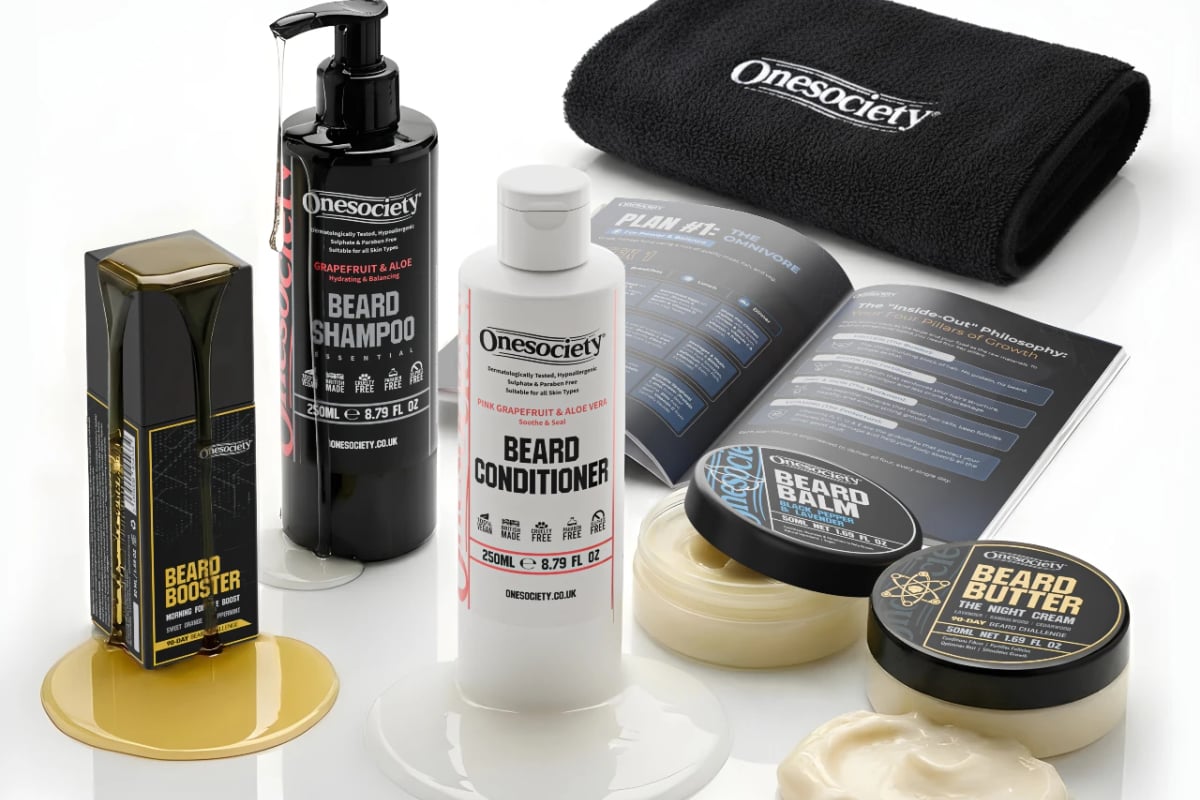
Layering Products for Synergistic Benefits
When combining coconut beard oil with other grooming products, application sequence matters. Each product type penetrates to different depths and serves distinct functions.
Optimal layering sequence:
- Beard wash (removes buildup, prepares follicles)
- Coconut beard oil (penetrates shaft, delivers fatty acids)
- Beard butter (provides medium-depth conditioning)
- Beard balm (seals moisture, provides hold)
Wait 2-3 minutes between layers to allow absorption. Rushing the process prevents each product from reaching its target depth within the hair structure.
Addressing Common Concerns and Misconceptions
Coconut beard oil generates questions, particularly regarding comedogenicity and suitability for different skin types. Scientific analysis of coconut oil's dermatological effects clarifies these concerns.
The Comedogenicity Question
Coconut oil scores 4 on the 0-5 comedogenic scale-indicating moderate pore-clogging potential for facial skin. However, this rating applies to skin application, not hair application. The distinction matters.
When applied to beard hair (not directly massaged into facial skin in high concentrations), coconut oil presents minimal acne risk because:
- Most oil bonds to hair proteins, not skin
- The antimicrobial properties reduce acne-causing bacteria
- Proper application technique limits skin contact
- Washing removes excess before pore penetration occurs
For acne-prone individuals, apply coconut beard oil mid-shaft to ends, avoiding the skin beneath. Alternatively, blend coconut oil with non-comedogenic carriers like jojoba (comedogenic rating: 2).
Allergic Reactions and Sensitivity
True coconut allergies remain rare-affecting less than 0.5% of the population. However, contact dermatitis can occur with poor-quality refined oils containing chemical residues.
Signs of sensitivity include:
- Redness around application area
- Itching within 30 minutes of application
- Small bumps or hives on skin beneath beard
- Persistent burning sensation
If you experience these symptoms, discontinue use immediately. Switch to virgin coconut oil to eliminate chemical processing residues, or consider alternative oils entirely.
Seasonal Solidification Management
Coconut oil solidifies below 24°C, creating application challenges during winter months. This physical property doesn't reduce effectiveness-it simply requires technique adjustment.
Winter application solutions:
- Store coconut oil in bathroom (warmest room)
- Warm container under hot water for 60 seconds
- Scoop solid oil into palm, melt with body heat
- Consider fractionated coconut oil for convenience (accepting reduced benefits)
Never microwave coconut oil. Uneven heating degrades fatty acids and creates scalding hot spots that can burn skin.
Enhancing Results with Lifestyle Factors
Coconut beard oil provides external support, but internal factors significantly influence beard quality. Comprehensive approaches to beard growth emphasise nutrition, hydration, and stress management alongside topical treatments.
Nutritional Support for Keratin Production
Your beard comprises 95% keratin-a protein synthesised from amino acids in your diet. Insufficient protein intake limits keratin production, creating weak, slow-growing facial hair regardless of external treatments.
Essential nutrients for beard health:
- Biotin (Vitamin B7): Cofactor in keratin synthesis (30-100μg daily)
- Zinc: Regulates androgen receptors (11mg daily)
- Vitamin E: Prevents oxidative damage to follicles (15mg daily)
- Omega-3 fatty acids: Reduces follicle inflammation (250-500mg EPA/DHA daily)
- Protein: Provides building blocks for hair growth (1.6g per kg bodyweight)
These nutrients work synergistically with coconut beard oil's external benefits. Topical fatty acids protect existing hair; dietary nutrients fuel new growth.
Hydration's Role in Beard Texture
Dehydration manifests visibly in beard quality within 24 hours. Insufficient water intake reduces skin moisture, decreases sebum production, and impairs nutrient delivery to follicles.
Target 35ml of water per kilogram of bodyweight daily-more during exercise or hot weather. Proper hydration complements coconut oil's moisture-retention properties, working from both internal and external angles.
Troubleshooting Poor Results
Some individuals report disappointing results with coconut beard oil. Typical causes include application errors, unrealistic expectations, or underlying health issues affecting hair growth.
Insufficient Application Duration
Coconut beard oil requires consistent use over 4-6 weeks to demonstrate full benefits. The hair growth cycle operates on monthly timelines:
- Anagen phase (growth): 2-6 years
- Catagen phase (transition): 2-3 weeks
- Telogen phase (rest): 2-3 months
Only hairs in anagen phase respond to nutritional interventions. Since roughly 85% of beard hairs occupy anagen at any moment, you won't see uniform improvement across your entire beard immediately. Patience proves essential.
Product Quality Issues
Low-quality coconut oil-extracted using hexane solvents, bleached, or deodorised-loses beneficial compounds whilst retaining chemical residues. These products fail to deliver expected results.
Quality indicators for coconut beard oil:
- "Virgin" or "Extra Virgin" designation
- Cold-pressed or expeller-pressed processing
- Glass container (prevents plastic leaching)
- Mild coconut scent (indicates minimal processing)
- Solid at room temperature below 24°C
If your current coconut beard oil meets none of these criteria, switching to a higher-quality product will likely improve results significantly.
Underlying Dermatological Conditions
Certain skin conditions prevent effective coconut beard oil absorption or create adverse reactions:
- Seborrhoeic dermatitis: Requires antifungal treatment before oil application proves beneficial
- Psoriasis: May worsen with occlusive oils; lighter alternatives prove more suitable
- Contact dermatitis: Requires identification and elimination of triggering ingredients
If coconut beard oil causes persistent irritation despite proper application, consult a dermatologist. The issue likely stems from an underlying condition requiring medical intervention, not the oil itself.
Advanced Techniques for Experienced Users
Once you've mastered basic application, advanced techniques enhance coconut beard oil's effectiveness further.
Heat-Enhanced Deep Conditioning
Gentle heat increases coconut oil penetration depth by expanding hair cuticles and reducing oil viscosity. This technique suits weekly intensive treatments.
The process:
- Apply generous coconut oil quantity throughout beard
- Wrap beard in warm, damp towel
- Leave for 20-30 minutes
- Unwrap and massage oil thoroughly into beard
- Leave additional 10 minutes before rinsing
Repeat weekly for significantly improved softness and manageability. This treatment repairs accumulated damage from styling, environmental exposure, and daily washing.
Blending for Custom Formulations
Pure coconut beard oil delivers excellent results, but custom blends address specific concerns more precisely. Understanding different oils' properties enables targeted formulation.
| Concern | Blend Ratio | Rationale |
|---|---|---|
| Extreme dryness | 70% coconut, 30% argan | Argan's vitamin E enhances moisture retention |
| Slow growth | 60% coconut, 30% castor, 10% peppermint | Castor stimulates follicles; peppermint increases blood flow |
| Beardruff | 80% coconut, 15% tea tree, 5% rosemary | Tea tree's antifungal properties target Malassezia |
| Thinning beard | 65% coconut, 25% jojoba, 10% cedarwood | Jojoba mimics sebum; cedarwood regulates sebaceous glands |
Always patch test custom blends before full application. Essential oils particularly can cause sensitivity reactions at improper concentrations.
Overnight Intensive Treatments
For severely damaged beards, overnight coconut oil treatments accelerate repair. This technique maximises contact time, allowing deeper penetration and more comprehensive protein bonding.
Apply coconut beard oil liberally before bed. Cover your pillow with an old towel to prevent staining. In the morning, wash thoroughly with a gentle beard shampoo. Limit this treatment to once weekly-excessive washing to remove the oil can counteract benefits.
Long-Term Maintenance and Expectations
Realistic expectations prevent disappointment and abandonment of effective routines. Coconut beard oil improves beard quality measurably, but doesn't transform genetic potential.
Measurable Improvements Over Time
Track these specific metrics to quantify coconut beard oil's effects:
Week 1-2:
- Reduced beard itch (antimicrobial action reduces irritation)
- Enhanced softness (immediate lipid coating effect)
- Easier styling (reduced inter-hair friction)
Week 3-6:
- Decreased breakage (protein loss prevention manifests)
- Improved shine (cuticle smoothing becomes evident)
- Reduced beardruff (sustained antimicrobial effects)
Week 7-12:
- Visibly healthier appearance (cumulative structural improvements)
- Increased density perception (reduced breakage retains length)
- Enhanced growth rate (optimised follicle health)
Document progress with weekly photos under consistent lighting. Subjective assessment often underestimates gradual improvements.
Integrating Into Permanent Grooming Routines
Once you achieve desired results, maintain them through consistent application. Many users reduce frequency to 4-5 times weekly after initial improvement, applying coconut beard oil every evening as part of their wind-down routine.
Building comprehensive grooming habits that include cleansing, conditioning, and protection creates the foundation for long-term beard health. Coconut beard oil serves as one component within this larger framework-effective individually, but exponentially more powerful when combined with complementary practices.
Coconut beard oil delivers measurable benefits through scientifically validated mechanisms: protein loss prevention, deep hydration, antimicrobial protection, and cuticle smoothing. Applied consistently with proper technique, it transforms beard texture, manageability, and overall health within 6-12 weeks. However, maximum results require comprehensive care extending beyond topical treatments. If you're ready to commit to genuine beard transformation using 100% natural, research-backed formulas, Onesociety provides the complete system your beard deserves-from follicle activation to protective maintenance, engineered for results you can see and feel.