

Your beard feels like steel wool instead of silk. You scratch constantly. Flakes dust your shoulders. Your partner avoids your face. This isn't just embarrassing-it signals underlying follicle damage and dehydration at the cellular level. Traditional rinse-out conditioners provide temporary relief, but leave in beard conditioner delivers sustained hydration that restructures the hair shaft from within. The difference between a patchy, irritated beard and a full, healthy one often comes down to this single product decision.
The Biological Problem: Why Your Beard Fights You
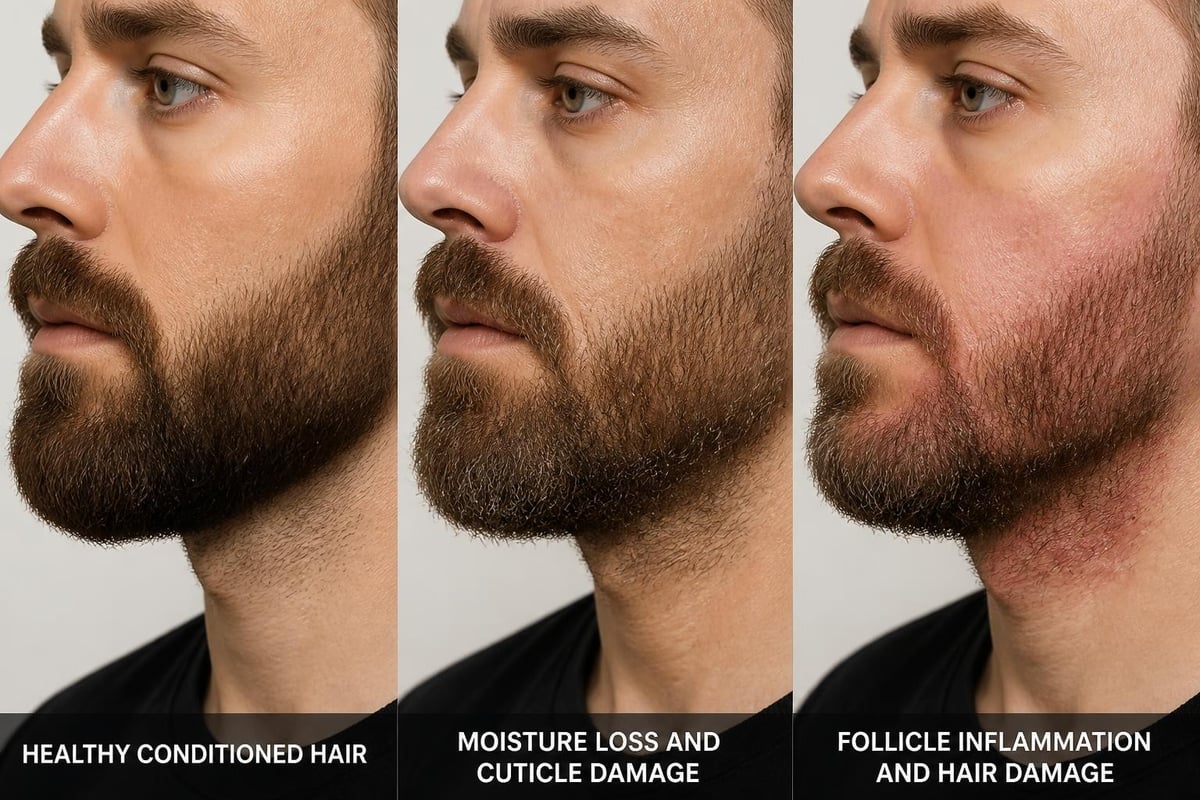
Facial hair differs fundamentally from scalp hair. Beard follicles produce sebum at different rates, and the hair shaft itself has a flatter, more irregular cuticle structure. This creates three distinct problems that standard grooming products fail to address.
Moisture evaporation accelerates through beard hair because the cuticle gaps allow water molecules to escape 40% faster than scalp hair. Environmental factors compound this-wind, heating systems, and air conditioning strip whatever moisture remains. The result? Hair shafts shrink, become brittle, and crack along the cuticle.
The Inflammation Cycle
Dry beard hair creates friction against skin. This mechanical irritation triggers inflammatory responses:
- Histamine release in the dermal layer
- Increased mast cell activity
- Compromised skin barrier function
- Bacterial overgrowth in follicles
Your skin fights back by producing excess sebum, which then oxidizes and hardens. This creates the perfect environment for beardruff-those humiliating white flakes that announce your grooming failure to everyone you meet.
How Leave In Beard Conditioner Restructures Hair
A quality leave in beard conditioner works through three distinct mechanisms, each targeting specific structural weaknesses in facial hair.
Cationic surfactants bind to negatively charged damaged sites along the hair shaft. Products like Scotch Porter's Restorative Leave-In Conditioner use quaternary ammonium compounds that electrostatically attach to broken cuticle scales, creating a temporary repair matrix.
The Penetration vs. Coating Debate
Not all conditioning agents work identically. Understanding the difference transforms your results:
| Agent Type | Molecular Weight | Function | Duration |
|---|---|---|---|
| Humectants | Low (50-200) | Draw water into shaft | 4-6 hours |
| Emollients | Medium (200-500) | Smooth cuticle surface | 8-12 hours |
| Occlusives | High (500+) | Seal moisture barrier | 24+ hours |
The most effective formulations combine all three. Handmade La Conner's Leave-In Beard Conditioner demonstrates this approach with avocado oil (emollient), glycerin (humectant), and shea butter (occlusive) working synergistically.
Protein Reconstruction Science
Hydrolyzed proteins-keratin, wheat, silk-have molecular weights small enough to penetrate the cortex layer. Once inside, they form hydrogen bonds with existing keratin structures. This literally rebuilds damaged protein chains that heat styling, UV exposure, and chemical treatments have degraded.
Mixture's formulation includes hydrolyzed keratin and bamboo extract, which provides silica for additional structural reinforcement. The silica cross-links with keratin, creating a more resilient matrix that resists future damage.
Application Technique: Maximizing Absorption
You can own premium products and still see rubbish results if your application method sabotages absorption. The beard's unique texture demands specific techniques that differ from scalp hair conditioning.
Start with damp, not soaking, hair. Towel-dry until no water drips-approximately 70% dry. Water-saturated hair cannot accept conditioning agents because the hydrogen bonding sites are already occupied. This is why many users report poor results despite using quality products.
The Three-Zone Application Method
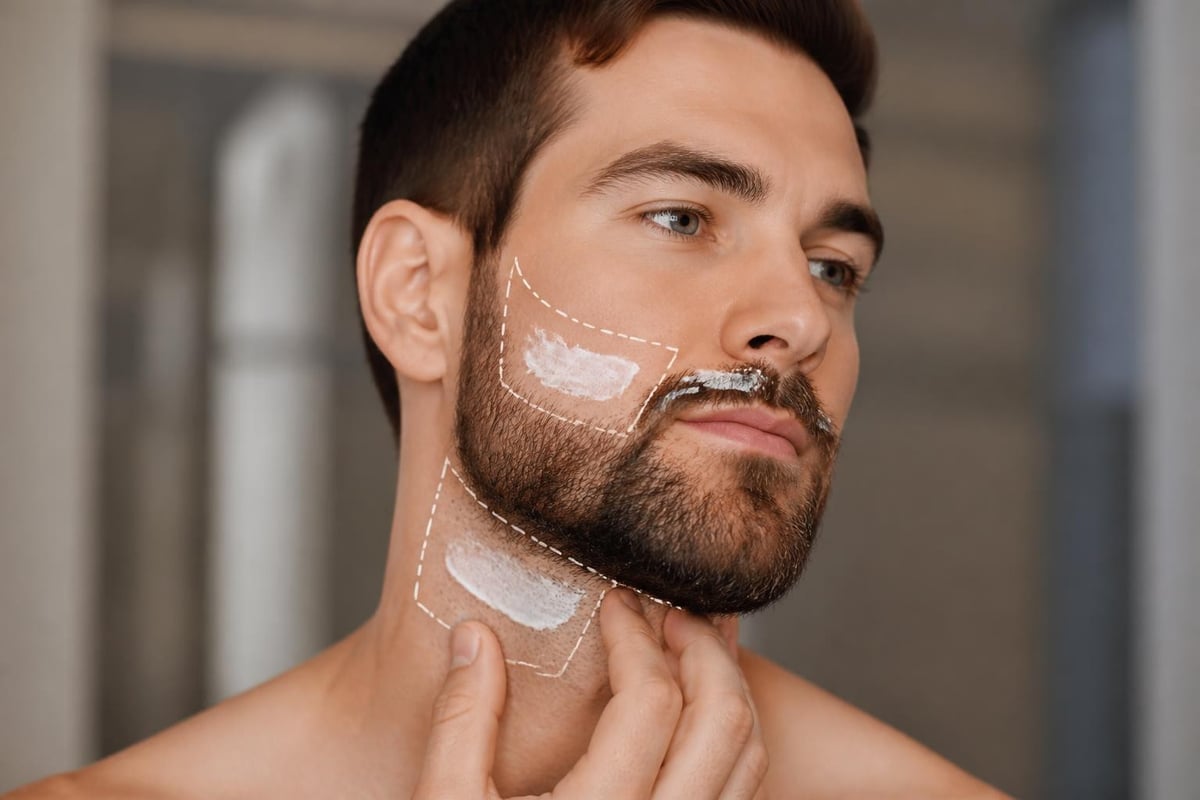
Your beard has varying porosity across different regions:
- Moustache zone: Highest oil exposure from eating, requires minimal product
- Cheek zones: Most wind exposure, needs maximum protection
- Neck zone: Highest friction from clothing, benefits from heavier application
Dispense product into palms-start with half the recommended amount. Rub hands together to warm the formula, which reduces viscosity and improves spread. Work from neck upward, against growth direction first, then with growth direction to seal cuticles.
Frequency Calculation
Your leave in beard conditioner frequency depends on environmental exposure and natural sebum production:
- High humidity climates: 3-4 times weekly
- Dry/cold climates: Daily application
- After swimming/heavy exercise: Immediate reapplication
- Before bed: Lighter application for overnight repair
Products like Elite Grooming's Leave-In Conditioner specify different usage rates based on these variables. Ignore generic "daily use" recommendations-customize to your biology.
Ingredient Intelligence: What Actually Works
Marketing claims mean nothing without understanding active ingredient concentrations and delivery systems. The beard care industry exploits consumer ignorance-don't be one of the exploited.
Fatty Acid Profiles
Conditioning oils provide different fatty acid ratios that affect penetration and protection:
Saturated fats (lauric, myristic, palmitic) provide occlusivity but limited penetration. Coconut oil derivatives dominate budget formulations because they're cheap, not because they're optimal.
Monounsaturated fats (oleic acid) penetrate the hair shaft while providing moderate surface protection. Argan and jojoba oils balance both functions effectively.
Polyunsaturated fats (linoleic, linolenic) penetrate deeply but offer minimal surface protection. These require complementary occlusives to prevent evaporation.
Du Magic's formulation combines aloe vera juice (penetrating humectant) with shea butter (occlusive), demonstrating this balanced approach.
The Fragrance Problem
Synthetic fragrances contain phthalates that disrupt hormone signaling. Studies show direct correlation between phthalate exposure and reduced testosterone production-exactly what beard growth requires. Million Marker's analysis of various products reveals significant safety rating differences based on fragrance choices.
Essential oils provide scent without endocrine disruption, but concentration matters. Above 2%, certain essential oils (tea tree, lavender) can irritate sensitive facial skin. The sweet spot sits between 0.5-1.5% for most users.
Comparing Delivery Systems
Leave in beard conditioner comes in multiple formats, each with distinct advantages for specific beard types and lifestyles.
Format Performance Matrix
| Format | Absorption Speed | Beard Length | Portability | Control |
|---|---|---|---|---|
| Cream | Moderate | All lengths | Poor | Excellent |
| Spray | Fast | Short-medium | Excellent | Poor |
| Oil-based | Slow | Long | Moderate | Good |
| Serum | Very fast | Short | Good | Moderate |
Scotch Porter's spray formula excels for quick application on shorter beards but provides less intensive conditioning than cream formulations. The trade-off between convenience and efficacy becomes personal preference.
Pump vs. Spray vs. Dropper
Delivery mechanism affects product waste and application precision. Pumps dispense consistent amounts but expose product to air oxidation. Sprays provide even distribution but you sacrifice dosage control-easy to over-apply and waste product.
Droppers offer maximum precision for targeted application on problem areas like the moustache or patchy zones. However, they require more time and technique development.
Building Your Complete Beard Protocol
Leave in beard conditioner doesn't exist in isolation. It functions as part of an integrated grooming system that addresses follicle health, skin condition, and hair structure simultaneously.
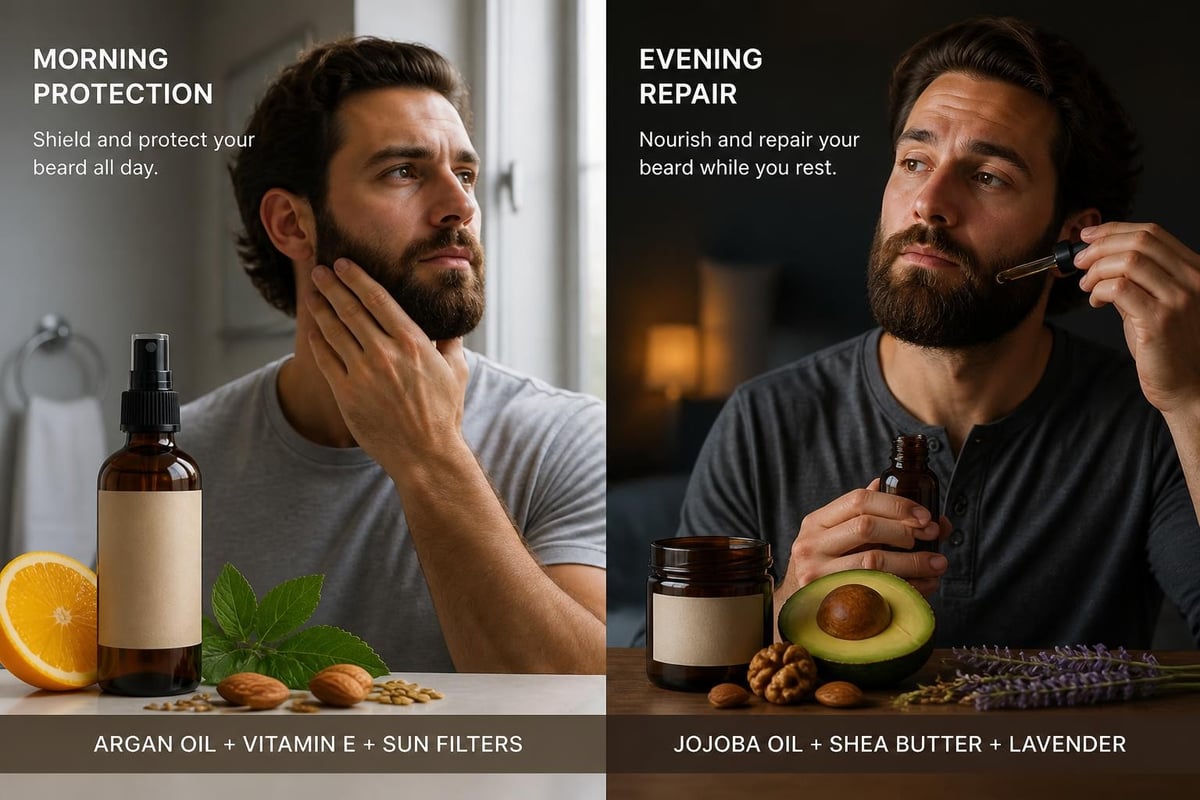
Your beard responds to systematic care that follows biological rhythms. Morning application prepares hair for environmental stress. Evening application supports repair during the natural growth phase that peaks between 10 PM and 2 AM.
The science behind comprehensive beard care reveals that single-product approaches fail because they ignore the interconnected nature of follicle biology, sebum production, and cellular turnover. You need complementary products that work synergistically, not competitively.
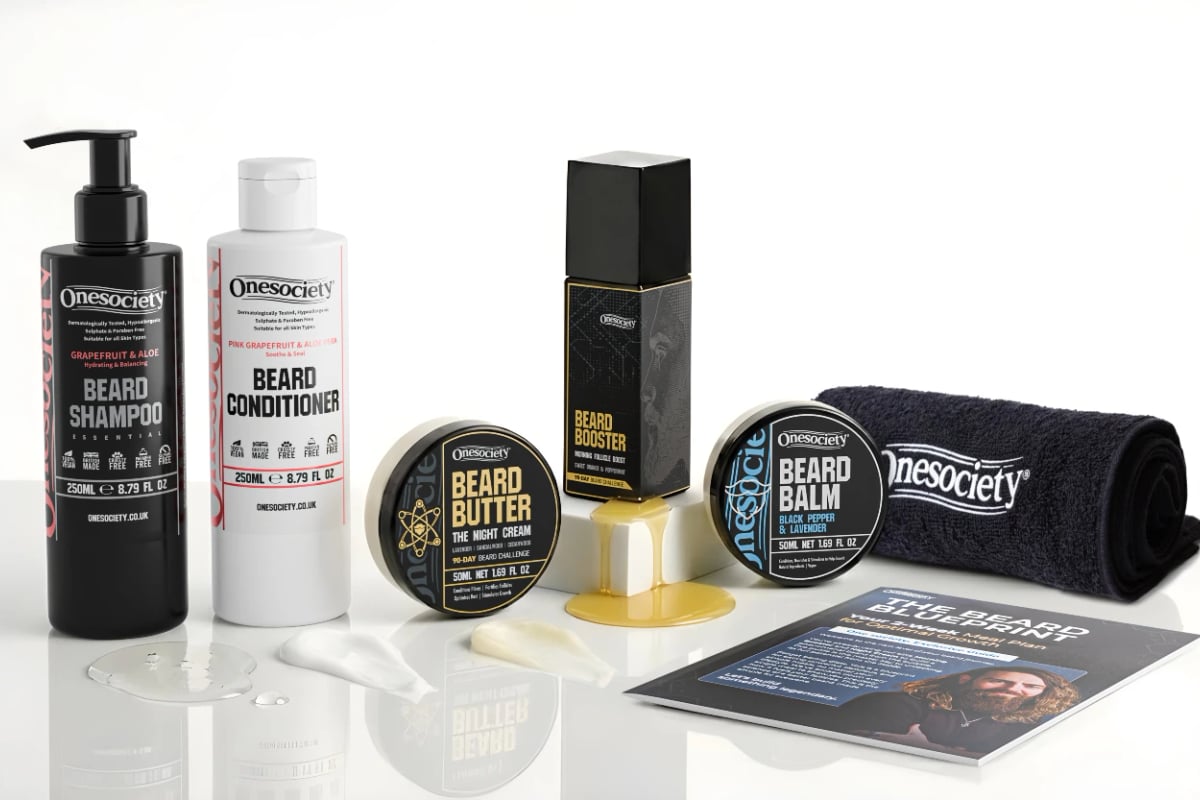
For those serious about transformation, consider a structured approach that provides all necessary formulations in proper ratios. The 90-Day Beard Challenge eliminates guesswork by combining follicle stimulation, deep conditioning, protective balms, and pH-balanced cleansing into one complete system. This approach ensures each product enhances the others' effectiveness rather than working against them.
Morning vs. Evening Formulations
Your beard's needs shift throughout the 24-hour cycle:
Morning priorities: UV protection, humidity resistance, style hold Evening priorities: Deep penetration, protein reconstruction, inflammation reduction
Billy Jealousy's formulation addresses daytime needs with lighter molecular weight compounds, while nighttime conditioning benefits from heavier, more occlusive agents that have 8+ hours to penetrate without environmental interference.
Troubleshooting Common Failures
Even quality leave in beard conditioner produces disappointing results when application errors or incompatible product combinations sabotage effectiveness.
The Greasiness Trap
Excess shine and heavy texture indicate over-application or poor ingredient compatibility with your sebum chemistry. Your sebaceous glands produce sebum with specific triglyceride ratios-introducing incompatible oils creates emulsion breakdown.
Solution: Reduce application amount by 50% for one week. If greasiness persists, switch to water-based formulations like Wholesale Natural Body Care's unscented option that use glycerin and aloe as primary conditioning agents instead of oils.
White Residue Formation
Flaking after application signals improper emulsification or incompatible product layering. This typically occurs when:
- Silicones contact protein-heavy formulations
- Water-based products layer over oil-based styling products
- Minerals in hard water react with conditioning agents
Prevention requires application order awareness. Always apply leave in beard conditioner before any styling products. If you have hard water, rinse with distilled water after cleansing, before conditioning.
Persistent Itching Despite Conditioning
Continued irritation after starting leave in beard conditioner use indicates either allergic reaction or underlying fungal issues that conditioning alone cannot resolve. The most common culprits include:
- Sensitivity to coconut-derived ingredients
- Malassezia yeast overgrowth (requires antifungal treatment)
- Contact dermatitis from fragrance compounds
Eliminate fragranced products first. If itching persists beyond two weeks, consult a dermatologist-you may need topical antifungal treatment before conditioning products can work effectively.
The Natural Ingredients Advantage
Synthetic conditioning agents provide immediate cosmetic improvement but often compromise long-term follicle health. Natural alternatives work slower but support sustainable beard development through mechanisms that align with your body's existing biology.
Jojoba oil's molecular structure mirrors human sebum so closely that sebaceous glands register its presence and reduce natural oil production. This prevents the overproduction-then-crash cycle that creates inconsistent beard texture.
Penetrating vs. Coating Oils
Understanding oil molecular size determines which ingredients actually condition versus those that merely coat:
Penetrating oils (molecular weight under 400):
- Argan oil
- Rosehip seed oil
- Grapeseed oil
Coating oils (molecular weight over 400):
- Castor oil
- Shea butter
- Cocoa butter
The most effective formulations combine both categories. Penetrating oils carry beneficial compounds into the cortex, while coating oils seal the cuticle and prevent moisture loss.
For those exploring natural ingredient approaches, prioritize products that disclose complete ingredient concentrations, not just ingredient presence. A trace amount of argan oil provides zero benefit-you need minimum 5% concentration for measurable results.
Advanced Optimization Strategies
Once you've mastered basic leave in beard conditioner application, these advanced techniques amplify results through strategic timing and complementary treatments.
Heat Activation Protocol
Gentle heat opens cuticle layers, enhancing absorption of conditioning agents. After applying your leave in product:
- Cover beard with warm, damp towel for 3-5 minutes
- Remove towel and massage product deeper into hair
- Allow air drying-avoid blow dryers that reverse the opening process
This technique works particularly well with protein-rich formulations that benefit from deeper cortex penetration.
Layering for Maximum Effect
Strategic product layering creates synergistic benefits that exceed individual product performance:
- Base layer: Lightweight leave in conditioner for penetration
- Middle layer: Beard butter for extended moisture retention
- Top layer: Minimal balm for environmental protection
Each layer serves distinct functions without interfering with the others' mechanisms.
Seasonal Adjustment Requirements
Your beard's conditioning needs shift with environmental changes:
Winter protocol: Increase occlusive agents, reduce humectants (which can freeze in cold air) Summer protocol: Emphasize humectants, reduce heavy oils that trap heat Transition seasons: Balanced formulations with moderate amounts of all agent types
Failing to adjust your leave in beard conditioner approach with seasonal changes explains why many report "it worked before but stopped working."
Professional vs. Consumer Grade Products
Price doesn't always correlate with effectiveness, but professional formulations typically offer advantages that justify higher costs for serious beard enthusiasts.
Professional products feature:
- Higher active ingredient concentrations (often 2-3x consumer grades)
- Pharmaceutical-grade raw materials with purity guarantees
- Stability testing across temperature and humidity ranges
- Batch-specific quality control documentation
Consumer products prioritize shelf appeal, fragrance, and margin optimization over maximum efficacy. This doesn't make them ineffective-it means they target different priorities.
For beginners, consumer-grade leave in beard conditioner provides adequate results while you develop application technique and understand your beard's specific responses. Once you've established baseline habits, upgrading to professional formulations accelerates progress.
Understanding professional beard grooming standards helps you evaluate whether premium products match your commitment level and growth goals.
Measuring Your Progress
Subjective assessment creates false conclusions. Implement objective measurement to track your leave in beard conditioner's actual impact on beard health and appearance.
Quantifiable Metrics
Track these variables weekly:
- Breakage count: Hairs found on pillow, sink, clothing
- Skin flaking: Visual assessment on 1-10 scale
- Softness index: Partner feedback or standardized touch test
- Growth rate: Measure three fixed points with digital caliper
Photographic documentation under consistent lighting reveals subtle improvements your daily mirror checks miss. Photograph from identical distance and angle every seven days.
The 30-Day Minimum Rule
Follicle response to improved conditioning occurs in growth cycles, not days. Your beard follicles have an anagen (growth) phase lasting 2-4 months. Meaningful improvement requires minimum 30 days of consistent application before legitimate assessment.
Abandoning products after one week reflects impatience, not product failure. Exception: allergic reactions or severe irritation warrant immediate discontinuation.
Transform your beard from coarse and unmanageable to soft and healthy by understanding the science behind leave in beard conditioner application, ingredient selection, and systematic grooming protocols. Whether you're starting your beard journey or optimizing an established routine, Onesociety provides scientifically-formulated, naturally-derived products that support every stage of beard development. Discover how 100% natural ingredients backed by rigorous research deliver the transformation your beard deserves.