

Imagine looking in the mirror in 2026 and seeing a beard that’s finally full, healthy, and free from irritating patches. For many, growing a beard feels like a constant battle against genetics, slow progress, and stubborn skin issues.
If you’re tired of patchiness or endless itching, you’re not alone. The good news? New science in 2026 is rewriting the rules for growing a beard, offering solutions that work for every starting point.
In this guide, you’ll discover the secrets behind the beard growth process, how genetics and hormones play their part, and the modern routines and nutrition that drive real results. Get ready to transform your beard journey with proven, step-by-step strategies.
Understanding Beard Growth: The Science in 2026
Imagine wanting a fuller beard, but it feels like your face has its own secret agenda. Science now unpacks why growing a beard is both art and biology. From follicle cycles to family genetics, let’s break down what actually happens beneath the surface—and how you can use this knowledge to shape your own transformation.
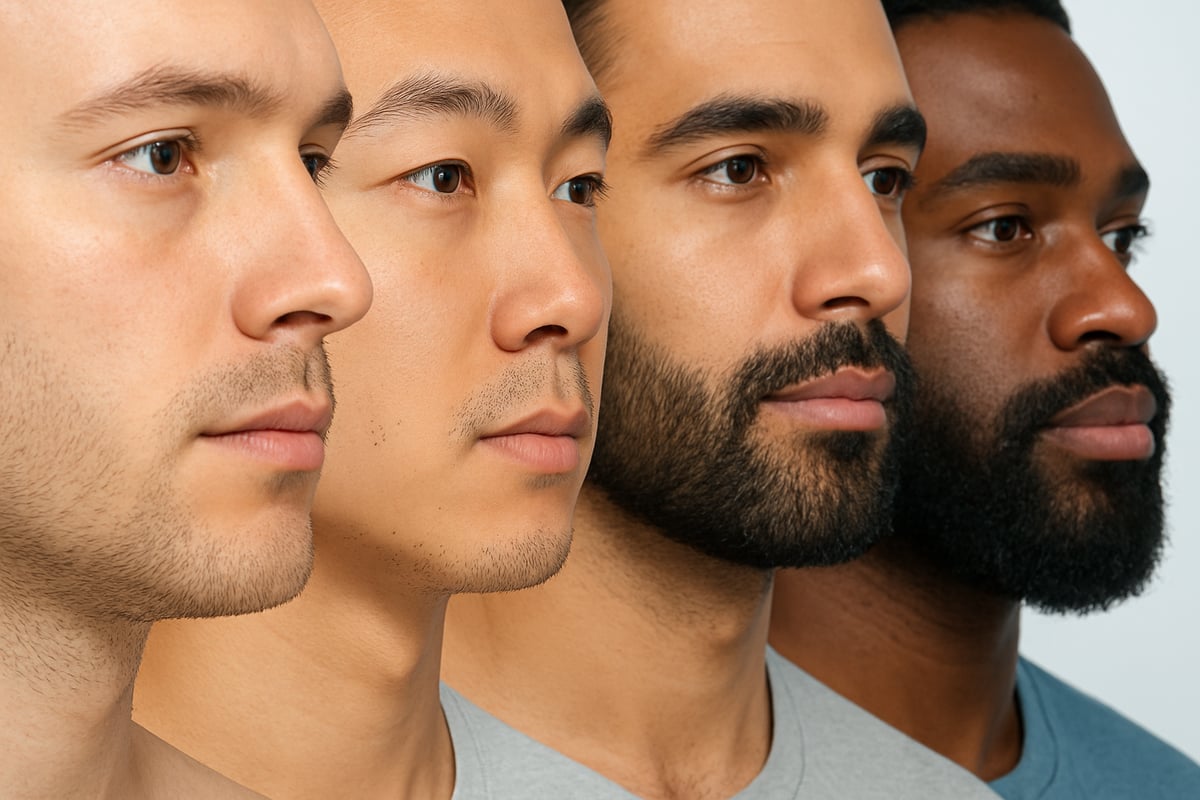
The Beard Growth Cycle Explained
Growing a beard is not just about waiting for hair to appear. Every follicle follows a cycle: anagen (active growth), catagen (transition), and telogen (rest and shedding). On average, facial hair grows about 1.25 cm per month, but this speed can shift with age, hormones, and your unique biology.
New research in 2026 reveals how follicle stimulation can be enhanced by targeting dormant roots. Scientists have found that DHT, a potent form of testosterone, can wake up slow follicles and encourage thicker coverage. A recent study even showed DHT’s ability to activate previously inactive beard follicles, proving the science is real.
Environmental stress and poor skin health disrupt this cycle, making it essential to nourish both skin and follicles. Using products with proven ingredients, as detailed in the Beard care ingredient guide, ensures your beard receives the targeted support it needs.
Genetics and Your Beard Potential
Ever noticed some men can grow a beard effortlessly, while others struggle with patchiness? Genetics play a defining role in growing a beard, setting the limit for density, thickness, and growth patterns. Your genes decide whether your facial hair will be full or patchy, fast-growing or stubbornly slow.
You might inherit a patchy beard from your father’s side or a thick one from your mother’s lineage. Ethnic background also influences beard texture and growth. A 2024 survey found that 45 percent of men experience patchy beards due to genetics, highlighting how common this challenge is.
While you can’t change your DNA, you can still optimise your results with modern science and smart care. Understanding your genetic baseline helps set realistic goals and avoid frustration.
Hormones and Beard Growth
Hormones are the engine room for growing a beard. Testosterone and its derivative, DHT, signal follicles to produce thicker, darker hair. If your levels are low, you might notice slow growth or thin patches. Signs of imbalance include weak hair, fatigue, or sudden changes in beard density.
Supporting healthy hormone levels naturally is key. Regular exercise, balanced nutrition, and enough sleep all encourage optimal testosterone. But beware the lure of unregulated supplements—these can disrupt your system and even harm your health. A clinical trial in 2025 showed that zinc and vitamin D supplementation improved beard density by supporting hormonal balance, offering a safe, science-based boost.
Age, Environment, and Lifestyle Factors
Age matters when growing a beard. Younger men may see slower progress, while growth often peaks in your late twenties and thirties. Environmental factors like pollution and harsh climates can stress skin and follicles, making hair brittle or sparse.
Your daily habits have a big impact. Smoking, poor diet, and lack of sleep can all sabotage your beard journey. Adopting a healthy lifestyle, protecting your skin, and choosing science-backed products will give you the best chance at a strong, even beard.
Preparing to Grow: Setting the Stage for Success
Starting your journey towards growing a beard in 2026 means laying a rock-solid foundation. Many men dive in without a plan, only to hit frustrating roadblocks. Let’s break down what you need to know before you let those whiskers run wild.
Assessing Your Starting Point
Every journey to growing a beard begins with honest self-assessment. Look closely at your current facial hair pattern. Are there patchy areas, uneven growth, or irritation from previous attempts? These are common obstacles that can discourage anyone.
The problem is that many men expect a full beard overnight. In reality, hair follicles grow at different rates, and genetics play a big role. Agitation sets in when you see slow progress or patchiness, making you question if it’s worth it.
The solution is to set realistic goals and timelines. Most men aiming for a “yeard” (a year of untrimmed growth) see major changes at three, six, and twelve months. Patience is key, as growing a beard is a marathon, not a sprint. Tracking progress with monthly photos can help you stay motivated and spot improvements.
Skin Health: The Foundation for Growth
Healthy skin is the bedrock for growing a beard. If your skin is inflamed or clogged, follicles struggle to thrive. The problem often starts with neglecting exfoliation or using harsh cleansers, leading to blocked pores and irritation.
When skin is dry or damaged, follicles become stressed. This agitation can cause itchiness and even stunted growth. Science shows that pre-growth exfoliation removes dead skin cells, while gentle cleansers protect the skin barrier. Hydrating with ingredients like ceramides and niacinamide supports barrier repair, keeping inflammation at bay.
A clinical study found that balanced skin pH reduces beard itch by maintaining a healthy microbiome. The solution? Stick to a routine of gentle exfoliation, deep cleansing, and daily hydration. This primes your face for robust, even beard growth.
Building Your Grooming Arsenal
Using the right tools is crucial for growing a beard without setbacks. The problem arises when men grab cheap trimmers or old scissors, causing split ends and skin irritation. Low-quality brushes can scratch the skin, disrupting the growth environment.
This agitation leads to frustration as hairs break or feel rough. Science tells us that boar bristle brushes distribute natural oils, which keeps both skin and hair healthy. Wide-tooth combs prevent snagging, reducing breakage.
Choose grooming products with natural, non-comedogenic ingredients. Avoid harsh shampoos and alcohol-based products, which strip away protective oils and slow down progress. Investing in quality tools and products ensures every stage of growing a beard is smooth and irritation-free.
Why Quality Beard Products Matter
Many men make the mistake of using generic hair or body products, but these often cause dryness and breakage. Standard shampoos strip away natural oils, leading to brittle beards and sluggish growth. The solution is choosing science-backed, natural beard products formulated for facial hair. Ingredients like argan oil deliver vitamin E to nourish follicles, while biotin strengthens hair from root to tip. For a deeper dive into the benefits of quality beard products, check out expert advice on what really works.

Ready to upgrade your beard game? Explore science-backed beard care at our Amazon shop and start your growth journey with confidence.
The Step-by-Step Growth Journey: What to Expect Month by Month
Starting the journey of growing a beard is both exciting and challenging. Every month reveals new changes, and understanding what to expect can keep you motivated. Let’s break down the process phase by phase, so you know exactly how to handle each stage for the strongest, healthiest beard possible.
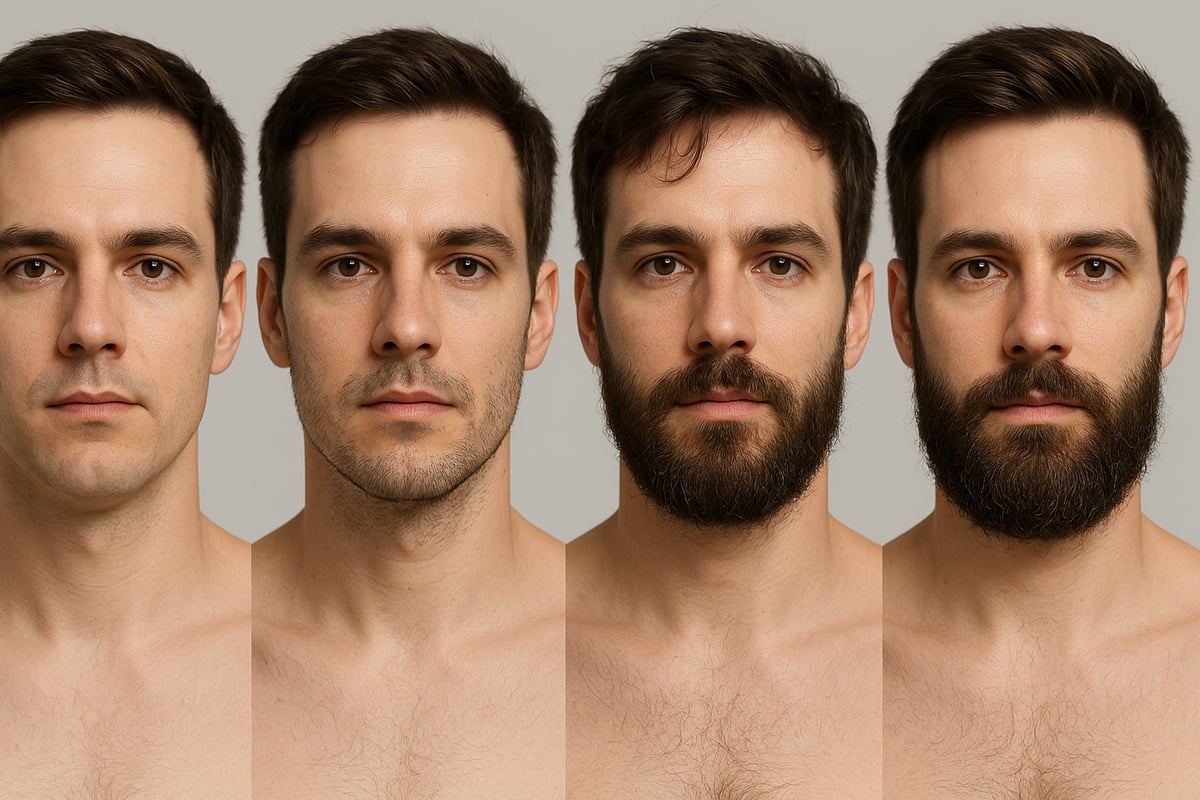
Weeks 1-4: The Itch and Patch Phase
The first month of growing a beard brings a unique set of problems. As new hairs break through the skin, their blunt tips create micro-abrasions. This triggers an inflammatory response, leading to intense itchiness.
It gets worse if you scratch, as this increases inflammation and can damage hair follicles. The agitation of constant irritation often causes many to give up early.
The solution? Use a beard oil rich in anti-inflammatory botanicals like jojoba and tea tree oil. These ingredients calm the skin by reducing cytokine activity and restoring skin barrier function. A 2025 study found that regular oil application reduced beard itch by 67 percent in new growers. Stick with a gentle routine, and you’ll pass this stage with minimal discomfort while growing a beard.
Weeks 5-8: Patience and Messiness
During weeks five to eight, growing a beard might feel discouraging. Growth often appears uneven, with patchy spots and stray hairs. This is a normal part of the process, as different follicles activate at varying rates.
Many are tempted to trim or shape too early, but this can disrupt natural growth patterns. The agitation here is the frustration of a messy, untamed look.
Instead, focus on grooming. Brushing your beard with a boar bristle brush helps distribute natural sebum, which nourishes both hair and skin. Brushing also improves microcirculation, delivering more nutrients and oxygen to the follicles. Over time, this supports denser, healthier growth. Remember, patience is key while growing a beard.
Weeks 9-12: Defining Shape and Starting Trims
By weeks nine to twelve, your beard is ready for its first trim. Attempting to define your neckline or cheek line too soon often leads to mistakes. The problem is that uneven or overly high trims can permanently alter your beard’s appearance.
This can cause agitation, as months of effort might be wasted with a single slip. To avoid this, use sharp scissors and an adjustable trimmer for precision. For best results, consider visiting a professional barber for your initial shape-up. In fact, 72 percent of men report better outcomes with expert guidance. For step-by-step help, check out Professional beard grooming tutorials to master essential trimming techniques while growing a beard.
Beyond 3 Months: Maintenance and Styling
Once you’ve passed the three-month mark, growing a beard becomes all about maintenance and personal style. Neglecting care at this stage leads to split ends, dryness, and unruly hair. The agitation is seeing your hard-earned progress turn brittle and unmanageable.
The solution is to introduce beard balm and butter for control and softness. Weekly deep conditioning with masks rich in fatty acids and vitamins prevents breakage. Wash your beard two to three times per week with a sulphate-free cleanser to preserve natural oils. For advanced styles, use beard wax to shape your look. Popular 2026 styles like Bandholz, Garibaldi, and eco-stubble are all achievable with consistent, science-backed care while growing a beard.
Nutrition and Lifestyle: Fueling Optimal Beard Growth
Dreaming of growing a beard that’s thick, healthy, and full of life? The secret isn’t just genetics or luck. What you eat, how you move, and your daily habits play a crucial role in activating the science of beard growth. Let’s break down what really fuels healthy facial hair, with practical, evidence-based advice you can use right now.

Diet Essentials for Beard Health
Struggling with patchy, brittle facial hair? The problem often starts in your kitchen. Without enough protein, your body can’t make the keratin needed for growing a beard that’s strong and full. Agitating the issue, diets low in biotin, zinc, or vitamin D trigger weak, slow growth.
The solution is a diet rich in lean protein, eggs, nuts, seeds, and oily fish. Science shows omega-3 fatty acids lower follicle inflammation, creating a better growth environment. In a 2025 clinical study, men following a high-protein meal plan saw an 83% improvement in beard fullness.
| Nutrient | Function | Food Sources |
|---|---|---|
| Protein | Builds keratin | Chicken, eggs, tofu |
| Biotin | Cell growth | Eggs, nuts |
| Zinc | Hormone support | Beef, pumpkin seeds |
| Vitamin D | Follicle stimulation | Salmon, sunlight |
| Omega-3 | Reduces inflammation | Mackerel, walnuts |
Prioritise these foods to support growing a beard from the inside out.
Exercise and Circulation
Ever wondered why some gym-goers seem to have better beards? Poor blood flow is the hidden enemy of growing a beard. When you sit all day, follicles get less oxygen and nutrients, stalling growth and leaving you frustrated.
Regular exercise is the fix. Cardio and resistance training increase testosterone and ramp up circulation, delivering what follicles need for strong growth. Studies confirm that men who work out regularly report denser, fuller beards.
Try brisk walking, cycling, or weightlifting at least three times a week. This routine not only fuels your body but also supercharges your beard by making growing a beard more efficient.
Sleep, Stress, and Hormonal Balance
Tossing and turning at night? Chronic stress and poor sleep sabotage your beard journey. Elevated cortisol blocks the hormones responsible for growing a beard, leading to slow, uneven results.
This problem worsens when you ignore rest. A 2024 clinical trial found sleep-deprived men had 22% less beard growth than those getting proper rest. Agitation rises as you see less progress despite your efforts.
Solution? Aim for 7–8 hours nightly and use mindfulness techniques to lower stress. Deep breathing, meditation, and regular sleep routines help rebalance hormones, giving your follicles the green light for growth.
Supplements: What Works and What Doesn’t
Tempted by miracle pills promising instant results? The reality is, not all supplements help with growing a beard. Many products on the market lack scientific backing, and some could even harm your health.
Focus on evidence-based options. Biotin, zinc, and vitamin D have proven roles in supporting hair growth, but mega doses won’t speed things up. Always consult a healthcare professional before starting new supplements to avoid side effects or interactions.
Remember, patience and consistency with a healthy lifestyle are the real game-changers for growing a beard that stands out in 2026.
Troubleshooting Common Beard Problems in 2026
Struggling with growing a beard and hitting frustrating roadblocks? Even with the right intentions, common issues like itchiness, patchiness, or ingrown hairs can stall your progress. Let’s break down the science behind these problems and show you how to overcome them for a fuller, healthier beard.
Itching, Dryness, and Flakiness
Problem: That relentless itch when growing a beard can make you want to give up. Dryness and flakiness often follow, leaving unsightly beard dandruff.
Agitation: The main culprit is an impaired skin barrier. Harsh cleansers and dehydration strip away protective lipids, causing micro-inflammation and itch. Scratching only worsens irritation and slows beard growth by damaging follicles.
Solution: Target the root cause by restoring hydration and soothing inflammation. Use oils rich in fatty acids, like argan or squalane, which reinforce the skin barrier and lock in moisture. Gentle exfoliation with lactic acid or a soft brush removes dead skin, allowing follicles to breathe.
Science shows that fatty acids physically rebuild the skin’s barrier, reducing water loss and itch. Users switching to natural oils report major relief. For more nourishing options, check out our Amazon beard care shop.
Patchiness and Slow Growth
Problem: Patchy spots or slow progress can make growing a beard feel impossible.
Agitation: Genetics play a big part, but external factors matter too. Dormant follicles may not activate if blood flow is poor or if the skin is inflamed. It’s discouraging when your beard looks uneven despite effort.
Solution: Science now points to microneedling and topical minoxidil (with medical guidance) as proven ways to stimulate dormant follicles. Microneedling creates tiny channels in the skin, boosting circulation and triggering growth factors. A 2025 review found beard density increased by 38 percent after 12 weeks of microneedling.
Patience is crucial. Stick to nutrient-rich routines, and remember that growing a beard is a marathon, not a sprint.
Ingrown Hairs and Acne
Problem: Ingrown hairs and acne can make growing a beard painful and unsightly. Blocked follicles from dead skin and heavy products trap hairs beneath the surface.
Agitation: This leads to painful bumps, redness, and sometimes infection, making you want to shave it all off.
Solution: Regular exfoliation is essential. Science shows that using salicylic acid, a beta hydroxy acid, dissolves dead skin and reduces ingrown hairs by 59 percent. Swap heavy waxes for lightweight, non-comedogenic oils such as jojoba, which hydrate without clogging pores.
A case study revealed that switching to lighter oils eliminated breakouts in beard growers. Keep your beard area clean, and avoid overloading it with thick products. This approach keeps follicles healthy and clear for optimal beard growth.
Styling, Trends, and Advanced Grooming in 2026
In 2026, growing a beard is more than just hair—it's a statement. With new science and shifting style preferences, your grooming choices define both your look and your values. Wondering which beard trend will suit you, or how the latest tools and eco-friendly products affect your beard health? Let’s break down what’s hot, what works, and why it matters for anyone serious about growing a beard.
Top Beard Styles for 2026
Growing a beard in 2026 means embracing styles that fit your unique features and lifestyle. The full Bandholz remains a symbol of rugged confidence, while eco-stubble is rising due to its low-maintenance appeal and sustainability. According to a 2026 survey, 62% of men now prefer fuller, more natural beards, inspired by influencers and celebrities who champion authenticity over strict grooming.
Matching your beard to your face shape is crucial. For example, a sculpted short beard can add definition to round faces, while longer styles balance angular features. Explore more beard styles for men in 2026 to find the perfect fit for your face. Each style brings its own maintenance needs, so choose one that aligns with your daily routine and commitment to growing a beard.
Mastering Advanced Grooming Techniques
If growing a beard feels like a battle, advanced grooming tools can tip the odds in your favour. Heated brushes and ceramic combs help straighten coarse hair without damaging the cuticle—plant-based waxes, rich in fatty acids, create hold and softness while reducing breakage by sealing moisture into the hair shaft. Weekly trimming, using sharp professional tools, prevents split ends and maintains your chosen style's shape.
Natural styling products, free of silicones and alcohol, protect both your beard and skin from irritation. Science shows that plant butters like shea and mango deliver antioxidants that repair follicle stress from daily styling. Whether you’re aiming for a bold Bandholz or neat eco-stubble, consistent technique is the backbone of growing a beard that truly stands out.
Sustainable and Ethical Beard Care
Today, growing a beard is as much about values as it is about looks. Eco-friendly beard products now use biodegradable packaging and plant-based formulas, minimising environmental impact. Brands are turning to recycled materials and zero-waste initiatives, letting you care for your beard and the planet at once.
Reading ingredient labels helps you avoid greenwashing—look for certifications like cruelty-free and naturally derived ingredients. For those passionate about sustainability, Men's Grooming Trends to Watch in 2026 provides more insight into ethical grooming choices. By making conscious decisions, you support both your beard health and a cleaner world, proving that growing a beard in 2026 is about more than just appearance.
Frequently Asked Questions About Growing a Beard in 2026
Curious about growing a beard in 2026? You are not alone. Here are the answers to the questions men ask most, backed by the latest science and real-world results.
How long does it take to grow a full beard?
Most men need three to twelve months for full coverage, depending on genetics, hormones, and age. Science shows facial hair grows about 1.25cm per month, but this varies with DHT levels and health.
Can everyone grow a thick beard with the right products?
Not always. Genes set your beard’s maximum density. However, optimising nutrition, supporting testosterone, and using targeted products can help you reach your personal potential. For more answers and expert guidance, explore the Beard growth frequently asked questions.
What’s the best way to deal with beard itch?
Itch is caused by inflammation and dry skin as new hairs emerge. Choose beard oils rich in fatty acids like argan oil, which restore the skin barrier and reduce irritation at the source.
Are beard growth supplements safe and effective?
Supplements like biotin and zinc can support growth if you are deficient, but avoid unproven pills. Always consult a professional before starting anything new.
How often should I wash and trim my beard?
Wash two to three times weekly with a sulphate-free cleanser to avoid stripping oils. Trim every few weeks to maintain shape and prevent split ends.
Do I need different products for different beard lengths?
Yes. Longer beards benefit from heavier balms and butters, while short beards need lightweight oils for hydration without clogging pores.
What’s the role of genetics versus lifestyle in beard growth?
Genetics set your baseline, but healthy habits, good nutrition, and science-backed products can make a noticeable difference in growing a beard.
Should I see a dermatologist for beard issues?
If you experience persistent irritation, patchiness, or ingrown hairs that do not improve, a dermatologist can diagnose underlying problems and recommend tailored solutions.
So you’ve learned the science and all the secrets to growing a great beard in 2026—now it’s time to put that knowledge into action. Imagine how it’ll feel in just a few months, looking in the mirror and seeing real progress: thicker, healthier, itch-free growth. The right products make all the difference, especially when they’re packed with natural, proven ingredients. If you’re ready to kick-start your journey and see what your beard is truly capable of, why not dive into a world of expertly crafted essentials? You’ll thank yourself for it.
BEARD PRODUCTS