

Growing a beard transforms your appearance, but it also fundamentally changes your skincare requirements. The skin beneath your facial hair requires the same attention as the rest of your face, yet many men abandon their skincare routines the moment their beard starts filling in. This creates a cascade of problems: flaking, itching, inflammation, and even stunted beard growth. Understanding skincare with beard maintenance isn't optional-it's the foundation that determines whether your beard thrives or merely survives.
The Problem: Why Your Skin Suffers Under a Beard
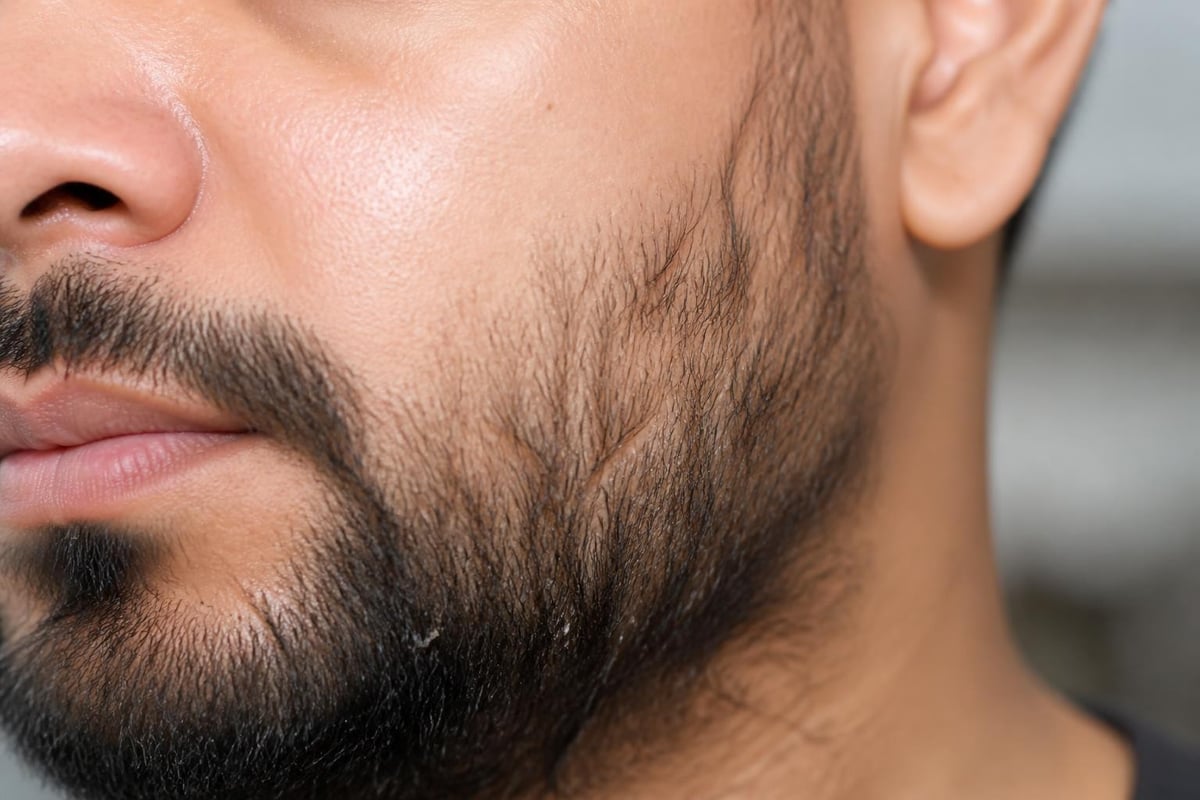
Your facial hair creates a microenvironment that traps dead skin cells, sebum, and environmental pollutants against your skin. The result? A breeding ground for bacterial overgrowth and inflammation.
When you neglect skincare with a beard, your sebaceous glands respond to trapped debris by producing excess oil. This compensatory mechanism clogs follicles, triggering comedones (blackheads and whiteheads) and inflammatory acne. The beard itself compounds the issue by absorbing moisture from your skin-the same moisture your stratum corneum needs to maintain its barrier function.
The Hidden Damage You Can't See
Most men experience these symptoms:
- Persistent itching: Dead skin cell accumulation irritates nerve endings in the dermis
- Beard dandruff: Malassezia yeast colonies proliferate in sebum-rich environments
- Patchy growth: Clogged follicles restrict nutrient delivery to hair roots
- Premature ageing: Chronic inflammation breaks down collagen fibres
The biological reality is stark. Your skin cell turnover continues at the same rate whether you have a beard or not-approximately 28 days per cycle. Without proper exfoliation and cleansing, those dead cells accumulate exponentially beneath your facial hair.
The Agitation: What Happens When You Ignore the Science
Consider the mechanical stress your beard places on follicles. Each hair shaft emerges from a follicular unit containing sebaceous glands, arrector pili muscles, and blood vessels. When you fail to maintain proper skincare with beard growth, these structures suffer progressive damage.
The sebaceous glands produce sebum-a complex mixture of triglycerides, wax esters, and squalene-designed to lubricate hair and protect skin. A healthy gland produces approximately 1-2 milligrams of sebum per square centimetre daily. But here's the problem: beards absorb this sebum, leaving your underlying skin depleted.
The Cascade of Complications
Without intervention, you'll encounter:
- Barrier dysfunction: Transepidermal water loss increases by 30-50% under bearded areas
- Folliculitis: Bacterial colonisation of compromised follicles creates pustular inflammation
- Contact dermatitis: Trapped allergens and irritants penetrate weakened skin barriers
- Hyperpigmentation: Post-inflammatory melanin deposits create uneven skin tone
Research from dermatological studies confirms that men with beards face unique skincare challenges requiring adapted routines. The friction between beard hair and pillow cases during sleep also creates mechanical irritation, disrupting the skin's natural repair processes that peak during your circadian rest phase.
Your best beard care items should address both the hair shaft and the skin beneath, but conventional skincare products aren't formulated for this dual requirement.
The Solution: Building a Science-Based Skincare Routine
Effective skincare with beard maintenance requires understanding three biological principles: cleansing without stripping, hydrating both skin and hair, and maintaining follicular health.
Cleansing: The Foundation of Healthy Skin
Your standard face wash contains surfactants designed for bare skin-typically sodium lauryl sulphate or similar anionic compounds. These strip oils indiscriminately, removing protective sebum alongside dirt. The solution lies in pH-balanced cleansers specifically formulated for bearded skin.
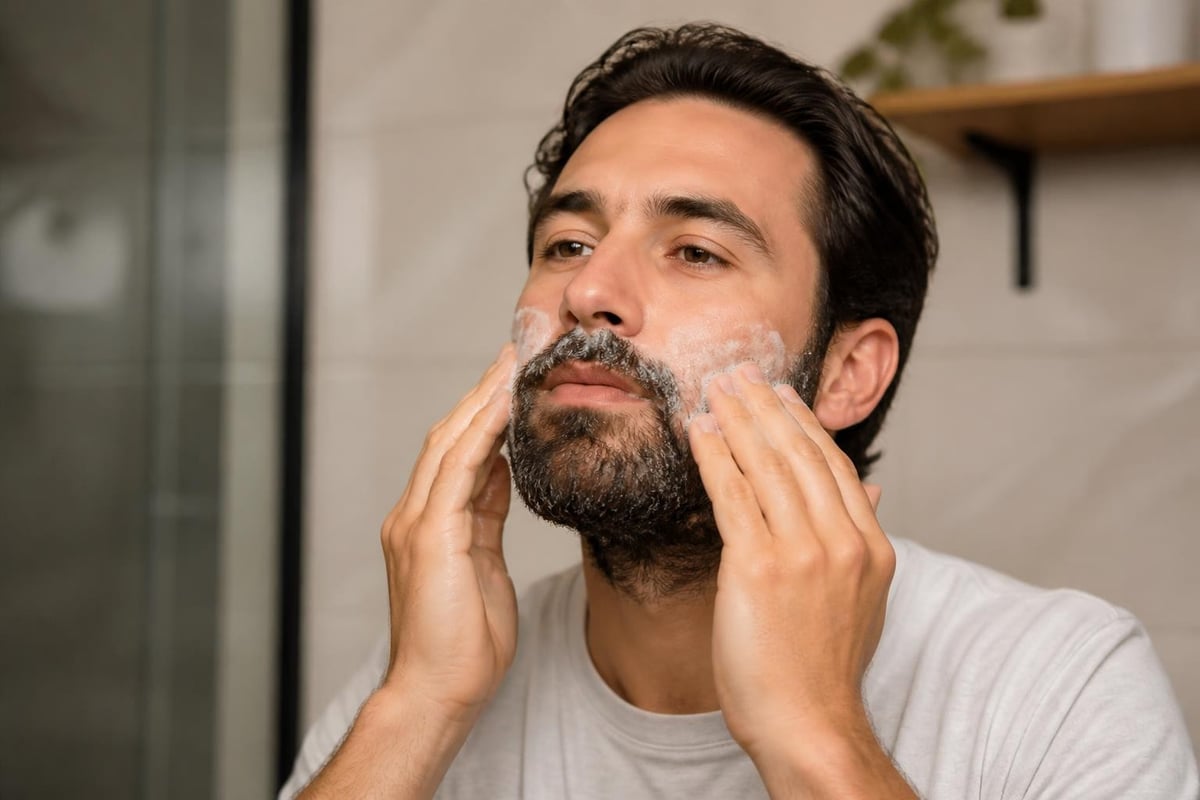
The proper cleansing method:
- Wet your beard with warm water (32-37°C) to open follicles
- Apply a low-pH cleanser (4.5-5.5) that respects skin's acid mantle
- Massage in circular motions for 60 seconds, reaching the skin beneath
- Rinse thoroughly with cool water to close follicles
The temperature gradient matters because thermal stimulation affects sebaceous gland activity. Warm water temporarily increases sebum fluidity, allowing easier removal of oxidised lipids, whilst cool water constricts pores and reduces immediate post-cleanse sebum production.
| Cleansing Frequency | Skin Type | Biological Rationale |
|---|---|---|
| Once daily (evening) | Dry/Normal | Preserves natural lipid barrier |
| Twice daily | Oily/Acne-prone | Controls bacterial load and sebum oxidation |
| Every other day | Sensitive | Allows barrier recovery between sessions |
Hydration: Targeting the Stratum Corneum
Water content in your stratum corneum determines skin suppleness and barrier integrity. Beards create an occlusive layer that paradoxically increases transepidermal water loss whilst blocking topical product penetration.
You need humectants that attract and bind water molecules (glycerin, hyaluronic acid) combined with occlusives that prevent evaporation (plant-derived butters, natural oils). The molecular weight matters-smaller molecules penetrate beard hair more effectively.
Hydration protocol:
- Apply lightweight serum immediately after cleansing (within 60 seconds)
- Use beard oils containing jojoba or argan oil (these mimic sebum's lipid profile)
- Seal with beard balm containing shea butter or cocoa butter
- Pat, don't rub-mechanical friction disrupts product distribution
According to experts on growing better beards, proper skin hydration directly influences hair shaft diameter and growth rate. The dermal papilla cells at your follicle base require optimal hydration to sustain the anagen (growth) phase of your hair cycle.
Exfoliation: Removing the Cellular Debris
Dead corneocytes accumulate beneath your beard at the same rate as bare skin-approximately 30,000-40,000 cells shed per minute. Without mechanical or chemical exfoliation, this creates a multilayer barrier preventing product absorption and triggering inflammatory responses.
Choose between two exfoliation mechanisms:
Physical exfoliation: Soft-bristle brushes create mechanical disruption of cellular adhesions. Brush in the direction of hair growth using gentle, sweeping motions. The bristles should reach your skin without causing erythema (redness).
Chemical exfoliation: Alpha-hydroxy acids (lactic acid, glycolic acid) or beta-hydroxy acids (salicylic acid) dissolve desmosomes-the protein bridges connecting dead cells. Salicylic acid's lipophilic nature allows superior penetration through sebum-rich beard areas.
A comprehensive approach to skincare with a beard incorporates both methods weekly, alternating to prevent over-exfoliation that would compromise barrier function.
The Product Selection Matrix
Not all products penetrate facial hair effectively. Molecular structure determines bioavailability beneath your beard.
| Product Type | Key Ingredients | Penetration Mechanism | Application Frequency |
|---|---|---|---|
| Beard Oil | Jojoba, Argan, Vitamin E | Lipophilic absorption through sebaceous pathways | Daily (post-cleanse) |
| Beard Balm | Shea Butter, Beeswax, Essential Oils | Occlusive barrier formation | Daily (styling) |
| Beard Butter | Plant Butters, Carrier Oils | Deep conditioning via sustained contact | 2-3 times weekly |
| Exfoliating Serum | Salicylic Acid 2% | Dissolves intercellular lipids | 2-3 times weekly |
The scientific formulation of products like those containing coconut oil for beards leverages lauric acid's antimicrobial properties whilst providing medium-chain triglycerides that penetrate hair cuticles effectively.
Advanced Strategies: Optimising Follicular Health
Skincare with beard growth extends beyond surface-level maintenance. The follicular microenvironment determines both skin health and beard quality.
Nutrient Delivery Systems
Your hair follicles require specific micronutrients for optimal function. Biotin (Vitamin B7) acts as a coenzyme in fatty acid synthesis-critical for sebum production. Niacin (Vitamin B3) increases microcirculation to follicular bulbs, enhancing nutrient delivery by up to 40%.
Topical application works, but bioavailability varies. Niacinamide (the stable form of Niacin) penetrates the stratum corneum effectively when formulated at 4-5% concentration in lightweight serums.
Inflammation Control
Chronic inflammation degrades collagen and elastin fibres in your dermis whilst triggering premature entry into the catagen (regression) phase of hair growth. The solution requires both prevention and intervention.
Anti-inflammatory compounds to incorporate:
- Green tea extract (EGCG): Inhibits 5-alpha reductase, reducing DHT-mediated inflammation
- Azelaic acid: Disrupts tyrosinase activity, preventing post-inflammatory hyperpigmentation
- Centella asiatica: Stimulates collagen synthesis whilst reducing inflammatory cytokines
- Liquorice root extract: Contains glycyrrhizin, which suppresses prostaglandin production
Understanding proper beard care products means recognising these active ingredients and their concentration thresholds for efficacy.
The 90-Day Transformation Protocol
Creating lasting change in skincare with beard routines requires consistency and the right product ecosystem. Your skin's complete renewal cycle spans approximately 90 days-the time required for basal keratinocytes to migrate from the stratum basale to the stratum corneum's surface.
This biological timeline explains why proper beard care programmes focus on three-month commitments. The 90-Day Beard Challenge provides a comprehensive system engineered around this cellular turnover cycle, combining follicle-stimulating formulations with protective barrier support.
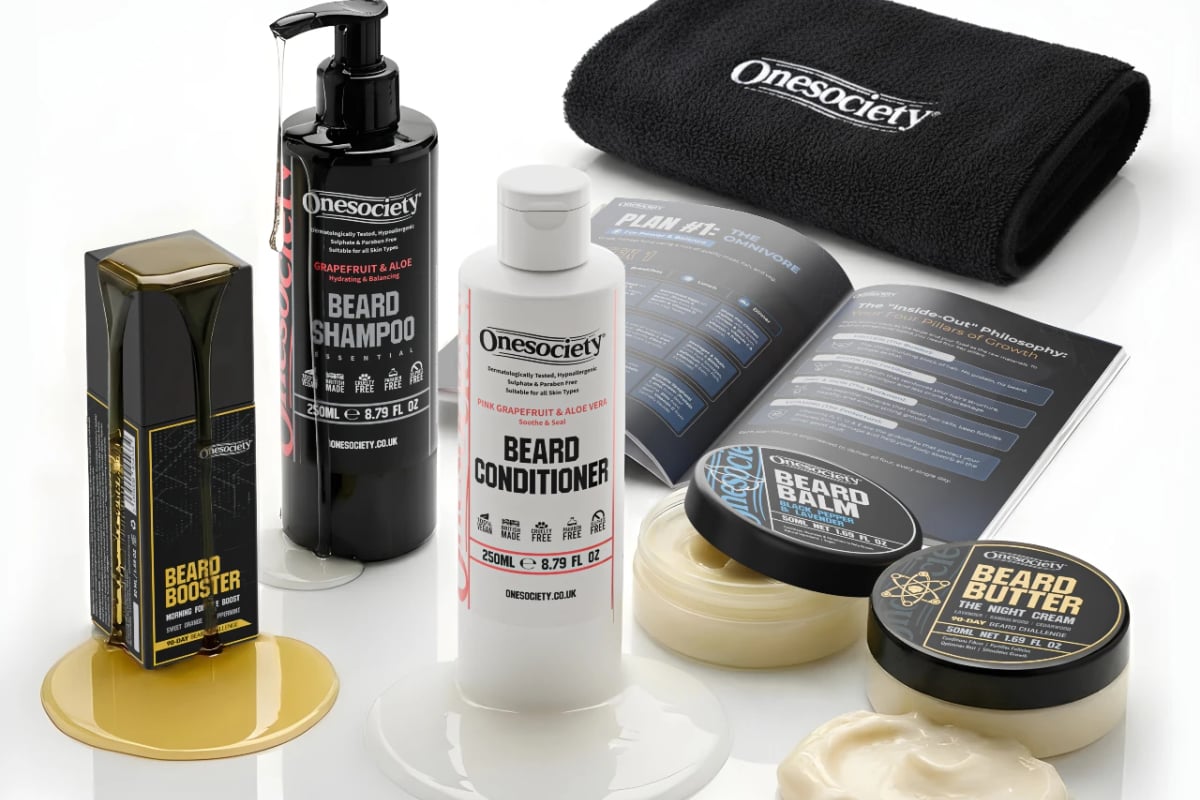
The programme includes targeted products that address every stage of the hair growth cycle: Beard Booster increases blood flow to follicular bulbs through vasodilating compounds, whilst Beard Butter provides overnight recovery with deep-penetrating fatty acids. The Hydro-Lock Balm creates an occlusive barrier that prevents transepidermal water loss without clogging follicles-a balance achieved through specific ratios of beeswax to plant butters.
Daily Application Sequence
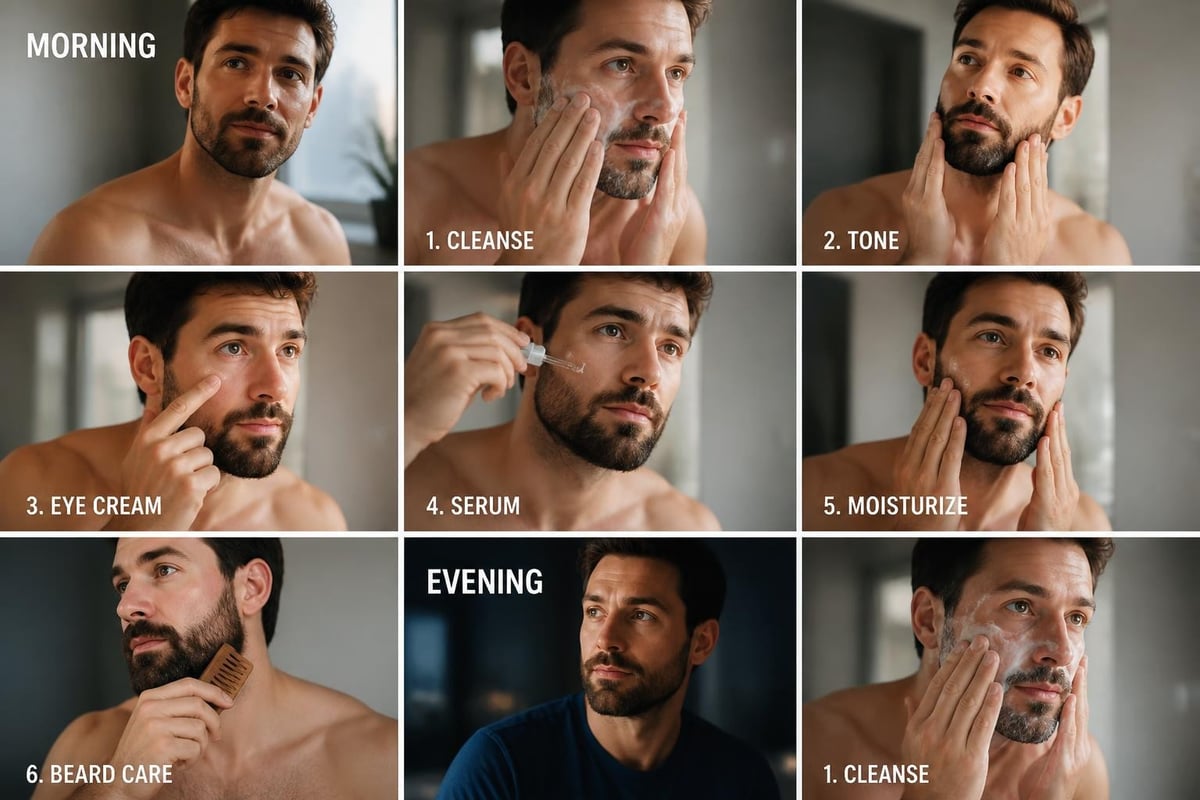
Timing matters as much as product selection. Your skin's permeability fluctuates throughout circadian cycles, peaking during evening hours when cellular repair processes accelerate.
Morning routine (5-7 minutes):
- Rinse beard with lukewarm water
- Apply antioxidant serum (Vitamin C or E) to damp skin
- Follow with lightweight beard oil
- Finish with SPF 30+ if going outdoors
Evening routine (8-10 minutes):
- Cleanse thoroughly with pH-balanced wash
- Exfoliate (2-3 times weekly only)
- Apply hydrating serum or treatment product
- Seal with beard butter or intensive balm
- Brush through to distribute products evenly
The mechanical action of brushing serves dual purposes: distributing products and stimulating subcutaneous blood flow. Research indicates that gentle massage increases follicular perfusion by approximately 25%, enhancing nutrient delivery to actively growing hair shafts.
Troubleshooting Common Complications
Even with proper protocols, you might encounter specific challenges requiring targeted intervention.
Persistent Beard Dandruff
Malassezia globosa-a lipophilic yeast-metabolises sebum triglycerides, producing oleic acid that penetrates skin and triggers inflammation. The visible flaking results from accelerated skin cell turnover in response to this irritation.
Solution protocol:
- Incorporate zinc pyrithione or ketoconazole-based washes (antimicrobial action)
- Reduce washing frequency to preserve protective sebum
- Apply tea tree oil diluted to 5% (proven antifungal properties)
- Increase omega-3 fatty acid intake to modulate inflammatory response
Ingrown Hairs and Pseudofolliculitis
Curved hair shafts re-enter skin after cutting, triggering foreign body reactions. The inflammatory response creates papules and pustules, particularly in men with tightly coiled hair patterns.
The biological solution involves altering hair shaft direction and reducing inflammation simultaneously:
- Daily exfoliation with salicylic acid (2%)
- Growth-oriented trimming (never against the grain)
- Aspirin paste applications (acetylsalicylic acid reduces inflammation)
- Warm compresses to soften surrounding tissue
Men seeking effective solutions often discover that quality beard oils containing anti-inflammatory botanicals prevent these issues before they develop.
Acne Beneath the Beard
Beard-related acne stems from three factors: follicular occlusion, bacterial proliferation (Cutibacterium acnes), and inflammatory cascade. Traditional acne treatments (benzoyl peroxide, retinoids) can bleach beard hair or cause excessive dryness.
Beard-safe acne protocol:
- Cleanse with salicylic acid wash (penetrates sebum effectively)
- Apply niacinamide serum (reduces sebum production by 40-50%)
- Use lightweight, non-comedogenic oils only
- Consider professional treatments (LED therapy, chemical peels adapted for bearded skin)
The approach differs from standard acne treatment because you must maintain beard health whilst addressing skin concerns-a balance requiring products formulated specifically for this dual purpose.
Seasonal Adjustments and Environmental Factors
Your skincare with beard routine shouldn't remain static. Seasonal variations in temperature, humidity, and UV exposure necessitate protocol adjustments.
Winter Adaptations (December-February)
Cold air reduces ambient humidity, whilst indoor heating strips moisture from both skin and beard. The result: increased transepidermal water loss and brittle, breaking hair shafts.
Winter modifications:
- Switch to richer, butter-based products (higher occlusive content)
- Increase washing temperature slightly (improves product penetration)
- Add humectant-rich serums beneath oils
- Consider overnight beard masks weekly
Summer Protocols (June-August)
Elevated temperatures increase sebum production by approximately 10% per degree Celsius above 30°C. Simultaneously, UV radiation degrades skin proteins and generates reactive oxygen species.
Summer adjustments:
- Transition to lighter, fast-absorbing oils
- Apply broad-spectrum SPF to exposed beard areas
- Increase cleansing frequency if sweating heavily
- Incorporate antioxidant serums (Vitamin C, E, ferulic acid)
Understanding these seasonal requirements demonstrates the complexity of proper skincare with a beard-it's not a one-size-fits-all approach but a dynamic system responding to multiple variables.
The Long-Term Investment: Why Consistency Compounds
The biological mechanisms underlying skincare with beard maintenance operate on timescales ranging from hours (inflammation response) to months (collagen remodelling). Short-term adherence produces minimal results because you're working against established cellular patterns.
Consider the economics of follicular health. Each hair follicle cycles through growth phases: anagen (2-7 years), catagen (2-3 weeks), and telogen (2-4 months). Neglecting skin health during these cycles progressively shortens anagen duration, reducing your beard's terminal length potential.
The compounding effect works both ways. Poor skincare accelerates follicular miniaturisation-the process where follicles progressively produce thinner, shorter hairs. Excellent skincare maintains or extends growth phases, maximising genetic potential.
Investment timeline:
- Week 1-2: Reduced inflammation and itching
- Week 3-4: Visible reduction in flaking and improved texture
- Week 5-8: Enhanced beard density as dormant follicles activate
- Week 9-12: Measurable improvements in hair shaft diameter
- Month 4+: Sustained benefits and resistance to environmental stressors
This timeline explains why comprehensive programmes like those offered through structured challenges produce superior results-they maintain consistency through the critical 90-day transformation window.
Professional-Grade Products vs. Standard Grooming Items
Not all beard products address genuine skin health. Many focus solely on cosmetic appearance, using silicones and synthetic fragrances that create temporary smoothness whilst failing to nourish underlying tissue.
The distinction lies in formulation philosophy. Professional-grade products prioritise bioactive ingredients with demonstrated mechanisms of action. Standard grooming items emphasise sensory experience and marketing appeal.
Comparison criteria:
| Feature | Professional Products | Standard Products |
|---|---|---|
| Active Ingredient Concentration | 3-10% therapeutic levels | <1% or unspecified |
| Preservative System | Minimal, natural (Vitamin E, rosemary extract) | Synthetic parabens, phenoxyethanol |
| Carrier Oil Quality | Cold-pressed, unrefined | Heat-processed, refined |
| pH Balance | 4.5-5.5 (skin-matched) | 6.0-7.0 or uncontrolled |
| Testing | Dermatological trials | Consumer preference panels |
Products backed by scientific research demonstrate measurable outcomes: increased follicular density, improved moisture retention, reduced inflammatory markers. This evidence-based approach separates genuine skincare from superficial grooming.
When evaluating beard balm formulations, examine the ingredient list critically. The first five components constitute 70-80% of total formulation-these determine actual efficacy.
Integration: Combining Skincare and Beard Growth
The ultimate goal of skincare with beard maintenance isn't just preventing problems-it's optimising the biological conditions for exceptional growth. Every skincare step influences follicular performance.
Proper cleansing removes DHT (dihydrotestosterone) accumulation around follicles. DHT binds to androgen receptors, potentially triggering premature catagen phase entry. Regular removal maintains optimal hormonal balance at the follicular level.
Hydration ensures dermal papilla cells-the command centre of each follicle-receive adequate moisture for protein synthesis. These cells produce the hair shaft through continuous keratinocyte division. Dehydration slows this process measurably.
Strategic exfoliation prevents follicular hyperkeratinisation-the condition where excess keratin blocks follicular openings, trapping growing hairs and creating ingrowns. This maintains clear pathways for optimal growth trajectories.
The synergy between skin health and beard quality isn't coincidental-it's fundamental biology. Your beard grows from your skin. Healthy skin produces healthy beards. The reverse proves equally true: neglected skin produces compromised facial hair.
This interconnection explains why comprehensive approaches that address both skin and hair simultaneously outperform isolated treatments. You're not managing two separate systems but one integrated biological environment.
Mastering skincare with beard maintenance requires understanding the biological mechanisms driving both skin health and hair growth, then consistently applying science-backed protocols adapted to your specific needs. The investment extends beyond appearance-you're preserving follicular function, preventing premature ageing, and maximising your genetic beard potential. Onesociety provides the tools, formulations, and structured programmes needed to transform your routine from basic grooming into genuine skincare science, backed by natural ingredients and research-driven results that deliver measurable outcomes within 90 days.