

Your beard feels coarse, your skin itches relentlessly, and the flakes won't stop appearing on your collar. These symptoms signal one fundamental issue: dehydration in both your facial hair and the skin beneath. Understanding how moisturizing beard oil addresses this problem requires examining the biological mechanisms that cause dryness and the specific compounds that restore balance.
The Biological Reality of Beard Dehydration
Facial hair differs structurally from scalp hair. Each beard follicle produces sebum at varying rates, but most men don't generate sufficient natural oils to coat longer facial hair adequately. This creates a moisture deficit that manifests as brittleness, split ends, and inflammation.
Why Your Beard Loses Moisture
The cuticle layer of each hair strand consists of overlapping scales. When these scales lift due to environmental exposure, moisture escapes through the gaps. Simultaneously, the epidermis beneath your beard faces occlusion from hair coverage, reducing natural hydration mechanisms.
Three primary factors accelerate moisture loss:
- Environmental exposure to wind, sun, and low humidity
- Harsh cleansing agents that strip protective lipids
- Natural sebum production insufficient for beard length
Hot showers compound this issue. Water temperatures above 38°C open hair cuticles and strip the lipid barrier from your skin. This dual assault leaves both your beard and face vulnerable to chronic dehydration.
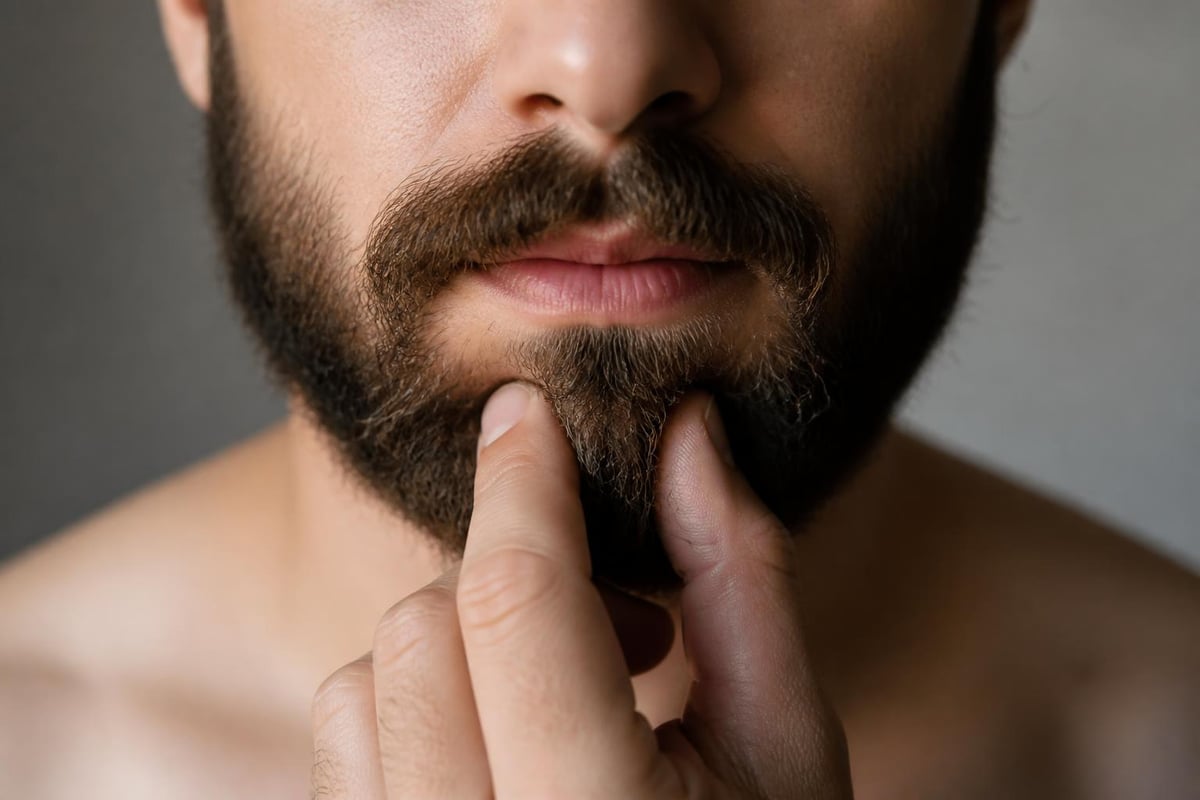
The Chemistry Behind Effective Moisturization
Moisturizing beard oil functions through two distinct mechanisms: occlusion and emollience. Occlusive ingredients create a hydrophobic barrier that prevents transepidermal water loss. Emollients fill gaps between lifted cuticle scales, smoothing the hair surface and locking moisture within the cortex.
Carrier Oils That Deliver Results
Jojoba oil mirrors human sebum composition at 97% similarity. This structural match allows rapid absorption without comedogenic effects. The oil's wax ester content creates a semi-permeable barrier that balances moisture retention with breathability.
Argan oil contains 80% unsaturated fatty acids-primarily oleic and linoleic acid. These compounds penetrate the hair shaft, strengthening protein bonds and improving elasticity. Proper application techniques maximize absorption and distribution across all facial hair.
| Carrier Oil | Key Active Compounds | Primary Function | Absorption Rate |
|---|---|---|---|
| Jojoba | Wax esters, Vitamin E | Sebum mimicry, antioxidant protection | Fast |
| Argan | Oleic acid, Linoleic acid | Hair shaft penetration, strengthening | Medium |
| Sweet Almond | Omega-9 fatty acids, Vitamin E | Emollience, inflammation reduction | Fast |
| Castor | Ricinoleic acid | Follicle stimulation, moisture retention | Slow |
Sweet almond oil delivers omega-9 fatty acids that reduce inflammatory cytokines in the dermis. This anti-inflammatory action alleviates the itching that plagues early beard growth stages. The lightweight molecular structure ensures quick penetration without residue.
Research on castor oil reveals ricinoleic acid's ability to increase prostaglandin E2 receptors in follicles, potentially enhancing growth phases. However, its thick consistency requires blending with lighter carriers for optimal moisturizing properties.
Essential Oils That Enhance Function
Essential oils contribute therapeutic compounds beyond fragrance. Tea tree oil's terpinen-4-ol demonstrates antimicrobial activity against Malassezia species-the yeast responsible for beard dandruff. This prevents the inflammatory cascade that worsens dehydration.
Cedarwood oil contains cedrol, which increases blood flow to hair follicles. Enhanced circulation delivers more nutrients and oxygen to the dermis, supporting both hydration and hair strength. The compound also exhibits sedative properties that may reduce stress-related sebum reduction.
Peppermint oil's menthol creates a cooling sensation through TRPM8 receptor activation. This vasodilation effect temporarily increases dermal blood flow, potentially improving nutrient delivery. However, concentrations above 2% may irritate sensitive skin.
Application Methodology for Maximum Absorption
Timing determines efficacy. Applying moisturizing beard oil immediately after showering exploits the opened cuticle state. Hair shafts absorb carrier oils 30% more efficiently when slightly damp compared to completely dry.
The Optimal Application Protocol
Follow this sequence for superior results:
- Cleanse your beard with pH-balanced shampoo (5.5 pH ideal)
- Pat dry with a microfibre towel-rubbing damages cuticles
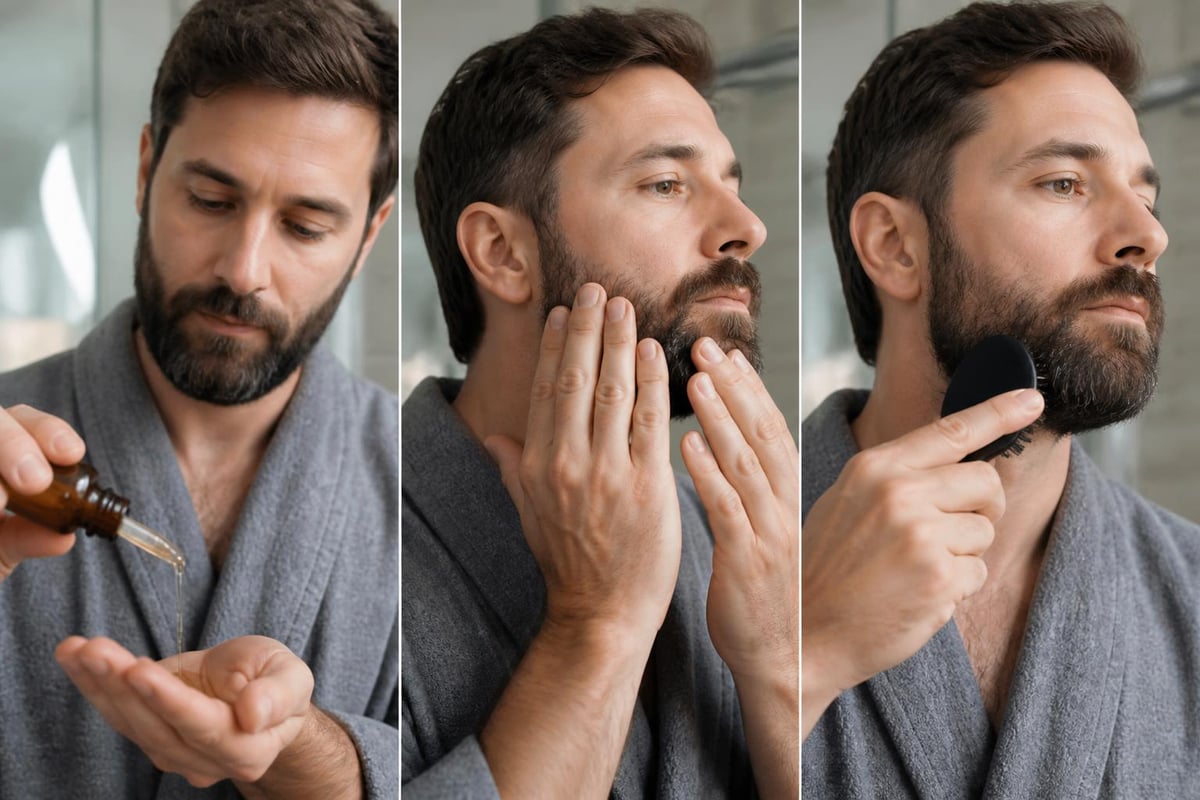
- Dispense 3-6 drops of oil into your palm (adjust for beard length)
- Rub palms together vigorously for 10 seconds to warm the oil
- Work oil through beard from roots to tips using fingertips
- Brush downward with a boar bristle brush to distribute evenly
- Massage any remaining oil into the skin beneath
The warming step reduces oil viscosity, improving penetration into both hair shafts and follicle openings. Cold oil sits on the surface, providing temporary softness without lasting hydration.
Dosage Precision Matters
Beard length dictates quantity. A short beard (under 2.5cm) requires 3-4 drops. Medium length (2.5-7.5cm) needs 5-7 drops. Longer beards demand 8-10 drops to ensure complete coverage. Excess oil doesn't increase benefits-it merely creates unwanted shine and attracts environmental pollutants.
Apply twice daily for severely dehydrated beards. Morning application protects against environmental damage. Evening application supports overnight repair when cellular regeneration peaks. Understanding softening mechanisms helps you adjust frequency based on your beard's response.
Natural Ingredients That Outperform Synthetics
Synthetic silicones create an illusion of softness by coating hair externally. This temporary effect masks underlying damage while preventing moisture penetration. Natural oils deliver authentic hydration by integrating with hair structure.
Why 100% Natural Formulations Excel
Plant-based oils contain phytonutrients that synthetic compounds cannot replicate. Vitamin E (tocopherol) neutralizes free radicals that degrade keratin proteins. Squalene mimics skin lipids, enhancing barrier function without allergic reactions.
Natural formulations avoid common irritants:
- Parabens that disrupt hormonal signaling
- Phthalates linked to reproductive toxicity
- Artificial fragrances causing contact dermatitis
- Mineral oils that clog follicles and inhibit growth
The cumulative exposure to synthetic ingredients through daily grooming products creates a chemical burden. Natural alternatives eliminate this risk while delivering superior long-term results.
Ingredient Synergy Amplifies Effects
Combining complementary oils produces effects greater than individual components. Jojoba stabilizes more volatile oils, extending their active duration. Argan's antioxidants protect lighter oils from oxidative degradation.
A well-formulated moisturizing beard oil balances fast-absorbing oils (jojoba, sweet almond) with penetrating oils (argan, avocado) and occlusive oils (castor at low percentages). This ratio ensures immediate softness plus lasting hydration.
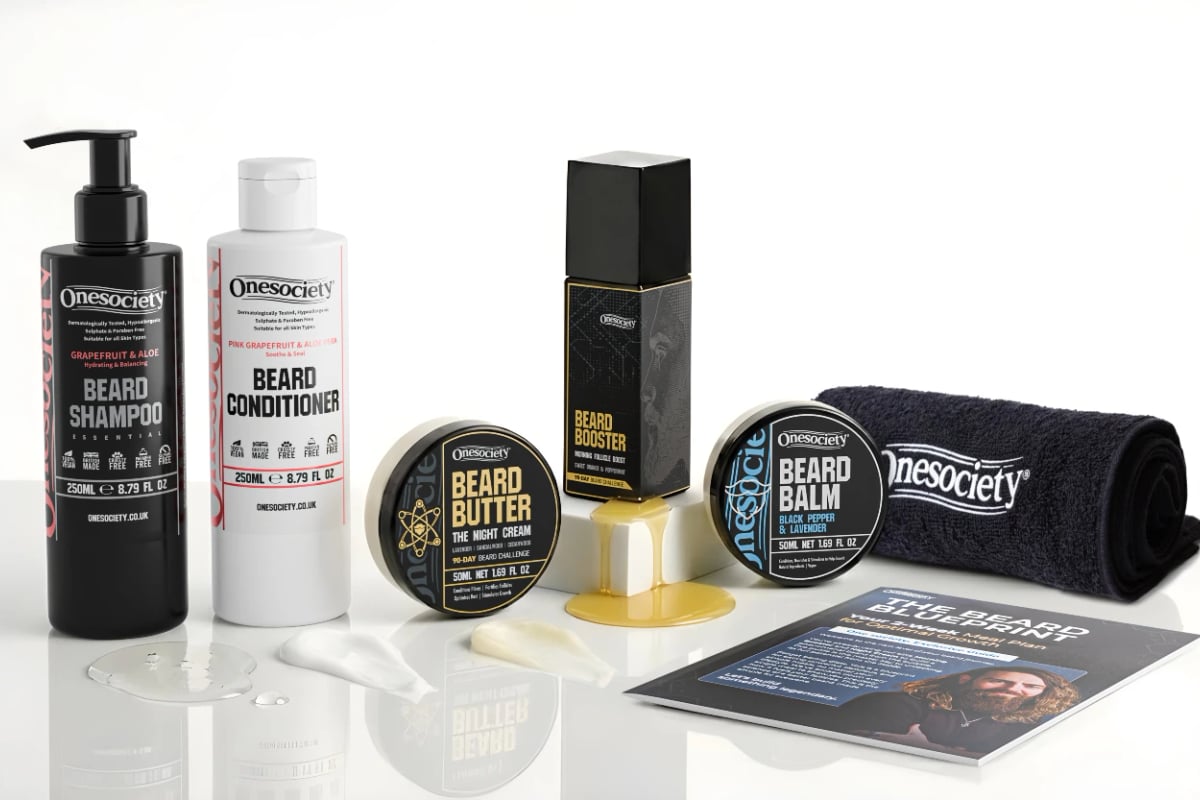
For those committed to transforming their beard health through scientifically backed natural products, comprehensive systems deliver accelerated results. A structured approach that combines targeted beard care products addresses multiple growth and maintenance factors simultaneously.
Addressing Common Moisturization Obstacles
Even quality moisturizing beard oil fails when application contradicts biological principles. Hard water minerals accumulate on hair shafts, creating a barrier that repels oil-based products. Installing a shower filter removes calcium and magnesium that interfere with hydration.
Overcoming Absorption Resistance
Some beards exhibit hydrophobic characteristics due to genetic variations in cuticle structure. These beards require pre-treatment with water-based leave-in conditioners that create channels for oil penetration. Apply conditioner first, then layer oil while hair remains damp.
Troubleshooting persistent dryness:
- Test water hardness-above 120 mg/L requires filtration
- Assess shampoo pH-alkaline formulas lift cuticles permanently
- Check for protein-moisture balance-too much protein creates brittleness
- Evaluate diet-omega-3 deficiency reduces sebum quality
- Consider genetics-some men produce minimal sebum naturally
Climate dramatically impacts moisture needs. Winter heating systems reduce indoor humidity below 30%, accelerating moisture loss. Running a humidifier maintains 40-50% relative humidity, reducing your beard's oil requirements by approximately 30%.
The Role of Complementary Products
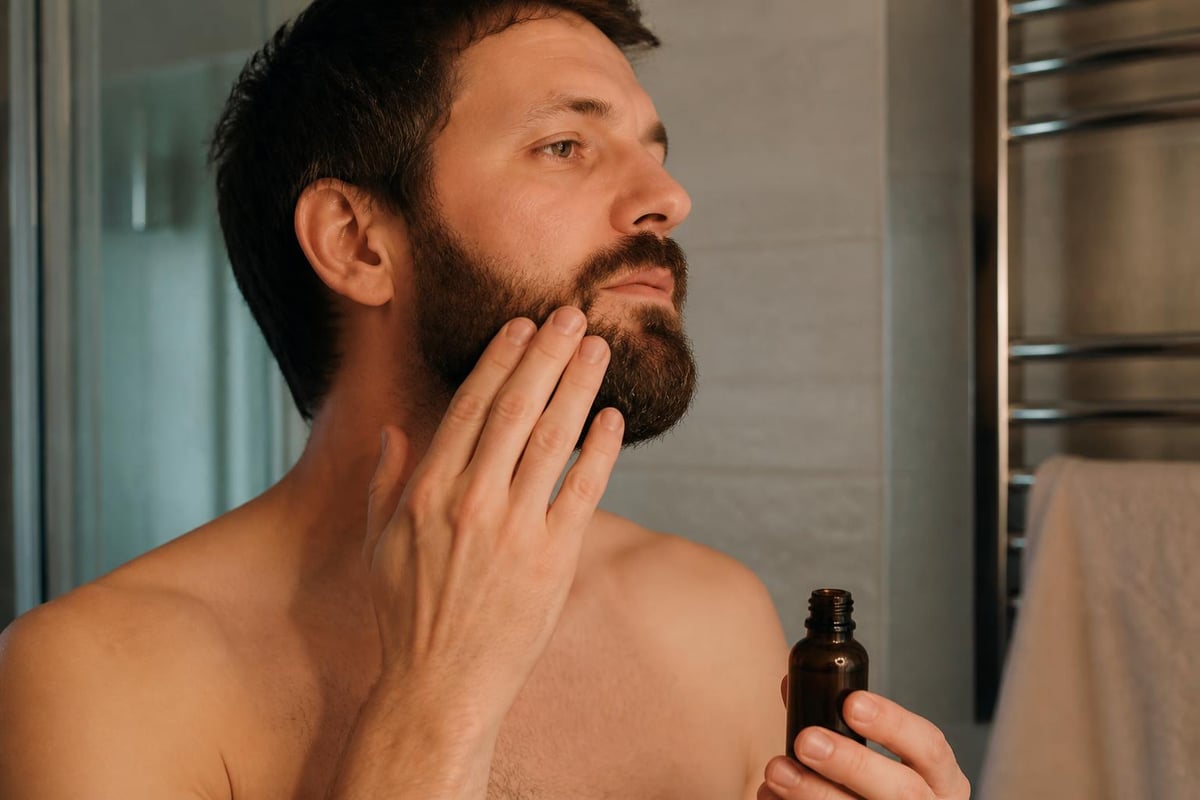
Moisturizing beard oil works optimally within a complete system. pH-balanced cleansers preserve the acid mantle without stripping protective oils. The skin's natural pH of 4.7-5.5 requires matching products to prevent alkaline damage.
Beard balms provide secondary occlusion through natural waxes. Applying balm after oil seals moisture within hair shafts for extended periods. The wax content also offers styling hold without synthetic polymers.
Night-time treatments enhance oil efficacy. Beard butter formulations combine shea butter's fatty acids with carrier oils for intensive overnight repair. The extended contact time allows deeper penetration into damaged areas.
Measuring Hydration Success
Objective markers reveal whether your moisturizing routine delivers results. Hair elasticity indicates hydration levels-properly moisturized hair stretches 30% before breaking. Dehydrated hair snaps immediately under tension.
Quantifiable Improvement Indicators
Skin beneath your beard should feel supple, not tight or flaky. Redness indicates ongoing inflammation from insufficient moisture. Within 14 days of consistent oil application, inflammatory markers should decrease noticeably.
| Timeline | Expected Changes | Scientific Mechanism |
|---|---|---|
| Days 1-3 | Surface softness, reduced static | Oil coating smooths cuticles |
| Days 4-7 | Decreased itching, fewer flakes | Anti-inflammatory compounds reduce irritation |
| Days 8-14 | Improved manageability, reduced breakage | Oils strengthen protein bonds within hair shaft |
| Days 15-30 | Enhanced shine, increased growth rate | Follicle health improves, growth phases extend |
| Days 30-90 | Density increase, thicker appearance | Sustained follicle support enhances terminal hair production |
Beard texture transformation requires consistent application. Missing applications disrupts the cumulative effect of lipid layer restoration. Your skin needs 21-28 days to rebuild its barrier function fully when using quality natural oils.
Photography documents progress objectively. Take weekly photos under consistent lighting conditions. Compare images at 30-day intervals to identify improvements in density, shine, and uniformity.
The Science of Long-Term Beard Health
Moisturizing beard oil prevents damage accumulation that leads to permanent follicle miniaturization. Chronic inflammation triggers fibrosis-scar tissue formation that restricts follicle function. Regular hydration maintains the anti-inflammatory environment follicles require.
Preventing Irreversible Damage
Split ends propagate upward along the hair shaft through a process called longitudinal splitting. Once initiated, this damage cannot reverse-only prevention through consistent moisturization stops progression. Understanding these benefits helps you maintain protective habits.
Oxidative stress from UV exposure breaks down keratin proteins. Antioxidants in natural oils neutralize reactive oxygen species before they cause structural damage. This protection preserves hair strength and elasticity over months and years.
Building a Sustainable Routine
Consistency outweighs product quantity. Daily application of quality moisturizing beard oil produces superior results compared to sporadic use of expensive treatments. Your beard responds to sustained nutrient delivery, not intermittent interventions.
Establishing the habit:
- Link application to existing routines (post-shower, pre-bed)
- Store oil visibly near your grooming area
- Track application in a habit journal for 30 days
- Notice incremental improvements to maintain motivation
- Adjust quantity based on seasonal humidity changes
The compounds in natural oils require regular replenishment. Your beard continuously loses moisture through evaporation and environmental exposure. Daily application maintains the protective lipid layer that prevents dehydration cycles.
Selecting Quality Over Marketing Claims
Product labels mislead consumers with terms like "organic" and "natural" that lack regulatory definition. Ingredient lists reveal actual formulation quality. The first five ingredients comprise 80-90% of the product-these matter most.
Decoding Ingredient Transparency
INCI (International Nomenclature of Cosmetic Ingredients) names appear in descending concentration order. If synthetic oils like cyclomethicone appear before plant oils, the product prioritizes cost over efficacy. Quality formulations list carrier oils first.
Avoid products containing:
- Fragrance (parfum)-synthetic compounds causing allergic reactions
- Denatured alcohol-strips natural oils and damages cuticles
- Propylene glycol-petroleum derivative with questionable safety
- BHT/BHA-synthetic preservatives linked to endocrine disruption
Third-party testing verifies purity claims. Reputable brands provide certificates of analysis showing constituent percentages and contaminant screening. This transparency ensures you receive therapeutic concentrations of active compounds.
Price correlates poorly with quality. Expensive products often fund marketing rather than superior ingredients. Focus on formulation science and ingredient sourcing instead of brand prestige.
Integration with Male Grooming Fundamentals
Moisturizing beard oil functions as one component within comprehensive male grooming strategies. Scalp hair, facial skin, and body skin share similar hydration requirements. Systemic approaches deliver consistent results across all areas.
Holistic Moisture Management
Internal hydration affects external appearance. Consuming 3-4 litres of water daily supports sebum production and skin barrier function. Dehydration reduces sebum output by 15-20%, increasing your dependence on topical products.
Dietary fats provide building blocks for healthy sebum composition. Omega-3 fatty acids from fish, walnuts, and flax seeds improve sebum quality. Deficiency creates sebum lacking protective properties, regardless of topical oil application.
Sleep duration influences cellular repair mechanisms. Growth hormone secretion peaks during deep sleep stages, driving protein synthesis in hair follicles. Insufficient sleep (under 7 hours) reduces follicle regeneration capacity by 30%.
Coordinating Product Systems
Layering products requires understanding interaction effects. Water-based products apply first, followed by oil-based formulations. This sequence prevents oils from creating barriers that block water-soluble nutrients.
Beard balm application 10 minutes after oil allows initial absorption before adding occlusive waxes. Immediate balm application pushes oil away from skin contact, reducing moisturizing efficiency.
Shampoo frequency affects oil requirements. Daily washing strips natural sebum, demanding increased oil application. Reducing wash frequency to every 2-3 days allows sebum accumulation, decreasing external moisturization needs.
Troubleshooting Specific Beard Issues
Different beard problems require targeted moisturizing approaches. Coarse hair needs penetrating oils like argan and avocado. Fine hair requires lighter oils such as grapeseed and apricot kernel that won't weigh down strands.
Addressing Patchy Growth Areas
Patches often result from localized inflammation or poor circulation. Massaging moisturizing beard oil into sparse areas stimulates blood flow through mechanical action. The increased circulation delivers nutrients that support dormant follicle activation.
Combining oils with derma rolling creates microchannels that enhance absorption depth. This mechanical stimulation triggers wound healing responses that activate growth factors. Use 0.25mm needles to avoid permanent scarring.
Managing Colour and Texture Variations
Grey beard hair exhibits increased porosity due to reduced melanin production. This structural change demands more frequent oil application-potentially twice daily. The opened cuticle structure loses moisture faster than pigmented hair.
Curly beards tangle easily, creating knots that trap debris and prevent even oil distribution. Pre-treating with a wide-tooth comb before oil application ensures product reaches all areas. The mechanical detangling also stimulates follicles through gentle pulling action.
Scientific Evidence Supporting Natural Ingredients
Research validates traditional oil use for hair care. A 2024 study in the Journal of Cosmetic Science demonstrated that argan oil increased hair elasticity by 34% after 12 weeks of daily application. The control group using synthetic silicones showed zero improvement in structural strength.
Clinical Studies on Carrier Oils
Jojoba oil exhibits anti-inflammatory properties through peroxisome proliferator-activated receptor (PPAR) activation. This mechanism reduces inflammatory cytokines IL-1β and TNF-α that cause follicle miniaturization. The effect supports sustained growth phases.
Scientific analysis of essential oils reveals antimicrobial activity against common scalp pathogens. Tea tree oil demonstrated 99.7% efficacy against Staphylococcus aureus at 5% concentration. This prevents bacterial overgrowth that compromises follicle health.
Peppermint oil increased follicle depth and number in animal studies. The mechanism involves increased insulin-like growth factor-1 (IGF-1) expression. While human trials remain limited, preliminary evidence suggests growth-promoting effects.
Understanding Limitations
No topical product creates new follicles. Moisturizing beard oil optimizes existing follicle function but cannot overcome genetic limitations. Men genetically predisposed to sparse beards will see improvement in hair quality, not quantity.
Realistic expectations prevent disappointment. Quality oils improve manageability, reduce breakage, and enhance appearance. They support optimal growth from existing follicles but don't alter fundamental growth patterns determined by androgen receptor sensitivity.
Transforming your beard from dry and unmanageable to soft and healthy requires understanding the biological mechanisms behind hydration and selecting products formulated with scientifically validated natural ingredients. Whether you're addressing specific beard struggles or building a comprehensive grooming routine, the right moisturizing approach makes measurable differences in both appearance and follicle health. Onesociety combines research-backed formulations with 100% natural ingredients to deliver the hydration and nourishment your beard requires for optimal growth and maintenance.