

You stare in the mirror and see the same patchy, uneven beard you've had for months. The promise of a full, robust beard feels perpetually out of reach, no matter how long you wait or how carefully you trim. Sparse growth, dry patches, and brittle hairs undermine your confidence and leave you wondering whether your genetics have locked you out of the beard you want. This frustration drives thousands of men toward beard oil for fuller beard growth, but does it actually work, or is it just another grooming gimmick?
The Problem: Why Your Beard Looks Sparse and Feels Brittle
Patchy growth patterns plague most men attempting to grow facial hair. Unlike scalp hair, which grows uniformly across follicles, beard follicles respond differently to dihydrotestosterone (DHT), the androgen responsible for facial hair development. Some follicles remain dormant or produce thin, vellus hairs instead of thick terminal hairs, creating visible gaps.
Beyond genetics, environmental factors actively sabotage your beard's appearance:
- Dehydration strips moisture from the hair shaft, causing breakage and split ends
- Sebum deficiency leaves follicles undernourished, slowing growth cycles
- Skin inflammation blocks follicles and disrupts the anagen (growth) phase
- Poor blood circulation limits nutrient delivery to hair roots
The Science Behind Sparse Beards
Hair follicles cycle through three distinct phases: anagen (growth), catagen (transition), and telogen (rest). A sparse beard often indicates that too many follicles sit in telogen simultaneously, or that anagen phases terminate prematurely. According to the American Academy of Dermatology's guidance on beard health, maintaining optimal skin hydration and reducing inflammation extends anagen duration and improves hair quality.
The hair shaft itself comprises three layers: the medulla (core), cortex (structural protein), and cuticle (protective outer layer). When the cuticle sustains damage from friction, heat, or chemical exposure, the cortex frays, producing the wiry, unkempt appearance that makes beards look thinner than they actually are.
The Agitation: What Happens When You Ignore Beard Health
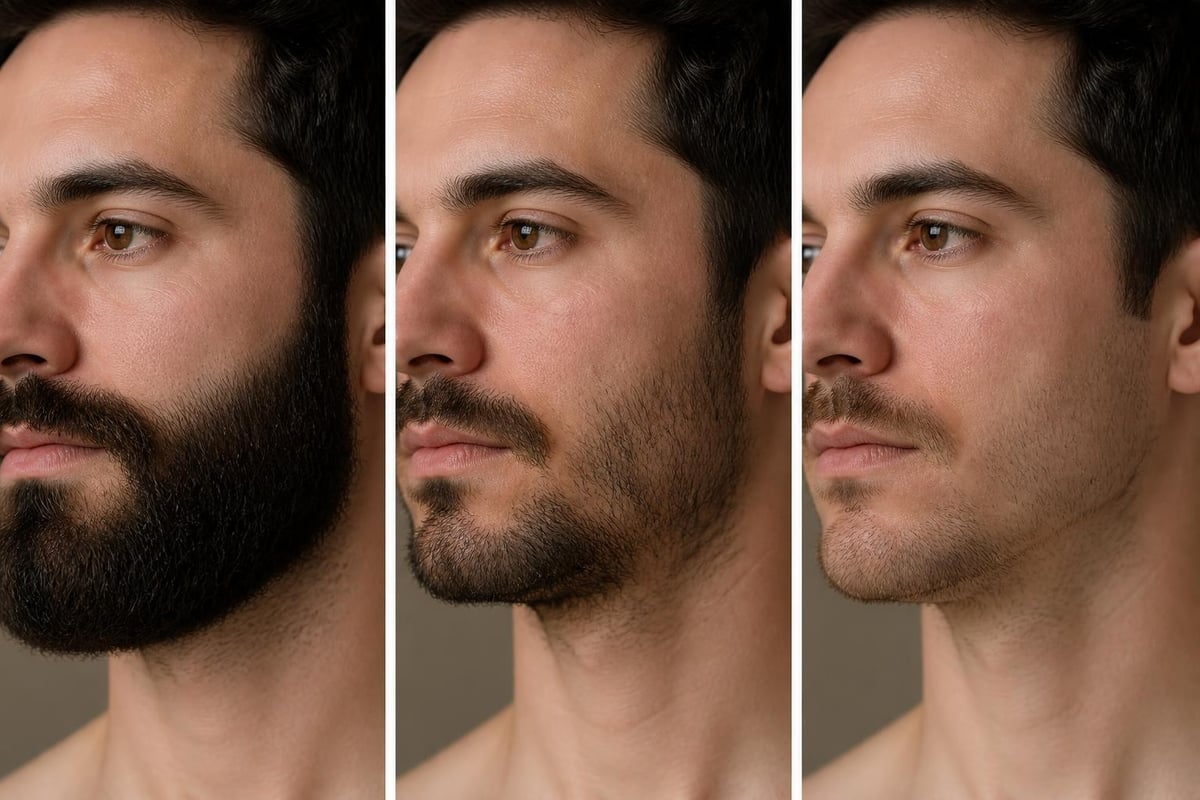
Neglecting proper beard care doesn't just maintain the status quo. It actively degrades what you already have. Every day without adequate moisture accelerates cuticle damage, and each instance of scratching inflamed skin traumatizes follicles.
Brittle hairs break at the surface, creating the illusion of slower growth. You might grow half an inch per month at the root, but if that same half-inch snaps off from dryness, your visible length stagnates. This cycle frustrates men who assume their genetics prevent growth when mechanical damage is the actual culprit.
Follicle miniaturisation compounds the issue. Chronic inflammation triggers a process where terminal follicles shrink and revert to producing vellus hairs. What started as a temporarily patchy beard becomes permanently thin unless you address the underlying inflammation.
| Problem | Biological Mechanism | Visible Result |
|---|---|---|
| Dehydration | Reduced water content in cortex | Wiry, frizzy texture |
| Sebum deficiency | Inadequate lipid coating | Dull appearance, breakage |
| Inflammation | Follicle constriction | Patchy growth, itching |
| Poor circulation | Limited nutrient delivery | Slow growth, weak shafts |
The psychological toll shouldn't be underestimated. Research consistently links facial hair satisfaction with self-esteem and perceived masculinity. A beard that doesn't meet your expectations creates daily frustration, particularly when colleagues or friends sport the full beards you want.
The Solution: How Beard Oil for Fuller Beard Actually Works
Beard oil doesn't magically grow new follicles. Instead, it optimises the environment for existing follicles to perform at their genetic maximum. By addressing the biological barriers to fullness, quality beard oil for fuller beard results makes sparse areas less noticeable and existing hairs appear healthier.
Carrier Oils: The Foundation of Beard Nutrition
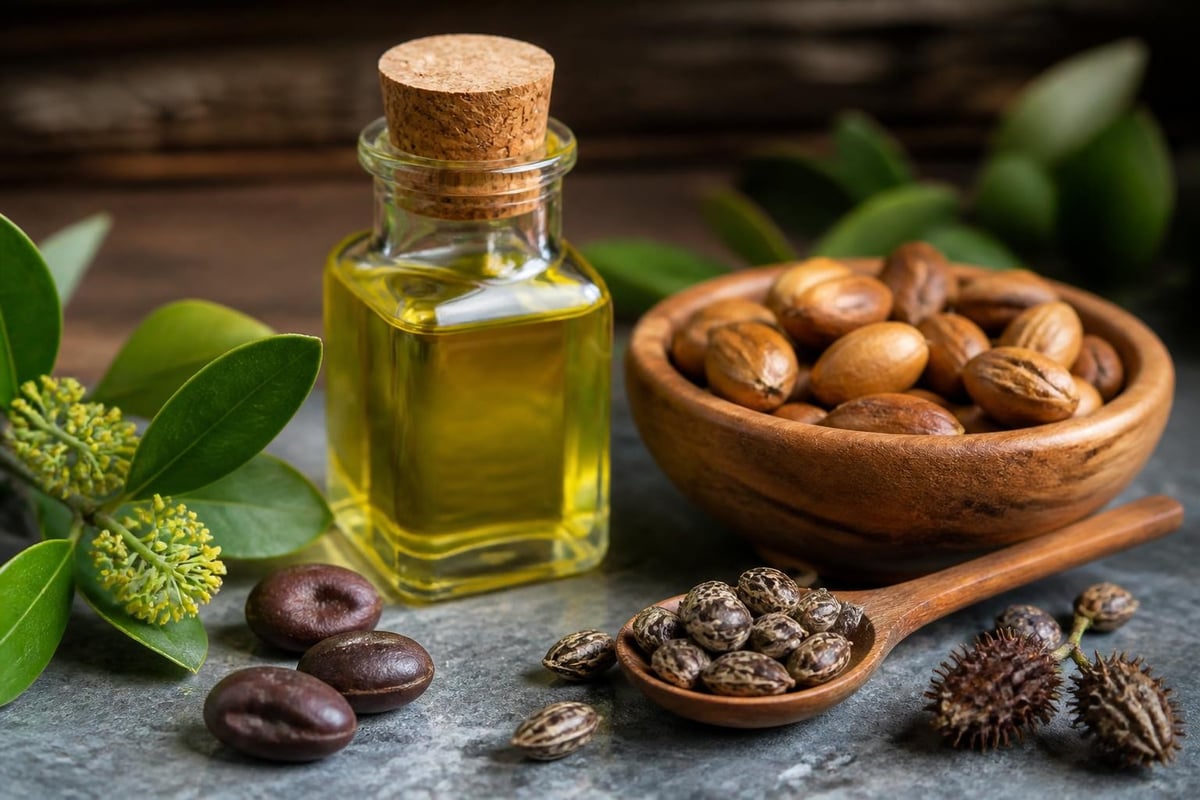
The base of any effective beard oil comprises carrier oils rich in fatty acids and vitamins. These aren't decorative ingredients; they serve specific biochemical functions:
Jojoba oil mimics human sebum's molecular structure, allowing it to penetrate the hair shaft and regulate natural oil production. A systematic review of plant oils for hair care found that jojoba's wax esters coat the cuticle, reducing moisture loss by up to 35%.
Argan oil delivers high concentrations of vitamin E and linoleic acid, which repair oxidative damage to the cortex. The same review documented improved hair elasticity and reduced breakage in subjects using argan oil consistently for eight weeks.
Castor oil contains ricinoleic acid, a unique fatty acid that some practitioners claim stimulates blood flow to follicles. However, a narrative review of castor oil in dermatology clarifies that while castor oil excels at moisturising and thickening hair shafts, evidence for actual follicle stimulation remains limited.
Essential Oils: Targeted Follicle Support
While carrier oils provide structure and moisture, essential oils contribute therapeutic compounds that address specific beard problems. Peppermint oil increases dermal blood flow through its menthol content, potentially extending anagen duration. Cedarwood oil has been studied for its ability to balance sebaceous gland activity, reducing both excessive oiliness and dryness.
Caution matters here. A comprehensive review on fragrance contact allergy found that oxidised essential oils trigger allergic contact dermatitis in susceptible individuals. Quality formulations use stabilised oils and appropriate dilution ratios (typically 2-3% essential oil concentration).
Application Technique: Maximising Absorption and Efficacy
Buying premium beard oil for fuller beard outcomes means nothing if your application technique prevents absorption. The goal is delivering active compounds to both the hair shaft and the underlying skin.
The Evidence-Based Application Protocol
-
Cleanse first – Apply oil to clean skin after washing with a pH-balanced beard wash. Clean follicles absorb nutrients more efficiently than those clogged with sebum and dead skin cells.
-
Warm the oil – Dispense 4-6 drops into your palm and rub hands together for 15 seconds. Heat reduces viscosity, improving penetration.
-
Work root to tip – Massage oil into the skin beneath your beard using circular motions for 60-90 seconds. This stimulates blood flow while coating follicles. Then distribute remaining oil through the beard length.
-
Comb for distribution – Use a boar bristle brush or wide-tooth comb to spread oil evenly and train hairs in your desired direction. This prevents product buildup in specific zones.
-
Apply twice daily – Morning application protects against environmental damage; evening application supports overnight repair processes when cell regeneration peaks.
The transformative power of a structured approach becomes evident when you commit to consistency. Men who apply beard oil haphazardly see marginal improvements. Those who follow a systematic protocol for 90 days witness measurable changes in density, texture, and growth rate.
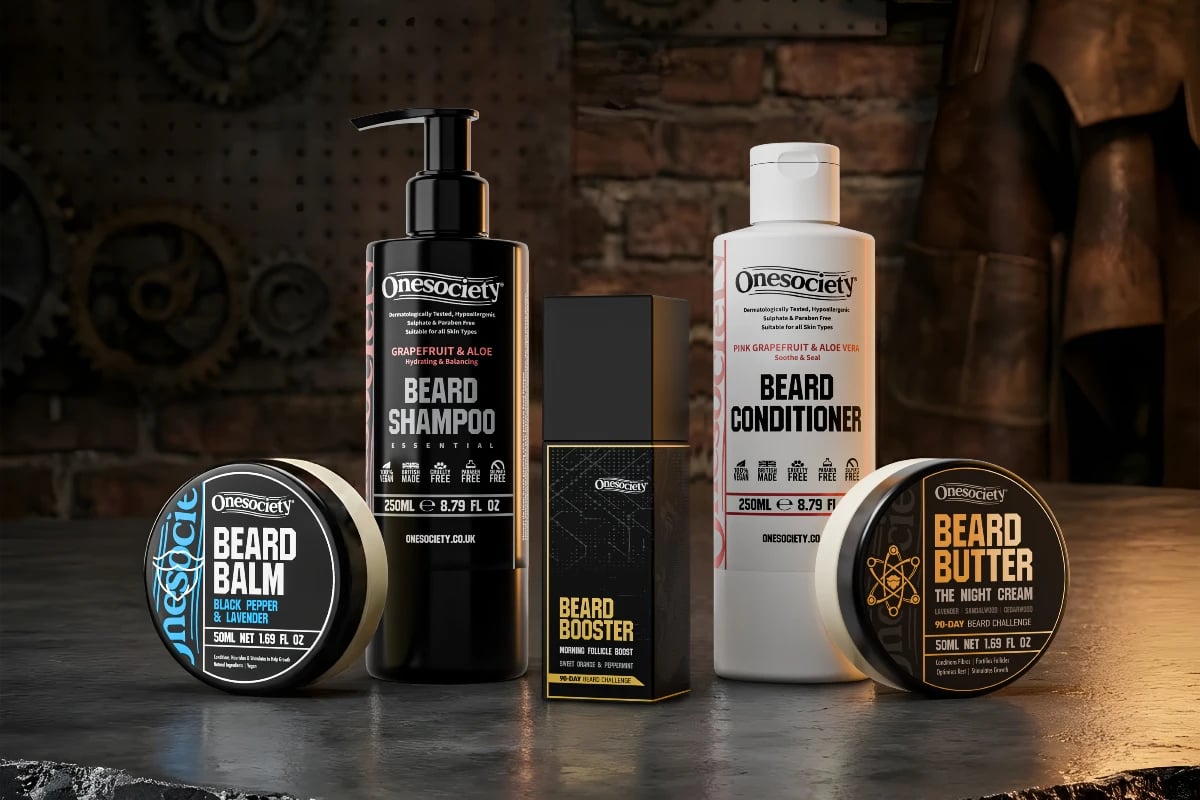
Onesociety's 90-Day Beard Challenge packages this entire system into one comprehensive kit, including the Beard Booster formula specifically engineered for follicle ignition through enhanced blood flow. The kit combines eight high-performance products designed to work synergistically across the three-month growth cycle, addressing everything from initial follicle stimulation to long-term hydration and protection.
Realistic Expectations: What Beard Oil Can (and Cannot) Do
Honesty matters when evaluating beard oil for fuller beard claims. Understanding realistic outcomes prevents disappointment and helps you identify whether additional interventions might be necessary.
What Quality Beard Oil Achieves
Improved hair shaft diameter – Consistent moisturisation plumps the cortex, making individual hairs appear thicker. This effect is measurable through hair analysis and visibly noticeable within 3-4 weeks.
Reduced breakage – Cuticle protection extends average hair length by preventing mid-shaft fractures. Men often perceive this as "faster growth" when they're actually retaining more of what they grow.
Enhanced shine and manageability – Sealed cuticles reflect light uniformly, transforming dull beards into lustrous ones. This optical effect makes beards appear denser even without new growth.
Minimised itch and flaking – Beard oil's anti-inflammatory compounds (particularly from chamomile and lavender) reduce the irritation that drives many men to shave prematurely. When combined with proper beard washing and conditioning techniques, this creates a sustainable grooming routine.
What Beard Oil Cannot Do
Activate dormant follicles – If genetics determined that certain facial areas lack terminal hair follicles, no topical oil will create them. Beard oil optimises existing follicles; it doesn't generate new ones.
Replace medical treatments – For men seeking clinical-grade follicle stimulation, the British Dermatology guidance on minoxidil for beard growth outlines evidence-based pharmaceutical options. Minoxidil extends anagen phase duration through mechanisms beard oil cannot replicate.
Overcome severe hormonal deficiencies – Men with clinically low testosterone or DHT levels require medical intervention. Beard oil supports healthy follicles but doesn't address endocrine disorders.
| Timeframe | Expected Changes with Beard Oil | What You Won't See |
|---|---|---|
| Week 1-2 | Reduced itch, improved texture | New hair growth |
| Week 3-4 | Enhanced shine, less breakage | Filled patches |
| Week 6-8 | Visible thickness increase | Transformed growth pattern |
| Week 10-12 | Fuller overall appearance | Completely new beard |
Ingredient Quality: Why Natural Matters for Beard Health
The grooming market floods consumers with products containing synthetic silicones, mineral oils, and synthetic fragrances. These cheaper ingredients coat hair temporarily but provide no nutritional value to follicles.
Cold-pressed oils retain temperature-sensitive vitamins and fatty acids that industrial processing destroys. Vitamin E, for instance, degrades rapidly above 40°C, making extraction method critical for efficacy.
Organic certification ensures oils come from plants grown without pesticides that could disrupt endocrine function when absorbed through facial skin. The face contains higher concentrations of blood vessels than other body areas, increasing systemic absorption of topical compounds.
No synthetic fragrances protects users from the phthalates and aldehydes that cause allergic contact dermatitis. Natural essential oils, when properly oxidation-stabilised, provide scent while delivering therapeutic compounds.
Onesociety built their entire product philosophy around 100% natural ingredients backed by published research. This isn't marketing rhetoric; it reflects the understanding that facial skin deserves the same ingredient scrutiny we apply to food.

Complementary Strategies: Building a Fuller Beard System
Beard oil for fuller beard results performs best within a comprehensive grooming system. Isolated products deliver isolated results; integrated approaches create synergistic improvements.
Nutrition and Hydration
Hair comprises primarily keratin, a protein synthesised from amino acids. Inadequate protein intake (below 0.8g per kilogram of body weight) limits keratin production, slowing growth regardless of topical treatments.
B-complex vitamins, particularly biotin (B7), serve as cofactors in keratin synthesis pathways. While biotin deficiency is rare in developed nations, supplementation in non-deficient individuals hasn't demonstrated growth benefits according to controlled trials.
Hydration affects sebum consistency and skin elasticity. Dehydrated skin produces thicker, stickier sebum that clogs follicles. Consuming 35ml of water per kilogram of body weight daily optimises sebaceous function.
Mechanical Stimulation
Regular brushing with natural bristles distributes sebum and oils while exfoliating dead skin cells. The gentle follicle stimulation may extend anagen duration through increased local blood flow, though this mechanism requires further research validation.
Stress Management
Chronic stress elevates cortisol, which shortens anagen phases across all body hair. This explains why some men notice increased shedding during high-stress periods. Stress-reduction practices (exercise, meditation, adequate sleep) support optimal hair cycling.
Strategic Trimming
Counterintuitively, regular trimming enhances the appearance of fullness. Removing split ends prevents further shaft deterioration, while shaping the beard to complement your natural face shape with beard makes existing growth appear more intentional and full.
The 90-Day Transformation Timeline
Significant beard improvements require patience aligned with natural hair growth cycles. Terminal beard hairs grow approximately 0.4mm daily (12mm monthly), but the visible change depends on retention, not just growth rate.
Month One: Foundation Building
The first 30 days focus on creating optimal follicle conditions. Daily beard oil application repairs existing damage, reduces inflammation, and establishes your routine. Expect reduced itching and improved texture, but minimal length change. Some men experience increased shedding as damaged hairs release; this normalises by week three.
Month Two: Visible Improvements
Weeks five through eight deliver noticeable changes. Hair shafts gain diameter from consistent moisturisation, and retention improves as breakage decreases. Patches appear less prominent as existing hairs strengthen and thicken. This is when friends start asking, "Are you doing something different with your beard?"
Month Three: Consolidated Results
The final month cements your transformation. Follicles that entered anagen during month one produce visible length. The combination of new growth, thicker shafts, and zero breakage creates the fuller appearance you targeted. Comparing photos from day one to day 90 reveals changes that daily observation obscured.
Measuring Success: Beyond Subjective Assessment
Photography documentation provides objective progress tracking. Take weekly photos in identical lighting, from identical angles, with the same facial expression. This eliminates memory bias and reveals subtle improvements.
Hair count analysis in a defined area (e.g., a 1cm² patch on your jaw) tracks density changes. While tedious, this method quantifies whether you're actually growing more visible hairs or simply improving existing ones.
Texture assessment using the "pinch test" measures shaft strength. Pinch several hairs between your fingers; healthy, well-moisturised hairs feel smooth and resist pulling. Brittle hairs feel rough and snap easily.
| Measurement | Method | Frequency | What It Reveals |
|---|---|---|---|
| Length | Ruler at specific points | Weekly | Growth rate |
| Density | Hair count per cm² | Biweekly | Follicle activation |
| Texture | Pinch test | Daily | Moisture and health |
| Appearance | Standardised photos | Weekly | Overall transformation |
The science behind beard oil for fuller beard growth centres on optimising what genetics gave you, not defying biological limits. By combining high-quality natural ingredients, consistent application, and patience aligned with hair growth cycles, you create conditions where follicles perform at their maximum capacity. This approach transforms sparse, brittle beards into fuller, healthier facial hair that genuinely reflects your potential. Onesociety formulates every product with this evidence-based philosophy, using 100% natural ingredients that support follicle health and hair quality. Explore their range today to begin your own transformation with products that deliver measurable results, not empty promises.