

Your beard hair represents more than facial decoration. Each strand functions as a complex biological structure influenced by genetics, hormones, and environmental factors. Understanding the science behind facial hair transforms grooming from guesswork into a systematic approach backed by dermatological research. Whether you struggle with patchy growth or maintain a full beard, grasping the fundamentals of beard hair biology empowers you to make informed decisions about your grooming routine.
The Biological Architecture of Beard Hair
Beard hair differs fundamentally from scalp hair in structure and growth patterns. The follicles on your face respond to androgens-specifically dihydrotestosterone (DHT)-at a cellular level, triggering terminal hair growth during and after puberty. This hormonal sensitivity explains why facial hair growth varies significantly between individuals.
Terminal vs. Vellus Hair
Your face contains two distinct hair types:
- Vellus hair: Fine, nearly invisible strands covering most of your face
- Terminal hair: Thick, pigmented beard hair responsive to androgens
- Transitional hair: Vellus follicles converting to terminal growth
The transformation from vellus to terminal beard hair depends on androgen receptor sensitivity within each follicle. This genetic programming determines density, coverage patterns, and growth potential regardless of external interventions.
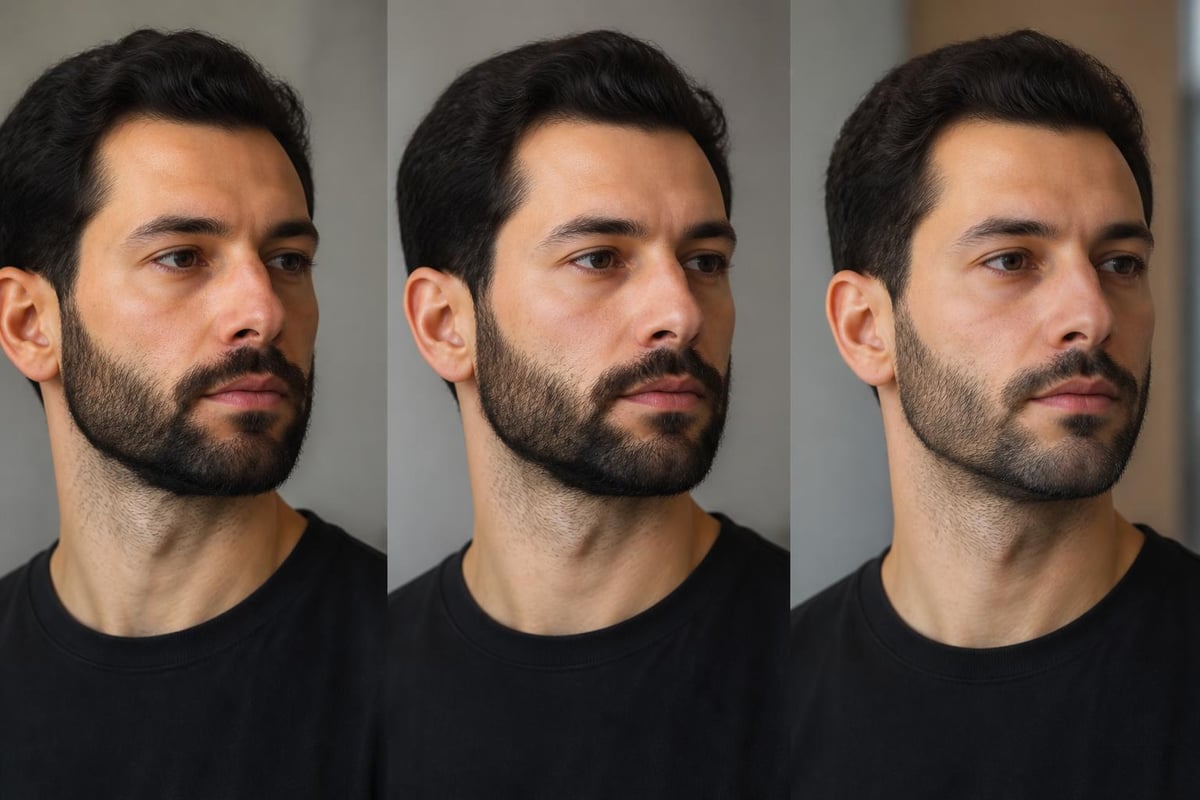
Growth Cycle Mechanics
Beard hair follows a predictable three-phase cycle:
- Anagen (Growth Phase): Lasts 2-6 years, determining maximum length potential
- Catagen (Transition Phase): 2-3 week period where growth stops and follicle shrinks
- Telogen (Resting Phase): 2-3 month dormancy before the strand sheds
Understanding these phases explains why beard growth requires patience and why daily shedding of 50-100 beard hairs constitutes normal turnover rather than concerning hair loss.
Common Beard Hair Problems You Face
Patchy coverage haunts many men attempting to cultivate facial hair. The distribution of androgen-sensitive follicles across your jawline and cheeks follows genetic blueprints established at conception. No topical product can create follicles where none exist, yet optimizing existing follicle health maximizes your genetic potential.
Texture and Manageability Challenges
Beard hair emerges from the follicle with a natural curl pattern determined by follicle shape. Curved follicles produce spiral beard hair, whilst straight follicles yield straighter strands. This structural reality creates several frustrations:
- Wiry, coarse texture resisting styling attempts
- Inconsistent curl patterns causing uneven appearance
- Brittleness leading to breakage and split ends
- Dryness from inadequate sebum distribution
The sebaceous glands attached to each beard hair follicle produce natural oils, yet this secretion rarely suffices for strands longer than 2-3 centimeters. Longer beard hair requires supplemental conditioning to maintain structural integrity.
| Beard Hair Issue | Biological Cause | Scientific Solution |
|---|---|---|
| Itchiness (weeks 2-4) | New growth irritating skin, inadequate sebum | pH-balanced cleansing, emollient application |
| Beardruff | Seborrheic dermatitis, fungal overgrowth | Antifungal ingredients, exfoliation |
| Patchy growth | Genetic androgen receptor distribution | Follicle stimulation, patience (12+ months) |
| Slow growth | Short anagen phase, poor circulation | Nutrient support, microneedling protocols |
The Itch Crisis
Between weeks two and four of growth, newly emerging beard hair shafts pierce through skin at sharp angles, triggering nerve endings and causing intense itching. This phase drives countless men to abandon beard growth prematurely. The discomfort stems from mechanical irritation combined with insufficient natural oil distribution reaching the growing strands.
Evidence-Based Beard Hair Optimization
Science identifies specific interventions that influence beard hair quality and follicle performance. Whilst genetic limitations remain immutable, optimizing the variables within your control yields measurable improvements.
Microneedling and Follicle Stimulation
Derma rolling for beard growth creates controlled micro-injuries that trigger wound healing responses. This process increases blood flow to follicles and stimulates collagen production in the dermal layer housing hair roots. Clinical protocols recommend:
- 0.25-0.5mm needle depth for facial application
- Once weekly sessions maximum
- Thorough disinfection before and after use
- 24-hour gap before applying active ingredients
Research demonstrates derma rolling enhances absorption of topical compounds by creating temporary microchannels through the stratum corneum. However, the practice carries infection risks when performed incorrectly or with contaminated equipment.
Nutritional Support Systems
Beard hair consists primarily of keratin, a protein requiring specific amino acids and cofactors for synthesis. Your follicles demand continuous nutrient supply to maintain anagen phase activity:
Essential nutrients for beard hair follicles:
- Biotin (Vitamin B7): Cofactor in keratin production pathways
- Zinc: Regulates androgen receptor function and protein synthesis
- Vitamin D: Modulates hair follicle cycling and immune function
- Iron: Oxygen transport to rapidly dividing follicle cells
- Omega-3 fatty acids: Anti-inflammatory support for follicle health
Deficiencies in these compounds demonstrably impair hair growth cycles, though supplementation beyond adequate intake levels provides no additional benefit. Blood testing identifies genuine deficiencies requiring targeted correction.
The Minoxidil Question
Beard growth products vary enormously in efficacy, with minoxidil standing as the sole compound with robust clinical evidence. Originally developed for hypertension, minoxidil's vasodilating properties increase blood flow to follicles whilst prolonging the anagen phase through mechanisms not fully understood.
Application protocols typically involve:
- 5% solution applied twice daily
- Minimum 4-month commitment before assessing results
- Continued use required to maintain gains
- Potential side effects including skin irritation and unwanted hair growth
The compound requires dedication and acceptance of maintenance dependency, as discontinuation typically reverses gains within months.
Cleansing Protocols That Protect Beard Hair
Regular shampooing maintains follicle health by removing sebum buildup, dead skin cells, and environmental debris. However, harsh surfactants strip protective oils, leaving beard hair brittle and prone to damage. Proper beard care routines balance cleanliness with moisture retention.
pH Balance Matters
Scalp shampoos formulated at pH 7-9 prove too alkaline for facial skin and beard hair. The skin's acid mantle functions optimally at pH 4.5-5.5, whilst alkaline cleansers disrupt this protective barrier. Beard-specific shampoos maintain acidic pH levels that:
- Preserve the skin's antimicrobial defences
- Keep hair cuticles sealed and smooth
- Prevent excessive moisture loss
- Reduce irritation and inflammation
Frequency recommendations suggest cleansing 2-3 times weekly for most men, adjusting based on activity levels and environmental exposure.
Conditioning Science
Conditioners deposit cationic compounds onto negatively charged beard hair shafts, neutralizing static whilst filling microscopic gaps in damaged cuticles. Effective formulations contain:
- Emollients (shea butter, jojoba oil): Fill gaps in damaged cuticle layers
- Humectants (glycerin, hyaluronic acid): Attract and retain moisture molecules
- Proteins (hydrolyzed keratin): Temporarily repair structural damage
- Silicones: Create protective film reducing friction damage
Leave-in conditioners provide extended protection throughout the day, particularly valuable for beard hair exceeding 5 centimeters in length.
Advanced Beard Hair Maintenance Techniques
Maintaining a healthy beard extends beyond basic cleansing to encompass strategic grooming practices that prevent damage and enhance appearance.
Oil Application Methodology
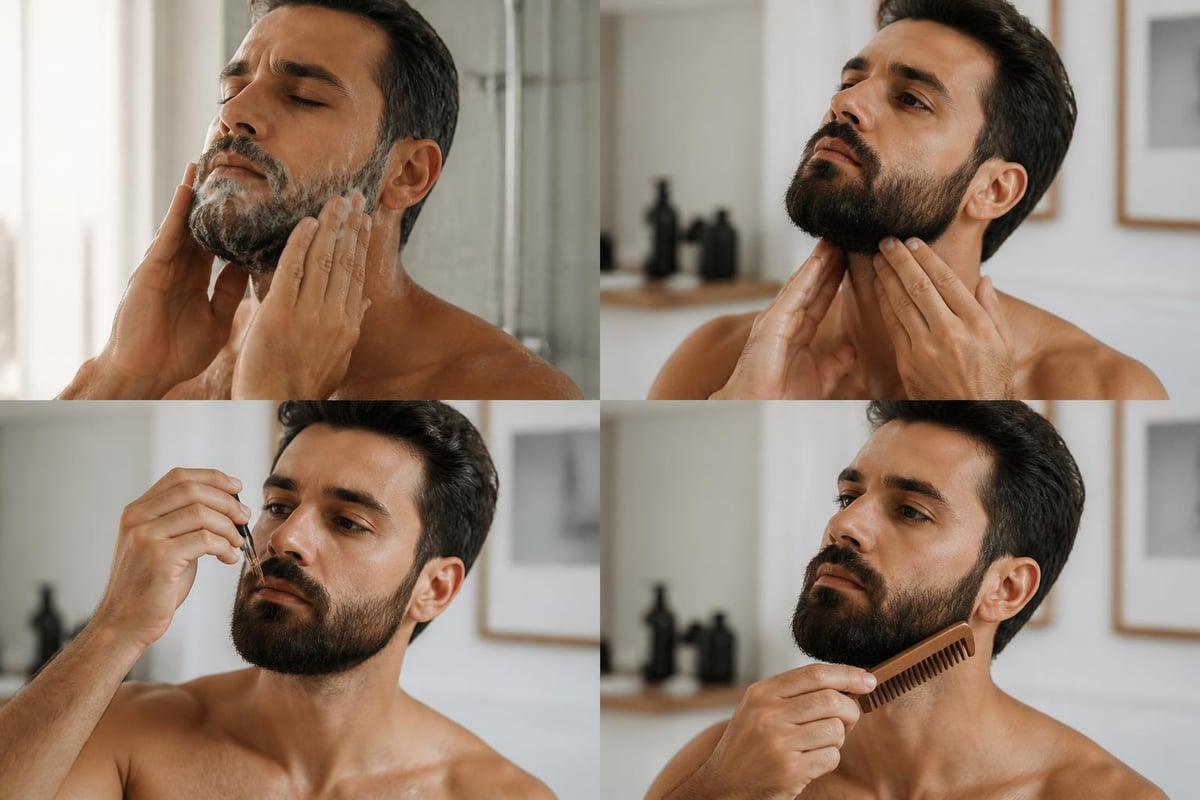
Beard oils serve multiple functions through their carrier and essential oil components. Carrier oils (jojoba, argan, sweet almond) most closely resemble sebum's lipid profile, allowing efficient penetration and moisture retention. Application technique influences efficacy:
- Dispense 3-6 drops into palm (adjust for beard length)
- Rub palms together, generating heat to reduce viscosity
- Work through beard hair from root to tip
- Use fingers to ensure even distribution
- Apply to underlying skin, not just exterior strands
Optimal timing occurs on damp beard hair post-shower, when cuticles remain slightly open and receptive to oil absorption. For men committed to transformative beard growth, the 90-Day Beard Challenge provides a complete system combining follicle stimulation, deep conditioning, and protective styling products engineered specifically for facial hair development.
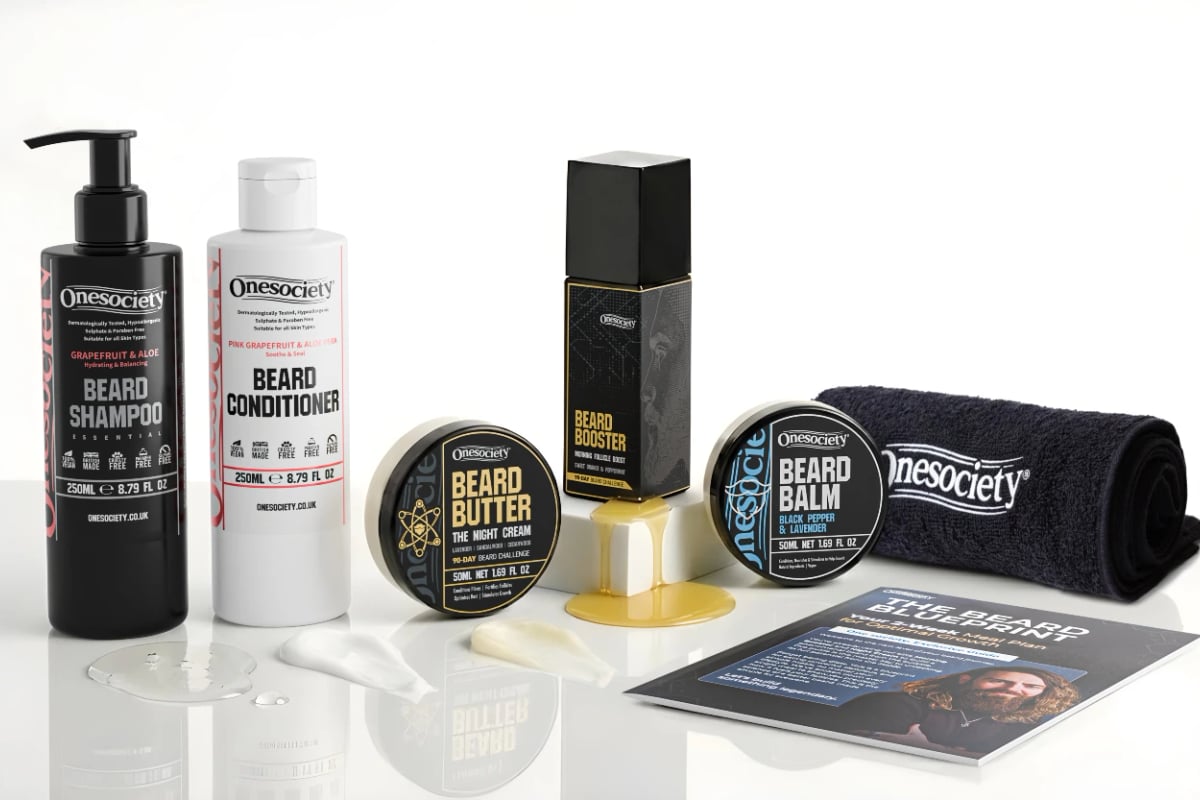
Balm vs. Butter: Functional Differences
| Product Type | Primary Function | Key Ingredients | Best Use Case |
|---|---|---|---|
| Beard Oil | Moisture, shine, underlying skin health | Liquid carrier oils, essential oils | Short-medium beards (under 8cm) |
| Beard Balm | Hold, styling, environmental protection | Beeswax, butters, oils | Medium-long beards requiring shape control |
| Beard Butter | Deep conditioning, overnight treatment | Shea butter, cocoa butter, oils | Dry, damaged, or coarse beard hair |
The wax content in balms provides structure and hold whilst creating a protective barrier against environmental stressors. Butters offer intensive conditioning without styling capability, making them ideal for overnight recovery treatments.
Strategic Trimming Approaches
Contrary to popular belief, trimming beard hair does not accelerate growth or increase density. These myths stem from visual illusions created by blunt-cut ends appearing thicker than naturally tapered tips. However, strategic trimming serves legitimate purposes:
- Removes split ends preventing damage propagation
- Maintains intentional shape during growth phases
- Eliminates uneven length disparities
- Creates defined lines enhancing facial structure
Professional barbers recommend trimming every 4-6 weeks during active growth phases, extending to 8-10 weeks once target length is achieved.
Lifestyle Factors Influencing Beard Hair Quality
Your daily habits create the internal environment determining follicle performance and beard hair vitality. Natural beard growth strategies emphasize optimizing these foundational variables.
Sleep and Hormonal Regulation
During deep sleep, your body produces the majority of testosterone and growth hormone-both critical for beard hair development. Chronic sleep deprivation measurably reduces androgen production whilst increasing cortisol, a stress hormone that prematurely shifts follicles into telogen phase.
Target specifications include:
- 7-9 hours nightly for optimal hormone synthesis
- Consistent sleep-wake schedule supporting circadian rhythm
- Dark, cool environment promoting deep sleep phases
- Limitation of blue light exposure 2 hours pre-sleep
Exercise and Circulation
Physical activity enhances blood flow to peripheral tissues, including facial hair follicles. Resistance training specifically boosts testosterone production through muscle stimulation, whilst cardiovascular exercise improves overall circulation efficiency. The combination delivers increased nutrient and oxygen supply to actively growing beard hair.
Stress Management Protocols
Chronic psychological stress triggers telogen effluvium, a condition where follicles prematurely enter resting phase, leading to noticeable shedding 2-3 months after the stressful period. Stress hormones also restrict peripheral blood flow, limiting nutrient delivery to follicles.
Evidence-based stress reduction techniques include:
- Meditation practices reducing cortisol levels
- Regular exercise promoting endorphin production
- Adequate sleep supporting nervous system recovery
- Social connection buffering stress responses
Understanding Growth Timelines and Expectations
Realistic expectations prevent premature abandonment of beard growth efforts. The complete beard growth process unfolds across predictable phases, each presenting distinct characteristics and challenges.
Month-by-Month Progression
Weeks 1-4: Stubble phase characterized by itching, uneven growth patterns, and patchy appearance. New beard hair emerges at varying rates across different facial zones due to follicle cycling asynchrony.
Months 2-3: Awkward phase where length disparities become pronounced and styling proves difficult. Persistence through this period determines success, as many abandon efforts prematurely.
Months 4-6: Establishment phase where coverage fills in, natural shape emerges, and maintenance routines solidify. Beard hair reaches sufficient length for effective styling and shaping.
Months 6-12: Maturation phase where terminal density maximizes within genetic parameters. Final assessment of coverage patterns and potential becomes possible.
Genetic Limitations and Acceptance
Approximately 15-20% of men lack sufficient androgen receptor density for full beard development. This genetic reality cannot be overcome through products or protocols. Vellus follicles lacking androgen sensitivity will not transform into terminal beard hair regardless of intervention.
Honest assessment after 12 months of optimized conditions reveals your true genetic potential. Acceptance of these limitations allows you to style and maintain beard hair effectively within your individual parameters rather than pursuing unrealistic standards.
Product Selection Criteria for Beard Hair Care
The grooming market overflows with beard products making grandiose claims unsupported by evidence. Selecting quality beard care products requires understanding ingredient functionality and avoiding marketing hype.
Ingredient Analysis Framework
Examine product labels for active compounds with documented benefits:
Beneficial carrier oils:
- Jojoba oil: Molecular structure similar to sebum, excellent absorption
- Argan oil: High in vitamin E and fatty acids, reduces inflammation
- Sweet almond oil: Lightweight, rich in oleic acid for moisture retention
- Grapeseed oil: Non-comedogenic, suitable for acne-prone skin beneath beard hair
Functional butters:
- Shea butter: Anti-inflammatory properties from triterpenes and phenolic compounds
- Cocoa butter: Creates protective barrier whilst delivering antioxidants
- Mango butter: Lightweight alternative providing fatty acid nourishment
Ingredients to avoid:
- Sulfates (SLS, SLES): Strip natural oils excessively
- Parabens: Endocrine disruption concerns
- Synthetic fragrances: Common allergens and irritants
- Alcohol (as primary ingredient): Drying effect on beard hair and skin
Natural Formulations and Scientific Backing
Products featuring 100% natural ingredients avoid synthetic compounds that may trigger sensitivity reactions. However, "natural" designation alone guarantees nothing about efficacy. Seek formulations where natural ingredients align with documented biological benefits-such as tea tree oil's antimicrobial properties for beardruff control or peppermint oil's circulation-enhancing menthol content.
Companies transparent about ingredient sourcing, concentration percentages, and specific functional benefits demonstrate commitment to efficacy over marketing. Those offering guarantees and comprehensive support systems signal confidence in product performance.
Professional vs. Home Beard Hair Management
Whilst professional grooming services provide expertise and specialized tools, effective beard hair care primarily occurs through daily home routines. Strategic combination of both approaches optimizes results.
When to Seek Professional Services
Barbers trained in beard grooming offer services beyond home capabilities:
- Initial shape establishment for new beard growth
- Correction of home trimming errors
- Advanced styling for special occasions
- Professional assessment of growth patterns and potential
Monthly or bi-monthly professional maintenance combined with daily home care creates the optimal balance for most men. The barber establishes shape and addresses structural issues whilst your daily routine maintains moisture, cleanliness, and styling between appointments.
Building Your Home Care System
Effective home maintenance requires consistent application of scientifically sound practices rather than expensive equipment. Essential components include:
- pH-balanced beard shampoo for 2-3 weekly cleansing
- Quality conditioner addressing your specific beard hair texture
- Beard oil for daily moisture and underlying skin health
- Balm or butter for styling and environmental protection
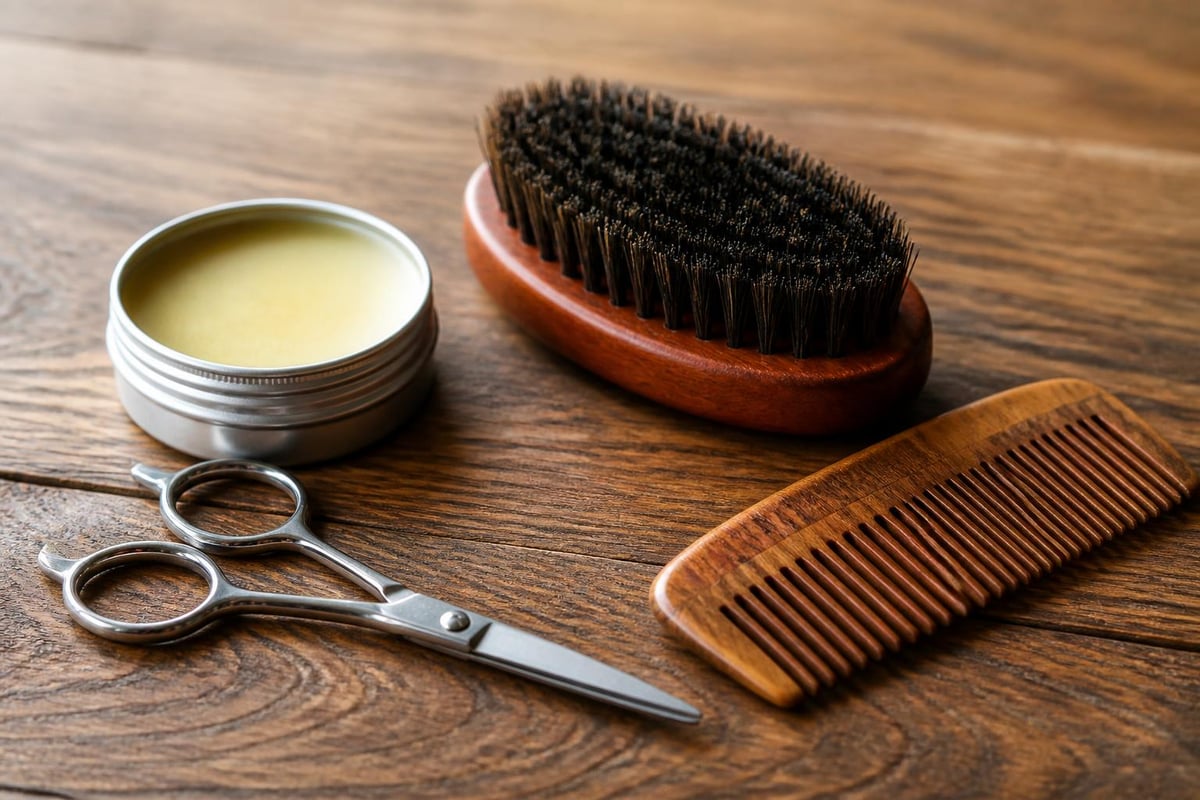
- Boar bristle brush distributing natural oils and training direction
- Wooden comb for detangling without static generation
Investment in quality formulations delivers better results than accumulating numerous mediocre products. Consistency matters more than product quantity.
Beard hair growth and maintenance combine genetic factors you cannot control with daily practices you can optimize. Understanding the biological mechanisms driving follicle performance allows you to implement evidence-based strategies whilst maintaining realistic expectations. Whether you're cultivating your first beard or refining years of growth, success requires patience, consistency, and scientifically sound products. Onesociety formulates natural grooming solutions backed by research, providing the tools you need to maximize your beard's genetic potential through their complete range of oils, balms, and specialized treatments designed specifically for facial hair health.