

Your beard might look healthy on the surface, but beneath those whiskers lies a battleground. The skin underneath suffers from constant friction, bacterial buildup, and moisture loss-issues that synthetic grooming products often fail to address. The solution? A natural gel extracted from a desert plant that has been used for over 6,000 years. Using aloe vera gel for beard care isn't just a trend; it's a scientifically validated approach to tackling inflammation, itchiness, and poor follicle health. Let's examine why this translucent gel deserves a place in your daily routine.
The Science Behind Aloe Vera's Active Compounds
What makes aloe vera gel for beard grooming so effective? The answer lies in its biochemical composition. Aloe vera contains over 75 active compounds, including vitamins A, C, and E (antioxidants that neutralise free radicals), enzymes like bradykinase (which reduces excessive inflammation), and polysaccharides such as acemannan that accelerate skin repair.
Acemannan: The Moisture-Locking Molecule
Acemannan, a long-chain sugar molecule, forms the backbone of aloe's hydrating power. This compound binds water molecules to the skin beneath your beard, creating a moisture barrier that prevents trans-epidermal water loss. Research published in 2024 confirms acemannan's role in stimulating fibroblast activity-the cells responsible for collagen production and skin regeneration.
When you apply aloe vera gel for beard skin, acemannan penetrates the stratum corneum (the outermost skin layer) and delivers sustained hydration. This is critical because beard hair wicks away natural oils, leaving the underlying skin parched and vulnerable to microcracks.
Anti-Inflammatory Mechanisms That Stop the Itch
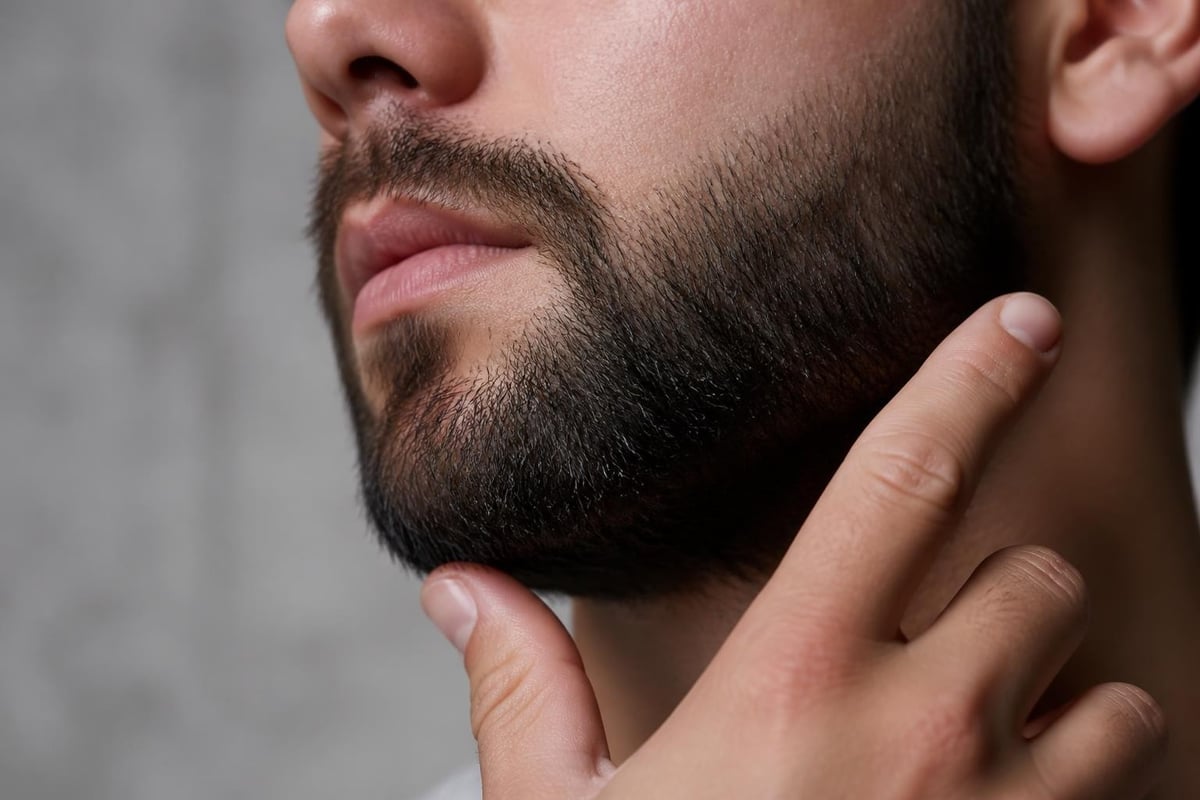
Beard itch isn't just annoying-it's a sign of inflamed hair follicles. Aloe vera contains salicylic acid and lupeol, two compounds that inhibit cyclooxygenase-2 (COX-2), an enzyme that triggers inflammatory responses. By suppressing COX-2 activity, aloe reduces redness, swelling, and that maddening urge to scratch.
The American Academy of Dermatology highlights that proper beard care requires addressing skin health first. Inflammation beneath the beard creates a hostile environment for follicle growth, and aloe's natural steroid-like compounds (plant sterols) calm irritated tissue without the side effects of synthetic corticosteroids.
Why Standard Beard Products Fall Short
Most commercial beard products rely on silicones and petroleum derivatives to create the illusion of softness. These occlusive agents sit on the surface, trapping dirt and bacteria while doing nothing to heal the skin underneath.
The Problem with Synthetic Emollients
Dimethicone, a common silicone in beard balms, coats hair shafts but doesn't nourish follicles. It creates a temporary smoothness that washes away, leaving your beard dependent on repeated applications. Worse, silicones can clog pores around hair follicles, leading to folliculitis (inflamed, infected follicles).
Aloe vera gel for beard care takes a different approach. Instead of masking problems, it addresses root causes:
- Follicle penetration: Aloe's low molecular weight allows it to reach the dermal papilla (the follicle's blood supply)
- pH balancing: Aloe's natural pH of 4.5-5.5 matches healthy skin, maintaining the acid mantle that protects against pathogens
- Nutrient delivery: Vitamins and amino acids feed follicle cells directly
Understanding what makes the best products for beard grooming starts with examining ingredient lists for active compounds, not marketing buzzwords.
How to Apply Aloe Vera Gel for Maximum Beard Benefits
Application method determines efficacy. Random slathering won't deliver results. Follow this protocol:
- Cleanse first: Wash your beard with a pH-balanced shampoo to remove sebum, dead skin, and environmental pollutants
- Extract pure gel: If using fresh aloe, fillet a leaf and scoop the clear gel (avoid the yellow latex layer, which irritates skin)
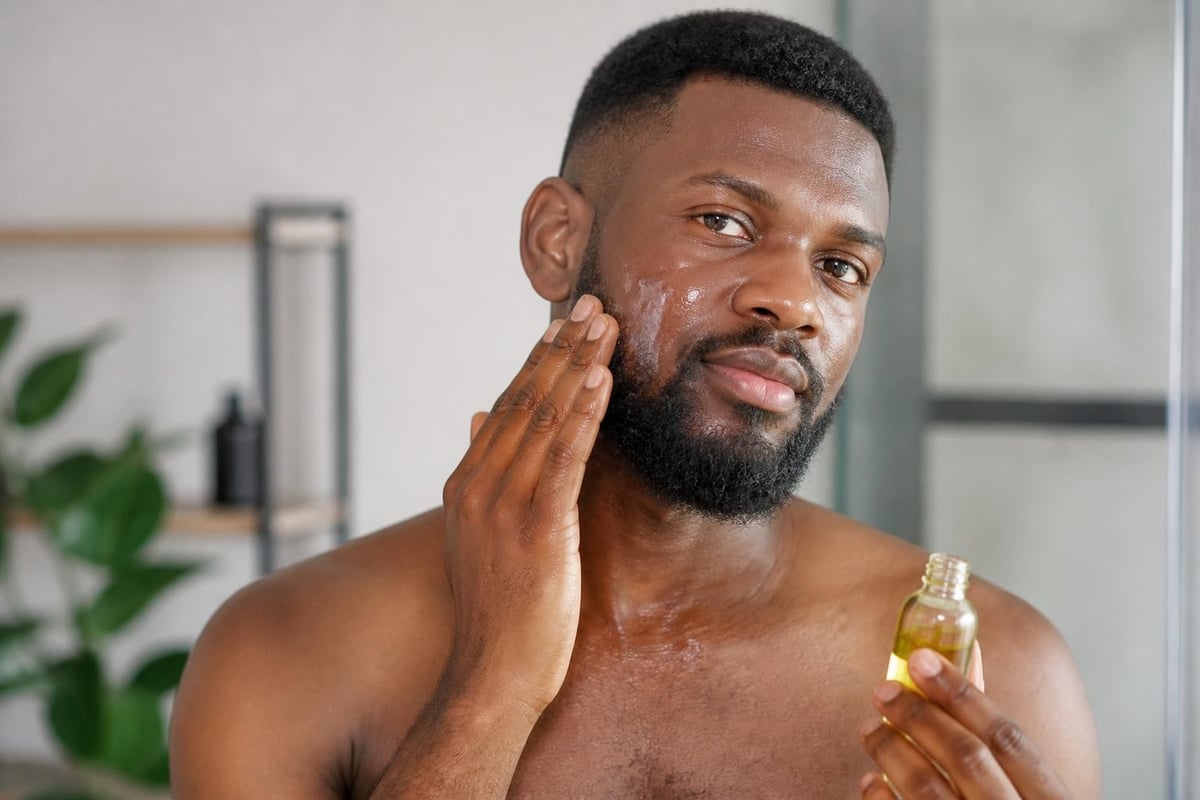
- Apply to damp skin: Work the gel into the skin beneath your beard using circular motions-target the follicles, not just the hair
- Leave for 20 minutes: This allows acemannan and enzymes to penetrate the epidermis
- Seal with oil: Lock in the hydration by applying a quality beard oil over the aloe layer
Frequency Matters
For acute issues like beardruff (beard dandruff) or inflammation, apply aloe vera gel for beard treatment twice daily. Once skin health stabilizes, reduce to 3-4 times weekly. Consistency triggers cumulative benefits-think of it as compound interest for your follicles.
| Application Timing | Purpose | Expected Outcome |
|---|---|---|
| Morning (post-shower) | Hydration + inflammation control | Reduced itchiness, softer beard texture |
| Evening (before bed) | Deep repair during cellular turnover | Accelerated healing of microcracks, follicle nourishment |
| Pre-trim prep | Softens hair shafts | Easier, cleaner trimming with less irritation |
Combining Aloe with Other Natural Ingredients
Aloe vera gel for beard care amplifies when paired with complementary compounds. This synergy creates what researchers call a "phytochemical cocktail"-multiple plant compounds working through different pathways.
Aloe + Tea Tree Oil: The Antimicrobial Shield
A 2023 systematic review confirmed aloe's antimicrobial properties against common skin bacteria. When combined with tea tree oil (which contains terpinen-4-ol, a powerful antimicrobial), you create a dual-action defense against folliculitis and fungal infections like beard ringworm.
Mix 2 tablespoons of aloe gel with 3 drops of tea tree oil. This concentration delivers antimicrobial benefits without the dryness that pure tea tree oil can cause.
Aloe + Coconut Oil: Deep Moisture Penetration
Coconut oil's lauric acid (a medium-chain fatty acid) penetrates hair shafts better than most oils. When layered over aloe vera gel for beard hydration, the oil seals in aloe's water-based compounds while delivering its own anti-inflammatory benefits. This combination suits coarse, curly beard types that struggle with dryness. Learn more about using coconut oil in beard care.
Addressing Common Beard Problems with Aloe Vera
Let's tackle specific issues and how aloe's active compounds provide solutions.
Problem: Patchy Beard Growth
Patchiness often stems from poor blood circulation to follicles or inflammation that stunts growth cycles. Aloe's polysaccharides stimulate fibroblast proliferation, which indirectly supports the anagen (growth) phase of hair cycles. While aloe won't create follicles where none exist, it optimizes the environment for existing follicles to reach their genetic potential.
For those exploring natural ways to grow a fuller beard, combining aloe with derma-rolling (microneedling) enhances compound absorption by creating temporary microchannels in the skin.
Problem: Beardruff and Flaking
Those white flakes on your shirt? They're dead skin cells shed at an accelerated rate due to fungal overgrowth (Malassezia) or seborrheic dermatitis. Aloe vera gel for beard dandruff works through multiple mechanisms:
- Salicylic acid gently exfoliates dead cells
- Antifungal compounds (aloin, emodin) suppress Malassezia populations
- Hydration normalizes the skin's cell turnover rate
Apply aloe gel to the affected areas and leave overnight. Most users notice reduced flaking within 5-7 days of consistent use.
Problem: Post-Shave Irritation
If you trim or shape your beard regularly, razor burn and ingrown hairs are constant threats. Aloe's gibberellins and auxins (plant hormones) accelerate wound healing and reduce keloid formation (raised scars). Medical News Today's review notes aloe's effectiveness in treating minor abrasions and inflammatory skin conditions.
Apply a thin layer of aloe vera gel for beard line maintenance immediately after shaving. The cooling sensation comes from aloe's natural magnesium lactate, which soothes nerve endings.
Selecting Quality Aloe Products vs. Fresh Gel
Not all aloe is created equal. Commercial gels often contain 10% aloe vera diluted with thickeners, preservatives, and alcohol-ingredients that undermine aloe's benefits.
What to Look For
- Aloe barbadensis miller: The most researched species, with the highest concentration of active compounds
- First ingredient: "Aloe vera leaf juice" or "Aloe vera gel," not water
- No alcohol: Ethanol dries skin and denatures proteins
- Minimal preservatives: Potassium sorbate or citric acid are acceptable; avoid parabens
Fresh Gel: The Gold Standard
Growing your own aloe plant guarantees purity. Mature leaves (outer leaves, not center shoots) contain the highest acemannan levels. After extracting gel, refrigerate it for up to 7 days or freeze in ice cube trays for longer storage.
The downside? Fresh aloe oxidizes quickly, losing potency. For convenience without compromise, seek products that cold-press aloe within 24 hours of harvest and use nitrogen-flush packaging to prevent oxidation.
Aloe Vera in a Complete Beard Care System
Using aloe vera gel for beard improvement delivers better results when integrated into a complete grooming protocol. Isolated treatments address symptoms; systems fix root causes.
A comprehensive approach includes targeted formulas that work synergistically. For instance, pairing aloe's hydration with biotin-rich compounds that support keratin synthesis, or combining its anti-inflammatory action with oils that deliver fatty acids to follicle membranes. This multi-vector strategy tackles beard health from follicle stimulation through to surface protection.
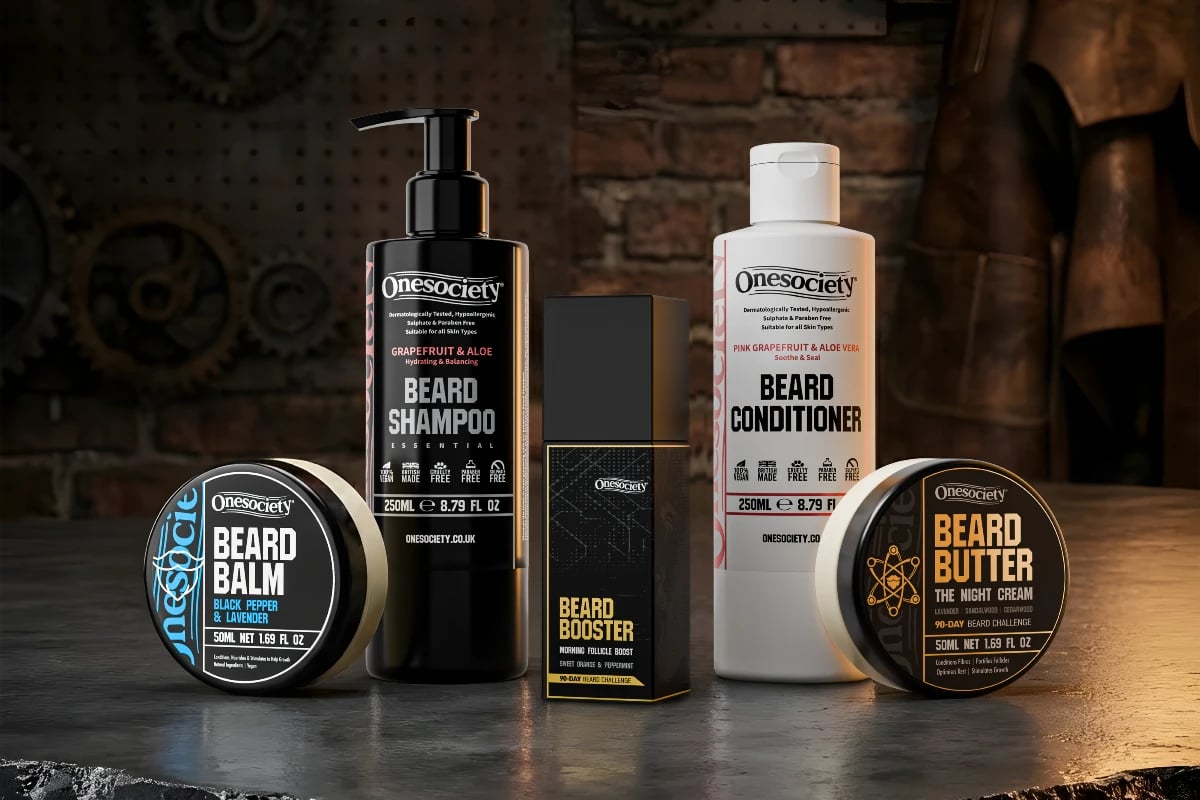
The 90-Day Beard Challenge exemplifies this systems approach-eight formulas designed to address different aspects of beard health, from follicle ignition to hydration lock. Each product contains research-backed ingredients, including aloe-derived compounds, that complement rather than compete with each other.
The Role of pH Balance in Aloe Efficacy
Here's something most beard care guides ignore: pH determines whether active compounds can penetrate skin. Your skin's acid mantle (pH 4.5-5.5) acts as a selective barrier. Products with alkaline pH (above 7) disrupt this barrier, allowing pathogens in while keeping beneficial compounds out.
Why Aloe's Natural pH Matters
Aloe vera gel for beard skin naturally sits at pH 4.5-5.5, matching your skin's protective acid mantle. This compatibility allows aloe's polysaccharides and enzymes to penetrate without compromising barrier function. Contrast this with soap-based cleansers (pH 9-10) that strip the acid mantle and leave skin vulnerable.
When selecting beard products to pair with aloe, verify they maintain skin-friendly pH. Alkaline balms or shampoos negate aloe's benefits by creating an environment where its active compounds can't function properly.
| Product Type | Ideal pH Range | Why It Matters |
|---|---|---|
| Beard shampoo | 4.5-5.5 | Preserves acid mantle, allows nutrient absorption |
| Aloe gel | 4.5-5.5 | Matches skin pH for optimal penetration |
| Beard oil/balm | 5.0-6.0 | Slightly acidic prevents bacterial overgrowth |
| Water | 7.0 (neutral) | Baseline-use for rinsing only |
Potential Limitations and Realistic Expectations
Let's address what aloe vera gel for beard care cannot do. Transparency prevents disappointment and builds trust.
What Aloe Won't Fix
Genetic hair density: If your follicle count is predetermined by genetics, no topical compound will create new follicles. Aloe optimizes existing follicles-it doesn't manifest new ones.
Hormonal beard growth: Testosterone and dihydrotestosterone (DHT) drive beard development. Aloe supports skin health but doesn't alter androgen levels.
Overnight transformation: Cellular repair follows biological timelines. Expect noticeable improvements in skin condition within 2 weeks, but full beard texture changes require 90 days (one complete hair growth cycle).
When to Consult a Professional
A 2025 scientific review notes aloe's strong safety profile, but individual reactions vary. If you experience persistent redness, swelling, or pustules after applying aloe vera gel for beard treatment, discontinue use and consult a dermatologist. You might have a latex allergy (the yellow sap, not the clear gel) or an undiagnosed skin condition requiring medical intervention.
Storage and Shelf Life Optimization
Aloe's active compounds degrade when exposed to light, heat, and oxygen. Proper storage extends efficacy.
Fresh Gel Storage Protocol
- Immediate use: Apply within 2 hours of extraction for peak potency
- Short-term: Refrigerate in an airtight glass container for 7 days
- Long-term: Freeze in silicone ice cube trays; thaw one cube as needed (lasts 6 months)
- Preservation boost: Add vitamin E oil (natural antioxidant) at 1% concentration
Commercial Product Storage
Keep aloe-based beard products in cool, dark locations. Bathroom cabinets near showers expose products to humidity and temperature fluctuations that accelerate degradation. A bedroom drawer maintains stable conditions.
Check for discoloration (gel turning pink or brown) or separation-both indicate oxidation and loss of active compounds.
Aloe Vera for Different Beard Types and Ethnicities
Beard texture varies significantly across genetic backgrounds, requiring tailored approaches. Understanding how to use aloe vera gel for beard care specific to your hair type prevents trial-and-error frustration.
Coarse, Curly Beards
Common among men of African descent, these beards suffer from extreme dryness and are prone to ingrown hairs. Aloe's humectant properties draw moisture into tightly coiled hair shafts, improving pliability. However, aloe alone won't suffice-layer it with heavier oils (castor, jojoba) to seal moisture. Discover more about specialized beard care for different hair types.
Fine, Straight Beards
Typical of East Asian genetics, these beards require lightweight hydration to avoid greasiness. Pure aloe vera gel for beard maintenance works well on its own, providing moisture without weight. Apply sparingly and allow full absorption before adding any oils.
Medium-Texture European Beards
These beards balance between extremes. Aloe gel morning, oil at night creates an optimal rhythm that addresses hydration and protection without overwhelming follicles.
Monitoring Progress and Adjusting Your Protocol
Consistency requires tracking. Subjective feelings ("my beard feels better") don't reveal whether your protocol works.
Metrics to Track Weekly
- Itch episodes: Count daily scratching instances
- Flake visibility: Photograph your beard against a dark shirt to document beardruff reduction
- Skin redness: Use your phone's camera to capture under-beard skin tone
- Beard softness: Test by running fingers through dry beard-resistance decreases as hydration improves
After 4 weeks of using aloe vera gel for beard treatment, compare baseline photos to current state. If you see less than 30% improvement in target areas, adjust application frequency or investigate product quality.
Aloe vera gel for beard care transforms skin health by delivering scientifically proven anti-inflammatory compounds and deep hydration directly to follicles. When you understand the biological mechanisms-acemannan's moisture retention, salicylic acid's exfoliation, plant sterols' inflammation control-you shift from random product experimentation to targeted beard optimization. Whether you're battling beardruff, patchy growth, or chronic itchiness, aloe provides a natural solution backed by thousands of years of use and modern clinical research. Ready to build a complete beard care system around natural, research-backed ingredients? Explore how Onesociety combines aloe's benefits with complementary compounds in formulas designed for measurable transformation.