

Patchy beards, slow growth, and thin coverage frustrate thousands of men who want a fuller, more commanding facial appearance. You've likely tried countless products promising miraculous results, only to feel disappointed when your mirror reveals the same sparse whiskers month after month. The truth is that beard growth isn't magic-it's biology, and when you understand the scientific mechanisms behind follicle activation, you can finally take control of your facial hair destiny.
Understanding the Biology Behind Facial Hair Development
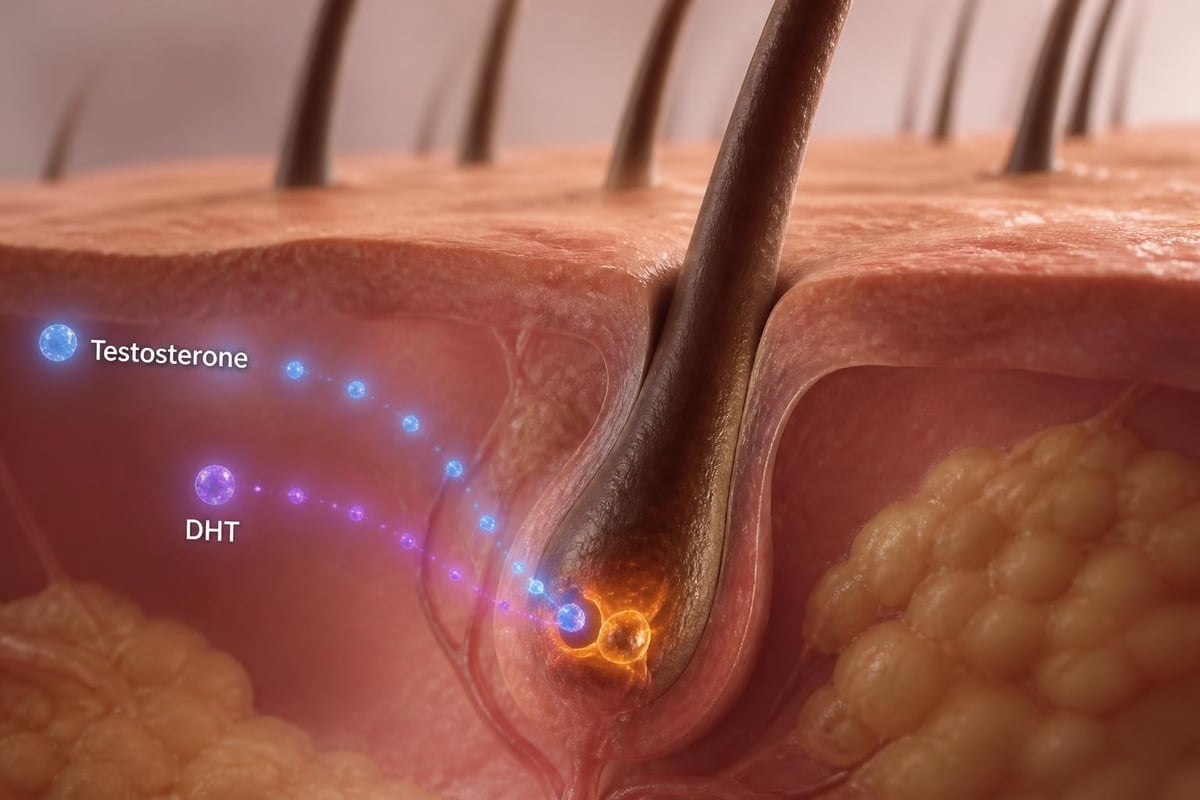
Your beard growth potential lives inside your follicles, where androgen receptors wait for testosterone and dihydrotestosterone (DHT) to trigger the transformation from vellus hair (those fine, nearly invisible hairs) into terminal hair (the thick, pigmented strands you want). This process doesn't happen overnight, and it certainly won't respond to wishful thinking.
The role of androgens in hair growth determines whether your follicles remain dormant or spring into action. When DHT binds to receptors in facial follicles, it signals the cells to increase their metabolic activity, extend the anagen (growth) phase, and produce thicker hair shafts.
Genetic Factors You Cannot Change
Let's address the elephant in the room: genetics dictate your maximum beard potential. Your DNA determines:
- The number of androgen receptors in your facial follicles
- Your body's testosterone and DHT production levels
- The distribution pattern of facial hair follicles
- The thickness and colour of individual hair strands
Does this mean you're stuck with whatever your parents gave you? Not entirely. Whilst you cannot add new follicles where none exist, you can maximise the performance of every follicle you do have.
Nutritional Foundations That Enhance Beard Growth
Your follicles are miniature factories that require specific raw materials to manufacture hair. Starve them of essential nutrients, and production grinds to a halt. Feed them properly, and you'll notice the difference within weeks.
Protein: The Building Block of Keratin
Hair is approximately 95% keratin, a protein composed of amino acids. Without adequate protein intake, your body prioritises vital organs over hair production. You need:
- Minimum 0.8g per kilogram of body weight (a 75kg man requires at least 60g daily)
- Complete protein sources containing all essential amino acids
- Leucine-rich foods that trigger muscle protein synthesis (which extends to hair follicles)
Top sources include lean beef, chicken, fish, eggs, and Greek yoghurt. Vegetarians should combine legumes with whole grains to ensure complete amino acid profiles.
Micronutrients That Directly Impact Follicle Function
| Nutrient | Biological Function | Daily Target | Food Sources |
|---|---|---|---|
| Biotin (B7) | Cofactor in keratin synthesis enzymes | 30-100 mcg | Egg yolks, almonds, sweet potatoes |
| Zinc | Regulates androgen receptors and 5α-reductase | 11 mg | Oysters, beef, pumpkin seeds |
| Iron | Oxygen transport to follicle cells | 8-18 mg | Red meat, spinach, lentils |
| Vitamin D | Follicle cycling and differentiation | 600-2000 IU | Fatty fish, fortified milk, sunlight |
| Vitamin A | Sebum production and cell turnover | 900 mcg RAE | Liver, carrots, sweet potatoes |
A comprehensive review of dietary supplements for hair growth confirms that whilst supplementation cannot overcome genetic limitations, correcting deficiencies restores normal growth rates in men with suboptimal nutrient status.
The Omega-3 Connection
Alpha-linolenic acid (ALA), eicosapentaenoic acid (EPA), and docosahexaenoic acid (DHA) reduce inflammation around follicles and improve membrane fluidity in hair matrix cells. These anti-inflammatory effects create an optimal environment for growth.
Consume at least two portions of fatty fish weekly (salmon, mackerel, sardines) or supplement with 1-2g of combined EPA/DHA daily.
Topical Treatments With Clinical Evidence
Moving beyond nutrition, topical applications deliver active ingredients directly to follicles. The science here separates effective treatments from expensive placebos.
Minoxidil: The Gold Standard
Originally developed as an antihypertensive medication, minoxidil's hair growth properties emerged as a surprising side effect. A systematic review on minoxidil for facial hair demonstrates that 3-5% topical minoxidil applied twice daily can enhance beard growth by:
- Prolonging the anagen phase through potassium channel opening
- Stimulating vascular endothelial growth factor (VEGF) production
- Increasing blood flow to follicles
Results typically appear after 3-6 months, with optimal density achieved at 12-18 months. Common side effects include initial shedding, skin irritation, and unwanted hair growth on adjacent areas where the solution spreads.
Natural Oils and Carrier Ingredients
Whilst no natural oil matches minoxidil's clinical evidence, certain botanicals support healthy follicle function through documented mechanisms. Quality beard oils combine these ingredients strategically.
Jojoba oil mimics sebum's chemical structure, preventing follicles from overproducing natural oils that can clog pores and create inflammation. Its wax esters penetrate the hair shaft, improving elasticity and reducing breakage.
Argan oil contains high concentrations of vitamin E (tocopherols) and phenolic compounds that neutralise free radicals. Oxidative stress damages follicle cells; antioxidants preserve their function.
Castor oil provides ricinoleic acid, which demonstrates anti-inflammatory properties in dermatological research. Reducing inflammation around follicles removes a barrier to optimal growth.
Lifestyle Modifications That Optimise Hormonal Balance
Your daily habits influence testosterone and DHT levels more than you might expect. Small adjustments compound over months to create measurable differences.
Sleep Quality and Growth Hormone Release
Growth hormone pulses during deep sleep stages, and this hormone stimulates insulin-like growth factor 1 (IGF-1), which extends the anagen phase in hair follicles. The intersection of sleep and hair loss reveals that men sleeping fewer than six hours nightly show reduced hair growth markers.
Prioritise:
- Consistent sleep schedule (same bedtime and wake time, even weekends)
- 7-9 hours nightly to maximise growth hormone secretion
- Cool, dark bedroom (16-19°C optimal for deep sleep)
- No screens 60 minutes before bed (blue light suppresses melatonin)
Resistance Training and Testosterone
Heavy compound movements (squats, deadlifts, bench press) trigger acute testosterone increases that last several hours post-workout. Chronic resistance training also elevates baseline testosterone by 15-20% in previously sedentary men.
Training parameters for hormonal optimisation:
- 3-5 sets per exercise
- 6-12 repetitions (70-85% of one-rep max)
- 2-3 minute rest periods between sets
- Focus on large muscle groups (legs, back, chest)
Avoid overtraining. Excessive volume without adequate recovery elevates cortisol, which antagonises testosterone and impairs follicle function.

Stress Reduction Protocols
Chronic psychological stress elevates cortisol, which directly inhibits testosterone production through negative feedback on the hypothalamic-pituitary-gonadal axis. Cortisol also shunts amino acids away from hair production toward glucose metabolism.
Evidence-based stress reduction:
- Meditation (20 minutes daily reduces cortisol by 15-25%)
- Time in nature (forest bathing lowers stress hormones)
- Social connection (strong relationships buffer stress response)
- Controlled breathing (4-7-8 technique activates parasympathetic nervous system)
Grooming Practices That Support Healthy Growth
How you care for existing beard hair influences follicle health and the appearance of density whilst you enhance beard growth over the coming months.
Cleansing Without Stripping Natural Oils
Your sebaceous glands produce sebum to lubricate hair and protect skin. Harsh detergents strip these protective oils, triggering rebound overproduction that leads to clogged follicles and inflammation.
Use a gentle beard wash formulated with mild surfactants (avoid sodium lauryl sulphate). The American Academy of Dermatology recommends careful product selection for common beard problems to prevent dermatological issues that impede growth.
Wash 2-3 times weekly, not daily. Water temperature matters-hot water strips oils more aggressively than lukewarm water.
Conditioning for Moisture Retention
Beard hair is coarser and more porous than scalp hair, making it prone to moisture loss. Dry, brittle hair breaks easily, creating the illusion of slower growth (even though follicles produce normally).
Quality beard butters contain shea butter and cocoa butter, both rich in fatty acids that penetrate the hair cuticle. Shea butter specifically provides oleic acid, stearic acid, and linoleic acid-the same fatty acid profile as healthy sebum.
Brushing to Stimulate Blood Flow
Boar bristle brushes distribute sebum along hair shafts whilst creating mild mechanical stimulation that increases blood flow to follicles. This enhanced circulation delivers more oxygen and nutrients to hair matrix cells.
Brush once daily in the direction of growth, using gentle strokes. Aggressive brushing damages hair and irritates skin.
The 90-Day Transformation Approach
Real change requires consistency over months, not days. Your follicles operate on biological timelines you cannot rush-the anagen phase for facial hair lasts 2-6 years, but transitioning follicles from telogen (resting) to anagen takes 3-4 months minimum.
This reality forms the foundation of structured growth programmes. A comprehensive system that combines follicle-stimulating actives, deep conditioning, protective styling, and proper cleansing addresses every aspect of the growth equation simultaneously.
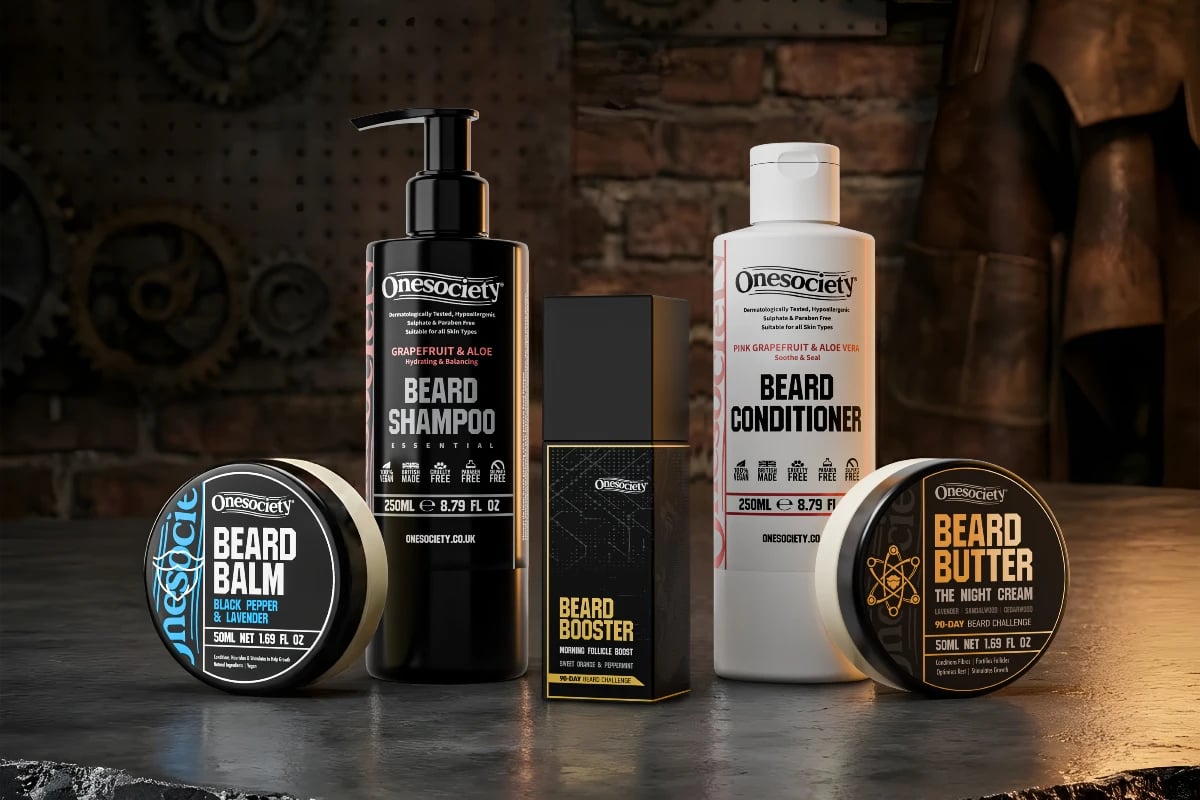
The 90-Day Beard Challenge packages eight scientifically formulated products into a single roadmap: Beard Booster amplifies blood flow through natural vasodilators, Beard Butter provides overnight recovery with penetrating emollients, and the Hydro-Lock Balm seals moisture to prevent the brittleness that creates breakage. When you commit to a complete protocol rather than isolated products, you remove the guesswork and attack the problem from multiple angles.
Tracking Progress Objectively
Your perception distorts when you see your face daily. Implement these tracking methods:
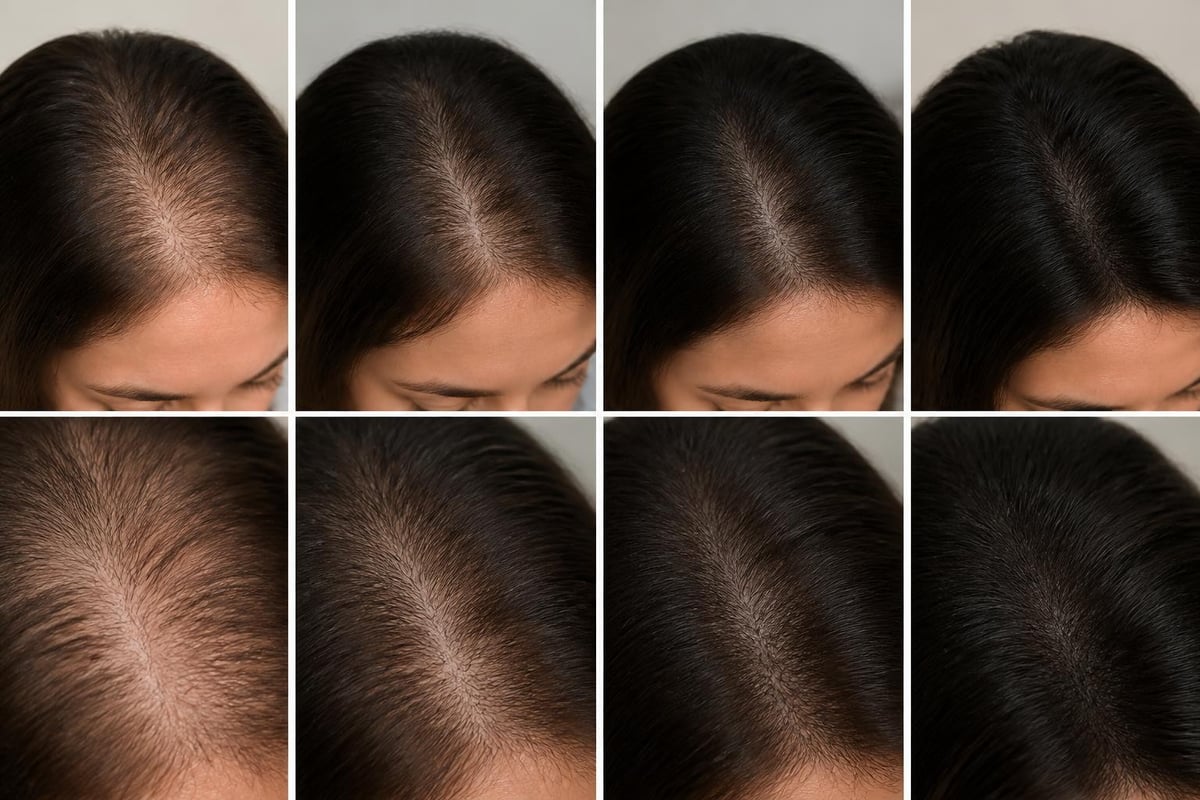
- Weekly photographs (same lighting, same angle, same distance)
- Measurement points (count hairs per square centimetre in thin areas)
- Thickness assessment (caliper measurement of hair shaft diameter)
- Coverage mapping (draw beard outline on printed face template)
Document everything in a dedicated notebook or spreadsheet. Data reveals patterns your memory misses.
Advanced Options When Natural Methods Plateau
Some men exhaust nutritional, topical, and lifestyle optimisations yet still desire more density. At this point, medical interventions enter the conversation.
Beard Transplantation
The International Society of Hair Restoration Surgery explains that follicular unit extraction (FUE) harvests individual follicles from the scalp and implants them into facial areas. Because scalp follicles have different growth characteristics than facial follicles, transplanted hairs grow continuously and require regular trimming.
Procedures cost £3,000-£7,000 and require 6-12 months for full results. Complications include infection, scarring, and unnatural appearance if performed by inexperienced surgeons.
Hormone Replacement Therapy
Men with clinically low testosterone (hypogonadism) may benefit from testosterone replacement therapy (TRT) under medical supervision. This intervention addresses systemic hormone deficiency, not cosmetic concerns.
TRT carries significant risks:
- Testicular atrophy from negative feedback
- Cardiovascular effects (increased haematocrit)
- Prostate concerns in predisposed individuals
- Fertility reduction
Only pursue hormone therapy for legitimate medical conditions diagnosed through blood work, never for beard enhancement alone.
Common Mistakes That Sabotage Your Progress
Even with knowledge, implementation failures derail results. Avoid these pitfalls:
Impatience and product-hopping: Switching products every few weeks prevents you from assessing efficacy. Give each intervention 8-12 weeks minimum before judging results.
Neglecting nutrition fundamentals: No topical treatment compensates for protein deficiency or micronutrient gaps. Fix your diet first.
Overuse of styling products: Heavy waxes and chemical-laden styling aids clog follicles and create inflammation. Use minimal product, prioritise natural ingredients, and cleanse thoroughly.
Ignoring underlying health issues: Thyroid disorders, anaemia, and autoimmune conditions impair hair growth systemically. Address medical problems with healthcare professionals.
Comparison to others: Your follicle density and androgen receptor count differ from every other man. Your only valid comparison is your own baseline.
Creating Your Personalised Enhancement Protocol
Generic advice fails because your body's unique biochemistry demands individualised strategy. Build your protocol systematically:
Phase One: Baseline Establishment (Weeks 1-2)
- Photograph current growth from five angles
- Blood test for testosterone, vitamin D, iron, zinc
- Food diary tracking protein and micronutrient intake
- Sleep log recording hours and quality ratings
Phase Two: Nutritional Optimisation (Weeks 3-6)
- Adjust diet to meet protein targets (calculate based on body weight)
- Supplement identified deficiencies (only those confirmed by blood work)
- Implement 7-9 hour sleep schedule consistently
- Begin resistance training programme (3x weekly)
Phase Three: Topical Application (Weeks 7-18)
- Select one primary active ingredient (minoxidil or proven natural alternatives)
- Apply twice daily with precision (same time, measured dose)
- Introduce beard balm for daytime protection
- Use conditioning treatments for overnight recovery
Phase Four: Assessment and Adjustment (Weeks 19-24)
- Compare photographs to baseline
- Measure objective improvements in density and coverage
- Adjust protocols based on response (increase, maintain, or modify)
- Consider advanced options only if natural methods plateau
The Science of Patience in Follicle Biology
A comprehensive dermatology review of facial hair emphasises that follicle cycling follows precise biological timelines. The hair growth cycle consists of:
Anagen (growth phase): 2-6 years for facial hair, though some follicles remain in anagen for shorter periods. Active cell division in the hair matrix produces new hair shaft continuously.
Catagen (regression phase): 2-3 weeks where follicles shrink and detach from blood supply. Hair stops growing but remains anchored.
Telogen (resting phase): 2-3 months where follicles lie dormant. Old hair sheds and follicles prepare to re-enter anagen.
When you enhance beard growth through nutrition, topicals, and lifestyle changes, you're shifting more follicles into anagen and extending how long they remain there. This process cannot be rushed-you're working with cellular biology, not mechanical systems.
Growing a fuller, thicker beard demands more than hope-it requires understanding follicle biology, addressing nutritional gaps, and maintaining consistent protocols over months. When you align your approach with scientific evidence rather than marketing hype, you maximise every follicle's genetic potential. Onesociety formulates every product with 100% natural ingredients backed by research, removing the guesswork from your enhancement journey and delivering the targeted nutrition your follicles need to thrive.