

A clean beard shave represents more than dragging a blade across your face. It's a precision ritual that demands technique, quality products, and scientific understanding. Whether you're shaping beard lines, maintaining a stubble style, or removing facial hair entirely, the difference between a smooth, irritation-free result and razor burn comes down to method. Too many men rush through shaving, leading to ingrown hairs, skin damage, and frustration. The good news? With proper preparation and natural ingredients, you can transform your shaving routine into a protective, skin-enhancing practice.
Understanding the Science Behind a Clean Beard Shave
Your skin isn't a simple surface. The dermal layer contains blood vessels, nerve endings, and sebaceous glands that react to every stroke of your razor. When you achieve a clean beard shave, you're cutting hair at skin level whilst minimizing inflammation and micro-abrasions.
Why Most Shaving Routines Fail
The problem starts with dry shaving or using inadequate preparation. Hair strands become rigid when dry, creating resistance against blade edges. This resistance forces you to apply excessive pressure, which drags the blade across skin rather than gliding smoothly.
Common shaving mistakes include:
- Shaving against the grain immediately
- Using dull blades beyond their optimal lifespan
- Skipping pre-shave hydration steps
- Applying inadequate lubrication
According to dermatologist-reviewed guidance from the American Academy of Dermatology, proper technique reduces irritation by up to 70%. The biological mechanism is straightforward: hydrated hair swells, softens, and cuts cleanly. Dry hair splinters and tugs.
The Inflammation Response
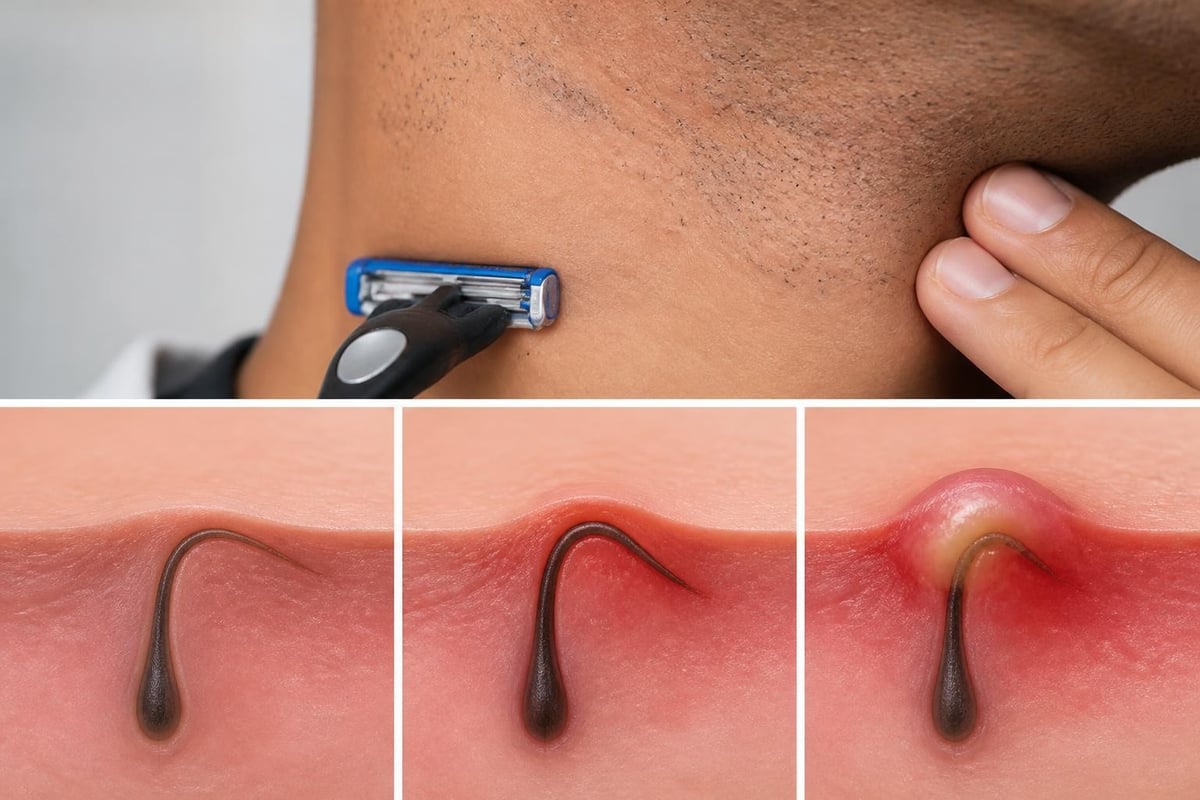
When you shave incorrectly, your immune system interprets the trauma as an injury. Inflammatory cytokines rush to the affected area, causing redness, swelling, and sensitivity. For men with coarse or curly facial hair, this inflammatory response intensifies, often leading to pseudofolliculitis barbae, commonly known as razor bumps.
Research published in peer-reviewed journals demonstrates that men of colour experience razor bumps at rates exceeding 60% when using improper shaving techniques. The curved hair structure re-enters skin after cutting, triggering foreign-body reactions.
The Seven-Step Protocol for a Clean Beard Shave
Achieving professional results requires a systematic approach. Each step serves a specific biological function.
Step 1: Hydrate Your Facial Hair Thoroughly
Start your clean beard shave with warm water exposure. Spend three to five minutes allowing steam and moisture to penetrate hair shafts. The cuticle layer of each hair strand opens, allowing water molecules to enter the cortex.
Hot showers work effectively, but facial steamers provide targeted hydration. The temperature shouldn't exceed 40°C, as excessive heat damages skin's lipid barrier.
Step 2: Apply a Natural Pre-Shave Oil
Pre-shave oils create a protective barrier between blade and skin. Quality formulations contain fatty acids that reduce friction whilst maintaining hydration. Understanding what shave oil does reveals how these molecules work at the microscopic level.
| Ingredient | Biological Function | Shaving Benefit |
|---|---|---|
| Jojoba Oil | Mimics sebum structure | Prevents moisture loss |
| Argan Oil | Contains vitamin E | Protects against oxidative stress |
| Sweet Almond Oil | Rich in oleic acid | Reduces blade friction |
Massage the oil in circular motions, ensuring complete coverage across shaving zones. The mechanical action also lifts hair away from skin.
Step 3: Create Proper Lather with Quality Shaving Cream
Shaving cream serves multiple functions beyond simple lubrication. The surfactants in quality formulations further soften hair whilst creating cushioning between blade and epidermis.
Apply cream using a brush made from synthetic fibres or badger hair. The brushing motion exfoliates dead skin cells and lifts hair perpendicular to skin surface. This positioning allows cleaner cuts and reduces the likelihood of ingrown hairs.
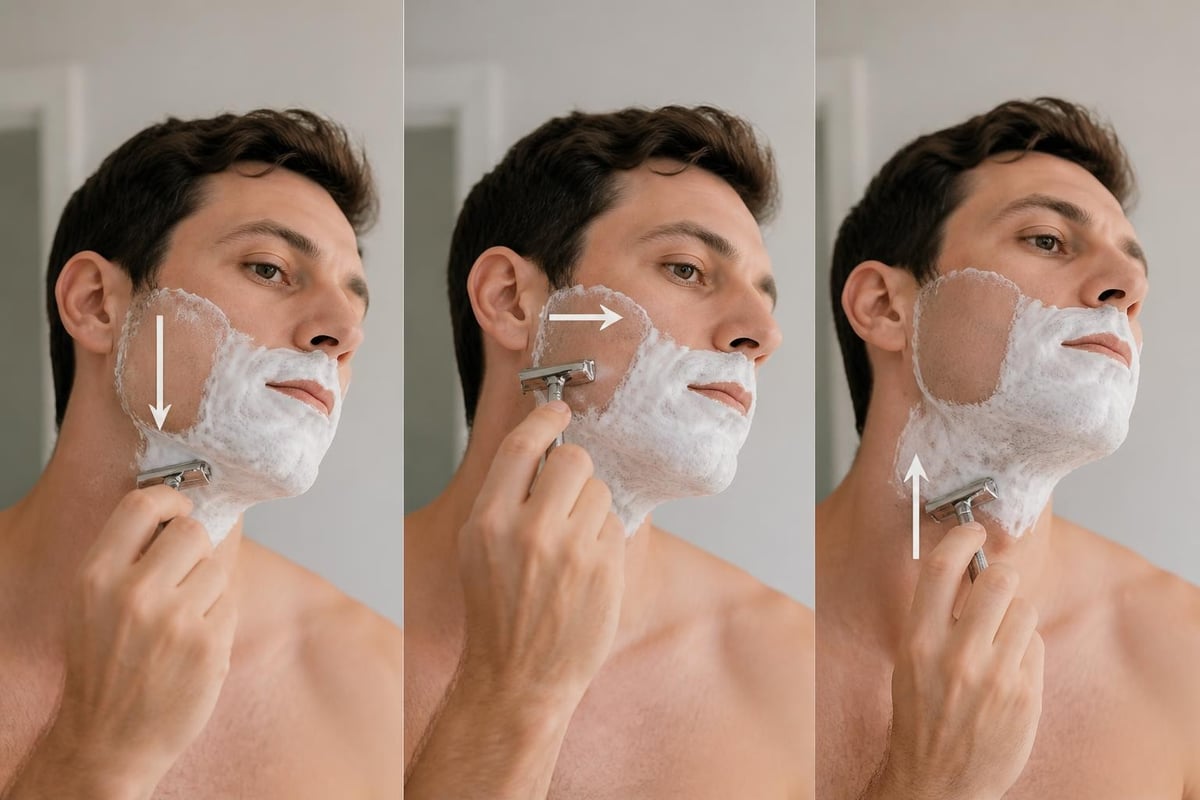
Step 4: Execute Your First Pass With the Grain
Your initial strokes must follow natural hair growth direction. This with-the-grain approach removes bulk whilst minimizing skin trauma. The proper shaving direction guidance from grooming experts emphasizes this foundational principle.
Optimal blade angle: 30 degrees relative to skin
Hold your razor at this angle and use short, controlled strokes. Rinse the blade after every two to three passes to prevent hair accumulation, which causes dragging.
Facial hair grows in multiple directions. Map your growth patterns before starting:
- Cheeks typically grow downward
- Neck hair often grows horizontally or upward
- Jaw lines show varied directional patterns
Step 5: Rinse and Reapply for Additional Passes
After your first pass, rinse with cool water to close pores temporarily and remove loose hairs. Reapply a thin layer of shaving cream for subsequent passes.
Your second pass can move across the grain, perpendicular to growth direction. This achieves a closer clean beard shave without the irritation risk of immediate against-the-grain shaving.
Only attempt against-the-grain passes on areas where your skin tolerates it. Many men should avoid this entirely on the neck, where skin is thinner and more prone to razor bumps.
Step 6: Apply Cold Water and Assess Results
Cold water constricts blood vessels and reduces inflammation markers. Splash your face thoroughly, then pat dry with a clean towel. Avoid rubbing, which creates friction against freshly shaved skin.
Run your fingers across shaved areas to identify any missed spots or uneven sections. Address these with targeted touch-ups rather than re-shaving entire zones.
Step 7: Lock in Protection with Natural Aftershave Products
Post-shave care determines your recovery speed and skin health. Conventional aftershaves containing alcohol strip natural oils and cause stinging. Natural alternatives provide superior results.
Look for formulations with:
- Witch hazel: Natural astringent that reduces inflammation
- Aloe vera: Contains polysaccharides that accelerate healing
- Hemp seed oil: Delivers gamma-linolenic acid for barrier repair
The application method matters. Pour a small amount into your palms, warm briefly, then press into skin rather than rubbing aggressively.
Blade Selection and Maintenance for Optimal Results
Your razor choice dramatically impacts your clean beard shave outcomes. The debate between cartridge systems and safety razors continues, but the scientific evidence points clearly toward blade sharpness and cleanliness as the critical factors.
Single vs. Multi-Blade Systems
Multi-blade cartridges promise closer shaves through "lift and cut" technology, where the first blade lifts hair whilst subsequent blades cut below skin level. This sounds effective but creates problems.
When hair is cut below the skin surface, it must grow through epidermis to emerge. In men with curly facial hair, this regrowth frequently curves and penetrates adjacent skin, creating ingrown hairs. Clinical guidance on razor bump prevention recommends single-blade systems for this exact reason.
Blade replacement schedule:
- Cartridge razors: Every 5-7 shaves
- Safety razor blades: Every 3-5 shaves
- Straight razors: Professional sharpening every 60-90 days
Dull blades don't cut cleanly. They tear hair and drag across skin, multiplying trauma. The financial temptation to extend blade life costs you in skin health.
Cleaning and Storage Protocols
After each clean beard shave session, rinse your razor under hot running water whilst tapping gently against the sink edge. This removes trapped hairs and cream residue.
Dry the blade completely using a clean towel. Moisture promotes oxidation and bacterial growth. Store razors in a dry location, preferably suspended or standing upright to allow air circulation.
Natural Ingredients That Transform Your Shaving Experience
The products you apply before, during, and after shaving directly influence inflammation levels and healing speed. Natural ingredients offer scientifically validated benefits without synthetic irritants.
The Role of Natural Oils in Shaving Preparation
Plant-derived oils contain fatty acid profiles that interact beneficially with skin's lipid matrix. When you're working toward a clean beard shave, these molecules serve multiple functions simultaneously.
Jojoba oil's molecular structure closely resembles human sebum, allowing it to integrate seamlessly with your skin's natural protective layer. This compatibility means it doesn't clog pores whilst providing exceptional lubrication.
Argan oil delivers tocopherols (vitamin E compounds) that neutralize free radicals generated during shaving. The mechanical stress of blade contact creates oxidative stress, and these antioxidants provide real-time protection.
Understanding how to use shave oil properly ensures you maximize these biological benefits. The application technique matters as much as ingredient quality.
Post-Shave Recovery Through Botanical Compounds
Your skin's repair mechanisms activate immediately after shaving. Supporting these processes with targeted nutrients accelerates recovery and reduces visible irritation.
Aloe vera contains acemannan, a complex polysaccharide that stimulates fibroblast activity. These cells produce collagen and elastin, essential proteins for skin structure. By enhancing fibroblast function, aloe vera literally speeds wound healing.
Calendula extract provides anti-inflammatory triterpenes that inhibit cyclooxygenase enzymes. This mechanism mirrors pharmaceutical anti-inflammatories but without synthetic compounds. The result: reduced redness and faster return to normal skin tone.
Building a Sustainable Shaving Routine
Consistency produces better results than occasional perfect technique. When you establish a reliable clean beard shave routine, your skin adapts and responds more favorably over time.
Timing Your Shaving Sessions
Shave at the same time daily to establish a biological rhythm. Morning shaving offers several advantages:
- Skin is naturally hydrated from overnight recovery
- Growth patterns are most uniform after sleep
- You have adequate time for proper technique
- Environmental exposures occur post-recovery period
If you shave at night, allow at least one hour before bed. This recovery window lets inflammation subside before pressure from pillows and bedding.
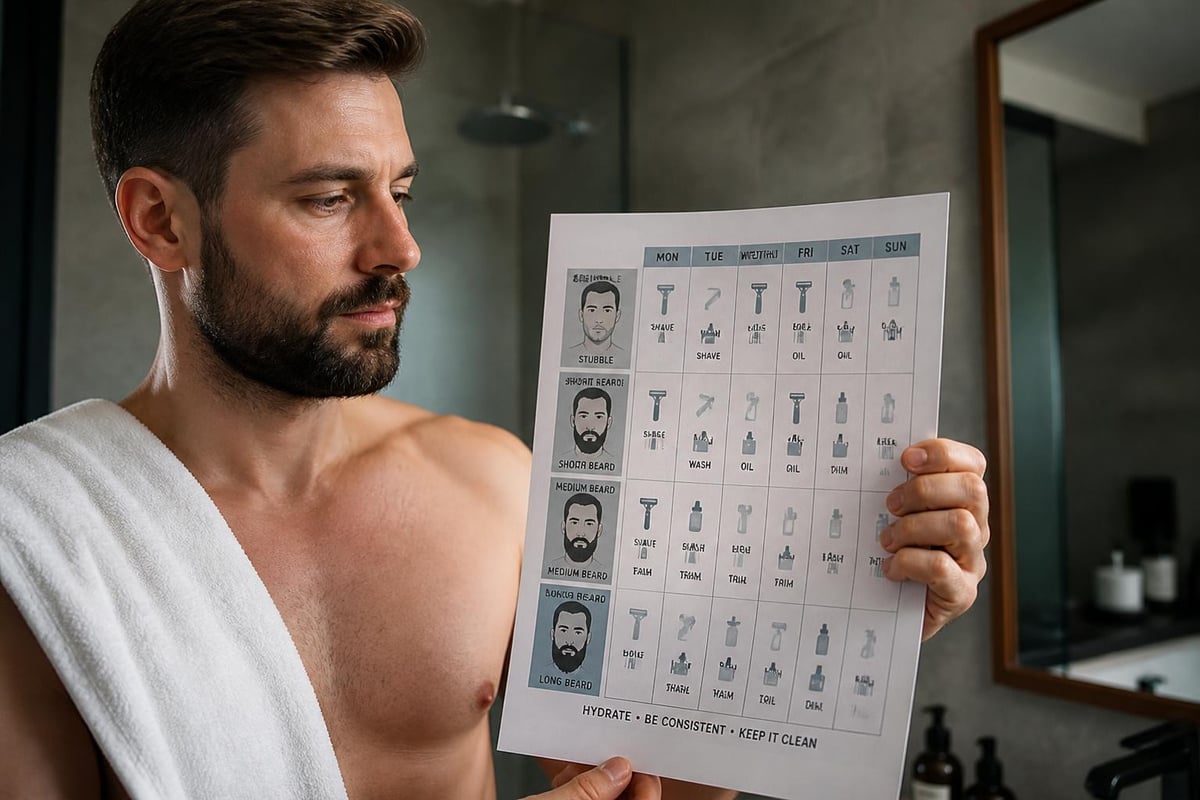
Frequency Considerations for Different Beard Styles
Not every man needs daily shaving. Your optimal frequency depends on growth rate, beard goals, and skin sensitivity.
| Beard Style | Shaving Frequency | Focus Areas |
|---|---|---|
| Clean-shaven | Daily | Full face and neck |
| Heavy stubble | Every 2-3 days | Neck line and cheek definition |
| Full beard | Weekly | Neck below beard line, upper cheek cleanup |
| Shaped beard | Every 3-4 days | Precise line work and edge definition |
When maintaining a beard rather than removing facial hair completely, precision matters more than area coverage. Learning how to find a good barber helps you establish professional edges that you then maintain at home between appointments.
Advanced Techniques for Problem Areas
Certain facial zones present unique challenges during a clean beard shave. The neck, in particular, requires modified technique due to thinner skin and irregular hair growth patterns.
Mastering the Neck Shave
Neck skin contains fewer sebaceous glands and less natural protection than facial skin. This vulnerability demands gentler handling and superior lubrication.
Stretch skin taut by tilting your head backward and to the side. This technique flattens the shaving surface, allowing smoother blade contact. Never shave directly over the Adam's apple; instead, work in sections on either side.
NHS guidance on preventing ingrown hairs specifically recommends limiting neck passes to a maximum of two: one with the grain, one across. Against-the-grain shaving on the neck causes the majority of pseudofolliculitis barbae cases.
Defining Beard Lines with Precision
When you're maintaining a beard rather than achieving a completely clean beard shave, edge work separates amateur results from professional appearance.
Establish your cheek line by identifying the natural boundary where dense growth transitions to sparse coverage. A straight edge or the back of a comb provides a visual guide. Most men's optimal cheek line runs from the corner of the moustache to a point just below the ear's midpoint.
The neck line requires careful consideration. Too high creates an artificial appearance; too low eliminates definition. The classic two-finger rule works well: place two fingers above your Adam's apple, and define your neck line at this point.
The Complete Product Ecosystem for Clean Beard Shaving
Professional results demand more than technique. The products you use either support or sabotage your efforts. Building a complete grooming system ensures every step optimizes skin health.
Pre-Shave Essentials
Start with a quality cleanser that removes oils and debris without stripping skin. pH-balanced formulations between 4.5 and 5.5 maintain your acid mantle, the protective layer that defends against bacteria and moisture loss.
Understanding whether you should wash your beard daily helps you establish the right balance between cleanliness and natural oil preservation.
Follow cleansing with pre-shave oil. This step isn't optional for men seeking irritation-free results. The molecular barrier it creates prevents direct blade-to-skin contact whilst maintaining essential hydration.
During-Shave Protection
Your shaving cream or soap determines lubrication quality during the actual cutting process. Natural formulations containing shea butter, cocoa butter, or bentonite clay provide superior glide whilst softening hair effectively.
Avoid products with sodium lauryl sulfate or artificial fragrances. These compounds strip oils and trigger sensitivity reactions in many users. The temporary satisfaction of abundant foam isn't worth the inflammatory cost.
Post-Shave Recovery Solutions
Immediately after completing your clean beard shave, your skin enters a critical recovery window. The products you apply during this 15-minute period determine inflammation levels and healing speed.
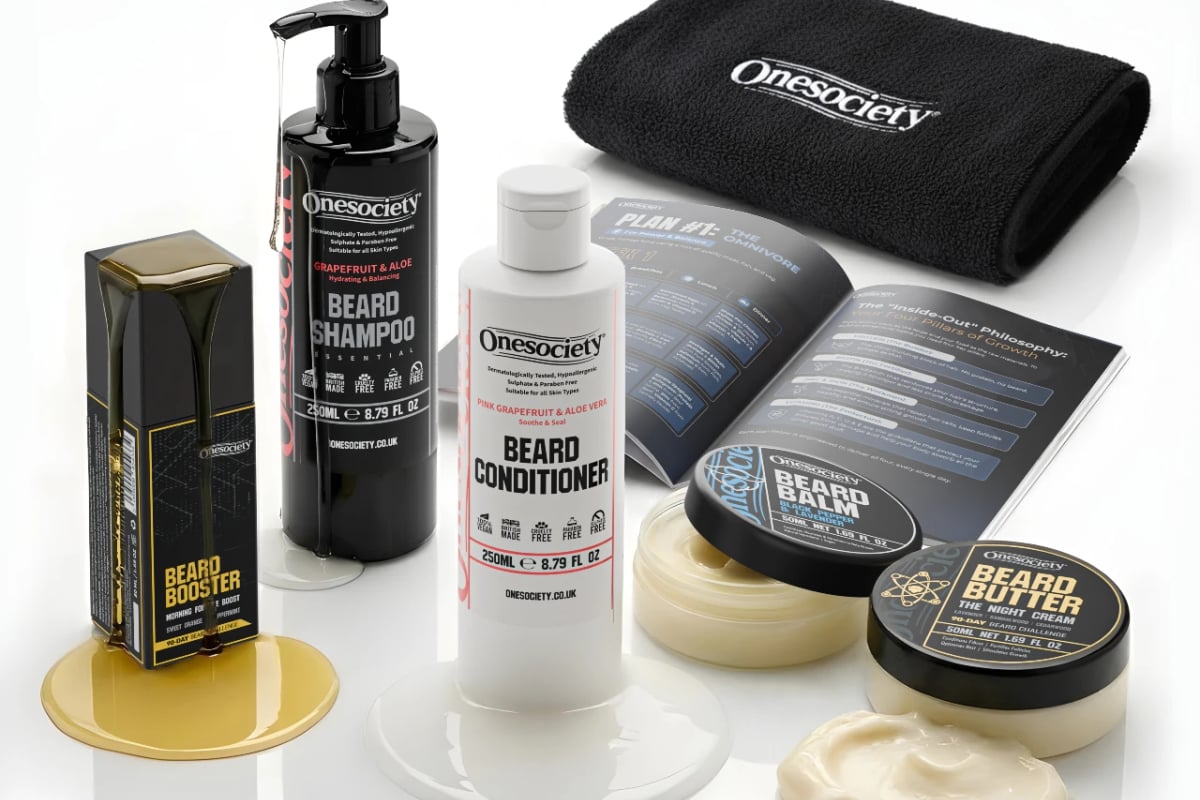
For comprehensive post-shave and ongoing beard health, a systematic approach delivers transformative results. The 90-Day Beard Challenge provides a complete ecosystem of scientifically formulated products designed to support every aspect of facial hair care and skin health. This kit includes Beard Booster for follicle health, pH-balanced Beard Shampoo for optimal cleansing, and Hydro-Lock Balm for post-shave protection.
Natural aftershave balms containing hemp seed oil deliver gamma-linolenic acid directly to stressed skin. This omega-6 fatty acid reduces inflammatory prostaglandin production, measurably decreasing redness within 30 minutes of application.
Troubleshooting Common Clean Beard Shave Problems
Even with proper technique, you may encounter specific challenges. Understanding the biological cause allows targeted solutions.
Persistent Razor Burn Solutions
Razor burn manifests as red, irritated skin immediately following shaving. This condition results from excessive blade pressure, inadequate lubrication, or dull blades creating micro-abrasions.
Immediate relief strategies:
- Apply cold compress for 5-10 minutes
- Use aloe vera gel containing minimum 95% pure aloe
- Avoid touching or scratching affected areas
- Skip the next scheduled shave to allow recovery
Prevent future occurrences by reducing blade pressure. Your razor's weight should provide all necessary force. If you're pressing down, you're damaging skin.
Addressing Ingrown Hair Development
Ingrown hairs occur when cut hair curves back and penetrates skin instead of growing outward. The body recognizes this as a foreign object and mounts an inflammatory response, creating visible bumps and potential infection.
Prevention focuses on proper cutting angles and post-shave care. When achieving a clean beard shave, ensure you're cutting hair at skin level rather than below it. Multi-blade systems often cut too closely, setting up ingrown hair development.
If ingrown hairs develop despite prevention efforts, resist the urge to extract them with tweezers or needles. This approach introduces bacteria and worsens inflammation. Instead, apply warm compresses twice daily and use a gentle exfoliating treatment containing salicylic acid to help hair emerge naturally.
Managing Sensitive Skin During Shaving
Men with sensitive skin face amplified challenges during shaving. Their skin's barrier function shows reduced integrity, making it more permeable to irritants whilst providing less protection against mechanical stress.
Modify your routine with these evidence-based adjustments:
- Reduce shaving frequency to every 48 hours minimum
- Use exclusively single-blade razors to minimize passes
- Apply thicker pre-shave oil layers for enhanced protection
- Choose fragrance-free products to eliminate sensitization triggers
- Limit each shaving session to one or two passes maximum
Understanding carrier oils helps you select ingredients that support rather than compromise sensitive skin. Certain oils, particularly those high in linoleic acid, strengthen barrier function measurably.
Long-Term Skin Health Beyond Daily Shaving
Your clean beard shave routine exists within a broader skincare context. The habits you maintain between shaving sessions determine cumulative skin health and resilience.
Exfoliation Protocols for Shaving Success
Regular exfoliation removes dead skin cells that can trap emerging hairs and cause ingrown problems. However, over-exfoliation damages skin's protective barrier and increases sensitivity.
Limit mechanical exfoliation (scrubs) to twice weekly. Chemical exfoliants containing glycolic or lactic acid can be used more frequently, up to four times weekly, as they work more gently at the cellular level.
Always exfoliate the evening before a morning shave, never immediately before. This timing allows minor irritation from exfoliation to subside before introducing blade trauma.
Hydration and Nutrition for Skin Resilience
Your skin's ability to withstand daily shaving stress depends heavily on overall health status. Chronic dehydration reduces skin elasticity and slows healing. Nutritional deficiencies in vitamins A, C, and E compromise collagen production and antioxidant protection.
Drink minimum 2-3 liters of water daily, adjusting for activity level and climate. Consume foods rich in omega-3 fatty acids (fatty fish, walnuts, flaxseed) to support skin's lipid barrier from within.
Consider supplementation if dietary intake proves inadequate. Vitamin C supports collagen synthesis directly, whilst zinc accelerates wound healing. Both nutrients assist recovery from daily shaving trauma.
Environmental Protection Strategies
UV exposure damages skin cumulatively. Even if you're not sunbathing, incidental exposure during daily activities causes oxidative stress that amplifies shaving-related inflammation.
Apply broad-spectrum SPF 30 minimum as the final step in your morning routine, after all shaving and grooming products absorb. Modern formulations designed for men don't leave white casts or greasy residues whilst providing essential photoprotection.
Professional vs. Home Shaving Considerations
While mastering the clean beard shave at home delivers daily benefits, professional barber services offer periodic value. Understanding when to seek professional help optimizes results and saves money.
When to Visit a Professional Barber
Professional barbers possess training and tools that exceed home capabilities. Straight razor shaves, in particular, require expertise that takes years to develop safely.
Schedule professional visits for:
- Initial beard shape establishment
- Complex design work or artistic elements
- Quarterly maintenance to reset growth patterns
- Learning proper technique through observation
- Addressing persistent skin problems requiring expert assessment
Between professional appointments, maintain the established lines and shapes using the techniques covered in this guide. This hybrid approach combines professional precision with daily self-sufficiency.
Home Shaving Equipment Investment
Quality tools represent an investment that pays dividends in results and skin health. The initial cost of premium razors and brushes exceeds disposable products, but the long-term value and performance justify the expense.
Essential home shaving toolkit:
- Safety razor with replaceable blades (£25-£60)
- Quality shaving brush (£15-£40)
- Blade bank for safe disposal (£5-£10)
- Stainless steel bowl for lather (£10-£20)
- Natural pre-shave oil (£12-£25)
- Premium shaving cream or soap (£10-£30)
- Post-shave balm with natural ingredients (£15-£35)
This initial investment of approximately £100-£220 provides everything needed for exceptional results. Ongoing costs remain minimal, primarily blade replacements at £10-£15 for 100 blades.
The Evolution of Your Shaving Skill
Achieving consistently excellent clean beard shave results requires practice and refinement. Your technique will improve through deliberate attention and adjustment based on outcomes.
Tracking Your Progress
Document your shaving experiences in a simple log. Note products used, technique variations, and resulting skin condition. Patterns emerge that reveal your optimal approach.
After 30 days of consistent practice, assess improvements in:
- Time required for complete routine
- Incidence of nicks or cuts
- Post-shave irritation levels
- Duration of smooth results
- Overall skin appearance and health
Quantifying progress maintains motivation and identifies successful strategies worth preserving.
Adapting to Seasonal Changes
Your skin's needs shift with environmental conditions. Winter's low humidity and indoor heating dry skin significantly, requiring adjusted hydration strategies. Summer heat and humidity alter sebum production, affecting optimal product quantities.
Modify your clean beard shave routine seasonally:
Winter adjustments: Increase pre-shave oil application, use richer post-shave balms, add hydrating serums beneath aftershave products.
Summer adaptations: Lighter oil applications, gel-based aftershave products, increased frequency of cleansing to manage excess oils.
Mastering a clean beard shave transforms a daily necessity into a skill that protects and enhances your skin. The scientific principles behind proper technique, combined with natural ingredients that support biological healing processes, deliver professional results at home. Whether you're maintaining precise beard lines or achieving smooth, clean-shaven skin, the systematic approach outlined here minimizes irritation whilst maximizing results. Onesociety provides the scientifically formulated, natural products you need to support every stage of your shaving routine, from pre-shave preparation through post-shave recovery, ensuring your skin receives optimal care throughout the process.