

You've invested time, patience, and hope into growing your beard. Yet patches persist, breakage frustrates, and the thickness you envisioned remains elusive. The culprit? Follicle inflammation, poor nutrient delivery, and structural weakness at the hair shaft level. Enter castor oil beard oil-a formula driven by ricinoleic acid, a compound that targets these exact biological failures. This isn't cosmetic trickery. This is follicle-level intervention backed by functional biochemistry.
The Problem: Your Beard Faces Three Silent Enemies
Your facial hair operates under constant assault. Every day, environmental oxidants, friction from clothing, and even mechanical stress from combing create micro-damage along the hair shaft. The result? Brittle strands that snap before reaching their growth potential.
Follicle Inflammation Starves Growth Potential
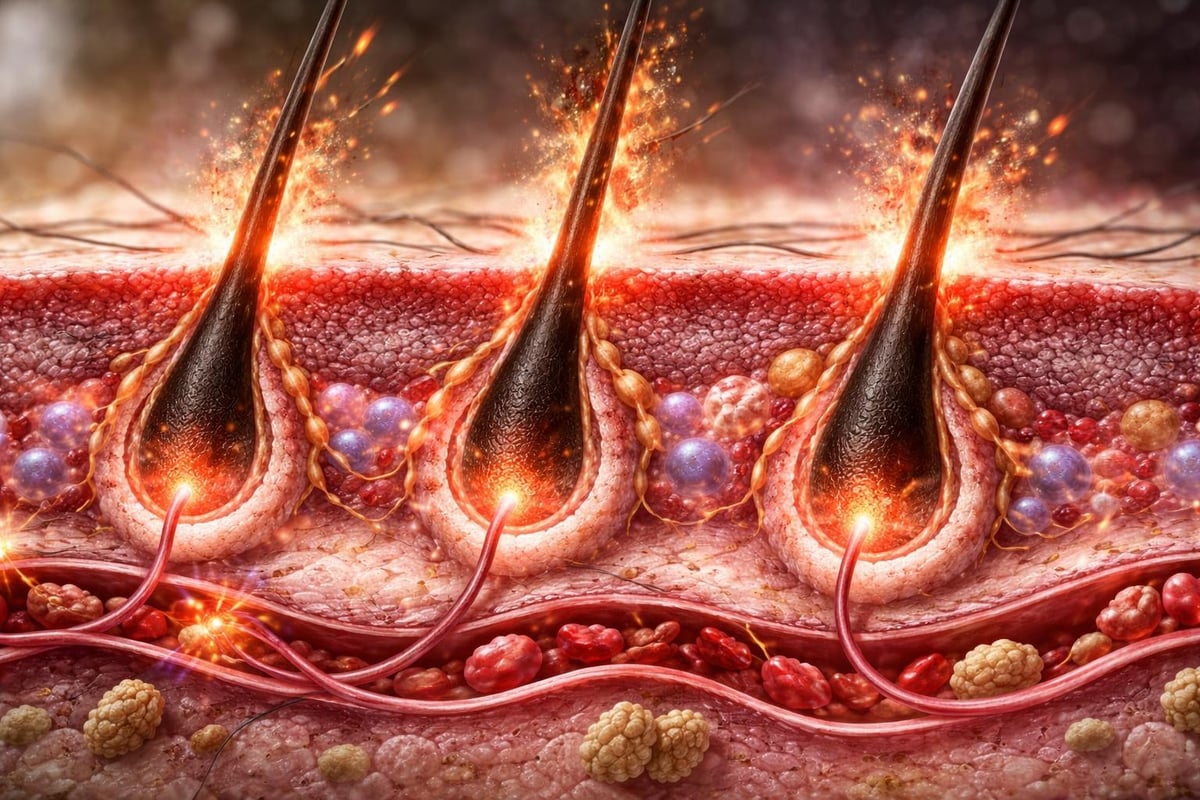
Inflammation around hair follicles constricts blood vessels, reducing oxygen and nutrient supply to the dermal papilla-the growth engine of each hair. This inflammatory response stems from sebum oxidation, bacterial activity, and even mechanical irritation from shaving or harsh products. When follicles exist in this inflamed state, they cannot sustain the anagen (growth) phase long enough to produce the dense, full beard you're targeting.
Chronic inflammation also disrupts the hair growth cycle by shortening anagen and prolonging telogen (resting phase). Fewer hairs actively growing means visible thinning, especially in problem zones like the cheeks and jawline.
Structural Weakness Causes Premature Breakage
Beard hair consists of keratin proteins held together by disulfide bonds and hydrogen bonds. When these bonds weaken due to moisture loss or chemical damage, the hair shaft becomes porous and fragile. This structural compromise manifests as split ends, rough texture, and hairs that break mid-shaft rather than growing to full length.
The cuticle layer-your hair's protective outer sheath-also suffers from environmental exposure. When cuticle scales lift and separate, the inner cortex becomes vulnerable to moisture loss and protein degradation. Proper beard care techniques address this damage through targeted nutrition delivery.
Poor Sebum Distribution Leaves Dry Zones
Your sebaceous glands produce sebum to coat and protect hair, but this natural oil struggles to travel down coarse, curly facial hair. The result? Oil-rich roots with parched mid-lengths and ends. This uneven distribution creates a hostile environment where moisture evaporates rapidly, leading to brittle hair and flaky skin underneath.
The Agitation: These Problems Compound Daily
Every morning you skip targeted treatment, these three enemies entrench themselves deeper. Inflammation becomes chronic. Structural damage accumulates. Dryness worsens.
Think about your current routine. Standard beard oils might smell pleasant, but do they contain compounds that actively reduce prostaglandin production (the inflammatory mediators)? Do they supply fatty acids in ratios that mirror your skin's natural lipid barrier? Most formulations prioritise fragrance over function, leaving your follicles starving for the bioactive nutrients they require.
The Cost of Inadequate Intervention
Consider the time investment. You've waited months for growth that should have taken weeks. Each day of suboptimal follicle nutrition represents lost anagen time you can't recover. The opportunity cost is substantial-not just in aesthetics, but in the confidence and personal satisfaction a full beard delivers.
Beyond time, there's the financial waste. Products that don't address root biological causes force you into an endless cycle of trial and error. You accumulate bottles of ineffective formulations whilst your beard remains unchanged. Research from grooming science indicates that castor oil's specific properties target these exact deficiencies through measurable mechanisms.
| Problem | Biological Mechanism | Visible Consequence |
|---|---|---|
| Follicle inflammation | Prostaglandin-mediated vasoconstriction | Slow growth, patchy areas |
| Structural weakness | Broken disulfide bonds, cuticle damage | Breakage, split ends, rough texture |
| Moisture depletion | Poor sebum distribution, environmental exposure | Dryness, brittleness, dull appearance |
The emotional toll compounds these practical failures. You've watched mates develop full, thick beards whilst yours stalls. Social situations trigger self-consciousness. Professional settings make you question whether your appearance projects the authority you've earned.
The Solution: How Castor Oil Beard Oil Targets Follicle Biology
Castor oil beard oil delivers ricinoleic acid-a hydroxylated fatty acid comprising roughly 90% of castor oil's composition. This compound doesn't just moisturise; it actively modulates inflammation pathways and penetrates the hair shaft to reinforce structural integrity.
Ricinoleic Acid Suppresses Inflammatory Mediators
Ricinoleic acid binds to prostaglandin receptors, specifically EP3 and EP4 subtypes, reducing the production of inflammatory prostaglandins. This action dilates capillaries around follicles, enhancing blood flow and nutrient delivery. Improved microcirculation means more oxygen, amino acids, and growth factors reach the dermal papilla cells responsible for initiating new hair growth.
Studies examining ricinoleic acid's anti-inflammatory properties demonstrate significant reductions in cytokine expression-the signalling molecules that perpetuate chronic inflammation. By interrupting this cascade, castor oil beard oil creates an environment where follicles can sustain longer anagen phases and produce thicker hair shafts.
Deep Penetration Reinforces Hair Structure
The molecular weight of ricinoleic acid (298.5 g/mol) allows it to penetrate between cuticle scales and reach the cortex layer. Once inside, it forms hydrogen bonds with keratin proteins, stabilising the hair shaft structure and reducing porosity. This penetration also delivers moisture deep within the hair, preventing the internal dehydration that causes brittleness.
Unlike larger carrier oils that primarily coat the surface, castor oil beard oil's unique fatty acid profile enables genuine structural repair. The hydroxyl group on ricinoleic acid creates polarity, allowing it to interact with both the hydrophobic hair proteins and water molecules-binding moisture where it's needed most.
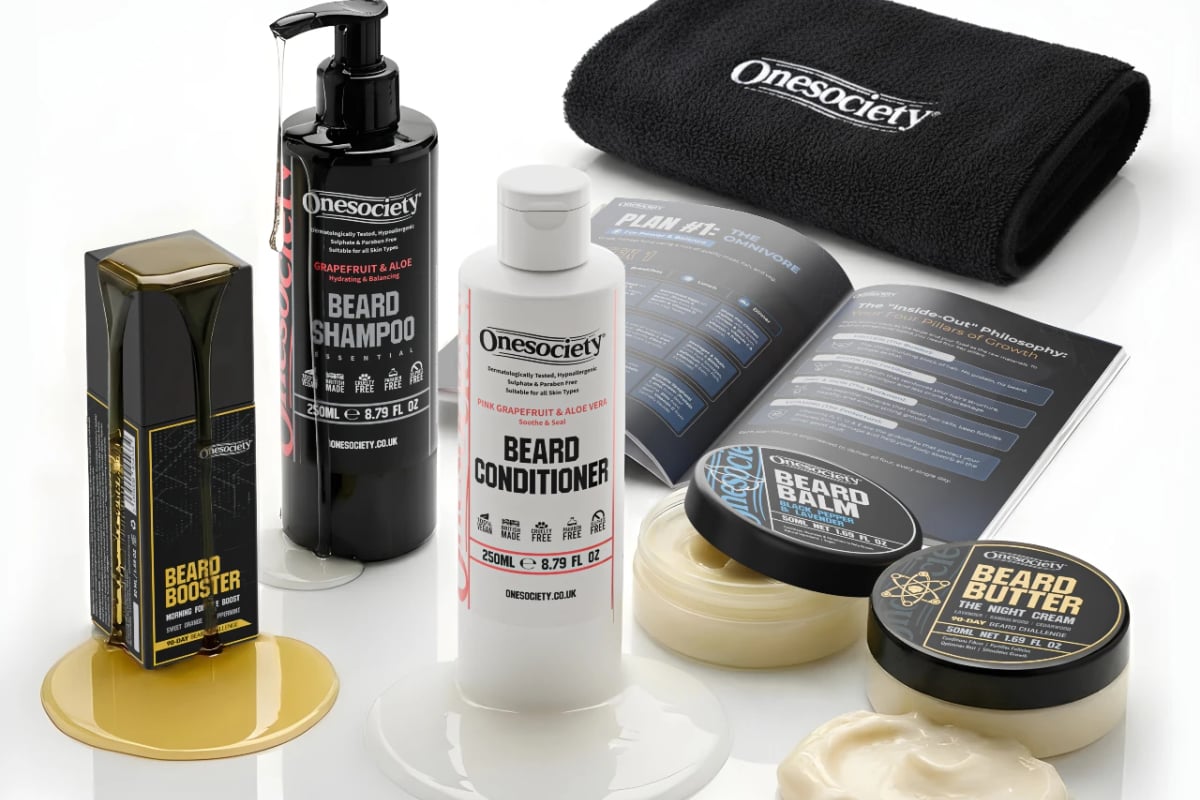
For those seeking comprehensive follicle support, combining targeted nutrition with strategic application maximises results. The 90-Day Beard Challenge integrates multiple bioactive formulas designed to work synergistically, addressing inflammation, structure, and moisture simultaneously through scientifically validated ingredients.
Antimicrobial Action Protects Follicle Health
Ricinoleic acid exhibits broad-spectrum antimicrobial activity against common skin bacteria and fungi. By controlling microbial populations, castor oil beard oil prevents the bacterial overgrowth that triggers inflammatory responses. This protective function maintains follicle health and reduces the risk of conditions like folliculitis or seborrhoeic dermatitis.
Research published in grooming science journals confirms that castor oil's antimicrobial properties create a hostile environment for pathogens whilst supporting beneficial skin microbiota. This balance is crucial for maintaining the skin barrier function beneath your beard.
Application Protocol: Maximising Bioavailability
Raw implementation determines whether you harvest castor oil beard oil's full potential or waste its bioactive compounds. Timing, quantity, and technique each influence absorption rates and efficacy.
Pre-Application Preparation
Cleanse your beard with a pH-balanced wash to remove sebum buildup, environmental debris, and product residue. This step ensures that active ingredients contact clean skin and hair, maximising penetration. Towel dry gently-leave hair slightly damp to enhance oil absorption through temporary cuticle swelling.
Exfoliate the underlying skin weekly to remove dead keratinocytes that block follicle openings. This mechanical action also stimulates blood flow, priming follicles for nutrient uptake when you apply castor oil beard oil.
Optimal Application Technique
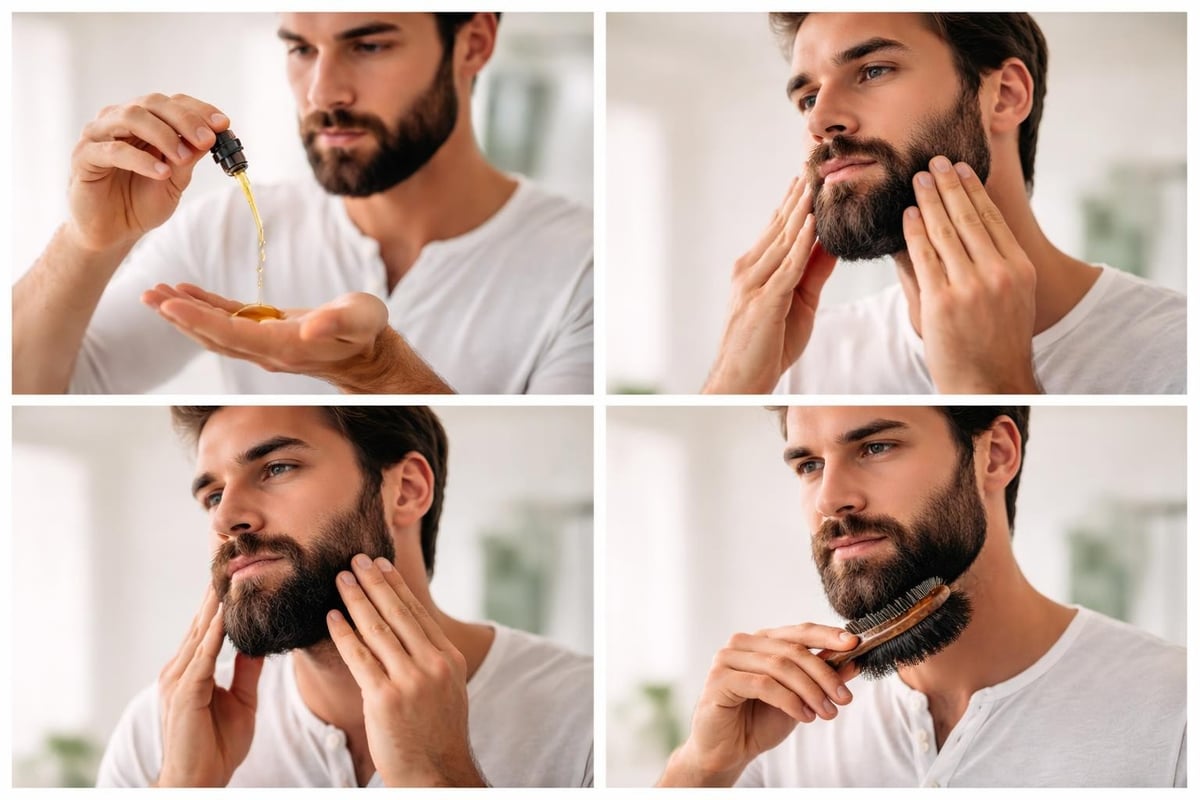
- Dispense 3-5 drops into your palm (adjust for beard length)
- Rub hands together to warm the oil, reducing viscosity
- Work fingers through beard from root to tip, ensuring skin contact
- Use upward strokes against growth direction to coat all sides of each hair
- Follow with a boar bristle brush to distribute evenly and train growth patterns
Apply twice daily-morning and night. Morning application protects against environmental oxidants and friction. Night application leverages your body's repair processes during sleep, when cellular regeneration peaks.
Combination Strategies for Enhanced Results
Layer castor oil beard oil with complementary products that address different growth factors. Start with a growth serum containing caffeine or biotin to stimulate follicle activity. Follow with castor oil beard oil for anti-inflammatory and structural support. Seal with a balm containing shea butter to lock in moisture and provide thermal protection.
This layered approach targets multiple biological pathways simultaneously. Caffeine increases ATP production in follicle cells, biotin supports keratin synthesis, ricinoleic acid reduces inflammation, and ceramides in shea butter reinforce the lipid barrier. The synergy accelerates visible improvements beyond what single ingredients achieve.
Formulation Considerations: Pure Versus Blended
Pure castor oil's viscosity exceeds most carrier oils, creating application challenges. Strategic blending with lighter oils improves spreadability without sacrificing bioactive concentration.
Optimal Carrier Oil Ratios
Blend castor oil at 20-30% concentration with jojoba or argan oil as primary carriers. Jojoba's chemical structure mimics sebum, enhancing skin compatibility and absorption. Argan oil supplies vitamin E and essential fatty acids that complement castor oil's anti-inflammatory action.
This ratio delivers sufficient ricinoleic acid concentration whilst maintaining a texture that distributes evenly through coarse facial hair. Higher castor concentrations create sticky residue; lower concentrations dilute efficacy below therapeutic thresholds.
| Ingredient | Percentage | Primary Function | Key Active Compound |
|---|---|---|---|
| Castor oil | 25% | Anti-inflammatory, structural reinforcement | Ricinoleic acid |
| Jojoba oil | 60% | Sebum mimicry, absorption enhancement | Wax esters |
| Argan oil | 15% | Antioxidant protection, fatty acid supplementation | Vitamin E, linoleic acid |
Avoiding Degradation: Storage and Handling
Store castor oil beard oil in amber glass bottles to block UV radiation that degrades fatty acids. Keep containers sealed tightly to prevent oxidation from atmospheric oxygen. Oxidised oils produce free radicals that damage rather than protect hair.
Temperature stability matters. Store between 15-25°C to maintain viscosity and prevent separation in blended formulations. Refrigeration isn't necessary and actually thickens castor oil excessively, making application difficult.
Realistic Timeline: When Biology Delivers Visible Change
Hair grows at genetically determined rates averaging 0.3-0.5mm daily for facial hair. Castor oil beard oil optimises this rate by improving follicle health, but it cannot override biological limits.
Phase 1: Foundation (Weeks 1-4)
Initial improvements manifest in texture and manageability rather than length. Ricinoleic acid's moisturising effect reduces frizz and softens coarse hairs within days. Anti-inflammatory action begins reducing follicle irritation, though visible density changes require longer intervention.
During this phase, focus on consistent application to establish the biological foundation for growth. Your skin adapts to regular oil application, sebum production may temporarily adjust, and follicles begin receiving enhanced nutrient delivery.
Phase 2: Structural Reinforcement (Weeks 5-8)
Reduced breakage becomes apparent as ricinoleic acid strengthens hair shafts. Hairs that previously snapped at 2-3cm now survive to greater lengths. This retention effect creates the appearance of faster growth, though actual follicle output remains constant.
You'll notice fewer split ends and improved overall beard condition. The combination of structural reinforcement and moisture retention means existing hairs maintain integrity through their growth cycle. Many users report that castor oil significantly reduces breakage when applied consistently.
Phase 3: Density Enhancement (Weeks 9-16)
Extended anagen phases enabled by reduced inflammation begin showing measurable density increases. More follicles remain in active growth simultaneously, filling in patchy areas. This change reflects genuine biological improvement rather than cosmetic masking.
Professional beard care protocols suggest evaluating progress through monthly photographs under consistent lighting. This objective documentation reveals gradual improvements that daily observation misses. The comprehensive benefits of castor oil for beard growth become evident through this systematic tracking approach.
Addressing Common Implementation Failures
Even with correct product selection, application errors undermine results. These failures stem from misunderstanding castor oil beard oil's biological mechanisms.
Over-Application: More Doesn't Equal Better
Excessive oil creates residue buildup that clogs follicles and attracts debris. This congestion triggers the inflammatory response you're trying to prevent. Start with minimal amounts and increase only if absorption is complete within 5-10 minutes.
Your skin has finite absorption capacity determined by lipid channel density and blood flow. Surplus oil sits on the surface, oxidises, and potentially damages rather than benefits hair. Respect biological limits for maximum efficacy.
Inconsistent Application Breaks The Cycle
Ricinoleic acid's anti-inflammatory effects require sustained presence to interrupt prostaglandin production pathways. Sporadic application allows inflammation to re-establish between treatments, negating cumulative progress.
Build application into existing routines-after morning shower and before bed. This consistency maintains therapeutic concentrations at the follicle level, enabling the biological changes that manifest as improved growth.
Neglecting Complementary Nutrition
Topical intervention works synergistically with systemic nutrition. Follicles require adequate protein, biotin, zinc, and omega-3 fatty acids to synthesise strong hair. Deficiencies in these nutrients create internal bottlenecks that even optimal castor oil beard oil cannot overcome.
Prioritise whole foods rich in these compounds: eggs, fatty fish, nuts, leafy greens. Supplementation may address specific deficiencies, but whole food sources provide cofactors and phytonutrients that isolated supplements lack. Expert guidance on comprehensive beard growth strategies integrates both topical and nutritional approaches.
Quality Markers: Identifying Effective Formulations
Not all castor oil beard oil formulations deliver equal results. Quality variations stem from source material, processing methods, and blend ratios.
Cold-Pressed Versus Heat-Extracted
Cold-pressed castor oil retains maximum ricinoleic acid content and preserves heat-sensitive antioxidants. Heat extraction increases yield but degrades bioactive compounds through oxidation and thermal breakdown. Verify cold-pressed or expeller-pressed certification on product labels.
Hexane-extracted oils may contain solvent residues that irritate skin and trigger inflammation-the opposite of your objective. Premium formulations specify extraction methods and third-party testing for purity.
Organic Certification and Pesticide Residues
Castor plants accumulate environmental contaminants, including pesticides and heavy metals from soil. Organic certification ensures cleaner source material, reducing exposure to endocrine disruptors that potentially interfere with hair growth hormones.
Whilst organic certification increases cost, the investment protects against compounds that undermine the very biological processes you're trying to optimise. Your skin absorbs topically applied substances, making purity non-negotiable for products used daily.
Transparency in Ingredient Disclosure
Reputable manufacturers provide complete ingredient lists with concentrations. Vague terms like "proprietary blend" often mask inferior formulations or excessive dilution. Demand transparency-your follicles deserve precisely formulated support.
Third-party testing certificates verify claimed concentrations and confirm absence of contaminants. Quality beard care products prioritise scientific validation over marketing claims, ensuring each ingredient serves a documented biological function.
Integration With Comprehensive Growth Protocols
Castor oil beard oil functions as one component within a complete follicle optimisation system. Isolated use delivers benefits, but strategic integration with complementary products accelerates results through pathway synergy.
Cleansing: Establishing The Foundation
pH-balanced beard washes remove buildup without stripping natural oils or disrupting the skin barrier. Harsh surfactants damage cuticles and trigger reactive sebum overproduction, creating the oily-yet-dry condition that frustrates many beard growers.
Select washes containing mild glucoside or sulfosuccinate surfactants. These clean effectively whilst preserving lipid integrity. Wash 3-4 times weekly-more frequent cleansing disrupts the sebum equilibrium your follicles require.
Conditioning: Preparing Hair For Oil Absorption
Conditioners containing hydrolysed proteins temporarily fill gaps in damaged cuticles, smoothing the surface and enhancing subsequent oil penetration. This preparation step maximises castor oil beard oil's ability to reach the cortex layer where structural reinforcement occurs.
Apply conditioner after washing, leave for 2-3 minutes, then rinse thoroughly. This brief contact time allows cationic polymers to bind to negatively charged hair proteins without creating residue buildup.
Growth Stimulation: Targeting Follicle Activity
Topical caffeine solutions or minoxidil-based treatments stimulate follicle proliferation through different mechanisms than castor oil's anti-inflammatory action. Caffeine increases ATP production and blocks DHT receptors that miniaturise follicles. Minoxidil opens potassium channels and enhances blood flow.
Layer these treatments before castor oil beard oil. Apply growth stimulant to clean, dry skin, wait 5 minutes for absorption, then follow with oil to seal in active ingredients and provide anti-inflammatory support. Understanding various approaches to beard enhancement helps you construct personalised protocols.
Troubleshooting Unexpected Responses
Individual biology varies. Some men experience accelerated results; others encounter temporary challenges that proper adjustment resolves.
Initial Purging: Understanding The Detox Phase
Week 1-2 may bring increased shedding as castor oil beard oil's antimicrobial action disrupts existing bacterial biofilms. This temporary phenomenon reflects follicle environment normalisation, not treatment failure. Persevere through this phase-shedding subsides as healthy microbial balance establishes.
Enhanced circulation from ricinoleic acid also mobilises debris trapped around follicles. This clearance process temporarily increases visible hair loss before growth accelerates. Document progress through photographs rather than relying on daily perception, which catastrophises normal fluctuations.
Skin Sensitivity: Adjusting Concentration
A small percentage of users experience irritation from pure castor oil's intensity. Reduce concentration to 10-15% in your blend, or alternate application days until tolerance builds. True allergy to castor oil remains rare; most reactions stem from contaminants or excessive amounts overwhelming skin capacity.
Patch test new formulations on your inner forearm 24-48 hours before facial application. This precaution identifies genuine sensitivities before committing to full beard treatment. Resources like Big Beard's application guides provide troubleshooting strategies for common challenges.
Plateau Effects: Recognising Genetic Limits
After 12-16 weeks of optimised treatment, growth may plateau at your genetic maximum density. This ceiling doesn't indicate product failure-it represents your follicles operating at peak capacity. Shifting focus from expansion to maintenance preserves achieved gains without unrealistic expectations.
Genetics determine follicle count and growth rate. Castor oil beard oil optimises these parameters but cannot create follicles that don't exist. Accept your enhanced baseline as success rather than chasing unattainable ideals promoted through filtered social media imagery.
Castor oil beard oil targets the biological mechanisms that limit beard potential-inflammation, structural weakness, and moisture depletion-through ricinoleic acid's proven anti-inflammatory and penetrative properties. Consistent application within a comprehensive protocol delivers measurable improvements in density, strength, and appearance. Onesociety formulates every product around these scientific principles, using natural ingredients that support rather than compromise follicle health. Transform your beard through evidence-based intervention designed for the biology you actually possess.