

Your facial hair faces a unique challenge every single day. Unlike the hair on your scalp, your beard grows through skin that produces significantly more sebaceous oil whilst enduring constant exposure to food particles, environmental pollutants, and bacteria. Regular shampoo strips these natural oils, leaving your beard dry, brittle, and uncomfortable. This is precisely why understanding the science behind proper beard wash for men transforms your grooming routine from basic hygiene into strategic facial hair optimization.
The Problem: Why Your Beard Suffers Without Specialized Care
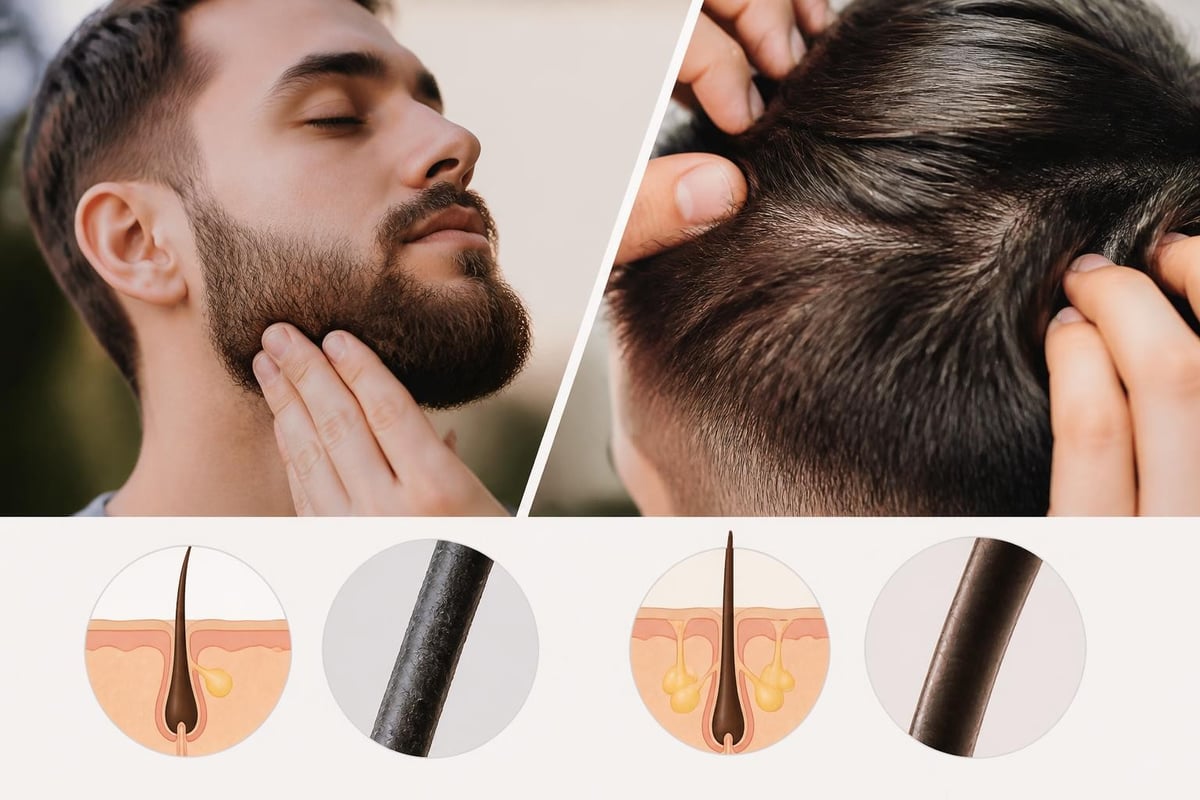
The facial hair matrix operates fundamentally differently from scalp hair. Each beard follicle sits within sebaceous-rich skin that secretes protective lipids designed to coat and protect the hair shaft. When you apply conventional shampoo-formulated with aggressive surfactants like sodium lauryl sulphate-you strip away these essential oils.
What happens next triggers a cascade of problems:
- Sebum overproduction: Your skin compensates by producing excess oil, creating a greasy, uncomfortable beard
- Follicle inflammation: Stripped protective barriers allow bacteria to irritate follicles, causing beardruff and itching
- Structural weakness: Without natural lipid coating, hair shafts become porous and prone to breakage
- Dehydration: The skin beneath your beard loses moisture, leading to flaking and discomfort
The keratin protein structure in beard hair differs significantly from scalp hair. Facial hair contains more disulphide bonds, making it naturally coarser and requiring different cleansing chemistry. Understanding what makes a good beard starts with recognizing these biological distinctions.
The Agitation: Hidden Damage From Wrong Products
Most men unknowingly sabotage their beards daily. Research from grooming laboratories reveals that alkaline cleansers (pH 8-10) disrupt the acid mantle-your skin's natural protective barrier operating at pH 4.5-5.5. This disruption doesn't just cause temporary discomfort; it creates long-term follicle damage.
Consider the typical scenario: You've invested time growing your beard, perhaps exploring facial hair growth strategies, yet your beard feels wiry, looks dull, and drives you to constant scratching. The culprit? Surfactant chemistry incompatible with facial hair biology.
Bar soap represents the worst offender. With pH levels reaching 9-10, soap molecules literally swell the hair cuticle, forcing it open and depleting internal moisture content by up to 40%. The result? A beard that feels like wire wool rather than soft, manageable facial hair.
The Solution: Science-Backed Beard Wash Chemistry
Proper beard wash men formulations leverage specific ingredient categories designed to cleanse without disruption. The chemistry matters immensely.
Key Active Ingredients:
- Mild surfactants (cocamidopropyl betaine, decyl glucoside): Cleanse effectively whilst maintaining pH balance
- Humectants (glycerin, aloe vera): Draw moisture into hair shafts, maintaining hydration
- Botanical extracts (chamomile, green tea): Deliver antioxidants that protect follicles from oxidative stress
- Essential oils (tea tree, peppermint): Provide antimicrobial action without synthetic preservatives
The benefits of using beard wash extend beyond simple cleanliness. pH-balanced formulations maintain the acid mantle whilst gentle surfactants remove debris without stripping protective sebum.
How Proper Beard Wash Works at Molecular Level
When you apply a scientifically formulated beard wash, the surfactant molecules arrange themselves with hydrophobic tails attaching to oil and dirt whilst hydrophilic heads remain in water. This micelle formation traps impurities, allowing water to rinse them away without aggressive stripping action.
Natural oils within quality formulations-such as jojoba, argan, or hemp seed oil-contain fatty acids similar to your skin's natural sebum. These biomimetic lipids supplement rather than replace your beard's protective coating. The stearic and oleic acids in these botanicals actually penetrate the hair cuticle, strengthening internal protein structures.
| Ingredient Type | Function | Example Compound |
|---|---|---|
| Gentle Surfactant | Cleansing without stripping | Cocamidopropyl Betaine |
| Humectant | Moisture retention | Vegetable Glycerin |
| Emollient Oil | Shaft conditioning | Argan Oil |
| Antimicrobial | Bacterial control | Tea Tree Extract |
Application Technique: Maximizing Beard Wash Effectiveness
The method you use matters as much as the product itself. Follow this scientifically optimized protocol:
Step-by-Step Application Process:
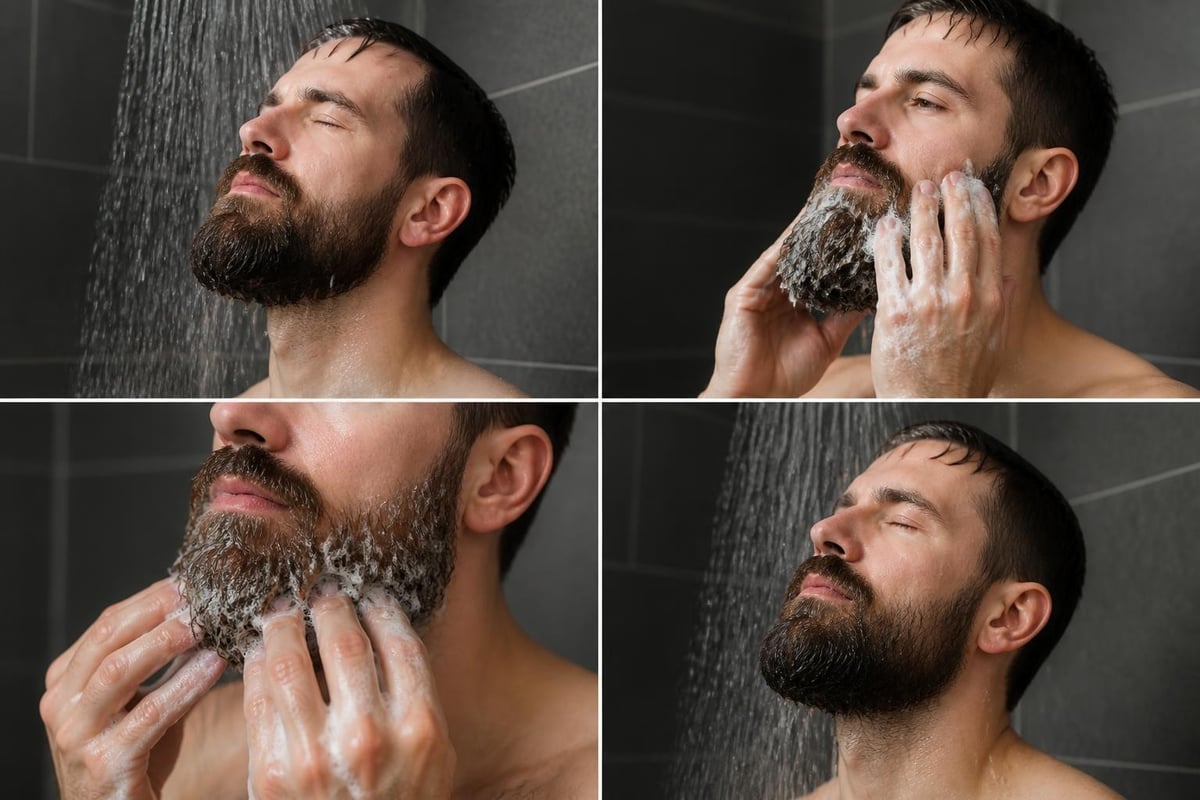
- Pre-rinse with warm water (not hot): Opens cuticles without thermal damage-aim for 38-40°C
- Dispense quarter-sized amount: Less creates insufficient lather; more wastes product
- Apply to wet beard: Work from roots outward, ensuring skin contact
- Massage for 60-90 seconds: Mechanical action dislodges debris whilst stimulating blood flow
- Rinse thoroughly with cooler water: Closes cuticles and removes all residue
The timing of your wash impacts results significantly. When to use beard wash depends on your lifestyle, but most bearded men benefit from 3-4 washes weekly. Daily washing, even with gentle formulations, can gradually deplete natural oils faster than your sebaceous glands replenish them.
Avoid these common errors that undermine even premium beard wash products:
- Scrubbing vigorously (damages hair shafts and irritates follicles)
- Using excessively hot water (strips protective oils and causes inflammation)
- Insufficient rinsing (residue attracts dirt and creates buildup)
- Skipping conditioner (leaves cuticles raised and vulnerable)
The complete approach includes proper beard wash and conditioner pairing, as conditioning provides the final step in cuticle sealing and moisture lock.
Frequency Optimization: Finding Your Ideal Wash Schedule
Your beard's oil production rate dictates optimal washing frequency. This varies based on genetics, climate, and activity level. The sebaceous glands beneath your beard produce between 1-2 grams of sebum daily, but production fluctuates based on temperature, stress, and hormonal factors.
Washing Frequency Guidelines:
- Oily skin types: 4-5 times weekly
- Normal skin: 3 times weekly
- Dry or sensitive skin: 2 times weekly
- Post-workout or physical labour: Additional wash regardless of skin type
Environmental factors modify these baselines. High-pollution urban environments demand more frequent cleansing, whilst dry climates may require reducing wash frequency to preserve moisture. How to wash your beard properly accounts for these variables whilst maintaining follicle health.
Between full washes, consider water-only rinses. Plain water removes surface debris without activating sebum depletion, making this technique valuable for maintaining freshness on non-wash days.
The 5-Minute Beard Maintenance Protocol
Efficiency matters for sustainable grooming habits. A streamlined routine ensures consistency without time burden. The 5-minute beard routine integrates washing within a complete maintenance system:
Quick Daily Routine:
- Morning: Rinse with water, apply oil or balm (2 minutes)
- Evening: Full wash 3x weekly, conditioning treatment (3 minutes on wash days)
This approach balances thoroughness with practicality, ensuring your beard receives necessary care without consuming excessive time.
Natural Ingredients vs Synthetic: What Science Reveals
The ingredient debate continues within grooming communities. Laboratory analysis provides clarity: natural ingredients deliver measurable benefits without synthetic irritants, but formulation quality matters more than ingredient origin.
Natural Ingredient Benefits Backed by Research:
Tea tree oil demonstrates antimicrobial properties against Propionibacterium acnes (the bacteria causing inflammation) at concentrations of 5-10%. Chamomile extract contains apigenin, a flavonoid that reduces inflammatory cytokines by up to 40% in dermatological studies.
Argan oil's tocopherol (vitamin E) content provides antioxidant protection, neutralizing free radicals that damage follicle cells. The linoleic acid within hemp seed oil strengthens the lipid barrier between cuticle cells, reducing moisture loss by 25-30%.
However, natural doesn't automatically mean superior. Poorly formulated natural products lack preservation systems, leading to bacterial contamination. Quality manufacturers combine natural actives with minimal, safe preservatives (like leuconostoc/radish root ferment) to ensure product stability without synthetic parabens.
| Natural Ingredient | Active Compound | Documented Benefit |
|---|---|---|
| Tea Tree Oil | Terpinen-4-ol | Antimicrobial, reduces inflammation |
| Argan Oil | Tocopherols, Fatty Acids | Antioxidant protection, moisture retention |
| Aloe Vera | Polysaccharides | Hydration, soothing irritation |
| Chamomile | Apigenin | Anti-inflammatory, calms skin |
The best beard grooming approach prioritizes ingredient efficacy over marketing claims, selecting formulations with proven biological activity.
Understanding pH Balance in Beard Wash Men Products
pH represents hydrogen ion concentration-a logarithmic scale where each unit change multiplies acidity or alkalinity tenfold. Your skin's acid mantle functions optimally at pH 4.5-5.5, creating an inhospitable environment for pathogenic bacteria whilst supporting beneficial microflora.
Alkaline cleansers (pH above 7) disrupt this balance catastrophically. At pH 8, the cuticle scales on your beard hair lift outward, exposing the vulnerable cortex beneath. This creates a rough texture whilst allowing internal proteins and moisture to escape.
Premium beard wash men formulations maintain pH between 5.0-6.5-slightly acidic to neutral. This range cleanses effectively without compromising the acid mantle or forcing cuticle disruption. The difference manifests immediately: beards washed with pH-balanced products feel softer, appear shinier, and resist tangling.
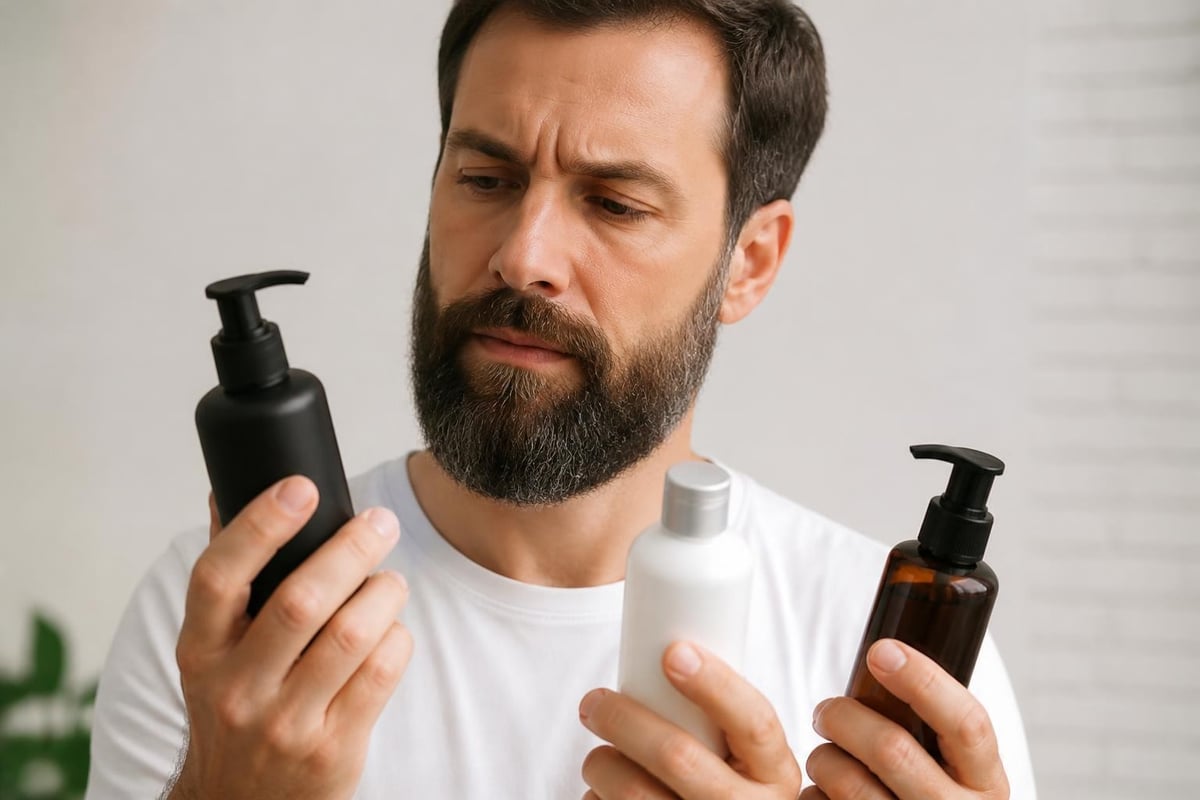
Testing your current products reveals their true chemistry. pH test strips (available at most chemists) provide instant feedback. Simply wet the strip with diluted product-anything reading above 7 deserves replacement.
Complete Beard Care System Integration
Washing represents just one component within comprehensive beard maintenance. The complete system includes:
Essential Product Categories:
- Cleanser (beard wash): Removes impurities 3-4x weekly
- Conditioner: Seals cuticles, provides slip for detangling
- Oil or butter: Daily moisture and styling control
- Balm: Hold and weather protection for harsh conditions
Each category serves distinct biological functions. After cleansing with proper beard wash, conditioning replaces surface lipids and smooths raised cuticles. The cationic (positively charged) ingredients in conditioners attach to negatively charged hair shafts, creating an electrostatic coating that reduces friction and tangling.
Daily oils penetrate the hair shaft, delivering fatty acids that supplement internal lipid structures. These formulations typically combine carrier oils (jojoba, argan) with essential oils for scent and additional antimicrobial action.
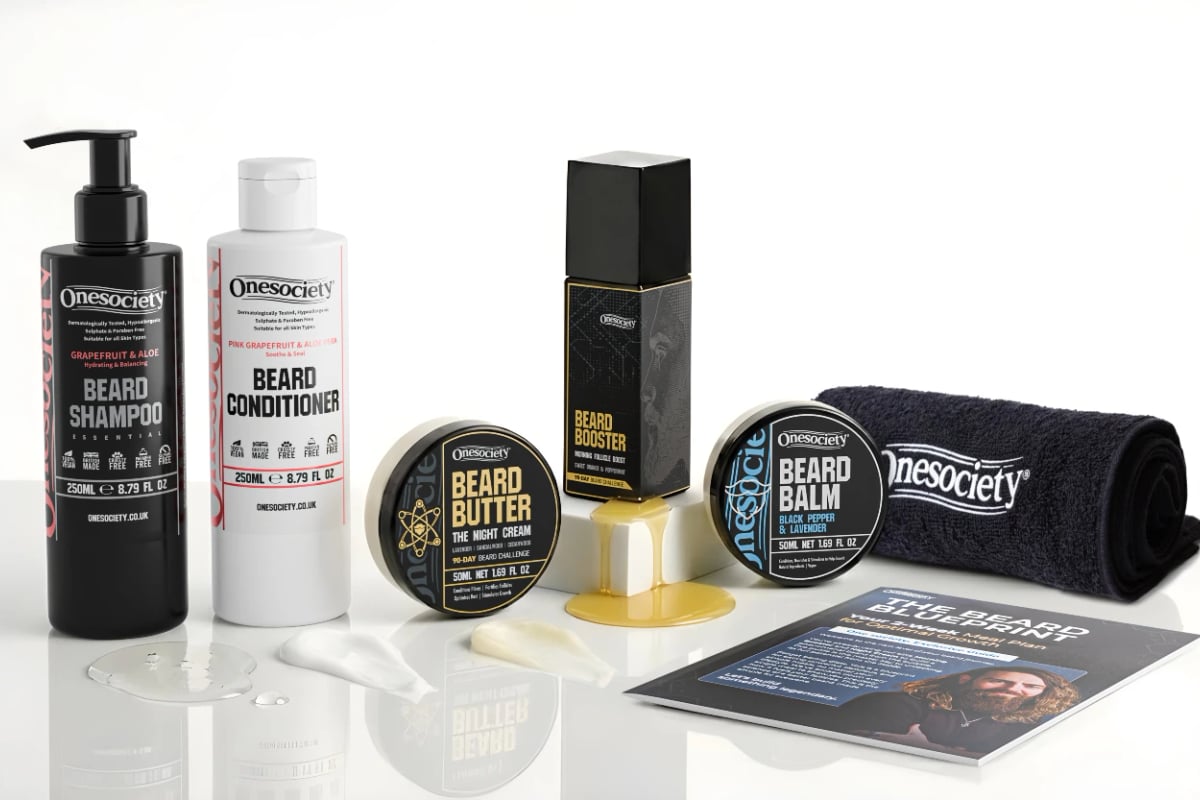
For men committed to maximizing beard potential, comprehensive programmes provide structured approaches. The 90-Day Beard Challenge combines multiple formulations-from follicle-stimulating boosters to protective balms-into a complete transformation system. This kit includes pH-balanced beard shampoo working synergistically with deep-hydration butter and recovery treatments, addressing every aspect of beard health within a single, scientifically designed programme.
Troubleshooting Common Beard Wash Challenges
Even with quality products, technique errors create suboptimal results. Address these frequent issues:
Problem: Persistent Itching Despite Regular Washing
Root Cause: Over-washing depletes natural oils, triggering compensatory sebum production and inflammation.
Solution: Reduce wash frequency to 2-3x weekly. Apply moisturizing oil within 3 minutes post-shower whilst hair remains slightly damp-this traps water molecules within the shaft.
Problem: Beard Feels Stiff After Washing
Root Cause: Hard water minerals (calcium, magnesium) deposit on hair shafts, creating rigidity.
Solution: Install shower filter or use distilled water for final rinse. Apply leave-in conditioner to counteract mineral buildup.
Problem: Dandruff Persists Despite Specialized Products
Root Cause: Malassezia yeast overgrowth or seborrheic dermatitis requiring active treatment ingredients.
Solution: Look for beard wash containing ketoconazole, pyrithione zinc, or coal tar. These compounds suppress yeast proliferation at cellular level.
The distinction between beard wash and beard shampoo often confuses consumers. Functionally, quality products in both categories serve identical purposes-the terminology varies by manufacturer preference rather than formulation differences.
Seasonal Adjustments for Optimal Beard Health
Your beard's needs shift with environmental conditions. Winter's dry air and indoor heating strip moisture aggressively, whilst summer's heat and humidity increase sebum production.
Winter Protocol Modifications:
- Reduce wash frequency by one session weekly
- Increase oil application to twice daily
- Use heavier balms containing shea butter for weather protection
- Consider overnight conditioning treatments weekly
Summer Adaptations:
- Increase wash frequency if you're more active outdoors
- Select lighter oil formulations that won't feel greasy
- Focus on antimicrobial ingredients to combat increased bacterial activity
- Rinse with cooler water to control excess oil production
These seasonal adjustments maintain optimal moisture balance regardless of environmental challenges. How to use beard wash effectively means adapting your routine to current conditions rather than maintaining identical practices year-round.
Ingredient Deep Dive: What Actually Works
Marketing claims often exceed scientific reality. Focus on ingredients with documented biological activity:
Proven Actives for Beard Health:
- Biotin (Vitamin B7): Supports keratin synthesis, strengthening hair structure
- Panthenol (Pro-Vitamin B5): Penetrates hair shaft, improves elasticity by 15-20%
- Caffeine: Stimulates follicle metabolism, extends growth phase
- Niacinamide (Vitamin B3): Improves skin barrier function, reduces inflammation
Avoid formulations containing:
- Sulphates (sodium lauryl sulphate, sodium laureth sulphate): Excessively harsh
- Silicones (dimethicone, cyclomethicone): Create temporary smoothness but build up over time
- Synthetic fragrances: Common allergens with no functional benefit
- Parabens: Endocrine disruptors with safer preservation alternatives available
Reading ingredient lists reveals product quality. Components appear in descending concentration order-if water ranks first (standard) but harsh sulphates follow immediately, the formulation prioritizes cost over effectiveness.
The Economic Reality of Quality Beard Care
Premium beard wash products cost 3-4 times more than conventional shampoo. This price difference reflects formulation complexity and ingredient quality.
Cost Analysis Per Wash:
| Product Type | Cost Per Bottle | Washes Per Bottle | Cost Per Wash |
|---|---|---|---|
| Regular Shampoo | £5 | 50 | £0.10 |
| Quality Beard Wash | £18 | 60 | £0.30 |
| Premium Natural Formula | £25 | 55 | £0.45 |
That £0.35 daily difference delivers measurable returns: reduced irritation, improved appearance, faster growth, and enhanced confidence. Over a year, the total cost difference (roughly £127) represents minimal investment for daily improvement in both comfort and presentation.
Concentrated formulations extend value further. Products requiring only a 5p-sized amount per wash last significantly longer than those demanding larger applications, effectively reducing per-wash cost whilst delivering superior results.
Professional vs Home Care: Making Informed Decisions
Barber services include beard washing as part of grooming packages, but understanding the process empowers better home maintenance. Professional washes typically involve:
- Pre-treatment with warming towel (opens follicles and cuticles)
- Extended massage periods (3-5 minutes vs typical 60-90 seconds)
- Specialized rinse techniques ensuring complete product removal
- Post-wash conditioning and styling product application
You can replicate most professional benefits at home with proper technique and quality products. The warming towel step, in particular, delivers significant improvements. Simply microwave a damp towel for 30 seconds, test temperature carefully, then drape over your beard for 2-3 minutes before washing.
This pre-treatment increases cuticle permeability, allowing cleansing and conditioning ingredients to penetrate more effectively. Blood flow to follicles increases by 20-30%, supporting nutrient delivery and waste removal.
Advanced Techniques for Beard Wash Optimization
Beyond basic application, sophisticated approaches maximize results:
Double Cleansing Method:
- First wash: Removes surface oils, products, and debris
- Brief rinse
- Second wash: Cleanses skin and follicles thoroughly
This technique, borrowed from facial skincare, ensures complete removal of buildup without extended single-wash scrubbing that damages hair shafts.
Scalp Massage Integration:
The skin beneath your beard contains thousands of nerve endings and extensive vasculature. Five-minute massage during washing:
- Increases follicle blood flow by 25-40%
- Stimulates lymphatic drainage, reducing puffiness
- Activates mechanoreceptors that trigger relaxation responses
- Distributes natural oils more evenly throughout the beard
Use fingertips (not nails) in small circular motions, working from jaw to cheeks systematically. The mechanical stimulation complements the chemical cleansing, creating synergistic benefits.
Temperature Variation Technique:
Start with warm water (opens cuticles), wash thoroughly, then finish with progressively cooler water (seals cuticles). This temperature gradient optimizes both cleansing and protection, leveraging thermal effects on hair structure.
Building Your Personalized Routine
No universal schedule fits all bearded men. Your optimal routine balances these factors:
- Beard length: Longer beards trap more debris, potentially requiring more frequent washing
- Skin type: Oil production rates vary 5-fold between individuals
- Activity level: Physical work or exercise increases washing needs
- Climate: Humidity, pollution, and temperature affect both dirt accumulation and natural oil distribution
- Product usage: Styling balms and waxes necessitate thorough cleansing
Start with a baseline 3x weekly schedule, monitoring your beard's response over 2-3 weeks. Indicators of optimal frequency include:
Positive Signs:
- Minimal itching or discomfort
- Soft, manageable texture
- Healthy shine without excessive greasiness
- Minimal flaking or beardruff
Signs Requiring Adjustment:
- Persistent dryness (reduce frequency or improve conditioning)
- Excessive oiliness (increase frequency or adjust product selection)
- Ongoing irritation (evaluate ingredient sensitivities)
- Dull appearance (enhance conditioning treatment)
The Role of Water Quality in Beard Washing
Tap water chemistry profoundly affects washing effectiveness. Hard water contains dissolved calcium and magnesium that interfere with surfactant action, reducing lather and depositing minerals on hair shafts.
Water Hardness Impact:
Soft water (0-60 mg/L): Optimal for beard washing, allows full surfactant activity Moderately hard (61-120 mg/L): Acceptable with quality products Hard (121-180 mg/L): Requires shower filter or product adjustments Very hard (180+ mg/L): Definitely install filtration system
You can test your water hardness with inexpensive test strips or request data from your local water authority. If you have hard water, chelating ingredients (like citric acid or EDTA) in your beard wash help counteract mineral interference.
Alternatively, final rinses with filtered or distilled water remove mineral deposits without requiring whole-shower filtration systems. This simple step dramatically improves beard softness and manageability in hard water areas.
Transforming your beard from adequate to exceptional requires understanding the biological science behind proper care whilst implementing consistent, optimized techniques. Quality beard wash men products formulated with natural ingredients and pH-balanced chemistry protect your investment in facial hair growth whilst delivering measurable improvements in texture, appearance, and comfort. Onesociety combines scientifically validated formulations with 100% natural ingredients, providing everything your beard needs for optimal health and impressive transformation. Explore their complete range and discover how proper beard care creates the confidence-building results you deserve.