

Your beard tells a story about your grooming commitment. Patchy growth, persistent itch, and rough texture signal one clear message: your facial hair lacks the targeted nourishment it desperately needs. The combination of beard oil and moisturizer addresses these challenges by delivering essential fatty acids, vitamins, and hydration directly to hair follicles and underlying skin. This isn't about surface-level cosmetics-it's about understanding the dermatological science that separates a struggling beard from one that commands attention.
The Biological Problem With Untreated Facial Hair
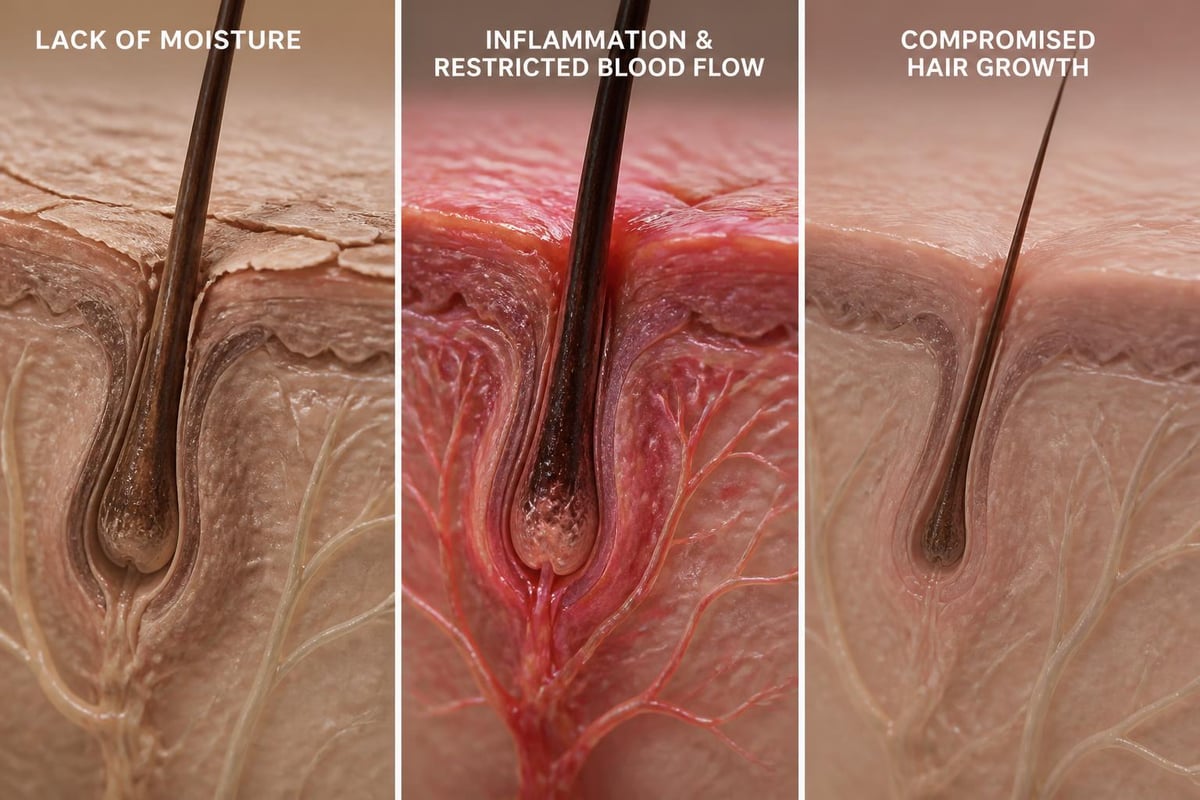
Your skin produces sebum, a natural oil that lubricates hair shafts. Facial hair growth rapidly outpaces sebum production, particularly in beards longer than 1.5 centimetres. This creates a moisture deficit that manifests as brittle hair, flaking skin, and inflammation around follicles.
The sebaceous glands attached to each hair follicle can only generate approximately 1-2 micrograms of sebum per gland daily. When you're growing 30,000+ facial hairs, the maths becomes problematic. Your body simply cannot produce enough natural oil to coat every shaft from root to tip.
What Happens at the Follicle Level
Dehydrated follicles enter a protective state, slowing hair production to conserve resources. The dermal papilla-the structure responsible for initiating new hair growth-receives reduced blood flow when surrounding tissue becomes inflamed from dryness. This creates a feedback loop: dry skin triggers scratching, scratching causes micro-trauma, trauma leads to inflammation, and inflammation restricts nutrient delivery to growing hair.
Research published by dermatological studies confirms that beard oil works by supplementing natural sebum with plant-derived lipids that possess similar molecular structures. Jojoba oil, for instance, contains wax esters nearly identical to human sebum, allowing seamless absorption into hair cuticles.
Why Generic Moisturizers Fail Your Beard
Standard facial moisturizers contain humectants designed for smooth, thin facial skin. These formulations prove inadequate for coarse facial hair because they lack the carrier oils necessary to penetrate hair shafts. Glycerin-based products sit on the surface, creating temporary softness that evaporates within hours.
Your beard requires lipid-rich formulations that can:
- Penetrate the hair cuticle's overlapping scales
- Deliver nutrients to the cortex (inner hair structure)
- Create a protective barrier against environmental stressors
- Maintain hydration for 12-24 hours between applications
The molecular weight of ingredients matters significantly. Lightweight oils like argan (rich in vitamin E and essential fatty acids) absorb rapidly, while heavier butters like shea create occlusive barriers that lock moisture inside the hair shaft. Understanding the benefits of beard oil helps explain why specialized formulations outperform general skincare products.
The Carrier Oil Distinction
Effective beard oil and moisturizer products combine multiple carrier oils to address different needs:
| Carrier Oil | Primary Function | Absorption Rate | Key Nutrients |
|---|---|---|---|
| Jojoba | Sebum replacement | Fast (5-10 min) | Vitamin E, B-complex |
| Argan | Cuticle repair | Medium (15-20 min) | Omega-6, tocopherols |
| Sweet Almond | Deep conditioning | Medium (15-20 min) | Vitamin A, zinc |
| Castor | Growth stimulation | Slow (30+ min) | Ricinoleic acid, omega-9 |
This multi-oil approach ensures both immediate surface conditioning and long-term follicle nourishment. Products that rely on a single carrier oil provide incomplete benefits, leaving gaps in your beard care regimen.
How Beard Oil and Moisturizer Create Synergistic Results
Applying beard oil and moisturizer isn't redundant-it's strategic layering that addresses distinct biological needs. Beard oil penetrates the hair shaft and reaches the skin beneath, while moisturizing balms create external protection against moisture loss.
Think of beard oil as the foundation that delivers active ingredients to cells, whilst moisturizer acts as the sealant that prevents environmental degradation. This two-step approach mirrors professional skincare protocols used by dermatologists for treating compromised skin barriers.
The Application Sequence Matters
The order you apply products determines their efficacy. Using beard oil before moisturizer allows lightweight oils to penetrate first, followed by heavier occlusive agents that trap those nutrients inside.
Optimal application protocol:
- Cleanse your beard with pH-balanced shampoo (5.5 pH matches skin's natural acidity)
- Pat partially dry-leave hair approximately 70% damp for maximum absorption
- Distribute 4-8 drops of beard oil through hair, working from roots to tips
- Massage oil into underlying skin for 60-90 seconds to stimulate blood flow
- Apply moisturizing balm to seal in hydration and provide structure
This sequence ensures active ingredients reach target tissues whilst creating a protective microenvironment around each hair shaft. The massage component increases dermal blood flow by up to 25%, delivering more oxygen and nutrients to follicles.
The Science Behind Natural Ingredients in Premium Formulations
Synthetic silicones and petroleum derivatives create the illusion of softness without delivering actual nourishment. They coat hair externally but cannot penetrate the cuticle to repair internal damage. Natural ingredients contain bioactive compounds that cells recognize and metabolize.
At Onesociety, formulations focus on ingredients with proven cellular mechanisms. Argan oil's tocopherols act as antioxidants that neutralize free radicals causing oxidative stress in follicles. Shea butter's triterpenes possess anti-inflammatory properties that reduce irritation around hair roots.
Vitamin E's Antioxidant Mechanism
Alpha-tocopherol, the most bioavailable form of vitamin E, protects cell membranes from lipid peroxidation. When applied topically in beard oil and moisturizer, it accumulates in sebaceous glands and follicle structures. Studies demonstrate that vitamin E supplementation increases hair count in participants with alopecia by reducing oxidative stress that damages follicle cells.
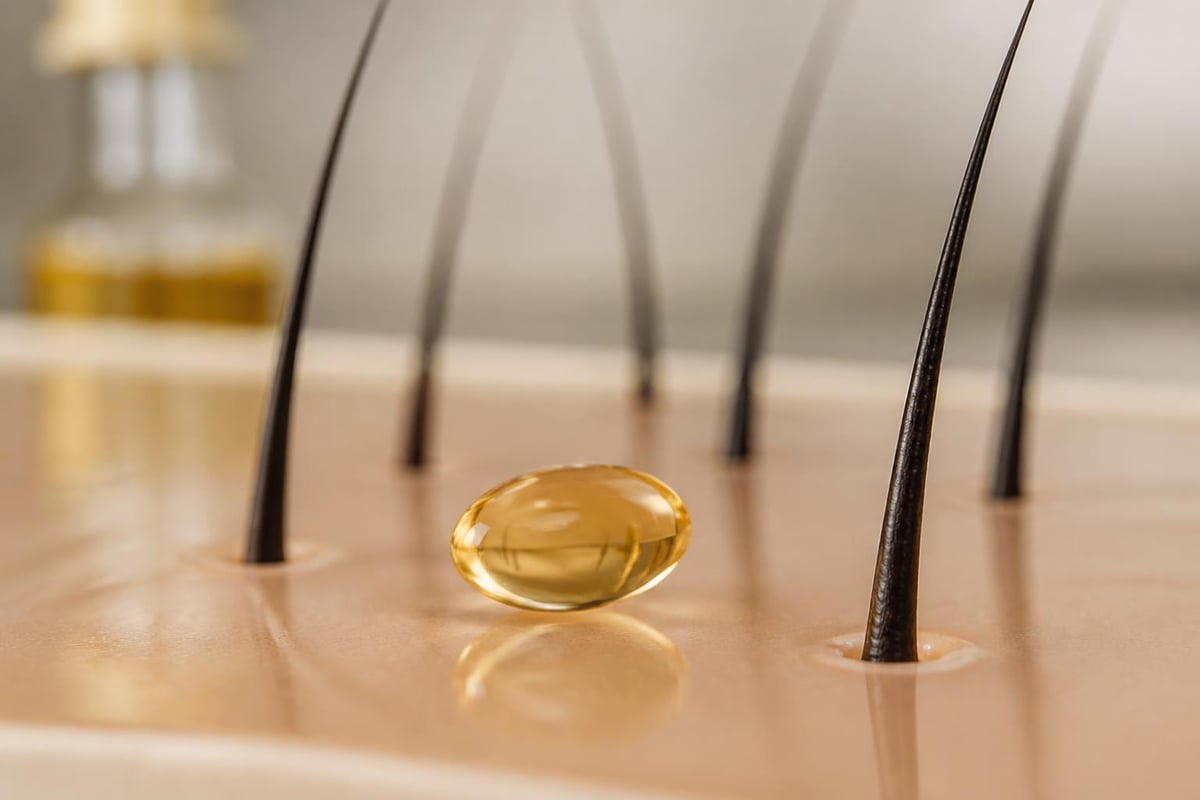
This isn't marketing hyperbole-it's documented cellular biology. Natural ingredients contain multiple active compounds that work through different pathways, whilst synthetic alternatives typically offer single-mechanism action.
Addressing Common Beard Growth Challenges
Patchy growth, slow development, and texture inconsistencies stem from follicle health issues that proper beard oil and moisturizer application can address. The key lies in understanding which specific biological factor limits your growth.
Inflammation-Driven Patchiness
Chronic low-grade inflammation around follicles redirects resources away from hair production toward immune responses. This manifests as areas where hair grows sparsely or not at all. Anti-inflammatory compounds in natural oils-like the oleic acid in sweet almond oil-reduce inflammatory cytokine production, allowing follicles to resume normal growth cycles.
Comparing the best beard moisturizer options reveals that products containing omega fatty acids consistently outperform those without these anti-inflammatory agents.
Blood Flow Restriction
Follicles require robust microcirculation to receive nutrients and remove metabolic waste. Massage during beard oil and moisturizer application stimulates vasodilation-the widening of blood vessels-increasing nutrient delivery by up to 30%. Castor oil contains ricinoleic acid, which enhances prostaglandin E2 production, a compound that promotes hair growth by extending the anagen (growth) phase of the hair cycle.
Blood flow enhancement techniques:
- Apply products to damp hair for better distribution
- Use fingertips to massage in circular motions for 90 seconds
- Target areas with sparse growth for extended massage (2-3 minutes)
- Combine application with facial exercises that activate underlying muscles
These techniques transform passive product application into active growth stimulation protocols. For those seeking comprehensive beard transformation, selecting the right beard care kit provides coordinated products designed to work synergistically.
The 90-Day Transformation Protocol
Follicle regeneration and hair growth operate on specific biological timelines. The anagen phase for facial hair lasts 2-6 years, but noticeable improvements in density, texture, and growth rate emerge within 90 days of consistent beard oil and moisturizer application.
This timeframe aligns with the hair growth cycle: approximately 30 days for new follicles to activate, 30 days for emerging hair to strengthen, and 30 days for visible length and thickness improvement. Structured programmes like the 90-Day Beard Challenge leverage this biological timeline by providing phase-specific formulations that address changing needs as your beard develops.
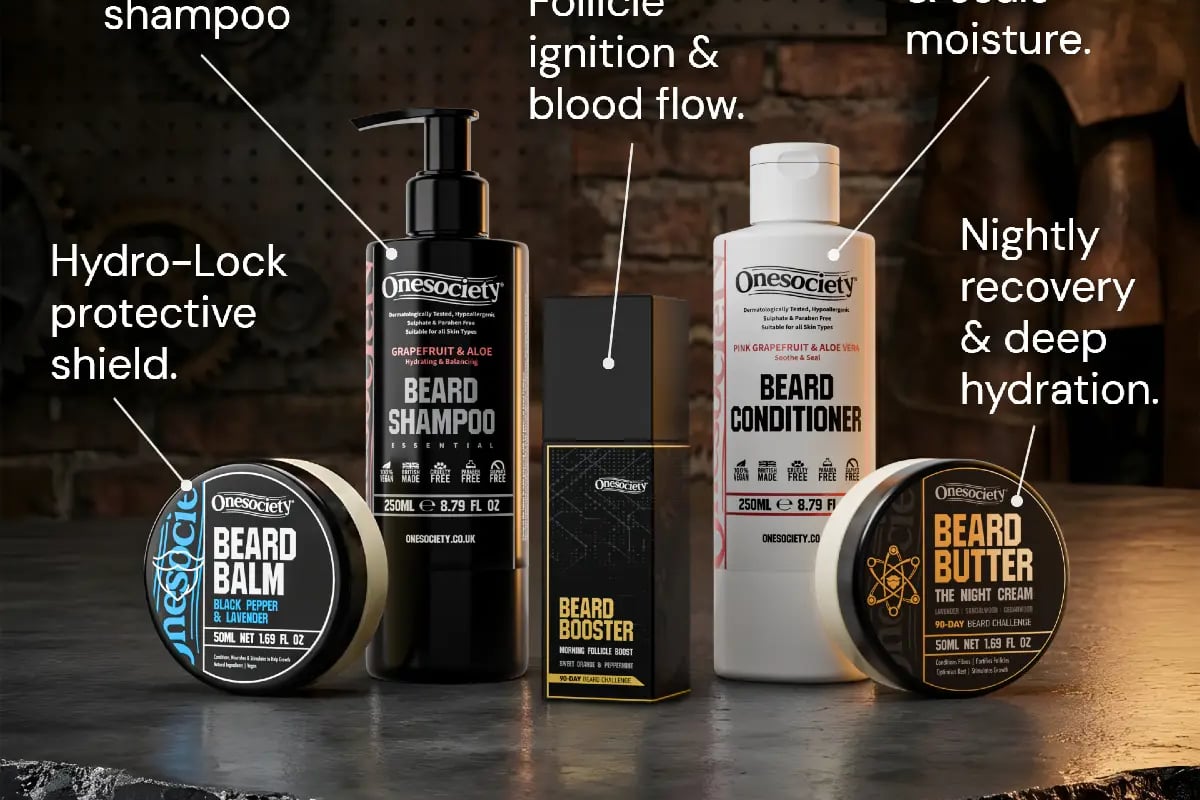
The Challenge includes eight high-performance formulas engineered to work together-from follicle-igniting boosters to hydro-lock balms-creating a complete ecosystem for beard development. This isn't just product application; it's a scientifically structured transformation protocol backed by a full refund guarantee.
Measuring Progress Beyond Visual Assessment
Track these objective markers to quantify improvement:
| Week | Measurable Changes | Biological Explanation |
|---|---|---|
| 1-2 | Reduced itch, less flaking | Moisture restoration to stratum corneum |
| 3-4 | Softer texture, easier management | Cuticle repair and lipid layer restoration |
| 5-8 | Increased shine, reduced breakage | Cortex strengthening from nutrient delivery |
| 9-12 | New growth in sparse areas, faster length gain | Follicle activation and extended anagen phase |
Photographic documentation using consistent lighting and angles provides visual evidence of transformation. Take weekly photos from three angles (front, left profile, right profile) to capture changes your mirror might not reveal.
Essential Fatty Acids: The Growth-Promoting Molecules
Omega-3, omega-6, and omega-9 fatty acids serve as building blocks for cell membranes and signaling molecules. Your body cannot synthesize omega-3 and omega-6 (making them "essential"), yet they're critical for healthy hair production.
Linoleic acid (omega-6) regulates sebocyte function-the cells that produce sebum. When applied topically in beard oil and moisturizer, it normalizes oil production, preventing both excessive greasiness and inadequate lubrication. Research shows that beard oil moisturizer is essential because it supplies these fatty acids directly to follicle structures.
Omega-9's Unique Role
Oleic acid (omega-9) possesses a molecular structure that enhances penetration of other nutrients. It acts as a carrier, helping water-soluble vitamins cross lipid membranes. This explains why formulations containing high-oleic oils like avocado or olive deliver superior results-they improve the bioavailability of every other active ingredient.
Fatty acid content in common carrier oils:
- Argan oil: 45% oleic acid, 35% linoleic acid
- Jojoba oil: 70% docosenoic acid (unique omega-9)
- Sweet almond oil: 65% oleic acid, 25% linoleic acid
- Castor oil: 90% ricinoleic acid (omega-9 derivative)
Blending multiple oils ensures a complete fatty acid profile that addresses diverse cellular needs. This principle guides formulation development for serious male grooming products.
Debunking Beard Care Myths With Science
Misinformation about beard oil and moisturizer creates confusion that undermines results. Examining common claims through a scientific lens reveals what actually works versus what merely sounds plausible.
Myth: More Product Equals Better Results
Follicles and hair shafts have finite absorption capacity. Excessive application doesn't increase nutrient uptake-it simply creates surface buildup that attracts dirt and clogs pores. The optimal dose for beard oil ranges from 4-8 drops (approximately 0.2-0.4 milliliters) depending on beard length and density.
Understanding what beard oil actually does helps calibrate application amounts to match biological absorption rates rather than arbitrary "more is better" thinking.
Myth: Beard Oil Can Replace Moisturizer
While beard oil can function as a moisturizer for the skin beneath your beard, the reverse isn't true. Traditional facial moisturizers lack the lipid profile necessary to condition coarse facial hair. The molecular weight and fatty acid composition differ significantly.
Beard oil typically contains 100% plant oils with molecular weights between 600-900 Da (Daltons), optimized for hair penetration. Facial moisturizers contain emulsified formulations with humectants, emollients, and occlusives in water bases-excellent for skin, inadequate for hair shafts.
Myth: Results Appear Immediately
Cellular regeneration operates on week-to-month timescales, not hours. While beard oil and moisturizer create immediate cosmetic improvements (softness, shine, manageability), structural changes to hair quality and growth patterns require consistent application over 4-12 weeks. The effectiveness of beard oil manifests through cumulative cellular benefits, not instant transformation.
Selecting Quality Formulations: What Labels Should Reveal
Ingredient lists tell you everything about product quality-if you know what to look for. Premium beard oil and moisturizer products list ingredients in descending order by concentration, allowing you to identify whether active compounds appear in therapeutic amounts or token quantities.
Red flags indicating inferior formulations:
- Mineral oil or petrolatum in top three ingredients (cheap fillers that coat without nourishing)
- Synthetic fragrances listed without specific compounds (potential irritants and allergens)
- Alcohol derivatives like SD alcohol 40 (extremely drying to hair and skin)
- Silicone compounds ending in "-cone" or "-siloxane" (temporary cosmetic effect without actual conditioning)
Green flags indicating premium quality:
- Multiple named carrier oils (jojoba, argan, sweet almond) in top five ingredients
- Essential oils specified by botanical name (Lavandula angustifolia, not just "lavender")
- Vitamin E listed as tocopherol or mixed tocopherols (not synthetic tocopheryl acetate)
- Absence of water (indicates concentrated oil formulation, not diluted emulsion)
You can verify formulation quality by checking the ingredients manufacturers use and comparing them against scientific literature on dermatological effectiveness.
Integration Into Comprehensive Grooming Systems
Beard oil and moisturizer deliver optimal results when integrated into complete grooming protocols that address cleansing, conditioning, styling, and protection. Each step serves a distinct biological purpose:
- Cleansing: pH-balanced shampoo removes sebum oxidation products and environmental pollutants without stripping natural oils
- Conditioning: Beard oil delivers nutrients and moisture to hair cortex and follicle structures
- Moisturizing: Balms and butters create protective barriers that prevent moisture loss
- Styling: Natural waxes provide hold without synthetic polymers that cause buildup
This systematic approach mirrors professional skincare regimens that layer products by molecular weight-lightest to heaviest-for maximum absorption. Understanding comprehensive beard care principles ensures each product enhances rather than counteracts others.
Seasonal Adjustments
Environmental conditions dramatically affect beard hydration needs. Winter air (both outdoor cold and indoor heating) possesses low relative humidity, accelerating moisture evaporation from hair and skin. Summer heat increases sebum production but also oxidative stress from UV exposure.
Seasonal formulation adjustments:
- Winter (November-February): Increase moisturizer application to twice daily, add heavier butters like shea or kokum
- Spring (March-May): Standard protocol with balanced oil-to-balm ratio
- Summer (June-August): Lighter oils like jojoba or grapeseed, reduce balm to prevent greasiness
- Autumn (September-October): Gradually increase moisturizer as humidity drops
These adjustments maintain optimal hydration despite changing environmental stressors. Your beard's needs aren't static-adaptation ensures consistent results year-round.

The Investment Versus Value Calculation
Premium beard oil and moisturizer costs more per ounce than generic alternatives, but analysing cost-per-application and efficacy reveals superior value. A 30-milliliter bottle of quality beard oil contains approximately 600 drops-sufficient for 75-150 applications depending on beard length.
At £20-30 per bottle, this translates to £0.13-0.40 per application. Compare this to the cumulative cost of inferior products that require double the quantity for equivalent results, plus the opportunity cost of delayed progress toward your growth goals.
Hidden Costs of Low-Quality Products
Cheap formulations create secondary expenses through:
- Increased shampoo usage to remove buildup from silicones and mineral oil
- Skin treatments for irritation caused by synthetic fragrances
- Extended timeline to achieve growth goals (additional months of product purchases)
- Potential dermatologist visits for allergic reactions or folliculitis
Investing in scientifically formulated beard oil and moisturizer eliminates these cascading costs whilst accelerating results. The true metric isn't price per bottle-it's cost per millimeter of quality beard growth.
Customizing Application for Different Beard Lengths
Beard length determines appropriate product quantities and application techniques. A 3-centimeter beard requires different handling than a 15-centimeter beard, yet many guides provide one-size-fits-all advice that underserves specific needs.
Stubble to Short Beard (0-3 cm)
Product amount: 2-4 drops beard oil, pea-sized moisturizer Technique focus: Skin penetration over hair coating Application method: Rub product between palms, press into skin, then distribute through hair with fingertips
At this length, underlying skin health takes priority. The relatively short hair shafts don't require extensive coating, but follicles need maximum nutrient delivery to support rapid growth.
Medium Beard (3-8 cm)
Product amount: 4-6 drops beard oil, two pea-sized amounts moisturizer Technique focus: Even distribution from roots to mid-lengths Application method: Apply oil to damp beard, comb through with wide-tooth comb, follow with moisturizer on palms, work through hair in sections
This length stage presents management challenges as hair becomes dense enough to tangle but hasn't achieved the weight that promotes natural downward growth. Proper beard oil and moisturizer application prevents the "awkward phase" complications.
Long Beard (8+ cm)
Product amount: 6-8 drops beard oil, three pea-sized amounts moisturizer Technique focus: Complete coverage to prevent dry, brittle ends Application method: Section beard into quadrants, apply product methodically to each section, use boar bristle brush to distribute evenly from root to tip
Long beards demand increased product and application time. The ends-oldest hair that's experienced months of environmental exposure-require concentrated moisturizer attention to prevent splitting and breakage.
Transforming your beard from frustrating to formidable requires understanding the biological mechanisms that govern hair growth and applying products formulated with scientific precision. The strategic combination of beard oil and moisturizer addresses both immediate cosmetic concerns and long-term follicle health, creating visible improvements within weeks and structural transformation over months. Onesociety provides scientifically backed formulations crafted from 100% natural ingredients, designed to work synergistically for maximum efficacy. Explore how targeted nutrition and strategic application can unlock your beard's genetic potential and establish a grooming routine that delivers measurable results.