

Your beard's colour tells a story. When you notice grey or lighter hairs threading through what was once a uniformly dark beard, you're witnessing a cellular shift that affects millions of men worldwide. The desire for a darker beard isn't purely aesthetic - it's about reclaiming the youthful vitality that facial hair represents. Whether you're battling premature greying, experiencing colour fading from environmental stress, or seeking to enhance your natural pigmentation, understanding the biological mechanisms behind beard colour gives you the power to make informed decisions about restoration.
The Biology Behind Beard Pigmentation
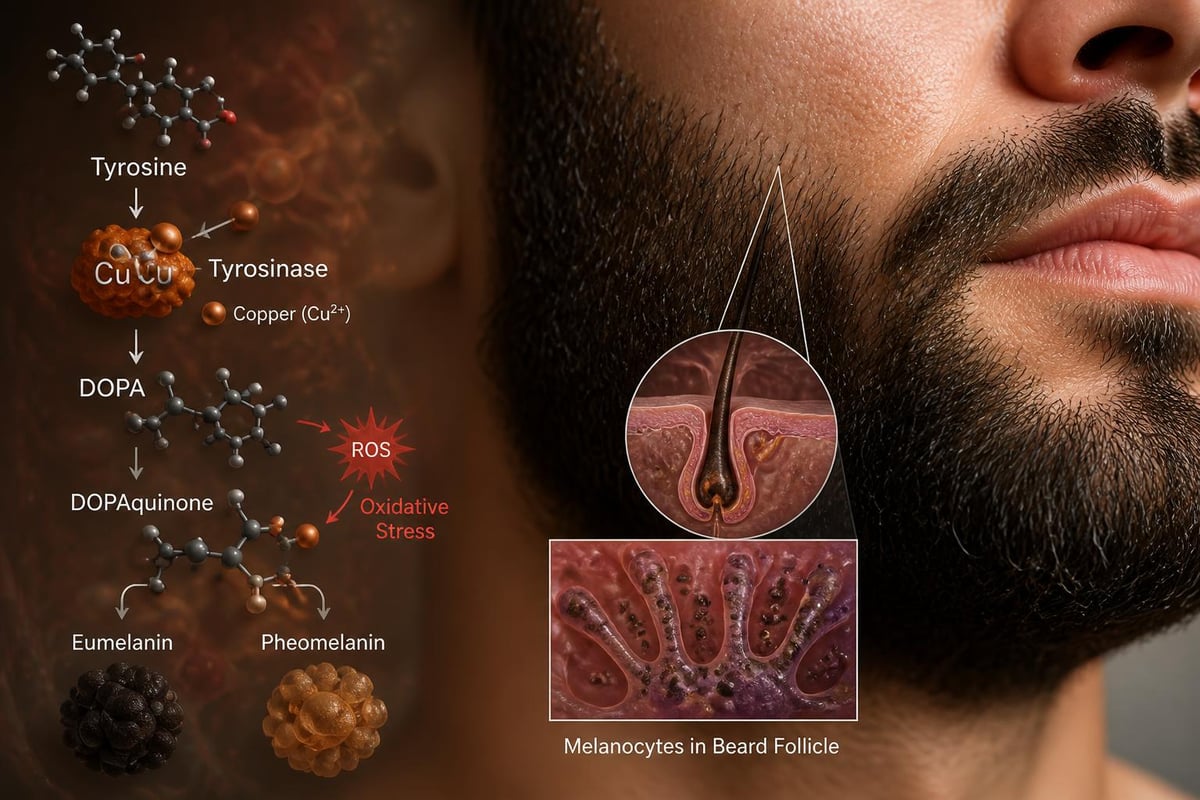
Melanocytes are specialised cells within each beard follicle that produce melanin, the pigment responsible for your facial hair's colour. Two types of melanin determine shade: eumelanin creates brown to black tones, whilst phaeomelanin produces red and yellow hues. Your beard's darkness depends on the concentration and ratio of these pigments.
The tyrosinase enzyme drives melanin production. This copper-dependent protein catalyses the conversion of tyrosine (an amino acid) into melanin precursors. When tyrosinase activity declines or melanocytes deteriorate, your beard loses pigment and turns grey.
Factors That Reduce Melanin Production
Multiple elements disrupt the delicate balance of pigment creation:
- Oxidative stress: Free radicals damage melanocyte DNA, reducing their capacity to produce pigment
- Nutritional deficiencies: Insufficient copper, B vitamins, or protein limit tyrosinase function
- Genetic predisposition: Some men carry genes that trigger earlier melanocyte decline
- Chronic inflammation: Persistent cellular stress accelerates follicle ageing
Beard hair differs from scalp hair. Facial follicles enter the anagen (growth) phase independently, meaning beards often grey before head hair. The shorter growth cycles and unique hormonal sensitivity make beard follicles more vulnerable to pigmentation loss.
Natural Methods to Achieve a Darker Beard
Restoration begins at the cellular level. Whilst genetics sets your baseline, environmental and nutritional interventions can optimise melanocyte function.
Nutritional Strategies for Pigment Enhancement
Your diet directly influences melanin synthesis. Specific nutrients act as cofactors in the tyrosinase pathway:
| Nutrient | Function | Food Sources |
|---|---|---|
| Copper | Activates tyrosinase enzyme | Shellfish, nuts, organ meats |
| Vitamin B12 | Supports melanocyte health | Fish, eggs, dairy products |
| Folic acid | Prevents premature greying | Leafy greens, legumes, citrus |
| Catalase | Neutralises hydrogen peroxide buildup | Broccoli, onions, garlic |
| Omega-3 fatty acids | Reduces follicular inflammation | Salmon, walnuts, flaxseeds |
Hydrogen peroxide accumulation in follicles bleaches melanin from within. Medical research shows that declining catalase levels allow this oxidative compound to accumulate, gradually lightening hair colour. Consuming catalase-rich foods helps neutralise this effect.
Topical Treatments That Stimulate Melanogenesis
External application of melanin-promoting compounds delivers concentrated benefits directly to follicles. Unlike systemic nutrition, topical solutions bypass digestive barriers.
Amla (Indian Gooseberry) contains exceptional concentrations of vitamin C and gallic acid. These compounds protect melanocytes from oxidative damage whilst stimulating tyrosinase activity. When applied as an oil or powder paste, amla penetrates the follicle sheath, providing antioxidant protection at the cellular level.
Henna deposits lawsone molecules onto the hair shaft, creating a semi-permanent darkening effect. Whilst not increasing natural melanin production, henna provides immediate visual results by coating each strand with reddish-brown pigment. The tannins in henna also condition the beard, improving texture.
Bhringraj oil stimulates melanocyte proliferation through eclipta alba extracts. Traditional Ayurvedic formulations combine this herb with carrier oils that enhance follicular absorption. The wedelia calendulacea compounds in bhringraj activate dormant hair follicles whilst supporting existing pigment cells.
Lifestyle Modifications That Preserve Beard Colour
Environmental factors constantly challenge melanocyte function. Strategic lifestyle adjustments create conditions that favour pigment retention.
Stress Reduction Protocols
Chronic psychological stress triggers cortisol release, which accelerates hair greying through oxidative damage. Cortisol increases free radical production whilst simultaneously depleting antioxidant reserves, creating a destructive cycle.
Implementing stress management reduces this hormonal cascade:
- Structured sleep schedules: Melanocyte repair occurs during deep sleep phases
- Regular cardiovascular exercise: Improves blood flow to facial follicles, delivering oxygen and nutrients
- Meditation practices: Lowers cortisol by 25-30% when performed consistently
- Social connection: Reduces inflammatory markers associated with premature ageing
Environmental Protection Strategies
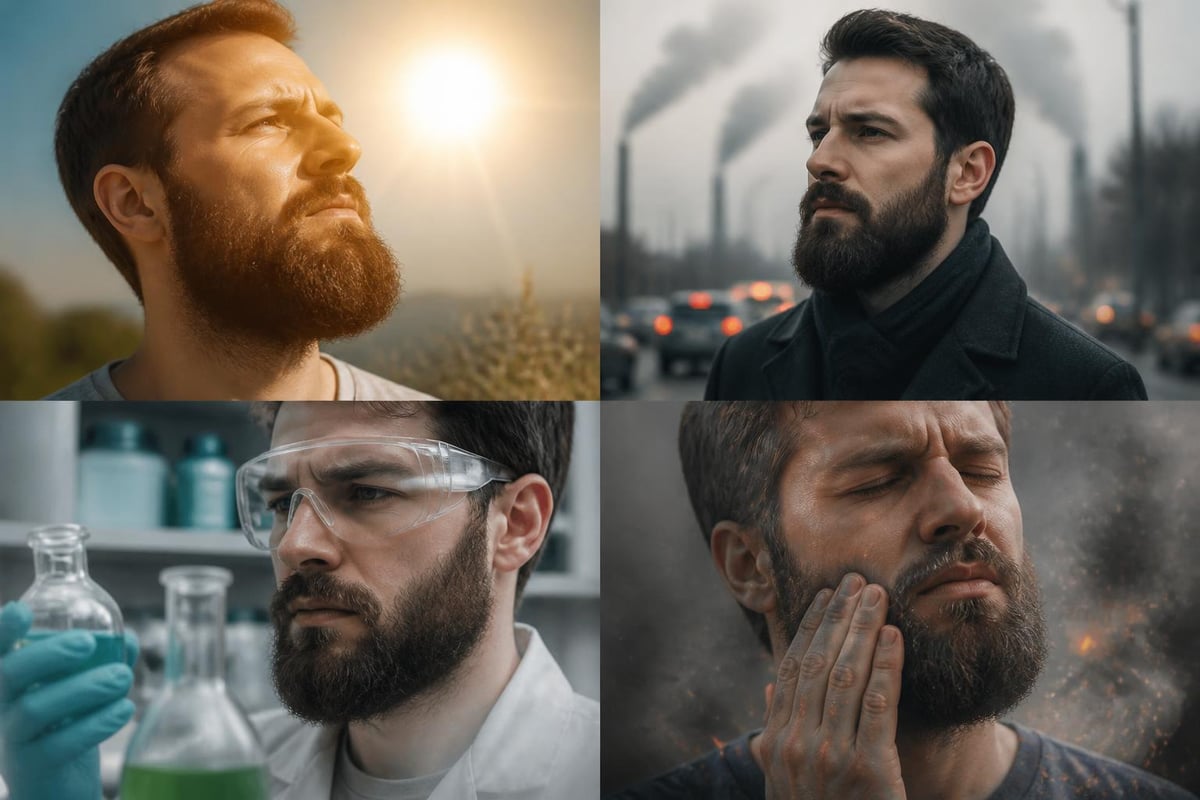
UV radiation, pollution, and chemical exposure degrade both melanin and melanocytes. Your beard lacks the protective sebum coating that scalp hair receives, making it more vulnerable.
Physical barriers work effectively:
- Apply natural oils containing antioxidants before sun exposure
- Rinse your beard thoroughly after swimming in chlorinated water
- Shield facial hair from excessive heat styling or blow-drying
- Use pH-balanced cleansers that don't strip natural protective lipids
Harsh detergents damage the cuticle layer, allowing moisture loss and oxidative penetration. Understanding proper beard care fundamentals prevents unnecessary pigment degradation.
Product-Based Solutions for Darker Beard Maintenance
Whilst natural methods address root causes, specialised grooming products deliver concentrated active ingredients that optimise follicle health and pigment retention.
Active Ingredients That Support Melanogenesis
Scientific formulations combine multiple pathways to enhance beard darkness:
Biotin (Vitamin B7) strengthens keratin infrastructure, creating a denser hair matrix that holds melanin more effectively. At 5,000-10,000 mcg daily doses, biotin improves hair shaft diameter, making existing pigment appear more saturated.
Saw Palmetto Extract blocks 5-alpha-reductase, the enzyme converting testosterone to DHT. Whilst DHT stimulates initial beard growth, excessive levels trigger follicle miniaturisation and premature greying. Topical saw palmetto maintains hormonal balance without suppressing beard development.
Peptide Complexes signal melanocyte stem cells to activate and differentiate. Copper peptides specifically enhance tyrosinase gene expression, directly increasing melanin synthesis capacity. These biomimetic compounds essentially instruct follicles to prioritise pigment production.
Comprehensive Beard Care Systems
Isolated products provide limited results. Integrated systems address multiple aspects of beard health simultaneously, creating synergistic effects.
A properly designed regimen includes:
- Follicle stimulants that increase blood flow and nutrient delivery
- Antioxidant protectors that neutralise free radicals before melanocyte damage occurs
- Hydration barriers that prevent moisture loss and maintain cuticle integrity
- Cleansing agents that remove buildup without stripping protective oils
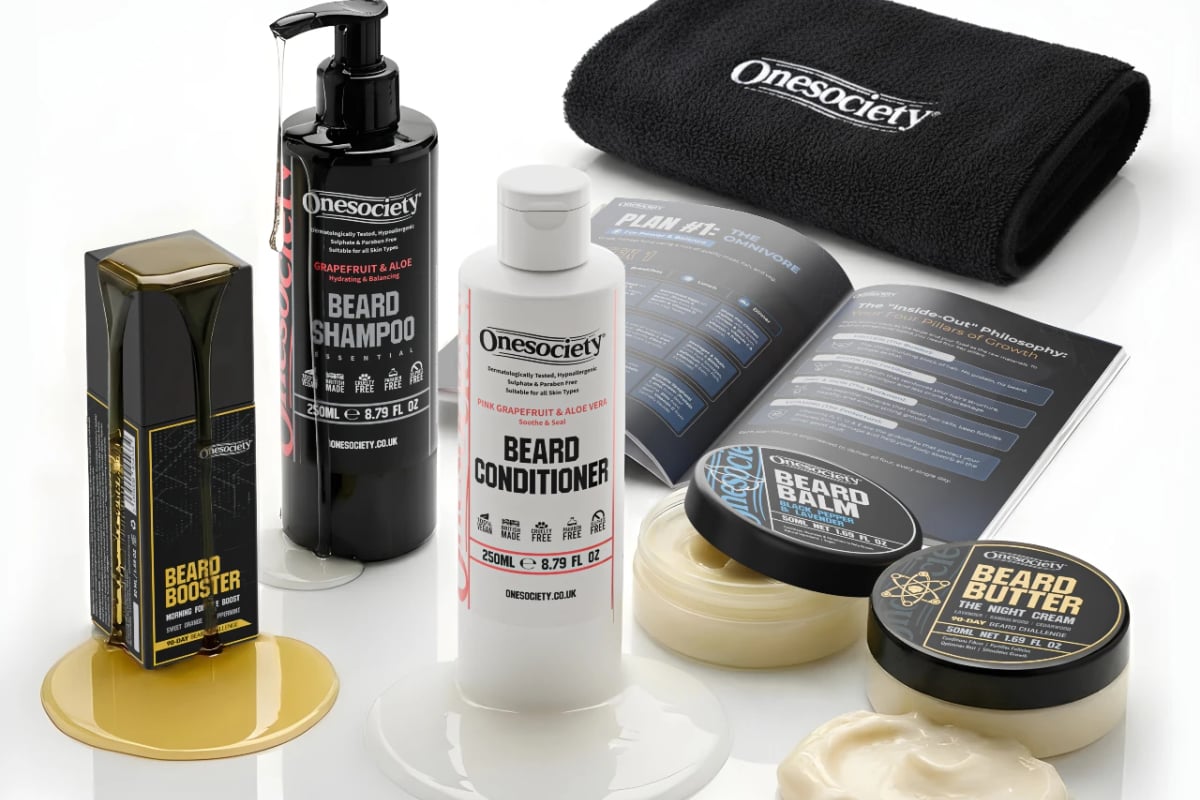
The 90-Day Beard Challenge exemplifies this comprehensive approach. By combining follicle-stimulating formulas with protective balms and pH-balanced cleansers, you create optimal conditions for melanocyte function whilst supporting overall beard health.
Advanced Techniques for Pigment Restoration
When conventional methods prove insufficient, advanced interventions target specific biochemical pathways.
Microneedling for Enhanced Absorption
Dermarolling creates microscopic channels in skin, increasing topical product penetration by up to 300%. When combined with melanin-supporting serums, this technique delivers active ingredients directly to follicular bulbs.
The controlled injury response also triggers:
- Growth factor release that stimulates melanocyte proliferation
- Increased blood vessel formation (angiogenesis) around follicles
- Collagen production that strengthens the dermal papilla
Use 0.5mm needles for facial skin. Longer needles risk scarring and excessive inflammation. Perform treatments weekly, allowing full healing between sessions.
Supplementation Protocols
Oral supplements provide systemic support that topical products cannot match. Target deficiencies through blood testing rather than blanket supplementation.
PABA (Para-Aminobenzoic Acid) acts as a melanin precursor, though evidence remains mixed on its efficacy. Some studies show partial repigmentation at 400mg daily doses, whilst others report minimal effects.
Fo-Ti (He Shou Wu) demonstrates stronger evidence. This traditional Chinese herb contains anthraquinones that activate melanogenesis genes. Clinical trials show 60-70% of participants experience visible darkening after 12 weeks of consistent use.
Catalase supplements directly address hydrogen peroxide accumulation. Taking 5,000-10,000 units daily helps break down this bleaching agent within follicles, preserving existing melanin.
Addressing Common Misconceptions
Misinformation about beard darkening creates unrealistic expectations and wasted effort.
Myth: Shaving Makes Beards Darker
This persistent belief lacks biological foundation. Shaving cuts hair at skin level, creating a blunt edge that feels coarser when it regrows. The perceived darkness comes from this blunt tip rather than increased melanin production.
Hair colour is determined entirely by melanocyte activity within the follicle, several millimetres beneath the skin surface. External cutting cannot influence these deep cellular processes.
Myth: Greying is Irreversible
Whilst advanced greying proves difficult to reverse completely, early-stage pigment loss responds to intervention. When melanocytes remain viable but inactive, nutritional support and stress reduction can reactivate them.
Complete melanocyte death (true greying) cannot be reversed through natural means. However, many men experience mixed states where some follicles retain functional melanocytes. Targeting these responsive follicles yields partial restoration.
Truth: Natural Variation is Normal
Beard colour naturally varies across your face. The moustache area often appears darker due to higher melanocyte density, whilst the chin and neck may show lighter tones. This natural gradient is genetically programmed and doesn't indicate health problems.
Expecting uniform darkness across all facial zones sets unrealistic goals. Focus instead on optimising each area's potential within its genetic parameters.
Combining Strategies for Maximum Effectiveness
Isolated interventions deliver modest results. Layering multiple approaches creates compound benefits that exceed individual contributions.
The Synergistic Protocol
Start with foundational nutrition. Without adequate copper, B vitamins, and protein, no external treatment can compensate for systemic deficiencies. Address this baseline first.
Add topical treatments that complement your nutritional foundation. When melanocytes receive both internal nutrients and external stimulation, pigment production increases exponentially rather than additively.
Protect your progress through environmental safeguards. Even optimal melanin production fails if UV damage and oxidative stress continuously degrade newly created pigment.
Timeline Expectations
Realistic timelines prevent premature abandonment of effective protocols:
- Weeks 1-4: Follicle stimulation begins, blood flow improves
- Weeks 5-8: New hair growth shows enhanced pigmentation
- Weeks 9-12: Existing hair gradually replaced by darker strands
- Months 4-6: Full cycle completion reveals maximum potential
Hair growth cycles determine the visible timeline. Since beard hair grows 0.3-0.5mm daily, complete strand replacement requires 2-4 months depending on length.
Monitoring Progress and Adjusting Approaches
Tracking changes prevents subjective assessment errors and identifies which interventions work best for your physiology.
Documentation Methods
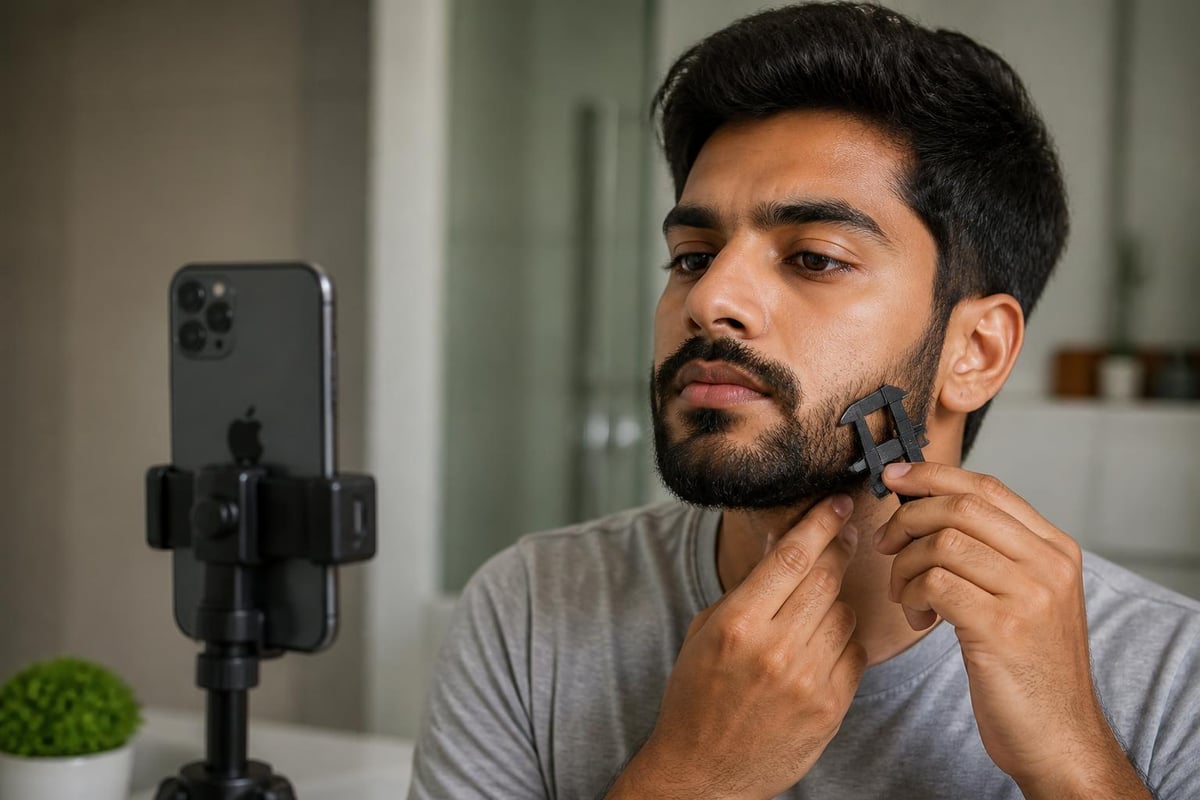
Monthly photographs under consistent lighting reveal gradual changes invisible to daily observation. Use the same location, time of day, and camera settings to eliminate variables.
Consider these markers:
| Metric | Measurement Method | Frequency |
|---|---|---|
| Pigment density | Photo comparison against baseline | Monthly |
| Grey hair percentage | Count ratio in defined area | Bi-weekly |
| Beard thickness | Caliper measurement at set points | Monthly |
| Texture quality | Subjective smoothness assessment | Weekly |
Adaptation Strategies
If progress stalls after 8-12 weeks, modify your approach:
Insufficient results: Increase nutritional supplementation dosages, add microneedling, or incorporate additional topical actives.
Excessive irritation: Reduce application frequency, dilute concentrated formulas, or switch to gentler alternatives.
Plateau effects: Rotate between different active ingredients to prevent receptor desensitisation.
Individual variation means personalisation is essential. What works optimally for one person may prove less effective for another due to genetic differences in enzyme activity and receptor sensitivity.
Understanding your specific beard care needs helps you select the most effective combination of interventions. Pay attention to your beard's response signals and adjust accordingly.
Scientific Innovations in Beard Pigmentation
Emerging research reveals new pathways for manipulating melanogenesis. Understanding cutting-edge developments helps you anticipate future options.
Epigenetic Modulation
Recent studies show that certain compounds influence gene expression without altering DNA sequences. These epigenetic modifiers can potentially reactivate dormant melanin production genes.
Resveratrol, found in grape skin extract, demonstrates epigenetic effects on melanocyte function. By modifying histone acetylation patterns, this polyphenol increases melanin synthesis gene transcription by 40-60% in laboratory studies.
Nrf2 Pathway Activation
The nuclear factor erythroid 2-related factor 2 (Nrf2) regulates cellular antioxidant responses. Activating this pathway protects melanocytes from oxidative damage whilst simultaneously enhancing their pigment production capacity.
Sulforaphane (from broccoli sprouts) and curcumin both trigger Nrf2 activation. When consumed regularly, these compounds reduce free radical damage by up to 70%, preserving melanocyte function during environmental stress.
Melanocyte Stem Cell Stimulation
Each follicle contains melanocyte stem cells that can differentiate into active pigment-producing cells. Stimulating these stem cell populations offers potential for regenerating lost pigmentation capacity.
Wnt signalling pathway activators show promise in early research. These molecules signal stem cells to proliferate and differentiate, potentially restoring pigment production in fully greyed follicles.
Maintaining Results Long-Term
Achieving a darker beard represents only half the challenge. Sustaining improvements requires ongoing commitment to protective practices.
Maintenance Protocols
Once you've optimised pigmentation, shift to maintenance-level interventions:
- Continue core nutritional support (copper, B vitamins, antioxidants)
- Maintain protective grooming habits (pH-balanced cleansing, UV protection)
- Apply melanin-supporting topicals 2-3 times weekly rather than daily
- Monitor stress levels and implement management strategies proactively
Consistency matters more than intensity during maintenance phases. Regular, moderate interventions prevent backsliding more effectively than sporadic intensive treatments.
Seasonal Adjustments
UV exposure varies seasonally in the UK. Summer months require enhanced antioxidant protection, whilst winter dryness demands increased hydration focus.
Adapt your regimen quarterly:
- Spring/Summer: Emphasise UV protectants, increase antioxidant serums
- Autumn/Winter: Focus on hydration barriers, reduce exfoliation frequency
Environmental responsiveness keeps your beard optimised year-round rather than fighting seasonal damage retrospectively.
Age-Related Considerations
Melanocyte decline accelerates after age 35. Men in their twenties and early thirties can reverse pigment loss more easily than those in their fifties.
This doesn't mean older men cannot achieve improvements. It simply requires more comprehensive interventions and realistic expectation adjustment. A 25-year-old might restore 80-90% of original pigmentation, whilst a 50-year-old might achieve 40-60% restoration.
Both outcomes represent significant improvements worth pursuing. Focus on your personal potential rather than comparing against different age groups.
Achieving a darker beard combines scientific understanding with consistent application of evidence-based strategies. From optimising melanin production through targeted nutrition to protecting existing pigment with antioxidant-rich grooming products, multiple pathways converge to restore and maintain beard colour. The biological complexity requires patience, but the cellular mechanisms respond predictably to proper intervention. Onesociety formulates beard care products using natural ingredients that support melanocyte health whilst addressing the complete spectrum of beard maintenance needs. Their science-backed approach delivers the comprehensive support your beard requires to reach its full potential.