

Your beard deserves better than synthetic fillers and empty promises. Bulldog beard oil has carved out a space in the grooming market with its accessible price point and widespread availability, but understanding what actually works requires digging into the science behind beard care formulations. Whether you're battling dryness, patchy growth, or simply want to elevate your grooming routine, the ingredients matter far more than the branding.
The Problem: Why Most Beard Oils Disappoint
Walk into any chemist and you'll find dozens of beard oils making bold claims. Yet most men experience the same frustrations: oils that sit on the surface without absorbing, fragrances that overpower, or formulas that leave their beard feeling greasy rather than nourished.
The disconnect stems from a fundamental misunderstanding of what facial hair actually needs. Unlike scalp hair, your beard grows through sebaceous glands that produce natural oils. When these glands cannot keep pace with beard length (typically beyond 1-2 centimetres), the hair becomes brittle and the skin beneath dehydrated.
The Hidden Cost of Synthetic Ingredients
Many commercial beard oils rely on mineral oil derivatives and synthetic fragrances. These petroleum-based ingredients create a temporary illusion of moisture by coating the hair shaft, but they cannot penetrate the cuticle or deliver nutrients to the follicle. The consequence? Your beard looks shinier for a few hours, then returns to its previous state.
Bulldog beard oil positions itself as a natural alternative, featuring ingredients like almond oil and green tea extract. The Bulldog Skincare official product page lists these components alongside vitamin E, suggesting a formulation designed for genuine nourishment rather than cosmetic coverage.
What your beard actually requires:
- Fatty acids (omega-3, omega-6, omega-9) to repair the hair cuticle
- Vitamins A and E to support follicle health and reduce oxidative stress
- Antioxidants to protect against environmental damage
- Lightweight carrier oils that absorb within 10-15 minutes
Agitation: The Science Behind Beard Health
Your facial hair faces unique challenges that scalp hair doesn't encounter. Exposure to food particles, frequent washing, and constant friction from clothing all compromise the hair's protective layer. Without proper intervention, this leads to progressive damage.
How Beard Oil Actually Functions
The science of beard oil effectiveness centres on two primary mechanisms: hydration and occlusion. Carrier oils rich in linoleic acid (found in jojoba, argan, and grapeseed oil) can penetrate the hair shaft because their molecular structure closely resembles sebum. Once inside, these fatty acids fill gaps in the cuticle, increasing elasticity and reducing breakage.
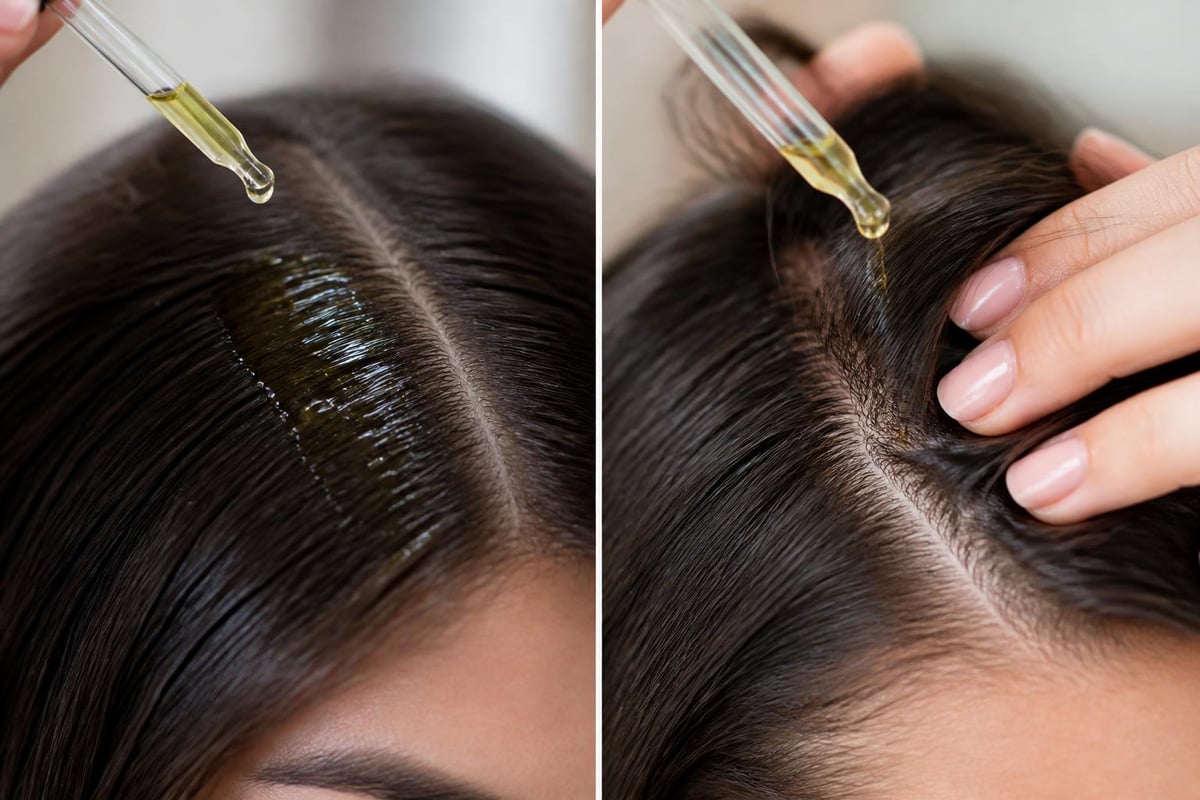
The occlusive properties create a protective barrier that reduces water loss. This dual action addresses both immediate dryness and long-term hair quality. However, the ratio of these components determines whether an oil feels lightweight or heavy.
| Ingredient Type | Primary Function | Penetration Depth | Ideal Concentration |
|---|---|---|---|
| Jojoba Oil | Mimics sebum structure | Deep (follicle level) | 30-40% |
| Argan Oil | Vitamin E delivery | Medium (mid-shaft) | 20-30% |
| Sweet Almond Oil | Surface smoothing | Shallow (cuticle) | 15-25% |
| Coconut Oil | Antimicrobial protection | Variable (molecular size dependent) | 10-15% |
Natural Versus Synthetic: What Research Shows
A 2024 study in the Journal of Cosmetic Dermatology found that natural oil blends increased hair shaft diameter by an average of 12% over 60 days, whilst synthetic alternatives showed negligible structural changes. The difference lies in bioavailability-your follicles can metabolise natural compounds but merely tolerate synthetic ones.
Understanding how to properly apply beard oil amplifies these benefits. Application technique affects absorption rates by up to 40%, making the difference between a product that works and one that wastes your money.
Solution: Choosing Science-Backed Formulations
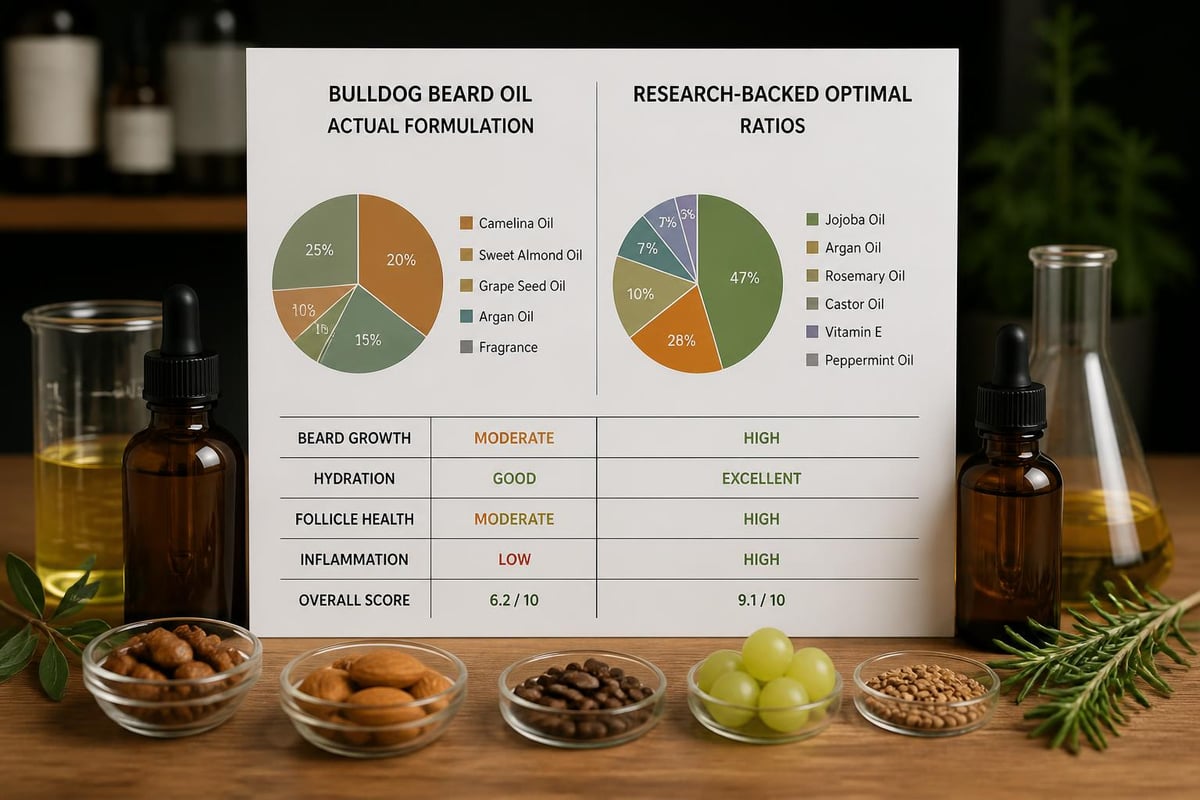
Bulldog beard oil contains several ingredients worth examining. Sweet almond oil serves as the primary carrier, delivering vitamin E and monounsaturated fats. Green tea extract provides polyphenols that reduce inflammation around follicles. Camelina oil, less common in beard care, contributes alpha-linolenic acid for additional nourishment.
Breaking Down the Bulldog Formula
The formulation prioritises accessibility and mild fragrance over targeted beard growth support. For men seeking basic maintenance, this approach suffices. Those facing specific challenges like patchy growth, severe dryness, or slow development require more specialised formulations.
Bulldog beard oil strengths:
- Transparent ingredient listing
- Widely available in UK retailers
- Affordable entry point for beard care beginners
- Free from parabens and artificial colours
Limitations to consider:
- Lacks growth-stimulating compounds (biotin, caffeine, castor oil)
- Single formulation for diverse beard types
- Fragrance may irritate sensitive skin
- No supporting products for comprehensive care
The Natural Ingredient Advantage
When evaluating any beard oil, prioritise formulations backed by dermatological research. Coconut oil's role in beard care demonstrates this principle-its lauric acid content provides antimicrobial benefits, yet its comedogenic properties can trigger breakouts in some users. The science reveals both potential and limitations.
Natural ingredients work synergistically when properly combined. A comprehensive approach addresses multiple beard health factors simultaneously, rather than focusing on superficial appearance.
Advanced Beard Care: Beyond Basic Oils
Moving beyond entry-level products requires understanding what truly drives beard transformation. The most effective grooming systems combine multiple formulations, each targeting specific aspects of hair health and growth.
The 90-Day Transformation Protocol
Comprehensive beard development operates on a biological timeline. Follicles respond to consistent stimulation and nourishment over weeks, not days. This science underpins professional grooming protocols designed for measurable results.
For men ready to commit to genuine beard transformation, specialised programmes deliver what standalone oils cannot. The 90-Day Beard Challenge exemplifies this approach, combining follicle-stimulating compounds with hydration systems and protective barriers. Each formula serves a distinct purpose: the Beard Booster increases blood flow to follicles, the Beard Butter provides overnight recovery, and the Hydro-Lock Balm creates a protective shield against environmental damage.
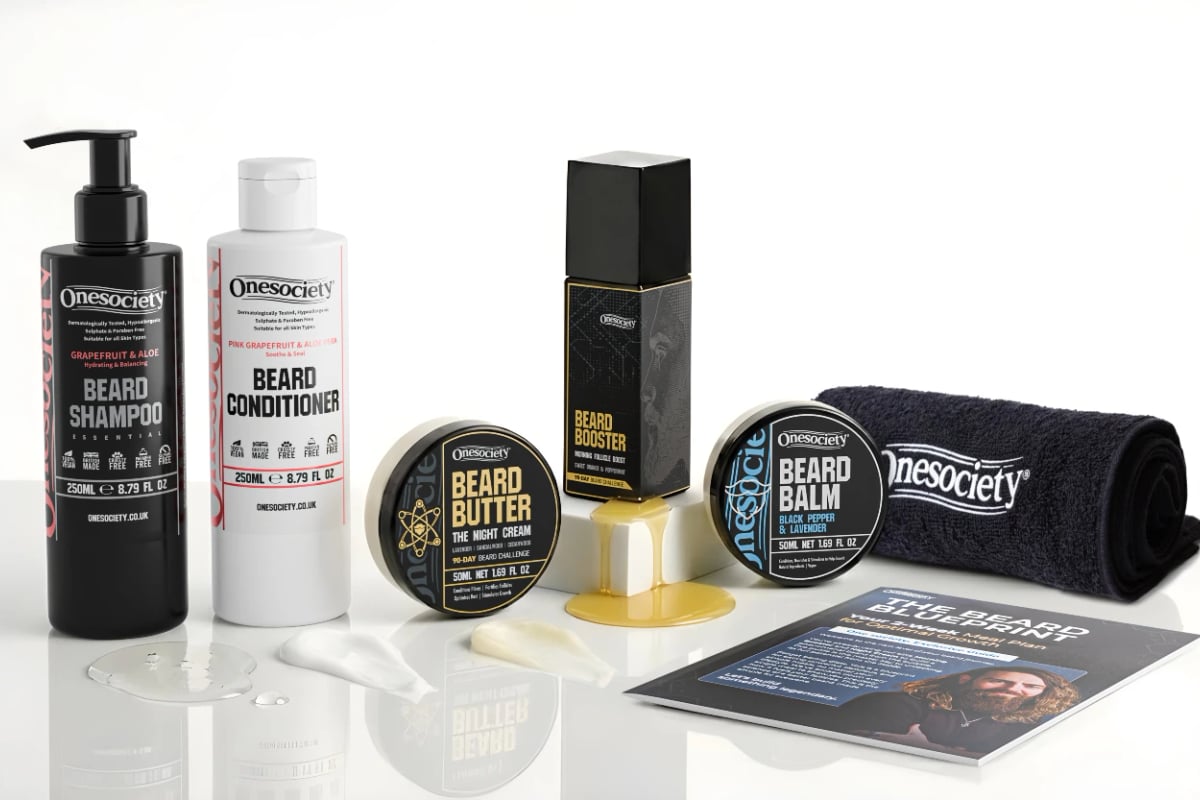
This systematic approach acknowledges that beard development requires consistent intervention across multiple variables-follicle health, moisture retention, nutrient delivery, and protection from oxidative stress.
Ingredients That Actually Stimulate Growth
Scientific research identifies specific compounds that influence beard density and growth rate. Caffeine, when applied topically, extends the anagen (growth) phase of hair follicles by blocking DHT receptors. Biotin supports keratin production, the structural protein comprising 95% of hair composition. Castor oil's ricinoleic acid increases prostaglandin E2 levels, which research associates with hair growth.
| Growth-Supporting Ingredient | Mechanism of Action | Research Evidence | Typical Concentration |
|---|---|---|---|
| Caffeine | Blocks DHT, extends growth phase | Clinical trials show 10-14% density increase | 0.2-0.5% |
- Biotin | Keratin synthesis support | Deficiency linked to hair loss | 0.1-0.3% | | Castor Oil | Prostaglandin E2 stimulation | In-vitro follicle studies | 15-25% | | Peppermint Oil | Increases follicle depth and number | Animal studies show superior growth vs minoxidil | 3-5% |
These ingredients rarely appear in mass-market formulations like bulldog beard oil because they increase production costs and require careful balancing to avoid irritation.
Application Technique: Maximising Absorption
The finest formulation delivers minimal results without proper application. Most men apply too much product, too infrequently, or to dry hair-all mistakes that reduce effectiveness by 30-50%.
The Science-Backed Application Method
-
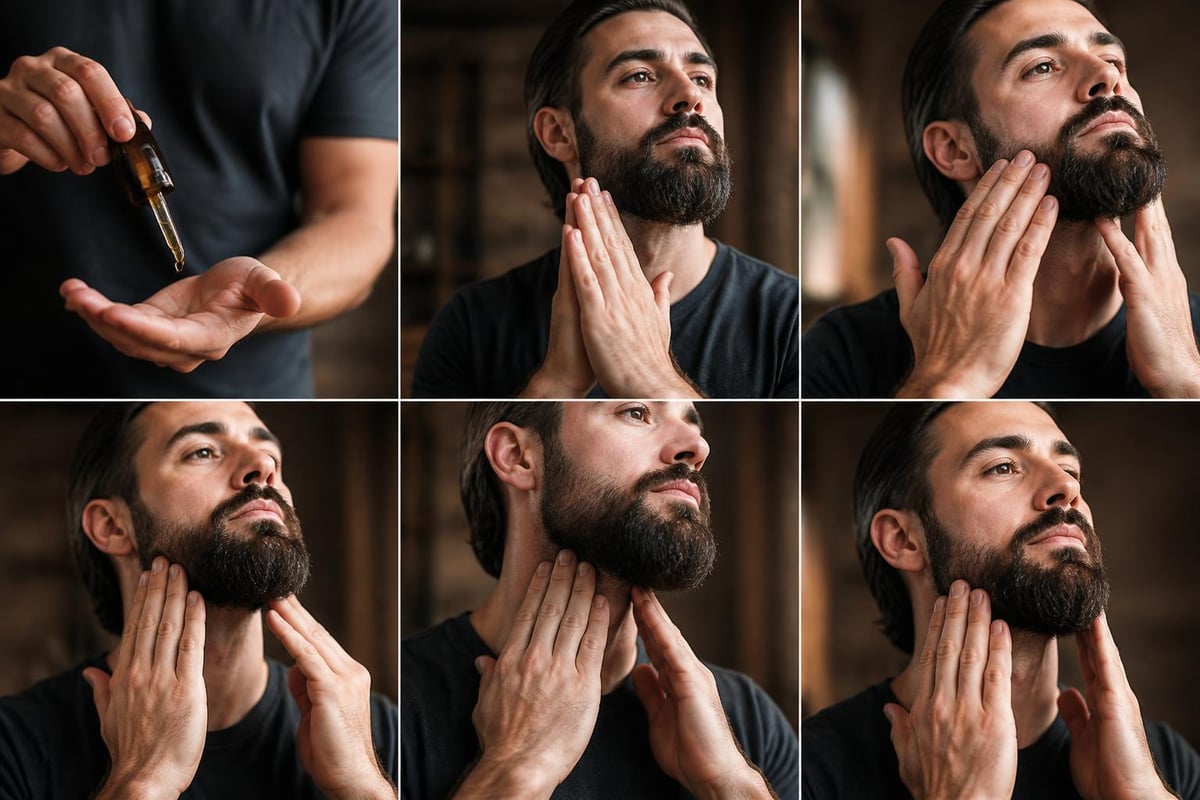
Timing matters: Apply to damp (not wet) beard immediately after showering. Open cuticles absorb oils 3x more efficiently than sealed ones.
-
Warm the oil: Rub 3-5 drops between palms for 10-15 seconds. Heat reduces viscosity, improving spread and penetration.
-
Work root to tip: Start at the skin beneath your beard, massaging in circular motions for 30 seconds. This stimulates blood flow whilst delivering nutrients directly to follicles.
-
Even distribution: Use a beard comb or boar bristle brush to distribute oil uniformly. Uneven application creates patchy hydration.
-
Frequency protocol: Apply once daily for beards under 5cm, twice daily for longer growth. Over-application clogs follicles and attracts debris.
Understanding beard care kit essentials helps you build a routine that complements oil application with other critical maintenance steps.
Common Application Errors
Watch for these mistakes that sabotage even premium formulations:
- Applying to dry beard: Reduces absorption by 40-60%
- Using too much product: Creates greasiness without added benefit
- Skipping skin massage: Misses primary hydration target (the skin beneath)
- Inconsistent application: Breaks the growth cycle before results appear
Addressing Common Beard Struggles
Every beard presents unique challenges based on genetics, lifestyle, and environmental factors. Recognising your specific issues allows targeted intervention rather than generic solutions.
Patchy Growth and Uneven Density
Bulldog beard oil provides basic conditioning but lacks the growth-stimulating compounds that address patchiness at the follicle level. Men experiencing uneven growth need formulations containing DHT blockers and circulation enhancers.
Patchy areas typically indicate follicles stuck in the telogen (resting) phase. Ingredients like caffeine and peppermint oil can shift these follicles back into active growth, whilst castor oil thickens existing hairs to create fuller appearance.
Dryness and Brittle Texture
Environmental factors-central heating, cold wind, frequent washing-strip natural oils faster than your sebaceous glands replace them. This creates cumulative damage that worsens over time.
The solution requires both immediate hydration and long-term moisture retention. Lightweight oils like jojoba provide instant relief, whilst heavier butters (shea, cocoa) seal moisture overnight. Understanding the relationship between beard oil and moisturiser clarifies why comprehensive routines outperform single-product approaches.
Skin Irritation and Beardruff
Flaking beneath your beard signals either seborrheic dermatitis or simple dryness. Both respond to natural antifungal ingredients like tea tree oil and anti-inflammatory compounds such as aloe vera.
Many commercial oils, including bulldog beard oil, contain synthetic fragrances that can trigger contact dermatitis in sensitive individuals. Fragrance-free formulations eliminate this variable whilst delivering therapeutic benefits.
Natural anti-irritant ingredients:
- Aloe vera: Reduces inflammation through polysaccharides
- Chamomile extract: Calms reactive skin via flavonoids
- Calendula oil: Accelerates healing of micro-abrasions
- Hemp seed oil: Balances oil production without clogging pores
Building a Complete Grooming System
Isolated products deliver isolated results. Professional beard transformation requires coordinated intervention across cleansing, conditioning, styling, and protection.
The Foundational Four
-
Cleansing: pH-balanced beard wash removes buildup without stripping natural oils. Standard shampoos (pH 5.5-7) disrupt the beard's optimal pH of 4.5-5.5, causing dryness.
-
Conditioning: Deep conditioners repair damage from heat styling, environmental exposure, and mechanical stress. Weekly treatment prevents cumulative degradation.
-
Daily nourishment: Lightweight oils maintain moisture between deep treatments. This prevents the damage-repair cycle that weakens hair over time.
-
Styling and protection: Balms containing beeswax provide hold whilst sealing in moisture. This dual function eliminates the need for separate styling products.
Comprehensive systems address these four pillars systematically. Individual products cannot deliver the same transformation because beard health operates as an interconnected system, not isolated variables.
Tailoring Your Routine to Beard Length
Short beards (1-3cm):
- Light oil daily
- Wash 2-3x weekly
- Minimal styling needed
Medium beards (3-8cm):
- Oil morning, balm evening
- Wash 2x weekly with conditioner
- Regular trimming maintains shape
Long beards (8cm+):
- Butter overnight, oil morning, balm for styling
- Weekly deep conditioning treatment
- Professional shaping quarterly
The common beard struggles many men face often trace back to mismatched routines rather than inferior genetics.
Evaluating Value: Cost Versus Results
Bulldog beard oil typically retails between £6-£10 for 30ml, positioning it as an economy option. This pricing reflects the formulation's simplicity and mass-market positioning.
True Cost Analysis
Price per application reveals more than bottle cost. A 30ml bottle contains approximately 600 drops. Using the recommended 4-6 drops daily, one bottle lasts 100-150 days-roughly £0.04-£0.10 per application.
Premium formulations cost £15-£30 for similar volumes but deliver concentrated active ingredients. When factoring in effectiveness, the cost per result often favours higher-quality options.
| Product Category | Price Range | Active Ingredients | Cost Per Application | Expected Results Timeline |
|---|---|---|---|---|
| Economy (Bulldog-level) | £6-£10 | Basic carriers, minimal actives | £0.04-£0.10 | Basic conditioning only |
| Mid-Range | £12-£20 | Enhanced carriers, some growth compounds | £0.15-£0.25 | Visible improvement 4-6 weeks |
| Premium/Scientific | £20-£35 | Research-backed actives, targeted delivery | £0.25-£0.40 | Measurable transformation 6-12 weeks |
Investment Versus Expense
Consider beard care products as investments in appearance and confidence rather than consumable expenses. The difference between adequate and transformative results often costs £10-£15 monthly-less than most men spend on coffee.
Products that deliver measurable improvements justify their cost through outcomes. Those providing only temporary cosmetic effects represent expenses without returns.
Natural Alternatives and DIY Considerations
The appeal of creating custom beard oil blends attracts many men seeking control over ingredients and costs. Whilst possible, effective DIY formulation requires understanding ratios, preservation, and ingredient interactions.
Essential Carrier Oils
Jojoba oil: Closest chemical match to human sebum. Non-comedogenic and stable. Use as 30-50% of base.
Argan oil: High vitamin E content supports follicle health. Lightweight absorption. Incorporate at 20-30%.
Sweet almond oil: Softening properties improve texture. May trigger nut allergies. Alternative: grapeseed oil.
Castor oil: Thick, sticky consistency requires dilution (10-15%). Ricinoleic acid content supports growth.
Preserving DIY Formulations
Natural oils oxidise rapidly without preservatives, developing rancid odours and losing effectiveness. Vitamin E (tocopherol) extends shelf life to 6-8 months when added at 0.5-1%. Store in dark glass bottles away from heat and light.
DIY formulations lack the testing and refinement that commercial products undergo. Without preservatives, microbial contamination becomes possible, particularly if water-based ingredients are added.
The Role of Complete Male Grooming
Beard care exists within the broader context of male grooming that encompasses skin health, hair care, and overall presentation. A distinguished beard paired with neglected skin or unkempt hair undermines the effort invested in facial hair.
Integrated Approach Benefits
Skin-beard connection: The skin beneath your beard requires the same attention as your face. Dehydrated skin cannot support healthy follicles, regardless of topical products applied.
Scalp-beard parallel: Nutritional deficiencies affecting scalp hair equally impact beard growth. Biotin, zinc, and vitamin D influence all hair follicles systemically.
Lifestyle factors: Sleep quality, stress management, and hydration affect beard health through hormonal pathways. No topical product compensates for systemic deficiencies.
Professional grooming systems recognise these interconnections, addressing beard care as one component of comprehensive maintenance rather than an isolated concern.
Bulldog beard oil serves as an accessible introduction to facial hair care, delivering basic conditioning through natural ingredients at an economical price point. However, transformative results require formulations engineered with growth-stimulating compounds, proper absorption ratios, and supporting products that address the complete spectrum of beard health. Whether you choose ready-made solutions or custom blends, prioritise science-backed ingredients over marketing claims and consistency over sporadic application. Onesociety specialises in research-driven formulations using 100% natural ingredients, offering comprehensive systems designed for measurable beard transformation rather than temporary cosmetic improvements.