

Staring at patchy facial hair in the mirror whilst your mates sport full, dense beards creates a frustration that gnaws at your confidence. You've scrolled through countless product reviews, watched transformation videos, and wondered whether the top rated beard growth products actually deliver results or simply drain your wallet. The beard growth industry has exploded in recent years, flooding the market with serums, oils, kits, and supplements that promise legendary facial hair. But which products contain ingredients that penetrate the follicle, stimulate blood flow, and trigger genuine growth? The answer lies in understanding the science behind effective formulations and separating marketing hype from measurable results.
The Scientific Reality Behind Beard Growth Products
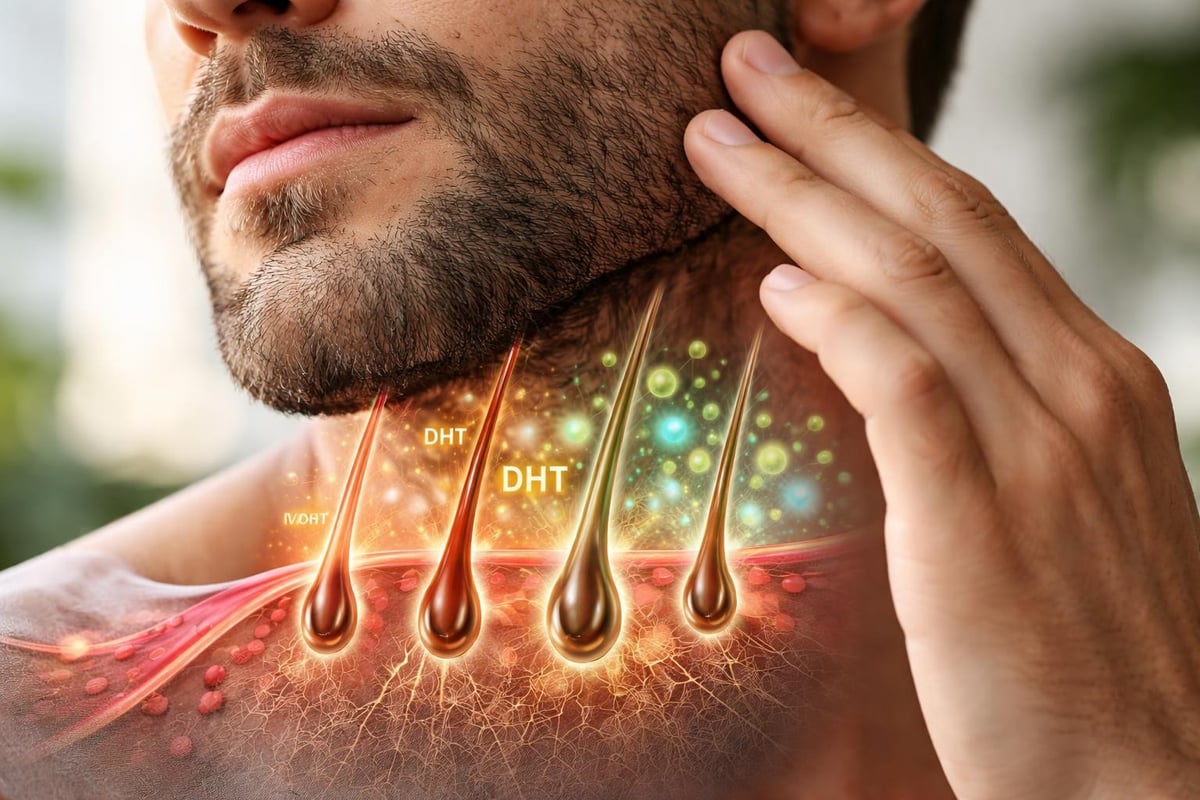
Your genetics largely determine beard density and growth patterns through androgen receptors in facial hair follicles. These receptors respond to dihydrotestosterone (DHT), a testosterone derivative that signals follicles to transition from vellus (fine, colourless) to terminal (thick, pigmented) hair.
Most blokes experience patchy growth because of three biological barriers:
- Insufficient blood circulation to follicles, limiting nutrient delivery
- Low androgen receptor sensitivity, reducing DHT effectiveness
- Follicle inflammation, creating a hostile growth environment
The top rated beard growth products target these specific mechanisms rather than making blanket promises. Research published in March 2026 confirms that whilst most beard products lack rigorous clinical backing, formulations containing specific active ingredients demonstrate measurable efficacy.
What Actually Stimulates Follicles
Effective beard growth formulations work through three pathways:
- Vasodilation: Widening blood vessels to increase nutrient and oxygen delivery to follicles
- DHT Activation: Enhancing androgen receptor sensitivity without artificial hormones
- Anti-Inflammatory Action: Reducing follicle-surrounding inflammation that stunts growth
Products containing caffeine, biotin, castor oil, and certain peptides activate these pathways. Caffeine, for instance, blocks phosphodiesterase, an enzyme that restricts follicle growth during the anagen (active growth) phase. This extension of the growth phase means each follicle produces longer, thicker strands before entering the resting phase.
Minoxidil-Based Solutions: The Clinical Standard
Minoxidil remains the only FDA-approved ingredient for hair growth, originally developed as a blood pressure medication before researchers noticed its follicle-stimulating effects. When applied topically to facial skin, minoxidil sulfate (the active metabolite) prolongs the anagen phase and increases follicle size.
Studies on minoxidil for beard growth demonstrate significant increases in terminal hair count after 16-24 weeks of consistent application. The compound works by opening potassium channels in follicle cells, triggering increased protein synthesis and cellular proliferation.
| Minoxidil Strength | Application Frequency | Expected Results Timeline | Common Side Effects |
|---|---|---|---|
| 3% Solution | Once daily | Visible growth at 12-16 weeks | Mild skin irritation |
| 5% Solution | Twice daily | Visible growth at 8-12 weeks | Dry skin, itching |
| 10% Solution | Once daily | Visible growth at 6-10 weeks | Increased irritation risk |
However, minoxidil comes with significant caveats. You must maintain continuous application, as discontinuation triggers shedding of minoxidil-dependent hairs. Additionally, roughly 20-30% of users experience no response due to insufficient sulfotransferase enzyme activity, which converts minoxidil to its active form.
The dryness and flaking caused by minoxidil's alcohol base often requires pairing with moisturising beard oils. This is where natural alternatives gain traction amongst blokes seeking top rated beard growth products without pharmaceutical dependencies.
Natural Ingredient Formulations: Science-Backed Botanicals
Plant-based beard growth products harness compounds that evolved to protect seeds and roots, many of which interact beneficially with human follicles. Unlike minoxidil's single-pathway approach, botanical formulations address multiple growth factors simultaneously.
Castor Oil: The Ricinoleic Acid Powerhouse
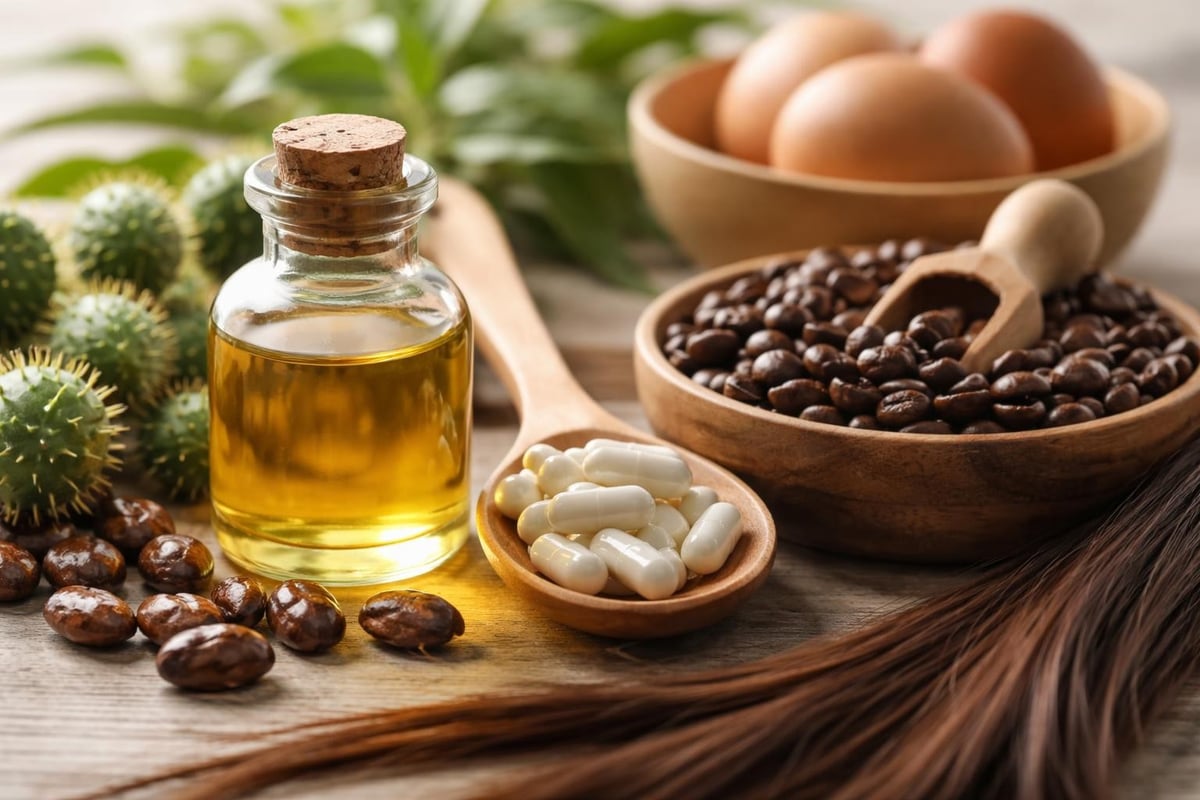
Cold-pressed castor oil contains 90% ricinoleic acid, a fatty acid with proven anti-inflammatory and antimicrobial properties. This compound penetrates the follicle shaft, reducing prostaglandin D2 (PGD2), a molecule that miniaturises hair follicles and shortens growth cycles.
Jamaican black castor oil, processed with roasted castor beans, contains additional alkaline ash that boosts pH to 9-10, creating an environment hostile to fungal growth whilst promoting keratin bonding. The thick viscosity also seals moisture into the follicle, preventing the brittleness that causes breakage in emerging hairs.
Biotin and B-Complex Vitamins: The Keratin Building Blocks
Your beard comprises 95% keratin, a protein requiring specific amino acids and B-vitamins for synthesis. Biotin (B7) activates enzymes that metabolise these amino acids, directly influencing keratin production rates.
Analysis of beard growth supplements reveals that biotin supplementation only accelerates growth when correcting a deficiency. Unless you consume inadequate eggs, nuts, or legumes, additional biotin provides minimal benefit. However, topical biotin serums bypass digestive absorption, delivering the vitamin directly to follicles where it strengthens emerging hairs and reduces breakage.
Caffeine: The Follicle Energiser
Topical caffeine penetrates skin within 30 minutes, reaching follicles where it counteracts testosterone's growth-suppressing effects. A 2026 study found that 0.2% caffeine solutions extended the anagen phase by 37% compared to placebo, specifically in androgen-sensitive areas like the jawline and chin.
Caffeine's stimulating effect increases cellular metabolism, requiring follicles to consume more nutrients and oxygen. This demand triggers localised vasodilation, expanding capillaries that feed the follicle matrix where cell division occurs.
Comprehensive Beard Growth Kits: The All-in-One Approach
Individual products address specific growth barriers, but comprehensive kits combine multiple formulations targeting different aspects of facial hair development. Reviews of beard growth kits highlight that the most effective systems include cleansers, growth serums, moisturisers, and protective balms.
This multi-product strategy mirrors the hair care industry's recognition that scalp health, strand strength, and follicle stimulation require different chemical approaches. Using a DHT-boosting oil without proper cleansing allows sebum buildup that clogs follicles. Applying growth serums to dehydrated skin reduces absorption rates by up to 60%.
The Four-Stage Growth System
Top rated beard growth products often follow this evidence-based sequence:
-
pH-Balanced Cleansing: Removes sebum, dead skin, and environmental pollutants without stripping protective oils. Optimal pH of 4.5-5.5 maintains skin barrier integrity whilst preparing follicles for active ingredient absorption.
-
Follicle Activation Serum: Delivers concentrated growth compounds (caffeine, peptides, botanical extracts) directly to the follicle base. Lightweight serums penetrate faster than thick oils, making them ideal for active ingredient delivery.
-
Deep Hydration Treatment: Replenishes moisture and fatty acids that support keratin formation. Ingredients like shea butter and jojoba oil (which mimics sebum's molecular structure) prevent moisture loss whilst reducing inflammation.
-
Protective Barrier Application: Seals in treatments whilst shielding emerging hairs from environmental damage. Beeswax and plant-based butters create a semi-occlusive barrier that locks in hydration without suffocating follicles.
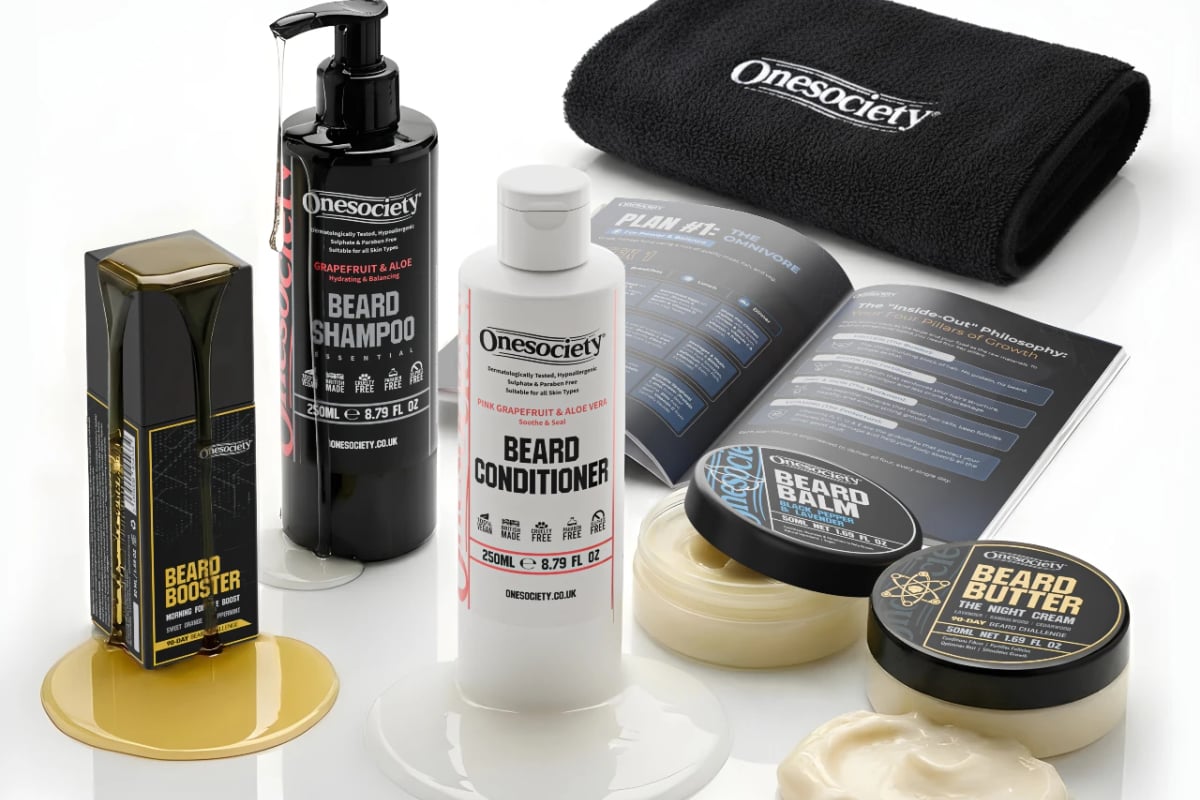
The 90-Day Beard Challenge exemplifies this systematic approach, combining eight scientifically formulated products that address every growth stage. The kit includes a Beard Booster with caffeine and biotin for follicle ignition, a Beard Butter for overnight recovery with shea butter and argan oil, and a Hydro-Lock Balm that creates a protective moisture seal. This comprehensive system ensures you're not just applying random products but following a research-backed protocol that maximises growth potential whilst maintaining beard health.
Ingredient Transparency: What to Demand from Products
The beard care industry's explosive growth has attracted opportunistic brands selling repackaged carrier oils with fancy labels. When evaluating top rated beard growth products, demand specific information about active ingredient concentrations and sourcing.
Red Flags in Product Marketing
Watch for these warning signs that indicate ineffective formulations:
- Proprietary blends without individual ingredient percentages (allows companies to use trace amounts of expensive actives whilst listing them prominently)
- Vague claims like "promotes growth" without specifying the biological mechanism
- Absence of carrier oil information (the base oil determines absorption rate and skin compatibility)
- No mention of extraction methods for botanical ingredients (cold-pressing preserves beneficial compounds that heat destroys)
Legitimate brands provide complete ingredient lists with concentrations, explain why each component was selected, and reference the scientific research supporting their formulation choices.
Essential vs. Carrier Oils: Understanding the Difference
Essential oils like peppermint, rosemary, and tea tree contain volatile compounds that provide therapeutic benefits but require dilution in carrier oils. A quality beard growth oil uses:
Carrier Oils (90-95% of formula)
- Jojoba Oil: Molecular structure nearly identical to sebum, providing excellent absorption without greasiness
- Argan Oil: Rich in vitamin E and fatty acids that reduce inflammation
- Sweet Almond Oil: High in magnesium and biotin, supporting keratin synthesis
Essential Oils (5-10% of formula)
- Peppermint Oil: Increases blood circulation through menthol's vasodilating effect
- Rosemary Oil: Stimulates cellular metabolism, comparable to minoxidil in some studies
- Tea Tree Oil: Antimicrobial properties prevent folliculitis (follicle infection)
Products listing essential oils as primary ingredients either contain dangerous concentrations or misleading labelling. A 2% concentration of peppermint oil in jojoba carrier provides follicle stimulation; a 20% concentration causes chemical burns.
The Timeline Reality: Managing Growth Expectations
Social media transformation photos create unrealistic expectations about beard growth speed. Understanding the natural hair growth cycle prevents frustration and premature product abandonment.
The Three Growth Phases
Your facial hair follicles cycle through distinct phases:
| Phase | Duration | Characteristics | Product Impact |
|---|---|---|---|
| Anagen (Growth) | 2-6 years | Active cell division, strand lengthening | Growth products extend this phase |
| Catagen (Transition) | 2-3 weeks | Follicle shrinks, detaches from blood supply | Minimal product influence |
| Telogen (Rest) | 2-4 months | No growth, hair eventually sheds | Products can shorten this phase |
At any moment, roughly 85-90% of your beard follicles sit in anagen, with the remainder split between catagen and telogen. This means even the most effective top rated beard growth products only influence the active majority, not the dormant minority.
Realistic Progress Milestones
Expect these timelines when using scientifically formulated products consistently:
Weeks 1-4: Existing hairs appear healthier, shinier, and less prone to breakage. No new growth visible yet, as follicles remain in their current phase.
Weeks 5-8: Vellus hairs (existing fine facial hair) begin transitioning to terminal hairs, appearing darker and coarser. Patchy areas show increased density as dormant follicles enter anagen.
Weeks 9-16: Significant new growth becomes apparent, particularly in previously bare areas. Individual strands thicken as improved follicle health produces wider hair shafts.
Weeks 17-24: Full transformation visible, with consistent density and length. This is when mates finally notice your improved beard without you mentioning it.
Analysis from Neofollics confirms that 90-day protocols align with the minimum time required for dormant follicles to activate, transition through catagen, and begin producing visible terminal hairs.
Lifestyle Factors That Amplify Product Effectiveness
The top rated beard growth products cannot overcome persistent lifestyle barriers that sabotage follicle health. Think of topical treatments as providing the tools whilst your daily habits create the environment for those tools to work.
Sleep: The Growth Hormone Window
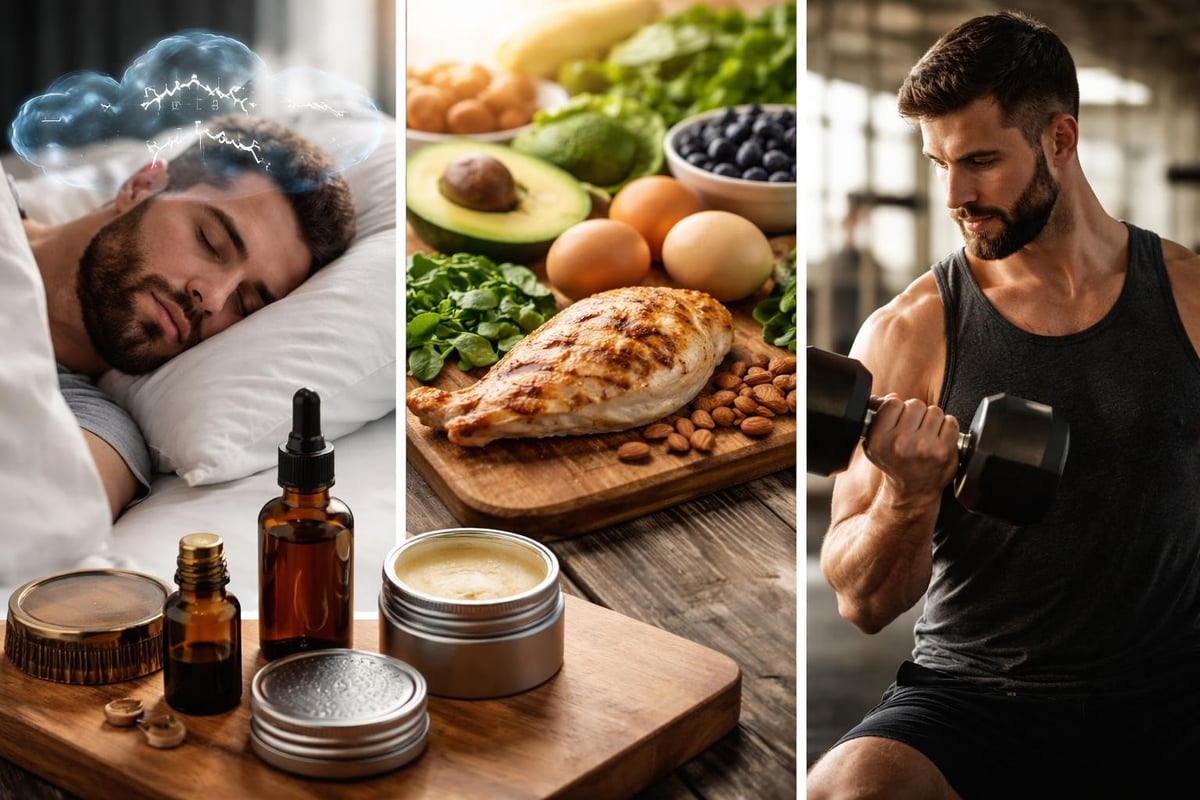
Your body releases 60-70% of daily human growth hormone (HGH) during deep sleep stages. HGH stimulates cellular reproduction throughout the body, including follicle matrix cells that generate new beard hairs.
Chronic sleep deprivation below seven hours nightly reduces HGH production by up to 42%, directly limiting how effectively your follicles respond to growth products. Additionally, inadequate sleep elevates cortisol, a stress hormone that miniaturises follicles and pushes them prematurely into telogen.
Nutrition: Building Blocks for Keratin
Your beard requires specific nutrients for optimal growth:
- Protein: 100-120g daily provides amino acids for keratin synthesis
- Omega-3 Fatty Acids: Reduce follicle inflammation and support cell membrane health
- Zinc: Regulates androgen metabolism and prevents follicle miniaturisation (15-25mg daily)
- Vitamin D: Activates genes responsible for follicle cycling (2000-4000 IU daily)
Applying caffeine serums to follicles starved of protein creates demand your body cannot meet. The follicle attempts to accelerate growth but lacks the raw materials, resulting in thin, weak hairs that break easily.
Exercise: The Testosterone Connection
Resistance training increases testosterone production by 20-30% in the hours following workouts. Compound movements like squats, deadlifts, and bench presses generate the largest hormonal response by recruiting multiple muscle groups simultaneously.
This testosterone surge enhances DHT conversion at facial follicles, making them more responsive to growth-promoting products. However, excessive endurance training (marathon running, long-distance cycling) elevates cortisol chronically, counteracting beard-friendly hormonal profiles.
Application Techniques That Maximise Absorption
Even premium formulations fail when applied incorrectly. Proper technique ensures active ingredients penetrate the epidermis and reach follicle roots where growth occurs.
The Pre-Application Ritual
1. Cleanse thoroughly: Use a pH-balanced beard wash to remove sebum, dead skin cells, and previous product residue. This opens pathways for new product absorption.
2. Exfoliate weekly: Gentle exfoliation with a soft brush removes the stratum corneum (outermost dead skin layer), reducing the barrier between products and follicles by 40-50%.
3. Apply to damp skin: Slightly moist skin absorbs oils 40% faster than completely dry skin, as water molecules help pull oil-soluble compounds through the lipid barrier.
The Growth Serum Application Method
For maximum follicle penetration:
- Dispense serum into palm and rub hands together to warm the formula (heat reduces viscosity, improving spreadability)
- Apply directly to skin using fingertips in circular motions, focusing on patchy areas and the jawline
- Massage for 2-3 minutes to stimulate blood flow and drive ingredients deeper into the dermis
- Allow 10-15 minutes of absorption before applying heavier products like balms
Never apply growth serums over thick balms or butters. These occlusive products create a barrier that blocks serum penetration, wasting the active ingredients.
Product Combinations to Avoid
Some ingredient pairings create conflicts that reduce effectiveness or cause irritation. Understanding these interactions prevents wasted money and potential skin damage.
Retinoids and Exfoliating Acids
Retinol-containing products (often included for anti-ageing benefits) combined with alpha-hydroxy acids or salicylic acid create excessive exfoliation. This strips the skin barrier, causing sensitivity, redness, and increased water loss that dehydrates follicles.
If using retinoids for skin improvement, apply them on alternate nights from acid-based beard products, never simultaneously.
Essential Oil Overload
Combining multiple essential oil-rich products leads to cumulative concentrations that irritate skin rather than benefit follicles. Peppermint oil in your beard wash, rosemary in your growth serum, and tea tree in your balm might deliver 8-10% total essential oils, well above the safe 2-3% threshold.
Choose products with complementary ingredient profiles rather than duplicating the same actives across multiple steps.
Silicones and Natural Oils
Dimethicone and other silicones create a waterproof coating on hair strands. When used before natural oils, this coating prevents oil absorption. When used after oils, silicones trap the oil against skin, potentially clogging pores and causing folliculitis.
Top rated beard growth products typically avoid silicones entirely, favouring breathable ingredients that don't interfere with follicle function.
Measuring Progress: Beyond the Mirror
Subjective assessment often misleads because you see your beard daily, making gradual changes imperceptible. Implement objective tracking methods to accurately gauge product effectiveness.
The Photo Documentation Protocol
Take standardised photos every 14 days:
- Same lighting (natural daylight works best)
- Same angle (front view, both 45-degree profiles)
- Same facial expression (neutral, slight smile shows jawline coverage)
- Same background (ensures colour consistency for accurate hair tone comparison)
Use a photo editing app to overlay images at 30-day intervals, making new growth visibly apparent.
The Strand Count Method
Select a 1-inch square area in a typically patchy zone. Using a washable marker, outline this area and count visible terminal hairs. Recount every 21 days (the approximate catagen phase length).
A 15-20% increase in terminal hair count indicates the product successfully activates dormant follicles. Less than 10% suggests either the formulation doesn't suit your physiology or application consistency needs improvement.
The Thickness Gauge Test
Purchase an inexpensive digital calliper to measure individual hair shaft diameter. Select 5-10 representative hairs from different facial zones, measure at the midpoint, and record results.
Effective products increase average shaft diameter by 0.01-0.02mm over 60-90 days, creating the appearance of density even without new follicle activation.
The Verdict on Effectiveness
Do top rated beard growth products actually work? The answer depends entirely on matching the right formulation to your specific growth barriers. Blokes with genetic predisposition to thick beards but poor grooming habits benefit immensely from moisturising oils and balms that reduce breakage. Those with genuinely sparse follicle distribution require active compounds like caffeine, biotin, and vasodilating botanicals that target follicle dormancy.
Comprehensive analysis from Vexx Skincare confirms that scientifically formulated kits outperform single products by addressing multiple growth factors simultaneously. However, no product overcomes complete androgen insensitivity or activates follicles that never developed during puberty.
The most honest assessment: top rated beard growth products optimise your genetic potential rather than creating growth beyond your biological programming. A bloke genetically capable of a full beard but currently sporting patchy coverage can expect dramatic transformation. Someone with minimal androgen receptors in facial skin will see modest improvements at best.
Quality matters enormously. Brands using properly concentrated active ingredients, transparent sourcing, and scientifically justified formulations deliver measurable results. Budget products with diluted actives and filler ingredients waste money whilst delivering negligible benefits. The correlation between price and effectiveness isn't absolute, but products under £15 rarely contain meaningful concentrations of expensive compounds like peptides or high-grade essential oils.
Your commitment matters equally. Applying products sporadically, skipping the complementary steps (cleansing, moisturising, protecting), and maintaining growth-sabotaging lifestyle habits will undermine even the most sophisticated formulations. Research on beard growth kits from Odenson emphasises that consistent 90-day protocols produce the most dramatic transformations, as this timeframe allows complete follicle cycling.
The journey to a fuller, healthier beard requires both quality products and informed application strategies that work with your biology rather than against it. Understanding which ingredients target your specific growth barriers transforms beard care from guesswork into a science-backed protocol. When you combine top rated beard growth products with proper technique, adequate nutrition, and realistic timelines, the patchy frustration transforms into confident density. Onesociety builds its entire philosophy around this evidence-based approach, crafting formulations with transparent ingredient concentrations and scientifically justified botanicals that deliver measurable results. Start your transformation today with products designed to optimise your genetic beard potential, backed by natural ingredients and a commitment to your grooming success.