

You've stared at your reflection for the tenth time this week, willing those patchy sections to fill in. You've scrolled through countless images of full, thick beards whilst your own facial hair refuses to cooperate. The frustration builds each morning when you realize another week has passed with minimal progress. You're not alone in this struggle, and the solution lies in understanding which good beard growth products actually deliver on their promises rather than relying on marketing hype.
The Science Behind Facial Hair Development
Your beard growth depends on complex biological processes involving testosterone conversion, follicle health, and nutrient availability. Dihydrotestosterone (DHT), derived from testosterone via the 5-alpha reductase enzyme, binds to androgen receptors in facial hair follicles, triggering growth cycles. Without adequate DHT receptor sensitivity or proper follicle nourishment, your beard remains sparse regardless of your genetic potential.
The anagen phase determines how long each hair grows before entering the dormant telogen phase. Products that extend anagen duration or accelerate follicle cycling create visible density improvements. However, most formulations on the market contain ingredients with zero clinical backing, leaving you with empty bottles and unchanged facial hair.
Identifying Ingredients That Actually Function
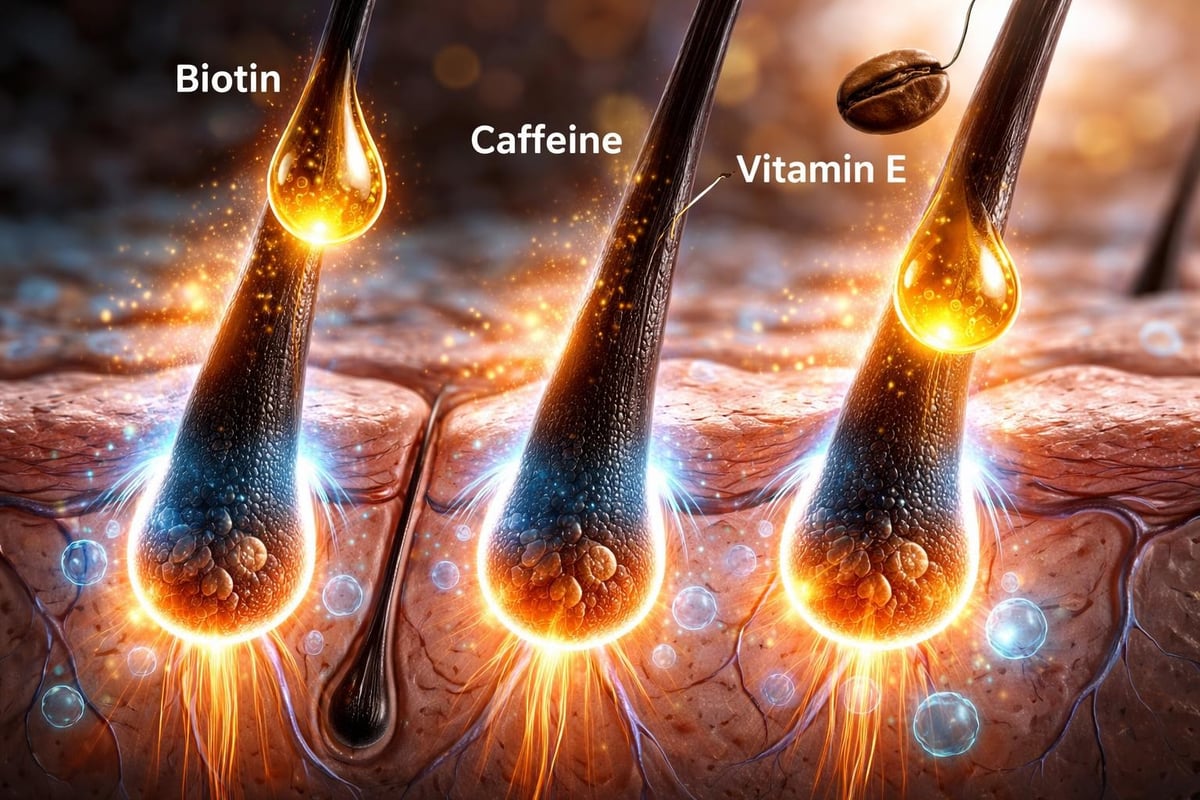
Good beard growth products contain specific compounds proven to influence follicular activity. Biotin (vitamin B7) serves as a cofactor for enzymes that synthesize keratin proteins, the structural foundation of hair shafts. Without sufficient biotin, your body cannot construct robust hair fibres, resulting in weak, brittle growth.
Clinically validated ingredients include:
- Minoxidil: Increases blood flow to follicles by opening potassium channels, extending anagen phase duration
- Caffeine: Blocks DHT antagonism and stimulates follicle metabolism through adenosine receptor modulation
- Biotin: Essential cofactor for keratin synthesis enzymes
- Vitamin E: Reduces oxidative stress that damages follicle cells
- Niacin (B3): Dilates capillaries, improving nutrient delivery to hair roots
Research from beard growth supplement analysis confirms that most marketed supplements lack proper clinical validation. Understanding ingredient mechanisms separates effective products from expensive placebos.
Product Categories That Drive Results
Different product types target distinct aspects of beard development. Topical applications deliver active compounds directly to follicles, whilst dietary supplements address systemic nutrient deficiencies that limit growth potential.
Oils and Serums for Direct Follicle Stimulation
Beard oils accomplish two critical functions when formulated correctly. Carrier oils such as jojoba or argan deliver vitamins A and E directly to follicle openings, whilst lighter oils like grapeseed penetrate the skin barrier to reach deeper dermal layers where follicles anchor.
The molecular structure matters significantly. Jojoba oil's composition mirrors human sebum, allowing superior absorption without clogging pores. Argan oil contains high concentrations of tocopherols (vitamin E compounds) that neutralize free radicals damaging follicle DNA. When you select beard oil products with these scientific formulations, you provide targeted nourishment that generic moisturizers cannot match.
| Oil Type | Active Component | Biological Function | Absorption Rate |
|---|---|---|---|
| Jojoba | Eicosenoic acid | Sebum regulation, anti-inflammatory | High |
| Argan | Tocopherols | Antioxidant protection | Medium-High |
| Castor | Ricinoleic acid | Blood flow stimulation | Low-Medium |
| Sweet Almond | Oleic acid | Moisture retention | High |
Balms and Butters for Sustained Delivery
Whilst oils absorb quickly, balms create occlusive barriers that lock ingredients against skin for extended periods. Shea butter's fatty acid profile reduces inflammation through prostaglandin inhibition, creating optimal conditions for follicle function. Beeswax provides structural integrity whilst allowing controlled release of active compounds throughout the day.
Good beard growth products in balm form combine immediate and delayed-release mechanisms. Water-soluble vitamins penetrate quickly, whilst fat-soluble nutrients absorb gradually as body heat softens the balm matrix. This dual-action delivery maintains consistent follicle stimulation rather than brief spikes of activity.
Washing Systems That Preserve Growth Conditions
Your standard shower gel contains sodium lauryl sulfate (SLS), a surfactant that strips sebum so aggressively it triggers rebound oil production. This cycle dehydrates follicles during the day, then floods them with excess sebum overnight, creating an unstable environment that disrupts growth cycles.
pH Balance and Follicle Health
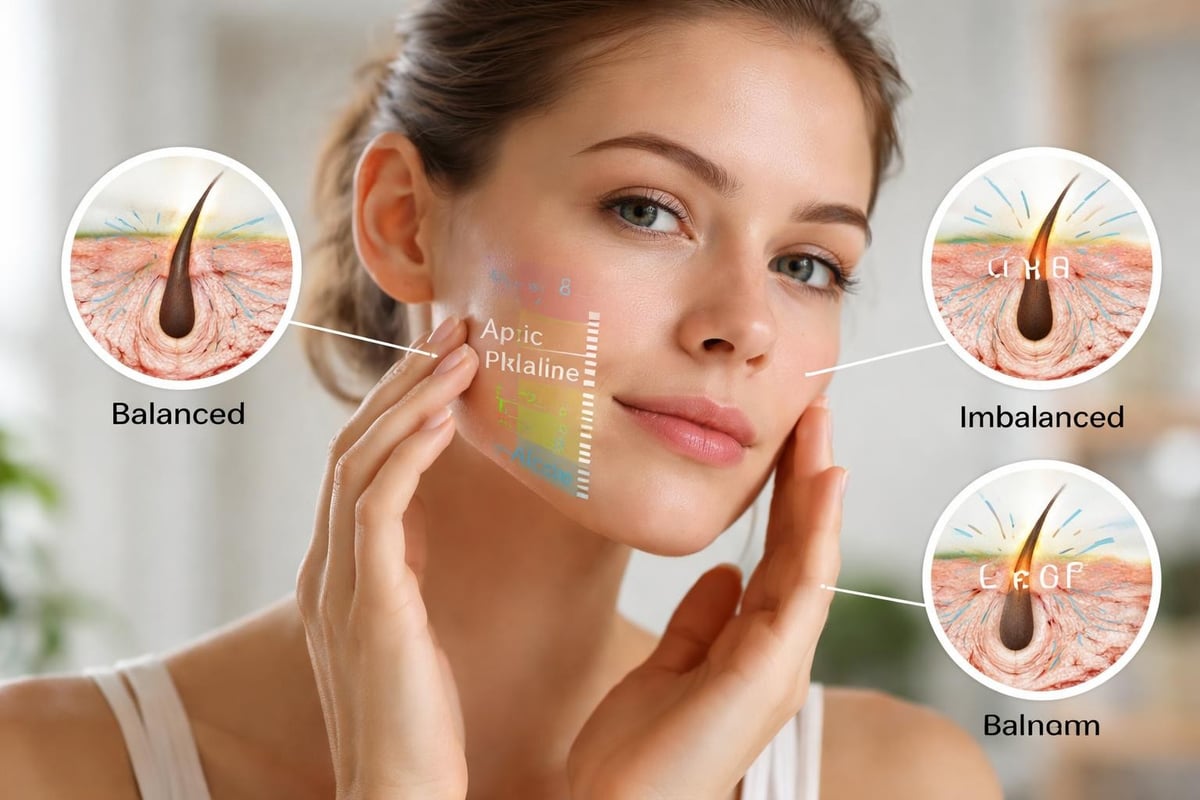
Facial skin maintains a slightly acidic pH between 4.5 and 5.5, protecting against bacterial colonization and supporting healthy sebum production. Alkaline cleansers (pH 7-9) disrupt this acid mantle, weakening follicle defenses and slowing growth. Specialized beard shampoos formulated at pH 5.0 cleanse without compromising your skin's protective barrier.
The shower products designed specifically for facial hair account for these pH requirements whilst incorporating growth-supporting ingredients. Standard hair shampoos target scalp conditions completely different from facial skin needs.
Key differences in beard-specific cleansing:
- Lower pH formulation (4.5-5.5 versus 6.0-7.0)
- Gentler surfactants (decyl glucoside versus SLS)
- Added conditioning agents for coarser hair texture
- Antimicrobial components targeting beard-specific bacteria
Conditioning Treatments for Growth Optimization
After cleansing, your beard cuticles remain open and vulnerable. Conditioners seal these cuticles whilst delivering deep-penetrating nutrients that standard oils cannot reach. Hydrolyzed proteins fill microscopic gaps in damaged hair shafts, increasing diameter and creating the appearance of fuller coverage.
Ceramides within quality conditioning formulas restore lipid barriers between cuticle layers. This prevents moisture loss that leads to brittle breakage, protecting the length you've already achieved. Breaking fewer hairs means retaining visible density as new growth emerges.
Treatment Frequency and Application Technique
Conditioning every 2-3 days prevents product buildup whilst maintaining optimal moisture levels. Apply conditioner to damp (not soaking) facial hair, as excess water dilutes active ingredients and reduces efficacy. Work product from root to tip using gentle pressure to open cuticles without damaging follicles.
Leave treatments on for 3-5 minutes, allowing sufficient time for protein and lipid penetration. Rinsing with cool water seals cuticles in their closed position, locking nutrients inside hair shafts. This temperature transition proves more effective than single-temperature rinsing at maintaining conditioning benefits.
Comprehensive Growth Systems Versus Individual Products
Isolated products address single aspects of beard development, leaving gaps in your growth optimization strategy. Your follicles require consistent nutrient delivery, protected moisture balance, and stimulated blood flow simultaneously to achieve maximum density.
Complete systems coordinate multiple product types into synchronized routines. Morning application of stimulating serums activates follicle metabolism for the day ahead. Evening application of nourishing butters provides recovery compounds during your body's natural repair cycles. Weekly deep conditioning treatments address accumulated damage from environmental exposure.
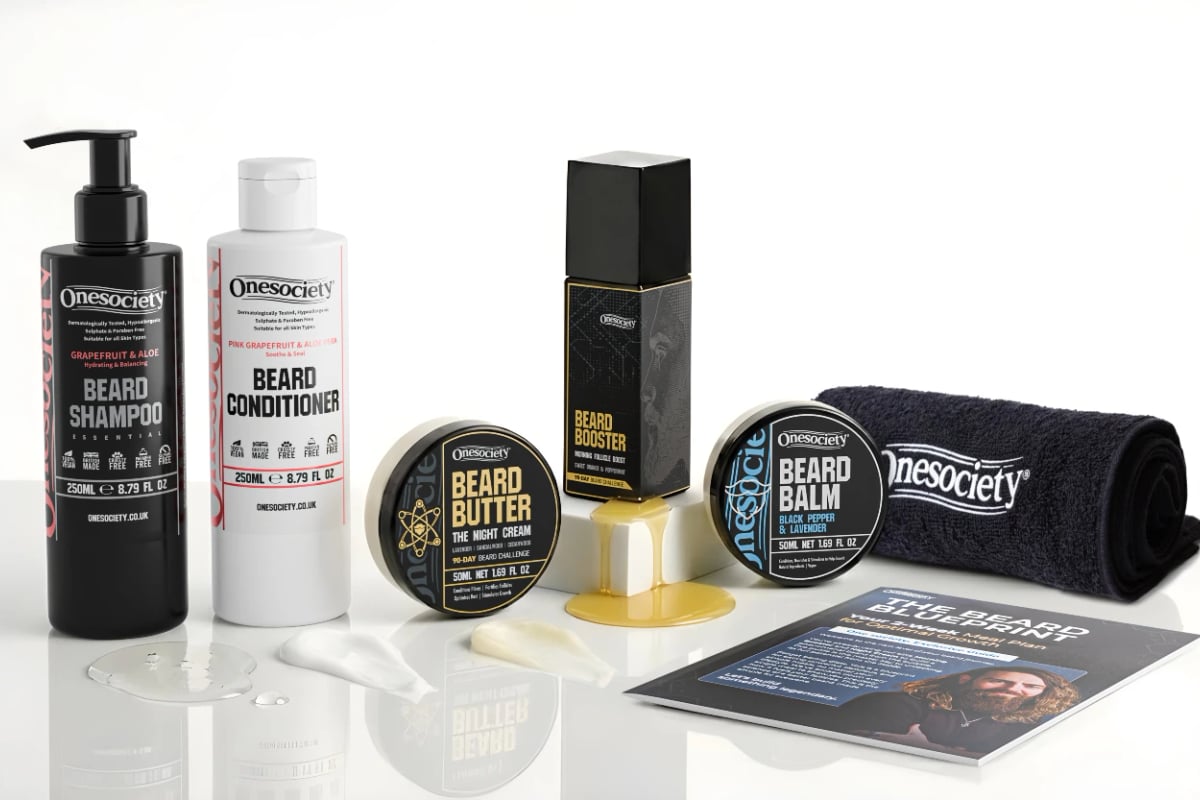
The 90-Day Beard Challenge exemplifies this systematic approach. Rather than guessing which products to combine, you receive formulations engineered to work synergistically. The Beard Booster increases blood flow through vasodilating compounds, priming follicles for the recovery nutrients in Beard Butter applied twelve hours later. The Hydro-Lock Balm then seals this nourishment against your skin, preventing trans-epidermal water loss that would otherwise flush out active ingredients. This coordinated delivery maximizes bioavailability of each compound, creating measurable improvements that isolated products cannot match.
Evaluating Product Claims Against Scientific Evidence
Marketing copy promises miraculous transformations, yet evidence-based analysis of beard growth products reveals most claims lack clinical support. Manufacturers exploit regulatory gaps in cosmetic labeling, making growth assertions without providing data.
Red Flags in Product Marketing
Vague language like "supports growth" or "promotes thickness" indicates absence of measurable results. Legitimate products specify exact mechanisms: "increases follicle blood flow by 23%" or "extends anagen phase duration by 18 days." Quantifiable claims require actual testing to substantiate.
Proprietary blend listings hide ingredient concentrations, preventing verification of effective dosing. If a product contains biotin but doesn't specify the amount, you cannot determine whether it provides the 2,500-5,000 mcg daily dose shown to influence hair growth in clinical studies.
Warning signs of ineffective formulations:
- Ingredient lists dominated by thickening agents (xanthan gum, carbomer) rather than active compounds
- Absence of concentration percentages for key ingredients
- Claims of "instant" or "overnight" results that contradict hair growth biology
- Testimonials without before/after photographic evidence under consistent lighting
- Lack of money-back guarantees or trial periods
Natural Ingredients With Documented Efficacy
Synthetic compounds like minoxidil demonstrate clinical effectiveness, yet many users prefer botanical alternatives with fewer potential side effects. Several plant-derived ingredients show promising results in peer-reviewed research, though studies often involve smaller sample sizes than pharmaceutical trials.
Caffeine's Follicle-Stimulating Properties
Topical caffeine penetrates to follicle roots within minutes of application, where it counteracts testosterone's growth-inhibiting effects. Studies demonstrate caffeine extends anagen phase duration by blocking the binding of dihydrotestosterone to follicle receptors. This mechanism differs from minoxidil's blood flow approach, making caffeine suitable for combination therapy.
Castor oil contains ricinoleic acid, which stimulates prostaglandin E2 receptors involved in hair cycling regulation. Whilst definitive human studies remain limited, the compound's mechanism aligns with known growth pathways. When combined with proven ingredients in scientifically formulated beard products, these botanical compounds contribute to comprehensive follicle support.
| Natural Ingredient | Active Compound | Mechanism | Research Status |
|---|---|---|---|
| Caffeine | Methylxanthine | DHT blocking, metabolism stimulation | Multiple clinical trials |
| Peppermint Oil | Menthol | Blood flow increase | Animal studies, limited human data |
| Rosemary Extract | Carnosic acid | Anti-inflammatory, circulation | Comparable to 2% minoxidil in one study |
| Biotin | Vitamin B7 | Keratin synthesis cofactor | Established for deficiency correction |
Timing and Consistency in Growth Protocols
Your body's circadian rhythms influence hormone production, nutrient absorption, and cellular repair processes. Applying good beard growth products at optimal times enhances their effectiveness beyond what random application achieves.
Morning Activation and Evening Recovery
Testosterone peaks in early morning hours, making this ideal for applying stimulating compounds that work synergistically with elevated androgen levels. Caffeine-containing serums applied after your morning cleanse capitalize on this hormonal window, maximizing follicle activation when your body's natural growth signals are strongest.
Evening applications should focus on recovery and nourishment. Growth hormone release increases during deep sleep, driving cellular repair throughout your body, including follicle regeneration. Applying nutrient-dense butters or oils before bed ensures these compounds are present during your body's primary recovery period.
Optimal application schedule:
- Morning (6-8 AM): Cleanse with pH-balanced wash, apply stimulating serum with caffeine or minoxidil
- Midday (12-2 PM): Light oil application if working in dry environments
- Evening (9-11 PM): Deep conditioning butter with vitamins E, A, and fatty acids
- Weekly: Intensive conditioning treatment, exfoliation to remove dead skin blocking follicles
Addressing Common Growth Obstacles
Even with quality products, certain factors sabotage beard development. Chronic stress elevates cortisol, which diverts resources from non-essential functions like hair growth toward survival processes. Poor sleep disrupts growth hormone release, limiting overnight follicle repair. Nutritional deficiencies create systemic limitations that topical products cannot fully overcome.
Nutritional Foundations for Growth
Your follicles require building blocks that topical applications cannot fully supply. Protein intake below 0.8 grams per kilogram of body weight limits keratin synthesis regardless of external product use. Iron deficiency reduces oxygen delivery to follicles, slowing metabolism and growth rates.
Zinc serves as a cofactor for enzymes involved in testosterone metabolism and protein synthesis. Deficiency leads to telogen effluvium (excessive shedding) that counteracts new growth. The comprehensive analysis of growth supplements emphasizes addressing these nutritional gaps alongside topical treatments.
Water intake directly affects skin hydration and nutrient transport to follicles. Dehydration concentrates blood, reducing circulation to peripheral areas like facial skin. Consuming 35-40 ml of water per kilogram of body weight maintains optimal fluid balance for growth processes.
Measuring Progress and Adjusting Strategies
Beard growth occurs slowly enough that daily observation reveals nothing, leading to discouragement and product abandonment before results emerge. Establishing objective measurement systems prevents this premature conclusion that products aren't functioning.
Documentation and Assessment Methods
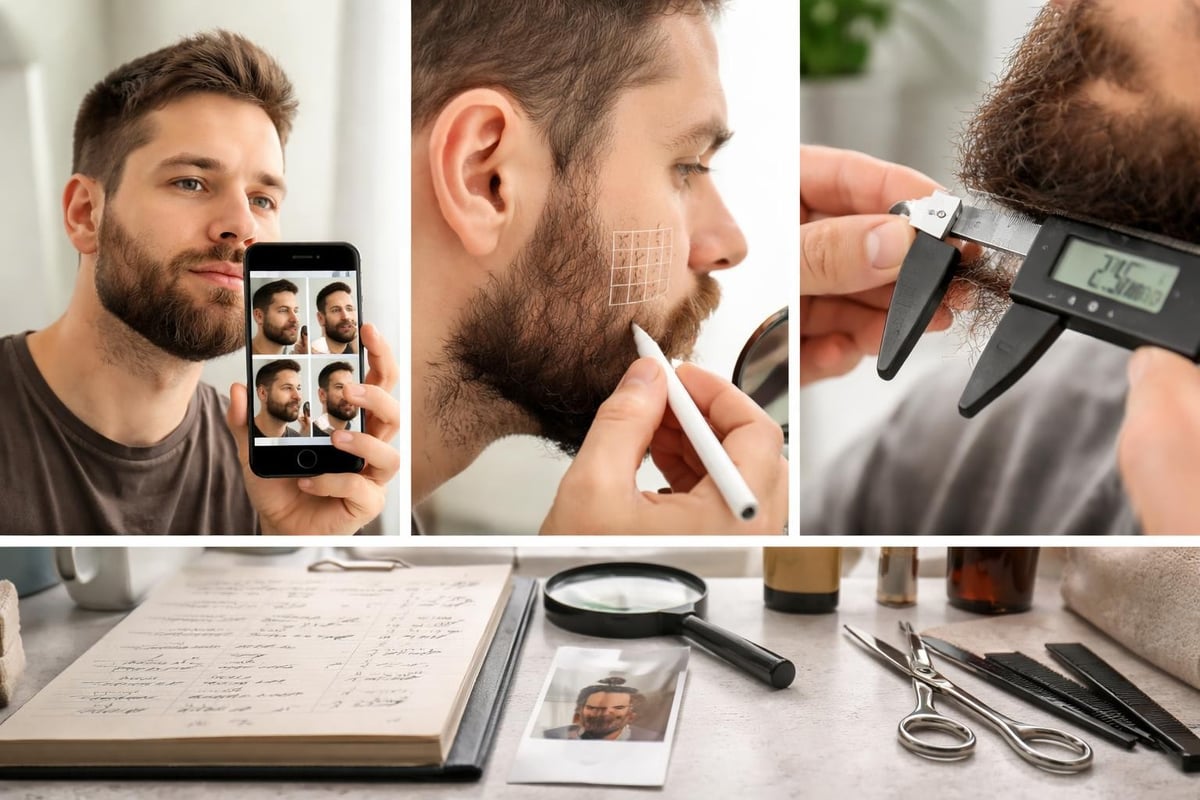
Photograph your beard weekly under identical lighting conditions, from consistent angles, at the same time of day. Variable lighting creates false impressions of thickness changes. Use a plain background to eliminate visual distractions that obscure actual growth patterns.
Measure density by counting hairs within a 1cm square area marked on your cheek and neck. Track these numbers weekly. Increases of even 5-10 hairs per square centimeter create noticeable fullness improvements across your entire beard area.
Monitor shedding by counting hairs that fall out during brushing or washing. Healthy turnover involves 50-100 hairs daily across your entire beard. Significantly higher counts indicate inflammation, nutritional deficiency, or product sensitivity requiring investigation.
Progress tracking checklist:
- Weekly photographs (same time, lighting, angle)
- Bi-weekly density counts in marked areas
- Daily shed counts during grooming
- Monthly measurements of growth length in sparse zones
- Texture assessments (softness, brittleness indicators)
Product Selection Criteria for Maximum Effectiveness
With countless formulations available, identifying good beard growth products requires systematic evaluation. Price correlates poorly with efficacy, as expensive products often fund marketing rather than superior ingredients. Conversely, extremely cheap options typically contain minimal active compound concentrations.
Concentration and Bioavailability Standards
Active ingredient percentages determine whether products deliver therapeutic doses. Biotin products should contain 2,500-5,000 mcg per application to match clinically effective doses. Vitamin E concentrations below 5% provide minimal antioxidant protection compared to proven formulations at 10-15%.
Natural ingredients require higher concentrations than synthetic counterparts to achieve equivalent effects. Rosemary oil studies showing hair growth benefits used 3-5% concentrations, not the 0.5% found in many commercial products. Reviews of top beard growth products emphasize checking concentration disclosures before purchasing.
Delivery systems affect bioavailability significantly. Liposomal encapsulation increases absorption rates by protecting compounds from degradation and facilitating cellular uptake. Standard oil suspensions may contain quality ingredients that never reach follicle targets due to poor penetration.
Integration Into Existing Grooming Routines
Adding multiple new products creates overwhelming complexity that leads to inconsistent use. Effective integration involves replacing existing steps with upgraded alternatives rather than adding entirely new routines.
Streamlined Implementation Strategy
Replace your current facial wash with a pH-balanced beard shampoo rather than adding a separate cleansing step. This maintains your existing routine timing whilst upgrading effectiveness. Substitute your standard moisturizer with a growth-optimized beard oil, providing both hydration and follicle stimulation in one application.
Products within the complete beard care collection work together systematically, eliminating guesswork about product combinations and application order. This coordinated approach prevents ingredient conflicts whilst ensuring comprehensive coverage of growth requirements.
Begin with core products (cleanser, oil, balm) before adding specialized treatments. Master consistent application of fundamental products, then introduce weekly conditioning treatments or targeted serums. Gradual integration builds sustainable habits rather than overwhelming motivation with excessive complexity.
Long-Term Maintenance After Achieving Density Goals
Reaching your desired beard thickness requires ongoing maintenance to preserve results. Follicles remain responsive to environmental damage, nutritional fluctuations, and hormonal changes that can reverse progress without continued support.
Transitioning From Growth to Preservation
Once you've achieved target density, shift from aggressive growth stimulation to protective maintenance. Reduce stimulating product frequency to 3-4 times weekly rather than daily application. Maintain nourishing treatments to preserve hair shaft integrity and prevent breakage that reduces visible fullness.
Continue using quality cleansing and conditioning products permanently. The specialized beard wash formulations preserve the pH balance and follicle health that enabled your initial growth success. Reverting to harsh standard soaps undoes the foundation supporting your beard density.
Monitor for regression signs including increased shedding, texture coarsening, or emerging patches. These indicators suggest your maintenance routine needs adjustment before visible thinning occurs. Proactive response prevents significant density loss requiring renewed intensive treatment.
Selecting good beard growth products transforms from overwhelming confusion into straightforward science when you understand follicle biology and ingredient mechanisms. The difference between patchy frustration and impressive density lies in choosing formulations with proven compounds at effective concentrations, applied consistently within strategic routines. Onesociety combines these evidence-based principles with 100% natural ingredients, providing comprehensive beard growth systems that address every aspect of follicle optimization. Start your transformation today with products engineered for measurable results rather than empty marketing promises.