

The white flakes cascading from your beard onto your shirt aren't just embarrassing-they signal an underlying disruption in your skin's protective barrier. Dry skin beard dandruff affects nearly 50% of men with facial hair at some point in their grooming journey, yet most misunderstand the root cause. Unlike scalp dandruff, the skin beneath your beard faces unique challenges: constant friction from clothing, exposure to environmental stressors, and a distinct microbiome that influences inflammation. Understanding the biological mechanisms behind dry skin beard dandruff transforms how you approach treatment, moving beyond temporary fixes to long-term resolution.
The Biological Reality Behind Dry Skin Beard Dandruff
Your beard region hosts a complex ecosystem where skin cells, oil glands, and microorganisms interact constantly. When this balance collapses, dry skin beard dandruff emerges as the visible symptom of deeper dysfunction.
Malassezia: The Fungal Trigger
A lipophilic yeast called Malassezia lives naturally on human skin, feeding on sebaceous oils. Under normal conditions, this fungus causes no harm. However, when environmental factors or genetic predisposition disrupt the skin barrier, Malassezia proliferates excessively, breaking down sebum into irritating oleic acid.
This fatty acid penetrates the compromised skin barrier, triggering inflammation. Your immune system responds by accelerating skin cell turnover-instead of the typical 28-day cycle, cells regenerate in just 7-10 days. These immature cells clump together as visible white flakes, the hallmark of dry skin beard dandruff.
Key inflammatory markers activated:
- Interleukin-6 (IL-6): Promotes rapid cell division
- Tumour necrosis factor-alpha (TNF-α): Amplifies inflammation
- Nuclear factor-kappa B (NF-κB): Sustains the inflammatory cascade
The Seborrheic Dermatitis Connection
Dry skin beard dandruff often manifests as seborrheic dermatitis, a chronic inflammatory condition targeting sebum-rich areas. The clinical presentation includes greasy-appearing scales, redness, and persistent itching concentrated around the beard, eyebrows, and nasolabial folds.
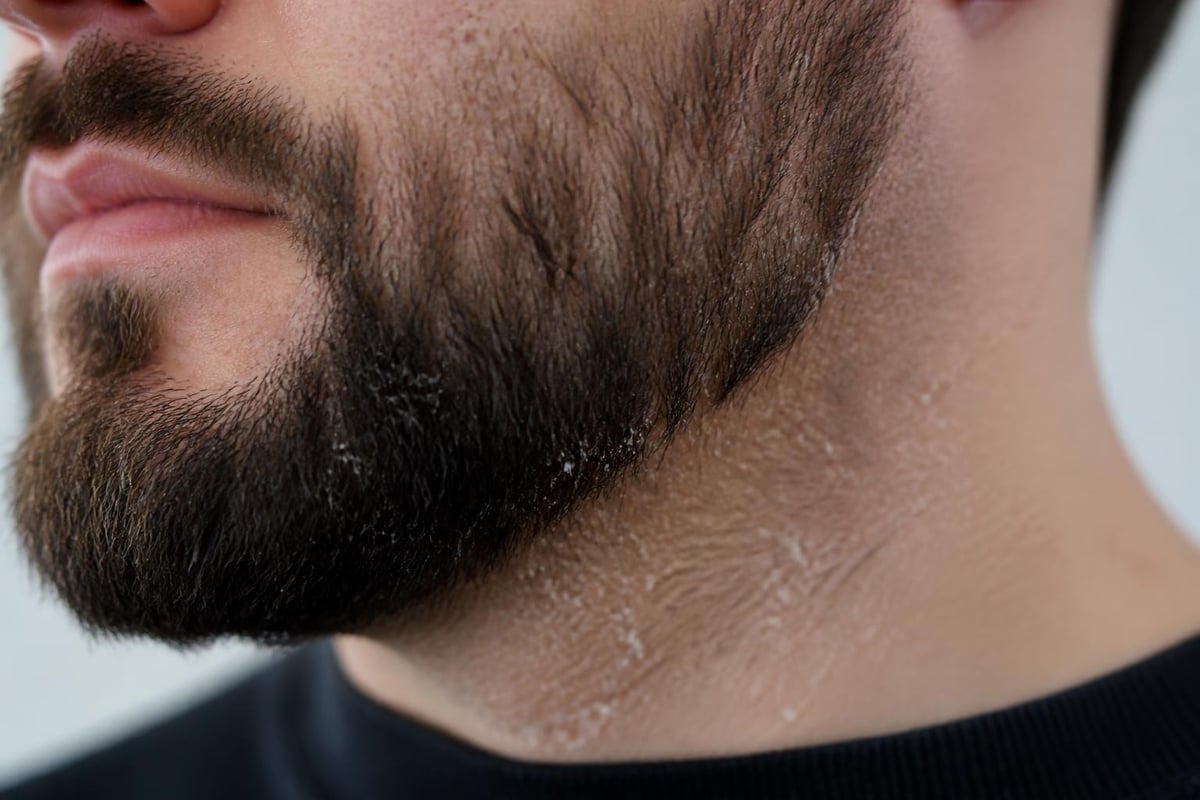
What distinguishes seborrheic dermatitis from simple dryness? The presence of inflammation markers and the characteristic distribution pattern. Seborrheic dermatitis persists year-round, worsening during stress or cold weather, whilst simple dryness responds quickly to basic moisturisation.
| Condition | Appearance | Distribution | Response to Moisturiser |
|---|---|---|---|
| Dry skin beard dandruff (seborrheic) | Yellowish, greasy scales | Beard, moustache, eyebrows | Limited improvement |
| Simple dryness | White, powdery flakes | Entire beard area | Rapid improvement |
| Contact dermatitis | Red, weeping patches | Localised to irritant contact | Resolves with allergen removal |
Environmental and Lifestyle Amplifiers
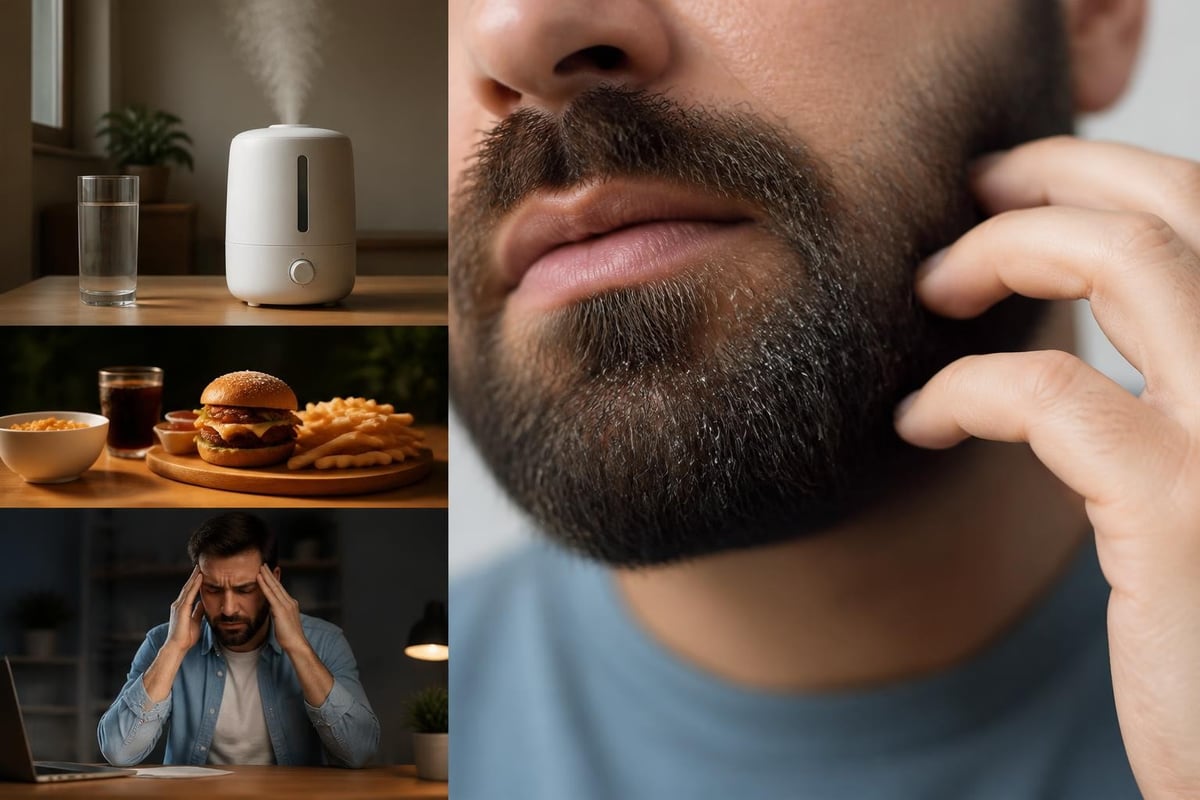
Beyond microbial triggers, specific lifestyle patterns intensify dry skin beard dandruff by disrupting your skin's natural protective mechanisms.
Temperature Extremes and Humidity Fluctuations
Central heating systems reduce indoor humidity below 30% during winter months, accelerating transepidermal water loss (TEWL). Your beard hair wicks moisture away from underlying skin, creating a perpetual drought. Simultaneously, cold outdoor air constricts blood vessels, reducing nutrient delivery to follicles and sebaceous glands.
Recent research on lifestyle factors confirms that environmental humidity below 40% correlates with increased seborrheic dermatitis severity. The solution isn't simply adding moisture-it's restoring barrier function so your skin retains what it produces.
Aggressive Cleansing Protocols
Standard bar soaps contain surfactants with pH levels between 9-11, whilst healthy skin maintains a pH of 4.5-5.5. This alkaline assault strips the acid mantle-a protective film of sebum and sweat that inhibits pathogenic bacteria whilst supporting beneficial microbes.
Common pH-disrupting ingredients:
- Sodium lauryl sulphate (SLS): pH 10-11
- Sodium hydroxide (lye): pH 13-14
- Triclosan: pH 7-8
- Ammonium laureth sulphate: pH 9-10
When you cleanse with high-pH products, your skin overcompensates by producing excess sebum within 4-6 hours. This rebound effect creates the perfect feeding ground for Malassezia, perpetuating dry skin beard dandruff.
Dietary Patterns and Micronutrient Status
Your diet directly influences sebum composition and skin barrier integrity. Diets high in refined sugars and saturated fats alter sebaceous lipid profiles, increasing inflammatory arachidonic acid whilst reducing anti-inflammatory omega-3 fatty acids.
Zinc deficiency impairs keratinocyte differentiation-the process by which skin cells mature properly. Without adequate zinc, immature cells accumulate, manifesting as dry skin beard dandruff. Similarly, B-vitamin deficiencies (particularly B2, B6, and biotin) compromise lipid barrier synthesis.
Science-Backed Solutions for Dry Skin Beard Dandruff
Effective treatment targets three biological pathways simultaneously: reducing Malassezia populations, restoring barrier function, and modulating inflammation. The American Academy of Dermatology recommends specific active ingredients proven through controlled trials.
Antifungal Ingredients That Work
Pyrithione zinc operates through dual mechanisms: it disrupts fungal cell membranes whilst providing essential zinc for proper keratinocyte maturation. Clinical trials demonstrate 60-70% reduction in flaking within two weeks when applied at 1-2% concentrations.
Ketoconazole, a synthetic imidazole, inhibits ergosterol synthesis-the primary structural component of fungal cell walls. At 2% concentration, ketoconazole eliminates 85% of Malassezia within 28 days. However, prolonged use risks developing resistance, so cycling treatments proves essential.
Natural antifungal alternatives backed by research:
- Tea tree oil (5-10%): Terpinen-4-ol disrupts fungal membranes
- Neem oil: Azadirachtin compounds inhibit fungal respiration
- Manuka honey: Methylglyoxal provides antimicrobial activity
- Apple cider vinegar (diluted): Acetic acid creates inhospitable pH
Barrier-Restoring Ingredients
Your skin barrier comprises ceramides (50%), cholesterol (25%), and free fatty acids (15%) in a precise 3:1:1 ratio. Dry skin beard dandruff indicates this ratio has collapsed. Topical application of these lipids in biomimetic ratios accelerates barrier restoration.
Jojoba oil structurally resembles human sebum, containing wax esters rather than triglycerides. This similarity allows jojoba to penetrate deeply, reducing TEWL by 37% within three hours of application. The linoleic acid content (5-15%) reduces inflammation through prostaglandin E2 pathway modulation.
Shea butter provides triterpene alcohols (lupeol, α-amyrin, β-amyrin) that inhibit inflammatory cytokines whilst delivering essential fatty acids for barrier repair. Clinical data shows 4-6 week application reduces scaling by 45% in seborrheic dermatitis patients.
Anti-Inflammatory Botanicals
Whilst synthetic corticosteroids reduce inflammation effectively, they thin skin with prolonged use. Natural anti-inflammatories achieve comparable results without adverse effects.
Liquorice root extract contains glycyrrhizin, which inhibits 11β-hydroxysteroid dehydrogenase-the enzyme that activates cortisol in skin tissue. This localised anti-inflammatory effect reduces redness and itching without systemic immunosuppression.
Calendula officinalis delivers triterpenoid saponins that suppress NF-κB activation, breaking the inflammatory cascade at its source. Topical calendula reduces erythema (redness) scores by 40% compared to baseline in controlled studies.
Developing Your Therapeutic Grooming Protocol
The NHS recommends a systematic approach combining cleansing, treatment, and maintenance phases for managing dandruff conditions, including dry skin beard dandruff in facial hair.
Phase One: Barrier Reset (Days 1-14)
Morning routine:
- Rinse beard with lukewarm water only (no cleansers)
- Pat dry with microfibre cloth-avoid rubbing friction
- Apply barrier-repair serum containing ceramides and niacinamide
- Seal moisture with light beard oil (jojoba or argan base)
Evening routine:
- Cleanse with pH-balanced beard wash (4.5-5.5 pH)
- Apply antifungal treatment (pyrithione zinc or tea tree oil)
- Wait 5-10 minutes for penetration
- Layer nourishing beard butter with shea butter and essential fatty acids
This dual-phase approach prevents transepidermal water loss whilst delivering therapeutic actives. The morning oil creates an occlusive barrier, trapping overnight treatments beneath.
Phase Two: Active Treatment (Days 15-45)
Once acute inflammation subsides, intensify barrier restoration whilst maintaining antifungal pressure. Understanding proper beard care fundamentals proves critical during this phase, as technique matters as much as product selection.
Introduce exfoliation twice weekly using gentle alpha-hydroxy acids (lactic acid 5-8%). This controlled desquamation removes dead cell buildup without triggering rebound inflammation. AHAs also enhance penetration of subsequent treatments by 35-40%.
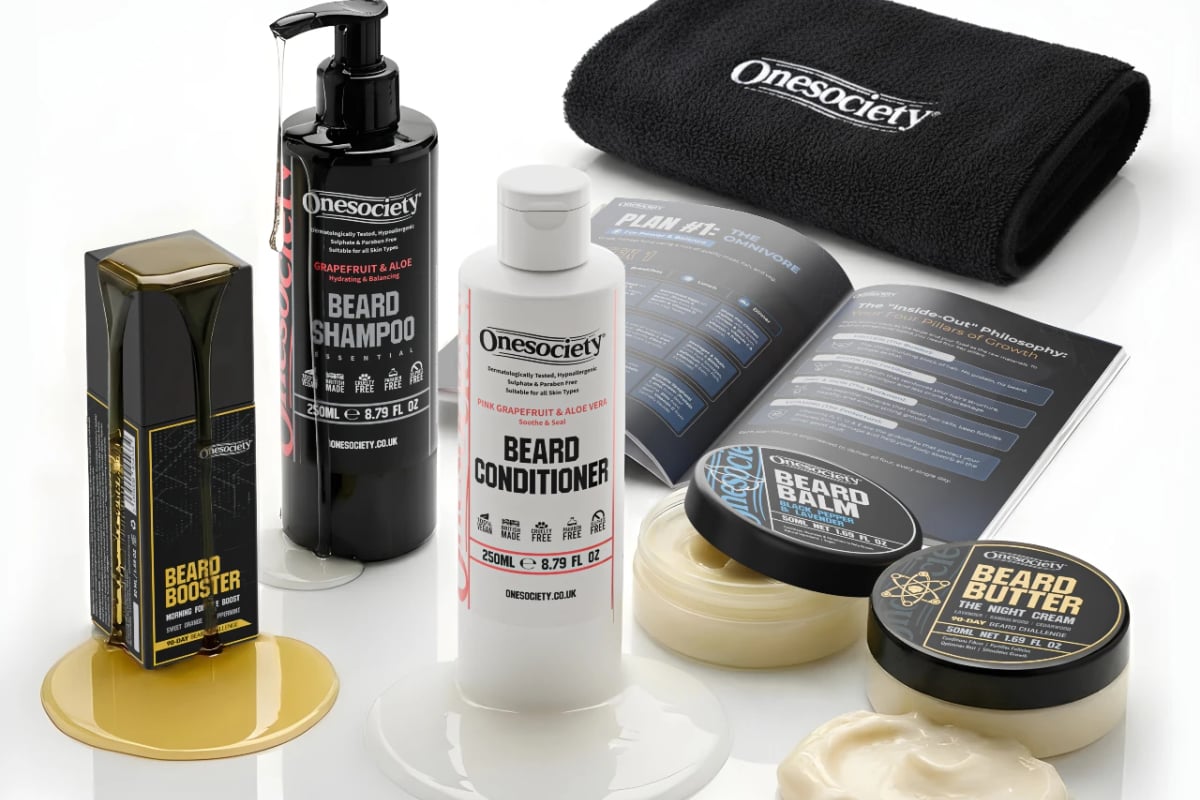
The 90-Day Beard Challenge provides a comprehensive system specifically engineered to address dry skin beard dandruff through targeted formulations. The Beard Booster contains follicle-stimulating peptides that improve blood flow, delivering oxygen and nutrients to compromised skin. The pH-balanced Beard Shampoo cleanses without disrupting the acid mantle, whilst the Hydro-Lock Balm creates a semi-permeable barrier that prevents moisture loss whilst allowing skin respiration. This systematic approach eliminates guesswork, providing measured doses of ceramides, antifungal botanicals, and anti-inflammatory compounds in clinically relevant concentrations.
Weekly checkpoint measurements:
- Flake severity (scale 0-10)
- Itch intensity (scale 0-10)
- Beard softness (tactile assessment)
- Underlying skin redness (visual assessment)
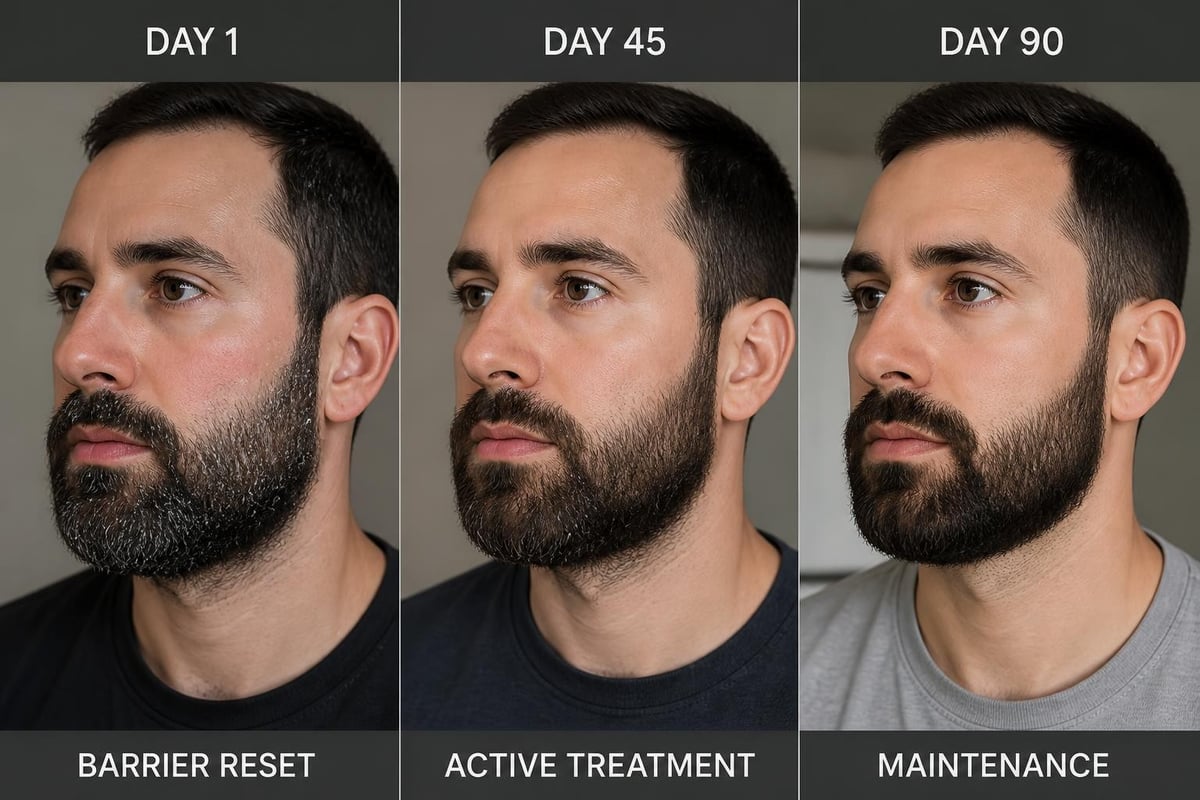
Phase Three: Long-Term Maintenance (Day 46+)
Preventing recurrence requires sustained barrier support and periodic antifungal maintenance. Reduce active treatment frequency to twice weekly whilst continuing daily barrier support.
Rotate antifungal ingredients monthly to prevent resistance development. Alternate between tea tree oil, pyrithione zinc, and ketoconazole in four-week cycles. This rotation maintains therapeutic pressure on Malassezia populations without selecting for resistant strains.
Monitor for trigger events that destabilise your barrier: stress periods, dietary changes, seasonal transitions, or new grooming products. When dry skin beard dandruff flares, immediately revert to Phase One protocols for 7-10 days before resuming maintenance.
When Professional Intervention Becomes Necessary
Most dry skin beard dandruff cases respond to evidence-based home protocols within 6-8 weeks. However, specific presentations require dermatological assessment.
Red Flags Requiring Medical Evaluation
The American Academy of Family Physicians guidelines specify consultation criteria for seborrheic dermatitis that applies equally to beard dandruff.
Seek professional help if you experience:
- Thick, adherent scales requiring forceful removal
- Bleeding or oozing lesions beneath the beard
- Rapid spread beyond beard area to chest or back
- Severe itching disrupting sleep or daily activities
- No improvement after 8 weeks of proper treatment
- Yellow crusting suggesting bacterial superinfection
These symptoms may indicate psoriasis, eczema, fungal infections beyond Malassezia, or contact dermatitis requiring prescription interventions.
Prescription Options for Refractory Cases
Topical corticosteroids (hydrocortisone 1-2.5%) rapidly suppress inflammation but should not exceed 14-day continuous use on facial skin. Dermatologists prescribe these for acute flares, transitioning to calcineurin inhibitors (pimecrolimus, tacrolimus) for maintenance without steroid side effects.
Oral antifungals (fluconazole, itraconazole) address systemic Malassezia overgrowth in severe cases. These require liver function monitoring but achieve 85-90% clearance rates within 4-6 weeks.
Phototherapy using narrowband UVB (311nm wavelength) modulates immune responses whilst reducing Malassezia populations through controlled radiation exposure. Treatment requires supervised clinical sessions three times weekly for 8-12 weeks.
Optimising Your Micronutrient Status
Internal nutritional support accelerates external treatment outcomes by providing raw materials for barrier synthesis and immune regulation.
Critical Nutrients for Skin Barrier Health
Zinc (15-30mg daily): Essential cofactor for over 300 enzymatic reactions including keratinocyte differentiation and sebum production. Zinc deficiency correlates directly with increased seborrheic dermatitis severity. Optimal forms include zinc picolinate (20% absorption) or zinc citrate (61% absorption).
Omega-3 fatty acids (2-4g EPA/DHA daily): Eicosapentaenoic acid (EPA) competes with arachidonic acid for cyclooxygenase enzymes, reducing inflammatory prostaglandin production by 40-60%. Fish oil, algae oil, or krill oil provide bioavailable omega-3s that modulate sebum lipid profiles within 6-8 weeks.
Biotin (5,000-10,000 mcg daily): Supports fatty acid synthesis and amino acid metabolism essential for keratin production. Biotin supplementation improves beard hair quality whilst strengthening skin barrier proteins.
| Nutrient | Daily Target | Primary Function | Best Food Sources |
|---|---|---|---|
| Zinc | 15-30mg | Keratinocyte maturation | Oysters, beef, pumpkin seeds |
| Omega-3 | 2-4g EPA/DHA | Anti-inflammatory | Fatty fish, algae, walnuts |
| Biotin | 5-10mg | Keratin synthesis | Eggs, almonds, sweet potatoes |
| Vitamin D | 2,000-4,000 IU | Immune modulation | Sun exposure, fatty fish |
| B-complex | RDA amounts | Sebum regulation | Whole grains, meat, legumes |
Gut-Skin Axis Considerations
Emerging research reveals bidirectional communication between intestinal microbiota and skin health. Dysbiosis (microbial imbalance) in the gut correlates with increased seborrheic dermatitis prevalence through systemic inflammatory pathways.
Probiotic supplementation with Lactobacillus and Bifidobacterium species reduces inflammatory markers (C-reactive protein, IL-6) within 8-12 weeks. These beneficial bacteria strengthen intestinal barrier function, preventing lipopolysaccharide (LPS) leakage that triggers systemic inflammation manifesting as dry skin beard dandruff.
Prebiotic fibres (inulin, fructooligosaccharides) feed beneficial bacteria, promoting short-chain fatty acid production. Butyrate, the primary colonocyte fuel source, reduces intestinal permeability whilst modulating immune responses that influence distant skin sites.
Environmental Modifications for Long-Term Control
Your immediate environment influences dry skin beard dandruff as significantly as topical treatments. Strategic modifications create conditions favouring barrier stability.
Humidity Optimisation
Install a hygrometer to monitor indoor relative humidity. Target 40-50% year-round, particularly during heating season when indoor air desiccates rapidly. Ultrasonic humidifiers distribute fine water particles efficiently, raising humidity without creating condensation.
Position humidifiers in sleeping areas where you spend 6-8 hours with reduced sebum production. This sustained exposure allows skin to rehydrate passively whilst barrier-repair ingredients work undisturbed.
Sleep Surface Hygiene
Cotton pillowcases harbour bacteria, fungi, and dead skin cells that recontaminate your beard nightly. Switch to silk or satin pillowcases that reduce friction whilst resisting microbial colonisation. Alternatively, use antimicrobial-treated bamboo pillowcases.
Wash pillowcases every 2-3 days in hot water (60°C minimum) with fragrance-free detergent. Add white vinegar (120ml per load) during the rinse cycle-acetic acid's antimicrobial properties provide residual protection between washes.
Water Quality Assessment
Hard water contains dissolved minerals (calcium, magnesium) that form insoluble precipitates when combined with soap. These precipitates deposit on skin and beard hair, disrupting barrier function whilst creating alkaline residues.
Install a shower filter removing chlorine and heavy metals, or use chelating pre-rinses containing EDTA before beard washing. Alternatively, final rinses with diluted apple cider vinegar (1 part vinegar to 4 parts water) dissolve mineral deposits whilst restoring optimal pH.
Stress Management and Hormonal Influences
Psychological stress activates the hypothalamic-pituitary-adrenal (HPA) axis, flooding your system with cortisol. Elevated cortisol increases sebum production by 40-60% whilst impairing barrier repair mechanisms. This hormonal cascade creates perfect conditions for dry skin beard dandruff proliferation.
Cortisol-Reducing Interventions
Proven stress-reduction techniques:
- Meditation (20 minutes daily): Reduces cortisol by 23% within 8 weeks
- Resistance training: Lowers baseline cortisol whilst improving insulin sensitivity
- Cold exposure therapy: Brief cold showers reset autonomic nervous system
- Adaptogenic herbs: Ashwagandha (300-500mg) reduces cortisol by 28%
Prioritise sleep quality over quantity. Seven hours of deep, restorative sleep provides superior hormonal regulation compared to nine hours of fragmented rest. Magnesium glycinate (400mg before bed) enhances sleep depth whilst supporting over 300 enzymatic reactions including barrier lipid synthesis.
Testosterone and DHT Considerations
Androgens stimulate sebaceous gland activity and influence Malassezia proliferation. Men with naturally elevated testosterone or those using hormone therapies may experience persistent dry skin beard dandruff despite proper grooming protocols.
However, reducing androgens isn't the solution-these hormones drive beard growth and maintenance. Instead, focus on managing sebum quality through dietary omega-3 optimisation and targeted antifungal maintenance.
Product Selection Criteria for Dry Skin Beard Dandruff
Not all "natural" beard products address the biological mechanisms underlying dry skin beard dandruff. Exploring natural beard growth approaches reveals that ingredient selection must align with therapeutic objectives, not marketing trends.
Ingredients to Actively Seek
Niacinamide (vitamin B3): Increases ceramide synthesis by 34%, strengthens barrier function, and reduces transepidermal water loss. Effective concentrations range from 2-5% in leave-on products.
Panthenol (pro-vitamin B5): Penetrates skin as pantothenic acid, the precursor to Coenzyme A essential for lipid metabolism. Panthenol improves hydration whilst reducing inflammation through multiple pathways.
Centella asiatica (gotu kola): Triterpenoids (asiaticoside, madecassoside) accelerate wound healing and strengthen microcirculation. These compounds reduce redness whilst supporting collagen synthesis in compromised skin.
Natural humectants: Glycerine, sodium PCA, and hyaluronic acid attract and bind water molecules, maintaining hydration between cleansing cycles. Combine humectants with occlusives (oils, butters) for sustained moisture retention.
Ingredients to Avoid
Alcohol denat (denatured alcohol): Concentrations above 5% strip lipids and denature barrier proteins. Whilst providing quick-dry convenience, alcohol denat worsens dry skin beard dandruff by triggering rebound oil production.
Synthetic fragrances: These complex chemical mixtures frequently contain allergens (limonene, linalool, citronellol) that sensitise skin through repeated exposure. Fragrance-related contact dermatitis mimics and worsens dry skin beard dandruff.
Mineral oil and petrolatum: Whilst occlusive, petroleum-derived oils create impermeable barriers that trap heat and sweat, potentially encouraging bacterial overgrowth. Plant-based alternatives (jojoba, argan, hemp seed) provide breathable protection.
Sodium lauryl sulphate (SLS): This harsh surfactant disrupts skin barrier lipids whilst elevating pH. Even brief exposure (60 seconds) reduces barrier integrity measurably for 24-48 hours.
Managing dry skin beard dandruff requires understanding the biological mechanisms driving inflammation, fungal overgrowth, and barrier dysfunction, then systematically addressing each factor through targeted interventions. When you combine proper cleansing protocols, barrier-restoring ingredients, antifungal maintenance, and lifestyle modifications, flaking resolves within 6-8 weeks for most men. Onesociety formulates every product with 100% natural ingredients backed by published research, ensuring you receive therapeutic concentrations of ceramides, antifungals, and anti-inflammatory botanicals without synthetic additives that worsen dry skin beard dandruff. Transform your beard health through science-based grooming that addresses root causes, not just symptoms.