

You've stared at patchy cheeks in the mirror, wondering why some blokes sport full beards whilst yours struggles to connect. Perhaps you've scrolled through endless supplement adverts promising miraculous transformations. The biotin facial hair connection has become one of the most discussed topics in grooming circles, yet confusion reigns about whether this water-soluble vitamin truly delivers on its promises or simply drains your wallet.
The science behind biotin and facial hair growth operates at the cellular level, where this B-complex vitamin functions as an essential coenzyme in keratin production. Understanding this relationship requires separating marketing hype from clinical evidence, examining proper dosages, and identifying realistic expectations for your beard growth journey.
The Biological Function of Biotin in Hair Production
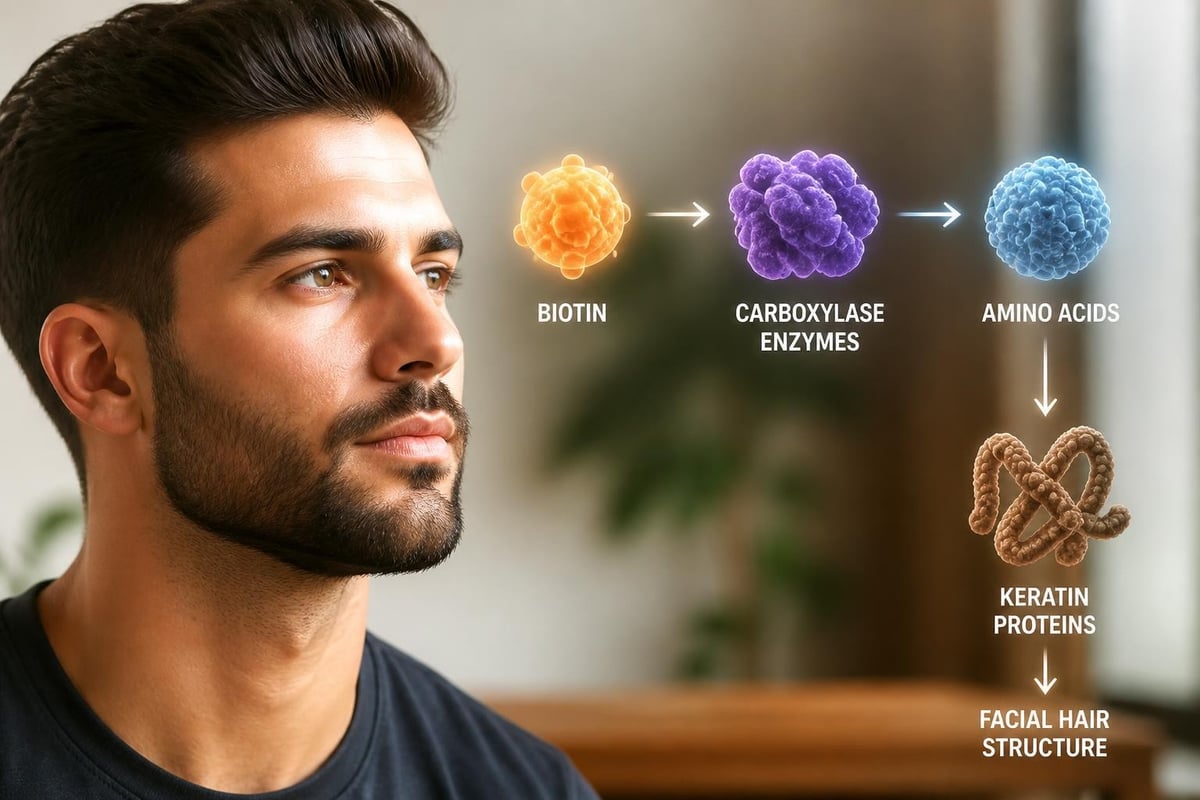
Biotin, also called vitamin B7 or vitamin H, serves as a critical cofactor for four carboxylase enzymes that metabolise fats, carbohydrates, and amino acids. These metabolic processes directly influence keratin synthesis, the structural protein comprising approximately 95% of hair shaft composition.
When you consume biotin, your body converts it into biotinyl-AMP through the enzyme holocarboxylase synthetase. This activated form then attaches to carboxylase enzymes, enabling them to catalyse essential reactions in cellular metabolism. Without adequate biotin, these enzymatic processes slow down, potentially compromising the structural integrity of new hair growth.
Keratin Synthesis and Follicle Health
The connection between biotin facial hair development and keratin production centres on amino acid availability. Carboxylase enzymes facilitate the breakdown and synthesis of amino acids like lysine, leucine, and isoleucine, which serve as building blocks for keratin proteins.
Your follicles require constant amino acid delivery to maintain the anagen (growth) phase of the hair cycle. Biotin deficiency disrupts this supply chain, resulting in weakened hair shafts that break easily and follicles that prematurely enter the telogen (resting) phase.
Clinical Evidence for Biotin and Facial Hair Growth
The relationship between biotin supplementation and hair growth remains contentious within dermatological research. Most clinical trials focus on scalp hair rather than facial hair specifically, creating gaps in our understanding of biotin facial hair effects.
A comprehensive review published in the Journal of Clinical and Aesthetic Dermatology examined multiple studies on biotin supplementation for hair loss. The researchers found that biotin showed benefits primarily in individuals with documented biotin deficiency or underlying metabolic disorders affecting biotin metabolism.
What the Research Actually Shows
| Study Type | Population | Biotin Dose | Duration | Outcome |
|---|---|---|---|---|
| Case studies | Biotin-deficient patients | 2.5-10 mg daily | 3-6 months | Significant hair improvement |
| Controlled trials | Healthy adults | 2.5-5 mg daily | 90-180 days | Minimal to no measurable change |
| Observational studies | Women with thinning hair | 5 mg daily | 90 days | Subjective improvement reported |
The data reveals a crucial pattern: biotin supplementation produces measurable results when correcting a deficiency, but offers limited benefits to individuals with normal biotin levels. This distinction matters enormously when evaluating whether biotin facial hair supplementation makes sense for your specific situation.
Identifying True Biotin Deficiency
Genuine biotin deficiency remains relatively rare in developed countries, affecting fewer than 1 in 60,000 individuals. However, certain conditions increase your risk substantially.
You face higher deficiency risk if you:
- Consume raw egg whites regularly (avidin protein binds biotin)
- Take anticonvulsant medications long-term
- Undergo prolonged antibiotic treatment
- Have inflammatory bowel disease or Crohn's disease
- Smoke heavily (reduces biotin absorption)
- Drink alcohol excessively
Clinical Symptoms Beyond Hair Loss
Biotin deficiency manifests through multiple systems, not just hair growth. If you experience several symptoms simultaneously, deficiency becomes more likely:
Dermatological signs: Red, scaly rash around eyes, nose, and mouth; brittle nails with vertical ridges; thinning eyebrows and facial hair
Neurological symptoms: Depression, lethargy, hallucinations, numbness in extremities, muscle pain
Metabolic indicators: Conjunctivitis, hair loss, developmental delays (in infants)
The American Academy of Dermatology notes that true biotin deficiency presents with multiple concurrent symptoms, not isolated hair thinning. If your only concern is biotin facial hair growth without other deficiency markers, supplementation likely won't produce dramatic results.
Optimal Dosage and Absorption Strategies
The recommended dietary allowance for biotin stands at just 30 micrograms (mcg) daily for adult men. Most biotin supplements contain 5,000 to 10,000 mcg, representing doses 167 to 333 times higher than the RDA.
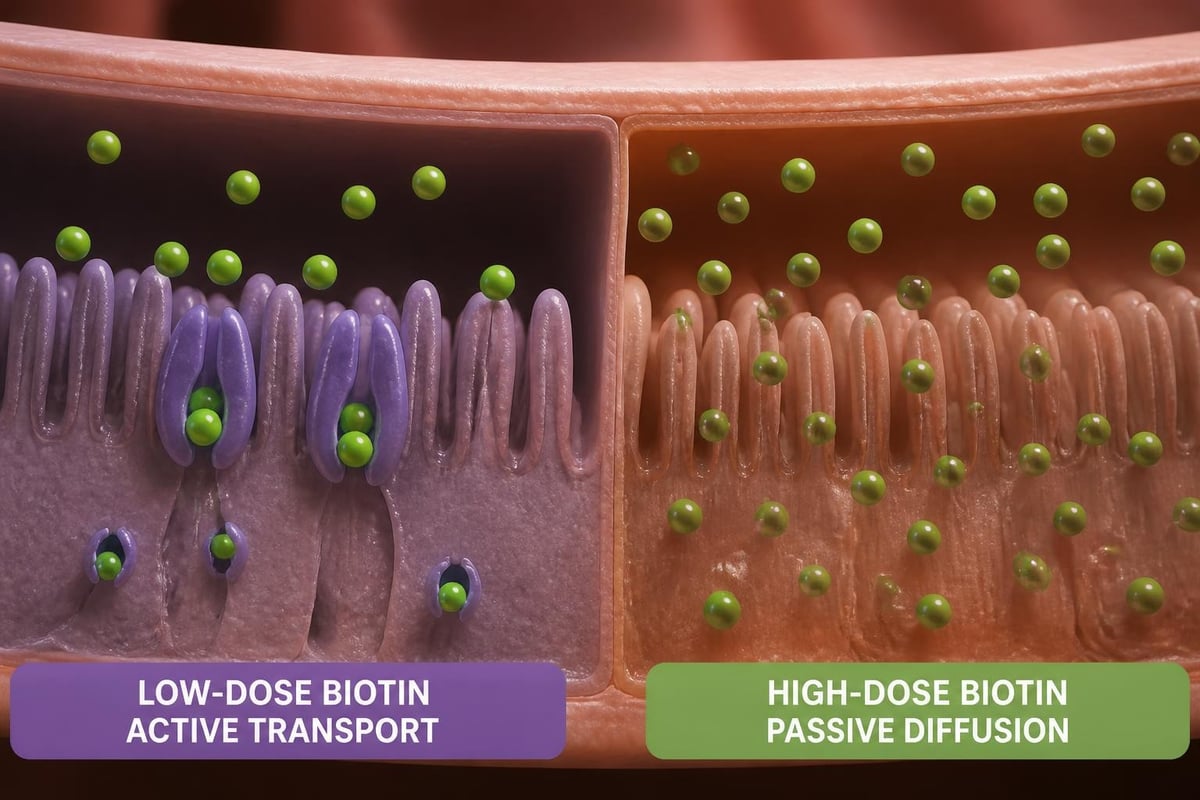
This massive dosage discrepancy exists because biotin absorption operates through both active transport (at low doses) and passive diffusion (at high doses). Your intestinal cells can only actively transport limited quantities, but passive diffusion allows much higher amounts to enter your bloodstream when supplement concentrations overwhelm the active transport system.
Biotin Absorption and Bioavailability
Several factors influence how effectively your body utilises biotin supplements:
Timing matters: Take biotin on an empty stomach for maximum absorption, as food can interfere with passive diffusion rates.
Form selection: D-biotin (the natural form) demonstrates superior absorption compared to synthetic L-biotin or DL-biotin mixtures.
Gut health: Intestinal bacteria synthesise biotin, contributing to your daily supply. Probiotic-rich foods or supplements may enhance endogenous biotin production.
Medication interactions: Anticonvulsants, antibiotics, and isotretinoin reduce biotin absorption or increase excretion rates.
The Laboratory Testing Interference Problem
High-dose biotin supplementation creates a significant medical concern that extends beyond facial hair growth. Biotin interferes with numerous laboratory tests, producing false results that can lead to misdiagnosis or inappropriate treatment.
ConsumerLab's analysis of biotin supplements highlights this critical safety issue. Biotin-based immunoassays, which laboratories use for thyroid function tests, cardiac troponin measurements, vitamin D levels, and hormone panels, can produce falsely elevated or depressed results depending on the assay design.
Real-World Clinical Consequences
The FDA has documented cases where biotin interference led to:
- Falsely low troponin levels masking heart attacks
- Incorrect thyroid diagnoses causing inappropriate medication changes
- Inaccurate hormone readings affecting fertility treatments
- Misdiagnosed vitamin D deficiency
If you take biotin supplements exceeding 1,000 mcg daily, inform your healthcare provider before any blood tests. Most laboratories recommend discontinuing biotin for 48-72 hours before testing, though some assays require longer clearance periods.
Natural Dietary Sources Versus Supplements
Your body doesn't distinguish between biotin from food and biotin from supplements at the molecular level. However, dietary biotin comes packaged with complementary nutrients that support overall follicle health and natural beard growth.
Biotin-Rich Foods and Their Additional Benefits
| Food Source | Biotin (mcg per serving) | Additional Hair-Supporting Nutrients |
|---|---|---|
| Beef liver (85g) | 31 mcg | Iron, zinc, vitamin A, B-vitamins |
| Egg yolk (1 large) | 10 mcg | Protein, selenium, vitamin D |
| Salmon (85g) | 5 mcg | Omega-3 fatty acids, vitamin D, protein |
| Sweet potato (125g) | 2.4 mcg | Beta-carotene, vitamin C, manganese |
| Almonds (30g) | 1.5 mcg | Vitamin E, magnesium, healthy fats |
| Spinach (85g cooked) | 0.5 mcg | Iron, folate, vitamin K |
The synergistic effect of whole food sources provides superior nutrition compared to isolated biotin supplements. Beef liver, for instance, delivers biotin alongside iron (essential for oxygen delivery to follicles), zinc (critical for protein synthesis), and vitamin A (regulates sebum production).
Combining Biotin with Comprehensive Beard Care
Biotin facial hair supplementation functions as one component within a broader growth strategy, not a standalone solution. The most effective approach integrates internal nutrition with external follicle support through quality grooming products.
Your facial hair follicles require:
Internal factors: Adequate protein intake (1.6-2.2g per kg bodyweight), sufficient calories, balanced micronutrients, proper hydration
External support: Regular cleansing to prevent follicle blockage, moisturisation to reduce breakage, massage to increase blood flow
Hormonal optimisation: Adequate sleep (7-9 hours), stress management, regular exercise
When you address all these variables simultaneously, biotin's contribution becomes part of a comprehensive system rather than a magic bullet. Understanding beard hair biology helps you create realistic expectations about growth timelines and density potential.
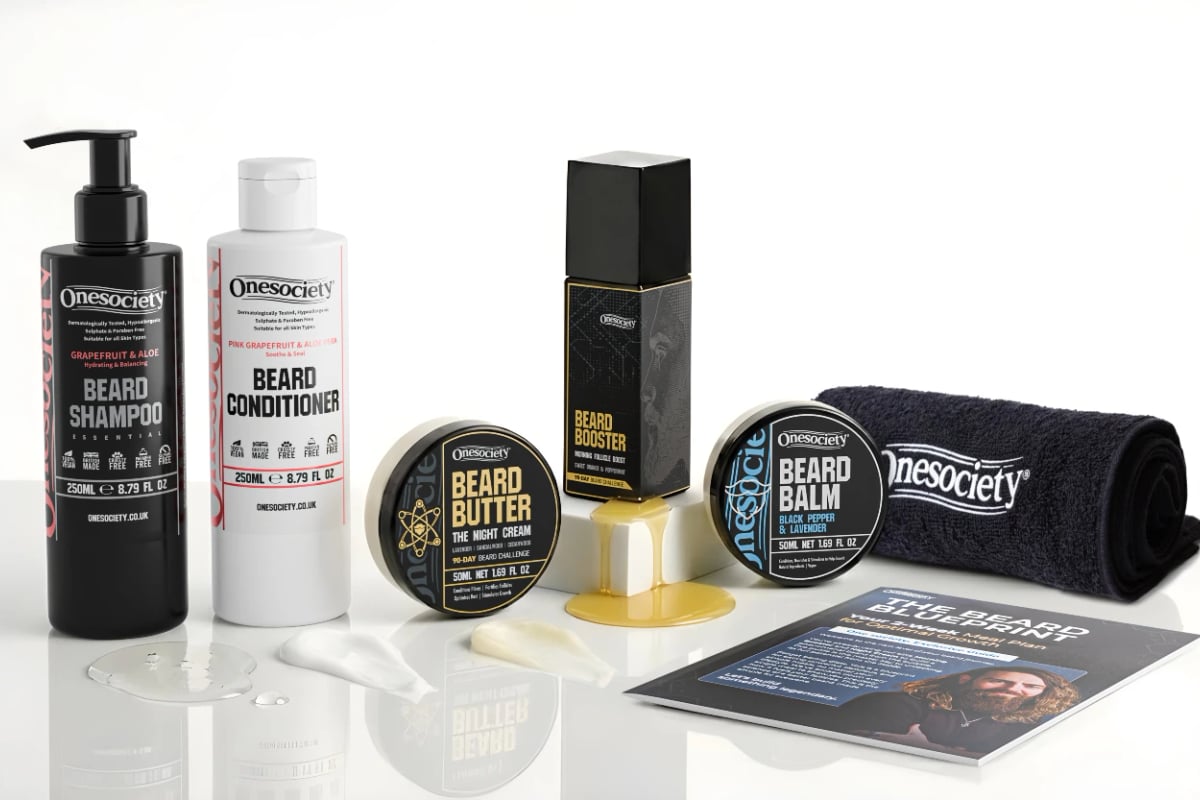
For those committed to maximising their genetic potential, structured programmes provide accountability and comprehensive support. The 90-Day Beard Challenge combines multiple formulations targeting different growth mechanisms, from follicle stimulation through increased blood flow to protective barriers preventing moisture loss and breakage.
Realistic Timeline Expectations for Biotin Effects
The hair growth cycle operates on a predetermined timeline that biotin cannot accelerate beyond genetic limits. Understanding these biological constraints prevents frustration and unrealistic expectations about biotin facial hair results.
The Four Phases of Facial Hair Growth
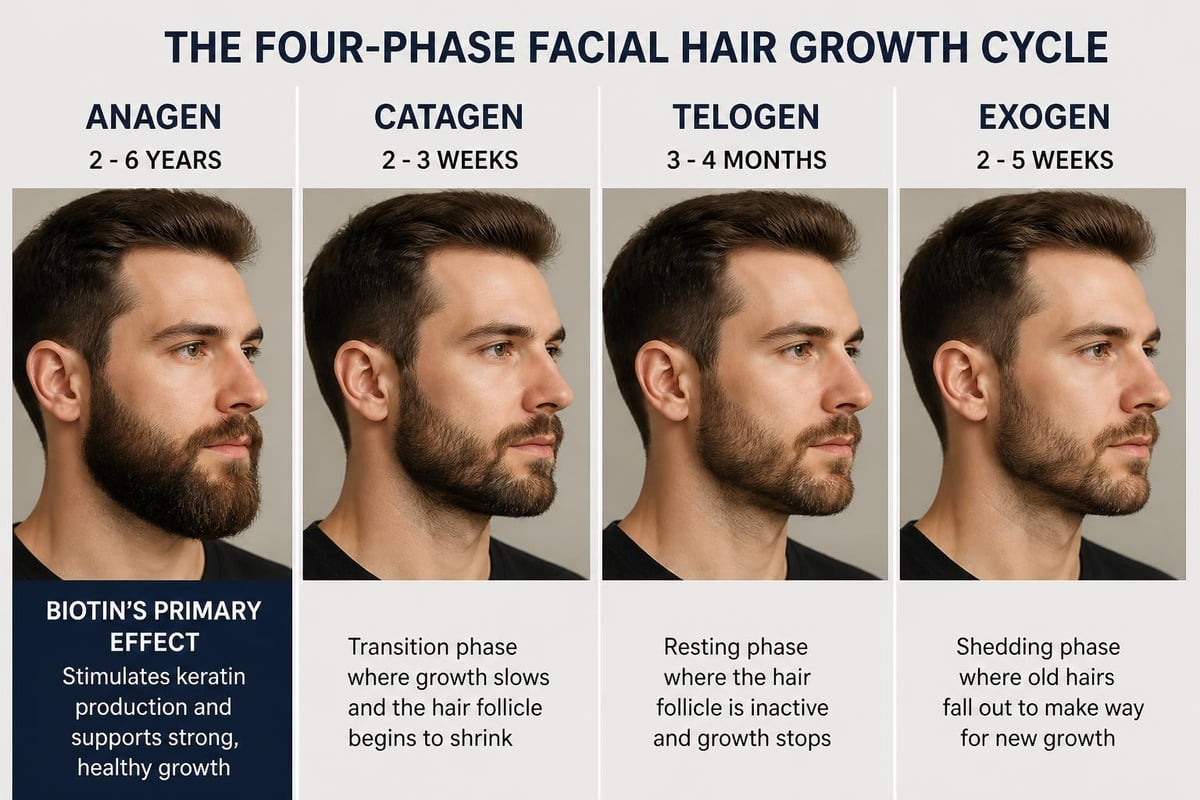
Anagen (growth phase): Lasts 2-6 years for facial hair, determining maximum length potential. Biotin supports keratin production during this phase but cannot extend its duration.
Catagen (transition phase): Lasts 2-3 weeks. The follicle shrinks and detaches from the blood supply. Biotin has minimal influence during this phase.
Telogen (resting phase): Lasts 2-4 months. The old hair rests whilst a new hair begins forming. Biotin supports the new hair's structural development.
Exogen (shedding phase): The old hair falls out, making room for new growth. This overlaps with early anagen.
At any given time, approximately 85% of your facial hair occupies the anagen phase, whilst 10-15% rests in telogen. This means visible changes require enough time for telogen hairs to shed and new anagen hairs to emerge and grow to noticeable length.
Expect a minimum of 90-120 days before noticing any biotin-related improvements in facial hair density or quality. Medical News Today's evidence-based analysis confirms this timeline aligns with the biological hair growth cycle rather than biotin's pharmacokinetics.
Alternative Nutrients with Stronger Evidence
Whilst biotin facial hair research shows limited evidence for non-deficient individuals, several other nutrients demonstrate more robust clinical support for hair growth and quality.
Evidence-Based Nutritional Alternatives
Vitamin D: Regulates hair follicle cycling and supports keratinocyte proliferation. Deficiency strongly correlates with hair loss conditions including alopecia areata.
Iron: Essential for oxygen transport to follicles and DNA synthesis. Iron deficiency anaemia consistently associates with diffuse hair thinning and reduced growth rates.
Zinc: Required for protein synthesis, cell division, and tissue growth. Zinc deficiency produces telogen effluvium (excessive shedding) and brittle hair shafts.
Omega-3 fatty acids: Reduce inflammation around follicles, improve hair density, and decrease hair loss. EPA and DHA support prostaglandin production that regulates hair growth.
Vitamin E: Functions as an antioxidant protecting follicle cells from oxidative stress. Studies show tocotrienol supplementation increases hair count in people with hair loss.
The strategic approach combines these nutrients through whole food sources rather than megadosing individual supplements. A diet rich in fatty fish, grass-fed meat, leafy greens, nuts, and seeds provides comprehensive nutritional support for optimal facial hair development.
Topical Alternatives and Growth Stimulants
External application of growth-promoting compounds directly targets follicles without systemic absorption concerns. Several topical ingredients demonstrate clinical efficacy for facial hair enhancement.
Minoxidil: The only FDA-approved topical treatment for hair loss, minoxidil extends the anagen phase and increases follicle size. Applied to the beard area, it promotes density and coverage in patchy regions.
Caffeine: Penetrates the hair shaft and stimulates follicle metabolism by blocking the effects of testosterone on hair growth suppression. Caffeine-containing beard care products may support healthier growth cycles.
Peppermint oil: Increases follicle depth, follicle number, and dermal thickness. Research shows 3% peppermint oil produces superior hair growth compared to minoxidil in animal studies.
Rosemary oil: Demonstrates equivalent efficacy to 2% minoxidil for hair growth after six months of use, with fewer side effects like scalp irritation.
Castor oil: Rich in ricinoleic acid, which improves blood circulation to follicles and has antimicrobial properties preventing follicle infections that impair growth.
Quality formulations combine these active ingredients with carrier oils that enhance absorption whilst providing additional benefits. Beard oils containing coconut oil, for instance, deliver medium-chain fatty acids that penetrate the hair shaft whilst creating a protective moisture barrier.
Hormonal Factors That Dwarf Biotin's Influence
Testosterone and its more potent derivative dihydrotestosterone (DHT) exert vastly more influence over facial hair growth than any vitamin or mineral. Understanding this hormonal dominance explains why biotin facial hair supplementation produces modest results compared to androgenic factors.
The Androgen Receptor Sensitivity Variable
Your facial hair follicles contain androgen receptors that respond to testosterone and DHT. The density of these receptors and their sensitivity varies based on genetics, explaining why some men grow full beards easily whilst others struggle despite identical testosterone levels.
Factors affecting androgen receptor activity:
- Genetic polymorphisms in the androgen receptor gene
- Age (receptor density increases from puberty through mid-30s)
- Ethnicity (Mediterranean and Middle Eastern populations typically show higher receptor density)
- 5-alpha reductase enzyme activity (converts testosterone to DHT)
No amount of biotin supplementation can overcome low androgen receptor density or insensitivity. If your genetics programme your facial follicles for sparse growth, biotin will ensure the hair you can grow maintains structural integrity, but it won't transform your coverage potential.
The Microbiome Connection to Biotin Production
Your gut bacteria synthesise biotin as a metabolic byproduct, contributing to your daily biotin supply through intestinal absorption. This endogenous production means your microbiome composition influences biotin availability independent of dietary intake.
Specific bacterial strains produce biotin:
- Lactobacillus plantarum
- Bifidobacterium longum
- Escherichia coli (certain strains)
- Bacteroides fragilis
Conversely, dysbiosis (microbial imbalance) may reduce biotin synthesis whilst simultaneously impairing absorption. Antibiotic use, poor diet quality, chronic stress, and inflammatory bowel conditions all disrupt the microbiome's biotin-producing capacity.
Supporting gut health through probiotic foods (kefir, sauerkraut, kimchi), prebiotic fibres (onions, garlic, asparagus), and limiting processed foods may enhance natural biotin production more effectively than megadose supplementation.
Practical Implementation Strategy
If you choose to trial biotin for facial hair enhancement, structure your approach scientifically with measurable outcomes and realistic timelines.
12-Week Biotin Trial Protocol
Weeks 1-2: Baseline establishment
- Photograph your facial hair from multiple angles in consistent lighting
- Measure density in problematic areas using a defined grid
- Document current supplement and dietary intake
- Establish baseline biotin consumption from food sources
Weeks 3-6: Initial supplementation phase
- Begin 2,500-5,000 mcg daily biotin supplement
- Take on an empty stomach for optimal absorption
- Maintain consistent sleep, diet, and stress management
- Avoid changing other variables that affect hair growth
Weeks 7-12: Assessment period
- Continue supplementation at the same dosage
- Re-photograph facial hair at week 8 and week 12
- Measure density changes in previously marked areas
- Evaluate hair quality (thickness, strength, breakage)
Week 12: Results evaluation
- Compare photographs and measurements to baseline
- Assess whether improvements justify continued supplementation
- Consider whether changes might result from other variables
This structured approach distinguishes placebo effects and natural growth variation from genuine biotin-attributable improvements. Remember that 12 weeks represents the minimum timeframe for evaluating biotin facial hair effects given the growth cycle timeline.
Cost-Benefit Analysis of Biotin Supplementation
Biotin supplements range from £5 to £25 for a three-month supply, making them relatively inexpensive compared to other hair growth interventions. However, cost-effectiveness depends on whether supplementation produces measurable results for your specific situation.
Financial Comparison of Growth Interventions
| Intervention | Monthly Cost | Evidence Quality | Expected Results |
|---|---|---|---|
| Biotin supplement (5,000 mcg) | £2-8 | Low (unless deficient) | Minimal for most people |
| Quality beard oil with growth actives | £15-30 | Moderate | Improved hair quality, modest density gains |
| Minoxidil 5% solution | £20-35 | High | Significant density increase in 60% of users |
| Professional derma-rolling | £30-60 | Moderate | Enhanced product absorption, collagen stimulation |
| Comprehensive beard care system | £40-80 | Moderate-High | Multi-mechanism support for growth and quality |
For most individuals without documented deficiency, investing in comprehensive external care and optimising diet quality produces superior returns compared to isolated biotin supplementation. The exception applies if you've identified genuine deficiency through symptoms or testing.
Biotin facial hair supplementation offers potential benefits primarily for deficient individuals, whilst providing limited advantages for those with adequate nutritional status. The science reveals that comprehensive beard care requires addressing multiple factors simultaneously: internal nutrition, external follicle support, hormonal optimisation, and genetic acceptance. Rather than seeking single-nutrient solutions, successful beard development demands a systematic approach combining quality products, proper technique, and realistic expectations. Onesociety provides scientifically formulated beard care solutions using 100% natural ingredients that work synergistically to support your genetic potential, from follicle stimulation through increased blood flow to protective formulations that prevent the breakage and moisture loss that undermine growth progress.